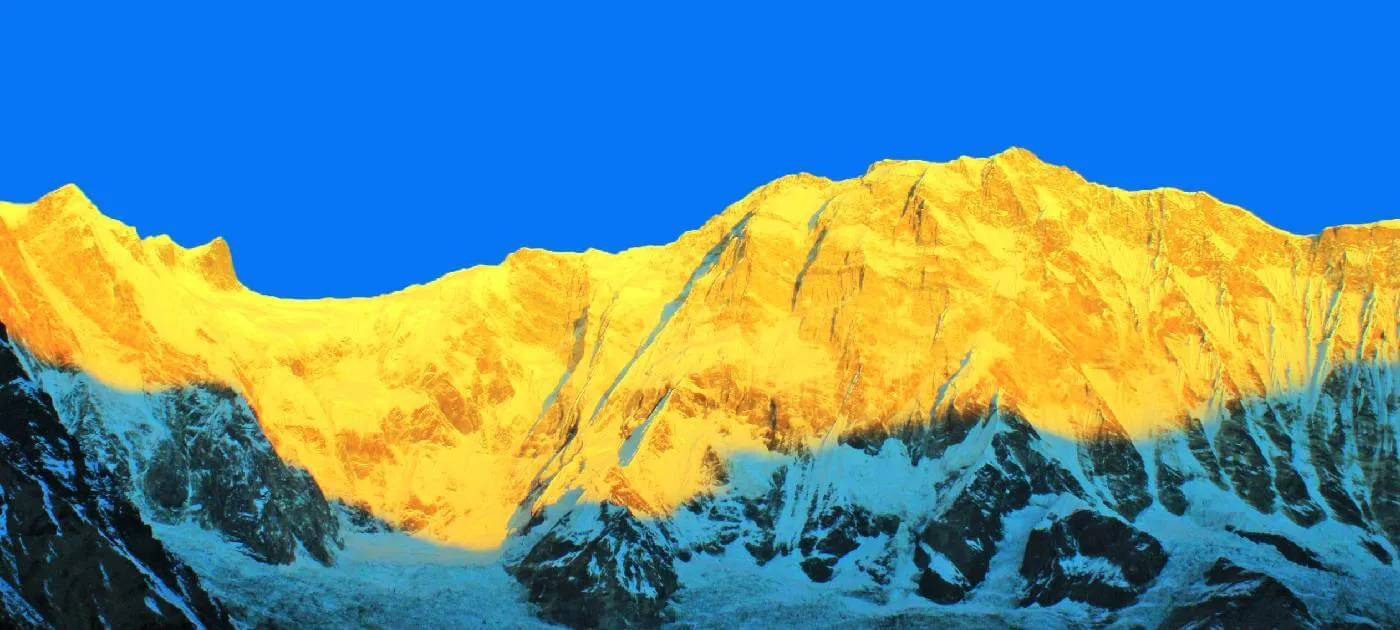
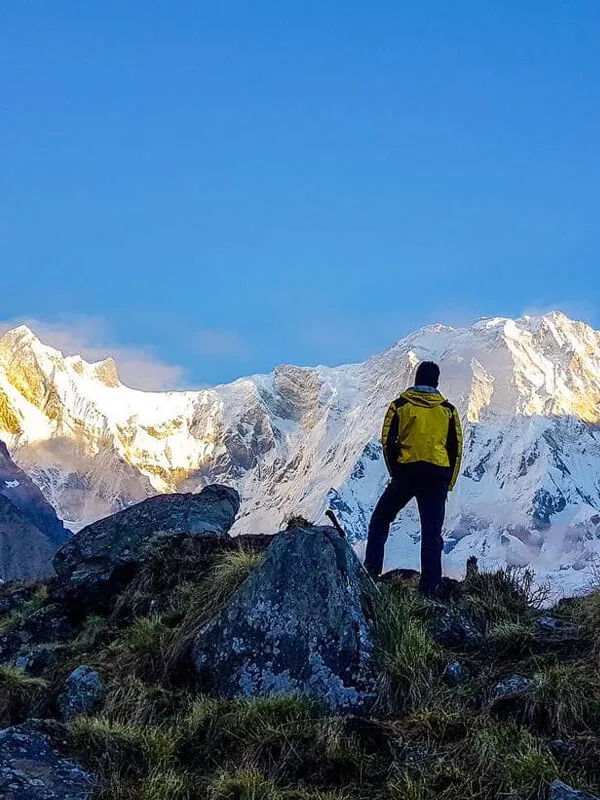
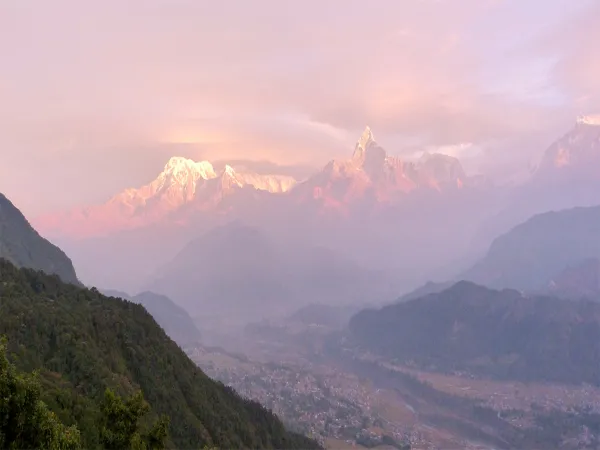
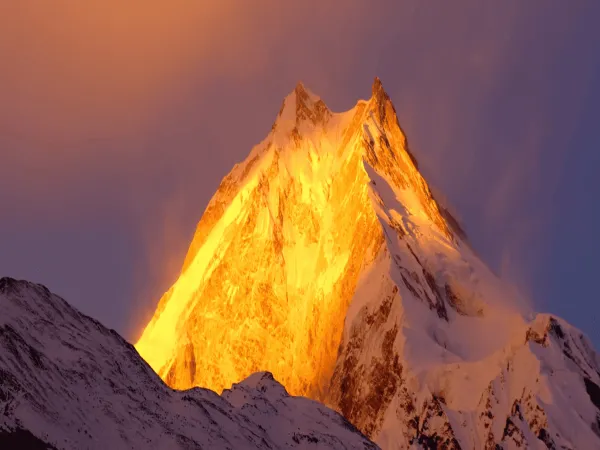
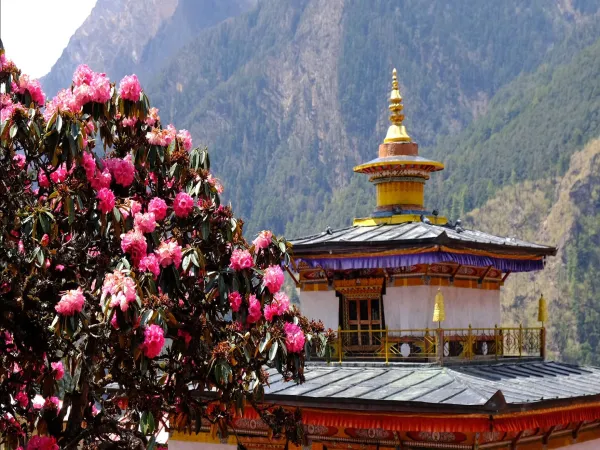
Annapurna Base Camp (ABC) in November is one of the peak seasons for trekking in Nepal. Clear skies, stable weather, well-maintained trails, and breathtaking panoramic views of the Himalayan region make this month particularly attractive. The trail passes through terraced farmlands, subtropical forest, waterfalls, high alpine terrain, and traditional Gurung and Magar villages. Temperatures are cool during the day and cold at night but with the right gear, conditions are near perfect for trekking.
Key Villages & Elevations at a Glance
| Location |
Altitude |
Description |
| Pokhara |
827 m |
Starting/ending point of trek |
| Ghandruk |
1,940 m |
Large Gurung village; cultural highlight |
| Chhomrong |
2,170 m |
Gateway to the Annapurna Sanctuary |
| Bamboo |
2,310 m |
Dense forest; rhododendron and bamboo zone |
| Dobhan |
2,520 m |
Small rest stop along the Modi Khola |
| Himalaya Village |
2,920 m |
Last major settlement before high altitude |
| Deurali |
3,230 m |
Transition zone; weather can shift quickly |
| Machhapuchhre Base Camp (MBC) |
3,700 m |
Entry to the Sanctuary; iconic mountain views |
| Annapurna Base Camp (ABC) |
4,130 m |
Main destination of the trek |
| Jhinu Danda |
1,780 m |
Natural hot springs on descent route |
Why November Is a Great Time for Annapurna Base Camp Trek?
November is an excellent time for the Annapurna Base Camp trekking because of clear weather, visibility, and overall trekking conditions. During this month, Nepal celebrates one of the biggest festivals, Tihar (Deepawali). Nepali people decorate their homes, villages, and cities across the country with lights, oil lamps, and colorful flowers to make a more beautiful cultural charm. They also worship God with traditional rituals.
You will get the chance to experience a new and positive vibe in cities like Kathmandu and Pokhara. The festive season, with well-maintained trail conditions, stunning views of mountains, and natural greenery, makes your journey more joyful and exciting. Fully open, well-prepared, clean, and cozy tea house accommodations are available for trekkers. Trekkers get the opportunity to enjoy a safe and comfortable journey due to the absence of rainfall and to reduce the risk of landslides.
Annapurna Base Camp Trek (13 Days) Day-by-Day Itinerary
This standard 13-day itinerary starts and ends in Kathmandu. It is designed for safe acclimatisation with a gradual elevation gain, ensuring you reach base camp in good health and with energy to enjoy the views. Experienced trekkers with limited time can compress to 7–8 days by chossing short Annapurna base camp itinerary and those wanting a relaxed pace can extend to 13 days.
| Day |
Route |
Elevation |
Distance (km / miles) |
Duration |
| Day 1 |
Arrival in Kathmandu |
1,400m / 4,593ft |
— |
— |
| Day 2 |
Kathmandu → Pokhara |
827m / 2,713ft |
200 km / 125 miles (drive) / 146 km / 91 miles (flight) |
6–7 hrs drive / 25 min flight |
| Day 3 |
Pokhara → Ghandruk |
1,940m / 6,365ft |
12 km / 7.5 miles |
5–6 hrs |
| Day 4 |
Ghandruk → Chhomrong |
2,170m / 7,120ft |
8 km / 5 miles |
4–5 hrs |
| Day 5 |
Chhomrong → Bamboo |
2,310m / 7,578ft |
6 km / 3.7 miles |
4–5 hrs |
| Day 6 |
Bamboo → Deurali |
3,230m / 10,597ft |
7 km / 4.3 miles |
5–6 hrs |
| Day 7 |
Deurali → Machhapuchhre Base Camp (MBC) |
3,700m / 12,139ft |
3 km / 1.9 miles |
3–4 hrs |
| Day 8 |
MBC → Annapurna Base Camp |
4,130m / 13,550ft |
3 km / 1.9 miles |
2–3 hrs |
| Day 9 |
ABC → Bamboo |
2,310m / 7,578ft |
15 km / 9.3 miles |
6–7 hrs |
| Day 10 |
Bamboo → Jhinu Danda |
1,780m / 5,840ft |
8 km / 5 miles |
4–5 hrs |
| Day 11 |
Jhinu Danda → Pokhara |
827m / 2,713ft |
9 km / 5.6 miles trek + 45 km / 28 miles drive |
3 hrs trek + drive |
| Day 12 |
Pokhara → Kathmandu |
1,400m / 4,593ft |
200 km / 125 miles (drive) / 146 km / 91 miles (flight) |
6–7 hrs drive / 25 min flight |
| Day 13 |
Departure from Kathmandu |
— |
— |
— |
November-Specific Crowd & Trail Conditions
November is split into two distinct halves when it comes to trail experience. Understanding this difference helps you plan smarter and set realistic expectations.
Early November (1st–15th): Peak Season Buzz
The first half of November is the busiest period on the ABC trail. This is when trail traffic is at its highest, teahouses are at maximum capacity, and popular viewpoints like Poon Hill (if you add the Ghorepani extension) are packed with trekkers at sunrise. Expect to share the trail with groups of all sizes solo trekkers, guided groups, and organised tour parties from Europe, Australia, and South Korea.
- Trail congestion: High, especially between Chhomrong and MBC
- Teahouse availability: Very limited without advance booking
- Views: Outstanding post-monsoon clarity is at its peak
- Weather stability: Excellent; almost zero chance of rain
- Atmosphere: Festive Nepal's Tihar (Deepawali) festival often falls in early November, decorating villages with lights and flowers
Late November (16th–30th): Quieter Trails, Same Great Views
After mid-November, trekker numbers drop noticeably. You will still find fellow hikers on the trail, but popular teahouses are no longer full. The mountain views remain spectacular, trail conditions stay dry and stable, and you have a better chance of personal moments at sunrise at ABC without 50 other people around you.
- Trail congestion: Moderate to low
- Teahouse availability: Easier to walk in, though booking ahead is still wise
- Temperature: Noticeably colder at night above 3,000m down to -10°C at ABC
- Daylight: Shorter days (sunset around 5:30 PM) start trekking early
- Snow risk: Low at ABC level; very rare on the main trail below MBC
Total Cost of Annapurna Base Camp Trek in November
The cost of the Annapurna base camp trek in November usually starts from USD 700 to USD 1500 per person, depending on the itinerary, duration, trekking starting point, types of services, group size, packages, transportation, hotel, and accommodation in tea houses.
November is a peak season, so cost can be slightly higher than in other seasons, especially due to increased demand for guides, porters, and tea houses. The mentioned list provides types of treks, packages, including services, and their estimated price:
Budget ABC Trekking in November
Budget trekking in November is cost-effective and affordable, which offers basic accommodation, meals, and also covers basic tea houses, 3 meals per day, Annapurna Conservation Area Permit (ACAP), licensed English-speaking guide, private transportation, and local support. This is an ideal option for trekkers who want a genuine, flexible, and adventurous mountain experience at a reasonable cost without compromising safety and comfort. You can get the lowest price of 700 USD per person.
Standard Package Option
This is a mid-range option that offers a balance of comfort, affordability, and support. In this package, private transportation, 3-star hotels in Kathmandu and Pokhara, porter service, comfortable tea houses, meals of better quality, 3 meals per day (breakfast, lunch, and dinner) are provided, which also covers the Annapurna Conservation Area Permit (ACAP). You can get this option for 900 USD per person.
Luxury Trekking Option
This is the premium trekking package that offers a high level of comfort, priority service, and full support from our city office throughout your trip. You will stay in a five-star hotel in Kathmandu and Pokhara before and after the trek, which gives a relaxing start and finish to your adventure. During the trek, trekkers get the best private accommodation in a tea house with attached bathroom in available places, experience a licensed trekking guide, porter services, WIFI, high- quality meals with menu options, private transportation, sleeping, and a duffle bag for a safe and enjoyable journey. You can opt for this option at 1500 USD per person.
At a glance cost Table for ABC
| Package Type |
Price (USD) |
CTA |
| Budget ABC Trek (November) |
$700 per person |
Book Now |
| Standard ABC Trek Package |
$900 per person |
Book Now |
| Luxury ABC Trek Package |
$1500 per person |
Book Now |
How to Stay Safe on Trail in November for Annapurna Base Camp?
November is one of the safest months to trek, but weather and temperatures in the Himalayan region can still change rapidly. So, staying alert and prioritizing your safety is essential. Here are the key safety measures every trekker should follow in November:
- Start your trek each day early in the morning for clear views, to avoid the afternoon temperature drop, and arrive at your destination on time.
- Nights can be very cold at higher elevations in this month; you must carry a warm and good sleeping bag.
- Wear sunglasses, sunscreen, and a hat for sun protection, even in cool weather. UV rays are so strong.
- Due to peak season, tea houses are in high demand, so booking is highly recommended.
- November offers stable and clear weather conditions, but there is still a chance of rain changing quickly, especially in the Himalayan regions. So, check weather forecasts regularly.
- Drink plenty of water to stay hydrated and eat balanced nutrition food and snacks, which helps to maintain energy levels and reduce the risk of altitude sickness.
- Wear proper layering of clothes according to the temperatures between days and nights.
- Hire an experienced English-speaking guide for emergency support and local knowledge.
- Pack properly and recheck all the necessary trekking equipment, including a first aid kit, basic waterproof jackets, hiking shoes, a headlamp, warm gloves, shocks, snacks, and so on.
- Carry all the essential documents, including Annapurna Conservation Area Entry Permit (ACAP), Travel Insurance, Passport, and Visa.
Temperature & Weather Conditions in November
November brings late autumn conditions with stable weather. Lower elevations (Pokhara to Chhomrong) see pleasant daytime temperatures of 10°C to 18°C. Higher elevations (Deurali to ABC) are cooler during the day at 5°C to 10°C, with nights dropping to -5°C to -10°C at ABC. Skies are reliably clear, humidity is low, and rainfall is extremely rare making this one of the most dependable months of the year for mountain views.
Frequently Asked Questions (FAQs) about Annapurna Base Camp Trekking in November
Is November too cold for the Annapurna Base Camp trek?
No, November is one of the best months for the trek. Daytime temperatures at lower elevations stay between 10°C and 18°C comfortable for trekking. At Annapurna Base Camp (4,130m), nights can drop to -5°C to -10°C, so a quality sleeping bag rated to -15°C is essential. Bring warm base layers and a down jacket, and you will be perfectly comfortable.
How crowded is the trail in November 2026?
Early November (1st–14th) is the tail end of peak season and sees heavy traffic, especially on weekends and around the Chhomrong and MBC sections. After mid-November, crowds drop noticeably. If you prefer quieter trails with the same great weather, aim for the second half of November. Book teahouses at least 1–2 weeks in advance, regardless, as popular stops like Chhomrong and Deurali fill up fast.
Do I still need a TIMS card in 2026?
No. As of 2023, the TIMS (Trekkers' Information Management System) card is no longer required or enforced for the Annapurna Base Camp route. You only need the Annapurna Conservation Area Permit (ACAP), which costs NPR 3,000 (approx. USD 25) for foreign nationals. Permit checks are strict at the Birethanti checkpoint, so make sure your ACAP is processed through a registered trekking agency before you start.
Are teahouses open throughout November?
Yes, all teahouses along the ABC route remain fully open throughout November. This is peak season, so accommodations are well-stocked, menus are at their widest, and facilities, including hot showers, Wi-Fi, and charging points, are available at most stops. Availability gets tight in early November, so advance booking is strongly recommended, especially for Chhomrong, Deurali, MBC, and ABC.
What is the best time of day to hike in November?
Start each day's hike by 6:30–7:00 AM. Morning skies are crystal-clear and temperatures are mild. By early afternoon, some cloud build-up can occur at higher elevations, though it rarely brings rain in November. Starting early also ensures you reach your destination before dark and gives you the best photography light for mountain views.
Is a guide mandatory for the ABC trek in 2026?
While solo trekking is technically permitted on the ABC route, Nepal's government has strongly encouraged all foreign trekkers to hire a licensed guide since the 2023 regulation update. A guide provides safety support, local knowledge, emergency assistance, and handles permit checks. For November trekking specifically, a guide is highly recommended, given the cold nights and rapidly changing mountain weather.
How do I prevent altitude sickness on the Annapurna Base Camp trek?
The ABC trek reaches 4,130m, which is high enough for altitude sickness to affect some trekkers. To minimise risk: ascend no more than 500m per day above 3,000m; stay well-hydrated; avoid alcohol the night before high-altitude days; consider carrying Diamox (consult a doctor before the trek); and never ascend if you have symptoms of AMS (headache, nausea, dizziness). The itinerary in this guide includes natural acclimatisation built into the pacing.
How much does the ABC trek cost in November 2026?
Costs vary by package type. Budget treks start from USD 500–750 per person (basic teahouses, guide, ACAP permit, transport). Mid-range packages run USD 750–1,200 and include 3-star hotels in Pokhara and porter service. Luxury packages start from USD 1,700 and include 5-star hotels, private teahouse rooms, high-quality meals, and full support. November is peak season, so prices are slightly higher than spring and significantly higher than in off-season months.