
Tibet, known as the “Roof of the World,” sits on the highest plateau on Earth at over 4,000 m and offers dramatic Himalayan scenery, ancient monasteries, and a rich Tibetan Buddhist culture. With stunning views of peaks like Everest, vast remote landscapes, and a unique history shaped by figures like Songtsan Gampo and the Dalai Lama, Tibet remains a fascinating destination for trekkers and travelers. Due to its high altitude and government regulations, visitors must obtain permits and travel with an organized tour.

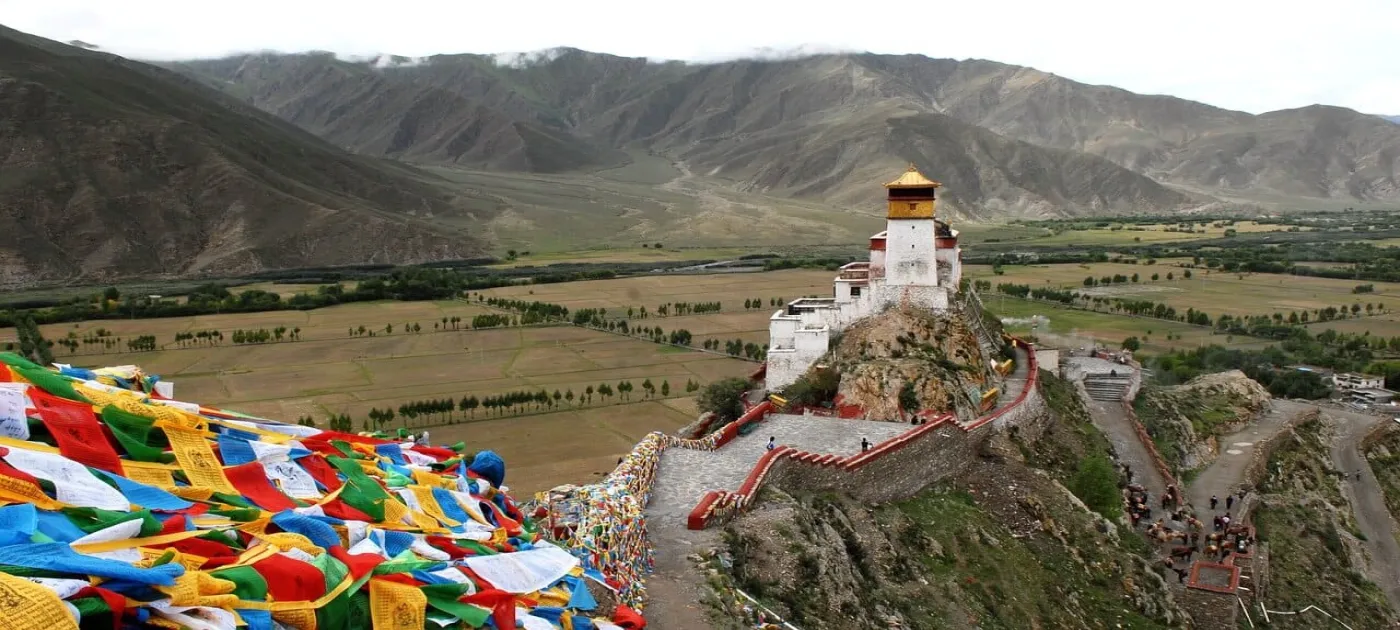
Tibet
Showing 2 Package(s)
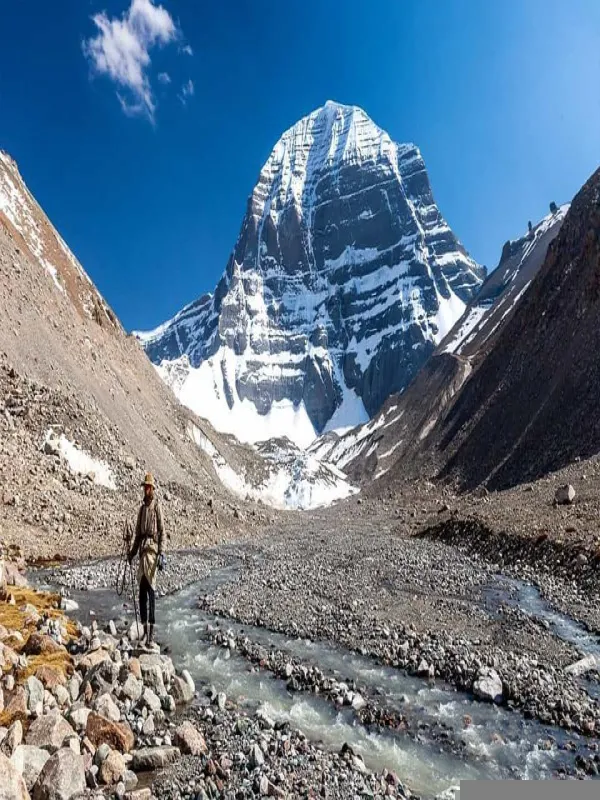
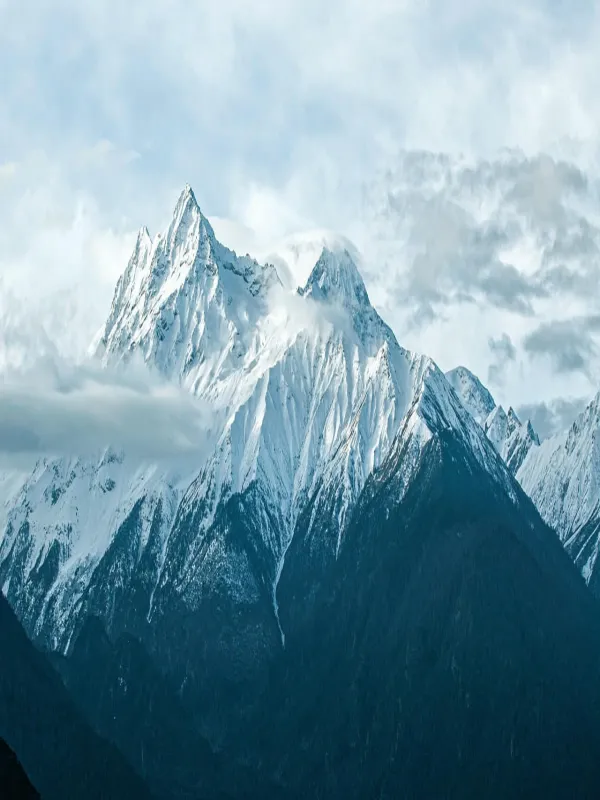
Tibet the "Roof of the World" is one of the most awe-inspiring destinations on the planet. Perched on the world's largest and highest plateau, with average elevations exceeding 4,000m, this remote Himalayan region captivates travelers with its dramatic mountain scenery, ancient monasteries, and a culture that has endured for centuries. For trekkers, Tibet offers something truly rare: vast, unspoiled wilderness, breathtaking views of the world's highest peaks including Mt. Everest, and a warmth from its people that stays with you long after you leave.
The Tibetan Plateau extends beyond the Tibet Autonomous Region into much of Qinghai, western Sichuan, northern Yunnan, and southwestern Gansu. Parts of the northwest remain so remote they are essentially uninhabited a humbling reminder of just how vast and wild this landscape truly is.
History
Tibet's recorded history stretches back to the 7th century, when King Songtsan Gampo unified the Tibetan tribes into a powerful empire, forging diplomatic ties with both China and Nepal through strategic marriages. For centuries Tibet was a major player along the Silk Road, often in conflict with Tang Dynasty China over trade routes and territory.
After periods of fragmentation and instability between the 9th and 17th centuries, Tibet's modern political and religious identity took shape when the Fifth Dalai Lama allied with the Mongol leader Güshi Khan, establishing the theocratic governance that would define Tibet for generations. The Dalai Lama remains the spiritual figurehead of Tibetan Buddhism and a globally recognized symbol of Tibetan culture and identity.
Climate
Tibet's climate is shaped by its extraordinary altitude. Surrounded by the Himalayas to the south and west and the Tanggula Range to the north, the plateau experiences a harsh continental climate cold, dry, and often windy, with intense solar radiation due to the thin atmosphere at high elevation.
Summers (June–August) bring the most warmth and are the most popular time for trekking, though monsoon rains can affect the southern regions. Spring and autumn offer stable, clear skies ideal for mountain views. Winters are severe, with temperatures dropping well below freezing, and many trekking routes become inaccessible.
Visas, Permits & Travel Practicalities
Tourism to Tibet is regulated by the Chinese government. All foreign visitors require a Tibet Travel Permit (issued by the Tibet Tourism Bureau) in addition to a standard Chinese visa. Permits are arranged through registered travel agencies in Lhasa and typically cost around ¥800 RMB through an agency.
Independent travel is not permitted all foreign visitors must travel as part of an organized tour for the duration of their stay. It's advisable to plan well in advance, as permit availability can be affected by political events or government restrictions.
Need Help? Call Us+977 9841120805