Everest Base Camp Heli Fly Out Trek 11 Days

337 reviews in TripAdvisor
91 reviews in Google

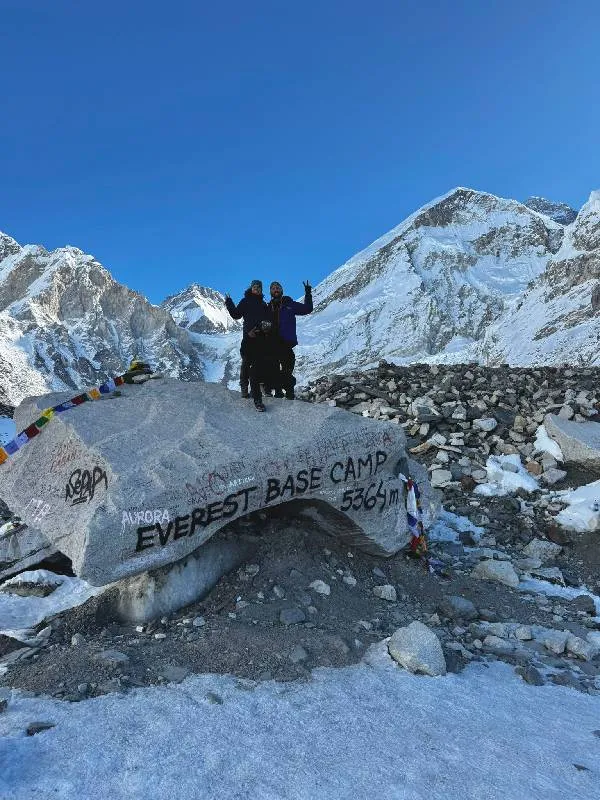
The Everest Base Camp Heli Fly-Out Trek is an 11-day adventure combining the classic trek to Everest Base Camp with a scenic helicopter return from Gorakshep to Kathmandu. Trek through Sherpa villages, monasteries, and dramatic Himalayan landscapes, reach Everest Base Camp at 5,364m and Kala Patthar at 5,545m, then fly over glaciers and valleys back to Kathmandu instead of trekking the same trail to Lukla.

Trip Facts
Duration
11 Days
Trip Grade
Moderate
Country
Nepal
Maximum Altitude
5545
Starts
Kathmandu
Ends
Kathmandu
Group Size
5
Activities
Heli Flight and Trekking
Best Time
Sept - Nov & March - May
We believe that true adventure is built on trust, safety, and comfort. The mountains demand responsibility, and quality service should never be compromised by price. Our commitment is to deliver meaningful journeys through responsible tourism, exceptional hospitality, and uncompromising standards. Therefore, we avoid unhealthy price competition.

Everest Base Camp Heli Fly Out Trek 11 Days Outline Itinerary

The Everest Base Camp Helicopter Fly-Out Trek is an 11-day Himalayan adventure that combines the standard trek to Everest Base Camp with a scenic helicopter flight back to Kathmandu. You will trek through the heart of the Khumbu region, passing through picturesque Sherpa villages, Buddhist monasteries, suspension bridges, and dramatic mountain landscapes before reaching the legendary base camp of Mt. Everest at 5,364m above sea level. 

Instead of following the same trail back to Lukla on foot, you board a helicopter directly from Gorakshep, flying over the Khumbu Icefall, Namche Bazaar, and the valleys you spent days walking through before landing in Kathmandu.

The trek offers an opportunity to experience Sherpa culture and Himalayan life at a comfortable pace. As you make your way from Lukla toward Everest Base Camp, you will pass through famous mountain settlements and experience the hospitality, traditions, and daily rhythm of communities living in the high Himalayas. The changing landscape from lush lower valleys to rugged alpine terrain makes the journey as memorable as reaching the base camp itself.

This itinerary sits between two other ways of experiencing Everest. It combines the depth of the trek to Everest Base Camp with the convenience of an Everest Base Camp helicopter tour, but unlike a same-day heli tour, you spend several days actually trekking through the Khumbu and earning your arrival at Base Camp on foot.

Unlike the traditional round-trip trek, you skip the multi-day walk back down. For travelers with limited time, tired legs, or no interest in retracing four days of trail they've already seen, the helicopter return cuts a two-week-plus journey to 11 days without cutting the trekking itself.

Highlights of Everest Base camp trek with Helicopter Return

  • Scenic Helicopter Return from the Everest Region
  • Stand at the legendary base of the world’s highest mountain and experience one of the most iconic trekking destinations on Earth.
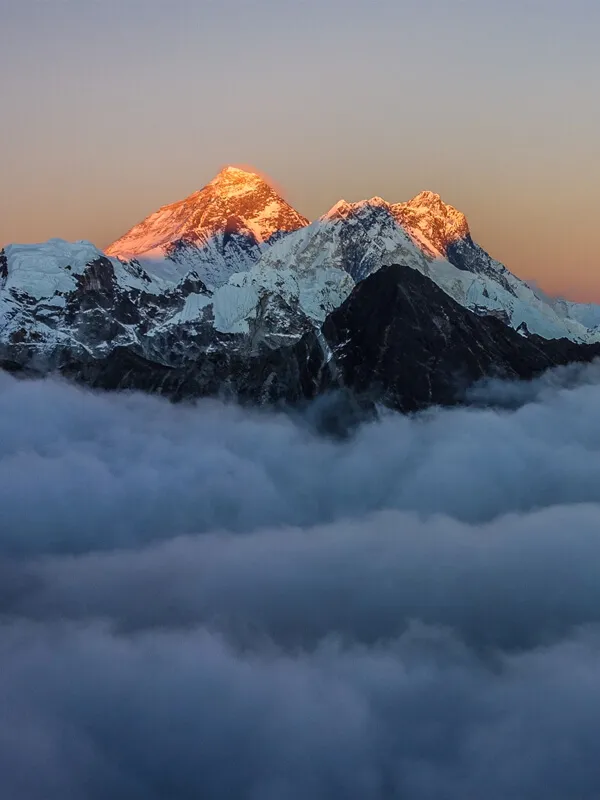
  • Witness the best close-up view of Mt. Everest, along with Lhotse, Nuptse, and Ama Dablam during a magical Himalayan sunrise.
  • Follow the legendary trail through Lukla, Phakding, Namche Bazaar, Tengboche, Dingboche, and Lobuche with stunning landscapes throughout.
  • Explore traditional Sherpa villages, monasteries, and prayer flags, and experience warm Himalayan hospitality along the trail.
  • Fly over glaciers, deep valleys, icefalls, and dramatic mountain terrain on your scenic helicopter journey back.
  • Capture Everest Base Camp, Khumbu Glacier, suspension bridges, monasteries, and aerial shots from the helicopter.

Everest Base Camp Trek with Helicopter Return Package

The adventure begins with an exhilarating trans-Himalayan flight to Lukla, the iconic gateway to the Everest region. From there, we embark on a scenic trek to the famous Namche Bazaar, where we spend two nights acclimatizing to the high altitude. Our journey continues as we trek to the hilltop village of Tengboche, home to a vibrant Buddhist monastery that offers a glimpse into the rich cultural heritage of the region.

Next, we make our way to Dingboche via Pangboche, taking another acclimatization day to prepare our bodies for the higher elevations. Here, we climb a hill just behind the village, rewarding us with unrivaled views of the Nuptse Glacier, the majestic Ama Dablam, the towering Makalu, and the awe-inspiring Everest itself, among other breathtaking peaks.

As we gain elevation, the temperatures drop, and the lush forests and farmlands give way to rugged landscapes of dwarf shrubs, rock, and ice. After an overnight stay in Lobuche, we trek to the highest village, Gorak Shep, following a rugged trail along the glacier and icefall that leads towards the summit of Everest. The hike to Everest Base Camp via the Khumbu Glacier may be challenging, but the rewards are well worth the effort. We then hike down to Gorakshep for an overnight stay, resting our bodies for the final push to Kala Patthar and the helicopter return.

Before the helicopter returns, we embark on a pre-dawn climb to the iconic Kala Patthar hill, which offers a breathtaking vantage point to witness the majestic Everest, Lhotse, Nuptse, and many other surrounding Himalayan giants in all their glory. This unforgettable experience is a true highlight of the trek, as you take in the awe-inspiring panoramic views of the world's highest peaks bathed in the warm glow of the rising sun.

After this incredible experience, we spend the night at Gorak Shep, resting and preparing for the final leg of our journey. In the morning, we board a chartered helicopter flight back to Kathmandu, soaring over high valleys, pristine lakes, ancient glaciers, and stunning mountain vistas that will leave you spellbound. This aerial perspective provides a unique and unforgettable way to bid farewell to the Everest region, creating memories that will last a lifetime.

Who Is the Everest Base Camp Chopper Fly-Out Trek Suitable For?

The Everest Base Camp Chopper Fly-Out Trek is ideal for travelers who want to experience the complete Everest Base Camp trekking adventure but prefer not to walk back the same trail all the way back to Lukla. It is particularly suitable for those with limited vacation time who want to reduce the number of return trekking days while still experiencing the villages, monasteries, suspension bridges, mountain scenery, Everest Base Camp, and Kala Patthar.

The helicopter return also adds a scenic aerial experience of the Himalayas, offering a different perspective of the Everest region on the journey back to Kathmandu. The trek is also a good option for travelers who prefer the convenience of a helicopter fly-out, with the possibility of arranging a private helicopter charter at an additional cost for those who want a more exclusive and flexible flight experience.

Everest Base Camp Trek with Helicopter Fly-Out – Itinerary Options

We offer several itinerary options for the Everest Base Camp Trek with Helicopter Fly-Out, allowing you to choose a duration that best suits your schedule and trekking preferences. The 11-day itinerary is the main option, while the 10-day and 8-day versions provide shorter alternatives for travelers with limited time.

11-Day Everest Base Camp Trek with Helicopter Fly-Out

Our 11-day itinerary provides a balanced approach to the Everest Base Camp trek, including an acclimatization day in Dingboche. You’ll trek through the Khumbu Valley, spend time in Sherpa villages, visit important monasteries, and gradually gain altitude before reaching Everest Base Camp and Kala Patthar.

After completing the trek, instead of walking the same trail back to Lukla, you’ll board a helicopter from Gorakshep and fly back to Kathmandu, enjoying spectacular aerial views of the Himalayas and the landscapes you trekked through.

10-Day Everest Base Camp Trek with Helicopter Return

The 10-day itinerary follows the same general route as the 11-day version but skips the acclimatization day in Dingboche. This makes the itinerary more compact while still covering the major highlights of the Everest Base Camp trek.

You’ll trek through the Khumbu region, reach Everest Base Camp and Kala Patthar, and then return to Kathmandu by helicopter from Gorakshep rather than retracing the trail back to Lukla.

8-Day Everest Base Camp Trek with Helicopter Return

For travelers with a very limited schedule, the 8-day itinerary offers a more condensed way to experience the Everest Base Camp trek. The itinerary starts with a flight from Kathmandu to Lukla and takes you through the Khumbu region toward Everest Base Camp and Kala Patthar.

After reaching the higher parts of the trek, you’ll board a helicopter from Gorakshep for the return flight to Kathmandu, avoiding the several days of trekking required to return to Lukla on foot.

Because this is a shorter and more demanding itinerary, it involves a faster ascent than the longer options and is best considered by trekkers who understand the challenges of rapid altitude gain.

View the complete short Everest base camp 8-day itinerary →

Everest Base Camp trekking with Helicopter Return Cost

The cost of the Everest Base Camp Trekking with Helicopter Return depends on the type of package you choose, the size of your group, and the level of service you prefer. We offer group, standard, and private options, allowing you to choose an arrangement that fits your budget and travel preferences.

Everest Base Camp with Helicopter Return Trek Cost Breakdown

Package Price per Person Suitable For
Standard Package USD 2,195 Travelers seeking a balance of comfort and cost
Luxury Private Package USD 4,800 Travelers looking for a private and more comfortable experience

Shared vs. Private Helicopter Return 

The helicopter return from Gorakshep to Kathmandu can be arranged on a shared or private basis, depending on availability and your preferred travel arrangement. A shared helicopter is the more affordable option because you share the flight with other trekkers and split the cost among passengers. It is a practical choice if keeping the overall trek cost lower is your priority and you are comfortable traveling with other passengers.

A private helicopter charter gives you the entire helicopter for your group, offering greater privacy and flexibility. It is a better fit if you prefer a more private experience and don't mind paying more for the added flexibility.

Why Choose Adventure Vision Treks for the Everest Base Camp Helicopter Fly-Out?

You should choose Adventure Vision Treks for your Everest Base Camp Helicopter Fly-Out because you’re not just booking a trek you’re trusting a local team with your Himalayan journey. With 15+ years of experience operating treks in the Everest region and 500+ trekkers guided, we understand the routes, altitude, local communities, mountain conditions, and the practical details that can make a difference along the way. Our experienced local guides know the region firsthand and stay with you throughout the journey.

For the helicopter fly-out, we work with established helicopter operators in Nepal, helping us coordinate the return flight efficiently and offer competitive rates. We also believe you should see what other travelers experienced before making your decision, which is why you can read our genuine Google and Tripadvisor reviews and hear directly from people who have traveled with us.

Your safety, experience, and peace of mind come first. From your first day in the Khumbu to your helicopter flight back from Gorakshep, our team is there to take care of the details while you focus on experiencing Everest.


Everest Base Camp Heli Fly Out Trek 11 Days Itinerary

Day 1

Arrival in Kathmandu

Upon your arrival at Kathmandu's Tribhuvan International Airport, you will be received by a representative of Adventure Vision Treks who will transfer you to the hotel. We then check in at the hotel, freshen up, and take some rest. In the evening, enjoy a welcome dinner organized by Adventure Vision Treks.
Overnight in Kathmandu

Max Altitude: 1,400m (4,593ft)
Meals: Welcome Dinner
Accommodation: 3 Star Hotel
Mode of Transportation: Private Vehicle
Welcoming Our Guest for the Everest Base Camp Heli Fly-Out
Day 2

Fly to Lukla and trek to Phakding

We begin our Everest journey with an early morning flight from Kathmandu to Tenzing-Hillary Airport in Lukla (2,804 m). The scenic flight offers spectacular views of the Himalayan landscape as we approach Lukla.

Upon arrival, our trekking guide will brief you on the trek and introduce you to your porter before we begin walking toward Phakding (2,610 m).

The trail gradually descends through beautiful mountain landscapes and small Sherpa settlements to Cheplung, where we get a glimpse of Mt. Khumbila, a sacred mountain that has never been climbed. We continue along the trail through the Dudh Koshi Valley until we reach Phakding.

Max Altitude: 2,800m (9,186ft)
Meals: B, L, & D
Accommodation: Tea House
Cozy Accommodation in Phakding, Everest Region
Day 3

Trek to Namche

Today we continue trekking along the banks of the Dudh Koshi River and cross the river several times through a suspension bridge laden with prayer flags. We cross Chumao and Monjo villages before reaching the entrance point of Sagarmatha National Park. Then after, we cross the suspension bridge and walk across Jorsale village and walk alongside the rivers of Dudh Koshi and Bhote Koshi. A steep climb through the forested trail leads us to Namche Bazaar. Namche is home to many quality restaurants, hotels, lodges, shops, money exchanges, internet cafes, and bakeries.

Max Altitude: 3,440m (11,286ft)
Meals: B,L, & D
Accommodation: Tea House
Beautiful Namche Bazaar
Day 4

Acclimatization and rest day at Namche

Today is the first scheduled acclimatization day on our treks. A mountain expert suggests staying active throughout the day: we climb high and sleep low. We spend our day in Namche Bazaar to acclimatize and adjust our bodies in a thin atmosphere.

After breakfast, we hike to Syangboche Airstrip, which is majestically located on a hill above the town. From here, we get to witness the spectacular view of Namche and the tantalizing Himalayan ranges as well. Further, we hike to Everest View Hotel. It is the highest-located hotel in the world and serves the best view of Everest and other peaks right in front of the table. We trek back to Namche and visit the Everest Photo Gallery and the Sherpa Cultural Museum.
 

Max Altitude: 3,440m (11,286ft)
Meals: B, L, & D
Accommodation: Tea House
Acclimatization at Namche Bazaar
Day 5

Trek to Tengboche

After breakfast, we take an easy trail from Namche, which leads us to the wide valley of Dudh Koshi Valley at the village of Phungki Thanka. Here we get the great views of Mount Everest. We then walk along the right side of the Dudh Koshi River until Tengboche. The trail from Namche to Tengboche offers the scenic beauty of nature, rivers, hills, and peaks.
Tengboche village is nestled at the juncture of the Dudh Koshi and the Imja Khola Rivers and is surrounded by amazing hills covered with rhododendron forest. The village houses Tengboche Monastery, the largest monastery in the Khumbu region. Here we get to witness the magnificent sight of Mount Ama Dablam, Mount Everest, and countless other peaks. The monastery opens at 3:00 PM, so if we reach the monastery by 3, we get to observe the Buddhist culture and tradition.
Overnight in Tengboche

Max Altitude: 3,800m (12,467ft)
Meals: B, L, & D
Accommodation: Tea House
Beautiful Tengboche monastery in Khumbu
Day 6

Trek to Dingboche

Today we cross the Imja River via a suspension bridge and walk towards the village of Dingboche. We drop off and walk through the lush forest of birch, conifer, and rhododendron treks. On the way, we get spectacular views of Mt. Everest, Mt. Lhotse, and Ama Dablam. We continue downhill to Debuche and cross the Imja River to reach Pangboche Monastery. We walk along Lobuche River and Imja Valley before making an ascent to Dingboche.

Dingboche is the “Summer Valley” of the Khumbu region and contains a kilometer-long wall to protect the crops from the icy winds and animals. Here we are delighted with the great views of Ama Dablam, Lhotse, and Island Peak.
Overnight in Dingboche

Max Altitude: 4,360m (14,304ft)
Meals: B, L, & D
Accommodation: Tea House
Trekkers walking at Dingboche
Day 7

Rest day at Dingboche

We spend a day in Dingboche, which helps our body to acclimatize at higher altitudes. Today we climb a ridge located behind the village and witness the amazing views of eight thousanders, including Lhotse, Makalu, and Cho Oyu. In addition, we also get to admire the Cholatse and Taboche Peaks. To the northwest, we can see the peaks standing above the Khumbu Khola valley. We also see the picture of Dingboche village and the wide Imja Khola valley from another point of the ridge.
 

Max Altitude: 4,360m (14,304ft)
Meals: B, L, & D
Accommodation: Tea House
Rest at Dingboche village
Day 8

Trek to Lobuche

After breakfast, we continue our trek to Lobuche via Dhungla. We walk across the Trekkers Aid Post located at Pheriche (4,210 m). The post is operated by Western volunteer doctors and assisted by the Himalayan Rescue Association. We also walk across Chupki Lhara, a rock-strewn oblique from where impressive mountain vistas can be seen. The trail then follows the Khumbu glacier moraine with exceptional views of mountain peaks like Khumbutse, the Mahalangur Himal, Lingtren, and Pumori. Mount Nuptse looms up ahead once the glacier pass is crossed.
 

Max Altitude: 4,930m (16,174ft)
Meals: B, L, & D
Accommodation: Tea House
Beautiful Lobuche Village
Day 9

Trek to Gorakshep and Excursion to Everest base camp

The trail to Everest Base Camp is not very difficult. However, we ascend and descend quite often on a glacier path. We also walk on rough terrains. As we reach the base camp, we admire the incredible melt patterns and enjoy the round view of ice giants on the upper reaches of the Khumbu glaciers. Everest Base Camp serves the outstanding views of the Nuptse, Khumbutse, and Pumori mountains. After exploration, we retrace our steps back to Gorakshep to stay overnight.
Overnight in Gorak Shep

Max Altitude: 5,364m (17,598ft)
Meals: B, L, & D
Accommodation: Tea House
Trekkers exploring Everest base camp
Day 10

Climb Kalapathar – Gorakh Shep and Kathmandu by helicopter

You wake up early and hike from Gorak Shep to Kala Patthar (5,545 m) to witness a spectacular Himalayan sunrise. From the summit, you can enjoy breathtaking views of Mount Everest, Pumori, Nuptse, Lhotse, and the surrounding peaks. After enjoying the scenery, you descend back to Gorak Shep for breakfast.

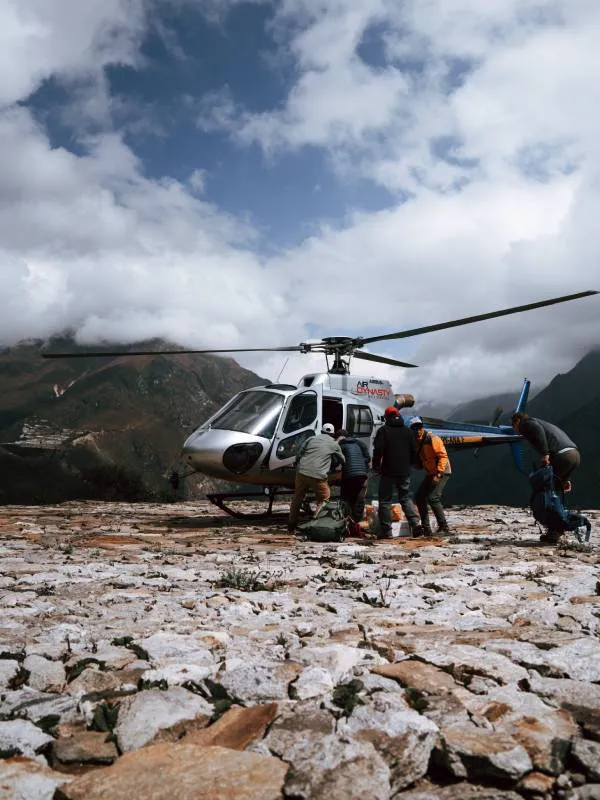
After breakfast, you board a helicopter from Gorak Shep to Kathmandu, enjoying stunning aerial views of the Khumbu Valley, glaciers, and Himalayan mountains. Upon arrival in Kathmandu, you transfer to your hotel and relax.

Max Altitude: 5,545m (18,192ft)
Meals: B, L, & D
Accommodation: Tea House
Mode of Transportation: Helicopter
Heli copter flying back to Kathmandu
Day 11

Departure

We will serve you breakfast in the morning. If your flight is planned for the morning. According to your travel plans, our team member will go to drop you at the airport (in a private vehicle). If your flight is in the evening, you may go shopping and pick up some souvenirs for your loved ones, or you can just hang around Kathmandu city. Additionally, if you wish to stay in Nepal for a few extra days, we can set up some of the best adventure activities here. 

Are you still confuse from where to start? Adventure Vision Treks and Travels has solutions for this.

Trip Costs & Availability

Altitude Chart

Equipment List for Everest Base Camp Heli Fly Out Trek 11 Days

Upper Body Layers

Moisture-wicking base layer (thermal top – 2 pairs)

Insulated fleece or softshell jacket

Down jacket (lightweight but high-fill, essential above 4,000 m)

Waterproof & windproof shell jacket (Gore-Tex or equivalent)

Lightweight trekking shirts (quick-dry 2–3)

Extra warm layer for evenings at high altitude

Lower Body Layers
  • Thermal base layer bottoms (1–2 pairs)
  • Trekking pants (quick-dry – 2 pairs)
  • Insulated pants (recommended for Gorakshep & Kala Patthar)
  • Waterproof & windproof trousers
  • Comfortable pants for teahouses
Footwear & Accessories
  • High-quality trekking boots (well broken-in)
  • Lightweight shoes or sandals (for teahouses)
  • Wool trekking socks (3–4 pairs)
  • Liner socks (optional, blister prevention)
  • Gaiters (snow/dust protection)
  • Trekking poles (highly recommended)
  • Microspikes (seasonal winter/early spring)
Head & Sun Protection
  • Warm woolen or fleece hat (covers ears)
  • Sun hat or cap (wide brim preferred)
  • UV-protection sunglasses (UV 400 / polarized)
  • Neck gaiter or buff (wind & dust protection)
  • Balaclava or face mask (for cold mornings & heli flight)
Personal & Medical Kits
  • Personal medications (with prescription if required)
  • Altitude sickness medication (Diamox – consult doctor)
  • First-aid kit (bandages, blister care, antiseptic)
  • Pain relief & anti-inflammatory medicine
  • Sunscreen (SPF 30+ or higher)
  • Lip balm with SPF
  • Hand sanitizer & wet wipes
  • Toothbrush, toothpaste, biodegradable soap
  • Small towel & toilet paper
  • Earplugs (thin walls in lodges)
Travel Documents
  • Passport (original + photocopies)
  • Nepal visa (printed or digital copy)
  • Trekking permits (Sagarmatha National Park Permit and Khumbu Pasang Lhamu Rural Municipality Permit)
  • Travel & helicopter evacuation insurance (mandatory)
  • Flight & heli ticket copies
  • Emergency contact details
  • Cash (NPR) no ATMs above Namche Bazaar
Miscellaneous
  • Backpack (30–40L for day trekking)
  • Duffel bag (if using porter service)
  • Sleeping bag (rated to -10°C or lower)
  • Refillable water bottles or hydration bladder
  • Water purification tablets or SteriPen
  • Power bank & charging cables
  • Headlamp with extra batteries
  • Snacks (energy bars, nuts, chocolates)
  • Camera / smartphone & spare memory cards
  • Lightweight travel locks
  • Map or trekking app (offline)
  • Small notebook & pen

Essential Information

Here is some useful information to know about helicopter fly-out treks:

Everest Base Camp Chopper Fly-Out: Important Flight Details

Helicopter pickup point: After completing your trek to Everest Base Camp and hiking to Kala Patthar, you will return to Gorak Shep, where the helicopter will pick you up.

Shared or private helicopter: The helicopter flight is normally operated on a shared basis. If you prefer to fly privately, we can arrange a private helicopter charter at an additional cost.

Passenger capacity: The number of passengers on a shared flight depends on the helicopter's operating conditions, passenger weights, and other flight requirements for ex its 5 to 7 people.

Baggage allowance: The standard baggage allowance is 15 kg (33 lbs) per person for the helicopter flight. If you are carrying more luggage, please inform us in advance so we can advise you about the available arrangements.

Your luggage travels with you: Your permitted luggage will normally travel on the same helicopter. Our porter will assist you with loading and unloading your bags.

Flight route and refueling: The helicopter will fly toward Kathmandu, but it may make a refueling stop at Lukla Airport before continuing to Kathmandu.

Weather conditions: Helicopter operations in the Everest region are highly dependent on weather and visibility. Poor weather can cause flight delays, rescheduling, or temporary suspension of the flight.

Weather in Lukla: If weather conditions at Lukla are unsuitable but conditions at the higher-altitude airports and along the route are favorable, the helicopter may be able to continue directly toward Kathmandu without landing at Lukla, depending on the pilot's operational decision and current conditions.

If the flight is cancelled: If the helicopter cannot operate from Gorak Shep on the scheduled day because of unsuitable weather or other operational conditions, you will be provided with an additional night in Gorak Shep, and the helicopter flight will be attempted when conditions permit.

Flight inclusions: The helicopter fly-out is included as part of the package, including the Gorak Shep–Kathmandu helicopter transfer, applicable standard baggage allowance, and assistance with loading your luggage.

What Are the Accommodations Like on the Everest Base Camp Trek?

Accommodation during the Everest Base Camp trek is provided in standard local teahouses and mountain lodges, generally on a twin-sharing basis. The rooms are simple but comfortable, with basic beds, mattresses, pillows, and blankets, while private bathrooms are available wherever possible, although shared bathrooms are more common at higher elevations.

Adventure Vision Treks provides sleeping bags for the trek, which can be used along with the blankets, particularly during the colder nights at higher altitudes. Hot showers are available at most teahouses for an additional charge, while Wi-Fi and device charging facilities may also be available for an extra fee, although the connection and facilities can become more limited as you gain altitude.

Accommodation at Lobuche and especially Gorak Shep is generally more basic than in Namche Bazaar because of the remote location and harsh mountain environment. You can expect clean, modest, and functional accommodation designed primarily for rest and recovery rather than luxury, with facilities becoming increasingly simple as you approach Everest Base Camp.

Foods during the trek

Meals are included throughout the Everest Base Camp trek heli fly-out and are generally served at the local teahouses where you stay. Breakfast usually includes options such as Tibetan bread, toast, eggs, pancakes, porridge, muesli, cereal, or chapati, along with tea or coffee.

For lunch and dinner, you can choose from popular trekking meals such as dal bhat (rice, lentil soup, and vegetables), noodles, fried rice, pasta, momos, Sherpa stew, soups, potatoes, and various vegetable dishes.

Vegetarian meals are widely available, and vegan options can also be arranged; if you have specific dietary requirements, allergies, or food restrictions, it is best to inform us in advance so we can make the necessary arrangements.

Tea and coffee are commonly available at teahouses, while additional drinks can be purchased separately. Drinking water is not normally included in the meal package; you can purchase bottled or mineral water along the trail, or refill your bottle with treated or filtered water where available.

Snacks are generally not included, so items such as chocolate, energy bars, biscuits, nuts, and other trekking snacks can be purchased along the route or brought from Kathmandu. As you reach higher elevations, food choices may become more limited, but teahouses still provide sufficient meals to keep you fueled throughout the trek.

Can the Helicopter Flight Be Cancelled Because of Weather?

Yes, the Everest Base Camp helicopter fly-out can be delayed, rescheduled, or cancelled temporarily due to unfavorable weather conditions. Helicopter operations in the Everest region depend heavily on visibility, wind speed, cloud cover, and overall flight safety, particularly at the high-altitude landing points around Gorak Shep and Kala Patthar.

If weather conditions are unsuitable, the pilot may delay the departure until visibility and flying conditions improve rather than operating an unsafe flight. If the helicopter cannot operate on the scheduled day, we will make backup arrangements and provide an additional night at Gorak Shep, allowing the flight to be attempted when conditions become suitable.

Since mountain weather can change quickly and flight schedules are subject to operational and safety conditions, we strongly recommend keeping some flexibility in your itinerary after the trek, especially if you have an international flight or other important travel plans immediately after the helicopter transfer.

Everest Base Camp Heli Fly Out Trek 11 Days FAQs

What is the Everest Base Camp Heli Fly-Out Trek?

The Everest Base Camp Heli Fly-Out Trek is a shorter alternative to the regular Everest Base Camp Trek. After reaching EBC, instead of retracing the trail back to Lukla on foot, you take a helicopter from Gorak Shep directly to Kathmandu. This saves around 3 days of trekking while allowing you to experience the major highlights of the Everest Base Camp journey.

How many days is the Everest Base Camp Heli Fly-Out Trek?

The Everest base camp heli fly out trek takes 11 days from the Kathmandu and return. Please note this 11 days also include the arrival and departure days. If you are already in Nepal then that 2 days will be deducted which will make your journey total of 9 days.

How difficult is the Everest Base Camp Heli Fly-Out Trek?

The Everest base camp heli fly out trek is moderate for the trekkers. You will be walking on the thin air of the Everest region along the glaciers, rivers, valleys, basic accommodations, basic foods, regular walking for 6 to 8 hours a day.

Is the Everest Base Camp Heli Fly-Out Trek suitable for beginners?
Yes, the Everest base camp heli fly out trek is suitable for beginners as this trip takes you to the base camp and fly to Kathmandu. However, please note that just because you fly does not means its easy as still you will need to walk from the Lukla to Kalapatthar by foot and you will have the 2 days acclimatization which shall be enough for you as a beginner.
What is the maximum altitude reached during the trek?

The maximum altitude reached during the trek is 5545 meters 18192.26 ft above sea level at the Kala Patthar and 5,364 meters (17,598 feet) above sea level at the EBC.

How many hours do we trek each day?

You will need to walk around 6 to 8 hours a day. Some days might be long and some days might be short that depends upon the itinerary.

Where does the helicopter pick us up after Everest Base Camp?

The helicopter picks you up at the Gorakshep after the Everest base camp as the pick up from the base camp is generally for the one-day helicopter tour or for the expedition’s groups at the EBC.

Does the helicopter pick us up directly from Everest Base Camp?

No, the helicopter does not picks up directly from the Everest base camp for the trekkers who are walking from the Lukla to EBC however in emergency situations private charters can be done.

Can the helicopter fly directly from Gorakshep to Kathmandu?

Yes, Helicopter can fly directly from Gorakshep to Kathmandu. Our heli fly out itinerary includes direct fly to Kathmandu however, if the fuel levels are low they might stop for refuelling at Tenzing Hillary Lukla airport.

What is the difference between a shared and private helicopter flight?

The main difference between shared and private helicopter are:

A shared helicopter flight means you fly with other trekkers on the same helicopter, so the cost is shared among the passengers. It is generally more affordable but operates according to the helicopter operator’s schedule and available seats.

A private helicopter flight is chartered exclusively for you or your group. It offers more flexibility regarding scheduling and passenger arrangements but costs more than a shared flight. Both options are subject to weather conditions, flight regulations, and helicopter availability.

How many passengers can fly in the helicopter?

Generally, 5 to 7 passengers can fly in the Helicopter depending upon the chopper models and carrying capacity.

Is there a passenger weight limit for the helicopter?

Yes, there is passenger weight limit for the helicopter which is the 15 kg per person which is around 33 LB.

What is the baggage allowance for the helicopter?

The baggage allowance for the Helicopter is one duffel bags and one back packs per person.

What happens if the helicopter cannot carry all passengers or luggage at once?

If the helicopters cannot carry all passenger or luggage at once the groups would be divided into two groups and then brought back to Kathmandu.

What is a weight shuttle on the Everest Base Camp helicopter flight?

A weight shuttle on the Everest Base Camp helicopter flight means passengers or baggage may be divided into multiple flights when the total weight exceeds the helicopter’s safe carrying capacity, especially at the high altitude of the Everest.

How long does the helicopter flight from Gorakshep take?

The helicopter flight from Gorakshep to Kathmandu usually takes around 1.5 to 2 hours, depending on weather, air traffic, and the flight route.

What happens if bad weather prevents the helicopter from flying?

If the bad weather prevents the helicopter from flying you will need to stay on day additional in the Gorakshep and when the weather improves you can fly back.

Is the helicopter fly-out guaranteed?

No, the helicopter fly-out is not guaranteed and depends on weather, visibility, airport conditions, and helicopter availability. If the flight is delayed or cancelled due to unsafe conditions, alternative arrangements will be made based on the situation.

Will we have to trek back to Lukla if the helicopter cannot fly?

If the helicopter cannot operate due to weather or other flight conditions, you may need to wait at Gorak Shep until conditions improve. If a flight is not possible, an alternative arrangement, which may include trekking back toward Lukla, will depend on the situation and available options.

What happens if our Lukla flight or helicopter flight is delayed or cancelled?

Flights to and from Lukla and helicopter flights are weather-dependent and may be delayed or cancelled. If this happens, we will help arrange the next available flight or an alternative travel option, depending on the situation and availability.

How do you manage altitude sickness during the trek?

You can manage altitude sickness during the trek by walking slowly, hydrating yourself, listening to guide instructions, having balanced diet meals, and listening to your body.

What happens if I become sick at high altitude?

If you become sick at high altitude our guide will inform us and then we will check your conditions and if we think it can be improved with more acclimatization our porter will bring you back to the lower altitude. However, if we think your situations do not improve, we will arrange an emergency helicopter evacuation.

Is helicopter evacuation included in the trek?

No, the helicopter evacuation is not included in the trek and it’s the last stage of emergency before we do it and its mainly covered by your travel agency.

Do I need travel insurance for the Everest Base Camp Heli Fly-Out Trek?

Yes, you need the travel insurance for the Everest base camp heli fly out with the insurance you will not be allowed to enter in the Sagarmatha National park and its also about your safety so its mandatory.

What type of accommodation is provided during the trek?

The standard type of accommodations is provided during the trek which is on the twin sharing basis with the normal bed sheets, blankets, pillows and sharing heated dinning rooms.

Are meals included in the Everest Base Camp Heli Fly-Out Trek?

Yes, the meals are included in the Everest base camp heli fly out trek. We provide the Breakfast, Lunch and Dinner according to your choice and availability during the hike.

Can I get vegetarian or special dietary meals?

Yes, vegetarian and special dietary meals can be arranged. Please inform us when booking so we can notify the guide and teahouses in advance and make the necessary arrangements.

What permits are required for the Everest Base Camp Heli Fly-Out Trek?

You generally need the Sagarmatha National Park Permit and the Khumbu Pasang Lhamu Rural Municipality Permit for the Everest Base Camp Heli Fly-Out Trek. These permits are usually arranged by us as part of the trekking package.

What should I pack for the Everest Base Camp Heli Fly-Out Trek?

Pack warm layered clothing, trekking boots, a down jacket, gloves, a hat, sunglasses, sunscreen, a water bottle, personal medications, and basic toiletries. Since you will fly back by helicopter, keep your baggage within the helicopter's weight limit and pack only essential items.

What is the best time for the Everest Base Camp Heli Fly-Out Trek?

The best time is spring (March to May) and autumn (September to November), when the weather is generally stable, skies are clearer, and mountain views are excellent. These conditions are also more suitable for the helicopter flight from Gorak Shep.

How far in advance should I book the trek?

We recommend booking at least 2–4 weeks in advance, especially during the peak seasons of spring and autumn. Booking earlier helps secure accommodation, permits, Lukla flights, and helicopter arrangements.

Can I customize the Everest Base Camp Heli Fly-Out Trek?

Yes, the Everest Base Camp Heli Fly-Out Trek can be customized according to your schedule, preferences, and fitness level. You can adjust the number of trekking days, accommodation, and helicopter arrangements by discussing your requirements with us before booking.

Can I fly by helicopter to Lukla?

Yes, you can fly to Lukla from Kathmandu instead of taking the regular Kathmandu-Lukla flight.

What is the Everest Base camp trek and return by helicopter flight cost?

The cost depends on the group size and trekking season. Normally a private trip to Everest Base Camp and return by shared helicopter starts from 2200 USD.

How to book Everest base camp heli fly out trek with Adventure vision treks?
You can book the Everest Base Camp Heli Fly-Out Trek with Adventure Vision Treks by sending us an inquiry through our website, booking directly through our online booking portal, or contacting us via WhatsApp. Our team will assist you with the booking process and necessary arrangements.
Select Your Package
jiban thapaliya
Need Help? Chat Us.
+977 9841120805
Customize Trip

You May Also Like

Top Rated
Beautiful Luxury Everest base camp trekking
12 Days
5.0(2 Reviews)
Grade: Moderate

Luxury Everest Base Camp Trek

From
US$4900
See Details
Best Selling
Everest Base Camp Trek 2026 updated
14 Days
5.0(4 Reviews)
Grade: Moderate

Everest Base Camp Trek 14 Days

From
US$1390
See Details
Heli Tour
Everest region helicopter services
1 Days
Grade: Easy

Everest Region Helicopter Services

From
US$1450US$1500
See Details
Need Help? Call Us+977 9841120805