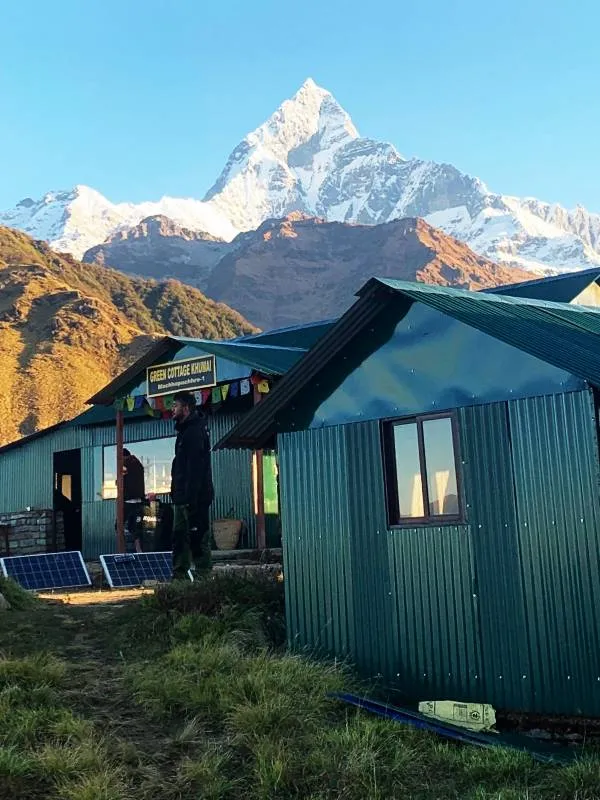
The Mardi Himal Trek is one of the best short trekking routes in Nepal, located in the stunning Annapurna region inside the Annapurna Conservation Area. Unlike many longer Himalayan treks, Mardi Himal offers an incredible mountain experience within just 8 days, making it perfect for travelers who want breathtaking Himalayan scenery without spending weeks on the trail.
The major highlight of this trek is the unbeatable close-up view of Machhapuchhre (Fishtail), Annapurna South, Hiunchuli, and the Annapurna range from the Mardi Himal Viewpoint (around 4,500 m). Compared to other popular routes in Nepal, Mardi Himal provides a more peaceful and less crowded trekking experience while still offering dramatic mountain landscapes.
The trail takes you through beautiful rhododendron forests, alpine meadows, and traditional Gurung villages, where you can experience authentic local culture, warm hospitality, and Himalayan lifestyles. The region is also rich in biodiversity, with opportunities to spot Himalayan birds and wildlife along the way.
With its short duration, moderate difficulty, incredible mountain views, cultural experiences, and quieter trails, the Mardi Himal Trek is an excellent choice for beginners, families, and anyone looking for a less crowded alternative to classic Annapurna treks while still experiencing the true beauty of the Himalayas.
Experience Stunning Close-Up Views of Annapurna & Machhapuchhre Mountains in a Short Time
When you are trekking to the Mardi Himal you will have the best opportunity to experience the stunning close-up views of the Annapurna and Machapuchhare often known as the Fish tail mountain as the peak summit looks exactly like the fish tail.
Unlike any Himalayan routes where mountains remain distant throughout the journey, this trail gradually climbs through peaceful forests, traditional villages, and alpine landscapes until reaching viewpoints above 4,000 meters, where you stand face-to-face with some of Nepal’s most iconic Fish tail peaks.
Walk Through Beautiful Rhododendron Forests
One of the highlights of the Mardi Himal Trek is walking through the enchanting rhododendron forests that blanket the lower and middle sections of the trail. From February to April, these forests burst into bloom with vibrant shades of red, pink, white, and purple, creating one of the most spectacular natural displays in the Himalayas.
As Nepal's national flower, the rhododendron adds a unique charm to the journey, while the peaceful woodland is home to diverse birdlife and wildlife. The shaded trails, fresh mountain air, and colourful surroundings make this section of the trek both relaxing and unforgettable, offering a perfect contrast to the rugged alpine landscapes higher up the route.
What is Mardi Himal Difficulty Level in Nepal?
The difficulty level of Mardi Himal in Nepal is moderate as you will be trekking to highest altitude of 4500 meters at the high camp often known as the Mardi Himal base camp. This altitude is high compared to many trekking routes in Nepal and its even higher than the Annapurna base camp making it the reasonable high-altitude trek.
The trail involves 5 days of walking, with daily hikes of 4–7 hours over well-established paths that pass-through forests, ridgelines, stone staircases, and alpine terrain.
The most challenging part of the trek is the final ascent from High Camp to Mardi Himal Base Camp (4,500 m). This section is steeper, rockier, and takes place at a higher altitude, where thinner air can make walking more demanding. However, the pace is gradual, and the route does not require any technical climbing or mountaineering skills.
Although the trek is relatively short, you still reach elevations above 4,000 meters, so there is a small risk of altitude sickness. Walking at a steady pace, staying hydrated, and following a well-planned itinerary with proper acclimatization greatly reduce this risk. Also read our blog on the topic: How to avoid altitude sickness on the high-altitude mountains in order to avoid any kinds of AMS related during the journey.
How long is Mardi Himal?
The Mardi Himal is of 8 days in total including Kathmandu arrival to departure as of Adventure vision Treks. However, the trek can be completed in 4 days as well if you are in Pokhara already we have the package which operates from Pokhara to Mardi Himal and return at Pokhara.
However, we don’t suggest you to do the walk in 4 days as you will be reaching the altitude 4000 meters + and gaining this much altitude in short time might make you sick and you might suffer from the Altitude sickness. Although it is experienced in short time still have the time and patience to climb the ridge.
What is cost of Mardi Himal Trek in Nepal?
The Mardi Himal Trek in Nepal costs around USD 650 per person for an 8-day trekking package. This price covers all the essential services required for a safe, comfortable, and hassle-free journey through the beautiful Annapurna region, making it an excellent choice for both first-time trekkers and experienced hikers.
At USD 650, the Mardi Himal Trek offers an outstanding balance between affordability and adventure. It allows you to experience stunning Himalayan landscapes, authentic local culture, beautiful rhododendron forests, and breathtaking close-up views of Machhapuchhre (Fishtail) and the Annapurna mountain range with the support of an experienced professional trekking team.
The exact cost may vary depending on the group size, customized itinerary, accommodation preferences, transportation options, and additional services you choose. For detailed information about what is included and excluded in the Mardi Himal Trek cost, please check the sections below.
Note: The mentioned price is the standard package cost for the regular 8-day Mardi Himal Trek itinerary. Customized packages can be arranged according to your preferences, budget, and travel requirements.
Mardi Himal Trekking Itinerary
The Mardi Himal Trek itinerary is a short and rewarding trekking route in the Annapurna region of Nepal, offering breathtaking views of Machhapuchhre (Fishtail), Annapurna South, Hiunchuli, and the Annapurna mountain range. Depending on your available time and fitness level, the trek can be completed in 4 to 8 days, with the most popular itinerary taking around 5–7 days from Pokhara.
Why Choose Adventure Vision Treks for Mardi Himal Trek?
Choose Adventure Vision Treks for your Mardi Himal Trek and experience the Himalayas with a trusted local trekking company dedicated to providing safe, comfortable, and memorable adventures in Nepal. With years of experience operating trekking journeys across the Annapurna region, we offer professionally designed itineraries, experienced local guides, transparent pricing, and complete trekking support from arrival to departure.
Our Mardi Himal Trek packages are fully customizable according to your available time, budget, and travel preferences, whether you prefer a short trek from Pokhara or a relaxed itinerary with proper acclimatization. Our knowledgeable guides ensure your safety while sharing insights about the local culture, mountains, wildlife, and hidden gems along the trail.
We take care of all essential arrangements, including transportation, permits, accommodation, and trekking logistics, allowing you to focus on enjoying the breathtaking views of Machhapuchhre, Annapurna, beautiful rhododendron forests, and authentic Gurung villages. With us, you get a perfect combination of professional service, personalized attention, local expertise, and an unforgettable Himalayan experience.
Book Your Mardi Himal Trek with Exclusive Benefits
Ready to explore one of Nepal’s most beautiful short trekking routes? Join Adventure Vision Treks for the Mardi Himal Trek and enjoy:
- Experienced local trekking guide
- Flexible departure dates
- Customized itinerary options
- Affordable package prices
- Complete trekking support from arrival to departure
Don’t miss the chance to witness the stunning close-up views of Machhapuchhre and the Annapurna range. Contact Adventure Vision Treks today and get your personalized Mardi Himal Trek package.