Langtang Valley Trek in Nepal which is of 9 days is one of the closest and shortest Himalayan trekking routes from Kathmandu, located just around 100 km north of the capital. This scenic journey takes you deep into the Langtang National Park, offering breathtaking views of snow-capped peaks, glaciers, and alpine valleys within a short time frame.
Trip Facts
Duration
9 Days
Trip Grade
Moderate
Country
Nepal
Maximum Altitude
5033
Starts
Kathmandu
Ends
Kathmandu
Group Size
25
Activities
Trekking
Best Time
Sept - Nov & March -May
We believe that true adventure is built on trust, safety, and comfort. The mountains demand responsibility, and quality service should never be compromised by price. Our commitment is to deliver meaningful journeys through responsible tourism, exceptional hospitality, and uncompromising standards. Therefore, we avoid unhealthy price competition.
Langtang Valley Trek Outline Itinerary
Day 1:
Arrival in Kathmandu Valley
Altitude: 1,400m
Day 2:
Drive from Kathmandu to Syabrubesi
Altitude: 2,380m
Day 3:
Trek from Syabrubesi to Lama Hotel
Altitude: 2,500m
Day 4:
Trek from Lama Hotel to Langtang Village
Altitude: 3,430m
Day 5:
Trek from Langtang Village to Kyanjin Gompa
Altitude: 3,890m
Day 6:
Trek Back to Lama Hotel
Altitude: 2,500m
Day 7:
Trek from Lama Hotel to Syabrubesi
Altitude: 2,380m
Day 8:
Drive from Syabrubesi to Kathmandu
Altitude: 1,400m
Day 9:
Departure
The trail passes through traditional villages inhabited by Tamang and Tibetan communities, allowing trekkers to experience authentic Himalayan culture, ancient monasteries, and prayer wheels. A major highlight of the trek is a visit to the famous Yak Cheese Factory at Kyanjin Gompa, where you can taste locally produced Himalayan cheese while surrounded by towering mountains.
Special About Langtang Trekking 2026/2027
Langtang trekking 2026/2027 stands out as one of the best short Himalayan trekking experiences in Nepal. If you are searching for the stunning mountain scenery, rich culture, and easy accessibility from Kathmandu this will be the ideal option for you.
One of the major highlights for the 2026/2027 trekking seasons is the well-maintained trails, improved teahouse facilities, and safer road access to the trek’s starting point. The region has fully recovered and developed from the 2015 earthquake with better accommodation, hygienic food options, and reliable local services, making it suitable for first-time trekkers, families, and senior travellers.
Langtang trekking is also special because it combines Himalayan landscapes and cultural immersion in a short time. You can enjoy close-up views of Langtang Lirung (7,227m), glaciers, alpine meadows, and high-altitude viewpoints like Kyanjin Ri and Tserko Ri, all without long travel days or domestic flights.
Langtang is an ideal choice for budget-friendly trekking. Permit costs remain affordable, itineraries are flexible, and the trek can be completed in 7–9 days, making it perfect for travellers with limited time but high expectations.
Additionally, the opportunity to experience authentic Tamang and Tibetan culture, visit ancient monasteries, and explore the famous Yak Cheese Factory at Kyanjin Gompa adds a unique cultural and culinary dimension that few other treks in Nepal offer.
Closest Himalayan Trek from Kathmandu
Langtang Valley is the closest Himalayan trekking route from Kathmandu, making it the perfect choice for travellers who want to experience the Himalayas without long flights or multi-day drives. You can easily reach its starting point with 4 hours drive from the capital city as its only 100km in distance. The road leading you to this beautiful journey is lush green, beautiful valleys, and the majestic views of the mountains.
If you are trying to find the alternate to the Everest base camp or the Annapurna base camp then this would be perfect choice for you. As the Everest and Annapurna requires the multi day long walks, long drives, experience of hiking, and more days to explore its base camps. However, the Langtang valley is short walking days, gradual ascend, needs no prior experience, and can be reached in short periods of time.
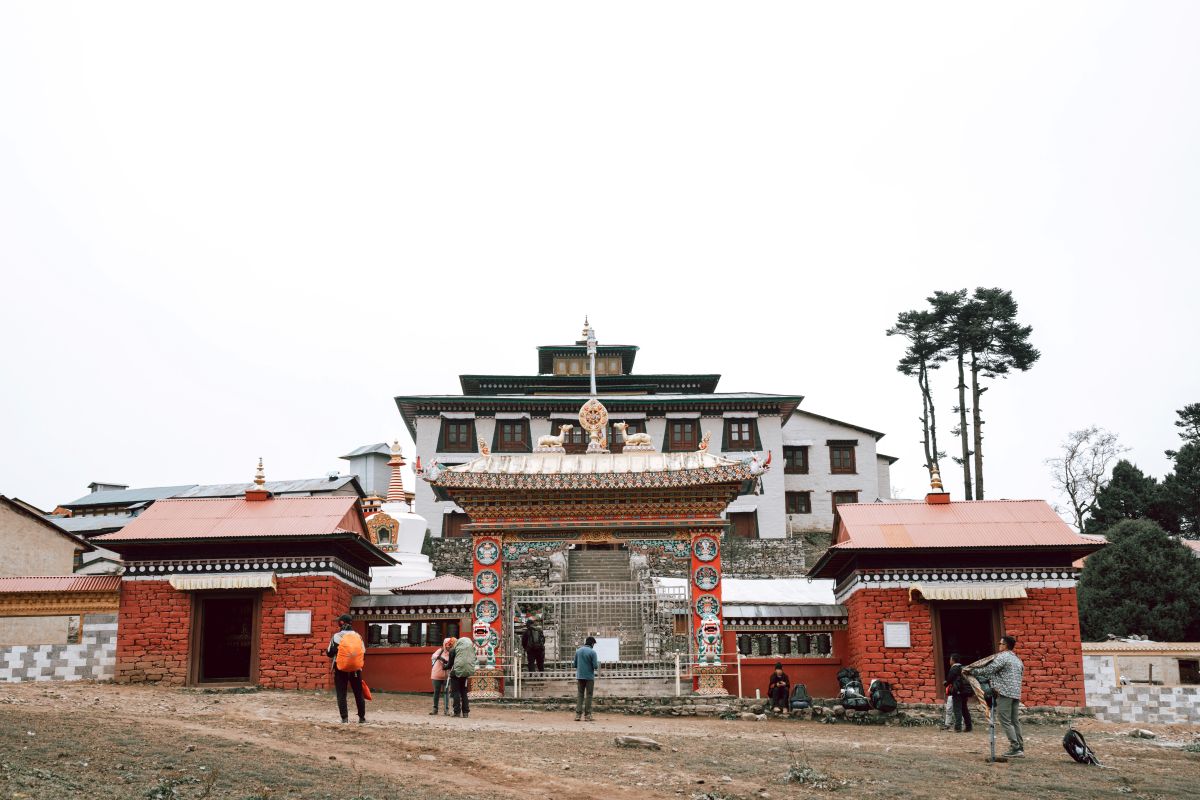
Beautiful Monastery on the trail
Being close to the capital city this trail is perfect for the short holidays, weekend gateways and first-time trekker who wants to explore the authentic culture and traditions of Tamang people, with the spectacular Himalayan scenery including the majestic peaks like Langtang Lirung (7,227m), glaciers, and alpine meadows, all within a short and manageable itinerary.
Authentic Tamang & Tibetan Culture in Nepal
Langtang region in Nepal is known for its local people Tamang and Tibetan people who have preserved their cultural identity in this 2026/2027 advance world. You will notice that the trails leading to your destinations is mainly passes by the local architecture which is stone and mud houses, ancient customs such as the prayer wheels all over the village, prayer flags fluttering in the sky, small and big monastery all over the village, people praying and doing meditations on the mountains which gives the glimpse of the authentic culture and traditions of the mountains.
You will get a chance to interact with friendly Tamang and Tibetan communities who is influenced by the Buddhism culture and traditions, witnessing their daily routines, agricultural practices, and traditional festivals such as the Lhosar (Tibetan New Year), Buddha Jayanti, Chhewar, Dhukuti Festival and many more.
Visit the Famous Yak Cheese Factory in Kyanjin Gompa
Kyanjin Gompa is a famous place in the Langtang Valley and a major highlight of the trek. You can visit the well-known yak cheese factory in the village. This small traditional factory is run by local villagers who produce yak cheese, butter, and other dairy products using age-old methods that have been passed down through generations.
You can observe the entire cheese-making process, from milking the yaks to pressing and aging the cheese, giving a rare glimpse into local craftsmanship. You can also taste the cheese which is unique culinary treat that cannot be found anywhere else.
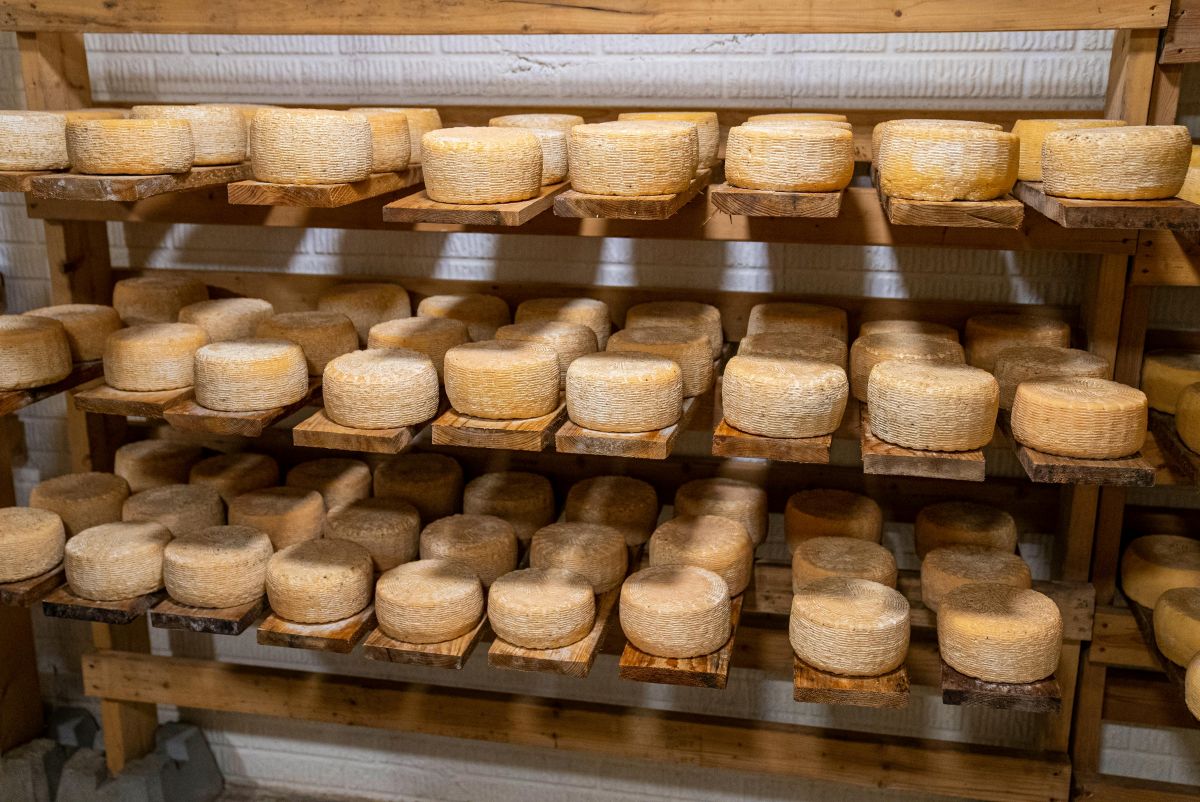
Yak cheese kept at Langtang Village cheese factory
Why to book Langtang trekking with Adventure Vision Treks?
When you choose Adventure Vision Treks for your Langtang trek, you’re not just choosing a trekking company in Nepal you’re choosing a team with 20+ years of experience, with its own transportation, comfortable accommodations, and complete trekking logistics.
We understand the true spirit of trekking. When you’re surrounded by the beauty of the Himalayas, you’ll naturally want to capture every moment. That’s why our trained guides are equipped with cameras and help you save those memories beautifully.
More than anything, we focus on a real hospitality experience. Trekking is personal some walk fast, some slow, and some need rest or extra care. Our friendly, experienced guides adjust to your pace and make sure you feel comfortable, cared for, and supported at every step.
With us, it’s not just a trek, it’s a warm, human experience filled with memories, care, and smiles.
Different Routes taking you to the Starting point of Langtang Valley trails
The routes taking you to the starting point of Langtang trails are via the Kathmandu → Syabrubesi and Kathmandu → Dhunche route.
Kathmandu → Syabrubesi
The Kathmandu to Syabrubesi is one of the most popular ways to reach the starting point of Langtang. The distance Kathmandu to Syabrubesi is around 120 Km (74 miles) which can be reached in 4-hour drive. You will have a scenic drive along the Tri Shuli River passing via the beautiful local villages, terraced fields, dense forests and some views points. Our itinerary also includes some of the hidden spots on the way which is not known by many.
Kathmandu → Dhunche
Kathmandu to Dhunche is another alternative route to reach the Langtang Valley. The distance between Kathmandu and Dhunche is around 100 kilometers (62 miles). This route passes through beautiful hillside trails and traditional Tamang villages, offering a scenic and peaceful driving experience. Although it is less popular compared to the main route, it is ideal for those looking for a scenic and peaceful drive. It is also an ideal option if you want to combine the Gosainkunda Lake trek with the Langtang Valley or explore the Tamang Heritage Trail along the way.
Langtang Valley Trek Nepal Cost
The Langtang Valley Trek Nepal cost is more affordable than many other trekking regions in Nepal, thanks to its easy accessibility and shorter itinerary. Costs typically range from USD 600 to USD 1,000, depending on services, group size, accommodation standards, and trekking season.
A standard Langtang trekking package generally includes the Langtang National Park entry permits, meals and accommodation during the trek, transportation from Kathmandu to Syabrubesi, and guide and porter services. However, travel insurance, personal expenses, beverages, and Wi-Fi fees are usually not covered.
Langtang Valley Trekking Itinerary
The Langtang Valley Trek itinerary is shorter than many of Nepal's other popular trekking routes, making it an excellent choice for you if you have limited time. Located just a 4–5-hour drive from Kathmandu, the trek begins from Syabrubesi and can be completed in only 9 days, including arrival and departure.
During the journey, you will pass through traditional Tamang villages, lush forests, riverside trails, and beautiful alpine landscapes while experiencing the unique culture and hospitality of the local communities.
The hike takes you to Kyanjin Gompa, the heart of the Langtang Valley, and includes a rewarding hike to Kyanjin Ri, one of the best viewpoints in the region. From here, you can enjoy spectacular panoramic views of Langtang Lirung and surrounding Himalayan peaks while exploring one of Nepal's most accessible mountain valleys.
Day by day altitude for Langtang valley
Day
Route
Distance
Altitude
Day 1
Arrival in Kathmandu
—
1,400m
Day 2
Kathmandu → Syabrubesi (Drive)
120 km
2,380m
Day 3
Syabrubesi → Lama Hotel
11–12 km
2,500m
Day 4
Lama Hotel → Langtang Village
10 km
3,430m
Day 5
Langtang Village → Kyanjin Gompa
6–7 km
3,890m
Day 6
Kyanjin Gompa → Lama Hotel
16–18 km
2,500m
Day 7
Lama Hotel → Syabrubesi
11–12 km
2,380m
Day 8
Syabrubesi → Kathmandu (Drive)
120 km
1,400m
Day 9
Departure
—
—
Langtang Valley Trekking Distance
The Langtang Valley trekking distance is approximately 70–80 km round trip, depending on the exact itinerary and side trips included. The journey typically starts from Syabrubesi and passes through beautiful villages like Lama Hotel, Langtang Village, and Kyanjin Gompa before returning on the same route. On average, you will walk around 5–7 hours per day covering 7–15 km daily, making it a moderate but rewarding trek.
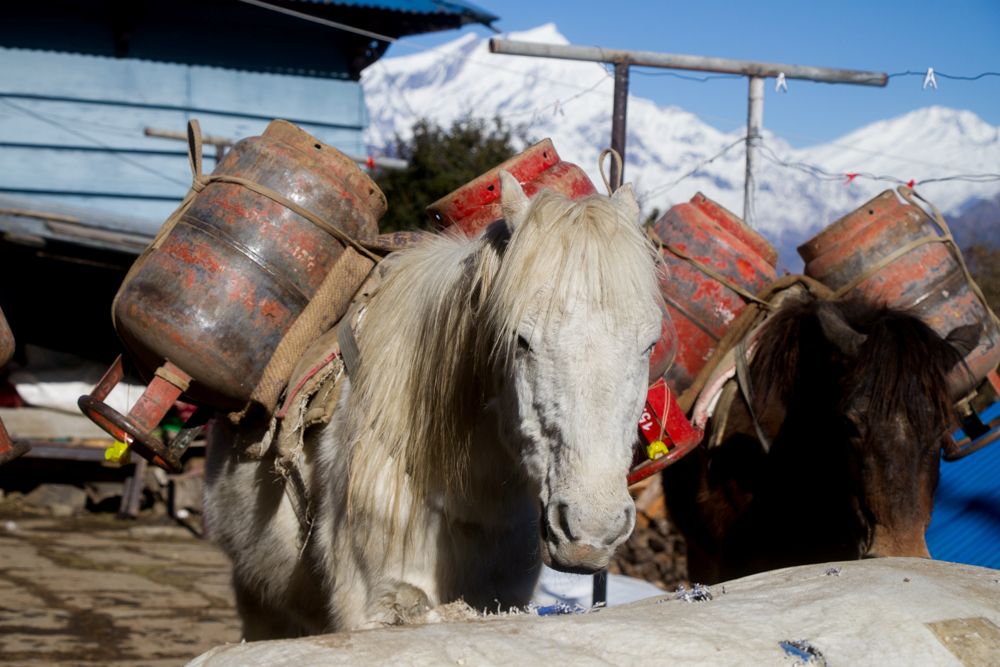
Mule carrying loads on the trails
If you include an extension to viewpoints like Kyanjin Ri or Tserko Ri, the total distance increases slightly, but the experience becomes even more spectacular with panoramic Himalayan views. Overall, the Langtang Valley trek offers a perfect balance of manageable distance, cultural experience, and stunning mountain scenery close to Kathmandu.
Can I combine the Langtang valley trekking and the Tamang Heritage together?
Yes, you can absolutely combine the Langtang Valley Trek and the Tamang Heritage Trail, and many trekkers do this to experience both cultural richness and Himalayan scenery in one journey.
The Tamang Heritage Trail usually starts from the Syabrubesi area, passing through traditional Tamang villages like Gatlang, Tatopani, and Thuman. After completing this cultural circuit, you continue toward Lama Hotel and enter the Langtang Valley route, eventually reaching Langtang Village and Kyanjin Gompa.
This combined trek usually takes around 16 days, depending on your pace and itinerary. It offers a perfect mix of authentic Tamang culture, hot springs, monasteries, and stunning mountain landscapes, making it one of the most rewarding trekking combinations in the Langtang region.
An Australian Couple's Langtang Valley Trek Experience Real Story
John and Scarlet Wilson from Melbourne, Australia had never trekked before. As complete beginners, they were nervous about the long walking days, forest trails, and high altitude of the Langtang Valley Trek. But they took the leap and Langtang did the rest.
During their 9-day trek in October with Adventure Vision Treks, they walked through golden rhododendron forests, made friends with Sun Maya Tamang at a guesthouse in Langtang Village, wore traditional Tamang dress, and stood on top of Kyanjin Ri watching sunrise light up the Himalayan peaks.
The altitude challenged them at times, and some trekking days were demanding, but with proper acclimatization and guide support, they completed the trek safely and confidently. Before returning home, they packed 2kg of local yak cheese, wild honey, handmade souvenirs, and unforgettable memories from the Langtang region.
“We will come back to Nepal that's not a maybe, that's a promise.” — Scarlet Wilson
Special Autumn 2026 Offer
Book your Langtang Valley Trek today and receive free airport transfers, a complimentary trekking map, and free sleeping bag and down jacket rental. Groups of two or more may also qualify for additional discounts and porter support. Availability is limited during the peak autumn season, so contact us now to secure your preferred departure date and lock in the best price for your Himalayan adventure.
You'll Explore
Langtang Valley Trek Itinerary
The Langtang Valley Trek is a breathtaking 9-day Himalayan journey perfect for travelers with limited time in Nepal. Starting from Kathmandu, the trail leads to Syabrubesi through lush rhododendron forests, cascading waterfalls, and traditional Tamang villages.
Along the trek, you can enjoy stunning views of Langtang Lirung and surrounding Himalayan peaks while experiencing the unique culture and natural beauty of Langtang National Park. Explore our detailed day-by-day itinerary below to plan your perfect trekking adventure.
Day 1
Arrival in Kathmandu Valley
Upon arrival at Tribhuvan International Airport, you will be warmly welcomed and transferred to your hotel in Kathmandu. After check-in, you can rest or explore the lively streets of Thamel. In the evening, there will be a short trek briefing where your guide will explain the route, altitude profile, and essential preparations.
If time permits, you may visit UNESCO World Heritage Sites such as Boudhanath Stupa or Pashupatinath Temple. Overnight stay in Kathmandu.
Max Altitude: 1,400m (4,593ft)
Duration: 1 Hour
Distance: 6 Km
Meals: B, L, & D
Accommodation: 3 Star Hotel
Mode of Transportation: Private Vehicle
Trekker enjoying their arrival in Kathmandu Valley
Day 2
Drive from Kathmandu to Syabrubesi
After breakfast, you will begin a scenic drive from Kathmandu to Syabrubesi, the starting point of the trek. The journey takes approximately 6–8 hours, depending on road conditions.
The road follows the Trishuli River and passes through small towns, terraced farmlands, green hills, and waterfalls. As you move closer to the Rasuwa district, the road becomes more rugged but offers beautiful views of Ganesh Himal and the surrounding landscapes. Upon arrival in Syabrubesi, you will check into a local teahouse and prepare for the trek. Overnight in Syabrubesi.
Max Altitude: 2,380m (7,808ft)
Duration: 6 Hours
Distance: 120 Km
Meals: B, L, & D
Accommodation: Tea House
Mode of Transportation: Private Vehicle
Lush Green roads leading to Syabrubesi
Day 3
Trek from Syabrubesi to Lama Hotel
Today marks the beginning of your trekking adventure. The trail starts by crossing a suspension bridge and following the Langtang River through lush subtropical forests. The walk is gradual at first, passing through bamboo forests where you may spot wildlife such as langurs and red pandas.
The trail continues with a mix of gentle climbs and steeper sections as you move deeper into the valley. The peaceful forest environment and the sound of the river make the walk enjoyable. After 6–7 hours of trekking, you will reach Lama Hotel, a small settlement surrounded by forested hills. Overnight stay at a teahouse in Lama Hotel.
Max Altitude: 2,500m (8,202ft)
Duration: 6 Hours
Distance: 12 Km
Meals: B, L, & D
Accommodation: Tea House
Beautiful trails of Langtang valley leading to Lama Hotel
Day 4
Trek from Lama Hotel to Langtang Village
After breakfast, the trail gradually ascends through dense forests before opening up to wider valleys with stunning mountain views. As you gain altitude, you will notice a change in vegetation and landscape.
You will pass through Ghodatabela, a scenic pastureland with beautiful views of Langtang Lirung. Continuing onward, the trail takes you to Langtang Village, a traditional Tamang settlement that was rebuilt after the 2015 earthquake. The village offers impressive views of the surrounding peaks and a glimpse into local Himalayan life. Overnight in Langtang Village.
Max Altitude: 3,430m (11,253ft)
Duration: 8 Hours
Distance: 14 Km
Meals: B, L, & D
Accommodation: Tea House
Beautiful Langtang Village
Day 5
Trek from Langtang Village to Kyanjin Gompa
Today is a shorter and more gradual walk as you move further into the upper valley. The trail passes through yak pastures, stone-built houses, and Buddhist prayer flags fluttering in the wind.
After 3–4 hours of trekking, you will reach Kyanjin Gompa, a beautiful monastery village surrounded by snow-capped peaks. The area offers panoramic views of Langtang Lirung, Dorje Lakpa, and other Himalayan giants. You can explore the monastery, visit the local cheese factory, or hike to nearby viewpoints for better acclimatization. Overnight at Kyanjin Gompa.
Max Altitude: 3,890m (12,762ft)
Duration: 2 Hours
Distance: 4 Km
Meals: B, L, & D
Accommodation: Tea House
Beautiful sunrise over Kyanjin Ri
Day 6
Trek Back to Lama Hotel
After enjoying the morning mountain views, you will retrace your steps back down the valley. Descending is generally easier and faster, allowing you to enjoy the scenery from a different perspective.
You will pass through Langtang Village and Ghodatabela before re-entering the forested trail toward Lama Hotel. The downhill walk takes approximately 6–7 hours. Overnight at Lama Hotel.
Max Altitude: 2,500m (8,202ft)
Duration: 10 Hours
Distance: 20 Km
Meals: B, L, & D
Accommodation: Tea House
People walking at Lama Hotel
Day 7
Trek from Lama Hotel to Syabrubesi
Today you continue descending along the Langtang River. The trail passes through forests, small settlements, and suspension bridges. The downhill walk is comfortable and takes around 5–6 hours.
Upon reaching Syabrubesi, you can relax and celebrate the completion of your trekking journey. Overnight in Syabrubesi.
Max Altitude: 2,380m (7,808ft)
Duration: 6 Hours
Distance: 12 Km
Meals: B, L, & D
Accommodation: Tea House
Beautiful Bhotekoshi river
Day 8
Drive from Syabrubesi to Kathmandu
After breakfast, you will drive back to Kathmandu. The return journey takes about 6–8 hours. Upon arrival, you will be transferred to your hotel.
You can spend your final evening shopping for souvenirs or enjoying a farewell dinner in Thamel. Overnight in Kathmandu.
Max Altitude: 1,400m (4,593ft)
Duration: 6 Hours
Distance: 120 Km
Meals: B, L, & D
Accommodation: Tea House
Mode of Transportation: Private Vehicle
Beautiful Kapan Monastery in Kathmandu
Day 9
Departure
Depending on your flight schedule, you will be transferred to Tribhuvan International Airport for your departure. Our team will assist you with airport drop-off and bid you farewell.
Your Langtang Valley Trek concludes with unforgettable memories of Himalayan landscapes, Tamang culture, and peaceful mountain trails.
Duration: 1 Hour
Distance: 6 Km
Meals: Breakfast
Mode of Transportation: Private Vehicle
Tribhuvan International Airport for Departure
Are you still confuse from where to start? Adventure Vision Treks and Travels has solutions for this.
Accommodation and food during the Langtang Valley Journey
Nepalese and Tibetan cuisine are the dominant influences in the Langtang Valley. The most popular Nepalese cuisine is "Dal-Bhat," and there is a saying about it that Dal Bhat power 24 hours. Popular foods during the trek include momo, spaghetti, thukpa, sandwiches, yak cheese, and gundruk.
Breads, chapatis, pasta, and butter tea. Locals prefer to serve freshly grown vegetables to guests for a more authentic taste. Local cuisine is both nutritious and distinct in flavor.
When it comes to accommodation, prices can vary by location. They feature tea houses with basic amenities, local food, and comfortable shared beds. Guest House offers upgraded amenities such as private toilets, internet access, and hot showers. Homestays are governed by the community.
The fundamental goal is to serve all guests equally and without comparison. Most of the rooms feature twin beds and private bathrooms. At Homestay, They offer food prepared for all members. They can also accommodate differing preferences.
Read Before You Trek Helpful Resources
Planning your Langtang Valley adventure? We've put together detailed guides to help you prepare:
How to avoid Altitude Sickness on Langtang Valley?
Langtang Valley take you up to 3890 meters above sea level. Adapting to higher altitudes takes time and is vital for our health. Stamina-related symptoms may include nausea, headache, and shortness of breath. The trek has a low risk of altitude sickness. You must use caution when walking and pay attention to the guide.
As a responsive trek organization, Adventure Vision Trek recommends that all of our trekkers to be respectful to the nature and not to throw any garbages or wastages duirng the trek.To ensure sustainability in the Langtang Valley, we collaborate with local communities to manage garbage.
To maintain a clean environment, You can use reusable bottles, properly dispose of trash, and reduce the usage of packaged foods.
Nepal Visa Requirements
People from all over the world can visit Nepal. Some countries also allow visitors to obtain visas upon arrival. You simply need to buy tickets, fly, and obtain the visa at the airport. However, some people will need to obtain a visa from their home country's Nepalese embassy. You'll need a valid passport with at least a 6-month validity date to fill out the visa application and obtain it. For complete visa instructions, please see the Nepalese embassy's website.
Health and Fitness required for Langtang Valley Trek
We provide you with a porter who will carry your 20 kg weight, so all you have to do is walk and run, and you won't have to worry about the difficulties of the Langtang trek. If you don't have any heart problems, you can easily complete the trek.
Guide and Porter for Langtang Valley Trekking
You can get the guide and porter for Langtang Valley trekking via us as we have young, bright, and experienced guides for your adventure. You can pick between English-speaking advisors and guides who speak your native language. Our guides are well-trained to handle any complications that may emerge during the trip, so you don't have to worry about anything and can enjoy the Langtang Valley hike without incident.
We have porters who are Sherpa. They are renowned for their fearlessness all throughout the world. A porter will carry your 20 kg cargo for free, but if you want the porter to carry heavier loads, you will have to pay extra.
Travel Insurance for Langtang Valley Hike
Travel insurance is another vital item to bring on your Langtang Valley hike. To avoid delays due to uncertain situations, you must bring travel insurance from your own country. Your insurance should cover medical emergencies, altitude sickness evacuations, missing luggage, and trip cancellations. Make sure the coverage covers high-altitude trekking and emergency evacuation if necessary.
What is the Minimum Group Size Requirement for Langtang Trekking?
There is no strict minimum group size requirement for the Langtang Valley Trekking. You can join the route solo, as a couple, or in a group depending on their preference. We also organize both private treks for single travelers and fixed departures for small groups. However, it is generally required to hire a licensed guide for safety and regulatory reasons. This makes the trek flexible and accessible for all types of travelers, whether you prefer a private experience or a shared group adventure.
Langtang Valley vs Gosaikunda Lake vs Tamang Heritage Trail: Which Trek is Right for You?
These three treks in the Langtang region offer completely different experiences. While Langtang Valley is famous for its mountain scenery, Gosaikunda Lake is known for its sacred alpine lakes, and Tamang Heritage Trail focuses on cultural immersion. Here’s a quick comparison to help you choose the right trek based on time, difficulty, and experience.
Feature
Langtang Valley Trek
Gosaikunda Lake Trek
Tamang Heritage Trail
Difficulty
Moderate
Moderate–Hard
Easy–Moderate
Duration
9 days
7 days
13 days
Max Altitude
3,870m
4,380m
3,300m
Best For
Nature & glaciers
Pilgrimage + mountain views
Culture & traditional villages
Permit Required
TIMS + Langtang National Park
TIMS + Langtang National Park
TIMS
Teahouse Availability
Good
Limited
Good
Crowd Level
Moderate
Low–Moderate
Low
Best Season
Mar–May, Sep–Nov
May–Jun, Sep–Oct
Mar–May, Sep–Nov
Langtang Valley Trek FAQs
How long does the Langtang Valley Trek take?
The Langtang Valley generally takes 7 to 10 days, depending on your walking pace and the itinerary you have chosen.
Which month is best for the Langtang Trek?
Generally, Sept to Nov and March to May is best for the Langtang trek. You can do it in the off seasons as well; however, you will need to be prepared for the heavy snow fall in the winter and heavy rain in the Manson.
Can you see Everest from Langtang?
No, you cannot see the Everest from Langtang, as many of the mountain ranges will block the views of the Everest. Even during the Everest region trek, until and unless you don’t reach a certain place like the Tyangboche or Lobuche, you cannot see the Everest.
What food is served at the Langtang Valley Trek?
Different kinds of the local cuisine such as the Dal Bhat, Tibetan bread, Yak meat, Dhindo, Ghundruk, Sukuti, and many more foods, are served at the Langtang valley trek.
Is the Langtang Valley Trek difficult?
No, the Langtang valley trek is not difficult because it’s easy to walk on the trails, as the trails are well marked, you can see the accommodations everywhere on the trails.
Can you do a Langtang trek without a guide?
No, you cannot do a Langtang trek without a guide because entering inside the Langtang National park without a guide is strictly prohibited for security reasons.
How to prepare for the Langtang Valley Trek?
The Langtang valley trek is an easy trek in Nepal which covers a maximum altitude of 3800 meters and optionally covers around 4500, which is just 1/2 hour stay, due to which it's easy for you to walk and rest. You will need to be physically and mentally fit for the walk, along with the proper gear and equipment. You can read our blog on the topic: How to prepare for the Langtang Valley trek.
Can you hike 20 miles in 8 hours?
No, you cannot hike 20 miles in 8 hours because for a human to do so is very difficult without any vehicles. It’s beyond the human body's capabilities.
Can you wear shorts hiking in Nepal?
Yes, if you are hiking in the off seasons in the Manson or during the humid time its suggested for you but if it’s too cold it’s not suggested, as it might make you cold and sick.
How much does the 7-day Langtang trek cost?
The 7-day Langtang trek cost around 400 USD to 700 USD, depending upon the accommodations, the guide and porter, the vehicle options, and many more.
How many miles is the Langtang trek?
The standard Langtang trek is around 50 miles, including the ascends and descend to the Kyanjin Gompa and the Kyanjin Ri.
How much is $1 US in Nepal?
The current rate for 1 USD is around 145. 46. However, it changes every day and to get the exact amount for the exchange rate, you can visit the Nepal bank official site.
Can I use my US debit card in Nepal?
Yes, you can use your debit card in Nepal. You can swipe and pay; both options are available, and most of the banks do offer ease and comfort.
Do I need a permit for the Langtang Trek?
Yes, you need permits to trek in the Langtang region. All trekkers are required to obtain official trekking permits before entering the Langtang National Park area. You cannot legally complete the trek without them, and checkpoints along the route will verify your documents.
What permits are required for the Langtang Valley Trek?
You generally need two permits for the Langtang Valley Trek, which are:
Langtang National Park Entry Permit
TIMS Card (Trekkers’ Information Management System)
These permits help with safety monitoring and conservation of the region. They can be arranged in Kathmandu through trekking agencies or at official tourism offices.
Is altitude sickness a problem in Langtang?
Yes, altitude sickness can be a concern in Langtang, especially as you go above 3,000 meters. The risk increases near Kyanjin Gompa (3,870m). However, with proper acclimatization, slow ascent, hydration, and rest days, most trekkers complete the route safely.
What is the highest point of the Langtang Trek?
The highest point of the classic Langtang Valley Trek is Kyanjin Ri (4,773m) or Tserko Ri (4,984m) if you take the optional hike. The main village route ends at Kyanjin Gompa (3,870m).
How many days is the shortest Langtang Trek itinerary?
The shortest Langtang Valley Trek can be done in 6 to 7 days, but it is quite rushed. A more comfortable and recommended itinerary is 7 to 10 days, allowing proper acclimatization and enjoyment of the valley.
Is Langtang safer after the earthquake?
Yes, Langtang is now considered safe for trekking. The trail and villages were heavily affected by the 2015 earthquake, but the region has been fully rebuilt and is well-established for tourism again. Trekking infrastructure and safety standards have improved significantly.
What are the accommodation facilities (tea houses) like?
Tea houses along the Langtang trail are basic but comfortable. You can expect:
Private or shared rooms
Simple beds with blankets
Hot meals (dal bhat, noodles, soups)
Common dining areas with stoves
Facilities become more basic at higher elevations, but overall, they are reliable and welcoming.
Is WiFi or a mobile network available on the trek?
Yes, but it is limited. Mobile network (NTC and Ncell) works in some lower sections, but becomes weak or unavailable higher up. Some tea houses offer paid WiFi, especially in Langtang Village and Kyanjin Gompa, but speeds are slow and not always reliable.
How hard is the trail condition (rocky, steep, etc.)?
The Langtang trail is moderate in difficulty. It includes:
Gradual uphill climbs through forests and valleys.
Some steep sections, especially after Lama Hotel
Rocky and uneven paths in higher elevations
No technical climbing is required, but good fitness and endurance are important for long walking days.