Everest Base Camp Trek 14 Days

337 reviews in TripAdvisor
91 reviews in Google

Everest Base Camp Trek is a world popular trekking route for adventure seekers. We have 14 days EBC trekking itinerary. Based on the previous years experience and travelers feedback we are continually refining the itinerary. The Everest base camp trek allows travelers to explore the nature, culture of Himalaya reaching the nearest point to view world highest mountain. Let start your journey towards Mount Everest with the trusted agency from Kathmandu Nepal.

Trip Facts
Duration
14 Days
Trip Grade
Moderate
Country
Nepal
Maximum Altitude
5545
Starts
Kathmandu
Ends
Kathmandu
Group Size
25
Activities
Trekking
Best Time
Sept - Nov & March - May

Short Itinerary

Everest base camp trek (EBC) is a popular hiking activity in Nepal Himalaya that takes you to the highest point(5364m) of Mt Everest that a person is allowed to walk without expedition permission. It’s in Nepal, you can reach by passing through mountains, forests, and Sherpa villages, taking about 10-14 days. This article will provide you the solid guide for Everest base camp trekking and provide concert information related to Everest base camp. you will be able to know which is right trekking package for you.

The Everest Base Camp Trek is a bucket-list adventure for many, offering a journey to the base of Mount Everest, the world’s highest peak at 17,598 feet (5,364 meters), located in Nepal near the Tibetan border. Known as Sagarmatha in Nepali and Chomolongma in Sherpa/Tibetan, this trekking route is not just about reaching the base but experiencing the majestic Himalayas, Sherpa culture, and stunning landscapes.

Understanding the EBC Trek

The EBC Trek is a long hike, typically lasting 10-14 days, starting with a flight from Kathmandu (1,400 meters/4,593 feet) or Manthali (474 meters/1553 feet) to Lukla (2,860 meters/9,383 feet). It’s an in-and-out route through the Khumbu Valley and Sagarmatha National Park, a UNESCO World Heritage Site, offering views of peaks like Lhotse, Makalu, and Cho Oyu. The trek retraces the steps of famous climbers like Sir Edmund Hillary and Tenzing Norgay, making it a historical journey too.

How to Reach and Available Methods to Reach Everest Base camp Routes

Lets see how can we reach the world highest mountains base camp. What are the possible methods to reach base camp.

Popular Route for Everest Base Camp Trekking

Reaching to EBC starts with flight to Lukla, the gateway of Everest region. The most common method is a flight from Kathmandu to Lukla, costing $190-$200 one way, on small twin otter planes, landing on a short, thrilling runway. Another option is flying from Manthali, used for the Pioneer's Route, but it involves a bus or 4WD. Then you will trek from Lukla via Namche to base camp and return on same route. The route goes like Kathmandu - Lukla - Phagding - Namche - Base Camp - Lukla - Kathmandu.

Secondary Route

Another classic way to reach Everest base camp is following the same route used by Sir Edmund Hillary and Tenzing Norgay. Drive from Kathmandu to Jiri and start treks from here. You will go through Bhandar, Sete, Junbesi and reach Namche and continue on the same modern route. This takes around 20+ days to complete the trekking if you return by flight from Lukla or takes around 16 days if you return by helicopter from base camp.

The route goes like Kathmandu - Jiri - Shivalaya - Nuntala - Namche - Base Camp - Lukla - Kathmandu . As this route cut off the Kathmandu Lukla flight cost, and after adding cost for guide and hotel in classic Everest base camp trekking route the cost is similar to the popular trekking route cost.

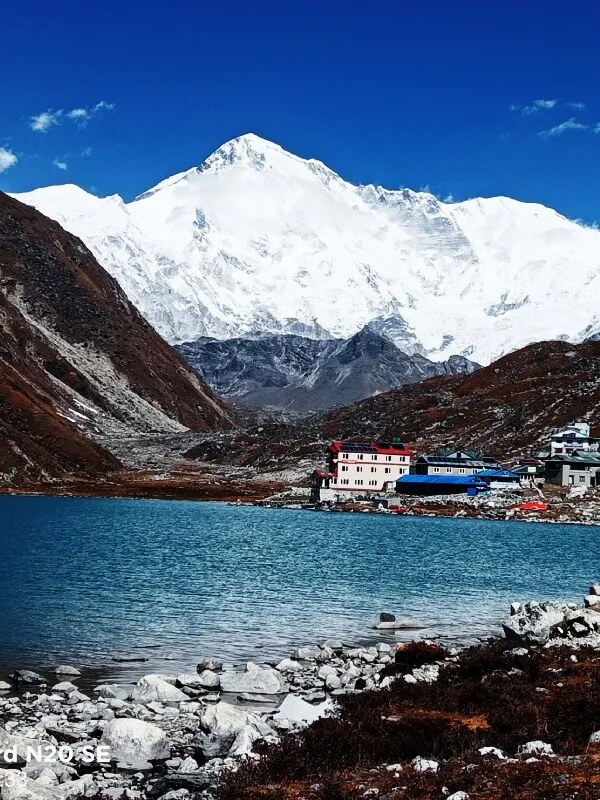
Another way you can reach Everest base camp is via Gokyo lake passing Chola Pass. For this you need to travel to Gokyo from Namche passing Dole and Machhermo. This route is less crowded then regular modern Everest base camp trekking route can be completed in around 15/16 days. This route is more adventurous than regular route as you will explore Gokyo lake as well you will cross the Chola Pass (5420 meters).

In Winter and Spring you can take a private vehicle to Kharikhola or Phera in Solukhumbu district and trek 2 days to reach lukla and continue the same route. Remember you don't need a Kathmandu to Lukla flight for this route, you can return via same route even on trekking down and take vehicle from same point.

Helicopter Ride From Kathmandu

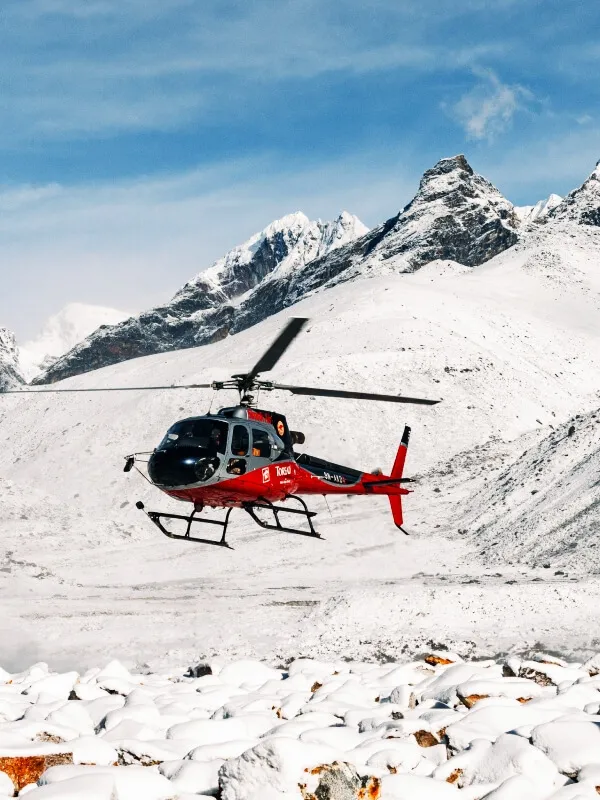
Easiest way to reach Everest base camp is by Helicopter flight from Kathmandu. This tour normally takes 5 to 6 hours from Kathmandu. You will take a direct flight to Kalapathar and visit some time there and return back to Kathmandu on same day. This is the easiest way to reach base camp but you will not experience the trekking/hiking in Himalaya. This trip is costly then trekking.

For those short on time, helicopter flights landing at EBC are available, costing $1500-$3,000 one way, offering scenic views but at a higher price.

Everest View Mountain Flight from Kathmandu

Mountain flights from Kathmandu, lasting a few hours, provide Everest views without trekking and landing at Everest region, ideal for families unable to hike long distances has less but or cannot afford helicopter flight to Everest base camp from Kathmandu. This is cheaper option to see mount Everest.

Check Everest Base Camp Trekking Map with Complete routes options

Everest Base Camp Trekking with Combo Itineraries

As we already discussed about the possible routes above. Now in this section we will know about possible itineraries we can combine and make Everest base camp trek more enjoyable and adventitious.

Regular Everest Base Camp Trek Itinerary

The standard route is well-maintained, busy, and takes 12-14 days, with key stops like:

  • Day 1: Arrival in Kathmandu (1,348 m)
  • Day 2: Flight to Lukla & Trek to Phakding (2,860 m)
  • Day 3: Trek from Phakding to Namche Bazaar (3,440 m)
  • Day 4: Acclimatization Day at Namche Bazaar (3,850 m)
  • Day 5: Trek from Namche to Tyangboche (3,860 m)
  • Day 6: Trek from Tyangboche to Dingboche (4,410 m)
  • Day 7: Acclimatization Day at Dingboche (4,410 m)
  • Day 8: Trek from Dingboche to Lobuche (4,940 m)
  • Day 9: Trek from Lobuche to Gorakshep & Everest Base Camp (5,364 m)
  • Day 10: Hike to Kala Patthar (5,644 m) & Trek to Pheriche
  • Day 11: Trek from Pheriche to Namche Bazaar (3,440 m)
  • Day 12: Trek from Namche Bazaar to Lukla (2,860 m)
  • Day 13: Fly back to Kathmandu (1,350 m)
  • Day 14: Final Departure (1,350 m)

Extend Everest Base Camp Trekking

Many travelers loves the Himalaya and want to spend more days in the home of world highest mountain. Some chose to visit Gokyo, some to other. Lets discuss the possible destinations in Everest or Sagarmatha or Khumbu region that can be combined with Everest base camp trek. 

Everest Base Camp Trek and return via Gokyo Lake (+3 Days)

After completing the EBC trek you can extend your journey to Gokyo lake passing Chola pass. Many travelers does it in reverse way, first by going to Gokyo then only EBC. But if your dream is to reach Mt Everest base camp at least one time we suggest this combination. As crossing Chola Pass can be harder and challenging you may feel sick and you should return without reaching EBC. So, first reach base camp and if you are in good condition and want more adventure then return to Namche via Gokyo and summit Gokyo Ri (5,357 meters/17,575 feet).

This trek can be completed on just adding three more days on regular trekking Itinerary. After completing EBC you will trek to Gokyo instead directly trekking down to Lukla via Namche. The route go to Dzongla to Thagnak to Gokyo Lake crossing Chola Pass (5420m). Then Return to Namche via Dole and join regular route.

Everest base camp trek and Three Passes Trek (+8 days)

Everest Base Camp Trek with Three Pass is a 20+ day trekking route crossing top three high passes in Everest region, for experienced hikers, combining EBC with challenging terrain. You will cross Chola pass (5420M), Kongmala (5545M), Renjola Pass (5,446m). This trekking itinerary is most adventurous itinerary in Everest region after expeditions and peak climbing. In single trekking package you will cross popular three passes and view the Mt. Everest from different angle.

Everest base camp trek with Island Peak Climbing (+ 3 Days)

Combining Everest base camp trekking with Island Peak climbing is another way to add the adventure of trekking and climbing. After trekking base camp, you will trek to Chukhung and summit the Island peak 6,165 m. You will need a peak climbing permit and climbing guide to complete this trek. Island peak is considered as easy climbing peak in Everest region. This option is perfect combination of trekking and climbing adventure on one trip.

Everest base camp trek with Lobuche Peak Climbing (+3 Days)

Another option for combining Everest base camp trek with Lobuche Peak climbing will add the adventure of trekking and climbing. After trekking base camp, you will trek to Lobuche and summit the Lobuche peak 6,119 m. You will need a peak climbing permit and climbing guide to complete EBC with Lobuche  climbing trek.

Everest base camp trekking with Ama Dablam Base Camp Trek (+1 Day)

Ama Dablam Base Camp is located at the altitude of 4600m from sea level. Many trekkers visit this base camp every year. You can combine EBC trek with Ama Dablam Base Camp by just adding one or two days in the itinerary instead of going just for Ama Dablam Base Camp. First trek to Everest base camp and return back to Pangboche and trek to Ama Dablam base camp. Or you can first trek to Ama Dablam base camp from Pangboche and continue to EBC also.

Everest Base Camp Trek with Helicopter Return or Heli Fly Out (-3 days)

This is the popular option to explore the world highest mountains base camp. You will trek to like a normal trekkers on the same route and then you will return back to Kathmandu by Helicopter. Everest base camp Trek with heli return options combine both Helicopter tour and trekking adventure. So, this itinerary is being popular in last years. You will cut off minimum 03 days trekking by returning to Kathmandu from Everest base camp in helicopter.

Best Time for Everest Base Camp Trek

The best trekking season for all Himalaya region in Nepal including EBC is same: Autumn and Spring. This is considered as best depending upon the experience of past travelers, as many travelers visit Everest base camp every year in all seasons even in summer and winter. Lets see which season is good for which reasons and bad for which reasons.

Everest base camp trek in Spring

Spring is just after the massive ice falls in winter. Starting from mid of February to mid of may is considered as best time to trek EBC. At this time there will be stable weather conditions, clear skies, and the chance to see the various types of rhododendron(national flower of Nepal) forests in higher hilly reasons.

The temperature at this time is best for walking which ranges from 5 to 15 degree Celsius in day time.

April vs. March and May:

April: More snow and still there is a change of snow falls, so you can witness snow fall in Himalaya. All the mountains are covered with snows with clear skies.

March: The snow will start melting at lower altitude but you Can still experience snow above 4000m, the weather generally improves as the month progresses.

May: This month is starting period of monsoon in Nepal. So, may be affected by occasional rain at lower altitude and snow especially at higher altitudes.

Everest base camp trek in Monsoon

In Monsoon (June, July, August and mid of September ) or summer season there is high rain in Nepal. Especially in cities like Kathmandu and Pokhara and all most all over the Nepal. So, while trekking at this time you may need to trek wearing raincoat for multiple days. As well due to clouds, mountains peaks may not be visible for multiple days. And the flights to Lukla are very few in morning time or sometimes closed for several days too.

With these all difficulties also many trekkers choose to trek Everest in these season too. Many people loves the sent of mud when it rains. Also there will be less number of tourist in Himalaya so you will get cheaper rates in hotels also, Less crowded paths and beautiful views of cloud forests. Above 4500m there is very less rainfall due to high altitude and cloud temperature.

Note: If you love rain, want to walk in rain, love to see clouds, love to walk in peaceful environment then you can trek to everest base camp trek even in monsoon with registered trekking guide with you.

EBC trek in Autumn

EBC Trek in Autumn (Mid of September to last of November) is considered as best time to trek all the Himalayas trekking destinations including Everest base camp trek. The skies are clear, hilly regions are green, Mountains has less snow with crystal clear views, and the temperature is best for walking. There are fewer flight cancellation and delays during this season due to clear skies.

The day time temperature ranging from 8°C to 20°C. The clear skies allow you the breathtaking view of Himalayas including Mt Everest. As this season is just after monsoon, all the hills are green with the framers fields are colorful with various kind of foods.

This season is also the peak season of festivals in Nepal including Dashain the largest festival of Nepal. Which is celebrated all over the Nepal for more than week holidays. Another festival Tihar also fall on this season which is also know as festival of lights, you can enjoy the harmony, peace, love (human and animal) and light during these festivals. The dog, cow, crow and ox are worshipped in Tihar. On final day Sisters puts Tika to bother wishing a better and long life of their brothers. The cities like Kathmandu is decorated with flowers and lights. You will witness a different type of Nepal if you visit during this time.

Cons: As this is best time to trek ebc, you can expect more trekkers. The night are more colder on November needing a proper preparation for gear. There will be less snow at this time so, you may see the black rock in Everest peak in recent year. Other peaks below 7000m are only black rock without settlement and trees.

EBC trek in Winter

Trekking in Everest region in winter (December to mid of February) is consider as more colder with potential snowfall. The night temperature can goes upto -20 °C even in lower villages like Lukla and Namche. The day temperature is also low around 1°C to 5°C.

Snowfall is common above the altitude of 4000m which can make navigation more difficult if you are not trekking with experienced guide. As well all most all peaks are covered with snow.

You must need a proper trekking gears with experienced trekking guide with you to trek ebc in winter.

Cons: There is a chance of avalanches in certain areas particularly near Everest base camp. Many tea house owners goes down in winter season you must pre book and confirm tea houses.

Pros: Fewer trekkers and peaceful environment, as this is off-season the cost of flight and accommodation can be cheaper than peak seasons. Clear view of snow-capped mountains and clear skies.

Everest Base Camp Trekking Packing List

The packing list is different as per your need and requirements. Here we will provide the basic packing list that you must carry during EBC trek. Remember this is the basic packing list, you can adjust as per your need and requirements. If you are trekking with travel agency they will provide you the some equipment's so you may not need to pay extra, but if you are trekking only with guide you need to carry your stuffs your self.

Cloths to pack for Everest base camp Trek

  • Light weighted Jackets for lower temperature (Remember the minimum temperature that it should bear depends upon which season you are trekking) minimum 1, you will wear this in morning and night time.
  • Light weighted trekking pants minimum 2, so you can wash one and use another.
  • Long-sleeve shirts for trekking time, minimum 4, you may need to change 2,3 times in a day due to Sweat. Wash every time and carry it behind the bags to dry.
  • Socks, you need to carry trekking socks minimum 4 pairs for Everest region. Remember yo use double pair of shock in snow area, note: you need to wear one pair and cover of plastic and another pair from outside (what locals do) or need to carry water proof socks. So, snow or water can not enter inside easily.
  • Shoes, you need to carry 1 pair of trekking shoe, store you other shoes in Kathmandu or Lukla.
  • Insulated gloves, at least 2 pairs
  • Cap or Sun Hat to wear during trekking
  • Raincoat, remember you should have one light weighted raincoat with you even you are not trekking in rainy season. As the temperature can change any time in higher altitude.

Other Items yo Pack except Cloths for Everest base camp Trekking

  • Sun Glass (Must Have)
  • Sunscreen (SPF 50+) and lip balm with UV protection.
  • Chocolates, chobars, Energy drinks as per you requirement, suggested to carry.
  • Sleeping Bag, you should carry 1 sleeping bag with you. So you can sleeping warmly in tea houses. They will provide the warm rooms but sleeping inside sleeping bag makes more comfort and warmer.
  • 1 to 2L water bottle, as the villages are sometime 3 to 4 hour far way, you need to carry water enough for hydration during this period. You can again refill water after reaching another village by paying 1 to 3 usd depending upon the location.
  • Dily hygiene kit, your regular hygiene kit like Tooth brush, paste, bathing towels, nail cutters etc
  • Medical Kit: your regular medicines if you are taking any regular medicines and medicine like paracetamol, acetazolamide, D-Cold etc. If you are travelling with trekking agency they will also have basic medical kit with them.
  • Mobile Chargers, Camera charger, if you are carrying American standard charger remember to carry converters.
  • Power bank for emergency charging and on walking charging.
  • Trekking Stick
  • Cash, remember to carry enough Nepali currency, as this is the only means to pay in Everest region. Some hotels may accept USD too but we recommend to carry Nepali cash with you.
  • Permit: You need to carry Khumbu Rural Municipality Permit and Sagarmatha National Park Entry Permit which can be obtained in Lukla.
  • Bag Pack to carry all these things if you are carrying yourself, remember porter carries 20 to 25 kg bag for around USD 20 to 25 per day. Carry smaller bag if you have porter with you and carry necessary things required for day time with you and pack other items on porter bag pack. Remember Porter may not walk with you only guide will be with you every time, porter will have different walking pace. So, carry eating things, medical things, power banks, some pair of socks etc with you.

These are the basic packing list required for each traveler. If you are travelling in group you may share some items like medical kits, chargers etc. But other items are required for each trekkers.

Everest Base Camp Trek Distance

Lets break out the distance day by day yo know how much you will walk each day and total walking distance. Here we are assuming you are starting trekking from Lukla and ending trekking in Lukla.

Lukla To Everest Base Camp Trekking Distance in KM and Mile

From To KM Miles
Lukla Phakding 7.5km 4.66
Phakding Namche 10km 4.66
Namche Tyangboche 9.5km 5.9
Tyangboche Dingboche 10.5km 6.52
Dingboche Lobuche 7.5km 4.66
Lobuche Gorak Shep 4.0km 2.54
Gorak Shep Everest Base Camp 3.5km 2.18
Gorak Shep Kalapathar 1.7km 1.06
Gorak Shep Lukla Airport 48km 29.83

So, if you start trekking from Lukla to Everest base camp and return via same route the total distance for walking is 100km or 62.24 miles without goging to Kalapathar. The distance of Everest base camp trek with Kalapathar is 103.5km or 64.31 miles.

If you want to trek to Everest base camp and return by helicopter then the trekking distance will be 53.5 km and 33.25 miles only.

Everest Base Camp Trek Cost

The cost of Everest base camp trek cost from USD 1000  to USD 3500 with budget to luxury option. The Trekking cost varies with the group size, accomodation, amenities, food etc. Luxury Everest Base camp trek offers a five star accomodation in Kathmandu and luxury resort and tea house stay during trekking days. The cost mentioned aboe includes the cost of guide, porter, permits, hotels, flight tickets to Lukla and permits required for Everest Region. EBC Trekking with heli flyout option from Gorakshep to Kathmandu the helicopter cost around 2500 to 5000 USD per charter depending upon the season and the helicopter can carry 4 person per flight.

Lets breakdown the cost for each expenses for budget to Deluxe options.

Expense Budget (USD) Deluxe(USD) Remarks
Khumbu Rural Municipality Permit $20 per person/ week   USD 25 per person /week ( beyond 4 weeks)
Sagarmatha National Park Entry Permit $25   NPR 1500 for SAARC and Chinese people
Kathmandu to Lukla Flight $200 to $220   Depending upon the season
one Night Tea House in Everest Region $20 $50  
Meals $10 $30 Depending upon the menu
Trekking Guide $25 $45 Depending upon the experience
Porter $20 $30 Depending upon the season
Hot Water $2 $5 Going higher cost more
Wifi 10Gb - $20 20Gb - $30 Everest link wifi packages for 30 days validity

Everest Base Camp Trek 14 Days Itinerary

Starts From: Kathmandu
Ends At: Kathmandu
Max Altitude: 5545m
Day 1

Arrival in Kathmandu

Upon arrival at Tribhuvan International Airport, you will be welcomed by your trekking team and transferred to your hotel in Thamel. After check-in, you can relax or explore the lively streets, cafés, and shops around the area. In the evening, you will attend a short trek briefing to prepare for your Everest Base Camp journey, followed by an overnight stay in Kathmandu.

Max Altitude: 1,400m (4,593ft)
Duration: 1 Hour
Distance: 20 km
Meals: B, L, & D
Accommodation: 3 Star Hotel
Mode of Transportation: Private Vehicle
Day 2

Trek to Phakding after Flight to Lukla

You take an early morning flight from Tribhuvan International Airport to Tenzing-Hillary Airport, enjoying breathtaking aerial views of the Himalayas. After landing, you meet your trekking crew and begin a gentle trek through Sherpa villages, crossing suspension bridges over the Dudh Koshi River before reaching Phakding for an overnight stay.

Max Altitude: 2,860m (9,383ft)
Duration: 45 Mins
Distance: 367
Meals: Breakfast and Dinner
Accommodation: Tea House
Mode of Transportation: Domestic Flight
Day 3

Phakding to Namche Trek

You follow the Dudh Koshi River, crossing several suspension bridges and passing through pine forests and small settlements. After entering Sagarmatha National Park, you begin a steep ascent that rewards you with your first glimpse of Mount Everest before arriving at Namche Bazaar.

Max Altitude: 3,440m (11,286ft)
Duration: 6 Hours
Distance: 10 Km
Meals: B, L, & D
Accommodation: Tea House
Day 4

Rest day at Namche Bazzar

You spend the day acclimatizing by hiking to higher viewpoints such as the Everest View Hotel or nearby ridges. You explore Namche’s markets, cafes, and museums, allowing your body to adjust to the altitude while enjoying stunning Himalayan panoramas.

Max Altitude: 3,850m (12,631ft)
Duration: 3 Hours
Distance: 5 Km
Meals: B,L, & D
Accommodation: Tea House
Day 5

Trek from Namche to Tyangboche

You trek along a scenic ridge with panoramic mountain views before descending to the Dudh Koshi River and climbing through forests of rhododendron and pine. You reach Tengboche, home to the famous Tengboche Monastery, where you can witness evening prayers.

Max Altitude: 3,860m (12,664ft)
Duration: 6 Hours
Distance: 11 Km
Meals: B, L, & D
Accommodation: Tea House
Day 6

Tyangboche to Dingboche Trek

You descend through forests and cross the Imja Khola before gradually ascending through open alpine landscapes. As the terrain becomes more rugged, you pass through Pangboche village and continue toward Dingboche, surrounded by towering peaks and stone-walled fields.

Max Altitude: 4,410m (14,468ft)
Duration: 6 Hours
Distance: 10 Km
Meals: B, L, & D
Accommodation: Tea House
Day 7

Dingbouche to Lobuche Trek

You trek through high-altitude terrain, passing Dughla and climbing a steep ridge lined with memorials dedicated to climbers. You continue along the Khumbu Glacier moraine before reaching Lobuche for an overnight stay.

Max Altitude: 4,940m (16,207ft)
Duration: 6 Hours
Distance: 11 Km
Meals: B, L, & D
Accommodation: Tea House
Day 8

Lobuche to Gorekshep and Trek to Everest Base Camp

You begin early and trek along rocky glacial paths to Gorakshep. After a short rest, you continue to Everest Base Camp, standing at the foot of the world’s highest mountain, Mount Everest, before returning to Gorakshep for the night.

Max Altitude: 5,364m (17,598ft)
Duration: 6 Hours
Distance: 12 Km
Meals: B, L, & D
Accommodation: Tea House
Day 9

Return back to Pheriche after Trek to Kalapathar Viewpoint

You wake up very early to hike to Kala Patthar, the best vantage point for sunrise views of Everest, Lhotse, and Nuptse. After taking in the panoramic views, you descend to Gorakshep for breakfast and continue trekking down to Pheriche, passing through high-altitude valleys and serene landscapes.

Max Altitude: 5,545m (18,192ft)
Duration: 10 Hours
Distance: 14 Km
Meals: B,L, & D
Accommodation: Tea House
Day 10

Trek down from Pheriche to Namche

You descend through alpine meadows and retrace your trail past Pangboche and Tengboche. You cross suspension bridges and walk through rhododendron forests before arriving back at Namche Bazaar. This day gives you a chance to reflect on your high-altitude adventure while enjoying the more gentle descent.

Max Altitude: 3,440m (11,286ft)
Duration: 9 Hours
Distance: 20 Km
Meals: B,L, & D
Accommodation: Tea House
Day 11

Trek down from Namche to Lukla

You continue your descent along the Dudh Koshi River, passing through villages like Phakding. The trail is less steep, allowing you to enjoy the final views of the Himalayas and interact with local Sherpa villagers. You arrive at Lukla, completing your trekking journey, and prepare for your return flight.

Max Altitude: 2,860m (9,383ft)
Duration: 10 Hours
Distance: 20 Km
Meals: B,L, & D
Accommodation: Tea House
Day 12

Fly Back to Kathmandu

You take a morning flight from Tenzing-Hillary Airport back to Tribhuvan International Airport. Upon arrival, you transfer to your hotel in Thamel, relax, and celebrate completing the Everest Base Camp trek with your team.

Max Altitude: 1,400m (4,593ft)
Duration: 45 mins
Distance: 367
Meals: B, L, & D
Accommodation: 3 Star Hotel
Day 13

Reserve Day

After your flight from Lukla to Kathmandu, you use this day as a reserve or buffer day. It allows flexibility in case of flight delays due to weather, which are common in the Everest region. You stay at your hotel in Thamel and can rest, recover, and enjoy the city at a relaxed pace.

You may also take this day to explore nearby attractions like Pashupatinath Temple or Boudhanath Stupa, do last-minute shopping for souvenirs, or simply enjoy a warm meal at a local restaurant. This day ensures a stress-free end to your trek, giving you time to unwind before your final departure from Nepal.

Max Altitude: 1,400m (4,593ft)
Meals: B, L, & D
Accommodation: 3 Star Hotel
Day 14

Final Day

You enjoy a relaxed morning in Kathmandu before your transfer to Tribhuvan International Airport for your onward flight. You leave Nepal carrying unforgettable memories of the Himalayas, Sherpa culture, and the adventure of a lifetime.

Are you still confuse from where to start? Adventure Vision Treks and Travels has solutions for this.

Everest Base Camp Trek 14 Days Route Map

Altitude Chart

Trip Costs & Availability

Select Booking Date

Includes

  • 2-Night Hotel in Kathmandu with Breakfast 
  • Tea House in Trek as per above the itinerary
  • Trekking Permit and TIMS Card
  •  trek guide  (salary, insurance, equipment, food, and lodging) 
  • Certificates
  • Comprehensive medical kit, travel, and rescue arrangements
  • Government and local taxes
  • Farewell dinner
  • company T-shirt 

Excludes

  • International air fare
  • porter
  • meals during the trek 
  • Visa cost
  • Personal trekking gears
  • Drinks
  • Meals in Kathmandu
  • Trekking insurance

Equipment List for Everest Base Camp Trek 14 Days

Upper Body Layers
  • Lightweight moisture-wicking t-shirts (short & long sleeve)
  • Thermal base layer tops (for cold temperatures)
  • Fleece jacket or pullover (warm layer)
  • Down or insulated jacket (for high-altitude cold)
  • Waterproof and windproof jacket (Gore-Tex or similar)
  • Lightweight trekking shirt (quick-dry, breathable)
  • Gloves (thermal and lightweight trekking gloves)
Lower Body Layers
  • Trekking pants (quick-dry, lightweight)
  • Thermal leggings or base layer pants
  • Waterproof rain pants
  • Shorts (optional, for lower altitude or hot days)
  • Comfortable underwear (moisture-wicking)
  • Trekking socks (wool or synthetic, multiple pairs)
  • Gaiters (to keep mud, snow, and debris out of boots)
Footwear & Accessories
  • Sturdy trekking boots (broken-in, waterproof)
  • Lightweight trail running shoes or sandals (for camp)
  • Camp slippers or flip-flops
  • Trekking poles (adjustable, with anti-shock)
  • Insoles (optional, for extra comfort)
  • Waterproof backpack cover
  • Small daypack for daily essentials
Head & Sun Protection
  • Wide-brimmed sun hat or trekking cap
  • Warm beanie or wool hat (for cold mornings/evenings)
  • Buff or neck gaiter (multi-purpose: sun, dust, cold)
  • Sunglasses with UV protection (polarized preferred)
  • Sunscreen (SPF 50+)
  • Lip balm with SPF
  • Headlamp or flashlight (with extra batteries)
Personal & Medical Kits
  • Personal medications (prescribed)
  • First aid kit (bandages, antiseptic, painkillers, blister pads)
  • Altitude sickness medication (consult doctor if needed)
  • Hand sanitizer
  • Wet wipes or biodegradable tissues
  • Toothbrush, toothpaste, and basic toiletries
  • Small towel or quick-dry towel
  • Insect repellent (if trekking in lower altitude areas)
  • Water purification tablets or a portable filter
Travel Documents
  • Passport (with visa, if required)
  • Copies of passport & important documents
  • Trekking permits (TIMS, national park entry if applicable)
  • Flight/train/bus tickets
  • Travel insurance details
  • Emergency contact list
  • Local currency & credit/debit cards
Miscellaneous
  • Camera / smartphone with charger and power bank
  • Notebook & pen
  • Snacks / energy bars
  • Sunglasses strap (prevents loss during trek)
  • Lightweight dry bags / ziplock bags (for electronics & clothes)
  • Reusable water bottle or hydration bladder
  • Multi-tool or small pocket knife
  • Optional: trekking journal or book for leisure

Essential Information

Altitude Sickness

Altitude sickness, also known as acute mountain sickness (AMS), is a condition that occurs when human body is unable to adapt quickly enough to the lower oxygen levels at high altitudes. The symptoms of AMS is commonly encountered by trekkers ascending to elevations above 3000 meters.

Symptoms of Altitude Sickness

Mild (AMS) Severe/Complicated (HAPE/HACE)
Headache Severe headache
Nausea/vomiting Breathlessness at rest
Dizziness Severe fatigue
Loss of appetite Swelling in face/hands/feet (edema)
Difficulty sleeping Confusion, inability to walk straight
Fatigue/weakness Coughing with pink frothy sputum (HAPE)
Shortness of breath (exertion) Blue or gray complexion (cyanosis)

If any severe symptoms or rapid worsening occur, immediate descent and medical attention are crucial. If any of the above mentioned symptoms are seen please inform to your guide.

How to Prevent Altitude Sickness?

As per our experience of trekking in Nepal Himalaya following measures will help even for the first time trekkers.

  • Don't gain more than 500m of overnight (sleeping) altitude above 3000m altitude.
  • Take proper acclimatization (rest) days, depending upon your physical health condition and consultation with your guide. Minmum of 2 days suggested in Everest base camp trekking if you are first time trekkers in Himalaya.
  • Eat carbohydrate rich foods, you will get the food menu even in Gorakshep, instead of ordering foods from your country choose the foods like a sherpa. If you want to choose your own menu then also select the foods that contains lots of crabohydrate which will helps to maintain your energy and oxygen metabolism.
  • After Namche Avoid alcohol, smoking, and sleeping pills. They can trigger AMS easily.
  • Always trek with a guide, solo trekking is dangerious, you may not distinguage difference between hiking fatigue and AMS. Life is more important than money, so spend few more hundreds of dollors to save your life, trek with guide.
  • Lisiten to your Body, last but most important point, you must lisiten your body, if you are feeling sick stop, rest then only continue. If after rest also the situation is the same, trek down to lower altitude place and rest.
Select Your Package
jiban thapaliya
Need Help? Call Us.
+977 9841120805
Customize Trip
Need Help? Call Us+977 9841120805