
Lobuche Peak Climbing with Everest Base Camp Trek

337 reviews in TripAdvisor
91 reviews in Google
Trip Facts
Duration
19 Days
Trip Grade
Challenging
Country
Nepal
Maximum Altitude
6119
Starts
Kathmandu
Ends
Kathmandu
Group Size
1 to 10
Activities
Trekking & Climbing
Best Time
Sept - Nov & March - May

Lobuche Peak Climbing with Everest Base Camp Trek Outline Itinerary

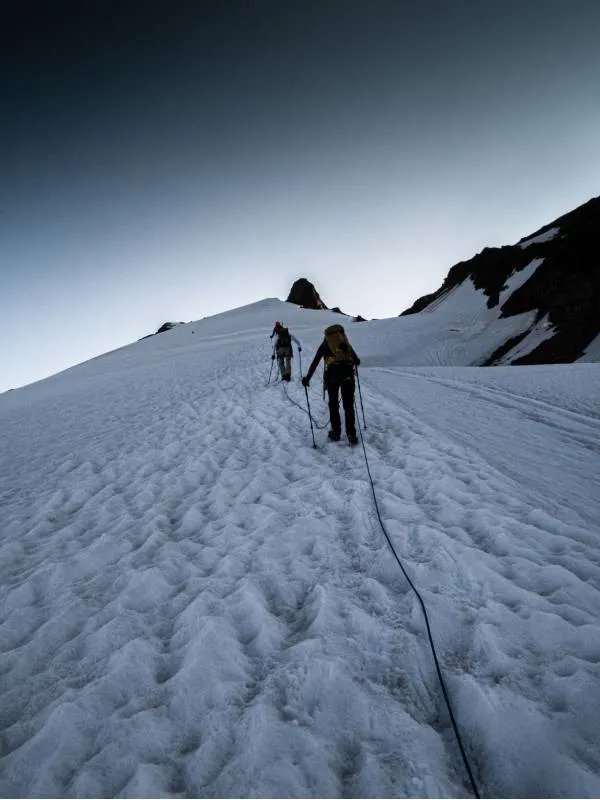
Lobuche Peak climbing with Everest base camp trek is two in one combined journey for reaching the world’s highest mountain Mt. Everest and reaching the Lobuche East Peak which is a charm in the Khumbu region situated at an altitude of 6,119 meters (20,075 feet) above sea level a perfect beginner friendly mountain climb.

There is two peaks in the same name which is the Lobuche East and Lobuche west but in this journey you will be climbing the eastern side as the western side is difficult due to its technical mountaineering climb that requires glacier travel, ice climbing skills, rope techniques, and the ability to handle steep snow and ice slopes.

As it is a trekking peak first you will be walking to the EBC and then hike to the Lobuche base camp and then practice for one day before the summit and then climb the peak reach its top and return back to the base camp. You will need to have a proper itinerary for this which is of 19 days from your arrival in Kathmandu valley to the departure.

Highlights of Lobuche Peak Climbing in Nepal

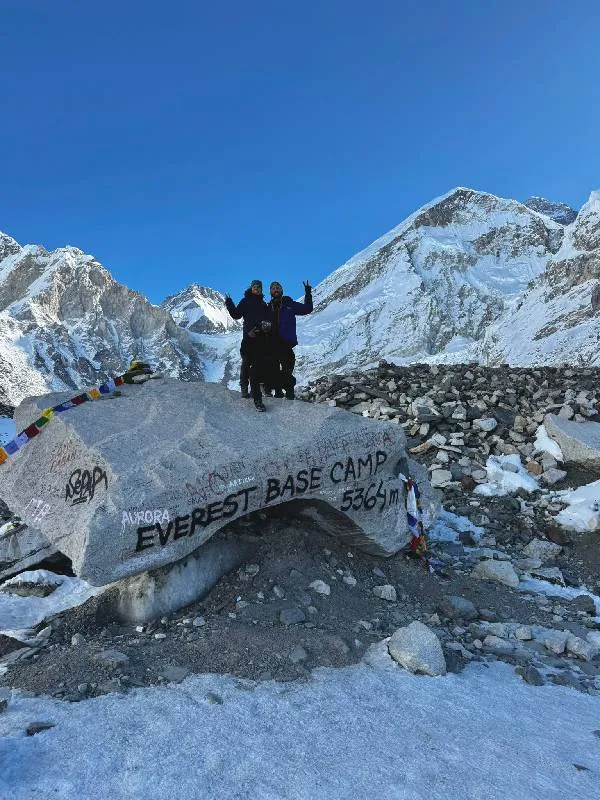
  • Stand at Everest Base Camp (5,364 m) beneath the Khumbu Icefall, then go on to climb Lobuche East (6,119 m).
  • Witness the sunrise over Everest, Nuptse and Pumori from Kala Patthar, one of the best-known viewpoints in the Khumbu.
  • Reach the summit of Lobuche East and look out over Everest, Lhotse, Nuptse, Ama Dablam and Cholatse.
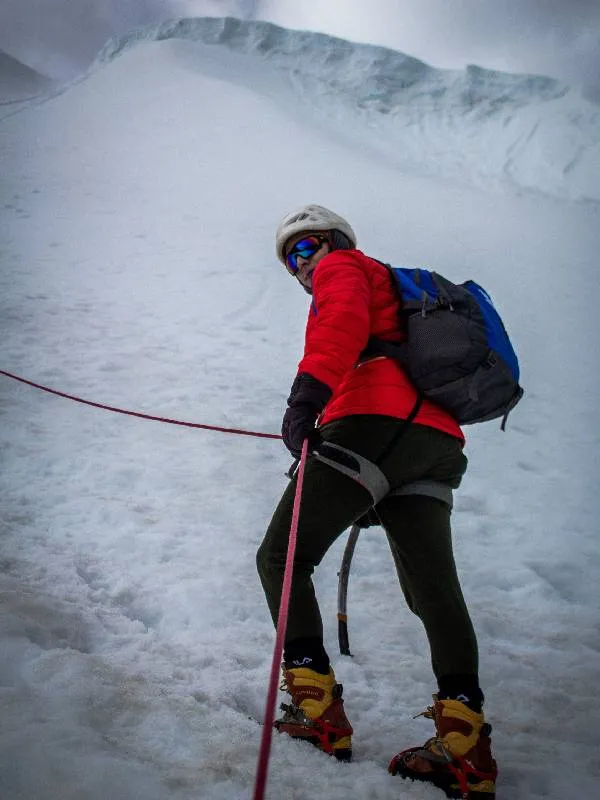
  • Learn crampon, ice axe, harness and fixed-rope skills from your climbing guides at High Camp before summit day.
  • Acclimatise with rest days at Namche Bazaar and Dingboche and a spare contingency day for bad weather.
  • Explore Namche Bazaar, the Sherpa trading town, with its markets, bakeries and mountain views.
  • Visit Tengboche Monastery, the largest in the Khumbu, set against Ama Dablam.
  • Trek beside the Khumbu Glacier past the Thukla memorials to climbers who lost their lives on Everest.
  • Cross high suspension bridges, including the Hillary Bridge, through Sagarmatha National Park, a UNESCO World Heritage site.
  • Experience warm Sherpa hospitality, local food and mountain culture in the teahouses along the way.

Lobuche East Facts and Terminology

Item

Detail

Peak

Lobuche East (also spelled Lobuje East)

Elevation

6,119 m (20,075 ft)

Location

Khumbu region, Solukhumbu District, Nepal

Mountain Range

Mahalangur Himal, Himalayas

Coordinates

Approximately 27°57′34″N, 86°47′24″E

Prominence

Approximately 275 m, with Lobuche West (6,145 m) as the parent peak

First Recorded Ascent

25 April 1984, by Laurence Nielson (USA) and Ang Gyalzen Sherpa

Classification

Nepal Mountaineering Association (NMA) Group B "trekking peak"

Typical Base Camp

Approximately 5,050 m

Typical High Camp

Approximately 5,400–5,600 m

Best Seasons

March–May and late September–November

How Hard Is Lobuche East? Difficulty and Fitness Required

Lobuche East is challenging due to its steep snow slopes with fixed ropes, short rocky sections, and an exposed summit ridge. Slopes near the top are commonly described as around 45–55°.

The main difficulty at such place is the altitude itself and at 6119-meter elevations the oxygen level becomes half along with you would be walking for 5 to 7 hours a day on the mountains which also increase the chance of fatigue.

Although its challenging it’s a beginner friendly peak for the climbers who want to ascend the mountain and also wants to have the basic of the mountaineering skills. To know if you can summit this peak or not check the lists below and if you think you have at can tick at least 4 points then you can do this trek easily.

  • I’ve trekked above 4,000 m and felt strong afterwards
  • I can hike 6–8 hours with a daypack and 1,000 m+ of ascent
  • I’ve used crampons and an ice axe (or will take a course before travelling)
  • I can train consistently for 12–24 weeks
  • I can commit 19+ days and buffer time
  • I’m willing to turn around

Lobuche Peak Permits and Entry Fees (2027–28)

The permits and entry fees for the Lobuche Peak for 2027 and 2028 which is issued by the Nepal Mountaineering Associations (NMA) royalty permit cost depends upon the seasons. If you are trekking on peak seasons which is Spring during the month of March, April and May the cost is 350 USD and if you are climbing except the spring then for every other month the cost is 175 USD.

You will require additional Sagarmatha National Park permit which is NPRs. 3000 and the Khumbu Pasang Lhamu Rural Municipality fee which is again of NPRs. 3000 additionally.

How Much Does Lobuche Peak Climbing with EBC Cost?

The Lobuche Peak Climbing with Everest Base Camp package costs USD 2,475 per person. This price covers the logistics and services required throughout your journey in Nepal, from your arrival in Kathmandu until your final departure.

Please review our Cost Includes and Cost Excludes sections to understand exactly what is covered by the package and what expenses you will need to manage separately.

Please also note that USD 2,475 is the price for one person. If you are travelling in a group, we may offer a reduced price depending on the group size.

When comparing our package price with other trekking agencies, we encourage you to read our company motto below the itinerary summary. We believe that the quality of service, experienced guides, safety standards, and overall experience matter just as much as the price.

How Adventure Vision treks take care of your safety on the Lobuche mountains?

At Adventure Vision Treks, your safety is our top priority. We have carefully designed our 19-day Lobuche East Peak climbing itinerary to provide sufficient time for gradual altitude gain, proper acclimatization, and preparation before the summit attempt.

Our climbing team is led by experienced mountain guides. One of our senior guides, Mr. Tony Magar, has over 20 years of mountaineering experience, with more than 500 journeys to Everest and over 100 successful Lobuche Peak summits. His extensive experience and familiarity with the mountain are valuable advantages in ensuring a well-managed climbing expedition.

Technical Climbing Training

Before attempting the summit, our senior climbing guide provides practical training on using essential mountaineering equipment, including crampons, ice axes, climbing harnesses, ascenders (jumars), and fixed ropes. This preparation helps you understand the basic climbing techniques and safety procedures required for Lobuche East.

Proper Equipment Checks

We provide you with a climbing equipment checklist in Kathmandu so you can arrange all the necessary gear before heading to the mountains. Our guides will also check your equipment to ensure everything is suitable and properly fitted before the technical climbing sections.

Weather Monitoring and Daily Health Checks

We regularly evaluate weather forecasts and mountain conditions before proceeding with the summit attempt. Our guides also conduct daily health checks and monitor oxygen saturation levels using pulse oximeters to identify potential altitude-related problems.

First Aid and Emergency Rescue Support

Our climbing guides carry first-aid supplies and maintain communication with our Kathmandu office throughout the expedition. In case of serious altitude sickness or other medical emergencies, we coordinate emergency assistance and helicopter evacuation when necessary.

Safety Comes Before the Summit

Our guides have the authority to postpone or cancel a summit attempt if weather conditions, climbing conditions, or a climber's health make it unsafe to continue. If helicopter evacuation becomes medically necessary, our team will help coordinate the rescue process. The associated evacuation costs are the responsibility of the climber and should be covered by appropriate travel insurance
Lobuche Peak Climbing with Everest Base Camp Trek Itinerary

Day 1

Arrive in Kathmandu

Namaste, we welcome you at Kathmandu valley. One of our team representatives will be holding your name board and waiting at the airport arrival sections. After that we will drive to the inside Thamel. After arriving in Thamel, have rest and we will go for the welcome dinner and relax for the day.

Max Altitude: 1,400m (4,593ft)
Meals: Welcome Dinner
Accommodation: 3 Star Hotel
Day 2

Kathmandu briefing, gear check and preparation

Your trip leader holds the pre-trip briefing covering the route, acclimatisation, safety and the climb. Your guide checks your boots, crampon fit, sleeping bag rating and layers, and you rent or buy anything missing in Thamel. Permit paperwork is completed and your insurance details are confirmed. In the afternoon you can visit Boudhanath or Swayambhunath if time allows. Repack into a duffel (about 15 kg for the Lukla flight) and a daypack.

Max Altitude: 1,400m (4,593ft)
Meals: Breakfast
Accommodation: 3 Star Hotel
Day 3

Fly to Lukla (2,860 m) and trek to Phakding (2,610 m)

You will Take an early morning flight to Lukla. In the peak seasons (roughly late March to May and late September to November), flights usually run from Ramechhap (Manthali), which means a pre-dawn road transfer of about 4 hours from Kathmandu. After meeting your crew in Lukla, you walk a gentle trail beside the Dudh Koshi River past mani walls and prayer wheels to Phakding.

Max Altitude: 2,610m (8,562ft)
Meals: B, L, & D
Accommodation: Tea House
Day 4

Trek to Namche Bazaar

After enjoying your delicious breakfast in the morning, head towards the Namche Bazaar where you will cross several suspension bridges and enter Sagarmatha National Park at Monjo, where permits are checked. After the high Hillary Bridge there is a steep climb of about two hours into Namche Bazaar, the Sherpa trading hub. On clear days you get your first view of Everest from the trail. Walk slowly and drink plenty of water.

Max Altitude: 3,440m (11,286ft)
Meals: B, L, & D
Accommodation: Tea House
Day 5

Acclimatisation day in Namche Bazaar

On the 5th day of your Lobuche journey you will have the acclimatisation day in Namche Bazar. However, just because its rest days it does not means you will be resting. Rest days are active. Climb to Everest View Hotel (about 3,880 m) for views of Everest, Lhotse and Ama Dablam, or walk to Khumjung (about 3,790 m) to see the monastery and the Hillary School. Return to sleep at Namche. Spend the afternoon resting, hydrating and checking your gear.

Max Altitude: 3,440m (11,286ft)
Meals: B, L, & D
Accommodation: Tea House
Day 6

Trek to Tengboche

Early in the morning you will head towards the Tengboche. You will be doing ridge walk with views of Ama Dablam leads to a steep drop to the river at Phunki Tenga, followed by a climb through rhododendron and pine to Tengboche. Visit Tengboche Monastery, the largest in the Khumbu, and enjoy the evening light on Ama Dablam, Everest and Nuptse.

Max Altitude: 3,860m (12,664ft)
Meals: B, L, & D
Accommodation: Tea House
Day 7

Trek to Dingboche

You descend through forest to Deboche, cross the Imja River, and pass through Pangboche with its views of Ama Dablam. The landscape opens into barren alpine terrain with stone-walled fields. You may notice mild altitude effects such as headache or poor sleep, so tell your guide early if any of the symptoms arrive. 

Max Altitude: 4,410m (14,468ft)
Meals: B, L, & D
Accommodation: Tea House
Day 8

Acclimatisation day in Dingboche

You will have another day as the Acclimatisation Day in Dingboche. After having your breakfast, according to your preference whether you want to hike to the Nangkartshang peak about 5,080 which is shorter and steep or you can hike to the Chhukung Ri about 5,550m above sea level which is longer and demanding with wider views. After hiking to these peaks you will return back to the Dingboche. It will help you to acclimate so that it can be easy for you to climb in future.

Max Altitude: 4,410m (14,468ft)
Meals: B, L, & D
Accommodation: Tea House
Day 9

Trek to Lobuche

You will walk towards Lobuche from Dingboche. You walk past Thukla (Dughla) and climb a steep section to the memorials for climbers lost on Everest. The trail follows the moraine of the Khumbu Glacier to Lobuche, a small settlement beneath Lobuche East, your objective. Rest, eat well and drink plenty.

Max Altitude: 4,920m (16,141ft)
Meals: B, L, & D
Accommodation: Tea House
Day 10

Trek to Gorak Shep and Everest Base Camp

Early in the morning, you will start your journey towards the Gorakshep and then head to the Everest base camp. You will have A rocky walk along the glacier brings you to Gorak Shep, the last settlement. After a rest and lunch, you continue to Everest Base Camp, with its prayer flags and views toward the Khumbu Icefall, then return to Gorak Shep to sleep. It's a long day on moraine at such altitude.

Max Altitude: 5,364m (17,598ft)
Meals: B, L, & D
Accommodation: Tea House
Day 11

Kala Patthar sunrise and descend to Lobuche

Early in the morning before sunrise, you will walk to the Kala Patthar for the sunrise from where you can witness the panoramic 360-degree views of the Everest, Nuptse and Pumori. After the sunrise, hike down to the Gorakshep for breakfast then descend to Lobuche. The descent helps acclimatisation and puts you closer to the climb.

Max Altitude: 5,545m (18,192ft)
Meals: B, L, & D
Accommodation: Tea House
Day 12

Trek to Lobuche High Camp and skills training

You will Leave the main trail and climb rocky moraine to High Camp, usually 3–5 hours. Your route may pass through or near Base Camp (about 4,950–5,050 m), depending on the plan. In the afternoon your climbing guide runs a skills session on crampons, ice axe, harness, ascender and abseiling, and checks each climber's gear. Eat, hydrate and sleep early.

Max Altitude: 5,600m (18,372ft)
Meals: B, L, & D
Accommodation: Tent
Day 13

Summit Lobuche East and return to High Camp

You wake in the early hours and leave by headlamp. The route climbs steep snow and rock, uses fixed ropes on the steepest sections, reaches a lower high point often called the false summit, and continues along a narrow ridge to the true summit. After photos and a short stay, you descend by the same route with careful use of the ropes and return to High Camp in the afternoon. Your guides set a turnaround time, and conditions can change the plan.

Max Altitude: 6,119m (20,075ft)
Meals: B, L, & D
Accommodation: Tent
Day 14

Contingency day

This day is held in reserve for bad weather, strong wind or a slow acclimatisation. If you summited on Day 13 and conditions are good, your guide may descend toward Pheriche or Pangboche, which shortens the later days and adds a buffer for flights. If the summit attempt was delayed, you use this day to climb.

Max Altitude: 6,119m (20,075ft)
Meals: B, L, & D
Accommodation: Tent
Day 15

Trek to Pheriche

After your breakfast, you will Descend from High Camp to Lobuche and follow the valley past Thukla to Pheriche. The thicker air makes breathing easier, but tired legs make the descent slow. Keep concentrating on rocky and icy sections.

Max Altitude: 4,270m (14,009ft)
Meals: B, L, & D
Accommodation: Tea House
Day 16

Trek to Namche Bazaar

Follow the Imja valley down through Pangboche and Tengboche, cross Phunki Tenga, and climb back up to Namche. The warm air and lower altitude feel very different after High Camp. Spend the evening in Namche's cafes and bakeries.

Max Altitude: 3,440m (11,286ft)
Meals: B, L, & D
Accommodation: Tea House
Day 17

Trek to Lukla

After the Namche Bazaar, you will trek down to the Lukla which will be A long final day down the Dudh Koshi valley, through Monjo (leaving the national park), across suspension bridges, and past Sherpa villages to Lukla. Celebrate with your guides and porters in the evening.

Max Altitude: 2,860m (9,383ft)
Meals: B, L, & D
Accommodation: Tea House
Day 18

Fly to Kathmandu

According to your flight schedule we will fly to Kathmandu which is of 45 minutes. After arriving in Kathmandu drive to the hotel and relax. After that you can visit the nearby attractions in Kathmandu valley. If you like history you can visit the Museum, if you like culture visit the temples and monastery and if you like the foods you can explore the local cuisine.

Max Altitude: 1,400m (4,593ft)
Meals: Breakfast and Farewell Dinner
Accommodation: 3 Star Hotel
Day 19

Departure

According to your flight schedule we will drive you to the Tribhuvan International Airport. We hope we served you best and want to see you again on the next treks in Nepal with us. If you like you can leave us review at the Tripadvisor about your journey in Nepal with Adventure vision treks.

Meals: Breakfast
Are you still confuse from where to start? Adventure Vision Treks and Travels has solutions for this.

Trip Costs & Availability

Lobuche Peak Climbing with Everest Base Camp Trek Route Map

Altitude Chart

Equipment List for Lobuche Peak Climbing with Everest Base Camp Trek

Upper Body Layers
  • Base layers, merino or synthetic (2–3)
  • Trekking T-shirts, quick-dry (2–3)
  • Long-sleeve trekking shirt (1–2)
  • Fleece or mid-layer (1–2)
  • Lightweight down or synthetic jacket: for trek evenings
  • Expedition down jacket or parka (rented or provided): for High Camp and summit day
  • Waterproof, windproof shell jacket (hard shell)
  • Gloves: liner gloves, warm insulated gloves, and expedition mitts for summit day
  • Spare liner gloves: for dexterity with ropes and carabiners
Lower Body Layers
  • Trekking trousers (2): quick-dry
  • Thermal base-layer bottoms (2): for sleeping and summit day
  • Fleece or insulated trousers: for camps and evenings
  • Waterproof shell trousers: with side zips so they fit over boots
  • Insulated or soft-shell mountaineering trousers (optional): for summit day
  • Underwear (4–5): quick-dry
Footwear & Accessories
  • Trekking boots, broken in: for the approach trek
  • Stiff, insulated mountaineering boots (rented or bought): for High Camp and summit day, compatible with your crampons
  • Crampons: check fit with your mountaineering boots before leaving Kathmandu
  • Gaiters: keep snow and scree out of boots
  • Socks: liner socks (3), trekking socks (3–4), warm mountaineering socks (2)
  • Camp shoes or down booties: for teahouse and tent evenings
  • Trekking poles: for the approach and descent
Head & Sun Protection
  • Sun hat or cap: for the lower trail and sunny days
  • Warm wool or fleece hat: for evenings and camp
  • Balaclava or buff (2): protects face and throat from cold, dust and wind
  • Glacier glasses, category 3–4, with side shields: for snow and high-altitude sun
  • Ski goggles: for wind, snow and summit day
  • Headlamp with spare batteries (300+ lumens suggested): essential for pre-dawn Kala Patthar and summit starts
  • Sunscreen (SPF 50+) and lip balm with SPF: UV is intense at altitude
Personal & Medical Kits
  • Personal prescription medicines: with a doctor's note where needed
  • Altitude medication: only as agreed with your doctor beforehand
  • Blister kit: tape, plasters, moleskin
  • Pain relief and anti-inflammatories
  • Stomach and diarrhoea treatment, oral rehydration salts
  • Throat lozenges and cold remedies: dry, cold air irritates the throat
  • Antiseptic wipes, small first-aid items
  • Water purification tablets or filter
  • Toiletries: toothbrush, biodegradable soap, quick-dry towel
  • Hand sanitiser, wet wipes, toilet paper
  • Earplugs and eye mask: for lodge noise and light
  • Pee bottle (wide-mouth, clearly marked): practical for cold nights at High Camp
Travel Documents
  • Passport, valid for at least six months, plus copies
  • Nepal visa fee in cash: commonly USD 30 (15 days), 50 (30 days) or 125 (90 days); confirm current rules
  • Passport photos: several spare for permits
  • Travel insurance policy: covering trekking and climbing to at least 6,500 m with helicopter evacuation, plus a copy and the emergency number
  • Emergency contacts and medical information
  • Flight tickets and booking confirmations
  • Cash in Nepali rupees: for tips, drinks, charging and snacks on the trail (cards rarely work above Namche)
Miscellaneous
  • Duffel bag (about 80–100 L), waterproof: carried by porters (check the weight limit, usually about 15 kg on Lukla flights)
  • Daypack (30–40 L): for water, layers, camera and summit-day essentials
  • Sleeping bag: expedition-grade down, rated to about −20 °C comfort or lower (often provided or rented)
  • Sleeping bag liner: adds warmth and hygiene
  • Insulated sleeping mat: if not supplied for tents
  • Technical climbing gear (check what's supplied): harness, helmet, ice axe, ascender (jumar), descender or abseil device, locking carabiners
  • Water bottles (2–3, wide-mouth) or bladder: insulated cover or bottle sleeves to stop freezing
  • Power bank and charging cables: keep warm inside your sleeping bag
  • Camera or phone with spare batteries
  • Snacks you enjoy: appetite drops at altitude
  • Zip-lock bags and dry bags: protect electronics and documents
  • Small padlock: for your duffel
  • Notebook or book: for rest days and evenings

Essential Information

Best Time to Climb Lobuche East

The best time to Climb Lobuche East is during the month of the Autumn (September to November) and Spring (March – May). These are considered as the peak seasons for the climbing of the mountains.

Spring brings warmer temperatures, longer days and rhododendron blooms on the lower trail. Afternoon cloud and some snowfalls are common, and the trail and fixed ropes can be busier.

Autumn (post-monsoon) usually brings clear, stable skies and sharp mountain views, but colder nights and shorter days, especially by November.

You can also climb on the peak on winter (December to February) and Monsoon (June to August) however, we don’t recommend doing summit attempts on these months as Winter is very cold, heavy snow, strong wind, closed teahouses at altitude, and summit temperatures reported down to −25 °C. And, during Monsoon its mostly rain, cloud, leeches and landslides on the trail, unreliable Lukla flights, and unstable snow.

Training and Fitness Plan for Lobuche East

Lobuche East Peak climbing at 6,119 meters requires good physical conditioning, high-altitude trekking endurance, and basic mountaineering skills. You will spend several days hiking through the Everest region before tackling steep snow and ice slopes, fixed ropes, and the exposed summit ridge. We recommend starting your physical training 12–24 weeks before the expedition to prepare your body for long trekking days and the technical demands of summit day.

Cardio and Strength Benchmarks

Focus on building cardiovascular endurance, leg strength, and muscular stamina rather than maximum lifting strength. Your training should include 6–8-hour hikes with approximately 1,000 meters of elevation gain, consecutive trekking days, and uphill walks carrying an 8–10 kg backpack. Include stair climbing, squats, lunges, weighted step-ups, and core exercises to strengthen your legs for sustained uphill climbing, downhill descents, and walking in crampons.

Mountaineering Skills to Learn Before You Go

Basic mountaineering experience will give you an advantage during the Lobuche East summit attempt. Familiarise yourself with crampon walking on snow and ice, ice axe handling, self-arrest techniques, climbing harnesses, jumar ascending, and descending on fixed ropes. Understanding basic rope management and crevasse hazards is also beneficial. Our senior climbing guides provide practical pre-climb training, but previous exposure to these techniques will help you approach technical climbing sections with greater confidence.

12–24 Week Training Timeline

Start your Lobuche Peak climbing preparation early and gradually increase your training intensity as the expedition approaches.

Weeks 1–8 – Endurance Building: Develop cardiovascular fitness through running, cycling, stair climbing, and regular hiking.

Weeks 9–16 – Strength Development: Add loaded backpack hikes, uphill trekking, leg-strength exercises, and longer mountain walks.

Weeks 17–22 – Climbing Preparation: Practise consecutive long-distance hikes, steep ascents, backpack carries, and basic mountaineering techniques.

Weeks 23–24 – Recovery and Tapering: Reduce training volume, allow your muscles to recover, and complete your climbing gear preparation.

If you have only 12 weeks to prepare, adjust the programme to your current fitness level rather than rushing into intense workouts. Remember that physical fitness helps you handle the climbing demands, but it does not guarantee proper altitude acclimatization or prevent altitude sickness. Consult your doctor before beginning an intense training programme.

Altitude Sickness, Acclimatisation, and Mountain Safety

Altitude sickness, Acclimatisation and mountain safety is the important part of this climbing experience. If you have any kinds of Heart or lung disease, or uncontrolled high blood pressure, A history of severe altitude illness (HAPE or HACE), Pregnancy or the A recent major injury or surgery don’t try to summit the peak.

There are three kinds of altitude sickness which are the Acute mountain sickness (AMS), HAPE (pulmonary oedema) and the HACE (cerebral oedema). All of them have the different Symptoms which are:

Condition

Typical Signs

What to Do

AMS (Acute Mountain Sickness)

Headache, nausea, dizziness, fatigue, and poor sleep

Stop ascending, rest, and hydrate. Descend if symptoms worsen or do not improve.

HAPE (High-Altitude Pulmonary Oedema)

Breathlessness at rest, persistent cough, crackly or frothy sputum, and extreme fatigue

Descend immediately. Give oxygen if available and arrange emergency evacuation.

HACE (High-Altitude Cerebral Oedema)

Confusion, loss of balance (inability to walk straight), severe headache, and drowsiness

Descend immediately and arrange emergency evacuation.

If you have kinds of symptoms, tell your senior climbing guides so that they can help in time. To avoid the altitude sickness make sure you walk slowly according to your pace and avoid the worsening symptoms.

Accommodation, Meals and Facilities During the Lobuche East Climb

3-Star Hotel Accommodation in Kathmandu and Twin-Sharing Teahouses on the Trek

In Kathmandu, you stay in comfortable 3-star hotels with private attached bathrooms. During the trek, accommodation is arranged in standard twin-sharing teahouses with basic rooms, attached bathrooms where available, Wi-Fi and charging points wherever accessible. As you gain altitude, lodge facilities become more basic, particularly around Lobuche and Gorak Shep.

Fully Supported Tent Accommodation at Lobuche East Base Camp

At Lobuche East Base Camp, we provide fully supported tent accommodation with sleeping bags, sleeping mats, dining tents, kitchen facilities and toilet tents. Our kitchen staff prepare meals throughout the climbing period, ensuring you have a comfortable base for acclimatization and summit preparation despite the remote, high-altitude environment.

Meals, Drinking Water and Kitchen Facilities During the Climb

Your package includes three freshly prepared meals a day: breakfast, lunch and dinner. During the teahouse trek, you can enjoy dal bhat, pasta, noodles, eggs, soups, bread and other available local and international dishes. At Base Camp, our dedicated kitchen crew prepares nutritious, energy-rich meals to support your climbing and recovery. Drink plenty of fluids throughout the day and use boiled or properly purified drinking water.

Wi-Fi, Internet Access and Device Charging Along the Route

Wi-Fi and charging facilities are available at most teahouses for an additional fee, wherever services are accessible. However, internet connectivity and charging facilities are not available at Base Camp or High Camp. We recommend carrying a power bank and keeping electronic batteries warm to preserve their performance in freezing temperatures.

Lobuche Peak Climbing with Everest Base Camp Trek FAQs

How hard is Lobuche Peak?

Lobuche Peak is considered moderate to difficult in climbing experience, as you will be trekking and climbing to the highest points, like Everest Base Camp, which is at an altitude of 5,364 m; the Kala Pathar hike, which is at an altitude of 5,545 m; and finally the Lobuche Peak summit, which is at an altitude of 6,119 m.
 

What is the success rate of Lobuche Peak?

The success rate of Lobuche Peak is around 80 to 90% because the Lobuche Peak summit is easy compared to the other 8000-meter mountains like Everest, Annapurna, Dhaulagiri, and other mountains. As the peak's summit is only 6000 meters, making it ideal for breathing and proper availability of oxygen levels.
 

How many days to climb Lobuche Peak?

Generally you will need 15 days to 20 days to climb Lobuche Peak because you will need proper acclimatization, practice, and rest for climbing the peak.
 

How much does it cost to climb Lobuche Peak?

The cost to climb the Lobuche peak is 2475 USD to 3000 USD depending upon the itinerary, the stays you are choosing, the transportation options you are opting for, the guide and porter you are choosing, and the permits as well.
 

How long does it take to climb Lobuche?

You will need 15 to 20 days to climb Lobuche depending upon your acclimatization and the optional trips you are doing during the trek, like the Three Pass Trek, the Gokyo Valley Trek, or any other trekking options in the Khumbu region.
 

What level is a beginner climb?

A beginner-level climb includes non-technical or minimum-technical climbs and requires the basic mountaineering skills (use of crampons, ice axe, and ropes) and the highest summit, which should be lower than 6500 meters, like Island Peak and Mera Peak.
 

How do you train for the Lobuche peak?

You will need to train adequately for the Lobuche Peak, and preparation should start 2/3 months before doing the Lobuche Peak climb. You will need to do cardio, which includes long hikes, stair climbing, running, and cycling. Also, you need to do strength training for the core, legs, and upper body (for carrying loads and using tools). After doing strength training, you will need to do altitude training. If possible, hike at higher altitudes or use a hypoxic tent.

After that, learn some technical skills required during the climb, like practicing using crampons, ice axes, and ropes, and don’t forget to do endurance, which includes multi-hour trekking practice with a backpack.
 

What is the success rate of Lobuche East?

The success rate of Lobuche East is 80 to 90% for the climbers who follow all the trekking rules, acclimatize properly, have food properly, rest properly, listen to the body, and follow the guide's instructions properly.
 

What is the difference between Lobuche East and Island Peak?

The difference between Lobuche East and Island Peak is that Lobuche East is more technical due to the ice walls and steeper summit ridges, is less crowded, and requires rope climbing on the summit ridges; however, in Island Peak Climbing is easier compared to Lobuche Peak, but still, it requires the glacier crossing and rope skills; it is more crowded and perfect for absolute beginners. You can also do the Lobuche East climb if you did the Island Peak earlier.
 

Select Your Package
jiban thapaliya
Need Help? Chat Us.
+977 9841120805
Customize Trip

You May Also Like

Best Selling
Everest Base Camp Trek 2026 updated
14 Days
5.0(5 Reviews)
Grade: Moderate

Everest Base Camp Trek 14 Days

From
US$1390
See Details
Excellent Choice
Trekker doing Island peak summit
Top Rated
Mera Peak Climbing with Everest base camp
Need Help? Call Us+977 9841120805