
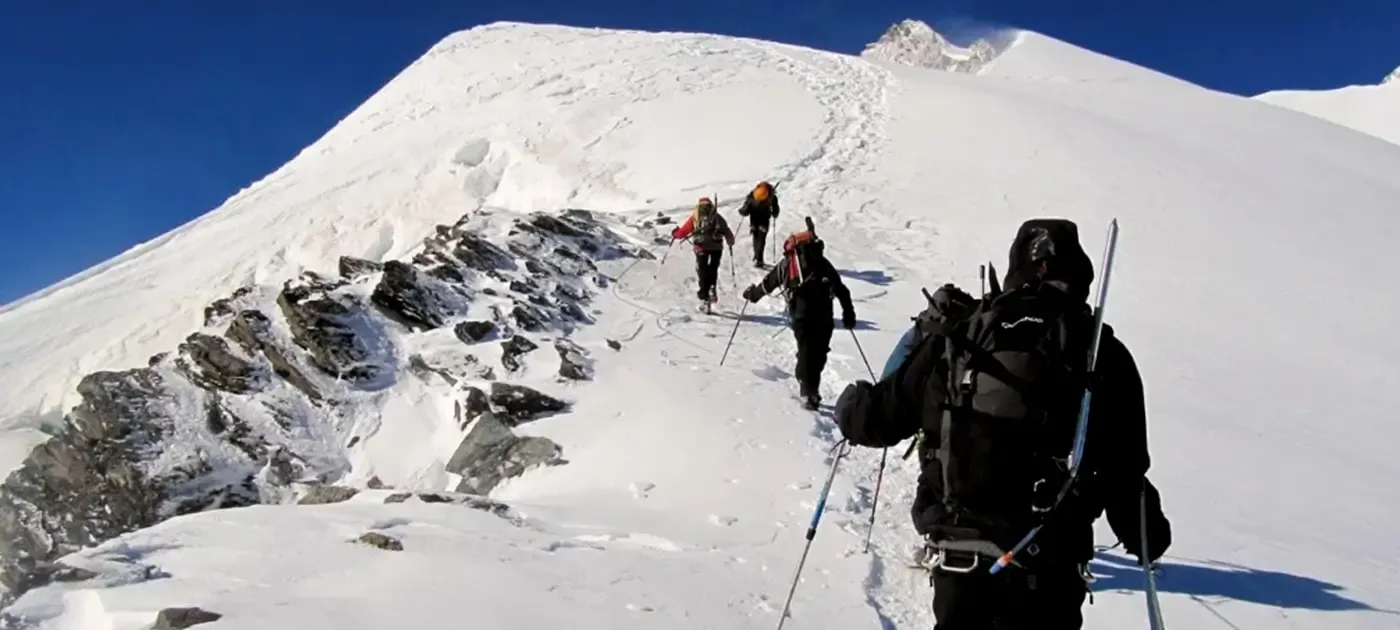

The 2025 climbing season on Mount Everest has begun on a tragic note, with the first recorded fatality being that of 45-year-old Filipino climber Philipp II Santiago. A member of the Mountaineering Association of Krishnanagar Snowy Everest Expedition, Santiago died at Camp IV, the final camp before the summit, while preparing for his summit push.
Located at a staggering altitude of around 8,000 meters (26,247 feet), Camp IV lies in the infamous "Death Zone" a region where the oxygen level is so low that prolonged exposure can be fatal. Santiago had reached this point with his team and was preparing for the final ascent to the 8,848.86-meter summit of the world's highest mountain when the tragedy struck. According to officials associated with the expedition, the exact cause of his death remains unknown, and an investigation is ongoing.
An Experienced Climber Lost to the Heights
Philipp II Santiago was known in his native Philippines as a passionate and dedicated mountaineer. Though detailed records of his climbing history are still being gathered, sources from the Mountaineering Association of Krishnanagar described him as a fit and well-prepared climber who had trained extensively for this expedition. His death came as a shock to the team and the broader mountaineering community, especially given that he showed no prior signs of distress before reaching Camp IV.
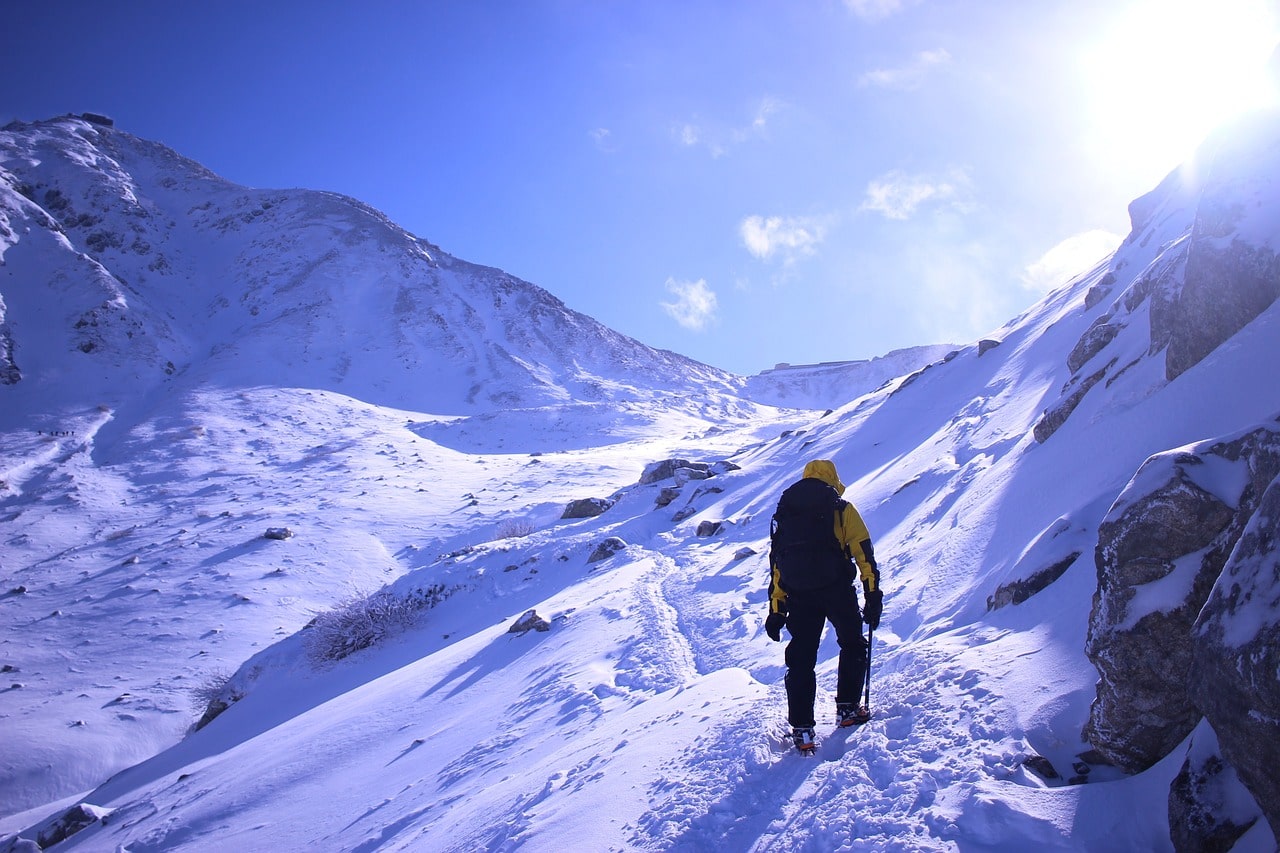
Despite the months of physical preparation and acclimatization that climbers undergo, Everest continues to claim lives each year. The mountain is unpredictable and unforgiving high-altitude sickness, sudden weather changes, exhaustion, and hidden medical conditions can all prove deadly. Santiago’s death is a stark reminder of the risks that remain, no matter how much planning goes into the climb.
Efforts Underway to Retrieve the Body
Authorities at Everest Base Camp have confirmed that efforts are currently underway to retrieve Santiago’s body from Camp IV. This process, however, is both dangerous and complex. Retrieving a body from the Death Zone is one of the most challenging operations in mountaineering. It involves Sherpas risking their own lives in thin air, often with unpredictable weather and deteriorating route conditions.
The Mountaineering Association of Krishnanagar, which jointly organized the expedition with Nepal-based Snowy Everest Expeditions, is coordinating closely with local rescue teams and Nepal’s Department of Tourism to safely carry out the retrieval. As of now, no timeline has been confirmed for when the body will be brought back to Base Camp and eventually returned to the Philippines.
A Sobering Start to the 2025 Season
The death of Philipp II Santiago has cast a shadow over what is expected to be another busy spring season on Everest. Hundreds of climbers from around the world have received their summit permits from the Nepalese government, and May is traditionally the peak climbing window due to more stable weather. However, this tragedy is a grim reminder of the risks that Everest poses even in optimal conditions.
Mountaineering experts and officials have already begun discussions on reinforcing medical checks, especially at higher camps and reviewing emergency response protocols. “While every climber accepts the risks, each loss teaches us to be more alert,” said one official from the Tourism Department.
Mourning a Passionate Adventurer
Tributes have begun to pour in from the Filipino climbing community and international mountaineers who had previously climbed with Santiago. Many described him as a humble, enthusiastic adventurer who always pushed his limits while maintaining a deep respect for the mountains. His dream to summit Everest, like so many climbers, was rooted in a profound love for nature and the thrill of extreme challenge.
As his family, friends, and fellow climbers grieve his untimely loss, the Everest community is once again reminded that the world's highest peak, while awe-inspiring, demands the highest price from some who dare to conquer it. Santiago’s journey may have ended in the Death Zone, but his spirit will live on in the hearts of those who follow his path.
However, the Everest Base Camp trek remains open to trekkers, as it is entirely different from summit expeditions. Unlike the high-risk climbs to the top, the trek to base camp is considered much safer and more accessible.
Everest Related News
Breaking News: Nepal Government Increases Mount Everest Climbing Permit Fee
No Experience, No Everest: Nepal Drafts Stricter Climbing Rules