

Are you a beginner thinking about doing the Annapurna Base Camp trek but wondering if it's actually made for someone like you?
The short answer is yes. The ABC trek is a moderate-level trail, and with the right preparation, itinerary, and guidance, first-time trekkers complete it every single day. What makes it particularly welcoming for beginners is how well-structured the route is, with well-maintained trails, teahouses every few hours offering hot meals and a warm bed, and a gradual elevation gain that gives your body time to adjust.
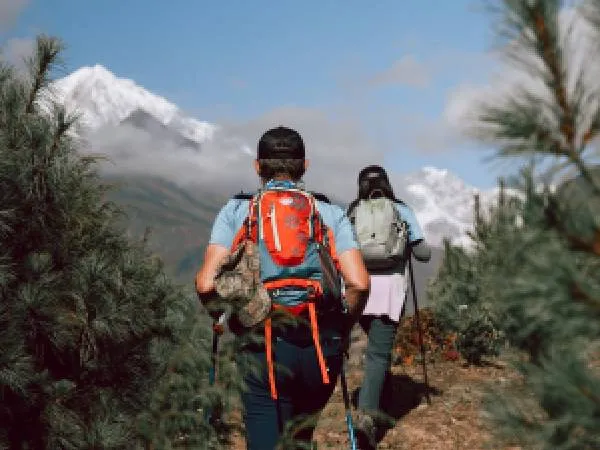
You won't be scrambling up technical terrain or camping in the wilderness. Instead, you'll be walking through rhododendron forests and traditional Gurung villages, with the towering face of Annapurna South growing larger with every step.
If you're reasonably fit and willing to prepare, this trek is absolutely within your reach.
What Makes the Annapurna Base Camp Trek Special?
The Annapurna base camp trek is special because it is one of the trekking destinations that not only offers the Himalayan scenery, but it lets you explore and experience its cultures, traditions, foods, its hospitality, its nature, and the biodiversity.
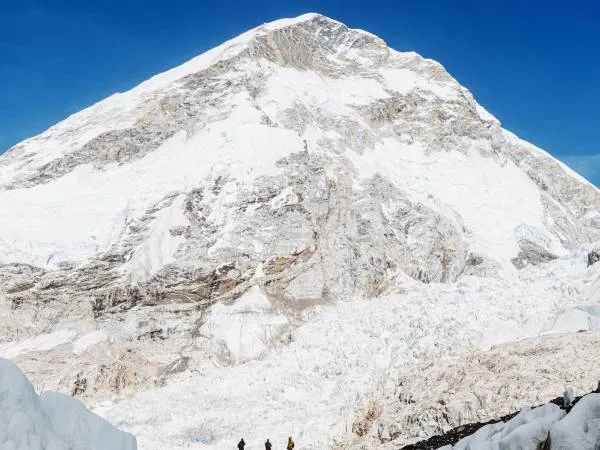
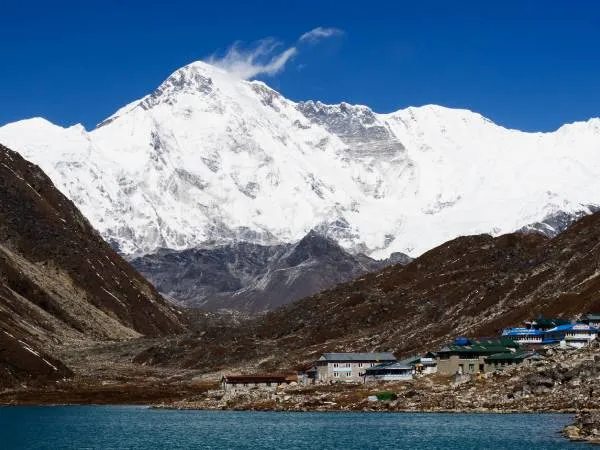
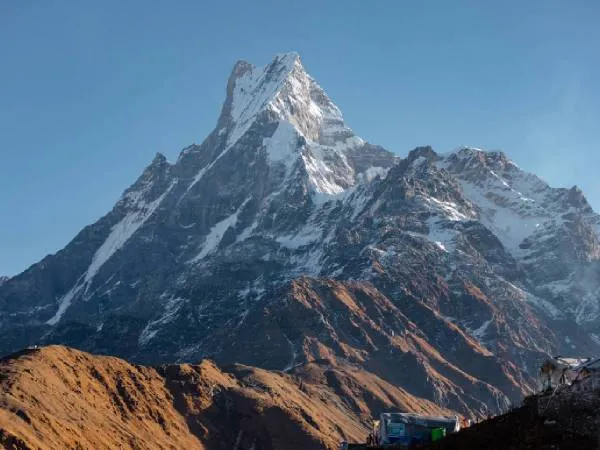
You will witness the beautiful mountain views of the Annapurna South, Machhapuchhre (Fishtail), and Hiunchuli. You will walk inside the Annapurna Sanctuary from the blooming pink, red, and white rhododendrons. It's considered one of the most visually dramatic stretches of any trek in Nepal and is especially popular with photographers.
You will pass through the Gurung and Magar villages, which will give you a genuine glimpse into mountain life rather than just scenery. Experience the diverse landscape from the terraced fields, dense forests, waterfalls, and dramatic high-altitude terrain.
How Difficult Is the Annapurna Base Camp Trek?
The main difficulty level comes from daily walking and higher elevation gain. Daily 5 to 7 hours is mandatory on uphill stone steps, and uneven trails can be more physically demanding.
The long descent and ascent journey will be challenging and can test your stamina and leg power, especially in Chhomrong and Deurali villages. You may face altitude sickness as you increase altitude above 3,000. The weather conditions of mountain regions have a high chance of changing rapidly. Therefore, trekkers should be ready to face encounters with rainfall in monsoon seasons, landslides in geologically unstable zones, and snowfall in winter seasons. So, beginners must be more careful about preparation and packing lists.
The Biggest Challenges Beginners Will Face on the Trail
The biggest Challenges you will face on the trail is combination of physical, mental, and logistical trekking experiences that can test the endurance and confidence of travelers. One of the primary difficulties you can face on trial is symptoms of altitude sickness caused by lower oxygen levels.
Many first-time trekkers, being unfamiliar with mountain routines; they can struggle mainly with maintaining proper rest, hydration, and energy throughout the journey. The repeated uphill and downhill rough path adds more difficulty to physical strain and muscle fatigue.
The Famous 3,300 Stone Steps to Ulleri: What to Expect?
The famous 3,300 stone steps to Ulleri are one of the most demanding and iconic sections of the ABC. This steep begins after completing the lower valley and continues as a long stone stair climb.
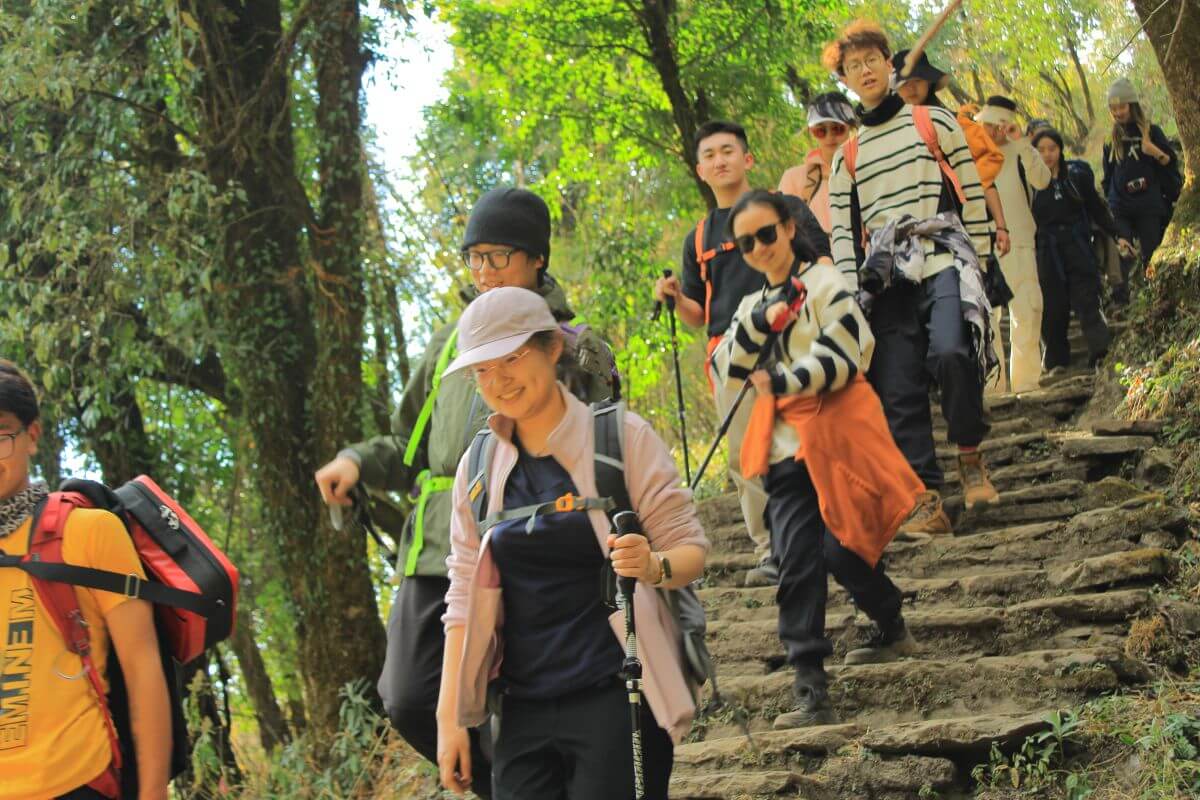
Upon reaching, you can expect beautiful scenery of the surrounding hills on sunny days and a glimpse of snowcapped Himalayan peaks. Ulleri is a local Magar village where basic tea house accommodations and simple facilities are available. This village presents a calm atmosphere and scenic landscapes, creating unforgettable memories of exciting adventure for visitors.
Is 4,130m of ABC Dangerous for First-Timers?
ABC is situated at an elevation of 4,130m in a high altitude destination where is the risk of Acute Mountain Sickness (AMS) is considerable. Common symptoms like headache, nausea, fatigue, and shortness of breath may can cause specially for first tome trekkers.
Without proper acclimatization, reaching the destination as per your plan is more can become difficulty and high risk of facing serious health issues. While not all beginners face these, a large number of first-time trekkers can be affected by these moderate effects during their ascent. Itineraries are designed to go up slowly, giving enough time for body rest and reducing health risk. However, you have to be more careful and take necessary precautions by following the guide throughout the journey.
What Fitness Level Do You Need as a Beginner?
Normal individuals with a good level of physical capability can achieve this trip. But also engaging in activities including cycling, hiking, jogging, and 5- 6 hours of walking each day for a few weeks to improve your stamina, which will ensure your safety and reduce the risk of high-altitude related issues.
Start your journey with a positive mentality and realistic expectations. Trekkers have to be prepared for basic accommodations, 3 meals per day, suddenly change weather conditions, and daily physical fatigue.
How to Train for the Annapurna Base Camp Trek if You’ve Never Hiked Before?
Technical training is not required for the Annapurna Base Camp trek for those also never hiked before. It will be easy for you if you start your trip with steady preparation, discipline, and realistic expectations. The following measures points helps you to prepare effectively with physical and mental readiness:
- Build regular walking habits.
- Improve cardiovascular fitness
- Strengthen legs and core muscles.
- Practice stair climbing with a backpack
- Maintain consistency, not intensity.
- Improve flexibility and recover.
- Learn basic altitude awareness.
- Rest and be well before trekking
Do You Need a Guide or Porter as a Beginner?
A guide is not strictly mandatory, but it is highly recommended for beginners. First-time trekkers have no idea about the local route and terrain of this region. A guide helps in trail navigation, particularly in forest, stone steeps and junctions. In addition, they provide valuable local culture, traditions and information about villages.
They also play an important role in ensuring safety in emergency cases such as high-altitude sickness. Furthermore, they also take responsibility to manage your accommodations and permits in peak seasons. Himalayan people can’t understand the international language, so guide support to interact and communicate with locals.
Porter is also an optional but very beneficial part of trekking for freshers. They assist to carry your backpack around a 15 to 20 kg load which allowing you to walk more comfortably and freely. Most of the beginners are unable to walk for long hour of uphill walking with heavy loads. At that time, porter will support to reduce fatigue, especially on long stone stair climb like Ulleri. Their presence is not only for comfort but also helps you with altitude adjustment and conserves your energy.
What to Expect: Teahouses, Food & Life on the Trail on ABC
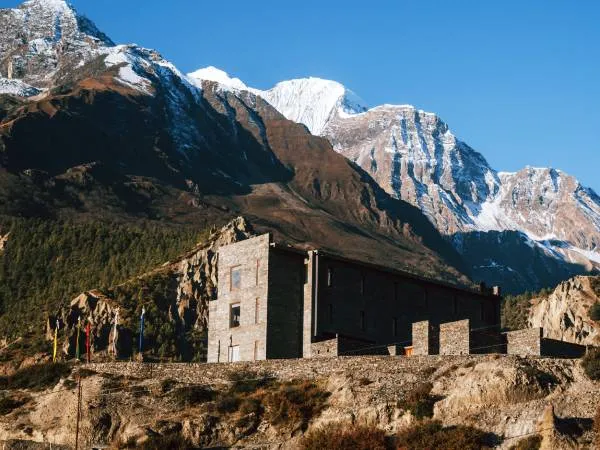
You should expect only basic teahouse accommodation with essential facilities to take rest and sleep on ABC. You can stay at premium lodges offering private rooms, hot showers, comfortable bedding, and surrounding mountain views.
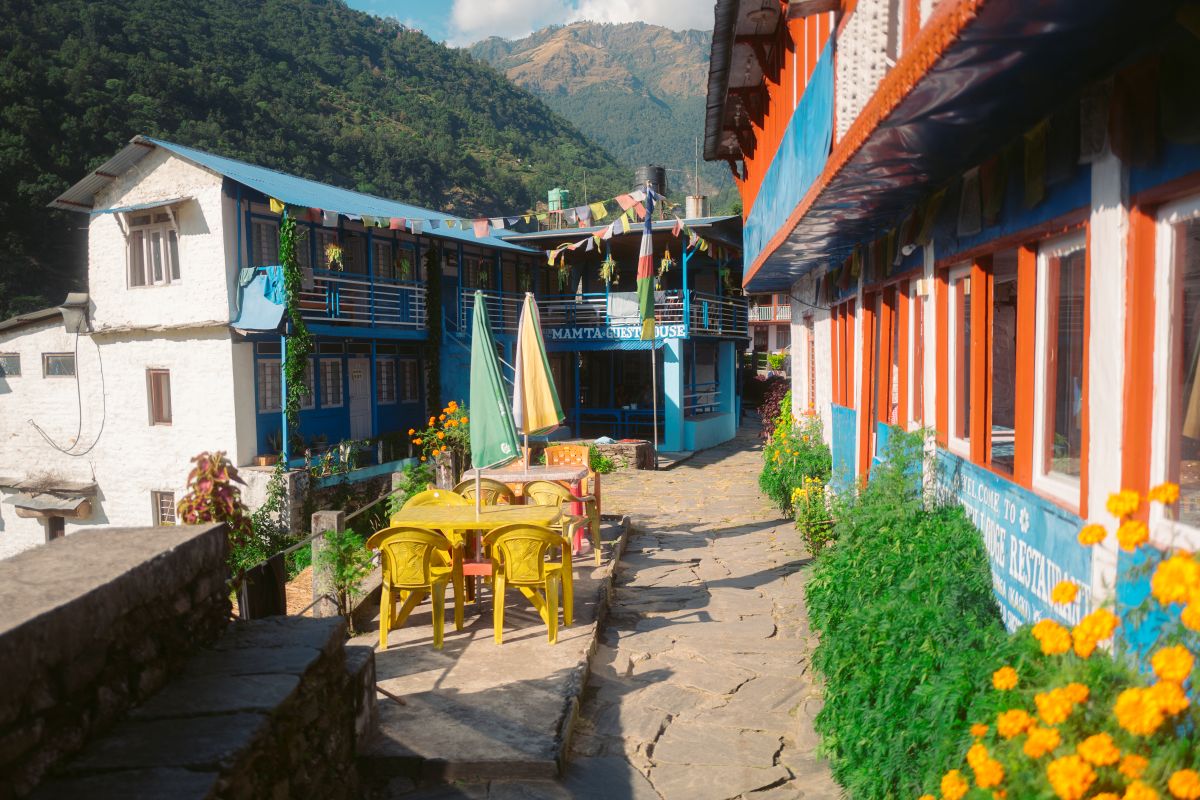
Meals are served only three times per day, including breakfast, lunch, and dinner. Guests can enjoy local Nepali food like dal, bhat (lentil), tarkari (vegetables), and soup which is both nutritious and suited for visitors. Other requirement such as dietary vegetarian, vegan or gluten free foods options is also provided in the teahouse.
Permits You Need for the Annapurna Base Camp Trek
The permits are mandatory during the Annapurna Base Camp trek to ensure environmental conservation, regulate access and entry in the restricted areas, and support to complete your trek safely. These permits are required by authorized government and tourism agencies.
Trekkers must carry the necessary permits before entering the designated trekking areas. Along the trail, local conservation authorities and security officials check your documents at several points. If your essential legal documents are invalid or missing, then you may have to pay a fine, or they denied your entry. The following mention list are the most needed permits during the ABC trek.
Annapurna Conservation Area Permit (ACAP)
Annapurna Conservation Area Permit (ACAP) is an official entry permission needed for trekkers and visitors to travel in the Annapurna region of Nepal. This permit is regulated by the National Trust for Nature Conservation (NTNC) to establish a sustainable tourism sector within the management of the Annapurna Conservation Area Project.
This plays a vital role to the natural environment and rich biodiversity of this region, including wildlife protection, forest management, trail maintenance, waste management, society development programs, and so on. The efforts of long-term sustainability also help to support the local livelihoods of rural mountain communities by funding education, health services, and economic tourism.
TIMS Card (Trekkers' Information Management System)
The TIMS Card (Trekker’s Information Management System) is an official registration system for trekkers that allows for ensuring the safety, security, and effective management during their trekking routes in Nepal. It is managed by Nepal Tourism Board and Trekking Agencies Association of Nepal to keep a record of essential details of trekkers, such as itineraries, emergency contacts, and entry and exit points.
With this information, authorities can easily track trekkers’ location in remote areas, which is very helpful for quicker search and rescue actions in emergency cases like natural disasters, accidents, and missing trekkers. Similarly, the TIMS card helps to improve coordination of trekking route management by analysis visitors flow, regulate overcrowding, promotes environmental conservation measures.
It further strengthens local governance through accurate data for tourism planning and infrastructure development. This card is valid for a single trekking itinerary, and there are basically two types of TIMS cards depending on how your trek is organized:
Individual TIMS Card (Green Card): This is for independent trekkers who are not travelling with guide and agency support.
Organized TIMS Card (Blue Card): This is for those trekkers who are travelling through registered trekking agencies and professional guides.
Essential Gear Checklist for First-Time Trekkers
During the trek, proper and careful packing is essential due to the higher altitudes, limited tea houses with basic facilities, and unpredictable weather conditions. You must be focused on a lightweight warm layer and daily useful items instead of overpacking for safe and comfortable. You are allowed to carry only 15 kg of luggage, which helps to maintain mobility and reduce fatigue on the trail. Double-check all the gears before starting the trek to make sure that you have packed all the needed equipment.
Clothing
- Lightweight down jacket
- Trekking trousers
- Waterproof trousers
- Hiking shorts
- Waterproof jacket
- Thermal base layers (Top and Bottom)
- Trekking pants
- Warm hat and sun hat
- Raincoat or poncho
- Trekking socks
- Waterproof thick gloves
- Innerwear
- Trekking t-shirts
- Equipment’s:
- Sleeping bag
- Trekking poles
- Water purification tablets
- Duffle bag for porter use
Footwears
- Waterproof hiking boots with ankle support
- Hiking socks and light regular socks
- Gaiters
- Camp shoes/sandal
Backpacks
- Waterproof backpacks
- Rain- covered backpack
Electronic items and Accessories
- Power bank
- Universal Plug Adaptor (Type-C)
- Charging cables
- Travel lock
- Altimeter/ Smartwatch
- Headlamp with extra batteries
- Sunglass
- Micro spikes
Basic toiletries
- Biodegradable wet wipes
- Hand gel
- Toilet paper
- Toothbrush and toothpaste
- Quick- dry towel
- Soap and Shampoo
- Small biodegradable bags to take tissues off the mountain
Snacks and energy bars
Protein bars
- Sweets
- Energy bars or chocolate
- Salted nuts, jerky, or trail mix
- Electrolyte sachets
First Aid kit and Medicine
- Sunscreen and lip balm
- Anti- Diarrhea Tablets
- Pain killers
- Bandage
- Anti- inflammatory
- Blister plasters
- Vaseline
- Rehydration sachets
- Diamox for altitude sickness
- Medical tape
Essential Documents
- Valid passport
- Nepal tourist visa
- Annapurna Conservation Area Entry Permit (ACAP)
- Travel insurance documents
- Passport-size photos
Mental Preparation: The Side of Trekking Nobody Talks About
Trekking is not only about physical fitness and mountain views, but trekkers have to be prepared with a strong mentality. You can be facing basic living conditions, limited connectivity, unstable weather conditions, and uncertainty. Sometimes the journey may not be proceeded as per you plan due to factors such as illness, travel delays, and discomfort. In those situations,
it is necessary to trek with patience and a positive mindset. Good mental preparation allows trekkers to adjust to changing circumstances while prioritizing their well-being and safety.
Read Related Articles
Annapurna Base Camp Trek in Monsoon
Annapurna Base Camp Trek in October
Annapurna Base Camp Trek in November
Ready to Stand at 4,130m and See the Himalayas for Yourself?
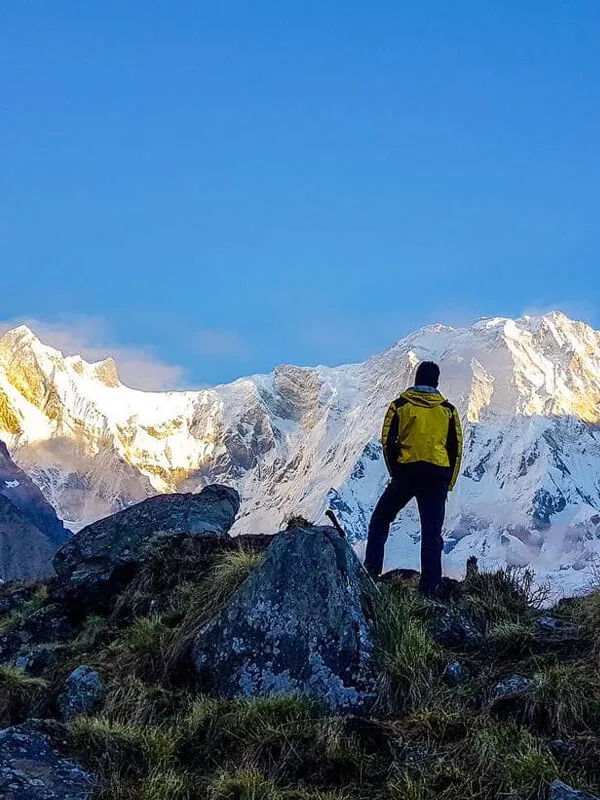
Imagine waking up at Annapurna Base Camp, surrounded by a wall of snow-capped peaks, the early morning light turning Machhapuchhre golden. That moment is real, and it's within your reach.
We've helped hundreds of first-time trekkers make it to ABC safely and confidently with experienced local guides, carefully planned itineraries, and support every step of the way. You focus on the journey. We handle everything else.
Don't just dream about it. Take the first step today.
WhatsApp: +977 9841120805 Email: [email protected]