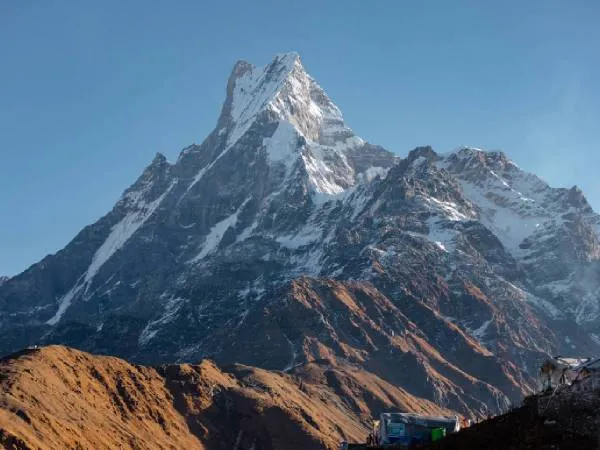

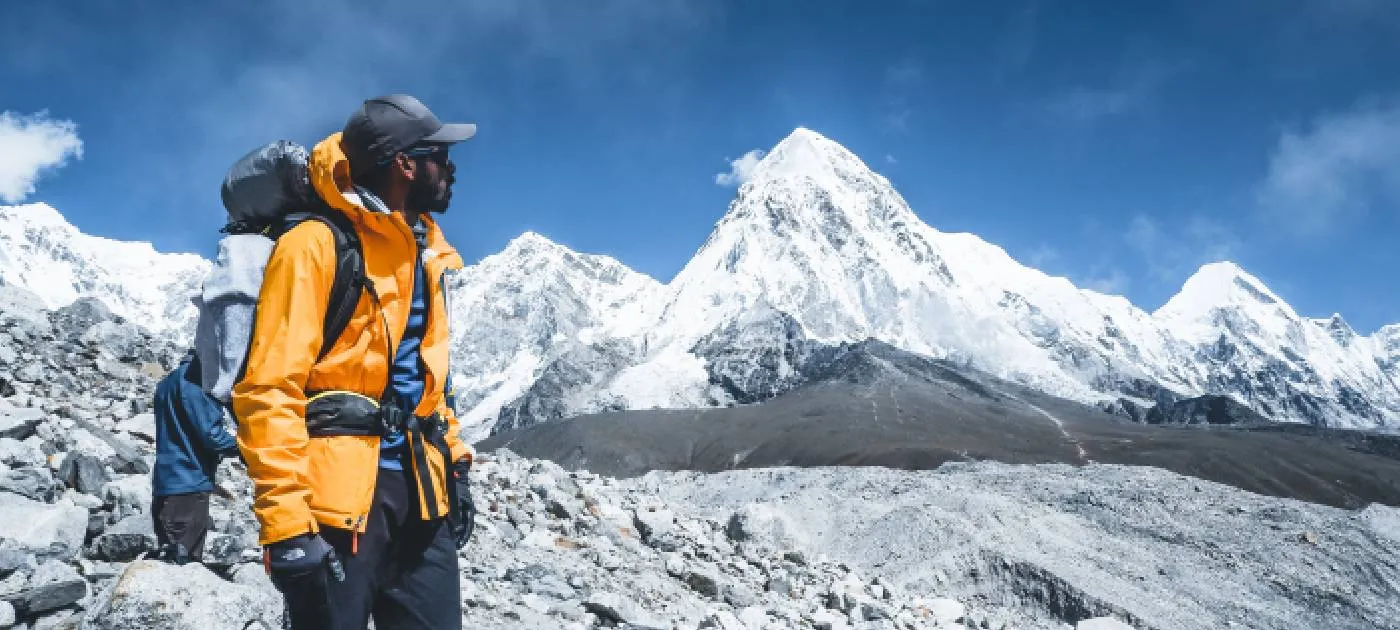
Mount Everest, Chololungma, is the world’s highest peak at an altitude of 8848.86 meters above sea level, which lies in Nepal. The peak lies in the border of Nepal and China in the himalayan mountain range. As it touches the border with Tibet, due to which the Everest peak also translates as the Chomolungma or Qomolangma, which means “Goddess Mother of the World,” in Tibet language.
In Nepal, the mountain is known as the Sagarmatha Himal, which means Forehead of the sky. It is a part of the Maha langur sub-Himalayan ranges. It was first climbed by Sir Edmund Hillary and Tenzing Norgay Sherpa in 1953.
Mount Everest, Chomolungma, attracts thousands of climbers from all over the world and trekkers as well for trekking to its base camp. It is famous for its extreme weather, powerful winds, avalanches, and low oxygen levels.
It was formed millions of years ago due to the collision of the Indian and Eurasian tectonic plates. It grows slightly every year because of tectonic movement. The peak and trekking expedition in the Khumbu region is a global symbol of adventure, endurance, and human achievement.
Everest Mountain Information Quick Highlights
Everest Mountain Information Quick Highlights are:
- Mountain Name: Mount Everest
- Tibetan Name: Chomolungma (Qomolangma)
- Nepali Name: Sagarmatha
- Height: 8,848.86 meters (29,031.7 feet)
- Mountain Range: Himalayas
- Sub-Range: Mahalangur Himal
- Location: Border of Nepal and China
- First Successful Summit: 1953
- First Climbers: Sir Edmund Hillary and Tenzing Norgay
- Best Time to Visit: Spring (March–May) and Autumn (September–November)
- Popular Trek: Everest Base Camp Trek
- Nearest Airport: Tenzing-Hillary Airport
- Famous Viewpoint: Kala Patthar
- National Park: Sagarmatha National Park
- Difficulty Level: Extremely Challenging
- Climate: Cold alpine and high-altitude mountain climate
- Main Climbing Routes: South Col Route (Nepal) and North Ridge Route (Tibet)
- Oxygen Level at Summit: About one-third of sea level oxygen
- UNESCO Status: Sagarmatha National Park is a UNESCO World Heritage Site
- Main Attraction: The highest mountain in the world and an iconic Himalayan adventure destination
Why is Mt. Everest (Chomolungma) famous in the world?
Mt. Everest Chomolungma is famous in the world for its highest mountain on Earth, rising 8,848.86 meters (29,031.7 feet) above sea level. It is considered the ultimate dream destination for mountaineers, trekkers, and adventure lovers from around the world. Everest is globally known as a symbol of human endurance, determination, and achievement.
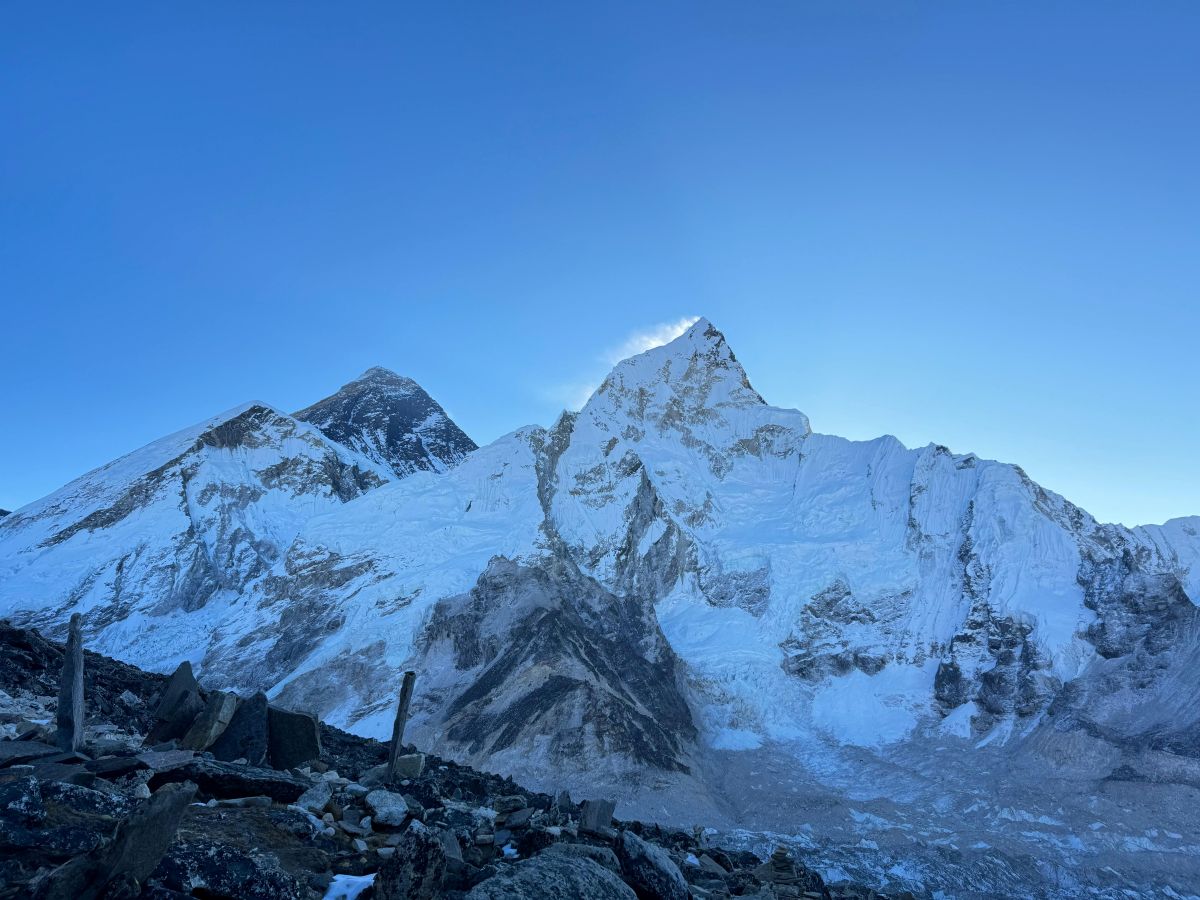
Many world records related to climbing, speed ascents, and survival have been set on Everest. It is famous for its breathtaking landscapes, glaciers, icefalls, and panoramic Himalayan views. The Everest has been featured in countless documentaries, books, films, and adventure stories worldwide.
Is Mt Everest in China?
Yes, Mt Everest is partly in China as it is directly on the international border between Nepal and China. The southern side of Everest lies in Nepal inside Sagarmatha National Park. The northern side lies in Tibet, which is an autonomous region of China.
China refers to Mount Everest as Qomolangma or Chomolungma. Climbers can reach Everest from both the Nepal and Tibet routes. The Nepal side is more popular among trekkers and climbers because of routes like the Everest Base Camp Trek. The Tibetan side provides vehicle access closer to Everest Base Camp compared to Nepal.
Where is Mount Everest?
Mount Everest is located in Nepal inside the Sagarmatha National park. It lies on the border between Nepal and China (Tibet Autonomous Region). The mountain is part of the Mahalangur Himal sub-range of the Himalayas. The southern side of Everest is in Nepal’s Solukhumbu District inside Sagarmatha National Park.
The northern side is located in Tibet, China. Everest is around 160 km (100 miles) northeast of Kathmandu.
Why is Mount Everest dangerous?
Mount Everest is dangerous for its Extreme altitude (low oxygen), Unpredictable weather, very low temperatures, Avalanches, Icefall hazards, Crevasses, Strong winds, and physical exhaustion, crowding on summit routes, Rescue difficulty, and Remoteness.
How mount Everest Can Kill you?
Mount Everest can kill you by Lack of oxygen (hypoxia), Severe altitude sickness, Extreme cold, Exhaustion in the “death zone, " delayed rescue, Equipment failure, and decision-making failure.
Can we climb Mt Everest from the China side?
Yes, you can climb Mt Everest from the China Side, which lies inside the Tibet autonomus region. It is called as the North Col / North Ridge route. The main base for this side is the Rongbuk Monastery area (North Base Camp in Tibet). Climbers travel through Tibet to reach the starting point (no trekking like Nepal; more road access). The north route is generally considered technically more exposed to wind and colder conditions.
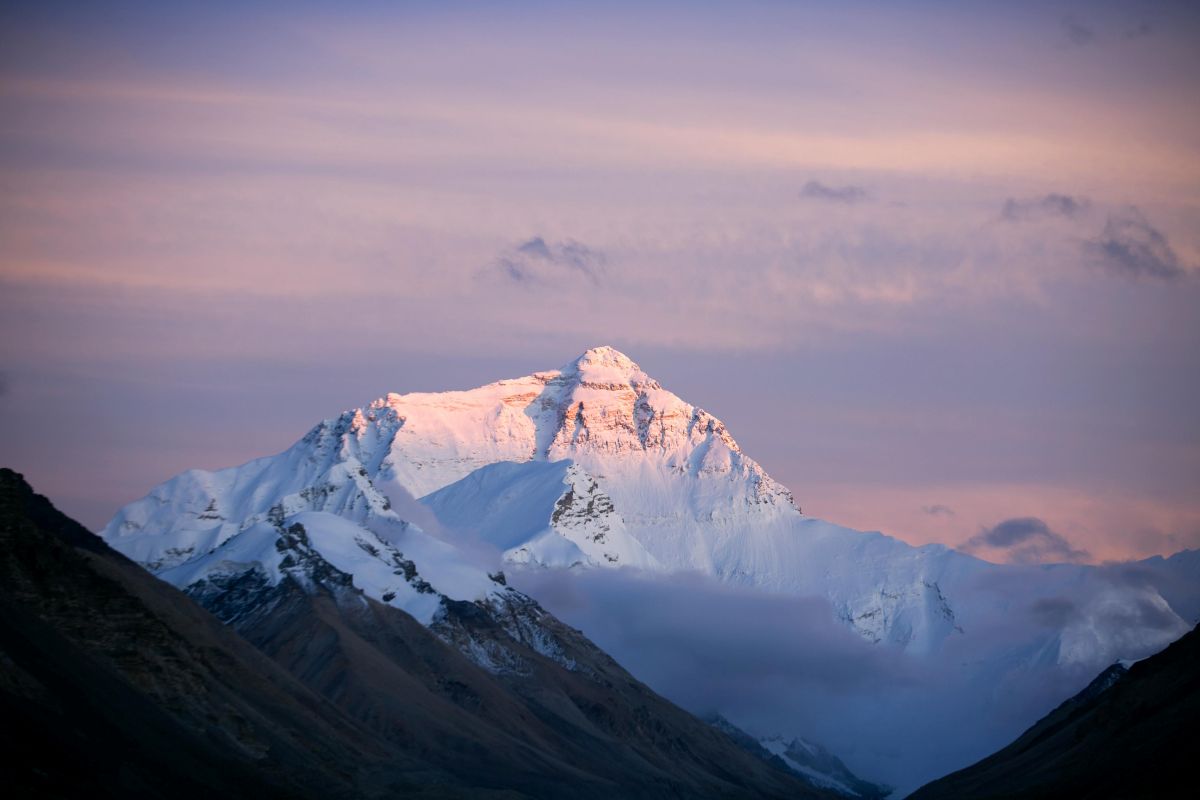
It is less crowded than the Nepal side, but it can feel more remote in terms of rescue and logistics. You still need special climbing permits from the Chinese/Tibetan authorities. The south side in Nepal (via Everest Base Camp) is more popular among trekkers and climbers.
How does it feel to climb Mount Everest Mountain?
Climbing Mount Everest feels like moving from excitement to extreme survival. At lower altitudes, the journey is beautiful and inspiring, with breathtaking Himalayan views and a strong sense of adventure. As climbers go higher, the air becomes thin, and even simple actions like walking or breathing turn exhausting as the body struggles with low oxygen.
Above 8,000 meters in the “death zone,” the experience becomes purely about survival rather than enjoyment. The cold is extreme, the wind is harsh, and the mind becomes foggy due to lack of oxygen, making every step slow and difficult. Reaching the summit brings a short moment of joy, relief, and disbelief, but the descent is just as challenging, with extreme fatigue and constant danger still present.
Can I see Mount Everest peak from Nepal?
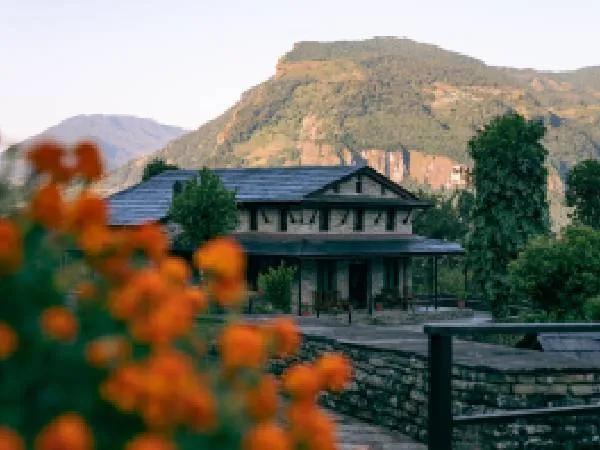
Yes, you can see the peak of Mount Everest from Nepal, but not from everywhere only from specific high viewpoints in clear weather. From places like Everest View Hotel, Namche Bazaar region, and trails around the Everest area, you can see Everest very clearly because you are close to the mountain.
However, viewpoints like Nagarkot, Chandragiri Hills, and Ilam do not reliably show Everest itself. They mainly offer views of distant Himalayan ranges, and Everest is usually too far or blocked by other peaks to be clearly visible.
For the best and closest views of Everest, places like Kala Patthar are considered the top viewpoint, giving a direct and stunning view of the summit. So yes, Everest is visible from Nepal but the clearest and real peak view comes only from the Khumbu region, not from far-away hill stations.
Which mountains are near to Mt Everest peak?
There are many mountains near to Mt Everest peak, such as the Lhotse, Nuptse, Makalu, Cho Oyu, Ama Dablam, and the Pumori Peak.
How is the Base Camp for Mt Everest?
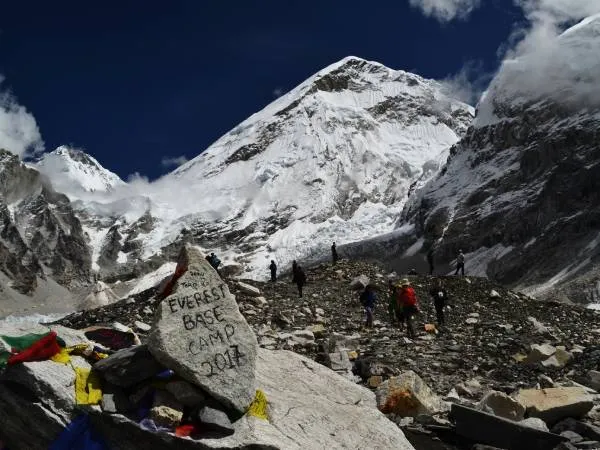
The base camp for Mt Everest high-altitude temporary settlement used by climbers before attempting the summit. On the Nepal side, it is located in the Khumbu region inside Sagarmatha National Park at an altitude of around 5,364 meters.
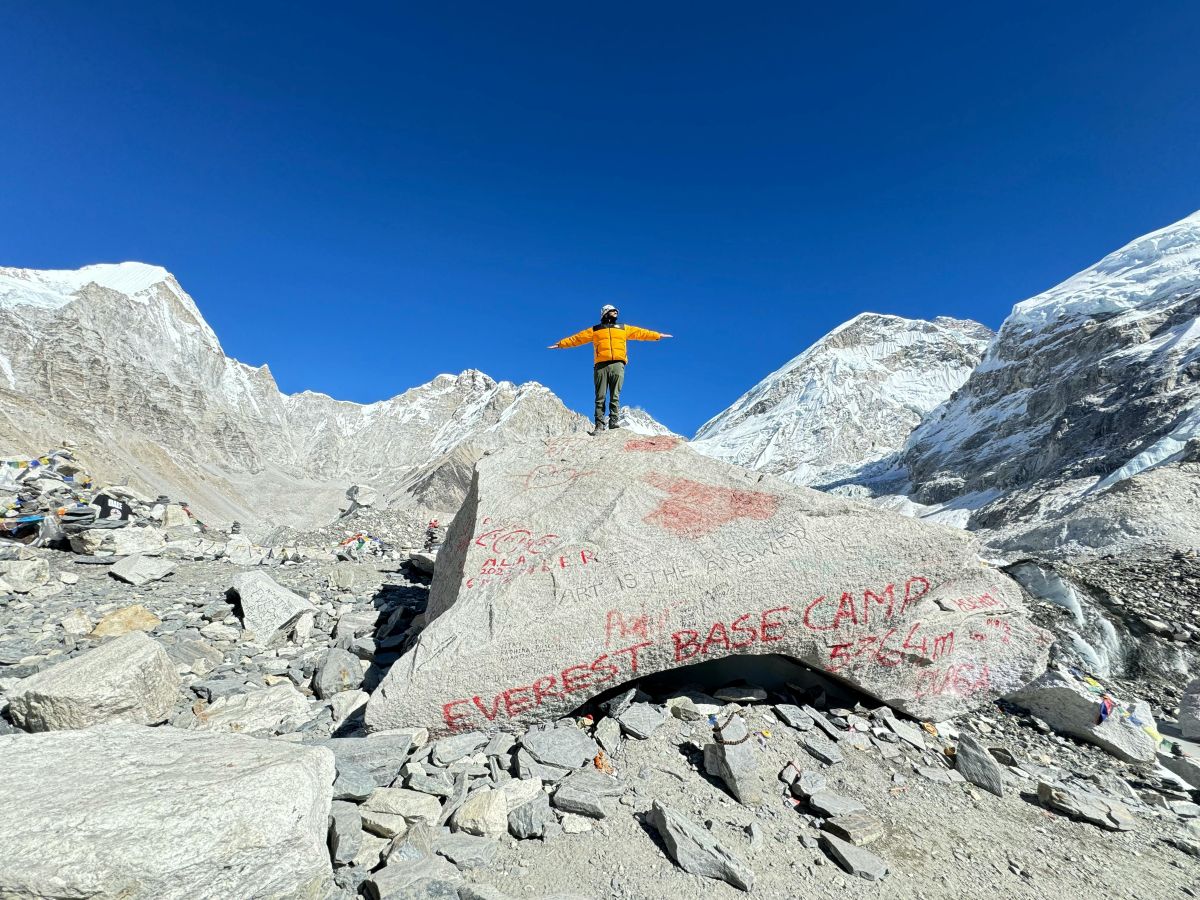
It is not a permanent village but a seasonal camp that becomes a small “tent city” during climbing seasons. Dozens of colorful tents are set up on the glacier, along with expedition kitchens, medical tents, and communication stations.
Life at Base Camp is simple but challenging. There are no proper buildings, and climbers sleep in tents while dealing with cold temperatures, strong winds, and low oxygen levels. Everything is brought from lower villages or flown in, including food and equipment.
Despite the harsh conditions, the camp is full of energy and preparation. Climbers train, acclimatize, and wait for weather windows before moving higher toward the summit. It is also a meeting point for Sherpas, guides, and mountaineers from all over the world.
Can I Climb Mount Everest?
Yes, you can climb Mount Everest, but only if you meet very strict physical, technical, and financial requirements. Climbing Everest is not like trekking. You need strong mountaineering experience on high peaks (usually 6,000–7,000m), knowledge of ice climbing, rope techniques, and the ability to survive extreme altitude conditions. Most climbers also train for months or years before attempting it.
Can a beginner Climb Everest?
No, a beginner cannot climb Everest, as it is not a trekking peak it is a high-altitude technical climb that requires years of experience. Beginners usually lack the skills needed for ice climbing, rope handling, ladder crossings over crevasses, and survival in extreme weather.
Before even considering Everest, climbers are expected to have successfully climbed several 6,000–7,000 meter peaks and gained experience on high-altitude expeditions in places like the Himalayas or Andes.
At extreme altitudes above 8,000 meters (the “death zone”), the body rapidly weakens due to lack of oxygen. Without prior experience, a beginner would struggle to make safe decisions, manage altitude sickness, or even continue moving.
Most successful Everest climbers train for years with guided expeditions, proper acclimatization, and gradual progression to higher mountains before attempting the summit.
So, while Everest is not impossible, it is absolutely not a beginner-friendly mountain it requires serious mountaineering experience, physical conditioning, and professional support.
Why does it cost 50,000 USD for Mount Everest Mountain Climbing?
It cost 50,000 USD for Mount Everest mountain climbing because it is a complex, high-risk, and highly supported expedition, not a normal trek. The cost includes Permit fees, Guides and Sherpas, Oxygen systems, Logistics & transport, Expedition staff, Equipment, Safety & rescue support, Time duration, and Weather delays.
How many people have done Mt Everest Climbs?
Many people have done Mount Everest climbs, with thousands of successful summit attempts recorded since it was first conquered in 1953. In total, there have been over 12,000+ summit ascents, but this includes repeat climbs by the same individuals.
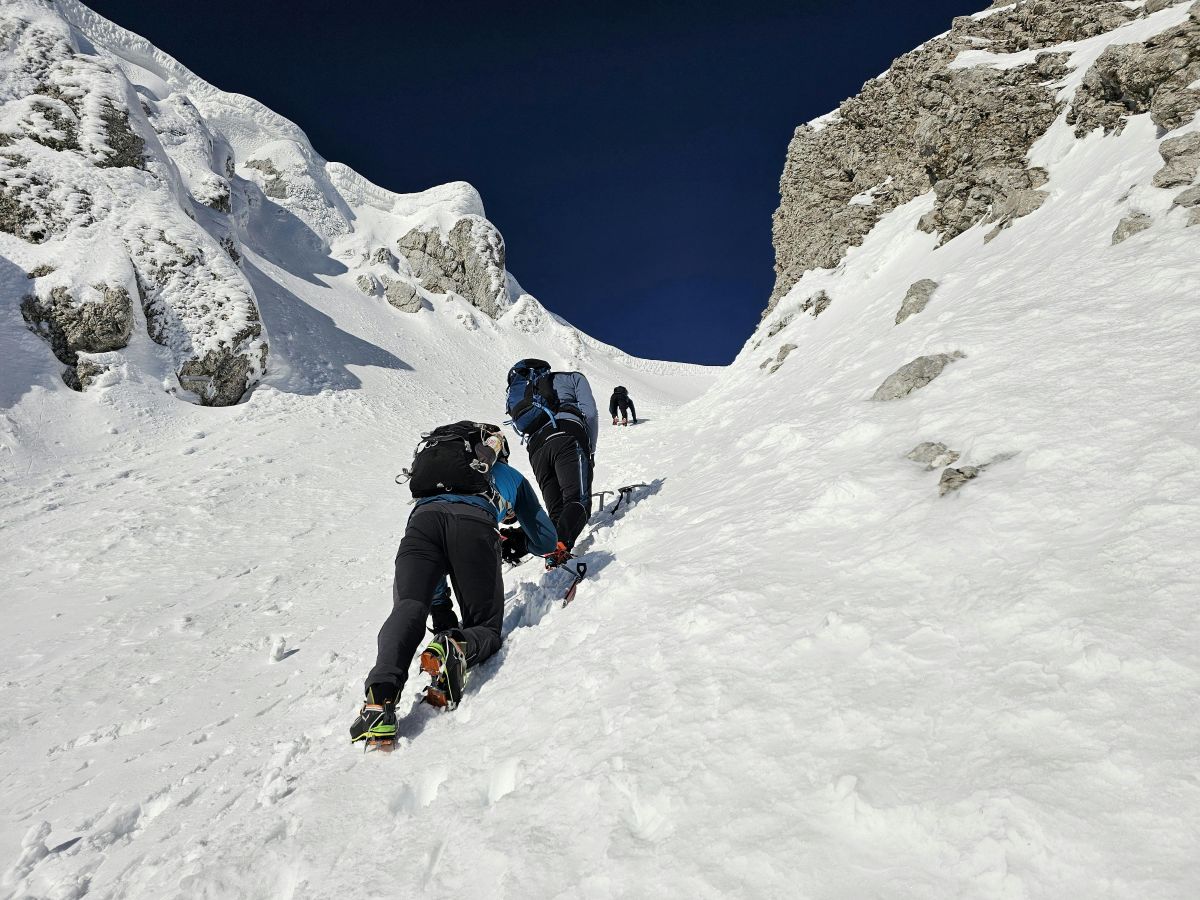
In terms of unique climbers, around 7,000 to 8,000 different people have reached the summit at least once. Many experienced mountaineers return multiple times, which is why the total number of summits is much higher than the number of individuals.
Every year, only a few hundred climbers successfully reach the top during the main climbing season, especially in spring. Despite its popularity, Everest remains extremely challenging, and sadly, more than 300 people have lost their lives while attempting the climb.
What is the altitude of Mount Everest's summit?
The altitude of Mount Everest’s summit is 8,848.86 meters (29,031.7 feet) above sea level, making it the highest point on Earth.
Mount Everest is located in which country?
Mount Everest is loctaed in Nepal, which is a part of Asia situated between India and China.
Can I see other peaks besides Mt Everest located?
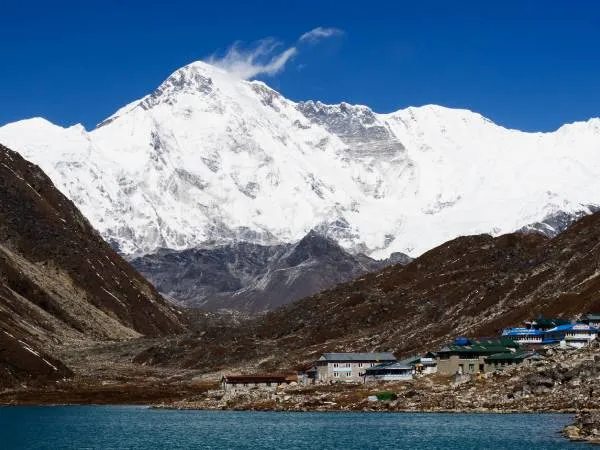
Yes, you can see other peaks besides Mt. Everest loctaed which are from the Nepal side, especially around Everest Base Camp and nearby trails, you can clearly see peaks like Lhotse, Nuptse, and Pumori, which form dramatic walls of ice and rock around the valley.
As you go higher or visit viewpoints like Kala Patthar, the panorama expands even more, revealing distant giants such as Ama Dablam and other surrounding Himalayan peaks.
The entire Everest region is part of the Mahalangur Himal, so the landscape is filled with towering snow-capped mountains in every direction, making it one of the most scenic mountain areas in the world.
Can I climb North Face Mount Everest?
Yes, you can climb North Face Mount Everest however, it is actually part of the North (Tibet) route, and it is climbable under strict conditions. The north side lies in China (Tibet Autonomous Region). Climbers approach it through the Tibetan plateau and start from the North Base Camp area. From there, the route goes up the North Col and North Ridge, which is more exposed to strong winds and colder conditions compared to the Nepal side.
Yes, experienced mountaineers can climb it, but it is not easy. The route is considered technically challenging due to long exposure on steep ridges, freezing temperatures, and heavy winds at high altitude.
To climb from the north side, you must obtain permits from Chinese/Tibetan authorities, join an organized expedition, and have strong high-altitude climbing experience. Most climbers who attempt Everest, whether from the north or south, are very experienced mountaineers, not beginners.
What is the Hillary Step to mount Everest?
The Hillary Step is a famous and very steep rock section near the summit of Mount Everest on the southeast ridge route from Nepal.
It was located at around 8,790 meters, just below the final push to the summit. The section was a near-vertical rock wall about 12 meters high, making it one of the last major technical challenges before reaching the top.
It was named after Sir Edmund Hillary, who was one of the first climbers to reach the summit in 1953. The step required fixed ropes and careful climbing, especially in icy and windy conditions.
In 2015, the Hillary Step was significantly altered or partially collapsed due to a major earthquake in the Himalayas. Since then, climbers report that the area has changed, though it still remains a difficult and exposed section near the summit ridge.
Even today, the Hillary Step remains a symbolic part of Everest history, representing one of the final technical barriers before reaching the highest point on Earth.
Can you visit Mount Everest Base Camp?
Yes, you can climb Mount Everest base camp, it is one of the most popular trekking destinations in the world. On the Nepal side, the most visited is the South Base Camp located in the Khumbu region inside Sagarmatha National Park. Trekkers reach it through a multi-day trek starting from Lukla and passing villages like Namche Bazaar and Dingboche. You do not need climbing experience, only good fitness and proper acclimatization.
The Base Camp itself is a seasonal, tented area used by climbers preparing for summit attempts. It sits at around 5,364 meters, surrounded by glaciers and towering Himalayan peaks, giving you a close-up view of the Everest climbing environment.
On the Tibet side in China, there is also a North Base Camp that can be reached more easily by road, though access rules can change depending on regulations.
Read Related Blogs