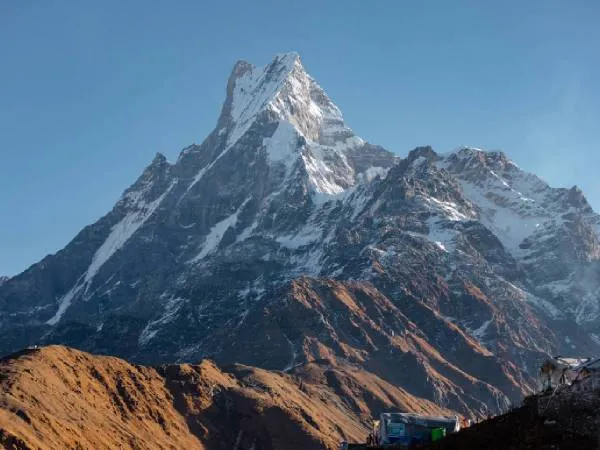

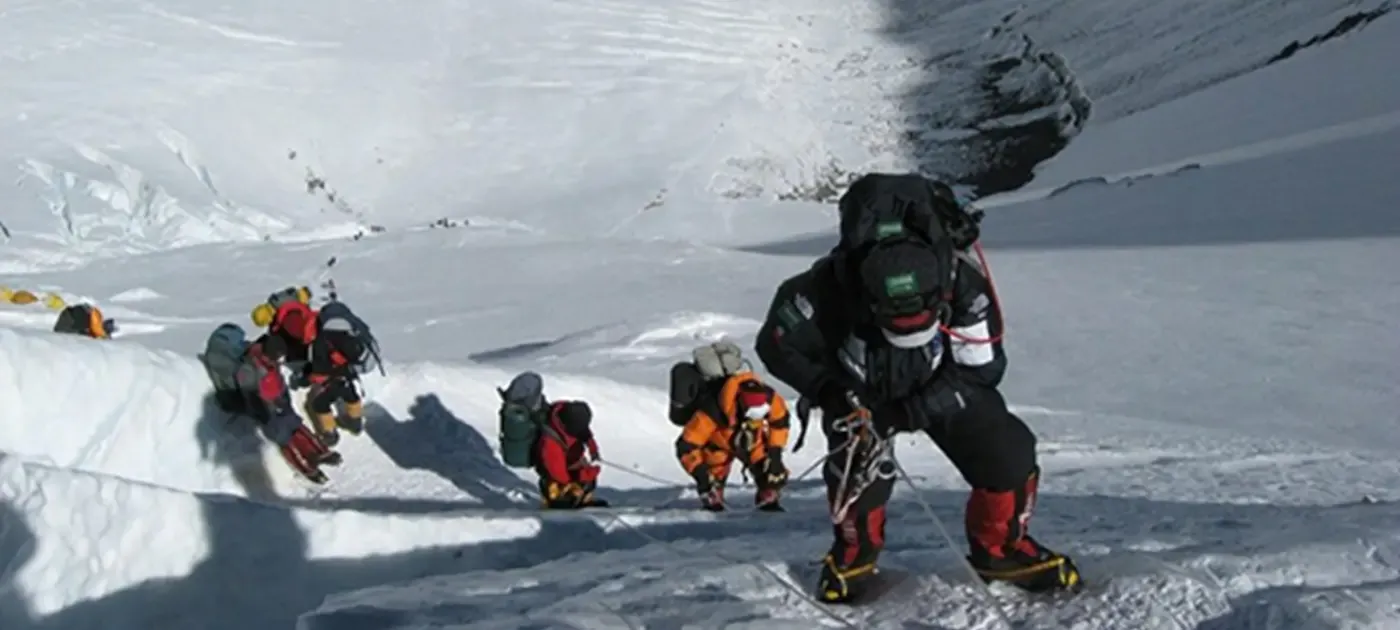

In a landmark move to restore the dignity of Mount Everest and ensure the safety of climbers, Nepal has unveiled a draft law that will introduce much stricter requirements for those attempting to summit the world’s highest peak. The proposed regulation, if approved, will mandate climbers to have successfully ascended at least one mountain over 7,000 meters before they can apply for a permit to climb Everest.
The government’s decision comes in response to growing concerns about overcrowding, inexperience among climbers, and the increasing number of fatalities on Everest in recent years. Authorities believe that enforcing higher standards will help reduce traffic jams on the mountain and significantly enhance climbers' chances of survival.
Everest Expedition Rule 2025
Under the draft law, only experienced climbers who can prove they have summited a major peak above 7,000 meters will be considered eligible for an Everest expedition permit. This will be a major shift from the current system, where anyone, regardless of mountaineering experience, could attempt Everest by paying the required fees.
"This is an important step toward preserving the glory of Everest," said Buddhi Sagar Lamichhane, spokesperson for Nepal’s Ministry of Culture, Tourism, and Civil Aviation. "We have witnessed a surge in unprepared climbers relying heavily on guides and Sherpas. By requiring prior high-altitude experience, we aim to ensure that only those who are physically and mentally fit will attempt the climb."
In addition to the experience requirement, the new regulation will also impose mandatory health check-ups for climbers. Medical certificates verifying good health and fitness will have to be submitted as part of the permit application process. This health screening aims to detect pre-existing conditions that could prove fatal at high altitudes, such as heart disease or respiratory problems.
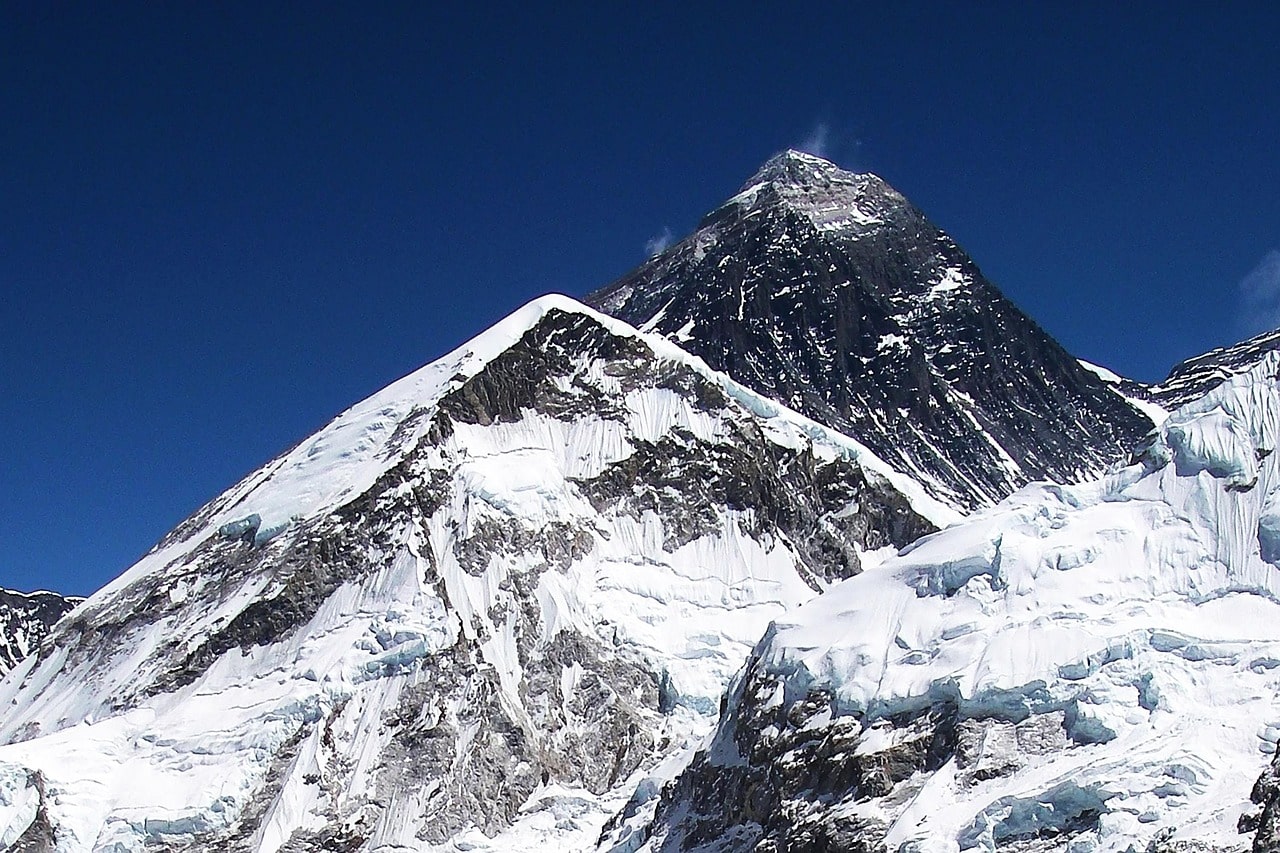
The rules will also require climbers to undergo a briefing on mountaineering safety and environmental conservation before heading to Everest. Officials emphasize that these measures will protect not just the climbers but also the mountain itself, which has suffered from littering, human waste, and environmental degradation due to the influx of climbers each year.
The government has been working on these reforms for several years, especially after the 2019 season, when photos of long queues near the summit went viral, raising alarm bells globally. In that year alone, at least 11 climbers died, many from exhaustion and high-altitude sickness while stuck in bottlenecks near the summit.
Tourism experts have welcomed the move, saying that it will help filter out unprepared climbers and bring professionalism back into Himalayan expeditions. Mingma Sherpa, a veteran mountaineer and founder of Seven Summit Treks, said, "This is good for the industry. It ensures the safety of clients and guides, and it will bring back the respect that Everest deserves."
However, some adventure companies have expressed concerns that the stricter regulations could lead to a decline in the number of climbers, affecting local tourism revenue. Mountaineering expeditions are a significant contributor to Nepal’s economy, bringing in millions of dollars each year.
Nevertheless, officials are confident that focusing on quality over quantity will have a positive long-term impact. “Our priority is to protect human life and maintain the sanctity of Everest,” said Director General of the Department of Tourism, Hom Prasad Luitel.
The draft law is currently awaiting approval, and if passed, it could be enforced as early as the next climbing season. It marks a significant turning point in Nepal’s approach to regulating the Everest climbing industry, signaling that the era of "anyone with money can climb Everest" may soon come to an end.
As Mount Everest continues to capture the imagination of adventurers worldwide, Nepal’s new regulations aim to ensure that only the truly prepared can stand on the top of the world.
Read More: Breaking News: Nepal Government Increases Mount Everest Climbing Permit Fee