Discover a 17-day Gokyo Lake Trek via Everest Base Camp and experience two of Nepal’s most iconic Himalayan destinations in one unforgettable journey. Explore the turquoise Gokyo Lakes, hike to Gokyo Ri for panoramic views of Everest, Lhotse, Makalu, and Cho Oyu, and cross the challenging Cho La Pass. Along the way, explore traditional Sherpa villages, ancient monasteries, the dramatic Ngozumpa Glacier, Everest Base Camp, and Kala Patthar. Combining spectacular mountain scenery, high-altitude adventure, and peaceful Himalayan landscapes, this trek offers a complete Everest-region experience in a single journey.
Gokyo Lake Trek via Everest Base Camp
Gokyo Lake Trek via Everest Base Camp Outline Itinerary
Arrival in Kathmandu
Kathmandu to Lukla (Flight) to Phakding
Phakding to Namche Bazaar
Acclimatization Day in Namche Bazaar
Namche Bazaar to Tengboche
Tengboche to Dingboche
Acclimatization Day – Chhukung Valley Excursion
Dingboche to Lobuche
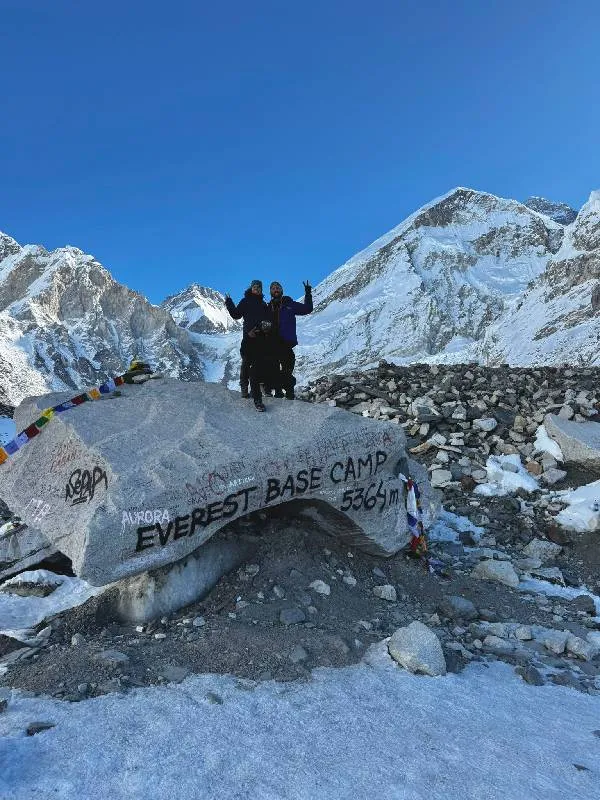
Lobuche to Everest Base Camp and Back to Gorakshep
Hike to Kala Patthar and Trek to Dzongla
Dzongla to Thagnak via Cho La Pass
Thagnak to Gokyo (Visit Fifth Lake)
Gokyo Ri Hike and Trek to Dole
Dole to Namche Bazaar
Namche Bazaar to Lukla
Lukla to Kathmandu Flight
Final Departure
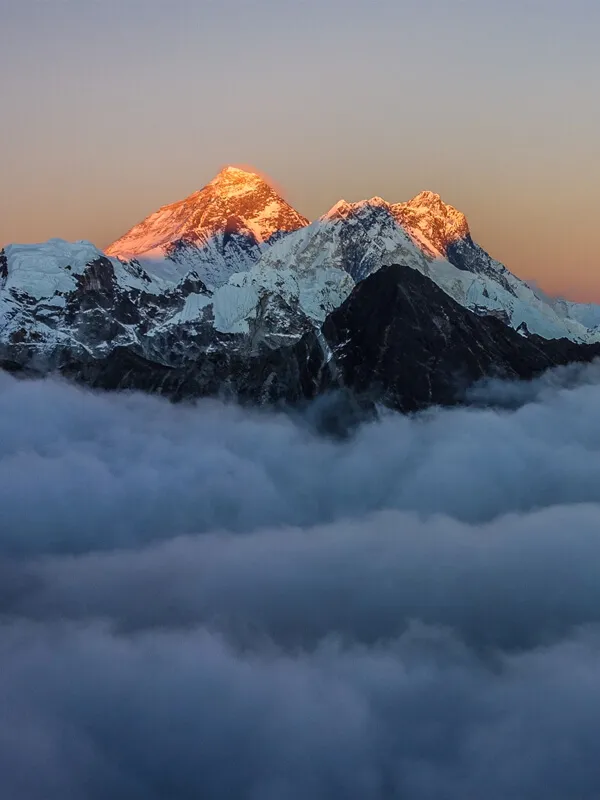
Gokyo Lake Trek is the most scenic and adventurous trek inside the Mt. Everest region in Nepal. The Gokyo lake is famous for blue glaciers lakes, Gokyo Ri View point, and the panoramic views of the Mount Everest at an altitude of (8,848.86 m), Cho Oyu (8,188 m), Lhotse (8,516 m), Makalu (8,485 m),Nuptse (7,861 m) and the Pumori (7,161 m).
The Lake trek takes you to a beautiful adventure in the Everest giving you a chance of exploring the beautiful Sherpa villages, Tibetan cultures and traditions, Himalayan life, monasteries, glaciers formations, rivers and valleys.
The Gokyo reservoir is not about hiking only but its all about the less crowd compared to Everest, best close view of the Everest mountains, it’s the combination of the Unique glacier, lake and the peak combinations. It also about the Stunning sunrise and sunset photography experience which is one in a life time moment to witness.
The Gokyo Lake Trek combined with the Everest Base Camp Trek offers a unique trekking experience that allows you to explore both Everest Base Camp and the stunning Gokyo Lakes in a single journey. This combined route lets you experience two of the most iconic destinations in Nepal, including Everest Base Camp, Kala Patthar, and the pristine Gokyo Lakes, offering a complete Himalayan adventure.
What are the highlights of Gokyo Lake in Nepal?
- Explore the spectacular turquoise Gokyo Lakes surrounded by towering snow-capped Himalayan peaks.
- Visit Everest Base Camp and experience the iconic destination at the foot of Mount Everest.
- Hike to Gokyo Ri for breathtaking sunrise views of Everest, Cho Oyu, Lhotse, Makalu, and other Himalayan peaks.
- Cross the challenging Cho La Pass, connecting the Everest Base Camp and Gokyo valleys.
- Hike to Kala Patthar for spectacular close-up views of Mount Everest and the surrounding Himalayan peaks.
- Explore the remote Fifth Gokyo Lake and the dramatic landscapes surrounding the Gokyo Valley.
- Experience scenic flights to and from Lukla with impressive views of the Himalayan landscape.
- Trek alongside the massive Ngozumpa Glacier and witness its dramatic glacial formations.
- Explore traditional Sherpa villages and experience the unique culture, traditions, and mountain lifestyle of the Everest region.
- Visit ancient monasteries and Buddhist landmarks along the trekking route.
- Cross thrilling suspension bridges while trekking through alpine forests, rivers, valleys, and high Himalayan landscapes.
- Experience the quieter and more peaceful Gokyo Valley, away from the busier sections of the classic Everest Base Camp route.
- Look for Himalayan wildlife and mountain birds along the trail.
- Experience authentic tea house trekking in the Everest region.
- Enjoy incredible photography opportunities, from turquoise lakes and glaciers to panoramic Himalayan mountain views.
- Experience clear Himalayan night skies and stargazing in the remote Everest region.
- Explore the remote and spectacular landscapes of the Sagarmatha region on a complete Everest-region adventure.
Gokyo Lake Visitor Statistics and Crowd Level
| Category | Details |
|---|---|
| Everest Region Visitors | 55,000 – 60,000 per trekking season Annually |
| Gokyo Lake Visitors | 10,000 – 15,000 per trekking season |
| Experience Type | Less crowded, peaceful, scenic alternative |
| Best For | Adventure seekers, photographers, nature lovers |
About the Gokyo Lake
Gokyo Lake is not a single lake but combination of the 6 stunning glaciers lakes which forms is located inside the Everest region in Nepal. The water here is deep turquoise in colour, with the beautiful Himalayan backdrop, and is religious importance for both Hindus and Buddhists. The lake is combination of six lakes which are Longponga Tsho which is smallest and lowest.
Taboche Tsho which is shallow and glacier. Dudh Pokhari which is the main and largest near the Gokyo village. Thonak Tsho is largest by the area. Ngozumpa Tsho is the deepest. Gyazumpa Tsho is the highest lake in the system.
The Gokyo lake is considered as the scared place by the Hindus And Buddhists. During the Janai Purnima trekker pilgrimage and the locals there visits it for ritual bathing. The lake is Fine glacial minerals (rock flour) suspended in the water. The Reflection of sky and surrounding snow peaks makes it more blue and beautiful hiking adventure.
The area is Cold, clean, high-altitude glacial meltwater making it the one of the unique glacier lake in Nepal that must be visited if you love exploring the places.
Ngozumpa Glacier experience
The Ngozumpa Glacier experience is the best experience you can have inside the Gokyo Valley. You will walk beside the longest glacier in the Himalayas during the journey. Witness the massive icy landscape of the famous Ngozumpa Glacier views between Gokyo and Thagnak.
Cross the rugged glacier moraines and rocky Himalayan terrain of the Khumbu region, from where you can enjoy the close-up views of glacial formations, ice walls, and frozen lakes. Also, when you are in the Gokyo valley, you will have the best opportunity to capture the glacier with surrounding snow-capped peaks, rugged terrains, stone trails,and many more.
Why you should do the Gokyo Lake Trekking?
What places will I visit during the Gokyo Lakes Trek?
You will visit different places during the Gokyo Lakes Trek, such as the the Lukla, which is the most amazing and listed as the most dangerous airport in the world. It is also often called the Tenzing-Hillary Airport.
You will visit the small riverside village named Phakding, Namche Bazaar, the gateway to the Everest, Sagarmatha National Park, Dole village, Gokyo Valley, and Gokyo lakes, which is 1st to 6th as there are six lakes in total.
You will visit the Gokyo Ri and the Ngozumpa Glacier Region. Also, as you are combing the Everest base camp and the Gokyo valley you will visit the Kalapatthar and the EBC as well on the way to Gokyo.
What does the Gokyo Valley with Everest base camp Trek Looks like?
The Gokyo Valley with Everest base camp trek offers a constantly changing Himalayan landscape, starting with lush forests, suspension bridges, terraced hillsides, and traditional Sherpa villages before reaching the high alpine zone. As the trail climbs, the scenery becomes more rugged, with rocky valleys, snow-covered slopes, glacial streams, and towering peaks surrounding the route. The turquoise waters of the Gokyo Lakes stand out against the barren mountain terrain, while the nearby Ngozumpa Glacier adds another dramatic element to the landscape.
From Gokyo Ri, trekkers can enjoy a sweeping mountain panorama featuring Mount Everest, Cho Oyu, Lhotse, and Makalu. The journey becomes even more adventurous while crossing Cho La Pass, where the trail passes through a high-altitude glacial environment before descending toward the Khumbu Valley. Further along, the landscape is dominated by rocky moraines, massive glaciers, and some of the world's highest mountains, with Kala Patthar providing an unforgettable viewpoint over Everest and the surrounding peaks.
In short, expect a mixture of turquoise alpine lakes, ancient mountain villages, dramatic glaciers, snow-capped summits, high passes, and deep Himalayan valleys. The scenery changes naturally throughout the journey, so the experience never feels like you're walking through the same landscape day after day.
Gokyo Lakes Trek via EBC Cost
The Gokyo Lakes Trek via Everest Base Camp costs from US$1,350 per person, with three package options depending on the level of comfort and services you prefer. Our Budget package costs US$1,350, the Regular package costs US$1,650 and is our most popular choice, while the Premium All-Inclusive package costs US$5,500.
All three options follow the same core trekking route through Everest Base Camp, Kala Patthar, Cho La Pass and Gokyo Lakes, while the difference in price comes from the level of accommodation, services and inclusions provided with each package.
| Package | Price per Person | Book Now |
|---|---|---|
| Budget | US$1,350 | Book Now |
| Regular – Most Popular | US$1,650 | Book Now |
| Premium All-Inclusive | US$5,500 | Book Now |
Gokyo Lakes to Mount Everest base camp trekking Itinerary
Our Gokyo Lakes to Everest Base Camp trekking itinerary is a 17-day journey that combines the Gokyo Valley and Everest Base Camp through the Cho La Pass. The route starts in Kathmandu and follows the classic approach through Lukla, Phakding, Namche Bazaar, Tengboche and Dingboche, with acclimatization days in Namche and the Chhukung Valley.
You then continue to Lobuche and Everest Base Camp, followed by an early hike to Kala Patthar before heading to Dzongla. From Dzongla, you cross the 5,420m Cho La Pass to Thagnak, continue to Gokyo, and visit the Fifth Lake and Gokyo Ri before descending through Dole and Namche Bazaar to Lukla. The itinerary finishes with a flight from Lukla to Kathmandu, giving you Everest Base Camp, Kala Patthar, Cho La Pass, Gokyo Lakes, Gokyo Ri and the Fifth Lake in one complete trekking circuit.
Why Book with Adventure Vision Treks for Gokyo Lake Via Everest Base Camp Trek?
Choose Adventure Vision Treks for your Everest Base Camp via Gokyo Lake trek because we provide a carefully crafted itinerary, experienced local Sherpa guides, comfortable and well-maintained teahouse accommodation, and essential trekking equipment including sleeping bags, duffel bags, trekking poles, crampons, and first-aid kits. For added security, our guides carry a satellite phone, while our dedicated team provides 24/7 support throughout your journey.
We also arrange reliable flights from Kathmandu to Lukla, with helicopter options available at an additional cost if flights are unavailable. Most importantly, our trekking packages are fully customizable to suit your schedule, pace, and preferences.
Limited-Time Gokyo Lake Trek Special Offer
Book now and get 20% off on the Gokyo Lake Trek package. This includes professional licensed guides, permits, accommodation, meals, and a fully organized itinerary covering Lukla flight, Namche Bazaar, Gokyo Ri, and Everest viewpoints. Offer valid until August 30, 2027 for departures in the upcoming trekking seasons.
You'll Explore
Gokyo Lake Trek via Everest Base Camp Itinerary
Arrival in Kathmandu
Namaste and welcome to Kathmandu the city of the culture and traditions also known as the gateway to Nepal. We hope you had a comfortable flight. Upon reaching the Tribhuvan International Airport you can complete your visa and security check and walk to the arrival section.
One of our team mate will be waiting for you at the gate holding your name banner and upon meeting he will assist you till the hotel in Thamel. Upon reaching the hotel you can check in and then relax. In the evening, we will have a welcome dinner at the Thamel’s best restaurant of your choice and we will brief you about the trek.
Kathmandu to Lukla (Flight) to Phakding
Early in the morning after the breakfast, our driver and guide will pick you up at your hotel gallery. You will have a short drive of 30 minutes from Thamel to airport. After reaching airport you will have some security checks and board to the flight. The flight from Kathmandu to Lukla will be of 40 to 45 mins.
On the flight you can see the beautiful mountains and the green forests, valleys, river and many more. You will land on the one of the most thrilling and adventurous airport which is the Tenzing-Hillary Airport. After that you will trek to the Phadking which is the starting place for the Everest base camp trek in Nepal along with that other trekking region in Everest as well.
Phakding to Namche Bazaar
After enjoying the delicious breakfast In the Phakding tea house, you will head towards the another destinations which is the Namche bazar. The hike from Phadking to Namche is gradual ascend passing via the several crossing suspension bridges located over the two hills including the famous Hillary bridge.
On the trip you will see the beautiful lush green forests, waterfalls, rivers and the flora and fauna adding the beauty to the trek. Upon reaching Namche you will feel that suddenly you have entered in the natural Amphitheatre surrounded by mountains.
Acclimatization Day in Namche Bazaar
On day 4, you will have the acclimatization day as it’s the most important part of the Gokyo lake trek due to the high altitude of the Gokyo valley. You will have short hike to higher elevations like the Everest view hotel from were you can see the beautiful mountain ranges on the Everest, Lhotse, Ama Dablam, and Thamserku. You will visit the Sherpa museum and local monasteries so that you body can adjust the altitude and you can have safe and comfortable hike further.
Namche Bazaar to Tengboche
After breakfast, your guide will brief you and you will start your trek towards Tengboche. The trail offers stunning views of Everest, Ama Dablam, and other peaks. You will walk through rhododendron and pine forests and cross small settlements. Upon reaching Tengboche, you will visit the famous Tengboche Monastery which is the largest monastery in the Khumbu region.
Tengboche to Dingboche
After breakfast, you will descend through forest trails and cross the Imja River. Passing through Pangboche village, you will continue towards Dingboche. On the way, you will enjoy stunning views of Ama Dablam and other peaks. As you gain altitude, vegetation becomes less and the landscape becomes more open and alpine.
Acclimatization Day – Chhukung Valley Excursion
On day 7, you will have another acclimatization day. After breakfast, you will hike towards Chhukung Valley which offers beautiful views of glaciers and mountains. You can also hike to Chhukung Ri for panoramic views of the surrounding peaks. After enjoying the scenery, you will return back to Dingboche for overnight stay.
Dingboche to Lobuche
After having breakfast, your guide will brief you and you will head towards Lobuche. The trail gradually ascends and passes through Thukla Pass where you can see memorials dedicated to climbers. The trail continues alongside the Khumbu Glacier and offers dramatic mountain views. Upon reaching Lobuche, you can relax and enjoy the mountain atmosphere.
Lobuche to Everest Base Camp and Back to Gorakshep
Today is one of the most exciting days of the trek. After breakfast, you will trek towards Gorakshep and then continue to Everest Base Camp. Walking along the Khumbu Glacier, you will reach Everest Base Camp. You can take photos and enjoy the moment. After that, you will return back to Gorakshep for overnight stay.
Hike to Kala Patthar and Trek to Dzongla
Early in the morning, you will hike to Kala Patthar to see the sunrise over Mount Everest. This viewpoint offers one of the best close-up views of Everest and surrounding peaks. After enjoying the view, you will descend and continue your trek towards Dzongla. The trail is peaceful and less crowded with beautiful scenery.
Dzongla to Thagnak via Cho La Pass
Today is the most challenging and adventurous day of your trek. You will start early in the morning and cross the Cho La Pass. The trail includes steep climbs, rocky paths, and glacier crossing. After reaching the top, you will enjoy breathtaking views before descending towards Thagnak.
Thagnak to Gokyo (Visit Fifth Lake)
After breakfast, you will trek towards Gokyo Valley. On the way, you will pass by beautiful turquoise lakes and glaciers. After reaching Gokyo village, you will hike further to the Fifth Lake, which offers incredible views of Everest and surrounding mountains. The Gokyo region is peaceful and less crowded.
Gokyo Ri Hike and Trek to Dole
Early in the morning, you will hike to Gokyo Ri for sunrise. From the top, you can see Everest, Lhotse, Makalu, Cho Oyu, and the massive Ngozumpa Glacier. After returning to Gokyo, you will descend towards Dole through beautiful landscapes and small settlements.
Dole to Namche Bazaar
After breakfast, you will continue descending towards Namche Bazaar. The trail passes through Machhermo, Mong La, and rhododendron forests. As you descend, you will notice greener surroundings and easier breathing due to lower altitude. Upon reaching Namche, you can relax and enjoy the lively town.
Namche Bazaar to Lukla
Today is your final trekking day. You will follow the Dudh Koshi River and pass through familiar villages and suspension bridges. Upon reaching Lukla, you can relax and celebrate the completion of your trek with your team members.
Lukla to Kathmandu Flight
According to the weather conditions, you will take an early morning flight back to Kathmandu. After reaching Kathmandu, you will be transferred to your hotel. You can relax or explore the city. In the evening, we will organize a farewell dinner where you can share your trekking experience.
Final Departure
According to your flight schedule, one of our team members will drop you at the airport approximately 3 to 4 hours before your departure time so that you can complete the security checks and reach your flight on time.We hope you had a wonderful trekking experience in Nepal and look forward to welcoming you again.
Trip Costs & Availability
Gokyo Lake Trek via Everest Base Camp Route Map
Altitude Chart
Equipment List for Gokyo Lake Trek via Everest Base Camp
- Moisture-wicking base layer (thermal top)
- Fleece or insulated mid-layer jacket
- Lightweight down jacket (for high altitude)
- Waterproof & windproof shell jacket (Gore-Tex or similar)
- Short-sleeve trekking shirts (quick-dry)
- Long-sleeve trekking shirts
- Thermal base layer bottom
- Trekking pants (quick-dry, breathable)
- Waterproof & windproof trekking pants
- Comfortable pants for teahouse evenings
- Sturdy trekking boots (well broken-in)
- Lightweight sandals or camp shoes
- Trekking socks (wool or synthetic 4 to 6 pairs)
- Gaiters (optional, useful in snow or dusty trails)
- Trekking poles
- Crampons or microspikes (seasonal winter/early spring)
- Warm woolen or fleece hat (for cold mornings and nights)
- Sun hat or cap with brim
- UV-protected sunglasses (Category 3 or 4)
- Neck gaiter / Buff / Scarf
- Sunscreen (SPF 30–50+)
- Lip balm with SPF
- Personal medications
- Basic first-aid kit (bandages, antiseptic, blister care)
- Diamox (for altitude sickness – consult a doctor)
- Pain relief tablets (paracetamol / ibuprofen)
- Hand sanitizer and wet wipes
- Toiletries (toothbrush, toothpaste, biodegradable soap)
- Toilet paper and small towel
- Valid passport
- Nepal visa (tourist visa)
- Trekking permits (Sagarmatha National Park Permit & Khumbu Pasang Lhamu Permit)
- Travel & high-altitude rescue insurance documents
- Flight tickets (Kathmandu–Lukla–Kathmandu)
- Passport-size photos (backup)
- Copies of important documents (physical & digital)
- Backpack (30–40L daypack)
- Duffel bag (for porter use)
- Sleeping bag (rated to –10°C to –15°C)
- Headlamp or flashlight (with extra batteries)
- Power bank and charging cables
- Reusable water bottles or hydration bladder
- Water purification tablets or filter
- Camera / smartphone for photography
- Snacks (energy bars, nuts, chocolates)
- Lightweight notebook & pen
Essential Information
Can I do the Gokyo Lake Trek in Nepal solo?
No, you cannot do the Gokyo Lake Trek in Nepal solo because it lies inside the Sagarmatha National Park and according to the Nepal government rules, no one is allow to enter the natioanal park solo; they must have a guide with them.
The main reasons not to allow solo trekking is because the region will be known to you and the trails are not familiar. There is a high risk to the wildlife animals. The mountains and the weather are unpredictable. If something happens to you, there will be no one to help you or rescue you. When you are alone, it might be difficult for you to trek comfortably and safely.
What is the altitude of Gokyo Ri?
The altitude of Gokyo Ri is approximately 5,357 meters (17,575 feet) above sea level. It is one of the most famous viewpoints in the Everest region, offering panoramic views of peaks like Mount Everest, Cho Oyu, Lhotse, and Makalu along with the entire Gokyo Valley and Ngozumpa Glacier.
Is the Gokyo Lake Trek Harder Than Everest Base Camp?
Yes, the Gokyo Lakes Trek via Everest Base Camp is more demanding than completing either trek separately. From our experience guiding trekkers in the Everest region, the main challenges are high altitude, long walking days, and repeated ascents and descents, rather than technical climbing.
The combined route takes you through Everest Base Camp, Gokyo Valley and Gokyo Ri, making it longer and more physically demanding. However, with proper acclimatization, a well-planned itinerary, and reasonable fitness, it is achievable for most experienced trekkers.
How High Are the Gokyo Lakes and Gokyo Ri?
The Gokyo Lakes sit at around 4,700–5,000 meters (15,400–16,400 feet) above sea level, depending on the lake, while Gokyo Ri reaches 5,357 meters (17,575 feet). Gokyo village and the third Gokyo Lake are at approximately 4,750 meters, making altitude an important part of the trek.
From our experience guiding trekkers in the Everest region, the climb to Gokyo Ri can feel demanding despite being relatively short because of the thin air and steep, rocky terrain. If you are combining Gokyo with Everest Base Camp, proper acclimatization is essential before tackling these higher elevations.
What Permits Do We Need for the Gokyo Trek and Everest Base Camp?
For the Gokyo Lakes Trek via Everest Base Camp, you need a Sagarmatha National Park Entry Permit and the Khumbu Pasang Lhamu Rural Municipality Trek Card. You do not need a separate permit simply because you are combining Gokyo Lakes and Everest Base Camp.
For foreign trekkers, the Sagarmatha National Park permit is currently NPR 3,000, while the Khumbu local permit is NPR 3,000 for most non-SAARC/Chinese travelers. The exact fees can change, so we confirm the current requirements when arranging your trek.
If you book the trek with us, we arrange the required permits and registrations, so you can focus on preparing for the trek.
What Is the Best Time of Year to Trek to Gokyo and EBC?
The best seasons for the Gokyo Lakes via Everest Base Camp Trek are generally spring (March–May) and autumn (October–November). From our experience operating treks in the Everest region, these months offer favorable trail conditions, good mountain visibility, and more stable weather for high-altitude trekking.
October and November are particularly good for clear views from Gokyo Ri and Kala Patthar, while April and May bring spring scenery and rhododendron blooms to the lower Khumbu. Winter is possible but colder, with snow potentially affecting higher sections of the route. The monsoon months can bring rain, cloud, and flight disruptions, so we recommend checking current conditions before departure.
If you want the clearest mountain views, choose October–November. For spring scenery and milder conditions at lower elevations, April–May is a good option.
Can We Do Gokyo Ri and EBC Together via Cho La Pass?
Yes, you can combine Gokyo Ri and Everest Base Camp in the same trek by crossing Cho La Pass. This route connects the major highlights of the Everest region without requiring you to retrace the same trail.
On our itinerary, you first reach Everest Base Camp and Kala Patthar, then continue to Dzongla and cross Cho La Pass at 5,420 meters before reaching Thagnak and Gokyo. From Gokyo, you visit the Fifth Lake and Gokyo Ri before descending through Dole and Namche Bazaar.
The route is more demanding than visiting either destination alone because of the high altitude and Cho La crossing, but it allows you to experience EBC, Kala Patthar, Cho La Pass, Gokyo Lakes and Gokyo Ri in one 17-day itinerary.
Are Teahouses Along the Gokyo and Everest base camp Trail Any Good?
Teahouses along the Gokyo and Everest Base Camp route provide simple but comfortable accommodation, with twin-sharing rooms as standard and single rooms available at an extra cost where possible.
Some lodges have attached bathrooms, while others use shared facilities, and blankets and sleeping bags are provided for the cold nights. The dining rooms are heated, but bedrooms are generally not, so rooms can feel colder as you reach higher elevations, particularly around Lobuche, Gorak Shep, Dzongla and Thagnak. Hot showers are available for an additional charge, while Wi-Fi, including Everest Link, is available at many teahouses but can be slow or unreliable at higher elevations.
You can choose from the available menu, including local and international dishes, although we recommend hearty, nutritious meals to keep your energy up during the trek. Accommodation becomes more basic around Lobuche and Gorak Shep, while Gokyo offers a more developed teahouse experience around the lake, with facilities such as hot water and Wi-Fi still available. As you climb higher, food and other services also become more expensive because supplies have to be transported into these remote mountain villages.
What Kind of Food Do Teahouses Serve in Gokyo?
Teahouses in Gokyo offer a surprisingly wide range of food, so you are not limited to basic trekking meals. For breakfast, you can choose options such as eggs, toast, porridge, Tibetan bread, pancakes, muesli, potatoes, tea and coffee, while lunch is usually taken along the trail and we recommend dal bhat as a filling option for the long trekking days.
In Gokyo, teahouse menus commonly include dal bhat, momo, thukpa, Sherpa stew, noodles, pasta and pizza, with both vegetarian and non-vegetarian options available.
Our guides from Adventure Vision Treks also take clients to teahouses where they have personally tried the food, helping us recommend practical options based on experience. We generally suggest prioritizing dal bhat, vegetables, eggs and meat for protein and recovery, along with warm soups, hot water, tea and other warm drinks. It is better to avoid very oily, heavily fried or overly spicy foods at altitude.
One thing to remember is that food can sometimes seem less flavorful as you gain altitude, so a meal that tastes excellent in Kathmandu may taste slightly different in Gokyo this is a normal effect of being at high elevation rather than necessarily a difference in food quality.
How Cold Does It Actually Get at Gokyo Lakes?
Gokyo Lakes sits at around 4,790 meters, so temperatures can become very cold, especially after sunset and before sunrise. During clear days, the sunshine can make the weather feel comfortable, but temperatures drop quickly in the evening. The early-morning Gokyo Ri climb is usually much colder, particularly when starting before sunrise.
From our experience trekking in the Everest region, a warm sleeping bag, thermal base layers, fleece or down jacket, gloves and a warm hat are essential. Wind can also make it feel colder around the lakes and on Gokyo Ri, so dressing in layers is important. With proper preparation, the cold is manageable and the crisp Himalayan mornings can be one of the highlights of the trek.
Can We Cross the Ngozumpa Glacier Safely?
Yes, you can cross the Ngozumpa Glacier as part of the Gokyo Cho La route, but it should not be treated like an ordinary walking trail. The glacier is constantly changing, with uneven moraine, loose rocks, ice, small crevasses and meltwater channels, and conditions can vary from one season or day to another.
On our treks, you cross the glacier with an experienced local guide who chooses the safest practical route based on current conditions. Wear sturdy trekking boots, follow your guide's instructions, and avoid walking away from the group or approaching unstable ice and rocks for photographs. The crossing can be rough and tiring, but with proper guidance, suitable footwear and careful pacing, it is a manageable part of the Gokyo trek.
Gokyo Lakes Trek with Everest base camp combined Difficulties
The Gokyo Lakes and Everest Base Camp combined trek is a challenging high-altitude trek, mainly because of the altitude, long walking days, steep climbs and the Cho La Pass at 5,420m. The difficulty builds gradually: you first walk from Phakding to Namche Bazaar, continue through Tengboche and Dingboche, and then enter the higher section toward Lobuche, Everest Base Camp and Kala Patthar.
After that, the route becomes more demanding as you cross Cho La Pass, with rocky and potentially icy terrain before reaching Thagnak and Gokyo. The Gokyo Ri climb adds another steep ascent, although you then descend toward Dole and Namche.
The trek also includes acclimatization days in Namche and Dingboche, which help your body adjust before reaching the highest sections. You don't need technical mountaineering experience, but you do need good cardiovascular fitness, comfortable trekking experience, proper pacing and the ability to walk for several hours on consecutive days at high altitude.

Gokyo Lake Trek via Everest Base Camp FAQs
The Gokyo Valley Trek is a scenic trekking route in the Everest region of Nepal that takes you to the stunning turquoise Gokyo Lakes, the panoramic viewpoint of Gokyo Ri, and alongside the massive Ngozumpa Glacier. It is a quieter and more peaceful alternative to the classic Everest Base Camp trek while offering equally breathtaking Himalayan views.
Gokyo Valley is located inside Sagarmatha National Park, in northeastern Nepal, close to the Tibetan border. The valley lies west of the main Everest Base Camp trail and is surrounded by some of the world’s highest mountains.
The Gokyo Valley Trek is considered moderately challenging. It involves daily walks of 5–7 hours on varied terrain, gradual altitude gain, and trekking above 5,000 meters. No technical climbing skills are required, but good physical fitness and proper acclimatization are essential.
The highest point of the trek is Gokyo Ri (5,357 m). From the summit, trekkers enjoy spectacular panoramic views of Mount Everest, Cho Oyu, Lhotse, Makalu, and Nuptse.
The standard Gokyo Valley Trek usually takes 12–14 days, including arrival, acclimatization days, trekking days, and return to Kathmandu. The itinerary can be customized based on fitness level, time availability, or by combining it with other routes like the Everest Base Camp or Cho La Pass.
The best seasons for the Gokyo Valley Trek are:
- Spring (March to May) – Clear skies, blooming rhododendrons, and stable weather
- Autumn (September to November) – Crisp mountain views, dry trails, and excellent visibility
Winter is possible for experienced trekkers, while the monsoon season is generally not recommended.
Yes, altitude sickness can occur as the trek reaches above 5,000 meters. Proper acclimatization days, slow ascent, hydration, and guidance from experienced Sherpa guides significantly reduce the risk. Your guide will monitor your health throughout the trek.
Accommodation during the Gokyo Valley Trek is in teahouses, which are local mountain lodges. They provide basic but comfortable rooms with twin beds, blankets, shared toilets, and dining areas. Hot showers and Wi-Fi may be available at extra cost.
Yes, you need trekking permits for the Gokyo valley trek which are:
- Sagarmatha National Park Entry Permit
- Khumbu Pasang Lhamu Rural Municipality Permit
Compared to the Everest Base Camp route, the Gokyo Valley Trek is less crowded and more peaceful. This makes it ideal for trekkers seeking solitude, pristine landscapes, and a quieter Himalayan experience.
Yes, travel insurance is mandatory. Your insurance must cover high-altitude trekking up to at least 5,500 meters and include emergency helicopter evacuation.
Yes, beginners can do the trek if they are physically fit, mentally prepared, and follow a well-paced itinerary with acclimatization days. Prior hiking experience is helpful but not compulsory.
You should pack the Essential items such as the:
- Trekking boots and warm clothing
- Down jacket and sleeping bag
- Trekking poles
- Sunglasses, sunscreen, and gloves
- Personal medications and toiletries
Absolutely. The turquoise lakes, sunrise views from Gokyo Ri, reflections of snow-capped peaks, glaciers, and Sherpa villages make it one of the best photography treks in Nepal.
Booking with a local agency ensures experienced Sherpa guides, better safety management, local knowledge, fair pricing, and direct support to the local communities of the Everest region.
Acclimatization on the Gokyo Valley Trek is built into the itinerary through gradual altitude gains and acclimatization days at places such as Namche Bazaar and Chhukung. You’ll take short hikes to higher elevations and return to sleep lower, allowing your body to adjust gradually. The combined Gokyo and EBC route also gives you more time to acclimatize before reaching higher points such as Gokyo Ri, Everest Base Camp, and Kala Patthar.
Generally, two dedicated acclimatization days are recommended on the Gokyo Valley Trek. However, because the trek involves a gradual ascent over around 15 days, your body has additional time to adapt to the increasing altitude and thinner air.
We recommend booking the Gokyo Valley Trek at least 15 days in advance so there is enough time to arrange flights, accommodation, guides, permits, and other logistics. During peak trekking seasons, booking earlier is advisable to secure your preferred dates and services.
If your Lukla flight is delayed due to bad weather, you may need to wait at the airport or stay overnight in Kathmandu until flights resume. If the flight is cancelled, we can reschedule the flight or arrange a private helicopter charter at an additional cost, subject to weather and availability. Our team will help manage the necessary arrangements.
Flights to Lukla normally depart from Tribhuvan International Airport in Kathmandu. During peak trekking seasons, especially spring and autumn, some flights may operate from Ramechhap Airport instead. In that case, you’ll need to travel by road from Kathmandu to Ramechhap before taking your flight to Lukla.
Yes, a licensed guide is required for the Gokyo Valley Trek under Nepal's current trekking regulations. Since the trek reaches high altitudes and includes challenging terrain, having a guide also provides support with navigation, acclimatization, safety, and emergencies. We recommend arranging your guide and porter before starting the trek.
Yes, you can shorten or extend the Gokyo Valley Trek itinerary according to your schedule and preferences. If you only want to visit Gokyo Lakes, the Everest Base Camp section can be removed to make the trek shorter. However, we recommend keeping enough days for proper acclimatization and a comfortable pace. The itinerary can also be extended with additional rest days or exploration stops if needed.
Yes, Wi-Fi and mobile networks are available at many stops along the Gokyo Valley and EBC Trek. Everest Link and NTC provide connectivity in the region, but the internet can be slow and unreliable, especially at higher elevations. It is generally suitable for messages and basic communication, but not reliable for streaming or heavy internet use.
Yes, you can charge your phone and camera batteries at most teahouses along the trek for an additional fee. At higher elevations, electricity can be limited, and many teahouses rely on solar power, so charging may take longer. Carrying a power bank is recommended as a backup.
In case of an emergency, your guide will immediately assess your condition and contact our team in Kathmandu for further support. Depending on the severity of the situation, we may arrange emergency evacuation, including helicopter evacuation when necessary, or take you to a lower altitude for medical attention. The appropriate action will depend on your health, location, weather, and overall trekking conditions.
You should budget for extra costs such as tips for your guide and porter, additional drinks, snacks, souvenirs, charging fees, Wi-Fi, and other personal expenses. Any optional services or expenses not included in your trekking package will be charged separately.
If you develop altitude sickness, your guide will assess your condition and decide the safest option. If necessary, you will be taken to a lower altitude with a porter or guide, while the rest of the group may continue the trek. If your condition improves, you may be able to rejoin the trek; otherwise, medical assistance or evacuation to Kathmandu may be arranged depending on the severity of your condition.
You can cancel your Gokyo Valley Trek up to 15 days before departure. If we have already made non-refundable payments for Lukla flights, accommodation, permits, or other services, those costs will be deducted from your refund. If no such costs have been incurred, we will refund the remaining amount after deducting the 5% bank or payment processing charge.
Yes, you can change your trekking dates after booking at no additional charge, provided there is no increase in flight fares, accommodation costs, or other service charges. Any additional costs caused by the date change will be paid separately.