The Everest Base Camp Trek for Beginners is a specially designed 14-day journey for first-time trekkers, featuring gradual altitude gain, shorter walking days, and acclimatization in Namche and Dingboche. The trek takes you from Kathmandu to Lukla, through scenic Sherpa villages, forests, monasteries, and Himalayan landscapes to Everest Base Camp at 5,364m and Kala Patthar at 5,545m, before returning to Kathmandu. With experienced guides, porters, teahouse accommodation, meals, domestic flights, permits, and essential gear included, the package costs US$1,495 per person and offers a supported, comfortable way for beginners to experience the Khumbu region.

Everest Base Camp Trek for Beginners
Trip Facts
Duration
14 Days
Trip Grade
Moderate
Country
Nepal
Maximum Altitude
5545
Starts
Kathmandu
Ends
Kathmandu
Group Size
1 to 15
Activities
Trekking
Best Time
Sept - Nov & March - May
We believe that true adventure is built on trust, safety, and comfort. The mountains demand responsibility, and quality service should never be compromised by price. Our commitment is to deliver meaningful journeys through responsible tourism, exceptional hospitality, and uncompromising standards. Therefore, we avoid unhealthy price competition.
Everest Base Camp Trek for Beginners Outline Itinerary
Day 1:
Arrival in Kathmandu
Altitude: 1,400m
Day 2:
Fly Kathmandu to Lukla & Trek to Phakding
Altitude: 2,610m
Day 3:
Phakding to Namche Bazaar
Altitude: 3,440m
Day 4:
Acclimatization Day in Namche Bazaar
Altitude: 3,440m
Day 5:
Namche Bazaar to Tengboche
Altitude: 3,860m
Day 6:
Tengboche to Dingboche
Altitude: 4,410m
Day 7:
Acclimatization Day in Dingboche
Altitude: 4,410m
Day 8:
Dingboche to Lobuche
Altitude: 4,940m
Day 9:
Lobuche to Gorak Shep and trek to Everest Base Camp
Altitude: 5,364m
Day 10:
Gorak Shep to Kala Patthar & Trek to Pheriche
Altitude: 5,545m
Day 11:
Pheriche to Namche Bazaar
Altitude: 3,440m
Day 12:
Namche Bazaar to Lukla
Altitude: 2,810m
Day 13:
Fly Lukla to Kathmandu
Altitude: 1,400m
Day 14:
Departure
Everest base camp trek for beginners is a newly designed trekking itinerary for people who want to explore Mount Everest and its base camp but have no prior trekking or hiking experience.
This trekking route in Nepal focuses on the beginner friendly routes which is a gradual altitude gain, shorter walking days, and proper acclimatization days ensuring first time trekkers can comfortably and safely enjoy their first time trek to the base of the world’s highest mountain.
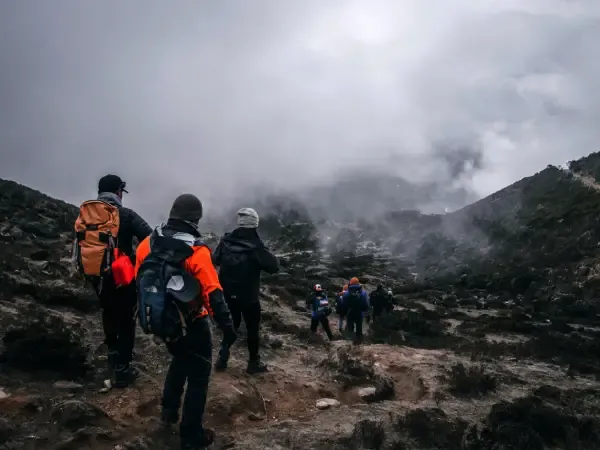
When trekking you will experience the beautiful landscapes of the green forests, alpine meadows, beautiful mountains, traditional Sherpa villages, the ancient monasteries, and the unique hospitality of the local people who are known for their bravery to climb the Mount Everest with oxygen.
When you are trekking you can comfortably relax in the cozy tea house, the experience guide will guide you throughout the trek, you will visit the different places on the trek and there will be a porter who will be carrying your duffel bags where you store your clothes, and essential items making your trek easy.
The beginner friendly itinerary will help you to under stand the Everest trekking region with the pace and help you to make your dream come true of trekking to the lap of the World’s highest mountain Mount Everest.
Highlights of First-Time Everest Base Camp Trekking
- Witness breathtaking Himalayan sunrises over Mount Everest, Lhotse, Makalu, Cho Oyu, Ama Dablam, and the surrounding Himalayan ranges.
- Experience authentic Sherpa culture, traditions, and festivals as you journey through the villages of the Everest region.
- Enjoy the thrilling flight to Lukla, home to one of the world's most famous and adventurous mountain airstrips.
- Admire iconic Himalayan peaks throughout the trek, with spectacular mountain views unfolding along the trail.
- Explore Sagarmatha National Park, a UNESCO World Heritage Site known for its dramatic Himalayan landscapes and rich biodiversity.
- Discover the unique flora and fauna of the Everest region, including alpine vegetation and wildlife adapted to the high-altitude environment.
- Reach Everest Base Camp at 5,364 meters, the ultimate highlight and achievement of your first Himalayan trekking adventure.
- Explore Namche Bazaar, the vibrant Sherpa town and gateway to the Everest region, while experiencing its unique mountain culture.
- Visit the historic Tengboche Monastery, surrounded by some of the most spectacular mountain scenery in the Khumbu.
- Cross thrilling suspension bridges and scenic mountain trails, adding an adventurous element to every day of the journey.
- Experience authentic Himalayan tea-house hospitality, staying overnight in traditional mountain lodges along the route.
- Challenge yourself at high altitude and build trekking confidence, making this an unforgettable introduction to Himalayan trekking.
Is this Everest Base Camp Trek in Nepal Itinerary for Beginners Suitable for me?
Yes, the Everest base camp trek in Nepal itinerary for beginners is suitable for you as this package specifically is designed for first-time trekkers or anyone with little to no prior hiking experience. If you are generally healthy, have a basic level of fitness, and are excited to explore the Himalayas, this trek is suitable for you.
The route is planned with shorter walking days, gradual altitude gains, and built-in rest and acclimatization periods, ensuring that beginners can comfortably adjust to higher elevations without feeling overwhelmed.
Even if you’ve never trekked before, the trek offers plenty of support, including experienced guides, comfortable teahouse accommodations, and clear instructions for managing altitude and fatigue. You don’t need to be an expert hiker or trekker.
What matters most is your willingness to walk, enjoy the experience, and follow safety guidance. This beginner-friendly approach makes it a realistic and rewarding way to reach Everest Base Camp while building confidence for future trekking adventures.
Everest Base camp trek Cost for Beginners
Everest base camp trek cost for the beginners might be more than the normal trekkers. As the beginner’s trek is longer and more relaxed the cost increases accordingly. You can except the amount around 1200 USD to 1800 USD for the well-organized guided trek.
However, as of Adventure Vision Treks we offer the EBC for no voice trekkers at the cost of 1495 USD per person. The cost includes the domestic flights from Kathmandu to Lukla and return, trekking permits, guides and porters, meals and accommodations, gears rentals, transportations and everything.
Everest Base Camp difficulty for First time Trekker
As a first-time trekker you shall not be afraid of trekking to the Everest. People might say it’s hard but in reality, its not. With proper acclimatization and the training, you can easily complete your trail. The difficulty depends on altitude, walking hours, weather, and fitness level. You will be reaching to the highest altitude of the 5,545 m / 18,192 ft at Kala Patthar which will be completed in the 10 days which means you will be having enough time to prepare for your self as novice adventurers.
The EBC trail is mostly well-marked and moderate, following valleys, rivers, and suspension bridges. You do not need to be an athlete, but basic fitness is important which includes walking and running and shall have a good stamina. Cold, wind, and snow can make the trek harder but if you are well prepared with the warm clothes it not going to hamper you. Beginners may experience loneliness, fatigue, or altitude stress, but support from guides and teahouse stops helps overcome these.
Why Choose Adventure Vision Treks for Your First Everest Base Camp Trek?
Adventure Vision Treks is more than just a trekking agency. It is a company built by person who have grown up around the mountains and experienced the trails, cultures, and traditions firsthand. We believe your first trek should be more than simply reaching Everest Base Camp it should be about experiencing the mountains, understanding the local culture, and learning from the journey.
As a first-time trekker, we give you enough time to acclimatize, explore, experience, and enjoy the Himalayas at your own pace. Our itineraries and costs are designed with the same philosophy: safe, meaningful, and memorable trekking rather than simply rushing to the destination.
You'll Explore
Everest Base Camp Trek for Beginners Itinerary
Day 1
Arrival in Kathmandu
Namaste and welcome to Kathmandu. Our owner Mr. Jiban Thapaliya will be welcoming you personally at the airport. After that we will have drive to Thamel and check in into your hotel. In the evening you will meet us at our office in Thamel and then we will go for a dinner at the Thamel authentic restaurant of your choice. While having dinner we will have a brief introduction of the trek.
Max Altitude: 1,400m (4,593ft)
Meals: Welcome Dinner
Accommodation: 3 star Hotel
Day 2
Fly Kathmandu to Lukla & Trek to Phakding
Early in the morning, our guide will be waiting for you at your hotel gallery. After that you can have breakfast and then we will drive to the Tribhuvan International Airport domestic terminal. After that we will take a domestic flight to Lukla the gateway to the Mount Everest in Nepal. The flight time will be of 45 minutes above the Himalayas where you can enjoy the beautiful valley, forests, rivers and the mountain views. After reaching the Lukla we will start our trek to the Phakding via beautiful landscapes of the Everest region.
Max Altitude: 2,610m (8,562ft)
Duration: 4 Hours
Distance: 8 km
Meals: B, L, & D
Accommodation: Tea House
Mode of Transportation: Domestic Flight
Day 3
Phakding to Namche Bazaar
Early in the morning after having the breakfast, you will be trekking to the Namche Bazar which is a beautiful village located on the mountain and it is the crucial stop for the hikers. You will walk via the Dudh Koshi River where you will be crossing the several suspension bridges including the famous Hillary Bridge. You will be having lunch on the way to Namche. Upon reaching you can visit the places around and immers yourself in the village.
Max Altitude: 3,440m (11,286ft)
Duration: 7 hours
Distance: 11 km
Meals: B, L, & D
Accommodation: Tea House
Day 4
Acclimatization Day in Namche Bazaar
As you are an entry level trekker and not hiked before its important for you to acclimate yourself in the mountains. For that we will be having an acclimatization day at Namche Bazar. You will be having a short hike to the Everest View Hotel from where you can witness the beautiful mountain views of the Everest region. You can see the mountains like Mount Everest, Lhotse, Nuptse, Ama Dablam, Thamserku, Khangtega, and Kusum Kanguru.
This hike will help you to adjust your body for the high altitude. After coming back from the Everest view hotel, you can explore the local market, bakeries, and Sherpa museum where you can know about the Sherpa community contributions, their cultures, their traditions, their foods and many more.
Max Altitude: 3,440m (11,286ft)
Duration: 4 Hours
Distance: 4 Km
Meals: B, L,& D
Accommodation: Tea House
Day 5
Namche Bazaar to Tengboche
Today you will be starting your adventure to the Tengboche. Which is a beautiful village known for its spiritual atmosphere, breathtaking Himalayan views, and the iconic monastery that defines the Everest region. You will be walking via the dense forest of the rhododendron and pines. Upon reaching you can relax and visit the monastery to attend the evening prayer and explore the monastery there.
Max Altitude: 3,860m (12,664ft)
Duration: 6 hours
Distance: 10 km
Meals: B, L, & D
Accommodation: Tea House
Day 6
Tengboche to Dingboche
Early in the morning, you will be heading towards your next destinations which is the Dingboche which is known for its stone-walled fields. On the way you will Imja Khola and gradually climbing towards the Pangboche. As you walk higher you start to notice that the air is becoming dry and the terrain starts to look alpine meadows.
Max Altitude: 4,410m (14,468ft)
Duration: 6 Hours
Distance: 11 Km
Meals: B, L, & D
Accommodation: Tea House
Day 7
Acclimatization Day in Dingboche
Today will be also the acclimatization day for you so that you can trek to the base of the Mount Everest easily and comfortably. Today you can explore the local villages and talk to the locals and known about their cultures and all. You can visit the Nangkartshang Peak or nearby ridges for panoramic views of Makalu, Lhotse, and Ama Dablam.
While you are acclimating its important for you to be hydrated and do some exercise and trek to the high altitude and sleep on the low altitude which makes you body adjust the altitude and relax as well.
Max Altitude: 4,410m (14,468ft)
Duration: 4 Hours
Distance: 5 Km
Meals: B, L, & D
Accommodation: Tea House
Day 8
Dingboche to Lobuche
Today early in the morning, you will start your ascent to the Lobuche which is a village known for its last destinations before the Everest base camp. And it’s also known for the Thukla Pass, where memorials honour climbers who lost their lives on Everest expeditions. You will be walking via the alpine meadows while witnessing the glaciers, rivers and the mountains.
Max Altitude: 4,940m (16,207ft)
Meals: B, L, & D
Accommodation: Tea House
Day 9
Lobuche to Gorak Shep and trek to Everest Base Camp
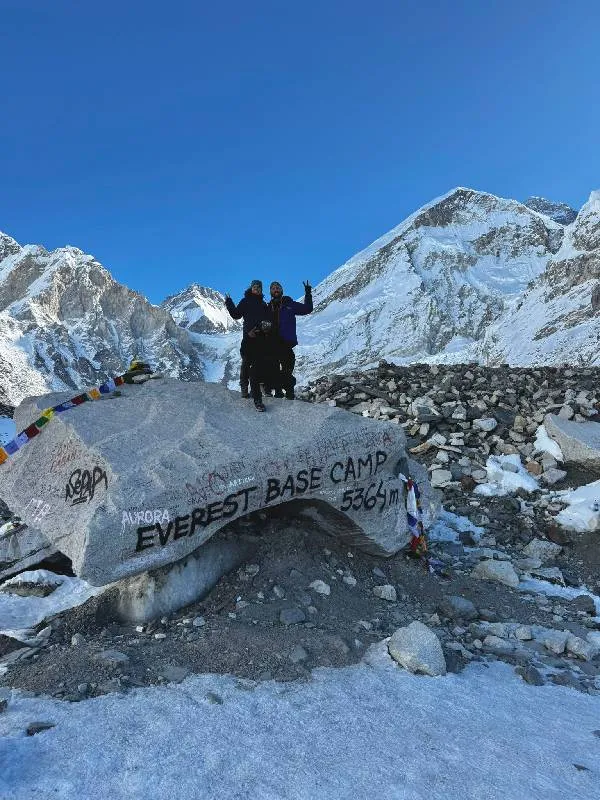
Finally, the day has come and your dreams are going to be true. As today is the day when you will be reaching to the world’s highest mountains Mount Everest base at an altitude of the 5364 meters. You will be starting your day early in the morning, have breakfast and we will trek to Gorakshep and from there to base camp.
Upon reaching thee you can witness the beautiful mountain views and the Khumbu Glaciers. You can click photographs and relax there. You can enjoy your moment as it’s the day which you were waiting since years. It’s the day for you were you started as beginner and still made your dream come true and left as the experience trekker. After that you will be travelling to Gorakshep as there are no accommodations options on the base camp.
Max Altitude: 5,364m (17,598ft)
Duration: 8 Hours
Distance: 15 km
Meals: B, L, & D
Accommodation: Tea House
Day 10
Gorak Shep to Kala Patthar & Trek to Pheriche
Today you will be hiking to the Kala Patthar early in the morning before the sunrise to witness the beautiful mountain views of the first rays of sun hitting the Mountains. As yesterday you trekked to base camp but was late due to the walk from the Lobuche.
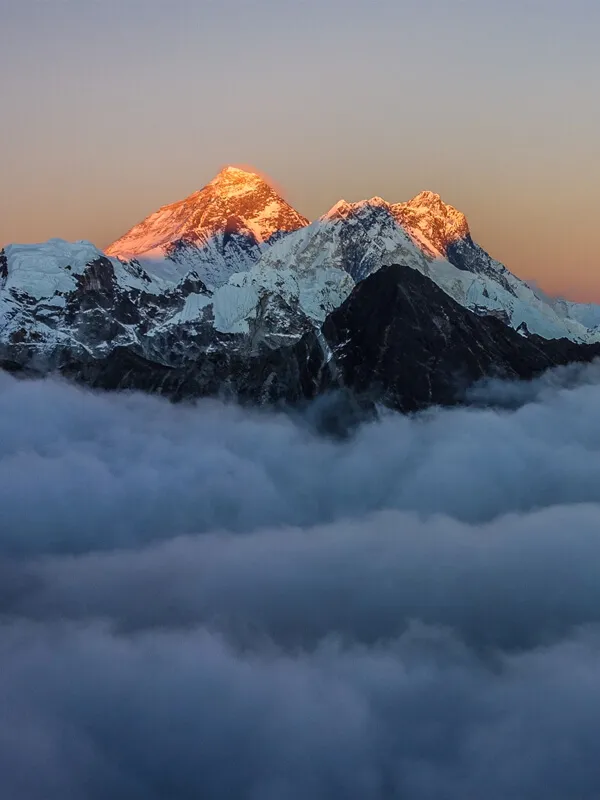
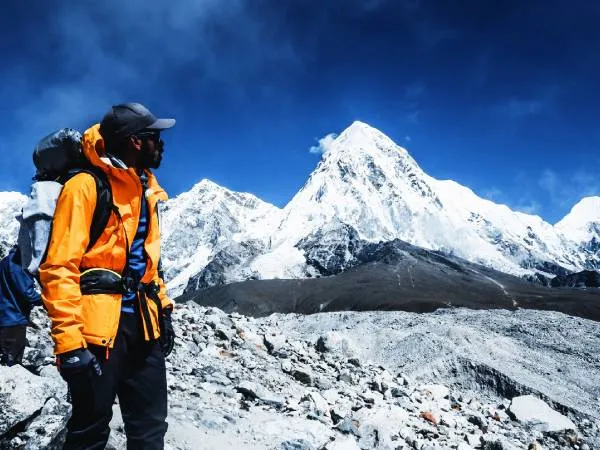
Today you will be witnessing the beautiful sunrise which is a once in a life moment experience. You will see the Mount Everest (8,848.86 m), Nuptsé (7,861 m), Pumori (7,161 m), Lhotse (8,516 m), Khumbu Glacier. You will see the sky turning into the blue, pink and gold colour. After that you will descend towards the Pheriche.
Max Altitude: 5,545m (18,192ft)
Duration: 7 Hours
Distance: 12 km
Meals: B, L, & D
Accommodation: Tea House
Day 11
Pheriche to Namche Bazaar
Today you will be trekking down from the Pheriche to Namche Bazar. As you descend down you will see that your breathing is becoming easier. You will be passing via Pangboche and Tengboche which your ascended before.
Max Altitude: 3,440m (11,286ft)
Duration: 7 Hours
Distance: 14 km
Meals: B, L, & D
Accommodation: Tea House
Day 12
Namche Bazaar to Lukla
Early in the morning after having the breakfast you can trek down to the Lukla. The descend is easier as you will not be having any kinds of ascends and the places will be known to you which will make your journey easy and you can skip one place which is phadking without any difficulties. As you will reach the Lukla you it will be evening and, in the evening, the domestic flights operate due to which its suggested to stay in Lukla only.
Max Altitude: 2,810m (9,219ft)
Meals: B, L, & D
Accommodation: Tea House
Day 13
Fly Lukla to Kathmandu
As per the flight schedule you will fly from Lukla to Kathmandu. The flight time is same of the previous which is 45 minutes. After reaching Kathmandu you can drive to the hotel. After that you can return the gears and equipment which you took as the rent for the EBC.
Max Altitude: 1,400m (4,593ft)
Meals: Farewell Dinner
Accommodation: 3 Star Hotel
Day 14
Departure
We hope you loved our hospitality and journey to Everest experience. We hope to see you again flying from our company to other trekking regions or for the tours. You can provide us the feed back and the reviews of your trek. And as we will be having your flight schedule. We will transfer you to the Tribhuvan International Airport before 4 hours to complete your security, visa checks.
Meals: Breakfast
Are you still confuse from where to start? Adventure Vision Treks and Travels has solutions for this.
Trip Costs & Availability
Altitude Chart
Equipment List for Everest Base Camp Trek for Beginners
Another area where you may spend some money as a beginner is on trekking gear and equipment. If this is your first high-altitude trek, you may not already own the clothing and equipment needed for the Everest Base Camp Trek. The good news is that you don't have to buy everything.
We provide essential items such as sleeping bags, duffel bags, trekking poles, a first-aid kit, and basic medicines for common trekking problems such as pain, minor sickness, and altitude-related symptoms.
You will still need to arrange some personal trekking gear, either by buying or renting it in Kathmandu, including a warm down jacket, trekking shoes, trekking pants, T-shirts, sunglasses, gloves, and other essentials.
Below is a beginner-friendly Everest Base Camp packing list to help you understand exactly what you need to bring and what you can rent instead of buying.
Upper Body Layers
- 2–3 moisture-wicking T-shirts
- 1–2 thermal/base-layer tops
- 1 fleece or warm mid-layer
- 1 warm down jacket
- 1 waterproof and windproof jacket
- Lightweight trekking shirt
- Warm gloves
- Inner liner gloves
Beginner tip: A good down jacket is especially useful for cold mornings, evenings, and higher-altitude sections. You can rent one in Kathmandu if you don't want to purchase it.
Lower Body Layers
- 2–3 pairs of trekking pants
- 1 pair of thermal/base-layer bottoms
- 1 pair of comfortable lightweight pants
- Waterproof/windproof trousers
- 3–5 pairs of trekking socks
- 1–2 pairs of warm woolen socks
- Comfortable underwear
- Optional: trekking shorts for warmer lower-altitude sections
Beginner tip: Avoid packing too many pairs of pants. A few good-quality, quick-drying options are usually enough because you can wash smaller items during the trek.
Footwear & Accessories
- Well-broken-in trekking boots
- Comfortable camp shoes or sandals
- Trekking socks
- Gaiters, especially for snow or wet conditions
- Trekking poles
- Lightweight backpack/daypack
- Duffel bag
- Backpack rain cover
- Water bottle or hydration bladder
- Microspikes, if recommended for the season
Important: Never take brand-new trekking boots straight to Everest Base Camp. Wear them on several walks beforehand to make sure they don't cause blisters or discomfort.
Head & Sun Protection
- Sun hat or cap
- Warm woolen or fleece hat/beanie
- Sunglasses with UV protection
- Neck gaiter or buff
- Sunscreen (SPF 30–50+)
- Lip balm with SPF
- Headlamp with extra batteries
Beginner tip: Don't underestimate sunglasses and sunscreen. Snow, strong sunlight, and high-altitude UV exposure can make your eyes and skin particularly vulnerable.
Personal & Medical Kits
- Personal prescription medicines
- Basic pain-relief medicine
- Blister treatment/bandages
- Small personal first-aid supplies
- Hand sanitizer
- Wet wipes
- Toothbrush and toothpaste
- Biodegradable soap
- Toilet paper/tissues
- Quick-drying towel
- Moisturizer
- Sunscreen and lip balm
- Personal hygiene products
- Small pack of laundry detergent
- Water purification tablets or a filter
- Reusable water bottle
Important: Don't self-medicate for altitude sickness. If you develop symptoms of altitude sickness, tell your guide immediately and follow their advice.
Travel Documents
- Passport
- Copies of your passport
- Travel insurance documents
- Trekking permits, if applicable
- Emergency contact information
- Flight tickets/booking details
- Hotel booking details
- Passport-size photographs, if required
- Some emergency cash in Nepalese rupees
Beginner tip: Keep digital copies of your important documents on your phone or in secure cloud storage as a backup.
Miscellaneous
- Mobile phone
- Power bank
- Charging cables
- Universal travel adapter
- Camera
- Extra memory card
- Portable battery/solar charger, if needed
- Small padlocks for your bags
- Dry bags or waterproof packing bags
- Zip-lock bags
- Small backpack/daypack
- Snacks, energy bars, or chocolate
- Earplugs
- Book or entertainment for evenings
- Trekking towel
- Reusable bags for keeping dirty clothes separate
- A few extra plastic/waterproof bags for keeping electronics and valuables dry
Essential Information
Flights from Kathmandu to Lukla and Return
As a beginner trekker in Nepal its suggested for you to take a domestic flight from Kathmandu to Lukla. As a first-time trekker you have the curiosity to explore the Himalayas and witness the mountains as soon as possible. And the flight can be your perfect option as during the flight you will witness the beautiful mountain ranges like the Lhotse, Nuptse, Ama Dablam, Thamserku, Kongde Ri and many more.
The flight cost for Kathmandu to Lukla is around 225 USD. And also, to return from Lukla to Kathmandu you will need to pay additional 225 USD. Please keep in note that this cost is generally for the peak seasons and the flight costs also depends upon the seasons, demands and the weather.
Trekking Permits for Everest Region
Whether you are a novice or the experience trekker the permit cost is same for everyone. While trekking in Everest region you will need the two permits which is Sagarmatha National Park Permit which costs 30 USD and the other is Khumbu Local Permit which cost 20 USD. You can get these permits from the Tourism Board office in Bhirkutimandap or from the trekking agencies like Adventure Vision Treks.
Everest base camp trek guide
Another cost where you will be spending your money during the travel is on the guides. A guide is not only with you for the explaining places and showing the trial. But he is your hiking buddy who will be helping you in need, he will be explain you everything related to place or the health, he will be booking accommodations for you on the cheaper prices, he will be helping to relax and walk making your trek perfect. The well licensed guide will cost you around 25 USD to 35 USD per day.
Porter for Everest Base Camp Trek
A porter is someone who will help you to carry all your weight during the trip. Ensuring you are travelling comfortably and without any loads. A porter will cost you around 20 to 25 USD per day for the 20kg loads per person. And as a novice you shall not carry your bags and hike as well its will make your experience worst.
Accommodations during the Trek to Everest
The accommodations during the trek to Everest is quite basic in facilities. As you will be doing the journey for the first time, we will make sure you get a comfortable bed and the facilitate making your experience better. We will book an attached washroom rooms with dinner and breakfast facilities for you. The cost of the accommodations is around 20 USD to 30 USD depending upon the places. As the lower places might be cheaper compared to the higher regions.
Foods during the Everest Trekking
If you are someone who loves to explore the news foods and new tastes the Everest base camp is for you. As during the trek, you will have variety of local and international food options. You will see the local foods like Dal Bhat (Staple meal), Momos (Local Dumplings), Thukpa (Sherpa Noodle Soup), Tsampa, Sherpa Stew & Potato Dishes, Butter Tea (Po Cha) and many more.
If you want international foods which is available world wide you might get that as well but the taste would be basic compared to the cities. You can get the foods like Pancakes, Toast with butter, jam, honey, or peanut butter, Porridge (oat, apple-cinnamon, or chocolate), Eggs (boiled, fried, scrambled, omelet), Muesli and cornflakes, Pasta, Pizza, Fried rice, Chowmein, Burgers and many more. The foods costs is around 2USD to 7 USD max for each item.
Everest Base Camp Trek for Beginners FAQs
Is the Everest Base Camp Trek suitable for beginners?
Yes, the Everest base camp trek is suitable for beginners if you are physically fit. You don’t need the previous hiking or trekking experience. You shall be mentally prepared for several hours of walking each day, steep ascents and descents, and changing weather conditions. Proper acclimatization and a gradual itinerary are particularly important for first-time trekkers.
How difficult is the Everest Base Camp Trek for beginners?
The difficulty level of Everest base camp trek for beginners is moderate to challenging because of the altitude, long walking days, steep sections, and unpredictable mountain weather. Beginners who prepare properly, walk at a steady pace, stay hydrated, and follow an acclimatization schedule can successfully complete the trek.
How fit do I need to be for Everest Base Camp?
You should have a basic to good level of cardiovascular fitness and be comfortable walking for around 5–7 hours a day. You can prepare by walking, hiking, climbing stairs, jogging, cycling, or doing regular cardio and strength exercises for several weeks before the trek.
Can I trek to Everest Base Camp without previous trekking experience?
Yes. Previous trekking experience is helpful but not mandatory. Many first-time trekkers successfully reach Everest Base Camp by following a properly planned itinerary, walking at a manageable pace, and listening to their guide's advice.
Can I rent trekking gear in Kathmandu?
Yes. Many trekking items can be rented or purchased in Kathmandu. Beginners commonly rent items such as down jackets, sleeping bags, trekking poles, and duffel bags instead of buying them. This can significantly reduce the initial cost of preparing for the trek.
Do I need expensive trekking gear for Everest Base Camp?
No. You don't need the most expensive equipment to complete the Everest Base Camp Trek. Comfort, proper fit, warmth, durability, and weather protection are more important than having premium brands. However, don't compromise on important items such as trekking footwear, warm layers, and sun protection.
Do beginners need a guide for the Everest Base Camp Trek?
Yes, having a qualified local guide is highly recommended, particularly for first-time trekkers. A guide can help with navigation, accommodation, daily trekking arrangements, altitude awareness, emergencies, and communication with local communities.
Can I do the Everest Base Camp Trek if I am not an athlete?
Yes. You don't need to be an athlete. What matters more is consistent preparation and endurance. If you can comfortably walk for several hours and gradually build your fitness before the trek, you can prepare yourself for the physical demands of Everest Base Camp.
How should a beginner train for Everest Base Camp?
Start training several weeks before your trek with regular walking and hiking. Gradually increase the distance and duration of your walks and include stairs, uphill walking, cardio, and leg-strengthening exercises. If possible, practice carrying a small backpack while walking.
What type of accommodation does beginners get during the Everest Base Camp Trek?
Most trekkers stay in teahouses or mountain lodges along the route. Rooms are generally basic and may include twin beds, blankets, and limited furniture. Toilets and other facilities can become more basic as you gain altitude, so beginners should be prepared for simple mountain accommodation.
Is food available for beginners during the Everest Base Camp Trek?
Yes. Teahouses and lodges along the route serve a variety of meals, including local Nepali dishes and common trekking foods such as dal bhat, noodles, rice, pasta, soup, eggs, bread, and potatoes. Eating enough nutritious food is important because your body needs additional energy during high-altitude trekking.
Can older beginners do the Everest Base Camp Trek?
Age alone does not determine whether someone can complete the trek. A person's fitness, overall ability to walk for several hours, preparation, and ability to acclimatize are more important. Older trekkers should consider discussing their trekking plans with a qualified medical professional before undertaking a high-altitude trek.
What is the most important advice for a beginner trekking to Everest Base Camp?
Don't rush the trek. Walk slowly, follow your acclimatization schedule, drink enough water, eat properly, protect yourself from the cold and sun, and communicate with your guide if you feel unwell. The goal isn't simply to reach Everest Base Camp quickly it is to reach safely and enjoy the journey through the Everest region.
Select Your Package
Need Help? Chat Us.
+977 9841120805You May Also Like
Need Help? Call Us+977 9841120805