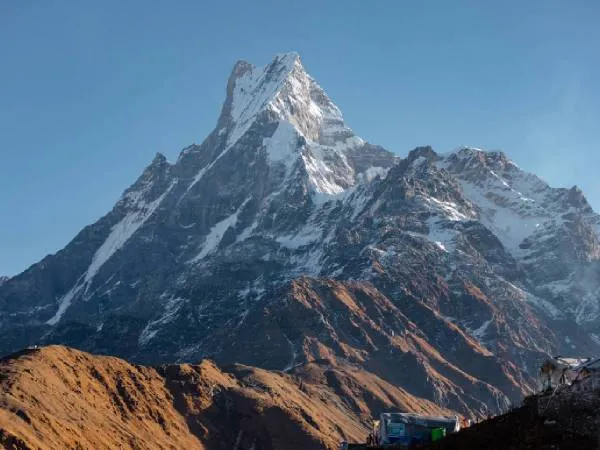

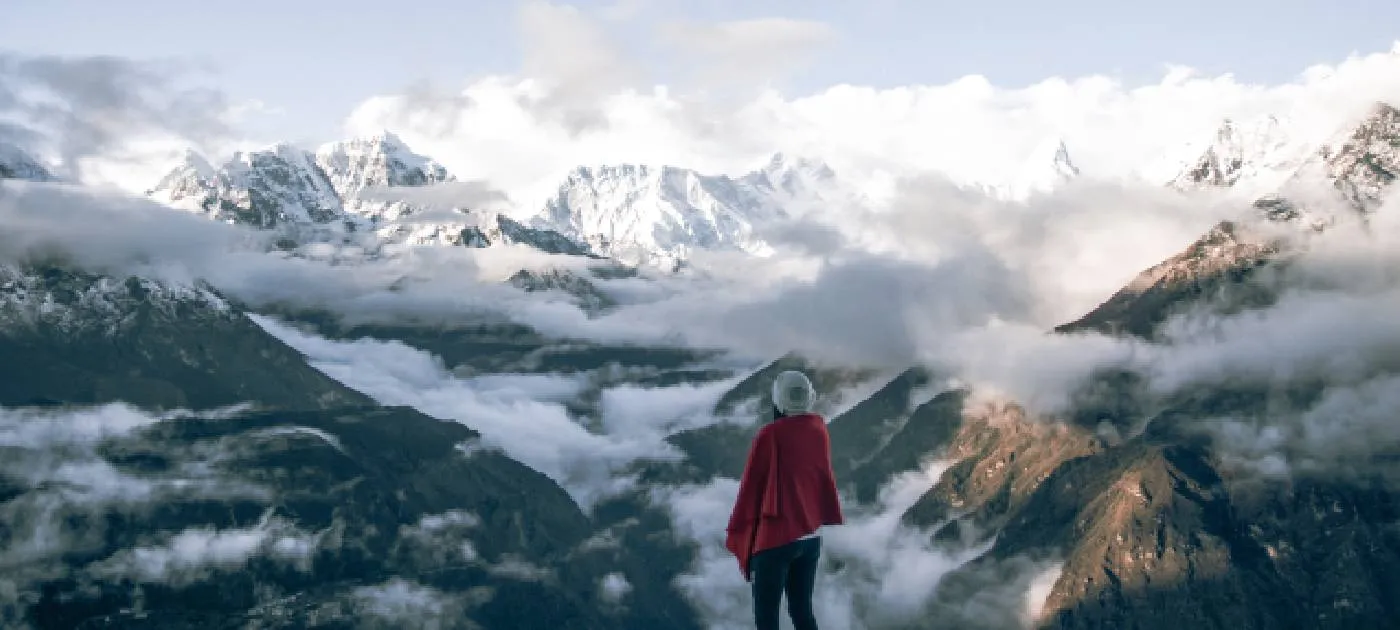
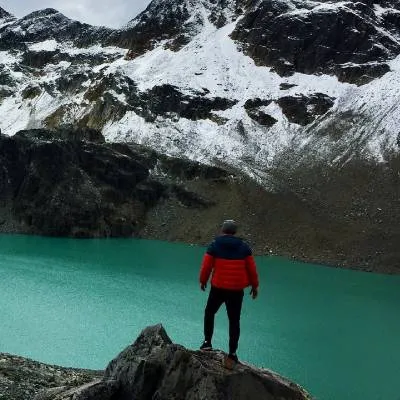
Are you an American traveler dreaming of trekking to Everest Base Camp, standing in the shadow of the world’s highest peaks, but wondering whether the long haul from the USA is really worth it? Maybe you keep circling the same questions: What will it cost? How rough will the comfort be? Can my body even handle it?
Take a deep breath. We’ve got you covered. In this guide, I’ll walk you through everything you need to know, from why Americans fall head over heels for EBC and whether it’s the right trip for you, to how tough it actually is and all the nuts and bolts in between.
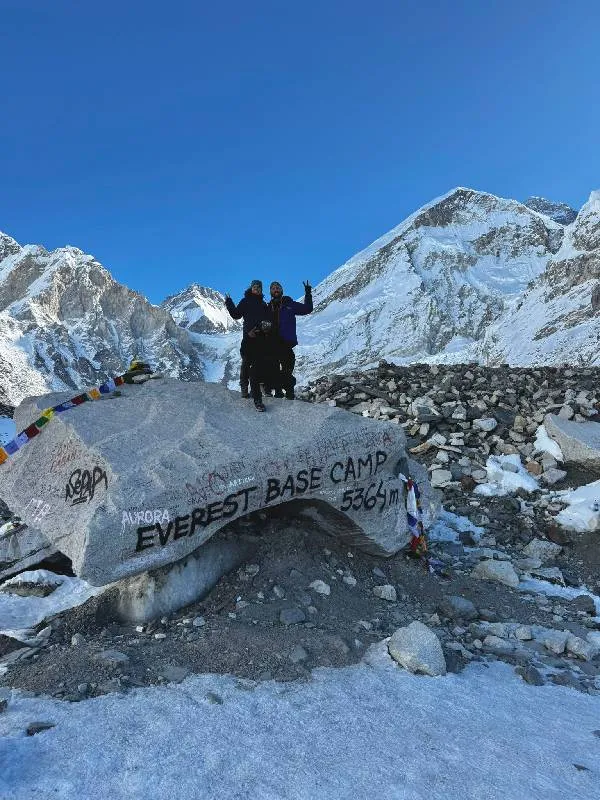
For most American travellers, the Everest Base Camp trek at an altitude of 5364 meters, 17,598 feet, is no spur-of-the-moment hiking trip. It’s the kind of adventure people dream about for years before they finally pull the trigger and book a package. You fly halfway around the world, leave behind smooth highways, cozy hotels, and everyday comforts, and step into a place hemmed in by mountains on every side.
This journey stands apart from most adventures because it isn’t only about reaching one famous spot. It tests your patience and your willpower to get there. Along the way, it serves up a whole range of emotions, mixing real challenges with Sherpa culture, jaw-dropping scenery, and a deep sense of personal achievement.
Why Americans Love the Everest Base Camp?
Americans love the Everest Base Camp because it feels raw and real. Nothing here is polished, filtered, or wrapped in cotton wool. It is what it is. The trail makes you earn every view, and that’s exactly what gives it meaning.
After you land at the starting point, which is Lukla Airport, you don’t simply roll up to base camp, snap a photo, and head home. Every day peels back a new layer of the trail. One morning, you’re strolling through pine forests and hopping across rivers.
Next, you’re tucked inside a warm teahouse while a cold wind rattles the windows outside. Then, out of nowhere, after days upon days of walking, Everest starts to peek out between the peaks, and the whole trip suddenly feels bigger than you ever pictured.
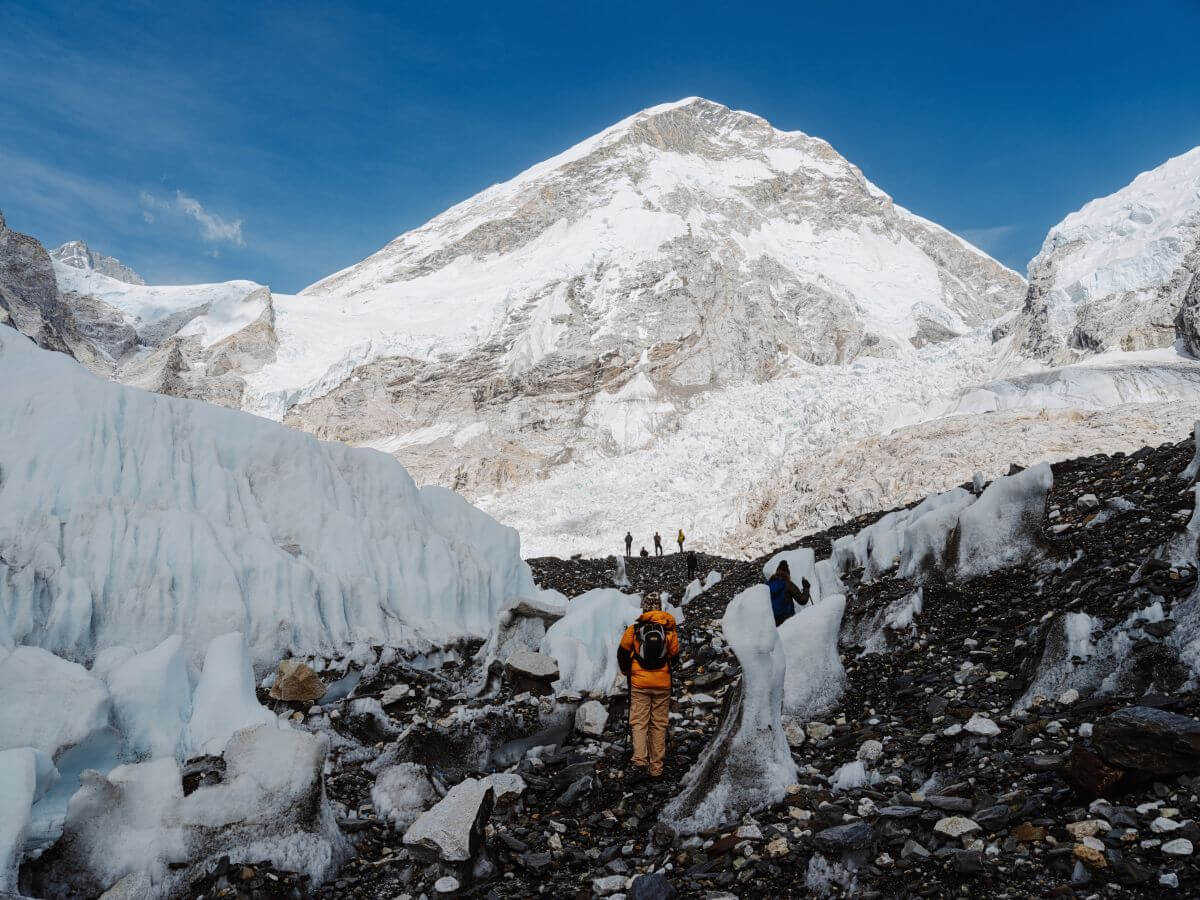
For many travellers from the United States, the journey also feels like a breath of fresh air from the rat race. No sprinting from meeting to meeting. No traffic to grind your teeth over. No endless to-do list nagging at the back of your mind. The trail slows everything right down and takes you back to your roots. That simplicity is one of the biggest reasons people hold onto this trek for the rest of their lives.
Is Everest Base Camp in Nepal Right for You? Fitness and Difficulty
Everest Base Camp in Nepal is no technical climb, but let’s not sugarcoat it either: this is no walk in the park. You won’t need ropes, ice axes, or mountaineering experience. You will need solid walking stamina, strong legs, a healthy dose of patience, and real mental grit.
Most days on the trail run around five to seven hours. Some stretches feel like a breeze, while others drag on and wear you out, all thanks to the altitude. The higher you climb, the more your body drags its feet. A hill that wouldn’t break a sweat back home can feel twice as brutal in the Khumbu region.
This trek is right up your alley if you can handle long days on your feet, basic room service, frosty nights, and simple meals. It’s also a great fit if you’re willing to trade a little comfort for a far bigger experience.
It may not be your cup of tea if you expect five-star luxury every night, can’t stand the cold, or want a trip where everything runs like clockwork. The mountains play by their own rules, and you’ll want to roll with the punches. Flights get delayed, the weather turns on a dime, and your body might call for extra rest.
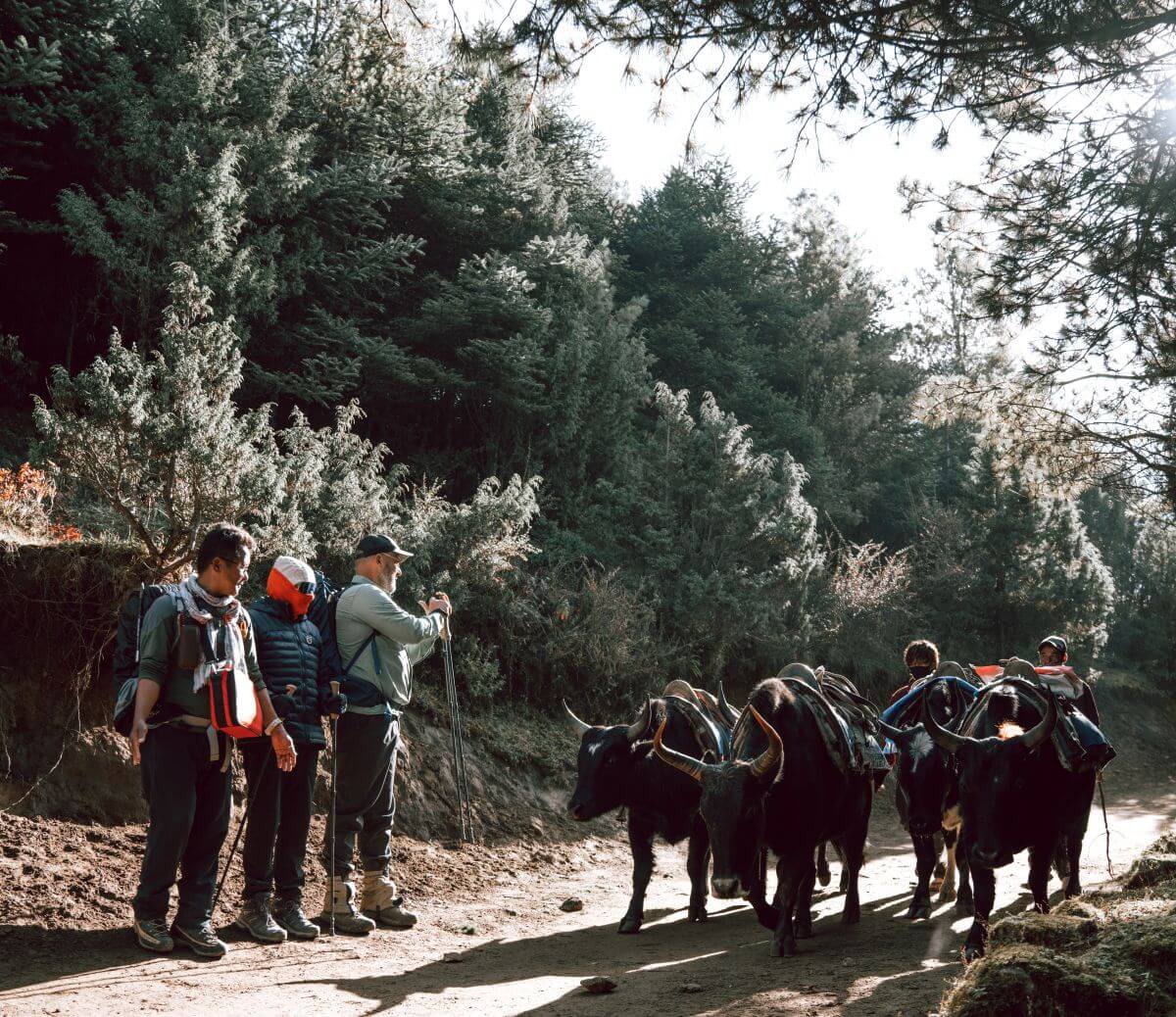
To prepare, lace up and put in the work: hiking, stair climbing, cardio, leg training, and walking with a loaded daypack all pay off in spades. And here’s the cheat code most people overlook: go slow and stay consistent. Slow and steady really does win this race.
Hassle-Free Travel from the USA to Nepal
For American travellers, the journey usually kicks off with a long international flight toTribhuvan International Airport, Kathmandu, Nepal. Most routes from the USA connect through hubs like Doha, Dubai, Istanbul, or Delhi.
The moment you touch down in Kathmandu, the change hits you right away. The air, the traffic, the sounds, the prayer flags fluttering overhead, the crowded streets, and the mountain gear shops packed into the tourist districts all remind you that you’re a long way from home.
Don’t rush off to the mountains the second you arrive in the capital. Hang your hat there for a day or two and catch your breath, since you’ve just powered through a marathon of an international flight. Touch base with your booking agency and guides for the latest details. Once you’re confident everything is squared away and you’re raring to go, you can set your sights on the ultimate dream of so many trekkers: Everest Base Camp.
Best Time to Go in Nepal from the US
The sweet spot for American travellers tackling EBC is spring or autumn.
Spring, from March to May, ushers in warmer days, blooming rhododendrons in the lower valleys, and trails buzzing with energy. The peaks may wear a soft haze now and then, but the overall experience is gorgeous from start to finish.
Autumn, from late September to November, is often the crowd favorite. The sky tends to be crystal clear, the mountain views look like they belong on a postcard, and the weather behaves itself. This is also peak season, so booking early is worth its weight in gold.
If you’re flying in from the States, think beyond just the trekking dates. Factor in the international flights, jet lag, your Kathmandu prep days, possible Lukla delays, and at least one buffer day at the tail end. A jam-packed schedule only invites unnecessary stress, and that’s the last thing you want in the Himalayas.
Time-Efficient Itinerary Options
Not every American traveler can swing three or four weeks off from work, school, or business. That’s exactly why itinerary planning is the name of the game on the Everest Base Camp trek.
The classic EBC itinerary gives you room to breathe. You walk at an easy pace, let your body adjust to the altitude, and actually soak up the journey instead of racing through it. You get the full experience, from Sherpa villages and quiet mornings to the gradual climb toward base camp.
If you’re short on time, the Everest Base Camp itinerary with a helicopter return is a smart way to have your cake and eat it, too. You still hike up the traditional route and reach base camp on your own two feet, but instead of burning days retracing every step downhill, you fly back by helicopter. It saves precious time while keeping the heart of the trek intact.
There are also comfort-focused itineraries where the lower villages serve up better lodges, attached bathrooms, and smoother logistics. That said, even a comfort trek gets back to basics at a higher altitude. The mountains simply don’t roll out city-style luxury everywhere you turn.
For most first-time American trekkers, the safest and most recommended bet is a well-paced itinerary with acclimatization days built into Namche Bazaar and Dingboche.
Comfort and Accommodation On Mount Everest Base Camp: Honest Expectations
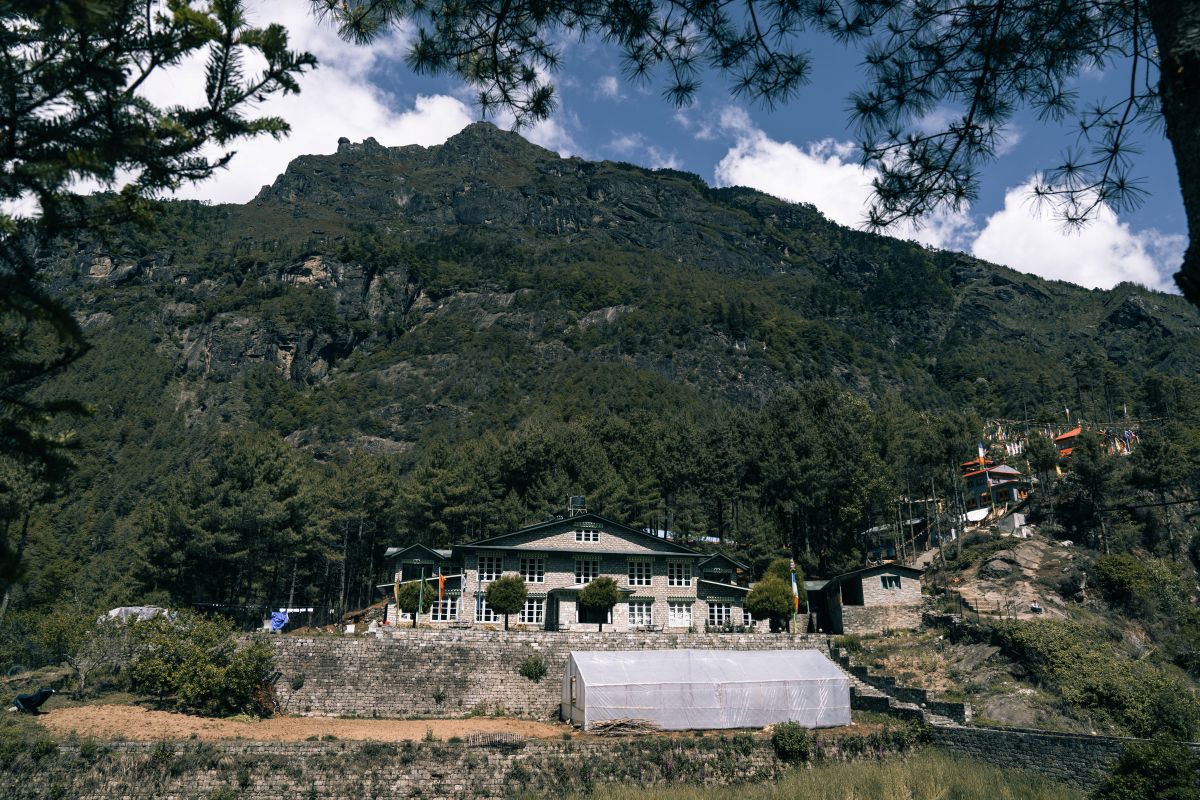
On the Mount Everest Base Camp trek, you’ll spend most nights in teahouses. A teahouse is a simple mountain lodge where trekkers eat, sleep, recharge, and thaw out after a long day.
In lower spots like Phakding and Namche Bazaar, the rooms feel a touch cozier. You might score better beds, warmer dining areas, hot showers, charging, and Wi-Fi, though boiled water and a few extras often cost a little more.
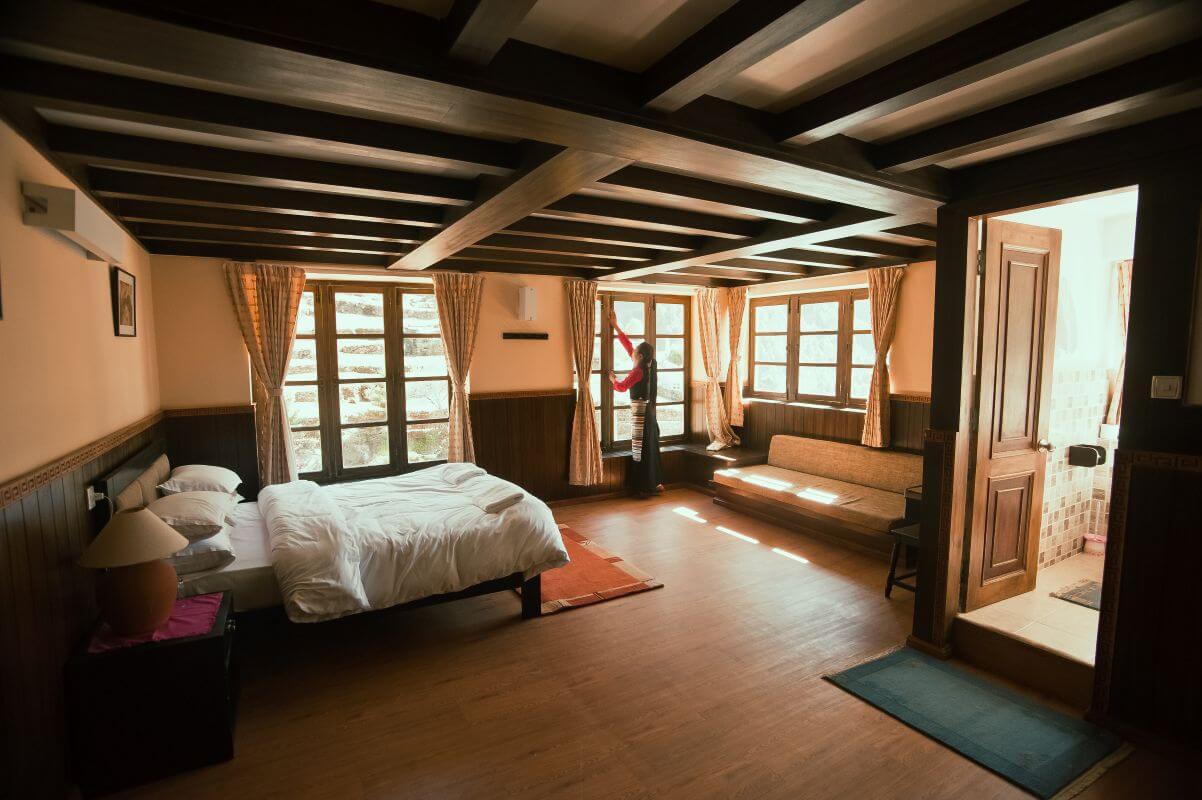
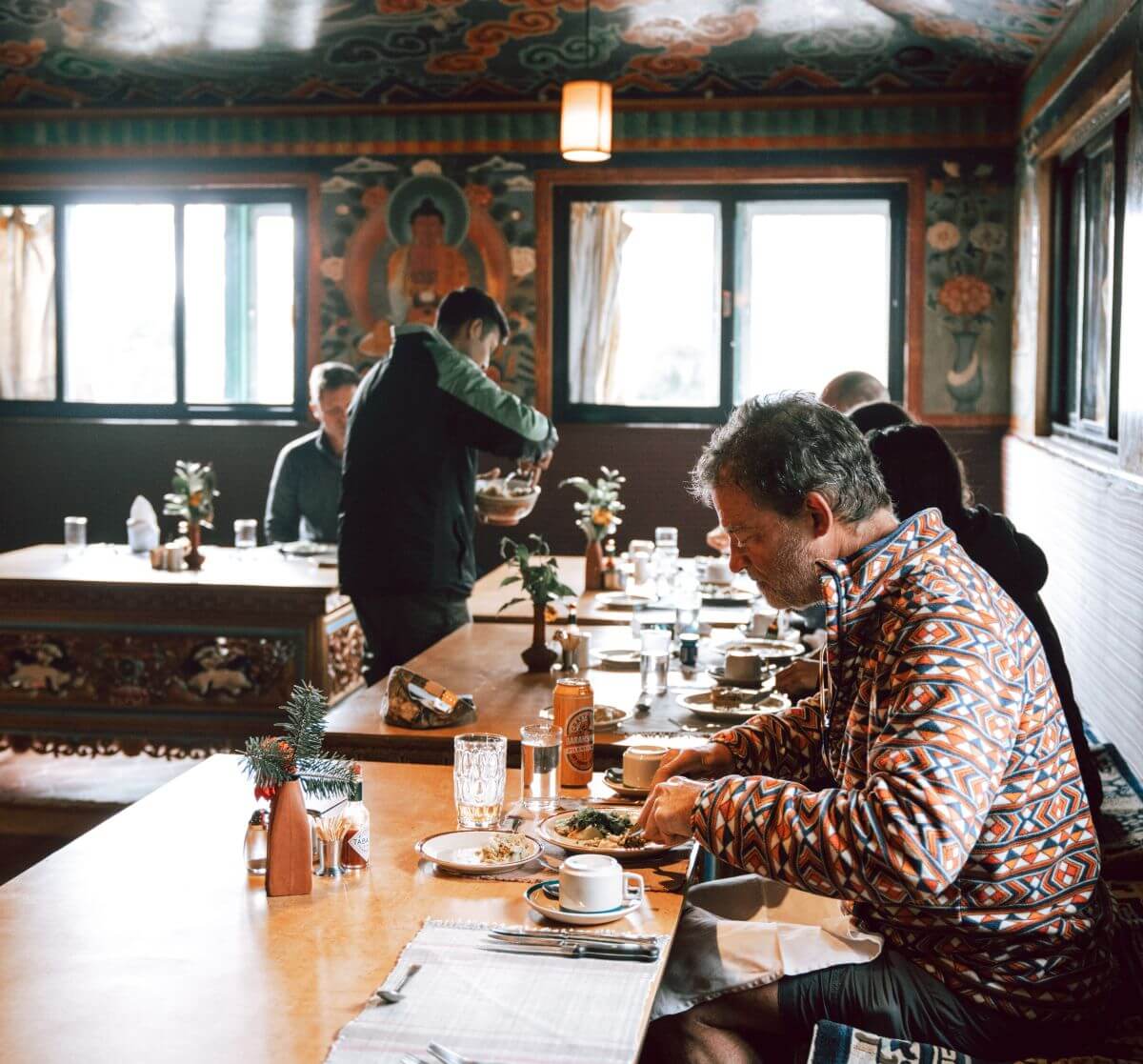
This is where setting your expectations straight pays off. If you show up expecting American hotel comfort, you may feel let down. But if you come ready to embrace mountain simplicity, the teahouses become part of the magic. Sinking into a warm dining hall after a bitter cold day, cupping a hot mug of tea while fellow trekkers swap stories, turns into one of the best parts of the whole trip.
Food and Hygiene Experience During Journey
Food on the trail is simple, hearty, and surprisingly satisfying. You’ll find dal bhat, noodles, fried rice, pasta, soups, potatoes, pancakes, eggs, porridge, tea, coffee, and plenty of snacks to keep your tank topped up.
Dal bhat is the undisputed champion of trail meals. It loads you up with rice, lentil soup, and vegetables, fueling you for those long days on your feet. Many trekkers lean on dal bhat more and more as they climb higher, because it always shows up warm, fresh, and reliable. There’s even a popular saying on the trail: “Dal bhat power, twenty-four hours.”
For American travellers, hygiene is nothing to take lightly. The food is usually cooked with care, but your stomach may not be on speaking terms with the local bugs just yet. Stick to boiled, filtered, or purified water.
Wash or sanitize your hands often. Steer clear of risky food choices at higher altitudes, especially anything that isn’t fresh. On this trail, the basics matter most: eat hot meals, drink safe water, and keep your hands clean.
Safety, Altitude, and Emergency Support
Altitude is the biggest fish to fry on the Everest Base Camp trek. It doesn’t matter how young, athletic, or strong you are. Altitude sickness doesn’t play favorites, and it can knock on anyone’s door.
The trail slowly climbs past 3,000 meters, then 4,000, then 5,000. Up there, the air grows thin, and your body has to work overtime just to pull in oxygen. You may walk more slowly, sleep lighter, lose your appetite, or feel more wiped out than usual.
The golden rule is simple: don’t try to tough it out. If you feel a headache, nausea, dizziness, unusual weakness, poor sleep, or no appetite, tell your guide right away. Trouble snowballs when trekkers hide their symptoms and keep pushing, and that gamble can quickly turn a small problem into a serious one.
A good guide keeps a close eye on your pace, your face, your breathing, and your energy. They can read the difference between plain old tiredness and something that’s genuinely off.
Emergency support in the Everest region hinges on your location, the weather, communication, and your insurance coverage. That’s precisely why American travellers should buy solid travel insurance that covers high-altitude trekking and helicopter evacuation. Better safe than sorry.
Altitude Sickness: The Biggest Fear Americans Have
Plenty of American travellers lose sleep over altitude sickness before they ever book the trek, and honestly, that worry isn’t off base. It’s something to understand, not something to panic about.
Altitude sickness rarely arrives like a dramatic movie scene. More often, it creeps in quietly: a faint headache, a strange wave of tiredness, food that suddenly tastes like cardboard, your legs lagging behind yesterday’s pace, restless sleep even when you’re running on empty.
The tricky part is that these signs can masquerade as normal end-of-day fatigue. That’s exactly why hiring a guide is a smart move if you’re new to the high country, and why acclimatization days are baked right into the itinerary.
Namche Bazaar and Dingboche aren’t just pit stops on the map. They’re where your body gets the breathing room to adjust. On acclimatization days, you hike higher during the day but sleep lower at night. This “climb high, sleep low” trick helps your body settle into the thinner air.
English-Speaking Expert Guides
For folks from the United States, an English-speaking guide can make the entire trek go off without a hitch. A great guide isn’t just someone walking a few steps ahead of you. They become your home base in the mountains.
They explain the trail, sort out the teahouses, manage food orders, check in on how you’re holding up, handle permits, talk shop with lodge owners, keep you posted on the weather, and step in when plans go sideways.
A guide who speaks fluent English makes the whole journey worlds easier. No crossed wires about the plan, the food, your altitude symptoms, the timing, or what each day has in store. A reliable guide wears many hats at once: translator, safety net, local friend, and mountain leader.
When you’re picking a trekking agency, look for licensed guides with strong English, clear communication, fair treatment of porters, a real emergency plan, and straight answers. And remember, the cheapest option isn’t always the best trek, especially when your safety is on the line. You get what you pay for.
What Everest Base Camp cost in USD?
American travellers think in dollars, so the pricing should be crystal clear from day one.
The total cost of an Everest Base Camp trek varies with the level of service, the size of your group, your guide and porter support, Lukla flights, meals, permits, accommodation, and whether you opt for a helicopter on the way back.
A realistic guided trek usually folds in airport pickup, a Kathmandu hotel, domestic flights, permits, a guide, a porter, teahouse lodging, meals on the trail, and the basic logistics. But no two packages are cut from the same cloth.
Before you sign on the dotted line, always ask what’s in and what’s out. Keep an eye out for hot showers, Wi-Fi, battery charging, boiled water, snacks, tips, travel insurance, gear rental, and emergency evacuation.
You can expect the cost to shift depending on which package you pick: budget, standard, or luxury. Here's a quick breakdown of what each tier usually looks like.
| Package | Typical Price (USD) | Action |
|---|---|---|
| Budget | $995 | Book Now |
| Standard | $1,390 | Book Now |
| Luxury | $4,900 | Book Now |
Helicopter Return Option
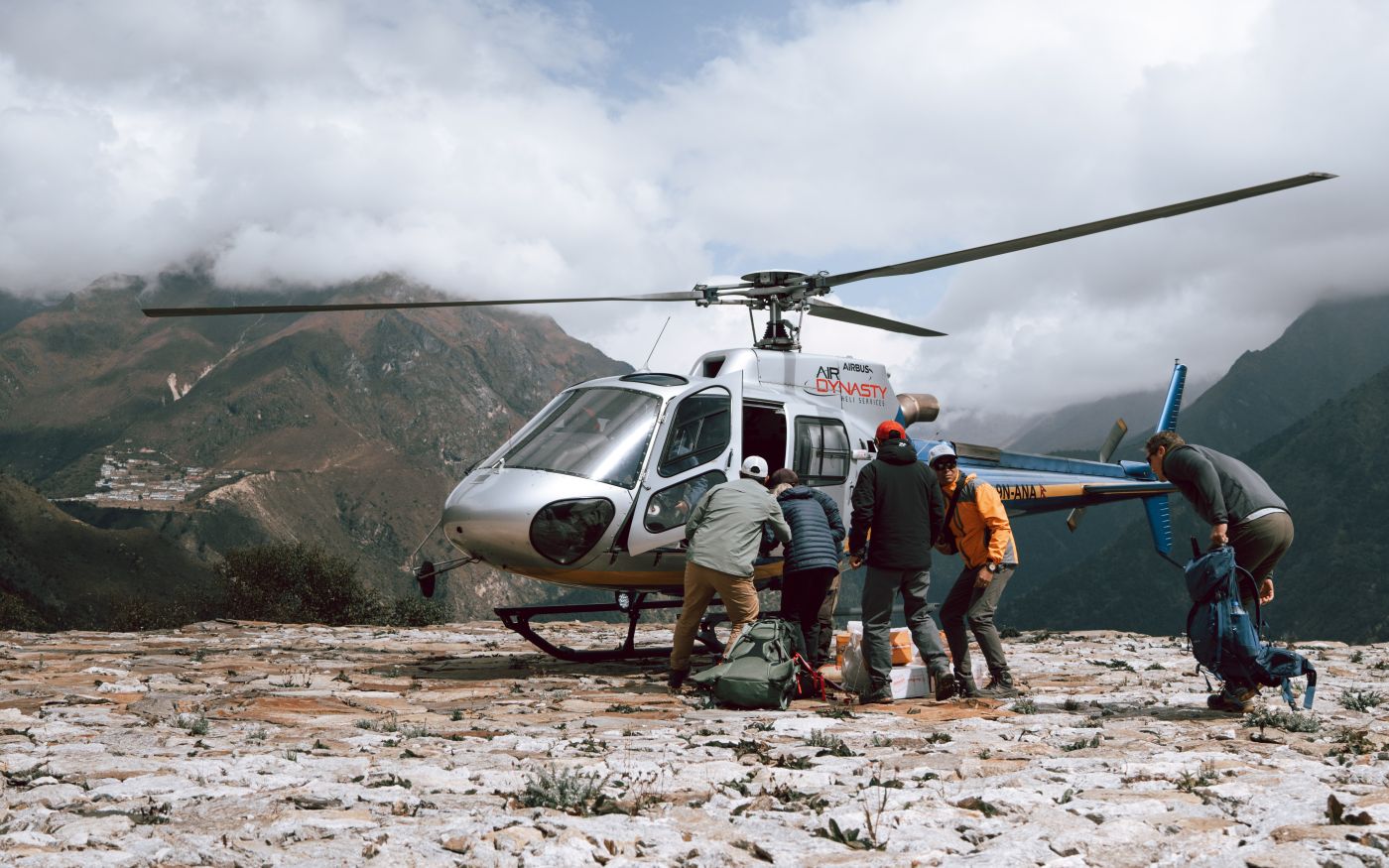
The helicopter return is one of the most tempting choices for time-strapped American trekkers.
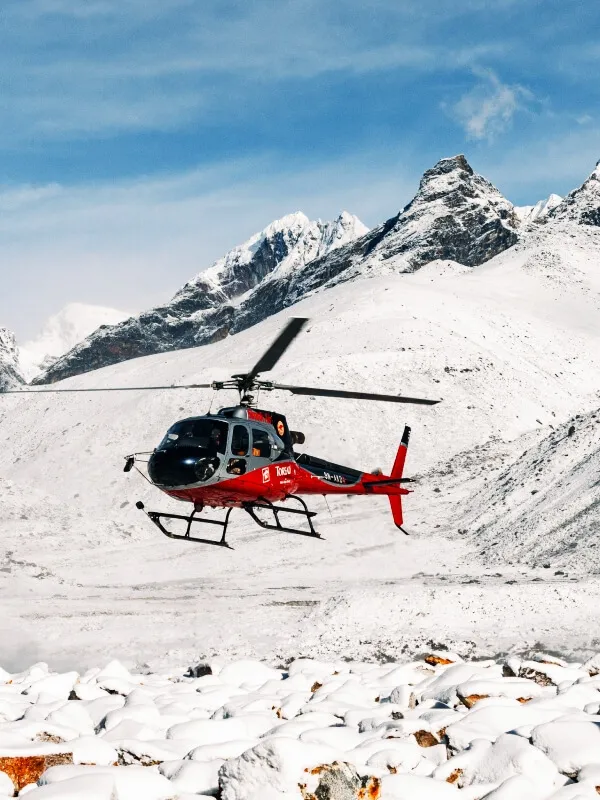
Instead of walking back for several days after reaching Base Camp and Kala Patthar, you hop on a helicopter from the upper region. This saves you days and spares your knees the long, punishing descent.
The flight also hands you a completely fresh view of the Himalayas. After days of plodding through valleys and villages, seeing the peaks from the air feels almost unreal. You gaze down at the same trail that took you days to conquer, and all at once, it hits you just how massive the landscape is and how much you truly pulled off. Talk about a cherry on top.
Packing List for Everest Trekking for Western Travellers
Packing for Everest Base Camp for Western Travelers is all about striking a balance. You want enough gear to stay warm and safe, but not so much that your bag turns into a ball and chain.
Pack warm layers, a down jacket, a waterproof jacket, trekking pants, base layers, gloves, a warm hat, a sun hat, sunglasses, hiking boots, good socks, and a toasty sleeping bag.
You’ll also want sunscreen, lip balm, your personal medicines, blister care, water purification, hand sanitizer, a power bank, a headlamp, snacks, passport copies, insurance details, and some cash.
Here’s the most important pro tip: don’t show up in Nepal with brand-new boots fresh out of the box. Break them in well before the trek, because one nasty blister can turn a stunning trail day into a real slog.
Cultural Experience on EBC Trekking
The EBC trekking isn’t only about Everest. It’s also about the Sherpa people, Buddhist culture, mountain villages, monasteries, prayer flags, mani stones, and the quiet strength woven into Himalayan life.
You’ll pass through villages where people live alongside the mountains every single day, not as a tourist backdrop but as home. You’ll watch porters shouldering heavy loads, yaks ambling along narrow trails, monks walking near monasteries, and children growing up in places that seem almost impossible to outsiders. For many American travellers, this cultural side ends up being every bit as unforgettable as the mountain views.
Instagram-Worthy Moments
The Everest Base Camp journey is bursting with photo-worthy moments, but the best ones rarely follow a script.
The first big suspension bridge gives you that “I’m really doing this” rush. Namche Bazaar looks stunning from above, fanned out like a mountain amphitheater. Ama Dablam cuts such a sharp figure against the sky that trekkers stop again and again just to drink it in.
Tengboche Monastery, framed by towering peaks behind it, looks like it leapt straight off a postcard. Dingboche serves up sweeping valley shots.
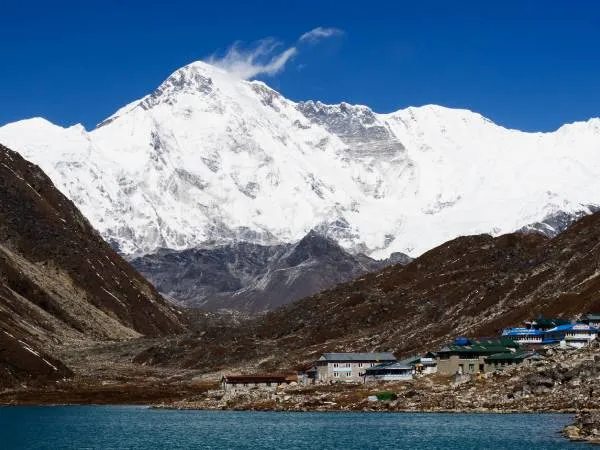
The trail to Lobuche feels raw and dramatic. Everest Base Camp itself earns you that triumphant achievement photo, but nothing beats Kala Patthar, which dishes out the closest, most jaw-dropping view of Everest. Still, the most powerful shots are often the honest ones: a tired face, cold hands wrapped around a teacup, prayer flags dancing in the wind, and the look on your face the moment it sinks in that you made it.
Day-by-Day Everest Base Camp Outline Itinerary for American Travelers
- Day 1: Arrival in Kathmandu
- Day 2: Trek Preparation in Kathmandu
- Day 3: Fly to Lukla and Trek to Phakding
- Day 4: Phakding to Namche Bazaar
- Day 5: Acclimatization Day in Namche Bazaar
- Day 6: Namche to Tengboche or Deboche
- Day 7: Tengboche or Deboche to Dingboche
- Day 8: Acclimatization Day in Dingboche
- Day 9: Dingboche to Lobuche
- Day 10: Lobuche to Gorak Shep and Everest Base Camp
- Day 11: Kala Patthar and Trek Down to Pheriche
- Day 12: Pheriche to Namche Bazaar
- Day 13: Namche to Lukla
- Day 14: Fly Back to Kathmandu
- Day 15: Buffer Day in Kathmandu
- Day 16: Departure from Nepal
Visa and Permit Process Simplified for Americans
For American travellers, Nepal’s visa process is a breeze. Most visitors pick up a tourist visa on arrival at the Kathmandu airport. You’ll need your passport, a visa form, payment, and a few basic travel details.
For the trek itself, you’ll need permits for the Everest region. If you’ve booked your EBC package with an agency, they’ve usually handled most of the paperwork already, so you won’t be running around offices after a long flight.
Before you travel, always double-check the latest visa fees and entry rules, since these can change without much notice. A quick check now saves you a world of time and money later.
EBC for Travelers from USA FAQs
Can ordinary people go to Everest Base Camp?
Yes. Almost anyone in good physical shape with decent cardio can make it to Everest Base Camp.
How risky is Everest Base Camp?
Everest Base Camp is generally safe and doable for most people. The main things to keep in mind are good health and a solid understanding of acclimatization.
What are the dangers of Everest Base Camp?
The main risks are altitude sickness, sudden weather changes, rough trails, slips, cold temperatures, and stomach trouble from unsafe food or water.
What’s the food like at Everest Base Camp?
Expect classic Nepali dal bhat, pasta dishes, momos, and hearty Sherpa stews along the way.
How many hours a day will I walk on the Everest Base Camp trek?
On average, you’ll be on the trail for about five to seven hours a day.
Is the Everest Base Camp trek actually worth flying all the way from the USA?
Absolutely. If you want more than a vacation and you’re itching to explore the Himalayas, this trail fits the bill perfectly.
Is Wi-Fi available on the Everest Base Camp trek?
Yes, but it’s paid, slow, and far less reliable than what most Americans are used to.
Can I charge my phone and camera?
Yes, though charging usually costs extra at the teahouses. A strong power bank is well worth packing.
Is Nepal safe for American travellers?
Yes. Nepal is one of the safest countries for American travellers, and most people you meet are warm and welcoming.
Can older Americans do the trek?
Yes. Plenty of older American travellers have completed the Everest Base Camp trek with flying colors.
What are the bathrooms like?
They run the gamut. Some teahouses have Western-style toilets, while others, especially in the more basic spots, have squat toilets.
Can a regular American with an office job do the EBC trek?
Yes, as long as you come prepared. You don’t have to be a climber or a marathon runner. A decent fitness level will carry you through.
Do I really need travel insurance?
Yes. American travellers shouldn’t set foot on this trek without travel insurance, because the Everest region can be unpredictable. When anything can happen, an ounce of prevention is worth a pound of cure.
Will I see Mount Everest every day?
Not quite. Everest shows up at certain viewpoints, but peaks like Ama Dablam, Thamserku, Lhotse, Nuptse, and many others greet you along different parts of the trail.
How many days do Americans need for the Everest Base Camp trek?
Most American travellers should plan for around 16 to 20 days in total.
Read Related Blogs
Everest Base Camp Trek Accommodation & Teahouses
25 Frequently Asked Questions About the Everest Base Camp Trek
Ready to Make Everest Base Camp Happen?
You've read the whole story, from the cost and the climb to the culture and the views. Now it's time to turn that daydream into a plane ticket.
At Adventure Vision Treks, we've guided countless American travelers to Everest Base Camp and back, and we'd love to do the same for you. Our licensed, English-speaking guides, fair-treated porters, and carefully paced itineraries take the guesswork off your plate so you can focus on the adventure of a lifetime. From your first email to your last steps in Lukla, we've got your back every step of the way.
So what do you say? Drop us a message, tell us your dates, and let's start planning your Everest story today.