

What is the Annapurna Base Camp trek distance? It's the question that decides how you train, how many days you book, and whether the Annapurna Sanctuary is within your reach. The total distance depends on your route and starting point, and in this guide, we lay it all out: from the full trek distance to the day-by-day kilometres to what the trail feels like by walking.
Day-by-Day Walking Distance on the Annapurna Base Camp Trek
The most popular itinerary is the classic route via Ghorepani and Poon Hill, starting near Nayapul and descending out through Jhinu Danda. Daily walking distances are modest on paper usually 8 to 17 km but the steep stone staircases, repeated climbs and descents, and thinning air make the effort feel greater than the mileage suggests. The table below shows a typical day-by-day breakdown for this route, including the return.
| Day | Route | Distance | Walking Time | Overnight Altitude |
|---|---|---|---|---|
| 1 | Nayapul → Tikhedhunga | 9 km | 3–4 hrs | 1,540 m |
| 2 | Tikhedhunga → Ghorepani (via 3,000+ Ulleri steps) | 12 km | 6–7 hrs | 2,880 m |
| 3 | Ghorepani → Poon Hill → Tadapani | 11 km | 6–7 hrs | 2,630 m |
| 4 | Tadapani → Chhomrong | 10 km | 5–6 hrs | 2,170 m |
| 5 | Chhomrong → Bamboo | 9 km | 5–6 hrs | 2,310 m |
| 6 | Bamboo → Deurali | 10 km | 5–6 hrs | 3,230 m |
| 7 | Deurali → Machhapuchhre Base Camp (MBC) → Annapurna Base Camp (ABC) | 8 km | 6–7 hrs | 4,130 m |
| 8 | Annapurna Base Camp → Bamboo (via MBC) | 17 km | 5–6 hrs | 2,310 m |
| 9 | Bamboo → Jhinu Danda | 12 km | 7 hrs | 1,780 m |
| 10 | Jhinu Danda → Nayapul, then to Pokhara | 11 km | 4–5 hrs | 822 |
The total trekking distance of the Annapurna Base Camp is approximately 110 kilometers (68 miles) round trip. This distance is typically covered over 6 to 11 trekking days, depending on the route, acclimatization needs, daily walking pace, and the itinerary selected for the trek.
Trying to decide between the 10-day classic route and a shorter direct one? Send us your available days and we'll recommend the best fit. Ask Our Trek Team →
Kathmandu to Annapurna Base Camp Distance
If you are starting the Annapurna Base Camp Trek from Kathmandu, the total travel distance will be much more than the trekking distance alone. This is because the journey includes travel from Kathmandu to Pokhara, followed by transportation from Pokhara to the trek's starting point, such as Ghandruk, Nayapul, Siwai, or another trailhead.
After reaching the starting point, you will trek through several villages and mountain trails before returning via the same or an alternative route. As a result, calculating a single exact distance from Kathmandu can be difficult, as it depends on the route and transportation options you choose.
To make things easier, I have provided a summary table below showing the approximate distances for each section of the journey.
| Route / Section | Mode of Travel | Distance | Duration |
|---|---|---|---|
| Kathmandu → Pokhara | Road (or Flight) | 205 km | 6–8 hrs by road (25 min by air) |
| Pokhara → Nayapul (Trailhead) | Jeep / Bus | 42 km | 1.5–2 hrs |
| Nayapul → Annapurna Base Camp → Return to Road Access Point | Trek on Foot | 110 km (round trip) | 8–11 trekking days |
| Total Journey from Kathmandu | Mixed (Road/Air + Trekking) | ~357 km | Varies by itinerary |
Pokhara to Annapurna Base Camp Distance
The distance from Pokhara to Annapurna Base Camp is significantly shorter compared to starting the journey from Kathmandu. As Pokhara is widely regarded as the gateway to the Annapurna region, it provides easy access to the trekking trailheads. With less travel time required to reach the starting point, the overall journey can be completed in a shorter period, making it a convenient option for many trekkers.
| Route Option | Start & Finish | Approx. On-Foot Distance | Typical Duration |
|---|---|---|---|
| Classic Route via Poon Hill | Nayapul → Annapurna Base Camp → Jhinu Danda/Nayapul | 110–115 km | 10–12 days |
| Jhinu Danda Return Route | Nayapul → Annapurna Base Camp → Jhinu Danda | 90 km | 8–10 days |
| Direct / Short Route | Ghandruk or Jhinu Danda → Annapurna Base Camp → Return | 50–70 km | 6–8 days |
What to Expect During the Annapurna Base Camp Trekking?
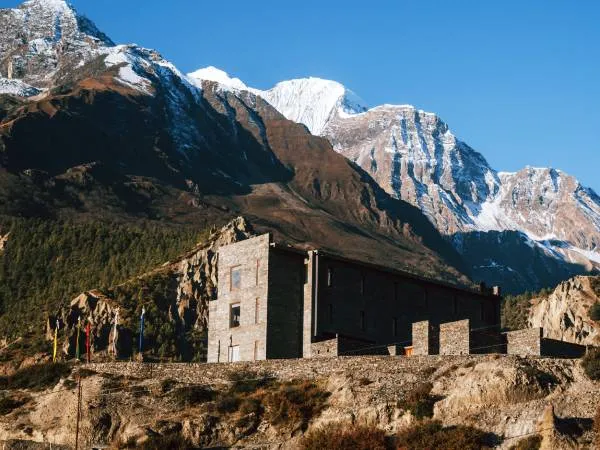
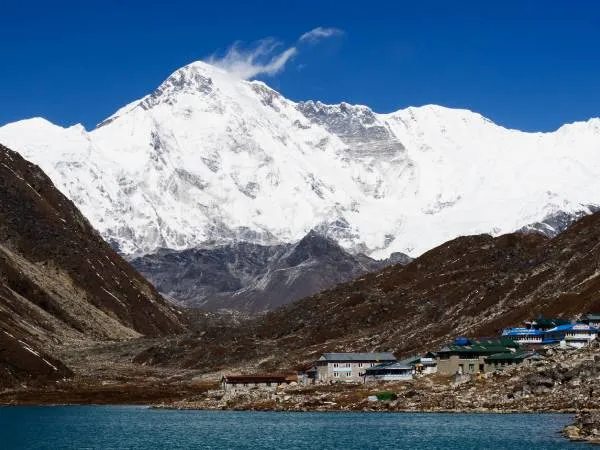
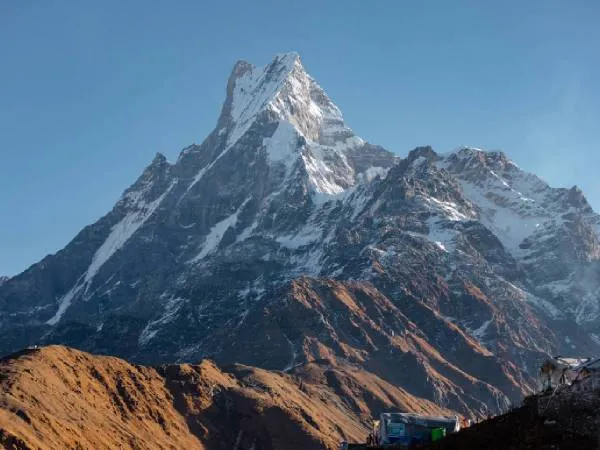
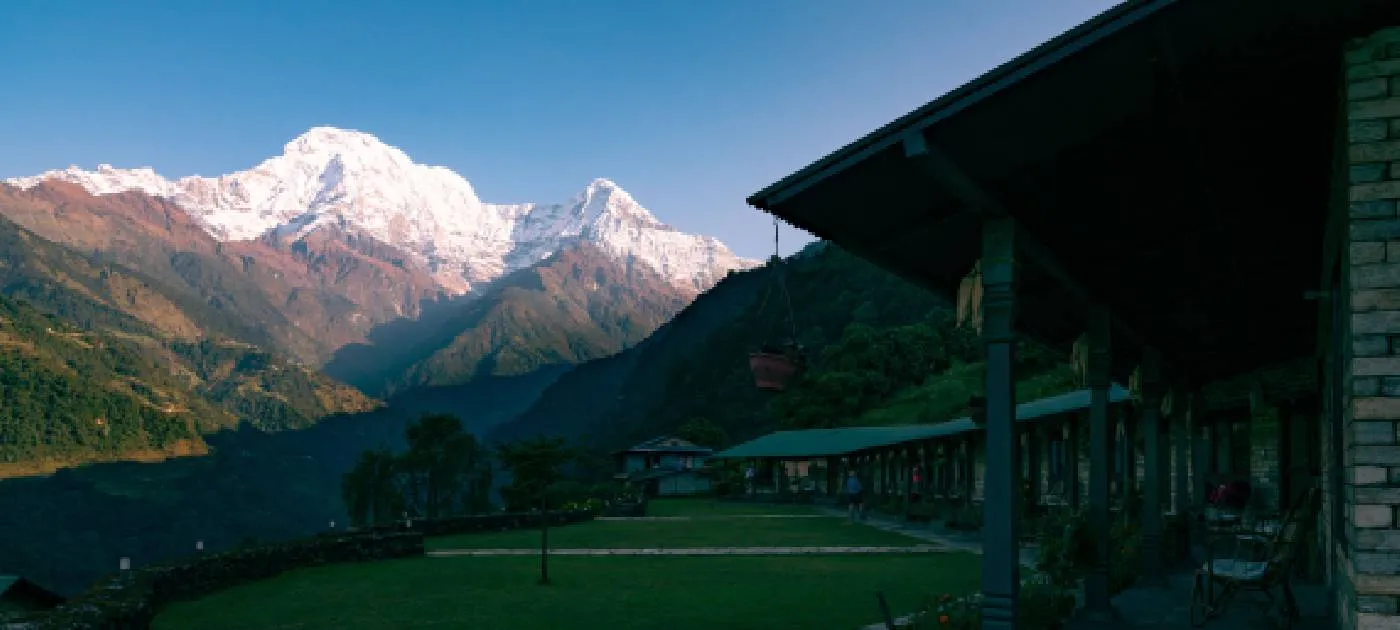
What you shall expect at Annapurna Base Camp is that the journey is not only about walking, but is also about how dramatically the scenery changes along the way. You'll begin in warm, green lowlands with terraced rice fields, rushing rivers, and stone-paved villages, then climb through dense rhododendron and bamboo forest before the trail opens into the high glacial basin of the Annapurna Sanctuary, ringed by snow peaks on every side. Few treks pack this much variety into so few days.
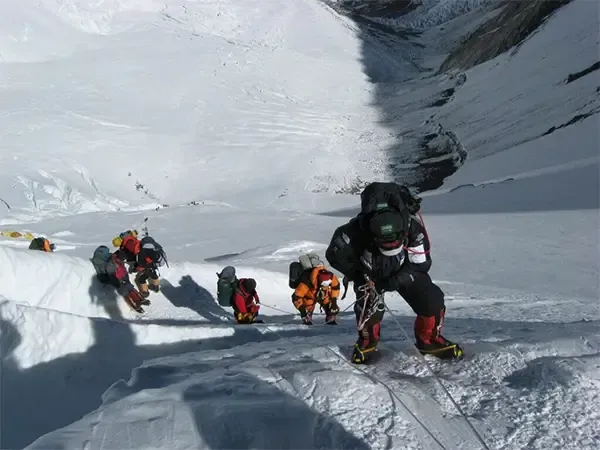
Be ready for stairs, and plenty of them. The ABC route is often called the "trail of stairs" for good reason: long stretches are made up of stone staircases winding up and down the hillsides, including the famous 3,000-plus steps near Ulleri. You'll spend more time climbing and descending than walking on flat ground, so strong legs and steady pacing matter more than raw speed.
Culturally, the trek runs through traditional Gurung and Magar villages, where you can see mountain life up close, sample local dishes, and rest in family-run teahouses. These simple lodges are where you'll sleep and eat each night, except for a basic room, a shared bathroom, and a warm dining hall serving dal bhat, noodles, soup, and endless cups of tea. There's no need to camp; the teahouse network covers the entire route.
The weather and temperature shift noticeably with altitude. Lower sections can feel warm and humid, while nights near Machhapuchhre and Annapurna Base Camp drop close to or below freezing, even in peak season, so layered clothing and a good sleeping bag are essential. As you climb above 3,000 metres, the air thins, and it's normal to walk more slowly and feel short of breath, which is exactly why a sensible pace and acclimatisation matter.
How Hard Is the ABC Trekking?
The ABC Trekking is generally considered a beginner-friendly hike. It does not require any technical climbing skills or previous mountaineering experience, and many first-time trekkers successfully complete the route every year. However, you should be prepared to walk for 5 to 7 hours per day over several consecutive days, often on steep uphill and downhill sections.
A few weeks of cardio training, hiking, or hill walking before the trek can significantly improve your experience and make the journey more comfortable. Proper trekking boots, warm clothing layers, and reliable rain gear are also essential for a safe and enjoyable trek.
One important thing to keep in mind is that the Annapurna trek is often referred to as the "trail of stairs." Large sections of the route consist of stone staircases passing through terraced hillsides and mountain villages. In fact, you will spend more time climbing and descending stairs than walking on flat trails, so preparing your legs and endurance beforehand is highly recommended.
Ready to walk the trail of stairs to Annapurna Base Camp? Tell us your dates and fitness level, and our team will build a custom ABC itinerary with the right route, pace, permits, and a licensed guide all sorted. No obligation, just a clear plan and an honest quote. Get My Free ABC Trek Quote →