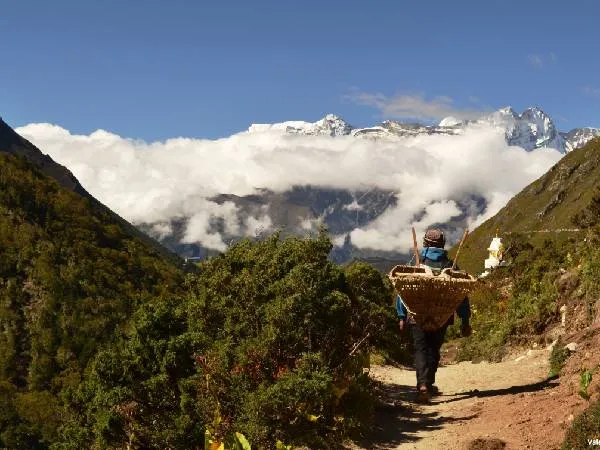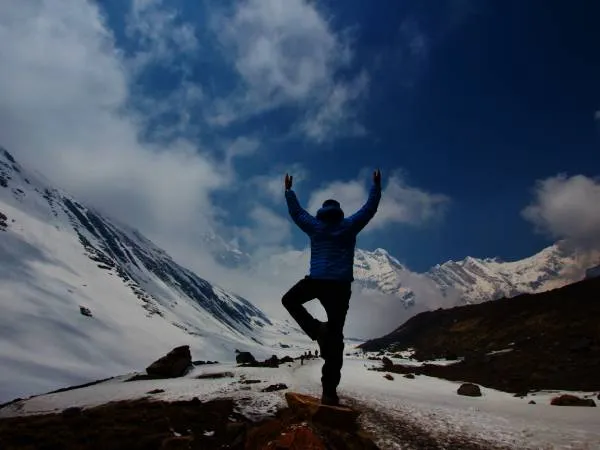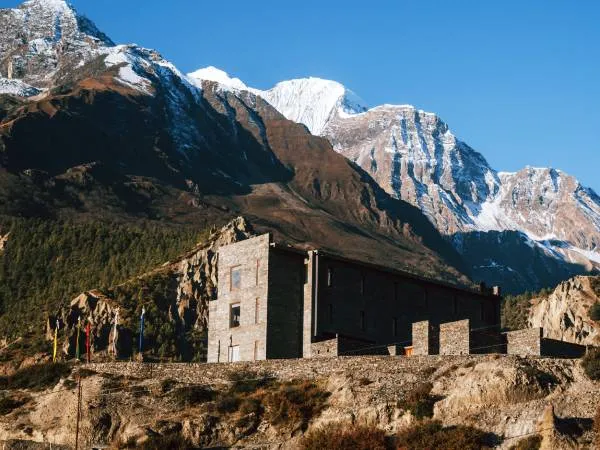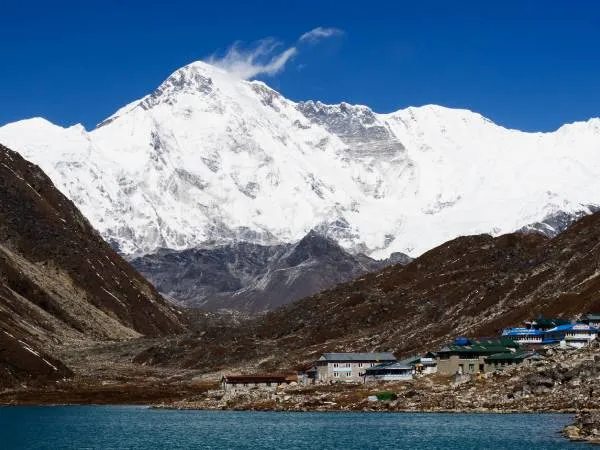

The best season for the Everest Base Camp Trek isn't simply spring or autumn it depends on what you're looking for. Do you want crystal-clear mountain views, fewer crowds, blooming rhododendrons, or a quieter trail covered in snow? Each season offers a completely different experience.
I'm Dhirendra Mukhiya, a Nepal-based traveller who has reached Everest Base Camp more than 100 times. In this guide, I'll break down every season spring, summer/monsoon, autumn, and winter covering weather, temperatures, trail conditions, crowds, tea houses, costs, and what you can realistically expect, so you can choose the perfect time for your trek.
Spring (March to May) Peak Seasons for Everest base camp trekking
Spring (March to May) is widely considered the best and most popular season for the Everest Base Camp Trek. Every year, tens of thousands of trekkers from countries such as Japan, the United States, China, the United Kingdom, Germany, Australia, and many others visit the Khumbu region during this season because of its stable weather, comfortable temperatures, and spectacular mountain scenery.
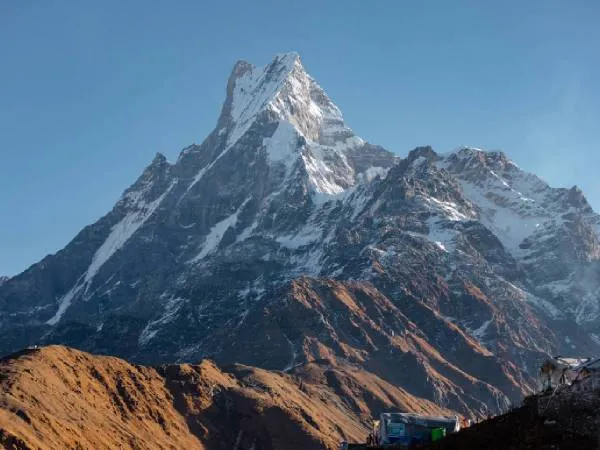
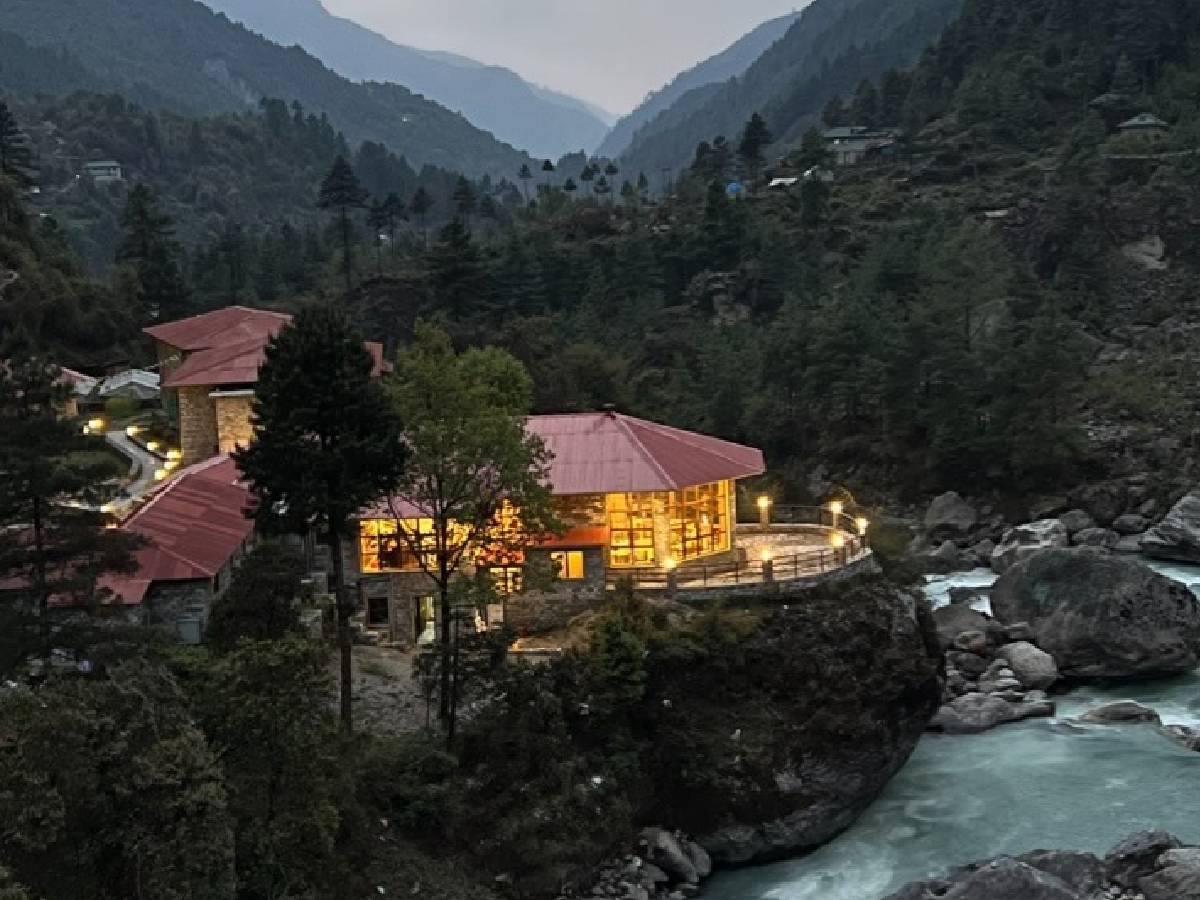
One of the biggest highlights of trekking in spring is the vibrant landscape. The forests of Sagarmatha National Park come alive with blooming rhododendrons, magnolias, and other wildflowers, creating colorful trails at lower elevations. Higher up, the snow-covered Himalayan peaks remain fresh from the winter snowfall, offering breathtaking views of Mount Everest, Lhotse, Nuptse, Ama Dablam, and other surrounding mountains.
Spring also brings moderate daytime temperatures, longer daylight hours, and generally stable weather, making trekking more comfortable than in winter. The trails are usually dry and in excellent condition, while almost all tea houses and lodges are fully open and operating. Although spring is one of the busiest trekking seasons, the lively atmosphere on the trail and in the villages adds to the overall experience.
What Is the Weather and Temperature in Spring at Everest Base Camp?
Spring (March to May) is considered the most comfortable season for trekking to Everest Base Camp. After the cold winter months, the temperatures begin to rise, making the trekking days pleasant while still offering crystal-clear views of the Himalayan peaks.
In March, the mornings and evenings are still cold, especially above Dingboche, while the daytime temperatures are comfortable for trekking. As April arrives, the weather becomes warmer and more stable, making it one of the most popular months to visit Everest Base Camp. By May, daytime temperatures continue to increase, although occasional afternoon clouds may develop towards the end of the month as the pre-monsoon season approaches.
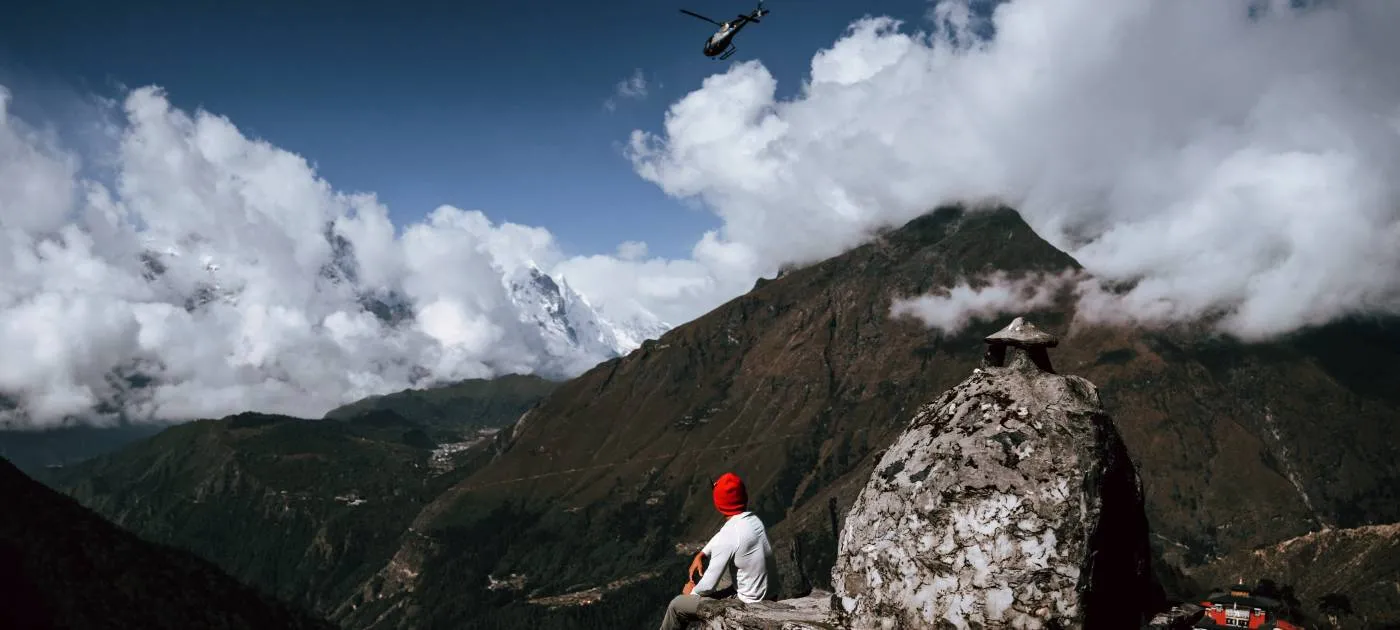
From my own experience trekking to Everest Base Camp in spring, the mornings usually begin with clear blue skies, allowing spectacular sunrise views over peaks such as Mount Everest, Ama Dablam, Lhotse, Nuptse, and Thamserku. The afternoons may become slightly windy at higher elevations, but overall, spring offers some of the most reliable weather of the entire year.
Average Temperature During Spring
| Location | March | April | May |
|---|---|---|---|
| Lukla | 5°C to 18°C | 7°C to 20°C | 9°C to 22°C |
| Namche Bazaar | 0°C to 15°C | 3°C to 17°C | 5°C to 18°C |
| Dingboche | -6°C to 10°C | -3°C to 12°C | -1°C to 14°C |
| Lobuche | -8°C to 8°C | -5°C to 10°C | -3°C to 11°C |
| Gorakshep | -10°C to 7°C | -7°C to 9°C | -5°C to 10°C |
| Everest Base Camp | -12°C to 5°C | -8°C to 7°C | -6°C to 8°C |
What Are the Trail Conditions During Spring?
The Everest Base Camp trail is generally in excellent condition throughout spring. Since winter has ended, most of the heavy snow on the lower sections has melted, leaving dry, stable, and easy-to-follow trails.
During March, you may still encounter patches of snow around Lobuche, Gorakshep, and Kala Patthar, especially after recent snowfall. By April, most trekking routes are dry, making it one of the easiest months to walk comfortably. May continues to offer good trail conditions, although occasional pre-monsoon showers can create muddy sections at lower elevations.
Having completed this trek many times during spring, I have found the trail to be at its best during April. River crossings remain safe, suspension bridges are clear, and the paths through the forests and alpine meadows are vibrant with new vegetation. Unless there has been an unexpected snowfall, technical equipment such as crampons is generally not required for the standard Everest Base Camp route.
Are Tea Houses Open During Spring?
Yes. Spring is the busiest trekking season in the Everest region, meaning almost every tea house, lodge, and restaurant along the Everest Base Camp trail is open and fully operational.
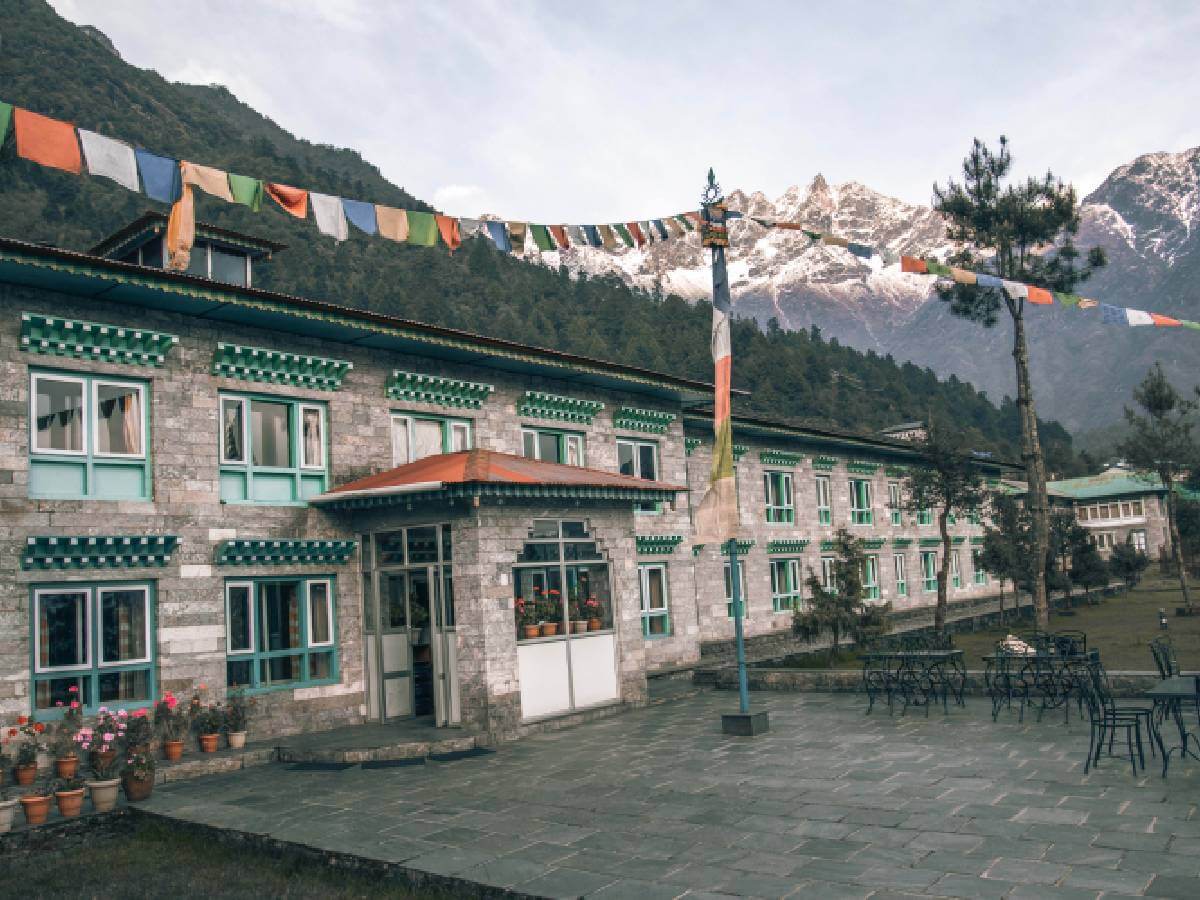
Because thousands of trekkers visit during this season, accommodation options are plentiful. However, popular villages such as Namche Bazaar, Tengboche, Dingboche, Lobuche, and Gorakshep can become fully booked during April and early May.
Based on my experience, I always recommend booking your trek with a guide or agency during the peak spring season, especially if you are travelling in April. It helps secure accommodation and reduces the stress of searching for available rooms after a long day of trekking.
Why Is Spring the Best Season for the Everest Base Camp Trek?
Spring is considered the best season because it offers the ideal balance of comfortable weather, excellent visibility, colorful landscapes, and reliable trekking conditions.
Unlike winter, temperatures are much more pleasant, allowing you to enjoy the trek without extreme cold. Unlike the monsoon season, rainfall is minimal, meaning mountain views remain clear for most mornings.
Another major highlight is the blooming rhododendron forests around Phakding, Monjo, Namche Bazaar, and Tengboche. The combination of colorful forests and snow-covered Himalayan peaks creates one of the most beautiful trekking experiences in Nepal.
Spring is also the main climbing season for Mount Everest. During April and May, Everest Base Camp transforms into a vibrant expedition camp filled with climbers from around the world preparing for their summit attempts. Witnessing this unique atmosphere is something only spring trekkers get to experience.
How Crowded Is the Everest Base Camp Trail in Spring?
Spring is one of the busiest times of the year on the Everest Base Camp trail.
You will regularly meet trekkers from around the world, particularly in villages such as Namche Bazaar, Tengboche, Dingboche, and Lobuche. Tea houses, cafés, and viewpoints are lively, creating an energetic atmosphere throughout the journey.
Although the trail can become busy, especially in April, I have found that starting early each morning allows you to enjoy quieter trails while also reaching your destination before the afternoon crowds.
If you prefer complete solitude, spring may not be your ideal season. However, if you enjoy meeting fellow trekkers and experiencing the vibrant trekking culture of the Khumbu region, spring offers an unforgettable atmosphere.
What Can You See During Spring? (Rhododendron Blooms, Clear Mountain Views, Wildlife)
Spring transforms the Everest region into one of the most beautiful landscapes in Nepal.
Lower elevations become covered with blooming rhododendrons, magnolias, and colorful alpine flowers. The forests surrounding Namche Bazaar and Tengboche are particularly stunning during April.
The weather also provides outstanding visibility, allowing panoramic views of Mount Everest, Lhotse, Nuptse, Ama Dablam, Thamserku, Kangtega, and many other Himalayan peaks.
Wildlife is also more active during spring. If you are lucky, you may spot Himalayan tahr grazing on the hillsides, musk deer in the forests, colorful Himalayan monals (Nepal's national bird), blood pheasants, and even the elusive red panda in the lower forested areas of Sagarmatha National Park, although sightings are rare.
What Should You Pack for the Everest Base Camp Trek in Spring?
Although spring offers pleasant daytime temperatures, the nights remain below freezing above 4,000 meters. Packing the right clothing is still essential.
You should bring:
- Moisture-wicking base layers
- Warm fleece jacket
- Down jacket for evenings
- Waterproof and windproof outer jacket
- Trekking pants
- Thermal leggings
- Warm gloves
- Wool hat
- Buff or neck gaiter
- UV-protection sunglasses
- Sunscreen (SPF 50+)
- Comfortable trekking boots
- Lightweight camp shoes
- Reusable water bottles
- Headlamp
- Trekking poles
- Personal first-aid kit
- Power bank
- Sleeping bag rated to at least -10°C to -15°C
Even during spring, temperatures around Gorakshep and Everest Base Camp can fall well below freezing after sunset.
What Are the Advantages and Disadvantages of Trekking in Spring?
Advantages
- Stable and predictable weather.
- Comfortable daytime temperatures.
- Excellent mountain visibility.
- Blooming rhododendron forests and colorful landscapes.
- Dry and well-maintained trekking trails.
- Almost all tea houses and lodges are open.
- Opportunity to witness Everest climbing expeditions at Base Camp.
- Longer daylight hours for trekking.
Disadvantages
- One of the busiest trekking seasons.
- Tea houses can become fully booked during April.
- Lukla flights may experience delays due to increased air traffic.
- Accommodation prices can be slightly higher during peak periods.
- Afternoon clouds become more common towards late May.
Autumn (September to November): Best Season for Everest Base Camp Trekking
After spring, autumn (September to November) is another one of the best seasons for the Everest Base Camp Trekking. This season arrives right after the monsoon, transforming the entire Khumbu region into a fresh, clean, and vibrant landscape. The rain during the monsoon clears away dust and pollution, making the mountains appear sharper and the skies much clearer.
During autumn, the rivers and waterfalls along the trail are fuller compared to spring because of the recent monsoon rainfall. The hills, forests, and valleys look greener and more alive, creating a beautiful contrast between the lush landscapes and the snow-covered Himalayan peaks.
Walking through Sagarmatha National Park during autumn feels peaceful and refreshing. The forests are full of life, and you can hear the chirping of birds while trekking through the beautiful trails surrounded by nature. The calm environment, fresh air, and stunning mountain views make every step of the journey memorable.
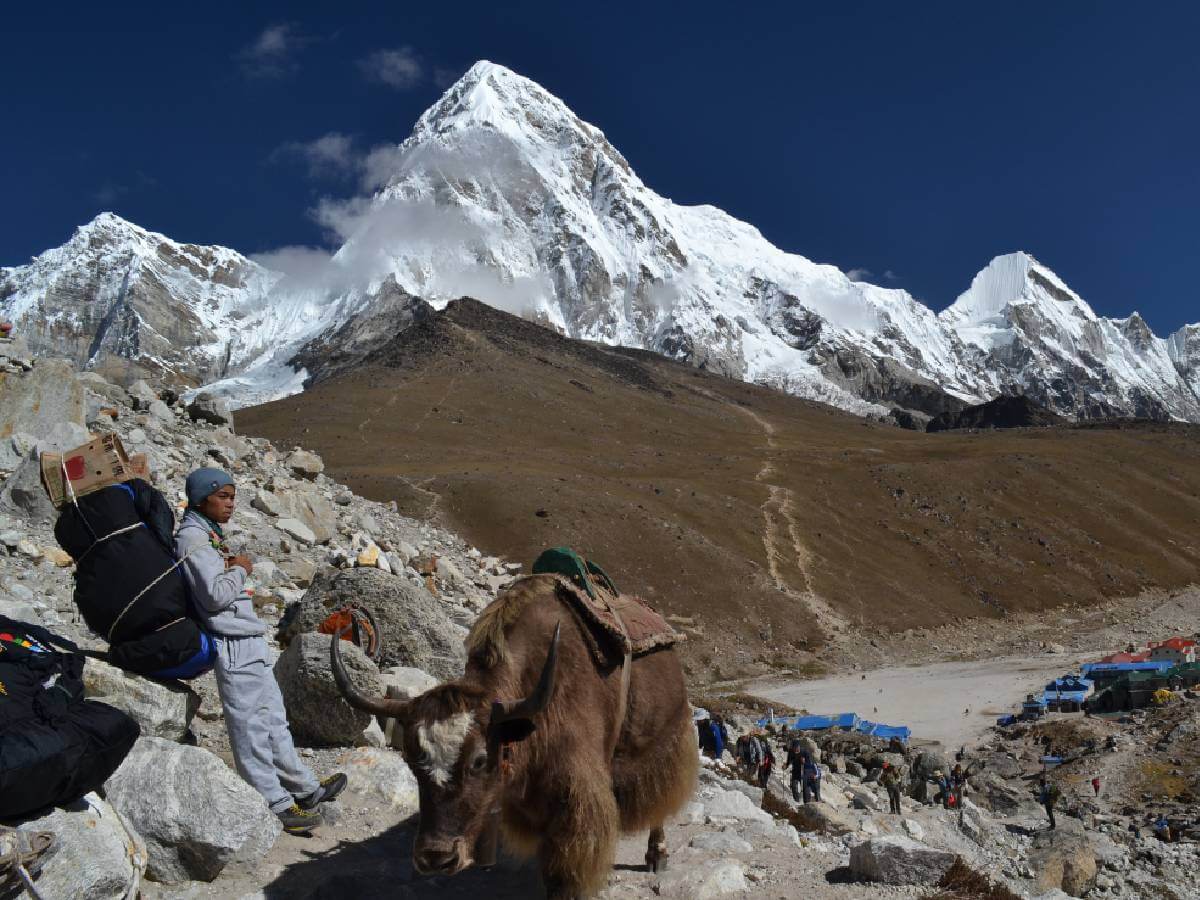
One of the biggest highlights of trekking to Everest Base Camp in autumn is the exceptional mountain visibility. After the monsoon washes away the dust from the atmosphere, the skies become crystal clear, offering some of the best views of Mount Everest, Ama Dablam, Lhotse, Nuptse, Thamserku, and other Himalayan peaks. From the beginning of your journey, even during the scenic flight to Lukla, you have a great chance of witnessing breathtaking mountain views if the weather remains favorable.
Having trekked through the Everest region multiple times during autumn, I personally find this season special because every turn of the trail offers a perfect combination of clear Himalayan views, peaceful villages, comfortable weather, and authentic Sherpa culture. The experience feels different from spring because autumn brings a unique atmosphere where nature, festivals, and local traditions come together.
Autumn is not only about mountains and landscapes; it is also one of the most culturally vibrant times in Nepal. During this season, Nepal celebrates its biggest festivals, Dashain and Tihar. Many Nepalese people living abroad return home to celebrate with their families, making villages livelier and more filled with traditional celebrations.
If you choose to stay in local tea houses or homestays during your journey, you may get the opportunity to experience Nepalese traditions closely. During Dashain, you may witness locals receiving tika and blessings from elders, while during Tihar, villages and houses are decorated with beautiful lights, creating a warm and festive atmosphere.
Experiencing the hike during autumn allows you to combine breathtaking mountain scenery, stable trekking conditions, fresh landscapes, Sherpa hospitality, and Nepalese culture into one unforgettable Himalayan adventure. It is truly a once-in-a-lifetime experience for trekkers who want more than just reaching Everest Base Camp they want to experience Nepal itself.
What Is the Weather and Temperature at Everest Base Camp in Autumn?
Autumn (September to November) brings some of the most stable weather conditions in the Himalayas. After the monsoon ends, the clouds disappear, the skies become clearer, and the temperature starts becoming cooler, creating perfect conditions for trekking.
September can still have some remaining effects of the monsoon, especially in the lower areas, but as October arrives, the weather becomes much more stable. October is considered the best month of autumn because of the clear skies, comfortable temperatures, and excellent mountain visibility. By November, the days remain pleasant, but mornings and nights become colder, especially above 4,000 meters.
During the daytime, walking feels comfortable because the temperature is neither too hot nor too cold. However, after reaching higher areas like Dingboche, Lobuche, and Gorakshep, the temperature drops significantly after sunset. From my experience trekking in this season, the best part of autumn is waking up early in the morning and seeing the mountains glowing under the sunrise with almost no clouds blocking the views.
The approximate temperatures during autumn are:
| Location | September | October | November |
|---|---|---|---|
| Lukla | 8°C to 20°C | 5°C to 18°C | 2°C to 15°C |
| Namche Bazaar | 3°C to 17°C | 0°C to 15°C | -3°C to 12°C |
| Dingboche | -5°C to 12°C | -8°C to 10°C | -10°C to 8°C |
| Lobuche | -7°C to 10°C | -10°C to 8°C | -12°C to 5°C |
| Gorakshep | -10°C to 8°C | -12°C to 6°C | -15°C to 3°C |
| Everest Base Camp | -12°C to 6°C | -15°C to 5°C | -18°C to 0°C |
What Are the Trail Conditions During Autumn?
The trail conditions of Everest base camp during autumn are among the best of the entire year. Since the monsoon has just ended, the forests and landscapes look fresh, and the trails become dry as the season progresses.
At the beginning of September, you may still find some muddy sections and slippery paths in the lower areas due to leftover rainfall. However, by October and November, the trails become much more comfortable for walking. The paths are dry, the visibility is excellent, and the chances of heavy rainfall are very low.
One thing I personally love about autumn trekking is that the trail feels alive. You meet trekkers from different parts of the world, locals are welcoming, and every village along the route has a beautiful atmosphere. The combination of good weather and beautiful surroundings makes walking much more enjoyable.
Are Tea Houses Open During Autumn?
Yes, almost all tea houses, lodges, restaurants, and small shops along the route are open during autumn. Since this is one of the peak trekking seasons, local people prepare their businesses to welcome thousands of visitors.
You will find good availability of food and accommodation throughout the journey. However, during the busiest months like October, popular villages such as Namche Bazaar, Dingboche, and Gorakshep can become crowded, and the best rooms may be taken early.
If you are trekking independently during peak autumn, arriving earlier at your destination is always a good idea. If you are travelling with a guide or trekking company, they can usually manage accommodation in advance and make the journey smoother.
Why Is Autumn the Best Season for the Trek?
Autumn is considered one of the best seasons because it offers the perfect combination of clear mountain views, comfortable weather, good trail conditions, and cultural experiences.
The biggest attraction of autumn is the visibility. After the monsoon rainfall clears the atmosphere, the Himalayan peaks look incredibly sharp and close. On clear days, you can see mountains stretching across the horizon, creating some of the most beautiful views of the entire year.
Another special thing about autumn is the cultural experience. Since Dashain and Tihar often fall during this season, villages become more vibrant. You can experience Nepalese traditions, local celebrations, and the warm hospitality of the Sherpa people.
For me, autumn feels different from other seasons because it is not only about reaching the destination. The entire journey through the villages, forests, and mountains feels peaceful and connected with nature.
How Crowded Is the Trail During Autumn?
Autumn is one of the busiest seasons, especially from late September to November. Thousands of trekkers from different countries come during this period because of the excellent weather conditions.
The popular sections like Namche Bazaar, Tengboche, Dingboche, and Gorakshep can feel busy, especially during October. Tea houses become lively, dining halls are filled with trekkers sharing stories, and you get the opportunity to meet people from different cultures.
If you prefer a quiet and completely peaceful trail, autumn may feel crowded compared to winter. But for many trekkers, this is part of the experience. The energy, friendships, and international atmosphere make the journey more memorable.
What Can You See During Autumn? (Crystal-Clear Mountain Views, Festivals & Landscapes)
Autumn offers some of the most breathtaking scenery in the Himalayas. The landscapes look fresh after the monsoon, the forests are greener, and the mountains appear much clearer due to the clean atmosphere.
The biggest highlight is the panoramic view of Himalayan peaks like Mount Everest, Ama Dablam, Lhotse, Nuptse, Thamserku, and many others. Sunrise and sunset views during this season are especially beautiful because the mountains are often visible without clouds.
Apart from nature, autumn also offers a unique cultural experience. During Dashain, you may see families gathering together, receiving tika and blessings, while during Tihar, villages glow with lights and decorations.
Wildlife also becomes active in the lower forests. With some luck, you may spot Himalayan birds, musk deer, Himalayan tahr, and other wildlife found inside Sagarmatha National Park.
What Should You Pack for the Trek in Autumn?
Although autumn has comfortable weather, you should remember that this is still a high-altitude journey. The temperature drops quickly after sunset, especially above Namche Bazaar.
You should carry warm layers that you can add or remove depending on the weather. A good base layer, fleece jacket, down jacket, waterproof jacket, trekking pants, gloves, warm hat, sunglasses, sunscreen, and comfortable trekking boots are essential.
For higher areas like Lobuche and Gorakshep, a warm sleeping bag is highly recommended because nights can become freezing even during autumn.
From my experience, many trekkers underestimate the cold because daytime walking feels comfortable. The important thing is to prepare for cold mornings and nights rather than only focusing on daytime temperatures.
What Are the Advantages and Disadvantages of Trekking in Autumn?
The biggest advantage of autumn is the weather. You get clear skies, excellent mountain views, comfortable temperatures, and reliable trekking conditions. The landscapes look fresh, tea houses are open, and the overall experience is very enjoyable.
Another major advantage is the cultural atmosphere. Trekking during Dashain and Tihar allows you to experience Nepal beyond mountains and see the traditions, celebrations, and hospitality of local communities.
However, autumn also has some disadvantages. Since it is a peak season, the trails can become crowded, especially in October. Accommodation can be limited in popular villages, and flights to Lukla may experience delays due to the high number of travelers.
Winter (December to February): A Quiet Season for Everest Base Camp Trekking
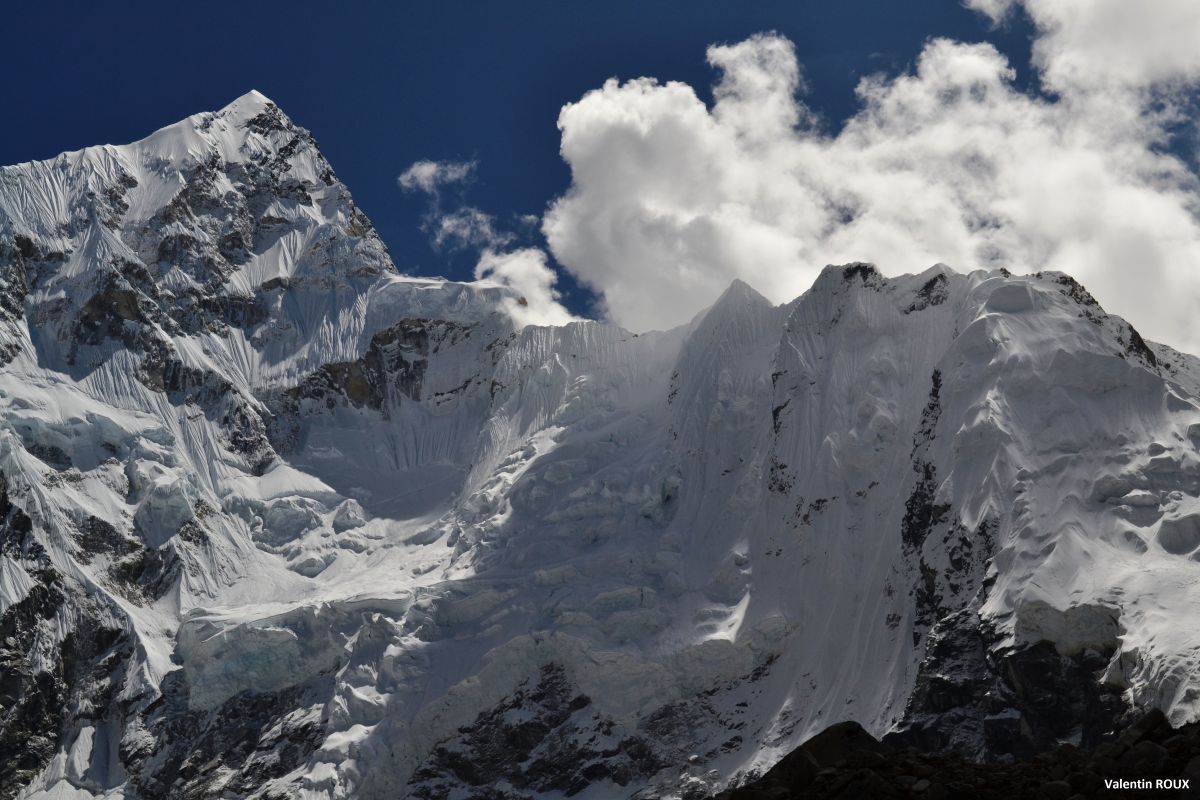
During winter, the skies are usually very clear, offering some of the best mountain visibility of the year. The cold temperatures reduce moisture in the atmosphere, allowing breathtaking views of Mount Everest, Ama Dablam, Lhotse, Nuptse, and surrounding peaks. Walking through the peaceful trails of Sagarmatha National Park, you can enjoy the silence of nature, frozen rivers, snow-covered forests, and beautiful Himalayan landscapes without the crowds that are common during peak seasons.
However, winter trekking requires proper preparation because temperatures drop significantly, especially after reaching higher elevations. Early mornings and nights at places like Dingboche, Lobuche, Gorakshep, and Everest Base Camp can become extremely cold, with temperatures falling below freezing. Snowfall can sometimes affect the higher sections of the trail, but with proper planning, warm clothing, and a good guide, the trek is still achievable.
From my experience, winter has a unique charm that other seasons cannot offer. The trails feel more peaceful, the villages are quieter, and you get more time to connect with the local Sherpa people. Sitting inside a warm tea house after a long day of trekking while watching snow-covered mountains outside creates a Himalayan experience that feels truly special.
Winter is not the easiest season for everyone, but for trekkers who are prepared for the cold and want solitude, crystal-clear mountain views, and a more authentic experience, it can be one of the most rewarding times to explore the Everest region.
What Is the Weather and Temperature at Everest Base Camp in Winter?
Winter (December to February) brings the coldest conditions in the Everest region, but it also offers some of the clearest skies and most peaceful trekking experiences of the year. During this season, the weather is usually dry, stable, and calm, with very little rainfall. The biggest challenge is the cold, especially when you move above Namche Bazaar toward higher elevations.
December is the beginning of winter, and the temperatures are still manageable, but January is usually the coldest month. During January and February, mornings and nights at higher elevations can become extremely cold, with temperatures dropping far below freezing.
During the daytime, walking under the sun can still feel comfortable because of the strong Himalayan sunlight, but once the sun disappears, the temperature drops quickly. Places like Dingboche, Lobuche, Gorakshep, and the base camp area become freezing cold after sunset.
Approximate winter temperatures:
| Location | December | January | February |
|---|---|---|---|
| Lukla | 2°C to 15°C | 0°C to 13°C | 1°C to 14°C |
| Namche Bazaar | -5°C to 10°C | -8°C to 8°C | -6°C to 10°C |
| Dingboche | -15°C to 5°C | -18°C to 3°C | -16°C to 5°C |
| Lobuche | -20°C to 3°C | -22°C to 1°C | -20°C to 3°C |
| Gorakshep | -20°C to 0°C | -25°C to -3°C | -22°C to 0°C |
| Everest Base Camp | -20°C to 0°C | -25°C to -5°C | -22°C to -2°C |
From my experience, the most beautiful thing about winter mornings is waking up early, stepping outside the tea house, and seeing the mountains glowing under the first sunlight with completely clear skies.
What Are the Trail Conditions During Winter?
The trail conditions during winter can be more challenging compared to spring and autumn because of snowfall and freezing temperatures, especially in the higher sections.
The lower sections from Lukla to Namche Bazaar usually remain accessible and dry because they receive less snow. However, after crossing higher areas like Tengboche, Dingboche, Lobuche, and Gorakshep, you may encounter icy paths, frozen streams, and snow-covered sections.
The section between Lobuche, Gorakshep, and Everest Base Camp can become difficult after snowfall because the trail becomes slippery and visibility can change quickly. Proper footwear, trekking poles, and warm clothing become very important during this season.
One good thing about winter is that the trails are much quieter. You can walk at your own pace, enjoy the peaceful surroundings, and experience the mountains without the busy atmosphere of peak seasons.
Are Tea Houses Open During Winter?
Yes, many tea houses remain open during winter, especially on the main Everest route. However, compared to spring and autumn, some smaller lodges in less busy areas may close because of fewer visitors and extremely cold conditions.
Popular villages like Namche Bazaar, Tengboche, Dingboche, and Gorakshep usually have operating tea houses throughout winter. The services may be more limited compared to peak seasons, but you can still find accommodation, food, and basic facilities.
Since fewer trekkers visit during winter, it is still a good idea to plan properly and check accommodation availability before starting the trek. Travelling with a guide can make the journey easier because they have experience with winter conditions and local lodge availability.
Why Choose the Everest Base Camp Trek in Winter?
Everest base camp in Winter is the perfect season for trekkers who want solitude, peaceful trails, and incredible mountain views. While many people avoid winter because of the cold, those who choose this season are rewarded with a completely different Himalayan experience.
The biggest advantage of winter is the clear visibility. The cold and dry atmosphere creates some of the sharpest mountain views of the year. You can often see the Himalayan peaks standing clearly against deep blue skies.
Another special thing about winter is the peaceful environment. The villages are quieter, the trails are less crowded, and you get more opportunities to interact with local Sherpa people. The experience feels more authentic because you are seeing the Everest region during its calmest period.
For experienced trekkers who are prepared for cold conditions, winter can be one of the most memorable times to visit the region.
How Crowded Is the Everest Base Camp Trail in Winter?
Winter is the least crowded trekking season compared to spring and autumn. The number of trekkers decreases significantly because many travelers prefer warmer months.
The trails feel much more peaceful, and you can enjoy viewpoints, mountain landscapes, and villages without large groups around you. Places that are normally busy during peak seasons feel completely different during winter.
From my experience, winter gives you a stronger connection with nature because there is more silence on the trail. You can walk for hours surrounded only by mountains, snow, and the sound of the Himalayas.
However, the quieter environment also means fewer people around, so some trekkers who enjoy meeting many travelers may find winter less social compared to spring or autumn.
What Can You See During Winter? (Snow-Covered Landscapes & Clear Himalayan Views)
Winter transforms the Everest region into a stunning snow-covered paradise. The mountains, villages, forests, and trails take on a completely different appearance compared to other seasons.
The biggest highlight is the crystal-clear Himalayan scenery. On clear days, you can enjoy incredible views of Mount Everest, Ama Dablam, Lhotse, Nuptse, Thamserku, and many other peaks surrounded by blue skies.
Snow-covered trails, frozen rivers, icy waterfalls, and quiet mountain villages create a unique atmosphere. The famous viewpoints like Kala Patthar become even more impressive because the snowy landscape creates a dramatic Himalayan backdrop.
Wildlife is harder to spot at higher elevations because many animals move to lower areas during winter, but you may still see Himalayan birds, musk deer, and Himalayan tahr in some areas.
What Should You Pack for the Everest Base Camp Trek in Winter?
Winter trekking requires more preparation compared to other seasons because staying warm becomes one of the biggest challenges.
You need proper layering because temperatures can change quickly throughout the day. A warm base layer, fleece jacket, high-quality down jacket, waterproof outer layer, thermal pants, warm gloves, and a good winter hat are essential.
Important items include:
- Warm trekking boots with good grip
- Thick wool socks
- Thermal base layers
- Down jacket
- Waterproof and windproof jacket
- Warm gloves
- Wool hat and buff
- Sunglasses and sunscreen
- Trekking poles
- Headlamp
- Sleeping bag suitable for below-freezing temperatures
- Moisturizer and lip balm (the dry mountain air can affect your skin)
From my experience, many trekkers prepare well for daytime walking but underestimate the cold nights. A good sleeping bag and warm layers make a huge difference, especially above 4,000 meters.
What Are the Advantages and Disadvantages of Trekking in Winter?
Winter offers some unique advantages that you cannot experience during busy seasons. The biggest benefits are peaceful trails, fewer crowds, crystal-clear mountain views, and a more authentic connection with the local lifestyle.
The landscapes are also completely different, with snow-covered mountains, frozen rivers, and quiet villages creating a magical Himalayan atmosphere.
However, winter also comes with challenges. The temperatures are extremely cold at higher elevations, snowfall can make some sections difficult, and some tea houses may have limited services. Flights to Lukla can also experience delays due to changing weather conditions.
Monsoon (June to August): A Challenging Season for Everest Base Camp Trekking
Monsoon (June to August) is considered the most challenging season for trekking to Everest Base Camp, but it does not mean the journey is impossible. Unlike spring and autumn, when the skies are mostly clear and the trails are busy with trekkers, monsoon brings a quieter atmosphere, greener landscapes, and a completely different side of the Himalayas.
During this season, the lower parts of the Khumbu region become incredibly beautiful. The forests become dense and green, waterfalls become more powerful, and the entire landscape feels alive after receiving continuous rainfall. However, the biggest challenges are unpredictable weather, cloudy skies, slippery trails, and possible flight delays to Lukla.
For trekkers who are prepared and looking for a peaceful adventure away from crowds, monsoon can still offer a unique experience. From my experience, the beauty of the mountains during this season is different instead of the dry and open landscapes of autumn, you experience the fresh smell of rain, green valleys, flowing rivers, and a quieter Himalayan environment.
What Is the Weather and Temperature at Everest Base Camp During the Monsoon?
Monsoon brings warm temperatures, frequent rainfall, and changing weather conditions, especially in the lower areas of the Everest region. The monsoon officially arrives in Nepal around June and continues until August, with July usually receiving the highest amount of rainfall.
The lower sections of the trail, especially from Lukla to Namche Bazaar, receive more rain because they are influenced by the monsoon clouds coming from the south. As you gain altitude, the rainfall gradually decreases, but cloudy weather can still affect mountain visibility.
During the daytime, temperatures are generally comfortable for walking, but rain and humidity can make the journey feel different compared to other seasons. Higher areas remain colder, especially during mornings and evenings.
Approximate monsoon temperatures:
| Location | June | July | August |
|---|---|---|---|
| Lukla | 12°C to 22°C | 14°C to 24°C | 13°C to 23°C |
| Namche Bazaar | 8°C to 18°C | 10°C to 20°C | 9°C to 19°C |
| Dingboche | 5°C to 15°C | 7°C to 16°C | 6°C to 15°C |
| Lobuche | 0°C to 10°C | 2°C to 12°C | 1°C to 11°C |
| Gorakshep | -2°C to 8°C | 0°C to 10°C | -1°C to 9°C |
| Everest Base Camp | -2°C to 8°C | 0°C to 10°C | -1°C to 9°C |
One thing I have noticed about monsoon trekking is that mornings often provide better weather windows. If you start early, you may still get beautiful views before clouds begin covering the mountains later in the day.
What Are the Trail Conditions During the Monsoon?
The trail conditions during monsoon are more challenging compared to spring, autumn, and winter. Frequent rainfall makes the lower trails wet, muddy, and sometimes slippery.
The sections through forests between Lukla, Phakding, and Namche Bazaar become lush and green but can also have muddy paths. The stone steps and trails may become slippery after rain, so good trekking shoes with proper grip are very important.
Another challenge during monsoon is the possibility of landslides and trail disruptions in some lower areas due to heavy rainfall. However, the higher sections above Namche Bazaar usually receive less rainfall and remain manageable with proper preparation.
The positive side is that the trail feels much more peaceful. You can walk through beautiful green landscapes, enjoy waterfalls along the route, and experience the Khumbu region without the crowds of peak seasons.
Are Tea Houses Open During the Monsoon?
Yes, most tea houses along the Everest Base Camp route remain open during monsoon. Since this season has fewer trekkers, some smaller lodges may operate with fewer services, but the main villages continue welcoming visitors.
Popular stops like Namche Bazaar, Tengboche, Dingboche, Lobuche, and Gorakshep usually have tea houses available. However, because there are fewer visitors, the atmosphere is much quieter compared to spring and autumn.
One advantage of trekking during monsoon is that you usually do not need to worry about finding accommodation. Unlike peak seasons when rooms can fill quickly, you often have more flexibility in choosing where to stay.
Why Choose the Everest Base Camp Trek During the Monsoon?
Although monsoon is considered an off-season, it has its own unique charm. The biggest reason to choose this season is the peaceful environment and the incredible greenery of the region.
The forests of Sagarmatha National Park become vibrant with fresh vegetation, waterfalls flow strongly from the mountains, and villages look cleaner and more alive after rainfall. If you enjoy nature, photography, and quieter trails, monsoon offers a different Himalayan experience.
Another advantage is that you can experience the region without large crowds. The journey feels more personal because there are fewer trekkers, and you get more opportunities to interact with local people.
For photographers and nature lovers, monsoon can be rewarding because the landscapes are completely transformed compared to dry seasons.
How Crowded Is the Everest Base Camp Trail During the Monsoon?
Monsoon is the least crowded season for trekking in the Everest region. Compared to the busy spring and autumn months, the trails are much quieter.
You will meet fewer trekkers along the route, and villages have a more peaceful atmosphere. Tea houses are less busy, viewpoints are quieter, and you can enjoy the surroundings without large groups.
From my perspective, this peaceful environment is one of the biggest advantages of monsoon trekking. The mountains feel more remote, and you get more time to connect with the local culture and natural beauty.
However, the lower number of trekkers also means the social atmosphere is different. If you enjoy meeting many travelers from around the world, spring and autumn may provide a more lively experience.
What Can You See During the Monsoon? (Lush Green Valleys, Waterfalls & Wildflowers)
Monsoon completely changes the appearance of the Everest region. Instead of dry landscapes, you see green hills, flowing waterfalls, blooming flowers, and forests full of life.
The lower sections of the trail become especially beautiful, with rhododendron forests, pine trees, and alpine vegetation looking fresh after rainfall. The sound of rivers and waterfalls creates a peaceful atmosphere while walking through the valleys.
Although mountain views are less predictable because of clouds, you can still experience breathtaking moments when the skies clear. Sometimes, after rainfall, the mountains appear suddenly between the clouds, creating unforgettable views.
Wildlife also becomes more active during this season. You may spot different Himalayan birds, butterflies, and animals around the forests of Sagarmatha National Park.
What Should You Pack for the Everest Base Camp Trek During the Monsoon?
Packing correctly is extremely important during monsoon because rain protection becomes one of the biggest priorities.
You should carry waterproof and quick-drying gear because conditions can change quickly. A good rain jacket, waterproof backpack cover, and dry bags help protect your important belongings.
- Essential items include:
- Waterproof trekking jacket
- Waterproof backpack cover
- Quick-drying trekking pants
- Moisture-wicking base layers
- Good trekking shoes with strong grip
- Extra socks
- Lightweight fleece jacket
- Warm jacket for higher elevations
- Sunglasses
- Sunscreen
- Trekking poles
- Headlamp
- Insect repellent for lower areas
- Personal medicine and first-aid kit
From my experience, keeping your clothes dry is the biggest challenge during monsoon. Carrying extra waterproof protection can make the entire journey much more comfortable.
What Are the Advantages and Disadvantages of Trekking During the Monsoon?
The biggest advantage of monsoon trekking is the peaceful experience. The trails are less crowded, accommodation is easier to find, and you get to see the Himalayas in their most green and vibrant form.
Other advantages include beautiful waterfalls, fresh landscapes, fewer trekkers, and more opportunities to experience local life without the rush of peak seasons.
However, monsoon also has some challenges. Rain can make the trails slippery, Lukla flights may face delays due to weather conditions, and mountain views are not guaranteed every day because of clouds.
Suggested Read: