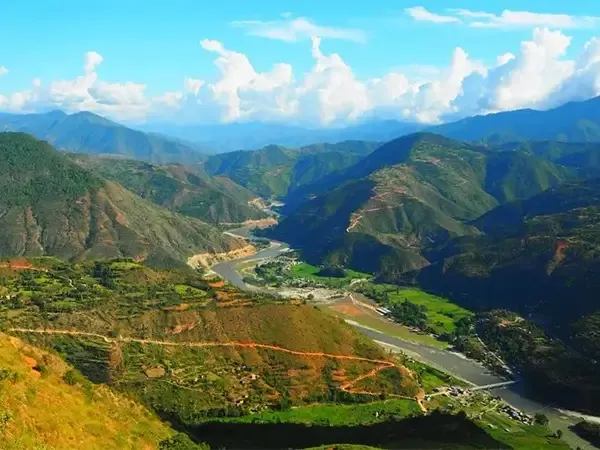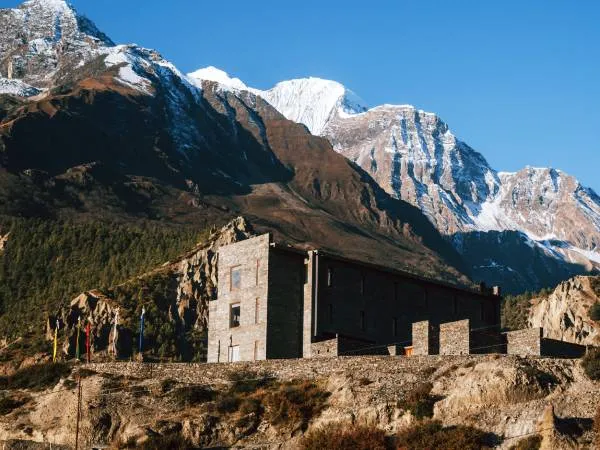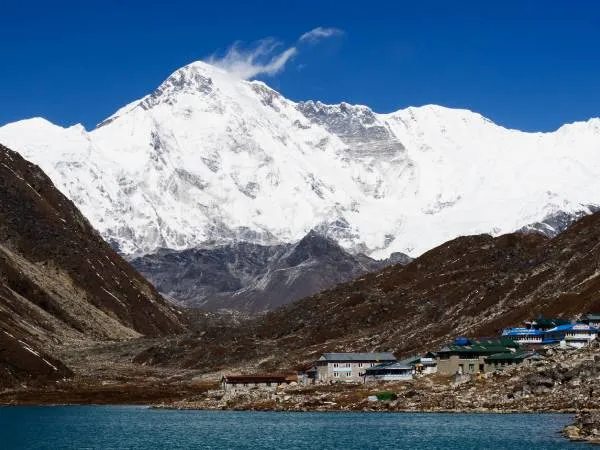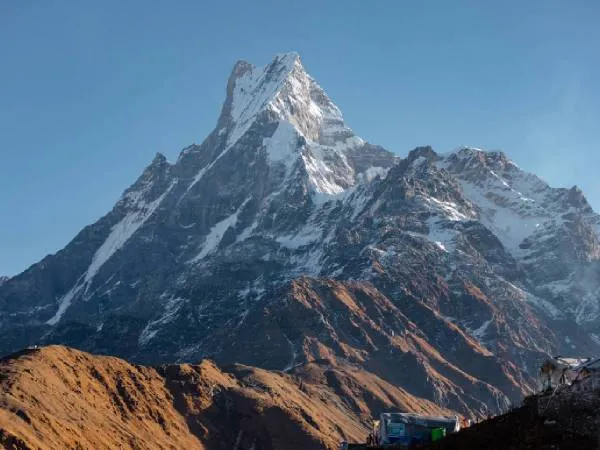

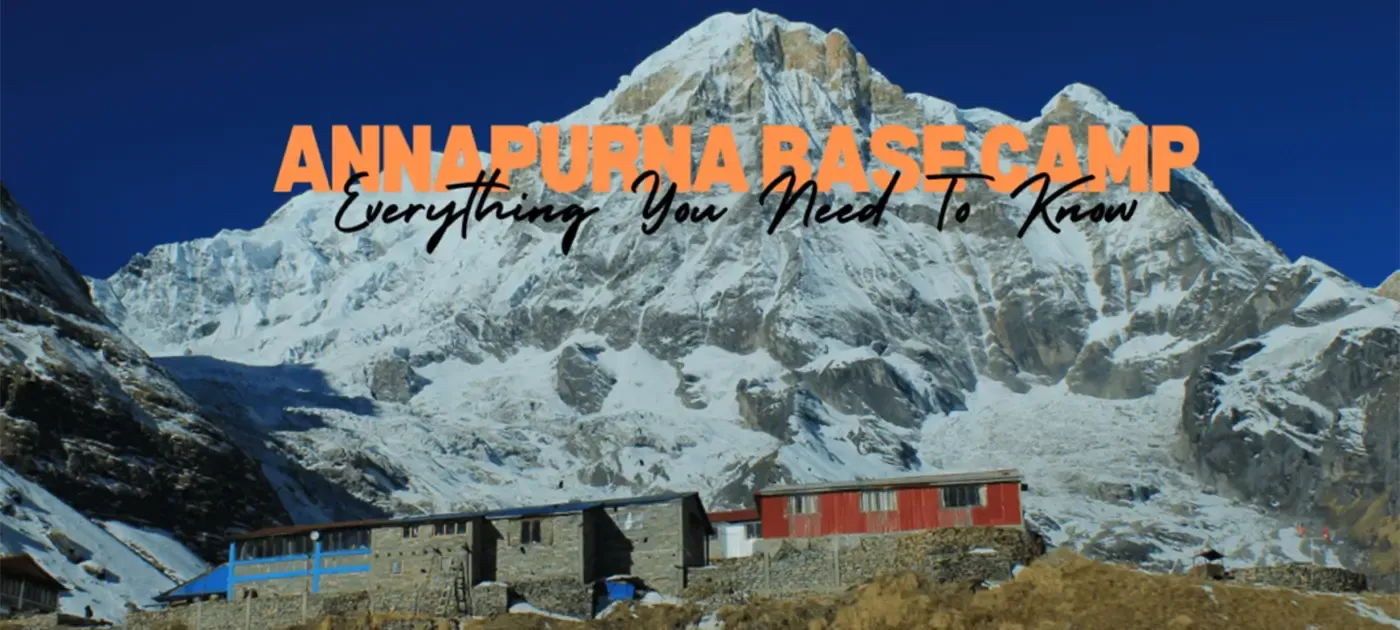
Are you planning to trek to Annapurna Base Camp but don't know where to start? You have landed at the right place! In this blog, we have covered absolutely everything you need to know about the ABC trek from the trail, culture, and cost to accommodation, wildlife, and tips for a safe and unforgettable journey.
History of Annapurna Base Camp
The Annapurna base camp is the most well-known trekking destination for trekkers worldwide. It also has a lengthy history. Let's review each aspect of this history in detail.
The Early Days and Discovery
The ABC trek was undiscovered by the trekkers till the mid-20s. The local community trekked and explored the ABC region, but modern trekkers did not know about it, and there was no concept of trekking trials until 1949. The ABC started to be commercialized in 1949 when the trial was open for foreigners, and they began to trek for ABC. It became popular among local and foreign trekkers after that.
The Historic 1950 Annapurna I Expedition
The Annapurna's history began in 1950 when the French 1950 expedition began their successful summit ascent. It was also a historic event since someone had scaled the summit over 8000 meters. Herzog's first book, Annapurna, detailed their voyage and became one of the best-selling adventure novels of all time, inspiring generations of climbers, trekkers, and trekkers. The rapid expansion inside the ABC route and its path.
Cultural and Religious Significance
The Annapurna area is also recognized for its cultural and religious significance. There are several holy sites. Many people view the Annapurna Sanctuary as sacred territory, believing it to be the home of gods. Muktinath, a holy site in the Annapurna area, is visited by Hindu and Buddhist pilgrims worldwide. Annapurna Base Camp is more than just a hiking destination; it is a trip with personal and cultural importance.
Modern-Day Annapurna Base Camp Trek
Annapurna is the most well-known hike after Mount Everest. You can choose to visit Annapurna or Everest. If the trekkers are experienced, the priority is Everest; if you want to trek to Everest but are inexperienced, Annapurna is a good place to start since it is natural and spiritual. It is also known as the world's silent killer mountain. Nowadays, the Nepalese government and TAAN regulate everything. The path is well-developed, with cottages and hotels for trekkers' needs while keeping a serene and environmentally friendly setting. The ABC trip is straightforward compared to other climbs, and it is accessible from Pokhara, making it a popular choice among hikers.
Ready to trek Annapurna? Check out our Annapurna Base Camp Trek package and book your adventure today!
Interesting facts about Annapurna Base Camp
- There are many unknown facts about Annapurna Base Camp, like:
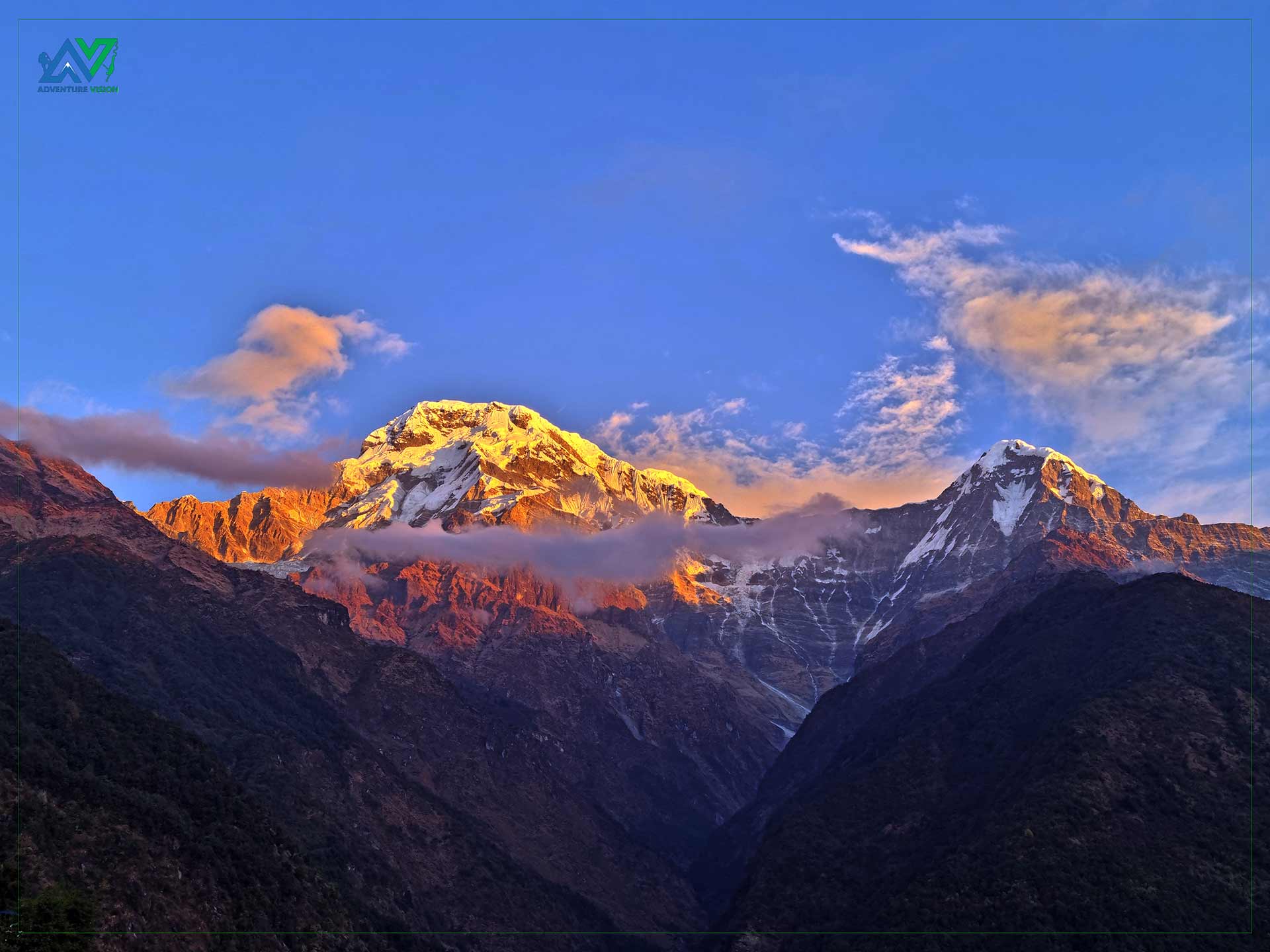
- The base camp is surrounded by towering peaks, including Annapurna I(8,091 1m), Annapurna South, Hiunchuli, and Machapuchare.
- The Annapurna Sanctuary is one of the few places on Earth where glaciers descend into a tropical climate zone.
- The region hosts over 1,226 species of flowering plants, 102 mammals, 474 birds, and 39 reptiles.
- The stretch between Deurali and Machapuchare Base Camp (MBC) is avalanche-prone, especially in winter and early spring.
- The trek runs parallel to the world’s deepest gorge between Annapurna and Dhaulagiri.
- British climber Col. James O. M. Roberts first recognized the potential of the route for trekking.
- These ethnic groups have a rich history of military service in the British and Indian Gurkha regiments.
- Buddhist and Hindu influences blend in monasteries, prayer wheels, and shrines along the route.
- Many teahouses use solar panels and plastic bans are enforced to protect the environment.
- Even in peak seasons, sudden snowstorms or heavy rains can occur.
- Natural hot springs offer a perfect spot to relax after the trek.
- Compared to EBC, ABC has lower permit costs and expenses.
- Few trekkers explore a small cave near ABC, believed to have been used by early mountaineers.
What's unique in Annapurna Base Camp compared to the other treks?
The Annapurna Base Camp Trek attracts 100,000 trekkers every year. Many things unique to the Annapurna trek distinguish the ABC trek from other treks, such as the Langtang Valley trek and the Manaslu trek.
Diverse Landscapes in a Short Duration
The ABC trek can be completed within 1 week if you want. Due to that, you can access the diverse kinds of landscapes within short periods, and in others, you will need to have proper trekking time to witness the landscapes. The trails are well-developed, so you can easily trek in this region. You will walk via lush green Rhododendron forests and pine forests, water streams, valley rivers, and majestic ranges. You can also witness the dramatic amphitheater of Annapurna Base Camp, surrounded by towering peaks.
Annapurna Sanctuary
Annapurna Sanctuary is also known as a Natural Amphitheater. It is situated at the glaciers of the heart of the Himalayas. The majestic Annapurna ranges form a structural amphitheater, offering trekkers an unparalleled 360-degree view of snow-capped mountains. It is also the largest protected sanctuary in the region. The sanctuary is called a natural amphitheater because it is a bowl-shaped valley surrounded by steep, snow-clad peaks on all sides, creating an awe-inspiring arena of nature.
Cultural Encounters with Gurung and Magar Communities
The Gurung and Magar communities, with their unique customs, traditions, and lifestyle, are another reason to trek here. You cannot find any Sherpas here, primarily in the Everest region, where they provide unique vibes for trekkers in areas other than Everest. You will witness many folk dances, songs, and festivals of the local people, which are found only in this region. They are also famous for their Thakali and regional foods, giving the perfect blend of the regional and traditional lifestyle.
Comparatively Easier Trek with Lower Risk of Altitude Sickness
The Annapurna base camp trek is the easiest compared to other treks like the Annapurna circuit and Everest base camp. Their altitudes exceed 5000 m, while the trek's highest altitude is only 4130 m. Thus, you have less of a chance of getting altitude sickness.
All-Season Trekking Possibilities
If you want, you can trek Annapurna in all the trekking seasons. Some seasons may have disadvantages, but they will still give you a perfect opportunity to hike and explore. The winter monsoon also has something unique to offer you, which cannot be seen during the autumn and spring.
Affordability Compared to Other Major Treks
Affordability Compared to other significant treks, this can also be another. The Annapurna region is less costly than other treks, as this trek takes you to a remote valley. The government watches everything here, and no one can charge you the price according to their wish, which can be another reason to trek here. The trek starts from Pokhara, a well-connected city, reducing logistical expenses. Additionally, food and lodging costs in the Annapurna region are generally lower than in the Everest region.
Pokhara to Annapurna Base Camp map
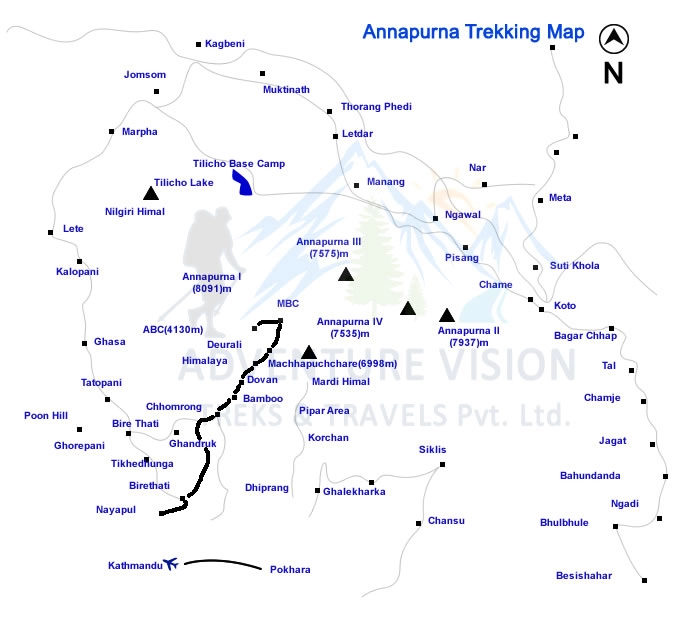
Kathmandu to Annapurna Base Camp trek distance
The trip from Kathmandu to Annapurna base camp is roughly 300 kilometers, including traveling to Pokhara and trekking to ABC. ABC cannot be reached in one day since it is located in remote parts of Nepal in the northern Himalayas, where driving is impossible. You will have to hike to get there. Let's look at ABC's distance from Kathmandu. Kathmandu to Pokhara: The distance between Kathmandu and Pokhara is 200 kilometers/124 miles, and driving along the primary route will take around 5.7 hours. Pokhara to Nayapul distance:
The trip from Pokhara to Nayapul is 42 kilometers (26 miles) and takes around ½ hours, depending on road conditions. Nayapul to ABC: The distance between Nayapul and ABC is roughly 55 kilometers through beautiful, deep green forests. You will have to make a journey to get here. You will walk for 4 to 6 hours daily to reach each location. The distance between Pokhara and Ghandruk is 55 kilometers, and depending on road conditions, it will take around 2/3 hours.
The distance from Ghandruk to ABC is around 40km and may be done in 5–8 days, depending on the speed and locations mentioned. For hikers who desire to accomplish ABC in less time, the round journey will be around 80 kilometers. The distance between Pokhara and Jhinu Danda is roughly 55 kilometers, and it is by off-road routes that go to the heart of the Himalayas. Jhinu Danda tells ABC that the shortest distance to the walk is from Jhinu Danda to ABC.
Starting the walk from Jhinu Danda reduces the distance and hiking time, providing hikers an edge in completing and enjoying the trek. The hike from Jhinu Danda to ABC is 40 kilometers long and takes you through traditional Gurung communities. The round journey will be around 8 kilometers, the same as Ghandruk.
Taxi services from Pokhara to Annapurna Base Camp
You may take a cab directly from Pokhara to Annapurna base camp or take a taxi from Pokhara to the ABC starting places, such as Ghandruk and Jhinu Danda. The distance is approximately 55km, with a travel time of ½ hour. If you want to travel comfortably, hire a cab to Nayapul. Prices will range from 2,000 to 5000 Nprs. If you want a luxurious trip, we recommend hiring a vehicle or SUV rather than a cab, which is more costly.
Pokhara to Annapurna Base Camp by car
It's not possible to reach Pokhara from ABC by car. However, you can drive to Nayapul or Jhinu Danda by car, keep your vehicle in parking, and start your trek. There are facilities to keep your vehicle in parking as they will take some money daily and keep your car safe until you return.

Is Annapurna Base Camp harder than Everest Base Camp?
Annapurna Base Camp is easier and takes less duration in comparison to the Everest Base Camp trek. We trek to the highest altitude of 5430 m in the Everest Base Camp trek. In contrast, the Annapurna Base Camp trek takes you to the highest altitude of 4130 m. The trek offers incredible views of the Himalayan ranges, lush green hills, valleys, rivers, and ancient traditional culture and values. However, when it comes to difficulty, no wonder Everest is the hardest. Let's discuss what are the factors that make a difference between them:
Trekking Distance and Duration
The Annapurna Base Camp trek has a total trekking distance of up to a maximum of 110 km if started from Nayapul, and it can be shorter if started from other trekking points. The round trip is 110 km, which means the trekking times will be a maximum of 1 week to 2 weeks. EBC trek distance is a maximum of 140 km, with only one starting point: Lukla. The trek can take 10 to 16 days, depending on your pace and acclimatization. On the ABC trek, you must walk daily for 4/6 hours; however, EBC can take up to 6/8 hours per day walking. As you can see, distance and time are required for EBC compared to ABC.
Altitude and Acclimatization
ABC takes you to an altitude of 4130 m, due to which there is a moderate risk of high altitude sickness. You will not get high altitude sickness like the EBC trek, as the EBC takes you to an altitude of 5,364 m (17,598 ft) at the base camp. The main challenge of the EBC is that it is at a high altitude, the oxygen here is thin, and people suffer from acute mountain sickness (AMS) compared to ABC. You can't complete the trek without proper physical fitness and a balanced diet foods.
Trekking Terrain and Trail Conditions
Another thing that makes ABC less hard than Everest is its trails and paths, as you will walk via forested paths, stone staircases, terraced fields, steep ascents, stone steps, and river crossings. Moderate to cold, occasional snow, which is easy compared to Everest, as in the EBC trek, you will walk via rocky paths, glacial moraines, steep climbs, long ascents, high altitude, unpredictable weather, colder, snow, and wind at higher altitudes, which makes it difficult for first-time trekkers to complete it. ABC is technically easier than EBC.
Accessibility and Logistics
Another condition is that ABC is easier than EBC regarding accessibility and logistics. Your starting point for ABC is Pokhara, which can be a drive and fly both. You will have multiple starting route options to make your trek easy and short. However, in EBC, your only starting point is Luka, which has no road facilities, so you must take a flight to Lukla.
You can reach ABC whenever you want, but to reach EBC, you must have good weather, which plays a significant role in flight operations. Due to this, there is a notorious frequency of not being able to fly on time due to bad weather. You can choose ABC whether you have experience trekking or are a first-time trekker. Both offer excellent opportunities to witness the majestic Himalayas and explore the region.
Local culture on the Annapurna Base Camp trek
Annapurna base camp is the best trek for trekking and exploring the local culture, as you will have many cultural encounters. The ABC trek passes by diverse villages with unique traditions, lifestyles, and customs. The vibrant culture you will pass via are:
Magar and Gurung Communities
The Gurung and Magar communities mainly inhabit Magar communities, and ethnic groups residing here from the edges bear their own culture and customs. These villages have a rich cultural past, which Tibetan Buddhism and shamans heavily influence. The Gurung and Magar are called Gorkhas since they served the British Gurkha and won widespread acclaim for their valor and unblemished battle record. The people's warm hospitality best characterizes their friendly demeanor. You may also see their traditional stone dwellings constructed of stones, wood, and clay. Their traditional music, dances, and festivals demonstrate their profound ties to the environment and past. During the walk, you might watch your regular life soaked.
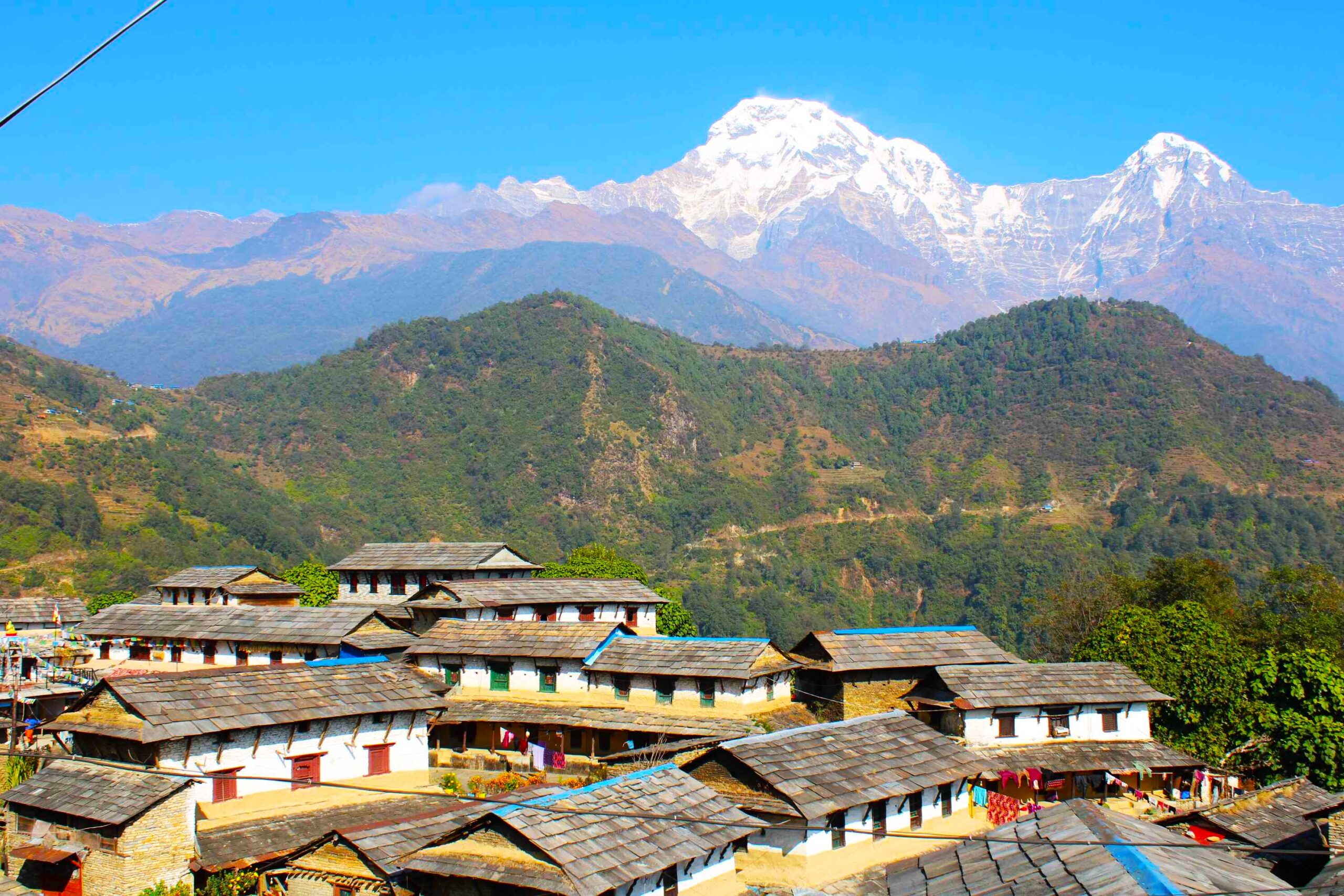
Tibetan Buddhist Influence
The area is in the northern Himalayas, close to the Tibetan border. The Tibetan culture strongly affects the area, and most of the population practices Buddhism. You'll see gorgeously decorated monasteries, prayer flags blowing in the breeze, and chortens (Buddhist shrines) marking the way. These symbols represent the locals' spiritual beliefs and give trekkers a sense of serenity and quiet as they ascend to the base camp. Monks and peasants frequently spin prayer wheels and sing mantras. If you go during a religious event, like Losar (Tibetan New Year), you can see lively festivities, traditional dances, and unique ceremonies that highlight the region's spiritual depth.
Traditional Festivals and Celebrations
The region is known for its distinctive festivals and festivities. There are several festivals to attend, including Dashain, Tihar, Loshar, and many others. Every celebration held here represents the people's roots.
Festivals celebrated in the Annapurna region
The Annapurna base camp location is not only home to the breathtaking Himalayan peaks, but it is also a hub for various cultures and customs. The area's primary natives are Gurung, although other groups, including Magars, Thakalis, and Tibetans, are also well there. Everyone has their own culture and customs, which creates an ideal balance of adventure and celebration. Many types of festivals occur here each year, such as:
Dashain
Dashain is a celebration that all Nepalese celebrate. Nepalese people from all over the world return home to celebrate this holiday. The festival lasts around ten days, and during that time, people gather at their homes to rejoice with friends and family by putting a tika on their foreheads and blessing the young; they fly kites, play swings, meet up, and enjoy. The event takes place in the fall, allowing you to observe Nepal's most important celebration and celebrate it among the natives.
Tihar (Deepawali)
Tihar (Deepawali) is another holiday observed in the region, not only in the Annapurna region but also throughout Nepal, where it is celebrated from the Terai to the Himalayas. Tihar is also known as the festival of lights since the entire Nepal is illuminated at this time and shines brighter at night. Every home turns on its lights to greet the goddess Laxmi, the goddess of riches. They do Puja of the Gold, clean the house thoroughly, and make their home appear brand new. Tihar is also held in the fall, so you can attend the festival and enjoy it with the locals, who are kind and inviting. They allow trekkers to experience their festivities and appreciate them to the utmost.
Losar (Tibetan New Year)
Losar is another major event for the inhabitants of the Anapurna area and the Tibetan and Gurung communities. Loshars are held thrice yearly, each for a distinct Nepalese community. Tamu Losar, or Gurung New Year, is commemorated in December. Sonam Losar, or Tamang New Year, is celebrated in January. It is more generally celebrated on the Langtang Valley trip than the Annapurna expedition. Gyalpo Losar (Tibetan New Year) occurs in February.
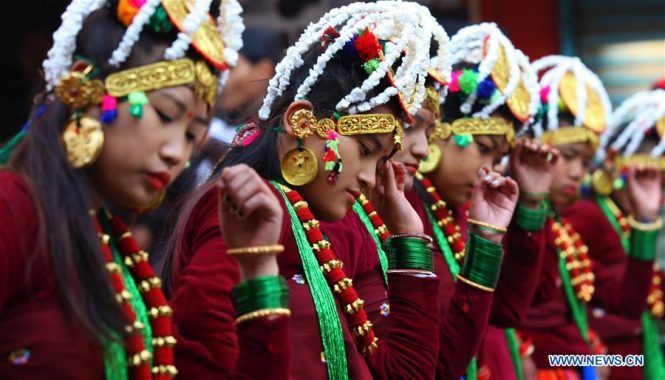
Locals celebrate this holiday with large feasts, traditional dances, and family reunions. All Gurungs dress in colorful traditional clothes, visit monasteries, and undertake rituals to bring good fortune in the next year. People conduct cultural acts that are once-in-a-lifetime experiences. Hiking during this season allows you to attend local events throughout the season. You may join in and rejoice with the locals.
Maghe Sankranti
Maghe Sankranti is another prominent regional holiday and a crucial celebration for people throughout Nepal. Maghe Sankranti marks the conclusion of the winter solstice and the start of longer, warmer days. Families gather to consume traditional dishes like sesame seeds, molasses, yam, and ghee. During this period, various localities have local shows and concerts where people dance, sing, and rejoice. It takes place in January, making it a rare opportunity to see and celebrate the ABC trip.
Buddha Jayanti
Buddha Jayanti is another significant celebration in the region. The inhabitants of the Annapurna region are Buddhists who practice Buddhism, which is why Buddha Jayanti is substantial to them. It is the birth anniversary of Lord Budha. During the festival, Buddhist community members conduct rituals in monasteries, ethnic dances, and sing. It falls in April or May, during Spring, and if you are trekking now, it will be a fantastic experience.
Teej
Teej is another significant event in the region, and women particularly celebrate it. The event honors Goddess Parvati, and women fast for their husbands and children. They wear red saris, perform traditional songs, and visit temples to pray for their husband's longevity and family wealth. Teej is honored not only in the Annapurna area but across Nepal. These are celebrated less in the Annapurna area and more widely throughout Nepal. The Annapurna Trek is a hiking paradise and a cultural hub for anyone discovering Nepal's natural splendor.
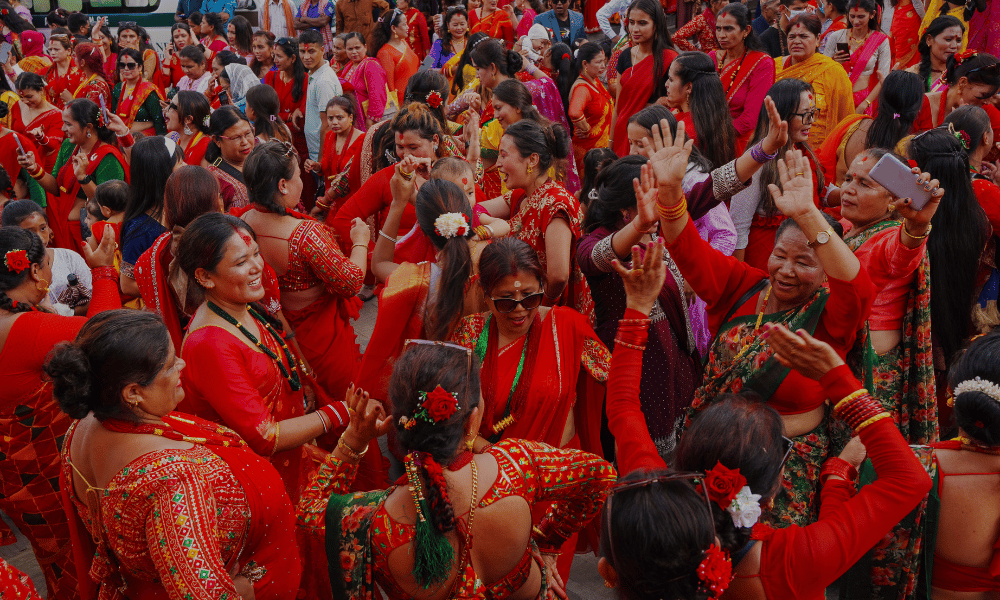
Cultural Etiquette for Annapurna Base Camp
As you will be trekking to ABC, it's very important to know about the local culture and etiquette so that you can respect local people's customs and traditions without harming their beliefs, enjoy their customs, and engage with them.
Respect Local Customs and Traditions
You will need to respect the local customs and traditions of the region. You can say Namaste by joining both palms together and bowing down a little when meeting someone. You can ask "Sanchae hunu huncha?" which means "how are you", with a sense of respect. You can request permission before clicking pictures of the locals when clicking photos of the monks or other religious sites.
Religious and Spiritual Sites
You should always respect Religious and Spiritual Sites. You must wash your hands before touching objects of religious significance. Always circle stupas and Mani walls clockwise. Remove your shoes before entering the monasteries or temples. Always dress appropriately to respect the locals and the religious sites. Don't wear revealing clothes as the culture of Nepal is conservative compared to other countries. Interaction with Locals When interacting with the locals, always talk to them politely and respectfully. Do not offer money to the begging children; instead, offer the money to the organizations and schools that help them. When giving money or anything, always give it with the right hands, as it's considered a sign of respect.
Environmental Respect
Always respect the environment, as it's what keeps us alive and gives us life. Always carry your trash with you and throw it inside the dustbin. Don't carry plastic items, as ABC believes in friendly tourism, and nothing is allowed that can harm the environment.
Be Mindful of Personal Behavior
You cannot speak inappropriate words in public as it's not respectful. Avoid hugging and kissing during the trek, as it's not considered as there will be many old children in the community. Always be polite, respectful, and caring to the people around you.
Accommodations Options During the Trek
The Annapurna Base Camp Trek is a popular hiking route among trekkers. Trekkers from all over the globe flock to trek, a well-developed trip that follows the Everest base camp route. There will be no luxury resorts or hotels on the journey, and the tea houses and lodges will not make you feel as if you have made the incorrect choice of Accommodation. There are several types of Accommodation alternatives, such as:
Tea Houses/ Lodges
Tea houses and lodges are the basic lodgings available during the walk. Local families manage the tea houses, providing tailored, authentic regional experiences. They offer basic amenities such as hot showers, meals, power, Wifi, and more. In the tea house, you will find facilities such as a simple twin sharing a basic bed, essential blankets and pillows, hot showers in some guest houses, Wifi with an extra charge, electricity to charge electronics devices with an additional charge due to the remote location, toilets and restrooms, Nepali cuisine, and essential western foods. You will also have a communal dining room space.
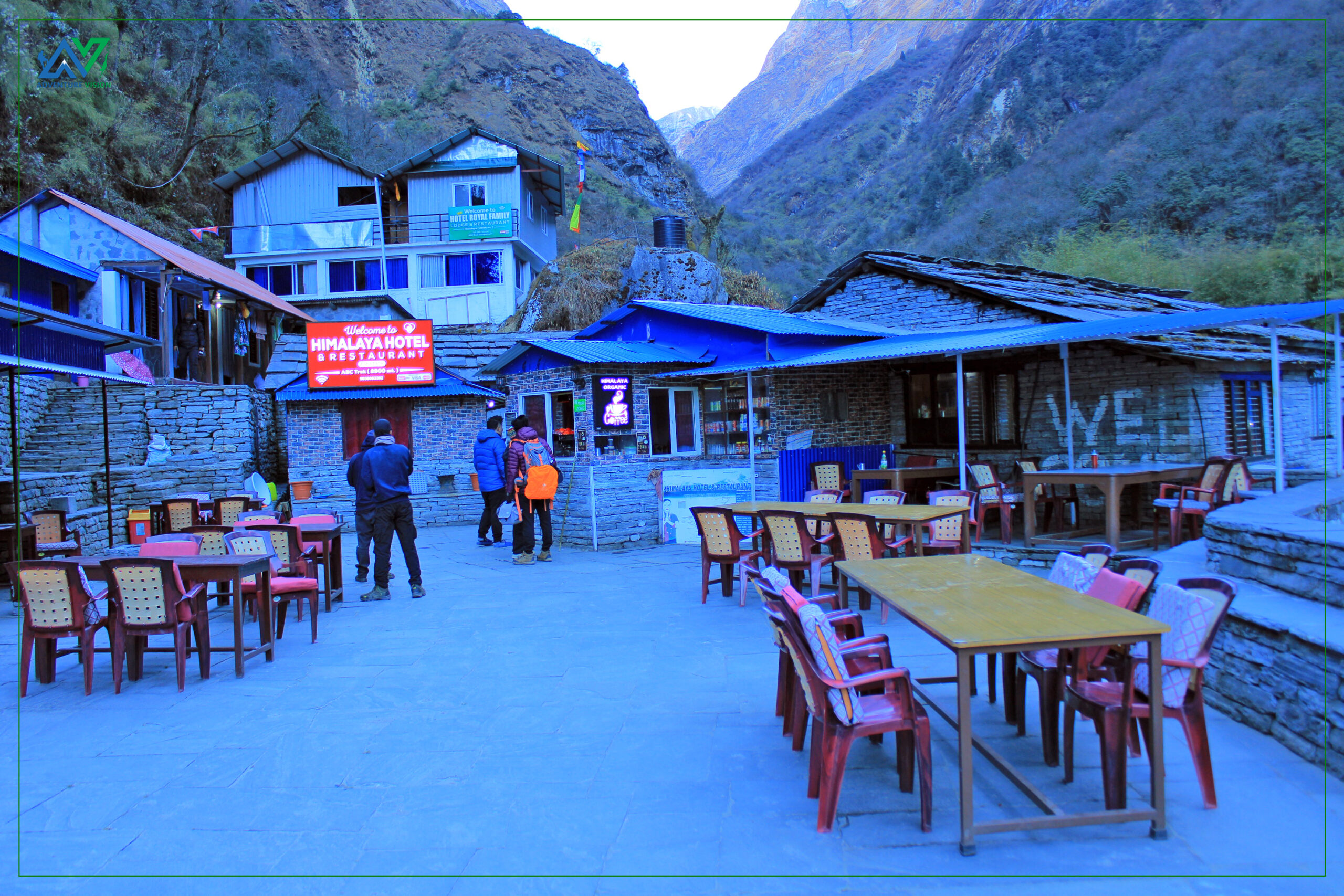
Food Options During the Trek
Food selections on the journey are quite authentic. The guest accommodations and tea houses give a variety of meal alternatives to ensure that trekkers have the energy to complete their journey without encountering any food-related issues. You'll have a selection of hygiene, nutrition, and flavor options. You will discover a variety of native and Western dishes, such as:
Dal Bhat
Dal bhat is a popular dish among hikers. Every Nepalese eats dal and bhat in the morning and evening since they are healthy and flavorful and meet all their protein and calorie needs. In lower regions, you will find Dal (lentil soup), Bhat (rice), Tarkari (vegetables), Achar (pickle), and Papad (crispy side dish), as well as vegetarian and nonvegetarian meats, eggs, and fish.
Breakfast options
Breakfast selections include pancakes, oatmeal and porridge, Tibetan bread, chappati with egg, muesli with milk, toast with butter & jam, and many more.
Lunch and Dinner Options
Lunch and supper options include noodles, pasta, rice-based dishes, dumplings, pizza, soups, and stews. The prices are listed on paper with set Mrp for visitors and residents, allowing you to enjoy genuine delicacies at a fair price. You will also discover a variety of snacks and light meals, including dried fruits, energy drinks, and energy bars.
Drinks and Beverage options
Hydration is essential for hiking. You cannot complete your walk without sufficient hydration. Hence, there are numerous types of liquids and beverage alternatives, such as:
- Tea Varieties
- Coffee varieties
- Juices and soft drinks
- Hold and cold chocolates
- Local drinks as well
However, we do not recommend drinking any alcoholic beverages at higher altitudes to avoid any health issues. As you ascend, you'll observe that food prices rise owing to transportation costs. Because the vehicles cannot reach higher elevations, the porters must carry weight; they transport the items by donkeys and helicopters. The TAAN also established the higher altitude prices, considering all costs, so you don't have to worry about anything.
ABC Trek cost for Nepali
ABC trek fees for Nepalis are often cheaper than for foreigners. Accommodation and meal expenditures are the same for both Nepalis and tourists. However, the car and permit charges will keep your budget smaller than the rest. You may take a shared car from Kathmandu to Pokhara, then continue to Nayapul or Jhinu Danda to begin your trip.
About Nepal Visa
Nepal offers a variety of visas for visitors. You will need a visa to visit Nepal, which you may acquire from the Nepal Embassy in your own country. You will need a tourist visa to explore Nepal properly. You will receive two types of visas for Nepal:
Visa on Arrival
Visa on arrival is normally for everyone intending to enter Nepal, except for select nations such as:
- Nigeria
- Ghana
- Zimbabwe
- Swaziland
- Cameroon
- Somalia
- Liberia
- Ethiopia
- Palestine
- Afghanistan
- Syria
- Refugees with travel documents
Residents can obtain a visa in other countries upon arrival at Tribhuvan International Airport. You must submit your passport and other documentation to obtain a visa. A visa typically costs about 15 Days - USD 30. 30 Days - USD 50. 90 days - 125 USD.
Private group for ABC
Trekking organizations have scheduled departures where they take trekkers every month and encourage them to socialize with one another. Random hikers are divided into groups and led on their journey. In contrast, a private ABC group includes only you, your friends, and your family. Trekking with a private group may provide several advantages, such as variable departure times.
You may tailor the route, lodgings, pace, and numerous amenities to your preferences. You will enjoy a unique trekking experience with your friends and family. We also supply a specialized guide and porter who will carry your weights and accompany you on the hike. You will also enjoy improved private security and support.
For whom are these Private group options?
Private group choices are for trekkers who want everything tailored to their specific needs regarding service accommodations. They are for families looking for a relaxing ABC journey with their loved ones. They are intended for companions who wish to adventure in ABC. They are also suitable for couples who want to spend their time hiking. They are also for cooperative groups looking to trek for team development and a better experience.
Finally, they are for photographers and filmmakers who wish to explore the Annapurna base camp alone and conduct media work. We will keep solitary trekkers in the predetermined departure group for a better experience. You will get the opportunity to meet new people and learn about them.
Budget tips for Annapurna Base Camp trek
Your lodging, food, and transportation needs determine the cost of an Annapurna base camp hike. If you're on a budget and searching for a cheap excursion, you may save money on numerous things, including:
Plan your trek in the off-season
During the monsoon and winter, the journey is considered off-season, and relatively few people walk. Trekking during the off-season allows you to negotiate various issues, including food, lodging, and transportation. There will be fewer trekkers, making lodgings more available, and you may get luxury rooms at a lower cost than during high seasons.
Travel to the Starting Point by Public Transport
The most significant advantage of using public transport to your starting location is that you will save considerable money over hiring or renting a vehicle. You can take a public bus from Kathmandu to Pokhara, Nayapul, Jhinu Danda, or any other beginning location.
Independent Trek or Hire a Guide Wisely
If you are on a tight budget, we recommend a solo trek. You may download internet maps or purchase a printed map, navigate with the aid of locals, and finish your walk swiftly. If you hire a guide and porter, you will pay 30 USD daily, adding to your budget. Not having a guide can also have downsides, so if you hire one, do it wisely and within your budget.
Stay in Budget Teahouses
You can also save money throughout the sta. The Annapurna trials feature both luxurious and low-cost tea rooms. And, while some may advise you to select a luxury tea house, you must make an informed decision here, free of any pressure from locals or anybody else. Always do your study, ask locals or trekkers about inexpensive tea places, and choose such to avoid carrying additional weight.
Eat Wisely to Save on Food Costs
Food prices are considerable on the hike. The lower regions are less expensive than the upper regions. As you climb altitude, you will note that the cost of food and other necessities rises dramatically. During the walk, eat a well-balanced meal and avoid purchasing unnecessary items like energy bars, beverages, and snacks. Seek snacks and other dining options in Pokhara or Kathmandu.
Bring Your Water Purifier
Bringing your water filter is another option to cut costs. Because of the altitude, the bottled water used in the trials is quite costly. To avoid adding to your financial burden, you may fill your water bottle with tap water and use purifiers to purify and drink it. You may get water-purifying pills or devices in Kathmandu or Pokhara.
Avoid Unnecessary Gear Rentals
Another way to save money on the walk is to avoid purchasing luxury and expensive hiking gear. Any unused equipment can still be utilized for other purposes. You may find affordable shops in Kathmandu and Pokhara where you can hire hiking equipment at a low cost. You may also look for the shops by asking locals or searching on Google. Avoid purchasing or renting equipment throughout the expedition, as you can obtain it during the hike. Don't buy extra products that aren't required for the journey.
Minimize Extra Expenses
Always attempt to reduce and prevent unnecessary spending. You may save money by not hiring a car, not using Wi-Fi during the journey, bringing your sleeping bags instead of renting additional blankets, not taking extra hot showers, not purchasing alcohol or drinking drinks during the walk, and many other things.
Things to do during the ABC
The ABC walk takes you through lush green thick woods, vast high-altitude deserts, and spectacular vistas of the Himalayan mountains. You will see, appreciate, and experience various sights throughout the trip. During the walk, you may perform a variety of activities, including:
Enjoy the Scenic Beauty of the Annapurna Region
First and foremost, you may appreciate the stunning scenery of the Annapurna base camp hike. The region is well-known for its diversified landscapes, flora and wildlife, beautiful peaks, water streams and waterfalls, and off-road routes leading to the Himalayas' heart. The walk allows you to see glaciers growing, lush valleys, blossoming flowers, woodlands, and more.
Experience Local Gurung and Magar Culture
The ABC hike departs from the heart of the local Gurung traditional villages. You will visit numerous tiny, tranquil, and picturesque Gurung villages noted for their culture, traditions, and welcoming atmosphere. You may meet with locals and learn about their everyday routines and rituals. You may read about their everyday routines and problems. You can see Gurung and Magar dances while enjoying local beverages and snacks. You can see the old architecture of traditional stone and wood buildings, which provide warm and inviting views of the region.
Relax in Natural Hot Springs at Jhinu Danda
The natural hot spring at Jhinu Danda is the starting point of the ABC trek, and if you don't start there, Jhinu Danda is your starting or intermediate point. The community is well-known for its natural and cultural beauty and natural hot springs that emerge naturally. It is located near the Modi Khola River, providing trekkers with the ideal ambiance and setting to unwind and enjoy this magnificent spring.
It is thought that having a holy dip within the dip would cure your skin illness, relax your tense muscles, and alleviate the fatigue you feel during the walk. The mineral-rich waters offer medicinal characteristics that might help with bodily pains and weariness.
Explore the Annapurna Base Camp and Glacier
The Annapurna base camp is the climax of the ABC journey, and your final goal is the ABC itself. Trekkers come here to see the dawn, eat local food, and then return. In addition, you may fully explore the Annapurna base camp and its glaciers. Trekkers can explore the enormous glacier basin and enjoy the stunning views of the Annapurna Massif. The sight of avalanches falling over distant slopes enhances the dramatic scenery. During the walk, like Modi Khola, you may see the glaciers that produce the river. You may experience the ice terrains and breathtaking scenery of the ABC area.
Try Traditional Nepalese Cuisine
During the trip, you may enjoy traditional Nepalese cuisine while respecting the Nepalese and local communities. Thakali khana is the most popular and delicious dinner among Nepalese. Try the Gurung bread, Momos (dumplings), and thukpa (a Tibetan noodle soup). These hearty lunches offer trekkers the energy they need while introducing them to local cuisine. The common slogan among hikers, "Dal Bhat power, 24-hour!" highlights the nutritious value of this meal. Most teahouses provide locally grown organic veggies, making the dish healthy and tasty. They also prepare food in the fire and woods, which are both good and wholesome, creating the ideal village life.
Engage in Meditation and Yoga
The ABC journey is the journey itself, providing the ideal retreat from the hustle and bustle of daily life while also delivering a sense of natural beauty and mental and physical comfort. Nonetheless, you may attend meditation and yoga sessions along the expedition. You can meditate deeply while sitting by the Himalayan peaks and hills. The local population is Buddhist, believing that yoga and meditation create the ideal calm and meditative environment. You may practice yoga with the monks within the monastery or relax and do it yourself amid the highlands and hills. You may also choose the yoga and meditation trip, which will allow you to learn about different yoga postures and practices from the yoga guru, who will join you during the trek.
Interact with fellow trekkers
During the ABC journey, you will see a large number of trekkers who are either joining or leaving the trek. You'll be able to engage with them, learn about them, make new friends, and have a fantastic trekking adventure. Engaging with other travelers along the way may result in meaningful conversations, shared experiences, and even lifetime friendships. Sitting around a warm fireplace in a teahouse, swapping trekking experiences over a cup of tea or hot chocolate, is one of the most memorable parts of the trip. The voyage is about the sights you see and the experiences you have along the way, which will last a lifetime.
Mistakes to avoid during the Annapurna base camp trek?
The Annapurna base camp walk brings you through different landscapes and fascinating cultural experiences, which enhances your journey experience. However, some precautions must be taken to ensure safety and enrich the trekking experience. You may avoid frequent blunders that hikers make while walking in ABC, including:
Not Acclimatizing Properly
Annapurna base camp is at 4130m, which is higher than typical. You will need adequate acclimatization to complete the journey and arrive at your destination safely. If you hike directly from 800m to 4130m, you may have extreme altitude sickness. To avoid altitude sickness, make frequent stops, listen to your body, and walk at your speed. To avoid health problems, you must get enough sleep, eat well, and avoid alcoholic beverages. Drink good water and keep yourself adequately hydrated during the trek. If the situation worsens, you must drop from a greater altitude or seek emergency evacuation.
Packing too much
Another mistake hikers make is packing too much for the trip. Your trek will last one to two weeks, and packing a lot is unnecessary. Too much weight might also slow you down, making your hiking experience unpleasant and difficult. Always pack light and wisely. Always bring lightweight and warm clothing for your hike. You can also hire a guide if the load exceeds the intended amount. A guide can carry your 20kg and assist you in transporting your belongings to your destinations.
Choosing the Wrong Season
Another standard mistake hikers make is selecting the incorrect season. The finest seasons to visit Nepal are autumn and spring. However, tourists arrive in the winter to see the snowfall. However, going on a journey during the winter might have a negative impact since the path may be more slippery, and the weather may be harsher and colder. There will be more snowfall than usual, making people sick and damaging the trees. Also, avoid the trip during the summer, as Nepal is not a tourist destination owing to unexpected landslides and floods. The trails may be muddy and difficult to navigate, resulting in a negative experience.
Not Hiring a Guide or Porter
Hiring a guide and porter is required for the trek. The ABC path is well-marked, and anybody can aid you along the way. Nonetheless, having a guide and porter improves the experience. The guide will assist you with local interactions and take you to locations not listed on Google, while the packages will teach you cultural etiquette. A porter will carry your weight, making you feel less burdened, and you will not have any physical or emotional issues due to the burdens.
Ignoring Physical Fitness Preparation
Trekkers often overlook the importance of physical fitness preparation despite the common misconception that the ABC trek is simple. Physical fitness is essential for a successful trek, and it's vital to strengthen your legs through exercises like squats, lunges, and uphill walking.
Not Booking Accommodations in Advance During Peak Season
Another error hikers make is failing to arrange lodgings in advance during peak season. During peak hiking seasons, lodgings are primarily full, and there is nowhere to stay the night and get decent sleep and rest. To avoid this, you must reserve your lodgings in advance, or you can begin your walk early in the morning to acquire rooms in the evening.
Neglecting Hydration and Nutrition
Another standard error is failing to hydrate and eat properly. You must acclimate and eat a well-balanced meal to combat fatigue and the energy needed to complete the walk. During the journey, drink at least three to four liters of water. Consume carbohydrate-rich meals for prolonged energy. To deal with the unexpected nausea that will come your way, avoid consuming too much coffee and alcohol throughout the walk.
Not Carrying Enough Cash
Trekkers who do not bring enough cash on the journey may struggle to support themselves. Always have enough money for the journey. There are no ATMs on the trails for withdrawing cash. You must carry enough Nepalese rupees for food, housing, emergency needs, and some additional money for unanticipated circumstances. We don't know what will happen next, and nobody can forecast the future.
Ignoring Weather Updates and Trail Condition
The weather in the Himalayas is unpredictable, which might pose complications. To be safe on the walk and prevent natural disasters, you should check the weather prediction daily and always be flexible with your plan in case of unforeseen weather changes.
Overestimating Your Trekking Speed
Overestimating your trekking speed is another thing to avoid on the walk. You must listen to your body and journey at your speed. Some hikers attempt to complete the trip fast, resulting in weariness, injury, or altitude sickness. To minimize complications, you should follow a progressive route, rest, and appreciate nature, culture, and trekking experiences rather than rushing to your goal. Every station on the ABC trip is a destination in and of itself, offering something unique and magnificent: cuisine, culture, people, wildlife, or anything.
Yoga and meditation retreats on the Annapurna Base Camp trek
The Annapurna Base Camp Trek is a mental retreat. However, if you prefer yoga and meditation retreats during the walk, we can provide those. This retreat will offer physical and psychological relief for your body and spirit. It will assist you in deepening your connection with nature and escaping from stress and digital distractions.
Spiritual Significance
Yoga in the mountains is the most effective approach to conquer your life's challenges and relax. During the ABC trek, there are some of the best places to relax and do yoga, such as Ghandruk, a traditional village with rich cultural diversity. Chhomrong has the most tranquil atmosphere; Deurali is a less busy region for yoga and meditation; and ABC is the most excellent and ultimate destination for keeping your mind calm and free of all sorrow and grief. You may also pick a distinct ABC journey with a philosophy to enrich your experience, as well as yoga and meditation.
A regular trek does not include a yoga master. A guide and porter will accompany you; if you pick the ABC trip with yoga, an experienced yoga instructor will accompany you and teach you all yoga poses and diets for improved performance. There will be daily yoga classes and guided meditations, and the yoga leader will educate you about foods with high uterine values to keep you healthy on the walk. Not only that but along the walk, you will learn about the local culture and customs from the monks who live within the monasteries, who will teach you all of their daily routines and offer you a life lesson on how to be happy and stress-free. 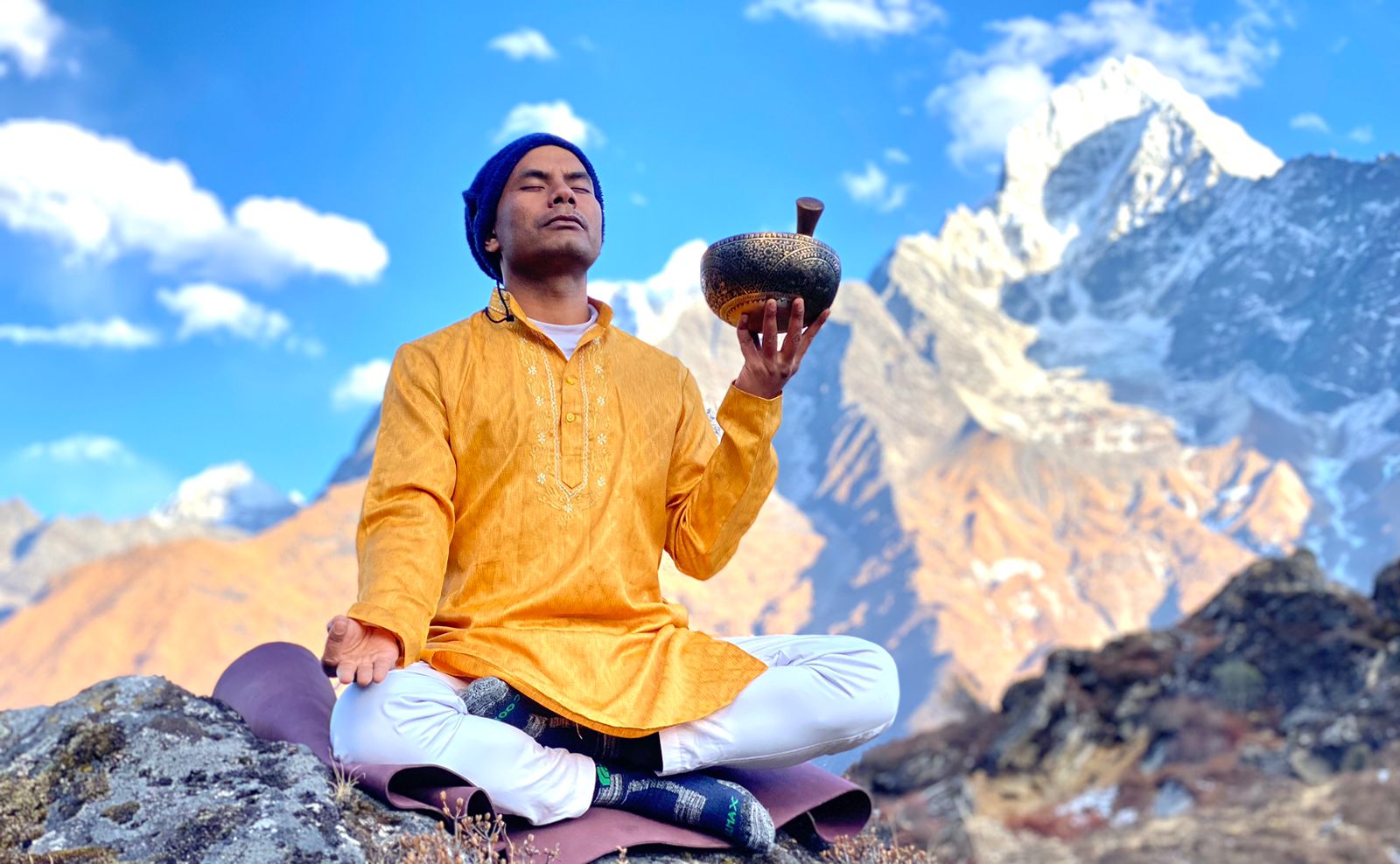 Unlocking inner peace through sound healing: A moment of tranquility with the yoga guru.[/caption]
Why is Annapurna mountain sacred?
Annapurna is regarded as one of Nepal's holy mountains. There is a legend surrounding the creation of the Annapurna mountain peaks. Annapurna means "goddess of food," and purna means "complete," according to Sanskrit. It is thought to be venerated as a food and sustenance source. Hindus believe that the goddess Parvati has blessed the Annapurna area, the heavenly force of Hindu mythology. Not only that, but the Annapurna range is sacred since it is near the Muktinath temple, which is also a Buddhist and Hindu holy site.
The Annapurna mountains and neighboring Gurung valleys are old Buddhist pilgrimage routes, and the region is home to several Tibetan Buddhist temples. The locals have their ideas about the Annapurna mountains. The locals believe that the spirits of the mountains protect them and must be respected. They and the hikers are planning to trek ABC. The hill is also a mother of rivers, supporting agriculture and life in the area. Buddhists believe mountains exist in secret valleys like Beyul, visible only to heavenly forces. People think that the gods defend the Annapurna and that anybody who disrespects the rage will face punishment.
Annapurna Base Camp height
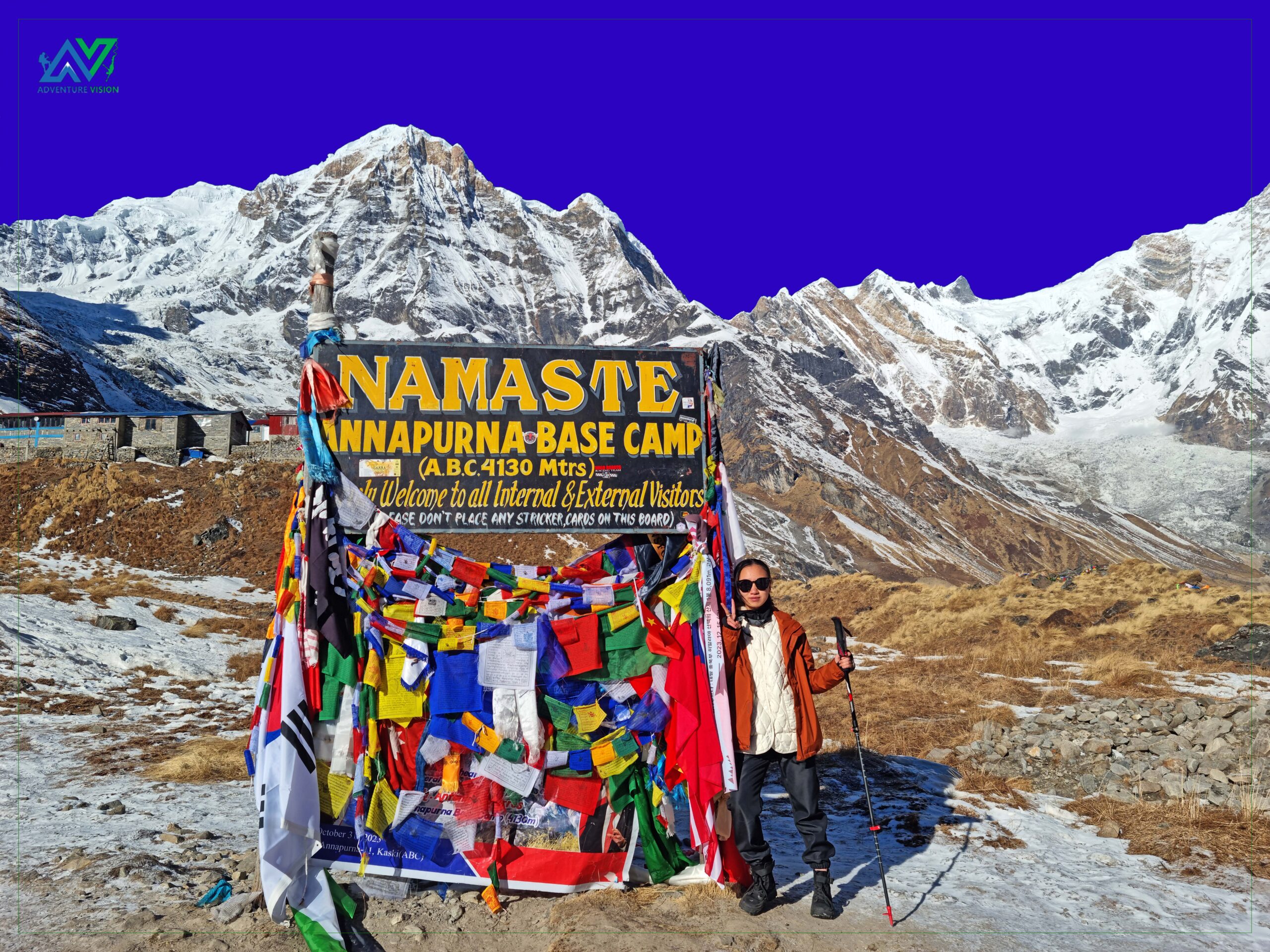
The Annapurna base camp is located at 4130 meters (13,551 feet) above sea level and provides panoramic views of Annapurna I (8,091 m), Annapurna South (7,219 m), Hiunchuli (6,441 m), and Machapuchare (6,993 m) peaks. There are no amenities or roads to get there, so you must hike. You will need at least 7 days to finish your journey through ABC. You will begin your walk 822m from Pokhara, driving to the starting places. Every day until you reach your goal, you will gain altitude, allowing your body to adjust to the environment. You may read here about the altitude you will acquire daily.
| Location | Altitude(m) | Altitude(ft) |
|---|---|---|
| Pokhara | 822 | 2,697 |
| Nayapul (Start Point) | 1,070 | 3,510 |
| Tikhedhunga | 1,570 | 5,150 |
| Ghorepani | 2,860 | 9,383 |
| Tadapani | 2,630 | 8,629 |
| Chhomrong | 2,170 | 7,119 |
| Bamboo | 2,310 | 7,579 |
| Deurali | 3,200 | 10,498 |
| Machapuchare Base Camp (MBC) | 3,700 | 12,139 |
| Annapurna Base Camp (ABC) | 4,130 | 13,550 |
Annapurna Base Camp weather forecast
Annapurna base camp is located beneath the foot hill of the vast Annapurna mountain. Because it is near the mountains, anticipating the weather is problematic because it may be unpredictable. You may get a more complete prediction by checking the weather forecast daily and planning your walk. Check the live forecast.
Why is non-veg banned inside the Annapurna base camp?
The locals consider the Annapurna base camp sacred and part of Hindu mythology. Locals think that killing animals in sacred places brings bad luck or disrespects the deities. The region is also part of the Annapurna Conservation Area, which prohibits activities that endanger animals or affect the ecology. It is not just folklore but science that explains why you should avoid eating in the Annapurna region.
This is because transporting beef to higher elevations necessitates travel from lower places, which can contribute to waste management problems and environmental damage. Also, consuming meat throughout the walk may result in gastrointestinal and overeating difficulties. This is why you cannot carry meat goods from Chhomrong forward. You will be checked at various locations, and your freedom will be severely limited if you are caught.
How to avoid altitude sickness in ABC?
Annapurna base camp is located at 4130m, so if not adequately acclimated, there is a substantial danger of altitude sickness. Trekking in this location always carries the threat of high-altitude illness. Understanding and avoiding the symptoms is essential for a realistic trek experience.
Understanding Altitude Sickness
Understanding altitude sickness is critical. Altitude sickness occurs when your body fails to adjust to the decreased oxygen levels in high desert altitudes where the air is thin. Altitude sickness may affect everyone, including men, women, and children, regardless of fitness level. The most typical symptoms of altitude sickness include headache, dizziness, nausea and vomiting, fatigue, weakness, loss of appetite, shortness of breath, and difficulty sleeping. If you notice these symptoms for the first time, immediately notify your guide. If you do not have a guide, you must tell the people you are staying with who may be able to aid you. Assume you don't inform and disregard it. In that circumstance, you might suffer from High Altitude Pulmonary Edema (HAPE) or High Altitude Cerebral edema (HACE), both of which necessitate prompt descent and medical intervention. To avoid these circumstances, it is vital to:
Acclimatize Properly
Acclimatization is simply progressively adapting to decreased oxygen levels to avoid illness. Always follow the "climb high, sleep low" guideline. This concept states that you should always climb to higher elevations and then hike back and sleep at lower altitudes to allow your body to adjust to the oxygen gradually.
Stay Hydrated
When trekking, you sweat profusely and lose a lot of water. To counteract this, you must hydrate yourself correctly. To avoid dehydration, you should take glucose and energy beverages.
Maintain a balanced diet of foods
When trekking, always strive to eat a well-balanced and nutritious meal. Avoid any unhealthy and processed foods. Consume a high-carbohydrate meal to stay energized during the walk. Always attempt to eat small but frequent meals to improve digestion and prevent sickness, which can be costly but worthwhile.
Take It Slow
One of the fundamental hiking guidelines is to listen to your body. Don't haste, and don't put your body through unnecessary stress. Also, walk comfortably and rest frequently to avoid waking up with difficulty breathing.
Use Medication if Necessary
If you are experiencing any of the symptoms listed above, take your meds and descend as needed. Acetazolamide (Diamox) can aid in acclimation because it increases breathing rate. Pain medicines can also help to prevent headaches and other symptoms. If the prescription does not work and you have altitude sickness, you can seek education. [caption id="attachment_863" align="aligncenter" width="1024"]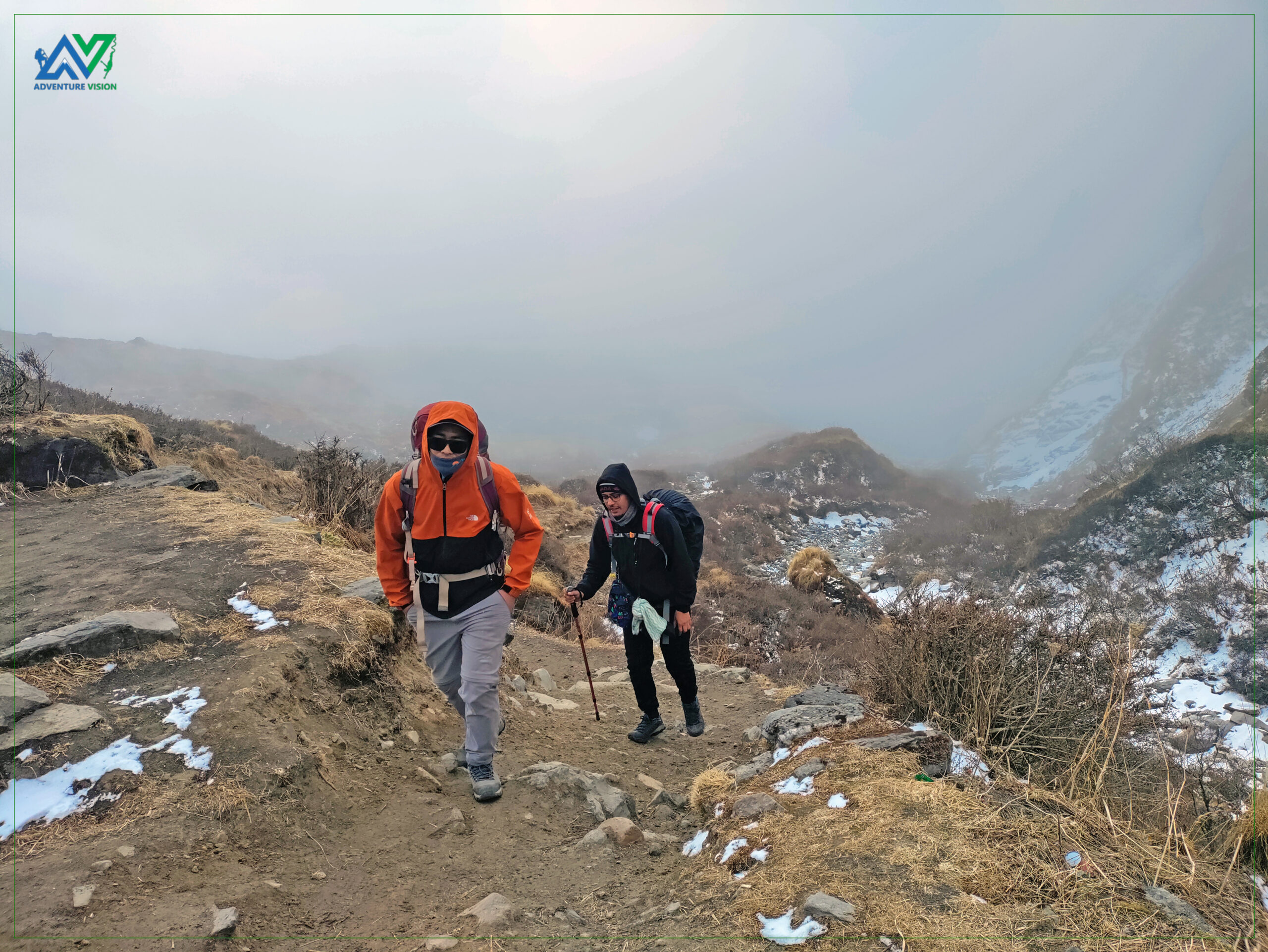 Embracing the journey, step by step! Trekkers on the path to Annapurna Base Camp, surrounded by stunning Himalayan beauty.[/caption]
Emergency evacuation options in Annapurna Base Camp trek
The ABC trip is not particularly perilous for emergency evacuations. However, given the high-altitude terrain, unpredictable weather conditions, and risk of altitude sickness, emergency evacuation planning is critical for all trekkers. Assume that a situation arises with no alternative but to declare an emergency. In that circumstance, you can use a variety of measures to ensure safety and rescue.e Let's talk about the emergency evacuation alternatives accessible to trekkers in the Annapurna Base Camp region, including complete evacuation procedures, fees, required measures, and best practices for safety.
Helicopter Rescue Services
The helicopter is the fastest and most dependable mode of emergency evacuation. A helicopter rescue service is offered for acute mountain sickness (AMS), injuries, and other serious medical situations. Your guide will contact the trekking companies to arrange the evacuation. The trekking agencies will contact the insurance company from whence you obtained it in the event of an emergency, and they will handle the evacuation. Helicopter Rescue operates in several ways, such as:
Assess the Situation
If a trekker develops severe AMS symptoms (confusion, difficulty walking, shortness of breath, or loss of consciousness), they must be evacuated immediately. Then, you may request education through your guide, who will be carrying a satellite phone in distant places.
Contact Your Travel Insurance Provider
You can contact your trip insurance provider for assistance or your guide, who will contact the trekking organizations. The trekking agencies contact travel insurance and the rescue is completed.
Coordinate with Local Authorities
Before rescuing, you should contact the local authorities since they are the primary Nepal government associations coordinating. The Nepalese government collaborates with local rescue organizations, such as the Himalayan Rescue Association (HRA), to arrange helicopter rescues.
Pickup Locations
There are several pickup points for the rescue. You may request a pickup at Machapuhcare base camp, a popular rescue location, since many trekkers get AMS and cannot walk above ABC and must be rescued. Other destinations include Deurali, Himalaya, and Annapurna Base Camp. The helicopter may pick up trekkers from lower elevations like Chhomrong or Sinuwa if required. However, this is not recommended, and nothing happens until this height. The travel insurance you supplied covers the cost of a helicopter rescue.
Ground Evacuation via Porter or Mule (donkeys and horses)
Ground Evacuation by Porter or Mule is another method of emergency evacuation. If the weather is terrible and helicopters cannot get to where you're staying, the only possibilities are conditions porters and mules. Mules are often employed to transport products, but they may also transport people in an emergency. They will transport you to a location with convenient access to medical and rescue services. The porter and guide will transport you to the rescue location during this time. It may take some time because you will need to walk. If the porters and mules conduct the rescue, the trekking organizations cover the costs. When you are in excellent health and return to the city, you must contact your insurance carrier and pay for the evacuations. [caption id="attachment_864" align="aligncenter" width="960"]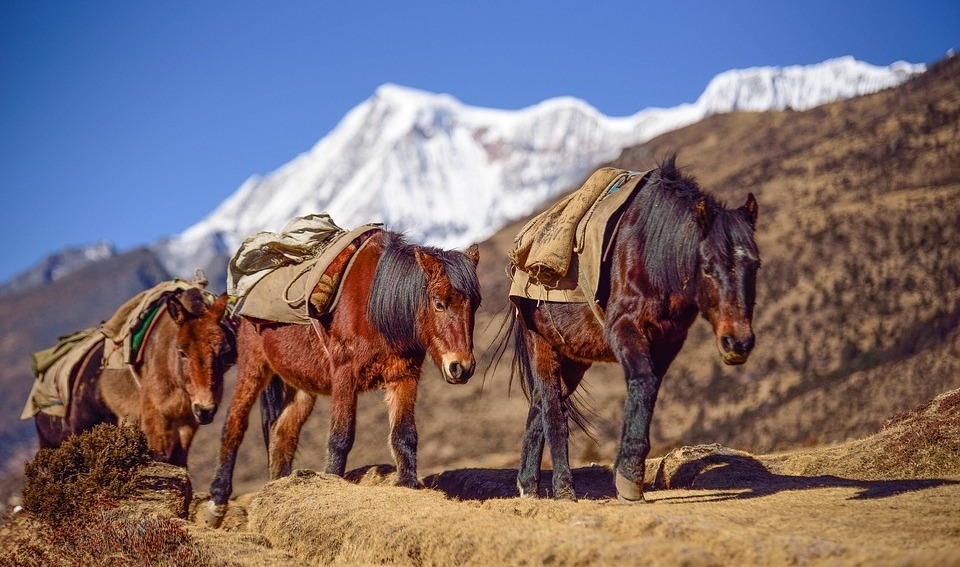 Partners in the journey! Mules carry loads along the Annapurna trek, supporting trekkers every step of the way. Image Source[/caption] In the event of a natural disaster, the Nepal government will handle your emergency schooling, and you will not be required to provide proof of insurance because the government budget covers everything at the time. The guides and porters assist the trekkers in an emergency without delay, and they accept responsibility for everything in this circumstance; you will need to repay them when you are in good condition. However, being prepared, insured, and knowledgeable of emergency protocols is critical to having a safe trekking trip. Always trek responsibly, prioritize your health, and adhere to safety requirements to avoid emergencies in the first place.
Best photography spots in Annapurna Base Camp
Annapurna base camp trip is a cultural heritage site, a hiking paradise with breathtaking vistas, and much more. It is also an excellent journey for photographing rivers, bridges, the Himalayas, villages, hills, animals, birds, and other subjects. Let's talk about the greatest photographic sites here.
Ghandruk
Ghandruk village is the first site where you may capture stunning photos. It is a community with breathtaking views of the Himalayas and a few overlooks. You may take images of the village, sunrises and sunsets, animals, and other subjects. You may photograph the Gurung House, take cultural portraits, and more.
Chhomrong
Chhomrong is another lovely hamlet where you can shoot and enjoy the scenery. You can take shots of the breathtaking vistas of Annapurna South, Hiunchuli, and Machapuchare. You can also shoot terraced farms, the local lifestyle, birds flying in the sky, and animals grazing in the fields and roaming through the forest.
Bamboo & Dovan
Bamboo & Dovan is also known as The Lush Green Wonderland. These areas are covered with lush rhododendron, bamboo, and oak woods. They also allow visitors to see the foggy pathways, moss-covered trees, and waterfalls, which create a mysterious environment. You may take photos of misty woods, waterfalls, flora, and wildlife.
Himalaya & Deurali
Other excellent photographic locations are the Himalayas and Deurali. These mountains are recognized for their steep cliffs and dramatic landscapes, which provide ideal opportunities to photograph beautiful cliffs, waterfalls, streams, hikers on the trail, and more.
Machapuchare Base Camp (MBC)
Machapuchare Base Camp (MBC) is ideal for photographers to capture the area. It is noted for having the most incredible views of Machapuchare, commonly known as "Fishtail" due to its unusual form. You may photograph tea houses, cuisine, animals, Machapuchare's magnificent silhouette, glaciers, and ice formations. Sunrise and sunset are the finest times for shooting in this location, giving the photographer the impression that they have stepped out of time. [caption id="attachment_865" align="aligncenter" width="1024"]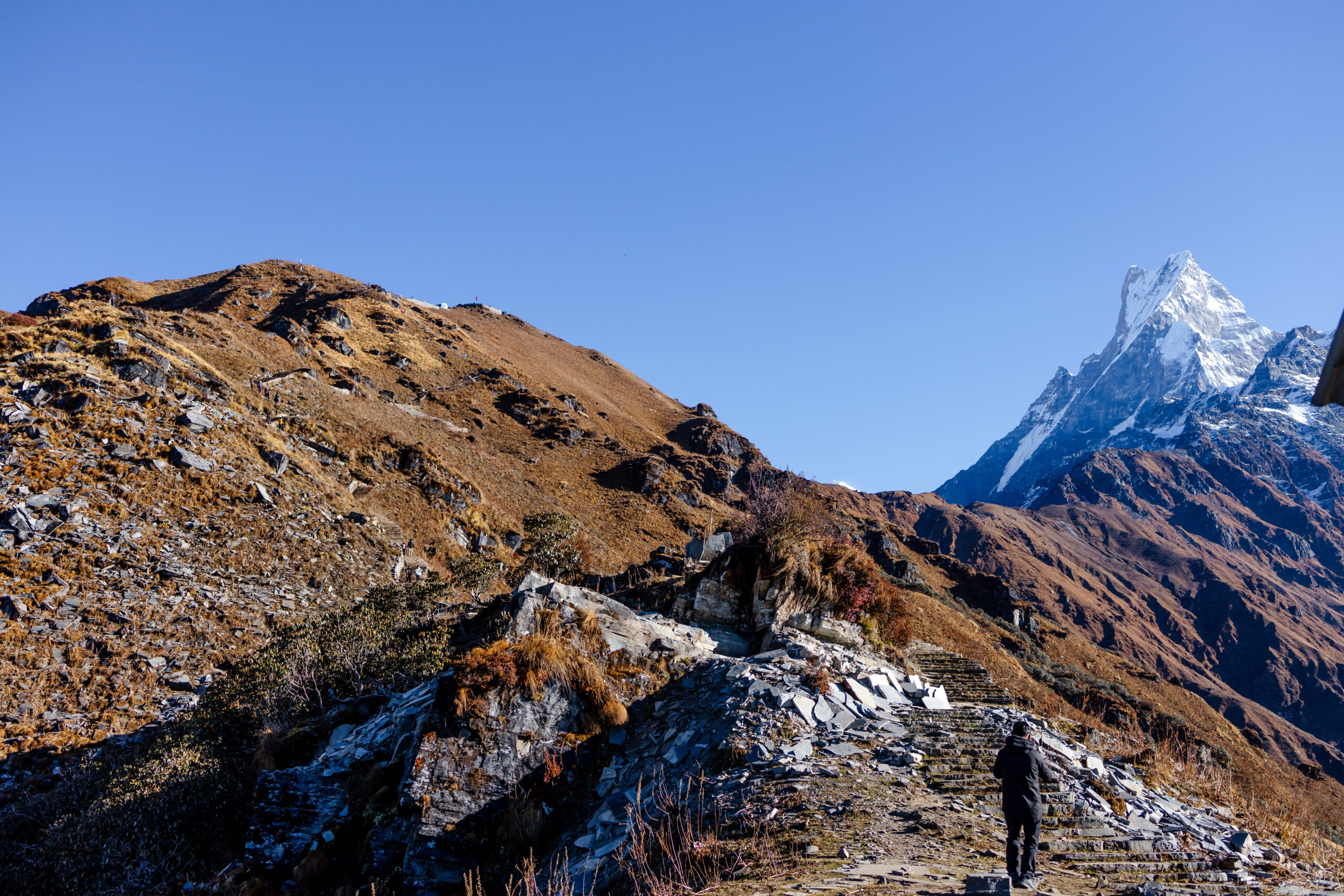 Stunning view of the Machapuchare mountain ranges and winding trekking trails – a breathtaking journey awaits in the heart of the Himalayas.[/caption]
Annapurna Base Camp (ABC)
How could you fail to photograph ABC, the trek's crown jewel, given that it is your final destination? You may take 360-degree panoramic photos of Annapurna I (8,091m), Annapurna South, Hiunchuli, and Machapuchare. You may photograph the Annapurna Wall, Glacial Basin Reflections, the Milky Way at night, and much more. You may photograph a variety of subjects, including the Glacial Basin at ABC, Avalanche-Prone Areas, River Crossings, and Bridges, as well as people's daily lives and the animals that reside here. Everything you capture here is a snapshot of life that will never be the same again. You may read photography tips for great images here.
Volunteering opportunities in Annapurna Base Camp
The Annapurna base camp is not just for hikers looking to explore the region. It's also about trekkers who desire to go trekking and undertake volunteer work while they're there. The ABC is the finest spot since the path is open to hikers and all social workers who wish to improve society and help everyone flourish. The Annapurna provides a unique chance to help local people, support conservation initiatives, and promote sustainable tourism. The Annapurna region is well-developed, yet it needs health and education services. Volunteering allows you to assist in improving the lives of locals, safeguard sensitive habitats, and promote cross-cultural exchange.
Types of Volunteering Opportunities
Teaching and Educational Support
Annapurna base camp is located in a rural location where schooling remains poor. You can provide educational support. You can work for the school and give volunteer services. You can teach whichever subjects you choose. You may teach local youngsters numerous disciplines, including English, math, and science. You can plan extracurricular activities for the pupils, such as arts, music, dances, or sports like football, volleyball, and basketball. You may assist pupils and teachers who lack information or teaching methods. You may teach them, help them correctly plan the lesson, and give them ideas on how to teach children and make the learning environment more enjoyable.
Environmental Conservation
The Annapurna area is the most vulnerable in the Himalayas, with the finest ecological due to its remote location and popularity among hikers. You can also volunteer for environmental protection. You may help prevent plastic pollution by working on waste management and recycling initiatives. You may participate in tree planting and forestry activities. You can collaborate with the troops and locals on wildlife monitoring and protection. Not only that, but you may educate locals and hikers about sustainable methods. [caption id="attachment_866" align="aligncenter" width="800"]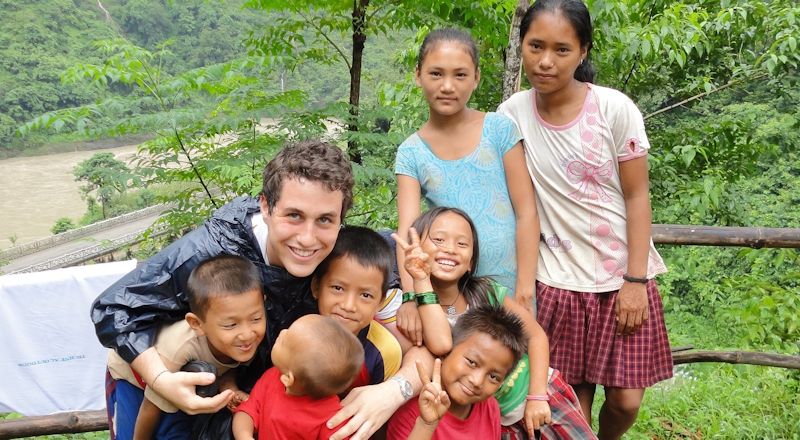 A heartwarming moment captured: a foreign trekker sharing smiles and stories with local students while volunteering in Nepal, bridging cultures through a shared love of learning and adventure. Image Source[/caption]
Healthcare and Medical Support
Health care & Medical Support is another sector in which you might volunteer. The ABC is located in the northern Himalayan mountains, where the health care system is underdeveloped. There is some, but accessing it is challenging. So, you may focus on offering basic health screenings and first-aid services. You can help local health-care personnel provide patient care. You can also run hygiene, sanitation, and disease prevention education campaigns. You can also support mother and child health efforts, among other things.
Community Development and Infrastructure
The Annapurna base camp hike trial is well-developed in comparison to other treks, and it promotes eco-friendly tourism. However, it has not changed people's lifestyles. You can work on constructing and renovating schools, health clinics, and community centers. You may also volunteer to install solar panels for renewable energy options. Trekkers encounter several challenges with water, as they must carry purifying pills or gadgets, and bottled water is pricey. You may create water purifying systems to ensure safe drinking water. The Annapurna region is known for farming so that you can assist farmers with agricultural initiatives and sustainable farming techniques.
How to Get Involved in Volunteering Work?
Several groups in this region operate with volunteers, including local NGOs and INGOs, who work to improve society.
Partner with Local NGOs
You may first collaborate with local non-governmental organizations (NGOs) such as the Volunteer Society Nepal, and others that provide volunteering opportunities in the region.
Work with Trekking Agencies
You can work with both non-governmental organizations (NGOs) and trekking agencies. Trekking organizations such as Adventure Vision Treks provide volunteer opportunities in this region. The trekking agencies are mostly affiliated with AISEC, a voluntary international society, and collaborate with them to assist trekkers in obtaining jobs in their desired profession.
Independent Volunteering
You can conduct the task independently if you do not wish to work with NGOs or trekking organizations. You can contact the authorized person at the location where you want to work and begin working. It makes no difference how you help; it should be done. Consider volunteering and creating unforgettable experiences while helping Nepal's people and environment.
Trees Seen during ABC Trek
The Annapurna trip takes you through various environments, including subtropical and tropical forests. Trees include Sal (Shorea robusta), which grows mainly at lower elevations, and Rhododendron (Rhododendron spp.), Nepal's national flower. It is noted for its therapeutic properties, and when it blooms, it is red. It grows primarily in the intermediate altitudes. The region's slopes are home to oak trees (Quercus spp.).
The maple (Acer spp.) tree is recognized for its lobed leaves and brilliant fall colors, whereas Magnolia (Magnolia spp.) is a tree located in the mid hills known for its vast, fragrant blooming trees with enormous, glossy leaves and beautiful blooms in shades of white, pink, or purple. Pine (Pinus spp.), which grows in the region's coniferous woods, is notable for its long, thin needles and cone-bearing reproduction. Another is Fir (Abies spp.), often found at higher elevations.
It is recognized for its upright stems and needle-like leaves. Another is Juniper (Juniperus spp.), primarily found in upper alpine zones and distinguished by its needle-like leaves and berry-like cones. [caption id="attachment_867" align="aligncenter" width="1010"]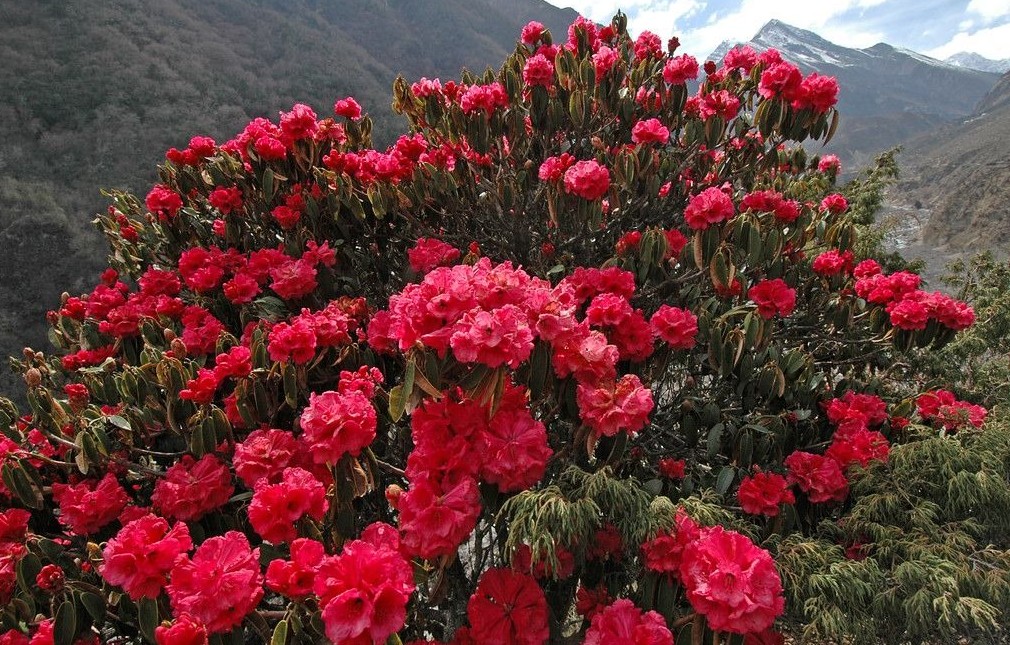 Nature’s vibrant beauty: A stunning rhododendron in full bloom, adding a splash of color to the serene trekking trails of Nepal. Image Source[/caption] Another example is Hemlock (Tsuga spp.), commonly found near water streams because it thrives in damp environments. It is recognized for its dark green needles and tiny cones. Another tree seen is Spruce (Picea spp.), mostly found at higher elevations and recognized for its coniferous evergreens with short, stiff needles and hanging cones. Bamboo (Bambusa spp.) is another well-known local tree.
It is prevalent in subtropical and lower temperate zones and is distinguished by its fast-growing grass, which forms dense clusters. Its long, woody stalks distinguish it. Other trees found in the regions include Poplar (Populus spp.), Betula (Birch), Alder (Alnus spp.), Chestnut (Castanea spp.), Walnut (Juglans spp.), Horse Chestnut (Aesculus spp.), Himalayan Juniper (Juniperus recurva), Himalayan Cedar (Cedrus deodara), Willow (Salix spp.), Prunus (Cherry and Plum species), Eucalyptus (Eucalyptus spp).
Animals Seen during ABC Trek
ABC is not only the primary tourist attraction, but it also houses the region's unique animal population. During the journey, you will see the spectacular Annapurna ranges of the Himalayas and various wildlife. The most common wild animal observed here is the Himalayan Tahr (a wild goat), which lives in the region's muddy mountains; another frequently seen wild animal is the musk deer, famed for its scent gland, which smells so delicious to both people and deer. They are shy when you see them. They may flee, but you may see them from a distance; another is the Langur Monkey, a black wild monkey that dwells mainly in the region's deep woodlands.
You can see them swinging from one branch to another at lower heights in dense trees. Another species is the snow leopard. It belongs to the vast cat family. Snow leopards live at high altitudes or in snowy environments. They are disguised in nature. They are timid and avoid humans unless they are not harmed. The nicest part of the tree is seeing the snow leopards, which are breathtaking. Himalayan black bears can also be seen in the region's woods.
These bears are distinguished by their thick black fur, conspicuous white chest patch (typically V-shaped), and impressive climbing ability. Himalayan bears are likewise timid and shun all human interaction. If you notice it, try to observe things from a distance rather than up close.  A rare and delightful encounter: A red panda was spotted along the trails, adding a touch of magic to the trek through Nepal’s stunning landscapes.[/caption] Another animal present in this area is the red panda. It is also known as the Firefox. The Annapurna region's thick bamboo woods are home to a unique and secretive creature with reddish-brown fur. Red pandas are cautious, isolated, and nocturnal (active at night), making observing them during the day challenging.
Another is the Blue sheep, also known as Bharal. The blue sheep are not blue; their short, thick fur appears bluish-gray under certain lighting circumstances, allowing them to blend into the rocky mountain slopes. You can also view other natural creatures, including Common Leopard, Himalayan Goral, Yellow-throated Marten, Himalayan Weasel, Asiatic Golden Cat, Pallas' Cat (Manual), Himalayan Musk Cat (Pardofelis marmorata), Indian Civet (Viverricula). India), Porcupine (Hystrix indica), Himalayan Serow (Capricornis thar), Wild Boar (Sus scrofa), and other wildlife. To avoid wild animal assaults, do not disturb them and take images from a safe distance.
Birds Seen during ABC Trek
ABC is recognized not just for its magnificent mountains and scenery but also for its bird-watching possibilities. The Annapurna region, from subtropical forests to alpine meadows, is home to a variety of birds, including the Himalayan Monal (Lophophorus impedance), Nepal's national bird, which is known for its colorful pheasant with iridescent green, blue, copper, and gold feathers. It is also found inside dense rhododendron forests. It is most commonly observed in woodlands in the morning during sunrise. The Himalayan Griffon Vulture (Gyps himalayensis) is another species in the Annapurna area, primarily at lower altitudes.
It is notable for its massive wingspan of up to three meters. The black-throated Parrotbill (Suthora nipalensis) is a tiny bird species found on thick bamboo branches in bamboo woods at medium elevations. It has a unique black neck and olive-brown body. The rufous-breasted Accentor (Prunella strophiata) is another bird in the region's alpine meadows. Its warm, rufous-colored breast distinguishes it, and it thrives in scrubby environments.
Nepal Wren Babbler (Pnoepyga immaculata) is another species that lives in Nepal's deep woods. It is well-known for its brownish-grey plumage, which allows it to blend into its environment. Another bird species found in the region is the Blue Whistling Thrush (Myophonus caeruleus). It is famed for its loud and beautiful whistles. It has a lovely deep blue body with speckles and is commonly seen near streams and waterfalls.
You will see Birds such as the Himalayan Bulbul (Pycnonotus leucogenys), Slaty-backed Forktail (Enicurus schistous), Common Raven (Corvus corax), Red-billed Chough (Pyrrhocorax pyrrhocorax), Tibetan Snowcock (Tetraogallus Tibetans), Brown Dipper (Cinclus pallasii), Eurasian Eagle Owl (Bubo bubo), Indian Peafowl (Pavo cristatus), Lesser Adjutant Stork. 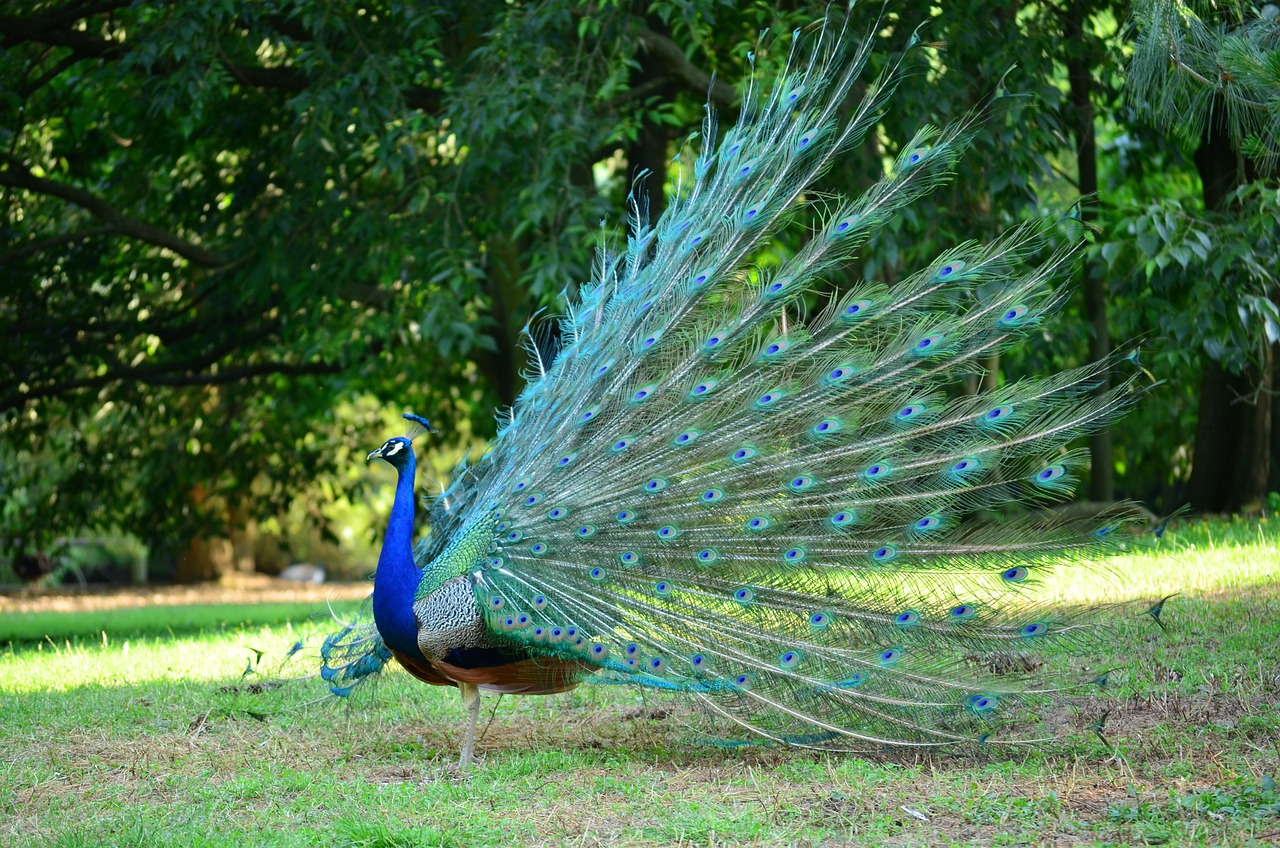 Grace in motion: A vibrant peacock displaying its stunning plumage, a valid symbol of natural beauty.[/caption]
Insects seen during ABC Trek
There are plants, animals, and birds in Annapurna, and a diversity of insects unique to this location. Insects perform essential roles in ecosystems by pollinating and decomposing and providing food for birds and other species. Various insects can be found in thick woods and alpine meadows. Butterflies and moths (Lepidoptera) are the first insects you'll see along the walk.
They are primarily found inside the dense vegetation. Butterfly species include the common Jezebel (Delias eucharis), Peacock Pansy (Junonia almana), Common Mormon (Papilio polytes), Blue Tiger (Tirumala limniace), and Atlas Moth (Attacus atlas). Other insects found in the Annapurna area include beetles (Coleoptera). They are primarily found in vegetation and freshwater streams. You will see confrontations between the Himalayan Stag Beetle (Lucanus lady), Ladybird Beetles (Coccinellidae), Jewel Beetles (Buprestidae), and Rhinoceros Beetle (Oryctes nasicornis).
Other insects include bees, wasps, and ants (Hymenoptera), which pollinate and help to preserve the eco-balance of the Annapurna base camp zones. There are a variety of bees, wasps, and ants, including the Himalayan Honeybee (Apis laboriosa), Carpenter Bees (Xylocopa spp.), Red Wood Ant (Formica rufa), and Himalayan Paper Wasp. You will also encounter a variety of dragonflies and damselflies (Odonata), typically found near water streams and wetlands at lower elevations.
You will observe the different families of dragonflies, like the Himalayan Clubtail (Anisogomphus solitaries) and the Common Blue Damselfly (Enallagma cyathigerum), golden-ringed dragonfly (Cordulegaster boltonii). You can also locate the. Other species in the region include grasshoppers, crickets, and katydids (Orthoptera). They are most active at night and may be found among grass and plants. This family contains many insects, such as the Himalayan Green Grasshopper (Oxya Hyla), Mountain Cricket (Gryllidae spp.), and Leaf Katydid (Phyllophorina kotoshoensis). [caption id="attachment_870" align="aligncenter" width="1280"]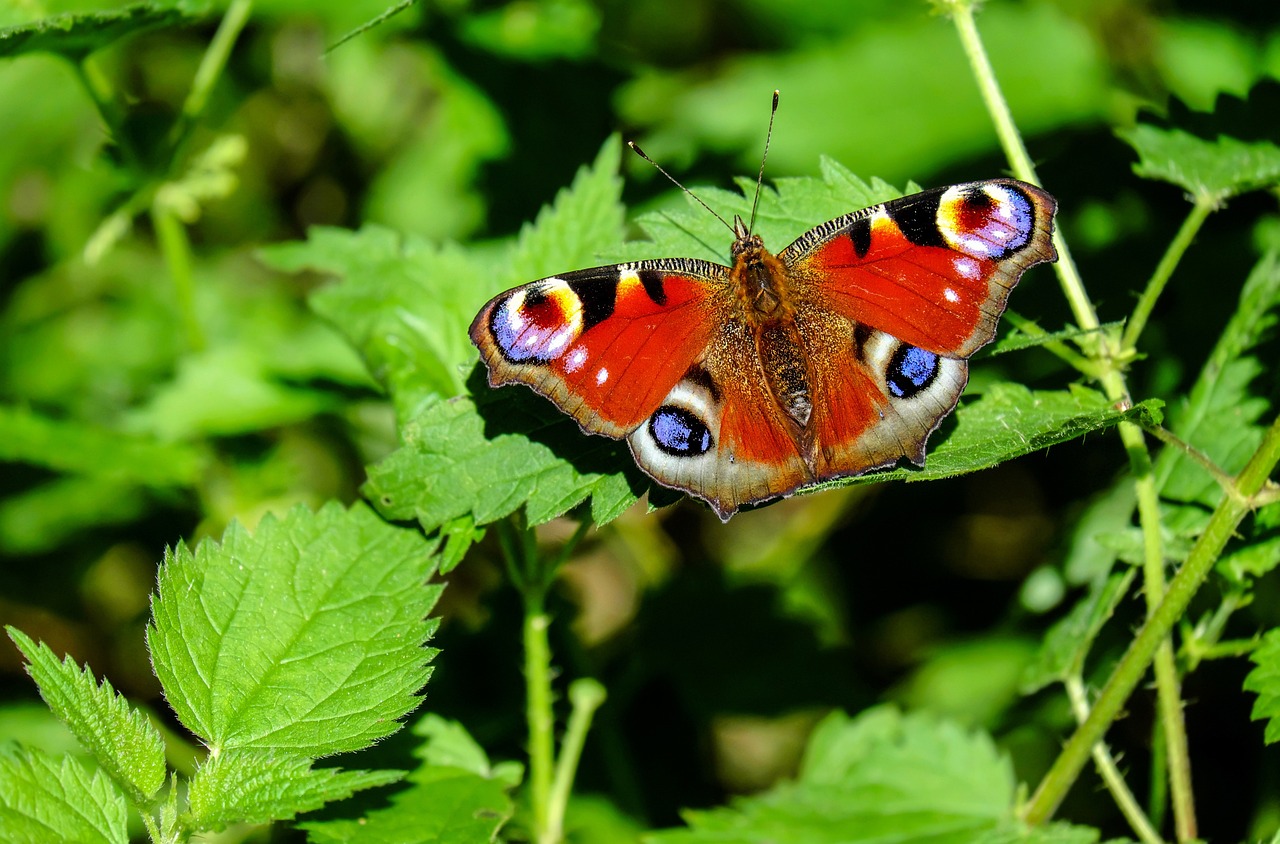 Delicate and colorful: A butterfly pauses on its journey, showcasing the intricate beauty of nature along the trail.[/caption] You will also see a variety of insects, such as flies and mosquitoes (Diptera), which are commonly found in muddy vegetation and water streams. Minimizing contact with mosquitos is critical, mainly because they may make you sick throughout the walk if bitten.
You will observe mosquitoes like Himalayan Horseflies (Tabanus spp.), Fruit Flies (Drosophila spp.), and mosquitos (Anopheles spp., Culex spp.). Other sorts of insects include Stick Insects and Praying Mantises (Phasmatodea & Mantodea) from the Himalayan Stick Insect (Phobaeticus spp.) family, which are notable for their ability to blend in with their environment. Giant praying mantises (Hierodula spp.) can also be found. Termites (Isoptera) are another type of insect that may be found in lower subtropical woods, as well as insect groups such as Himalayan Tree Termites. A diverse range of insects inhabit the entire area. There are many different types of insects, and we recommend against handling them due to their toxins and other characteristics.
Trekking routes for Mount Annapurna expeditions
Mount Annapurna is the most hazardous summit to climb. A mountain is said to greet everyone who climbs it rather than waiting for them. Annapurna's character and speed will remain unchanged for hikers. If you are not prepared, you will not succeed. However, if you have persistence, guts, and talent, it welcomes you to climb and rewards you with breathtaking vistas and immense delight. Expeditions to Mt Annapurna are regarded as the most challenging due to unexpected avalanches and technical challenges in ascending. For persons who desire to perform mount excursions, there are several routes from which they may start their journeys, such as:
North Face Route (Standard Route) – From Annapurna Sanctuary
This famous route begins in Pokhara, continues through Tatopani, Lete, Thulo Bugin, and Miristi Khola, and ends at Base Camp. These are popular peak-climbing routes. There are four camps for ascending Annapurna's peaks. The camps and their altitudes are: Camp 1: around 5,200m. Camp 2: around 5,600m Camp 3: around 6,500m. Camp 4: 7,200m. After camp 4, the push for the summit is completed over steep snow slopes and tricky ice climbing.
South Face Route (Extreme Technical Climb)
This is another way to ascend the Annapurna summit. The starting point is the Annapurna base camp itself. However, climbing from this path requires one of the steepest and most challenging ways on any 8,000-meter summit.
- Features sheer rock and ice faces that require advanced technical climbing.
- It is more hazardous because of rockfalls, ice failures, and exposure.
- In comparison to the North Face, this is a rare endeavor.
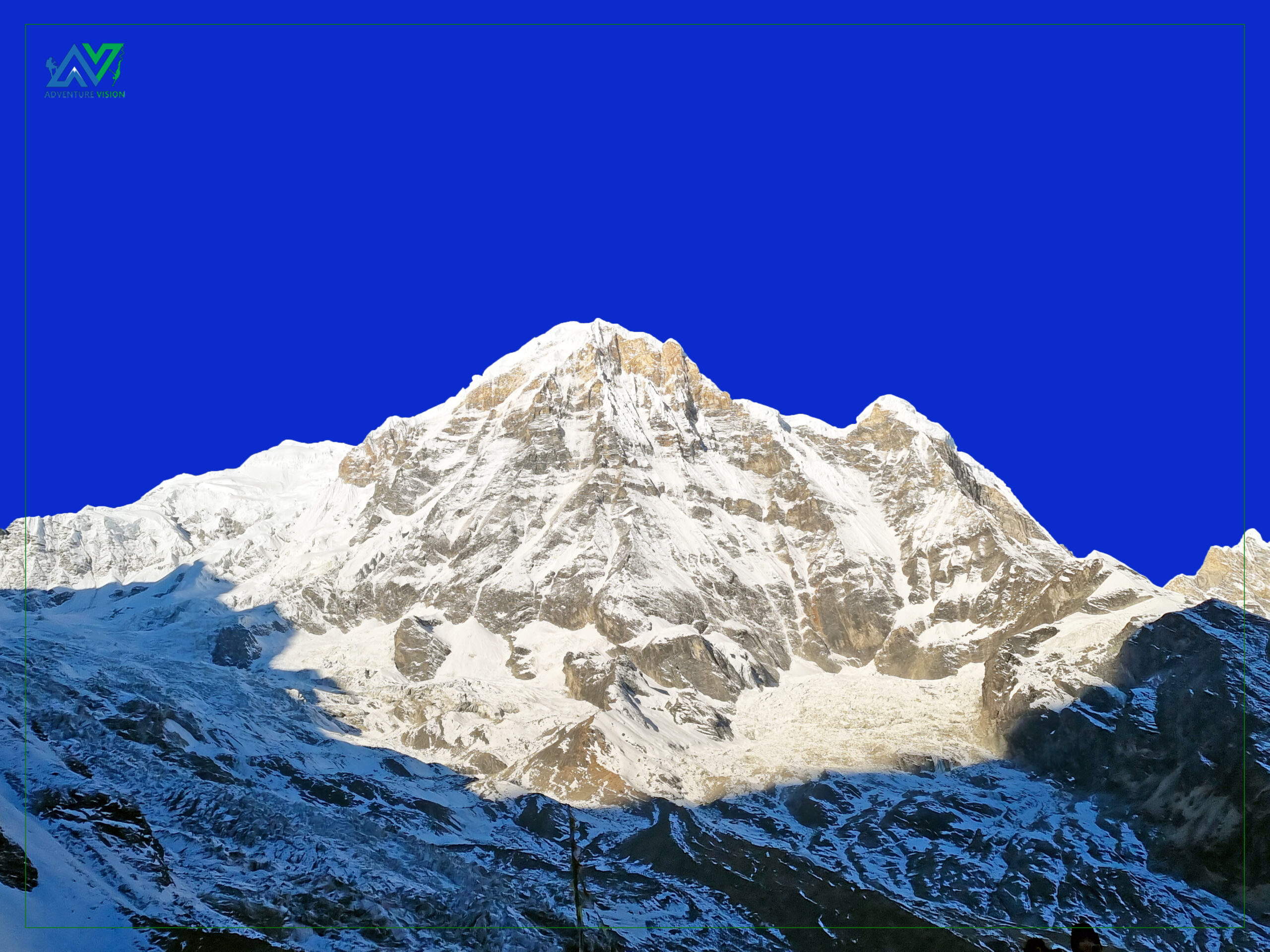
East Ridge Route
This is the most challenging way to ascend the Annapurna summit. The route begins in Pokhara, travels to Tatopani, then to Jomsom, and finally to Base Camp. It's a less usual but challenging path.
- Requires advanced mountaineering abilities.
- More exposed parts and narrower ridges.
West Face Route (Rarely Used)
It is also an unpopular and infrequently traveled path. The Pokhara-Beni-Dana-Base Camp route is technically challenging and prone to avalanches.
- There have been very few successful ascents via this route.
- It's tough because of the unpredictable weather and treacherous rock/ice conditions.
- Not only that, but expeditions face a wide range of issues, including:
- High avalanche risk.
- Technical Climbing Difficulty and Altitude Sickness and Acclimatization
- Extreme weather conditions.
Why is Annapurna called Silent Killer Mountain?
Annapurna is known as the world's silent killer mountain due to the most significant death rate among all 8000-meter summits. Climbing Annapurna is more risky than Everest itself. In addition to these, there are several reasons, such as:
High fatality rate
As previously noted, Annapurna has the most significant death rate of any mountain in the world: 32. This means that out of 100 hikers who climb Annapurna, 32 will not return.
Unpredictable weather
Another reason it's risky is the unpredictable weather. The weather here varies rapidly; it suddenly begins to rain, and there is a dawn, snowfall, and other events. This also keeps the hikers uninformed of the situation, jeopardizing their lives.
Avalanches prone slopes
The Annapurna Peak is one of those summits with steep slopes that require technical skills to climb. The steeps are unstable ice masses, rendering them very susceptible to avalanches.
Difficult and technical climb
Annapurna is one of those mountains that requires a high degree of technical understanding and climbing since it is one of those peaks that you will not be able to reach without prior trekking experience. The routes are technically challenging, with significant risk at almost every climb level.
Hidden Crevasses and Weak Ice Formations
Another factor contributing to the difficulty of climbing this mountain is its formation. This mountain's ice falls, and glaciers are concealed crevasses that may swallow climbers without warning or awareness. Aside from that, the paths are small and unstable; the summits have little assistance and expedition traffic, making it difficult for trekkers to recuperate because no one notices their issues.
The top is also above 8000 metres, which is exceptionally cold and high. The summit air is extremely thin or non-existent, causing trekkers to suffer from high altitude sickness and increasing the risk of mortality. Another issue in Annapurna is psychological stress and exhaustion. People believe that the mountain is a silent murderer that may kill anyone at any time, therefore they worry and fear avalanches. The absence of known paths, great solitude, and difficult circumstances cause intense mental and physical tiredness.
What happens to your body at the top of the Annapurna?
Climbing Annapurna Peak is a source of pride and exceptional achievement. However, we are climbing the summit. Above 8000m, the top summit is also known as the death zone, and reaching it causes you to suffer from a variety of issues, with each second spent here praying to God for a loan of life. Every second here is a struggle for survival. The oxygen level is low on the summit. The temps are frigid and freezing, and every situation here attempts to steal your life. You will experience difficulties such as:
Severe Oxygen Deprivation (Hypoxia)
The most serious problem you'll face here is severe oxygen deprivation (hypoxia). Above 8000 meters, the oxygen is extremely low and thin, making breathing difficult. The air pressure above 8,000 meters is only around one-third that of sea level, giving your body the impression that it needs more oxygen to survive. Due to a shortage of oxygen, your brain works less effectively, causing dizziness and disorientation. As you stand here, your brain works harder to compensate for the lack of oxygen, perhaps leading to cardiovascular strain. Your brain may occasionally experience a blackout, increasing the risk of falls and death.
High-Altitude Pulmonary Edema (HAPE)
High-Altitude Pulmonary Edema (HAPE) is another problem at this altitude. Your body will start filling the lungs due to the lower oxygen pressure, and you will feel like your breath isn't working correctly even if you're not doing anything. You will also feel like your chest is tightening and you're suffocating. You will also feel more weakness and fatigue, and if you don't descend immediately, you may die.
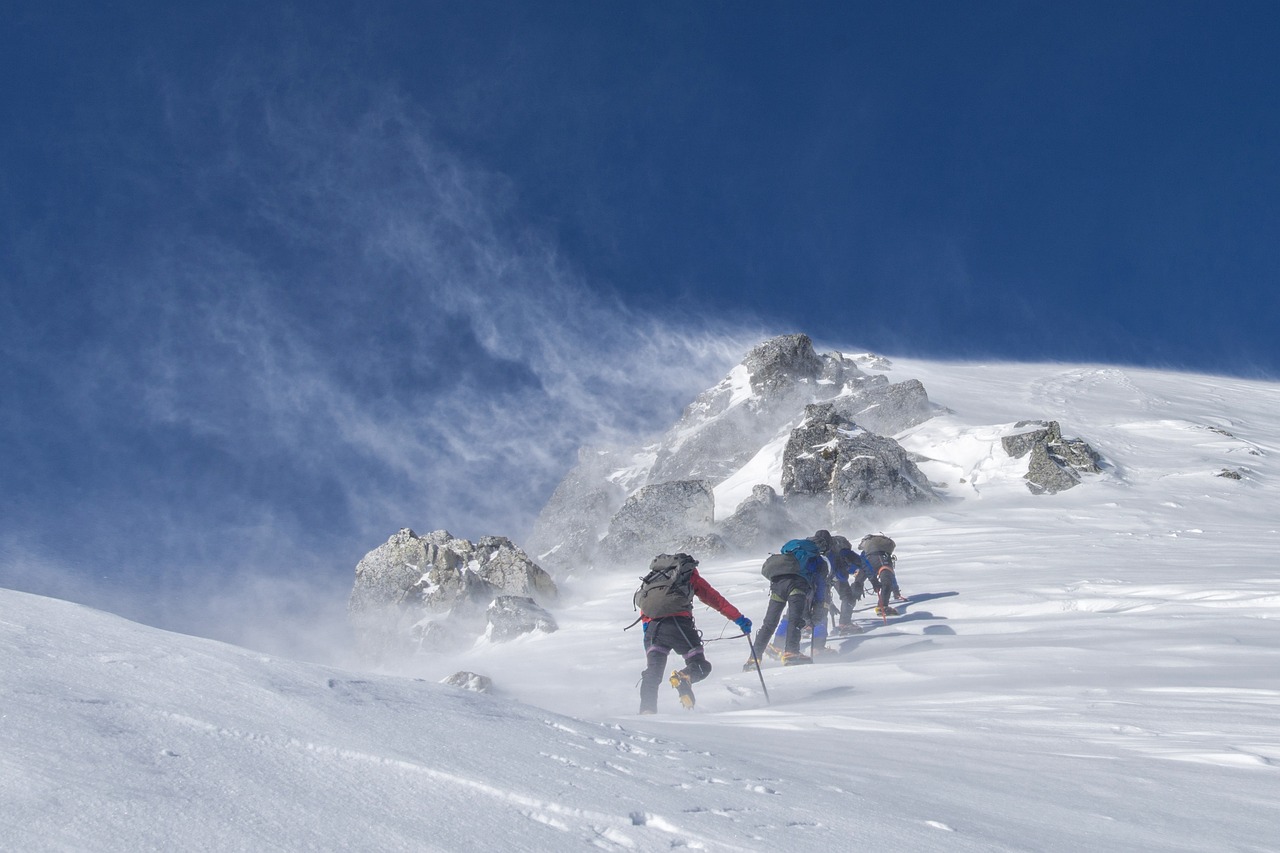
High-Altitude Cerebral Edema (HACE)
Another illness caused by low oxygen levels is high-altitude cerebral edema (HACE). You will get many headaches. Your brain will suffer from disorientation and confusion. You will also have loss of coordination (ataxia). You will also see hallucinations and unreasonable conduct; they may see something that does not exist in reality. You will also feel in a coma, which might lead to death if necessary safeguards are not followed.
Frostbite and Hypothermia
Other difficulties that you may encounter at this altitude include frostbite and hypothermia. Temperatures in Annapurna may plunge to -40 degrees Celsius, causing freezing within seconds. Your fingers, toes, nose, and ears feel numb and tingly. You will also see darkened skin owing to tissue death. You will shiver and be extremely sensitive to chilly temperatures. You'll also experience mental bewilderment, followed by unconsciousness.
Extreme Fatigue and Muscle Breakdown
As you walk to Annapurna and acclimate, your body will expend energy to make it happen. The entire excursion consumes a lot of calories, and the body strains to maintain energy levels. Extreme exercise and a lack of oxygen will cause fast muscle atrophy. Your immune system may be impaired and you may have various issues throughout the trip. There is also a potential for collapse, preventing climbers from continuing their descent.
Vision Problems (Snow Blindness)
Another major issue you may face throughout the adventures is snow blindness. The high UV light reflected by snow can induce temporary blindness. Symptoms include burning, watery eyes, and heavy tears. You may get blurred vision or complete visual loss. Navigation and visibility are difficult, causing you to slip into glaciers and caverns during the ascent. Climbing Annapurna Peak is the most perilous activity you can perform. Still, it's an exciting pastime, and climbers like making trips here. During the ascent, your body is your worst opponent. You will have to fight with your body, not with others.
Frequently Asked Questions about Annapurna Base camp trek
How challenging Is the Annapurna base camp trek?
Annapurna base camp is an easy to moderate hike that even first-time trekkers can finish. You will just need a high degree of physical and mental health.
How long does it take to trek to Annapurna base camp?
The Annapurna base camp trip might take up to two weeks. It all depends on where you start, how fast you walk, and how long you stay.
Is Annapurna more challenging than the Everest base camp trek?
No, the Annapurna base camp is less difficult than the Everest base camp. Everest requires trekking experience. However, ABC allows you to start the climb as a first-time trekker.
How much does it cost to trek to Annapurna base camp?
The Annapurna Base Camp Trek costs between $500 and USD 2,000, depending on transportation and lodging. During the ABC trip, you may choose between budget-friendly and premium options.
What is the death rate for the Annapurna base camp trek?
Annapurna has a comparatively low fatality rate, less than 1%, because the climb is more straightforward than other treks, and the trials are well established. This assures that trekkers remain safe and free of death-related issues, such as altitude sickness, landslides, and avalanches.
Is Annapurna harder than the Kilimanjaro?
No, Annapurna isn't harder than Kilimanjaro. Kilimanjaro is more challenging overall owing to the high altitude and summit day difficulties, but ABC needs stamina over numerous days with constant ups and downs.
Is Annapurna the deadliest?
Annapurna is the world's deadliest peak due to its unpredictable weather, avalanches, and technical challenges.
Which month is best for the Annapurna base camp?
ABC's finest months for hiking are September through November and February through May. During this season, the air is clean and fresh. You may see flowers budding, trees sprouting fresh leaves, birds soaring overhead, and creatures emerging from the cave to enjoy nature.
Can you sleep at Annapurna base camp?
Yes, you may sleep in the Annapurna base camp. Tea houses and lodges provide warm and friendly lodgings. Camping is also an option for enjoying the ABC's wildness.
How fit do you need to be for Annapurna base camp?
The Annapurna base camp requires physical fitness because it is an easy-to-moderate hike with ups and downs; you will travel across stairs, narrow trails, swinging bridges, and rivers. You must be free of respiratory and cardiac issues and able to walk for 4 to 6 hours daily at your speed.
How cold does Annapurna base camp get?
The temperatures in Annapurna base camp vary depending on the season. Spring temperatures can range from 10°C to 20°C during the day and -5°C to -10°C at night. Temperatures can fluctuate between 15 and 25 degrees Celsius in the summer and 0 to 5 degrees Celsius at night. The weather is nice in fall, with temperatures ranging from 10 to 18 C during the day and -5 to -10 at night. The ABC's evenings are often chilly and severe. Winter is the coldest season here. The severe and freezing temperature can range from -5 to -10 during the day and -10 to -20 at night. The nights here are frigid throughout the winter, and there is often significant snowfall, making the area tricky to navigate.
How much does it cost for foreigners to trek to Annapurna base camp?
Foreigners may pay the same amount as Nepalese to trek Annapurna. It all depends on how you trek: is it a luxury trip or an economical trek? However, the expense of vehicle rental and lodging may increase the cost of your trip. The pricing might range from USD 500 to USD 3000.
Is there internet in the Annapurna base camp?
Yes, there are amenities of interest at the Annapurna base camp. You may pay to use the tea house's Wi-Fi. However, there may be insufficient coverage because mobile phone towers are located at higher elevations and in distant areas.
Is Annapurna base camp crowded?
Yes, Annapurna may become congested during peak seasons. Every year, around 1 lakh hikers visit the ABC. To have a better experience, check the seasons before coming on the hike. You will also need to reserve all trekking packages prior to the start of the season.
How many stairs are there in Annapurna base camp?
The Annapurna journey is also called the journey of the States because there are over 8000 stars along the way, primarily in the lower elevations of Ulleri and Chhmorng. To accomplish the journey, you must be physically healthy and patient.
What is better Annapurna circuit or base camp?
Both the Annapurna Circuit and the Base Camp are good trekking routes. The walking regions provide stunning views of the mountain ranges, rivers, and valleys. The Annapurna circuit trip will take you via the world's highest pass, the Thorong la Pass, which needs muscular physical fitness and experience at 5,416 meters. The ABC trip takes you to the most significant height of 4130m, which is easier than the Annapurna circuit.
Can a beginner climb Annapurna?
No, a beginner cannot climb Annapurna; they can only reach base camp. However, climbing Annapurna will need a high level of experience, physical fitness, and devotion. The Annapurna is the world's deadliest peak to climb, with a 32% death rate, which implies that 32 out of every 100 trekkers will never return.
What percent of climbers died in Annapurna?
32% of climbers die during the Annapurna trek as it's the most dangerous mountain.
Which is hard, Annapurna or k2?
K2 is more challenging than Annapurna. The K2 mountain demands steep rock climbing, mixed ice, and severe weather conditions such as harsh winds, intense cold, and unpredictable weather. It requires expert rock, ice, and mixed climbing abilities. However, Annapurna does not need the same level of technical skill as K2. Despite this, it remains the deadliest peak, with the most significant death rate, owing to its avalanche-prone paths, sheer ice cliffs, unpredictable weather, and considerable avalanche danger.
What animals are there in the Annapurna base camp?
Various types of wildlife, like the Langur and the snow leopard, may be encountered along the ABC trip. It is one of Nepal's largest protected regions, home to 100 different mammalian species.
Can you see Mount Everest from Annapurna base camp?
No, you can't see Mount Everest from the Annapurna Base Camp. The ABC lies opposite Annapurna, and other mountains, including the Manaslu range, the Langtang ranges, and other peaks on the northern side, limit the views before Everest.
How do I prepare for Annapurna base camp?
Physical fitness, mental preparations, choosing the proper time, packing and gear needs, acclimatization, health precautions, guide and porters, money, and permissions may be considered while planning an Annapurna base camp trip. However, if you are prepared for everything, you can easily accomplish the walk.
What mountains have never been climbed?
Several mountains remain unclimbed due to their high difficulty, isolated location, hazardous circumstances, or, in some instances, legal and ethical standing. The hills are like Gangkhar Puensum (7,570 meters/24,836 ft), Bhutan, and Mount Kailash (6,638 meters/21,778 ft). - Tibet, The Fang (7,250 meters or 23,786 ft) - Papua New Guinea, K2 (8,611 meters/28,251 ft) - Pakistan/China, Denali's South Peak (5,100 meters or 16,732 ft) - Alaska, USA, Mount Jannu (7,710 meters/25,295 ft) – Nepal The Matterhorn (4,478 meters/14,692 ft) - Switzerland/Italy, Himalchuli (7,893 meters or 25,896 ft) - Nepal: Machapuchhare (6,993 m), Nepal, and more.
What are the most challenging trek in the world?
The Snowman Trek (Bhutan), Annapurna Circuit (Nepal), Mount Roraima Trek (Venezuela/Brazil/Guyana), Everest Base Camp Trek (Nepal), Torres del Paine Circuit (Chile), The Inca Trail (Peru), The Drakensberg Traverse (South Africa), Kangchenjunga Base Camp Trek (Nepal), and Makalu Base Camp Trek (Nepal) are the most challenging treks in the world because they are among the highest altitude treks with steep ascents on almost non-existent roads.
Do you need a sleeping bag for Annapurna base camp?
Yes, you will need a sleeping bag at Annapurna base camp. Various tea houses and lodges along the trail provide warm and pleasant lodgings. However, during high seasons, you may not be able to acquire lodgings and would have to camp. Sleeping bags will be required during that period, as evidenced by trekking agencies.
Can you do Annapurna base camp without a guide?
Yes, you may visit Annapurna Base Camp without a guide. However, it is recommended that you bring a guide with you to avoid any navigation, language, or comprehension issues. The guide will explain the locations and accompany you during the journey to provide a safe and secure trekking experience.
How expensive is Annapurna base camp?
Annapurna base camp is a very inexpensive hike. It is less expensive than other treks and offers an unforgettable trekking experience of Nepal's natural and cultural splendor within the isolated valley of the Annapurna area.
Is Annapurna base camp difficult?
No, the Annapurna base camp is not particularly tough. The maximum height you will reach is 4130m, a safe altitude for hikers. Throughout the excursion, you will stroll along strips, ups and downs, valleys, bridges, and rivers.
Is Annapurna base camp worth it?
Yes, Annapurna Base Camp is worthwhile for trekking. It leads hikers through unknown valleys, spectacular Himalayan peaks, cultural experiences, animals and environment, and more, making it an excellent choice over other trekking routes.
What are the first signs of altitude sickness?
The most common symptom of altitude sickness is Ams Amute mountain sickness, which begins with headaches, dizziness or lightheadedness, nausea and vomiting, fatigue, loss of appetite, shortness of breath, sleep disturbances, swelling (edema), and increased heart rate. Assume you have any signs of AMS. In such a situation, you must take safety steps such as pausing your trip and resting at a tea house, hydrating yourself, descending to safer altitudes, taking adequate medicine, and, in an emergency, calling for an evacuation.
Is the Annapurna Base Camp trek suitable for beginners?
Yes, the Annapurna Base Camp is suitable for beginners. However, it is recommended that you practice walking and hiking to minimize complications throughout the hike and to be physically and psychologically healthy.
Is there Wi-Fi and electricity in the Annapurna base camp?
Yes, there is Wi-Fi and power in the Annapurna base camp. However, tea houses and lodges charge extra for charging electrical devices and using the internet.
Is Annapurna a safe trek?
Yes, the Annapurna hike is safe. The path is well-developed, and food and lodging options are available throughout the walk. There are some health stations for hikers suffering from altitude sickness or AMS.
Can I change my itinerary?
Yes, you may personalize your itinerary with us. To amend the itinerary, please get in touch with us or inquire.