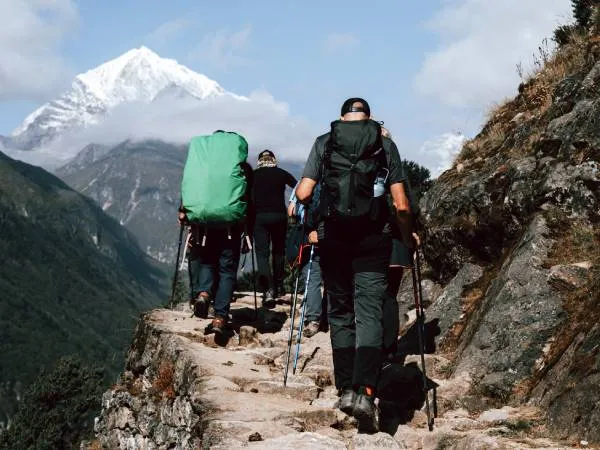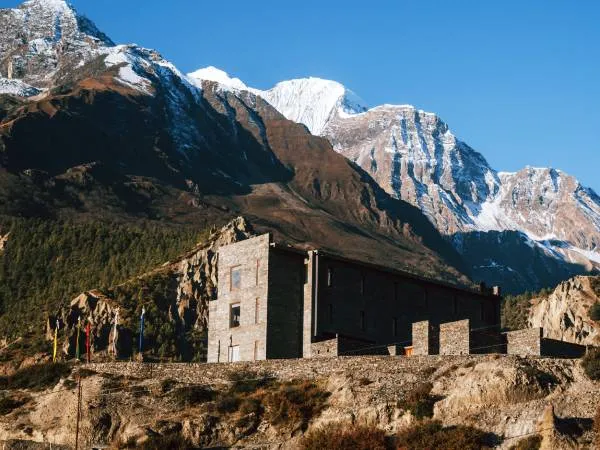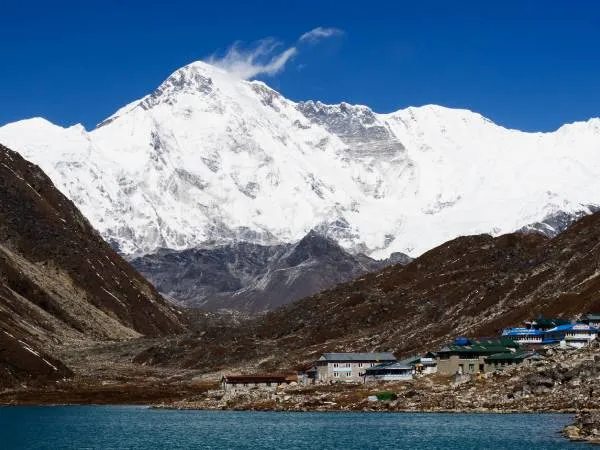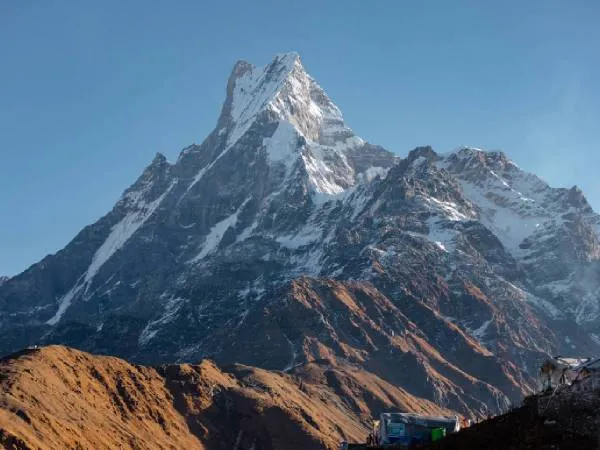

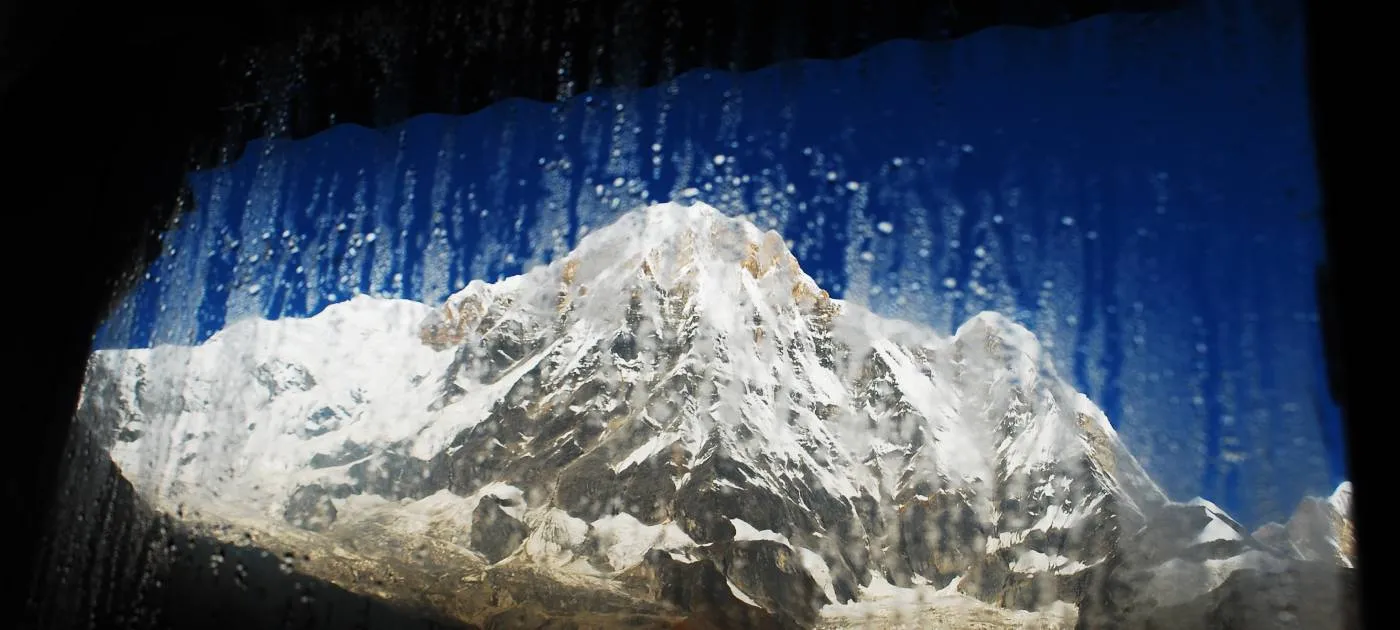
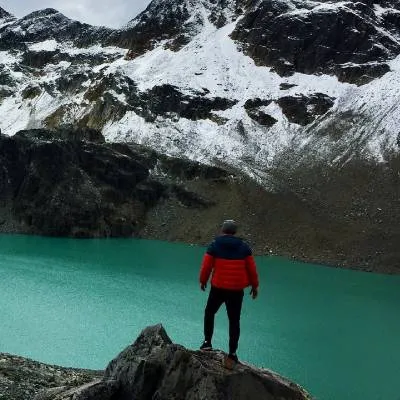
Annapurna Base Camp Trek during the monsoon (June to August) is a challenging yet rewarding adventure in the Himalayas. The trail transforms into a lush green landscape filled with waterfalls, misty clouds, and vibrant natural beauty. While heavy rainfall makes the paths muddy and slippery, the journey offers a peaceful atmosphere with far fewer crowds. This season is ideal for trekkers seeking solitude and a more raw, immersive Himalayan experience, despite the unpredictable weather conditions.
Why Monsoon (Rainy Season) is a Good Time for the Annapurna Base Camp Trek?
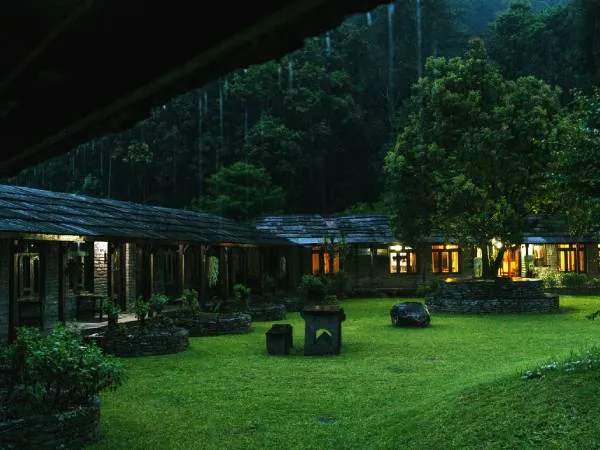
Monsoon is a good time for the Annapurna Base Camp trek as the region turns into a lush green paradise filled with dense forests, terraced fields, and vibrant natural scenery. During this season, the Himalayan views, including Annapurna and Machhapuchhre, are often surrounded by dramatic clouds and mist, creating a mystical atmosphere. The trail also offers a chance to experience the rich culture of the Gurung and Magar communities, known for their warm hospitality and simple mountain lifestyle. This cultural interaction, combined with the natural beauty of the rainy season, makes the journey more unique and memorable.
Annapurna Base Camp Trek Highlights and Scenic Spots in Monsoon
- Witness lush green landscapes and misty Himalayan views throughout the Annapurna Base Camp trail during monsoon.
- Enjoy fewer crowds, making the trek more peaceful and immersive.
- Experience powerful waterfalls, rivers, and the flowing Modi Khola in full monsoon strength.
- Walk through dense, rain-washed forests of bamboo, oak, and rhododendron.
- See cloud-covered villages like Chhomrong and Bamboo creating a magical atmosphere.
- Explore terraced farmlands glowing green with monsoon freshness.
- Feel the misty, quiet forest section around Dovan with a serene vibe.
- Reach Deurali where dramatic clouds meet rugged alpine landscapes.
- Witness shifting Himalayan views at Annapurna Base Camp with clouds moving around the peaks.
Annapurna Base Camp Monsoon Trek Duration and Distance
The Annapurna Base Camp trek typically takes 7 to 12 days, depending on the itinerary, starting point, weather conditions, and acclimatization schedule. During the monsoon season, trekkers often prefer a slightly flexible plan due to wet trails and changing weather.
A 7–8 day short annapurna itinerary suits trekkers with limited time who still want to experience the lush monsoon beauty of the Annapurna region, though it requires steady pacing on slippery trails. Longer itineraries of 10–12 days are ideal for a more relaxed journey, better acclimatization, and deeper exploration of traditional villages, forests, and mountain culture.
The total trekking distance is around 110 to 130 km (68 to 80 miles) for a round trip. The trail gradually ascends to 4,130 meters at Annapurna Base Camp, surrounded by iconic peaks like Annapurna I and Machhapuchhre, often partially hidden by monsoon clouds for a dramatic Himalayan atmosphere.
"It is not the mountain we conquer, but ourselves." — Sir Edmund Hillary
Monsoon Training and Preparation for ABC Trek
The Annapurna Base Camp trek in the monsoon is considered a moderate-level trek, so extensive professional training is not required. However, a good level of physical fitness is important to enjoy the journey comfortably, especially during wet and slippery trail conditions.
Engaging in regular activities such as hiking, jogging, cycling, and 4–6 hours of walking practice for a few weeks before the trek can greatly improve stamina, endurance, and overall confidence on the trail. This also helps reduce fatigue and supports better adaptation to the trekking environment.
Maintaining a balanced diet and energy-rich snacks during preparation and the trek itself is important to stay energized throughout long walking days. A positive mindset and realistic expectations are equally important, especially during the monsoon when the weather can change quickly.
Trekkers should be prepared for basic teahouse accommodation, simple meals (3 times a day), wet trails, and daily physical effort. Despite these challenges, the monsoon trek offers a unique opportunity to experience lush landscapes, peaceful trails, and authentic Himalayan village life.
Cost Breakdown of the Annapurna Base Camp Trekking During Monsoon Season
The Annapurna Base Camp trekking during the monsoon season (June to August) is generally more affordable than peak seasons, as fewer trekkers mean lower demand for accommodation and services. Here is a detailed breakdown of the expected costs:
The total cost of the Annapurna Base Camp trek includes permits, accommodation, food, transportation, and other essentials. You’ll need two permits: ACAP (NPR 3,000 / USD 22) and a TIMS card (NPR 2,000 / USD 15), which can be obtained in Kathmandu or Pokhara. Teahouse accommodation is affordable, ranging from NPR 300 to 900 (USD 2–7) per night, often free if you eat there.
Food costs increase with altitude, with a daily budget of around NPR 1,500–3,000 (USD 11–22). Hiring a guide (USD 25–35/day) or porter (USD 18–25/day) is recommended, especially in monsoon. Transportation costs vary, with buses from Kathmandu to Pokhara at USD 10–15 and flights at USD 80–120. Travel insurance (USD 50–150) is essential, and you should also budget extra for showers, charging, Wi-Fi, and snacks, which can add NPR 500–1,000 per day.
Total Estimated Budget Summary
| Category | Budget (USD) | Standard (USD) | Premium (USD) |
|---|---|---|---|
| Permits | 37 | 37 | 37 |
| Accommodation (10 nights) | 30 – 60 | 60 – 100 | 150 – 250 |
| Food (10 days) | 110 – 150 | 150 – 220 | 250 – 350 |
| Guide/Porter (10 days) | 180 – 250 | 280 – 400 | 450 – 600 |
| Transportation | 25 – 40 | 80 – 150 | 150 – 250 |
| Insurance | 50 – 80 | 100 – 150 | 150 – 200 |
| Miscellaneous | 30 – 50 | 60 – 100 | 100 – 150 |
| Total | 462 – 667 | 767 – 1,157 | 1,287 – 1,837 |
| Action | Book Budget Trek | Book Standard Trek | Book Premium Trek |
Annapurna Base Camp Trek Itinerary (14 Days) in Monsoon
The 14-day Annapurna Base Camp trek itinerary is designed to provide a well-paced and comfortable journey into the heart of the Annapurna Sanctuary. It includes your arrival in Kathmandu, cultural sightseeing, and travel to Pokhara before starting the trek from Nayapul. The route passes through beautiful Gurung villages, lush forests, and scenic river valleys, gradually ascending to Machhapuchhre Base Camp and finally Annapurna Base Camp (4,130m).
After enjoying the stunning Himalayan views, the trail descends via Jhinu Danda, where you can relax in natural hot springs, before returning to Pokhara and then Kathmandu. This itinerary allows proper acclimatization, making it suitable for both beginners and experienced trekkers.
| Day | Arrival / Destination | Altitude (m) |
|---|---|---|
| 1 | Arrival in Kathmandu | 1,400 |
| 2 | Kathmandu Sightseeing | 1,400 |
| 3 | Drive to Pokhara | 822 |
| 4 | Drive to Ghandruk | 1,940 |
| 5 | Walk to Chhomrong | 2,170 |
| 6 | Trekking to Dovan | 2,600 |
| 7 | Trek to Deurali | 3,200 |
| 8 | Trek to Annapurna Base Camp | 4,130 |
| 9 | Descend to Bamboo | 2,310 |
| 10 | Walk to Jhinu Danda | 1,780 |
| 11 | Drive to Pokhara | 822 |
| 12 | Pokhara (Rest Day) | 822 |
| 13 | Drive to Kathmandu | 1,400 |
| 14 | Departure | 1,400 |
"The Himalayas don't care how prepared you are but they reward those who come with an open heart." — Himalayan Trekking Wisdom
Frequently Asked Questions about the Annapurna Base Camp Trek in Monsoon
Is it safe to do the Annapurna Base Camp trek during the monsoon?
Yes, the Annapurna Base Camp trek is generally safe during the monsoon if you are well prepared and take the necessary precautions. The main risks include slippery trails, leeches, landslides, and sudden changes in weather.
When exactly is the monsoon season for the ABC trek?
The monsoon season in the Annapurna region runs from June to August, with July being the heaviest rainfall month. Early June and late August are considered the shoulder periods of the monsoon, where rainfall is lighter, and conditions are slightly more manageable while still offering the lush green monsoon landscapes.
How difficult is the ABC trek during the monsoon compared to other seasons?
The ABC trek during the monsoon is moderately more challenging than in spring or autumn due to wet, muddy, and slippery trails. However, the overall difficulty level remains moderate. Trekkers with basic fitness and proper gear can complete it comfortably. The key difference is that extra caution is needed on steep sections and river crossings.
Do I need a guide for the ABC trek in the monsoon?
While the ABC trek does not legally require a guide, hiring one is strongly recommended during the monsoon. Trails can be unclear due to heavy rain and mist, and an experienced guide helps with navigation, safety, and communication with locals. A guide also adds significant value in emergencies such as injuries or sudden illness on the trail.
What permits do I need for the ABC trek in the monsoon?
You need two permits for the Annapurna Base Camp trek regardless of the season:
- ACAP (Annapurna Conservation Area Permit) – NPR 3,000 (approx. USD 22)
- TIMS Card (Trekkers' Information Management System) – NPR 2,000 (approx. USD 15)
Both permits can be obtained in Kathmandu at the Nepal Tourism Board office or in Pokhara at the TAAN office.
How many trekkers visit ABC during the monsoon?
Monsoon is the least crowded season on the ABC trail. Compared to spring (March–May) and autumn (September–November), trekker numbers drop significantly, giving you a peaceful and more personal experience on the trail. Teahouses are mostly available without advance booking.
Are teahouses open during the monsoon season?
Yes, most teahouses along the ABC trail remain open during the monsoon. However, a few higher-altitude teahouses near Machhapuchhre Base Camp and Annapurna Base Camp may have limited services or reduced menus due to fewer guests. It is advisable to carry some emergency snacks and confirm teahouse availability with your guide before heading higher.
Can I see the Himalayan peaks clearly during the monsoon?
Clear mountain views are less frequent during the monsoon due to clouds and mist. However, early mornings often offer brief but stunning glimpses of peaks like Annapurna I, Annapurna South, and Machhapuchhre (Fishtail). Many trekkers find the dramatic cloud-covered peaks equally beautiful and atmospheric in their own unique way.
Is there a risk of landslides during the monsoon ABC trek?
Yes, landslide risk increases during heavy monsoon rainfall, particularly in lower sections of the trail near river valleys. Your guide will be aware of high-risk zones and alternative routes. Always follow local advice, avoid trekking during or immediately after heavy rainfall, and stay informed through your teahouse hosts about trail conditions ahead.
How do I deal with leeches on the trail?
Leeches are common on the lower sections of the ABC trail during the monsoon, especially in forested and grassy areas. Here are some effective tips:
- Wear leech socks or tuck your pants into your socks.
- Apply salt, tobacco, or leech repellent on boots and lower legs.
- Check yourself regularly during rest stops.
Do not panic if a leech attaches. Remove it calmly using salt or a fingernail, and clean the wound with an antiseptic.
What is the temperature like at Annapurna Base Camp during the monsoon?
Temperatures vary greatly between lower and higher elevations during the monsoon:
| Location | Altitude | Day Temp | Night Temp |
|---|---|---|---|
| Nayapul / Tikhedhunga | 1,540 m | 20–25°C | 14–18°C |
| Chhomrong | 2,170 m | 16–22°C | 10–14°C |
| Dovan / Himalaya | 2,520 m | 12–18°C | 7–11°C |
| Machhapuchhre Base Camp | 3,700 m | 8–13°C | 2–6°C |
| Annapurna Base Camp | 4,130 m | 5–10°C | -2–3°C |
Warm and waterproof layers are essential, especially for nights at higher camps.
Is travel insurance necessary for the monsoon ABC trek?
Yes, travel insurance is strongly recommended for the ABC trek in the monsoon. Your policy should cover:
- High-altitude trekking (up to 4,500m)
- Helicopter rescue and evacuation
- Medical emergencies and hospitalization
- Trip cancellation due to weather or natural disasters
Without proper insurance, a helicopter evacuation alone can cost USD 3,000 – 5,000, making insurance a vital investment for your safety.