
Are you planning to do the Annapurna Circuit trek in Nepal and wondering how to prepare so you can safely cross one of the world's highest trekking passes? You're in the right place. This is a complete, detailed preparation guide written so you won't need to read another one. Let's get into it.
The Annapurna Circuit is one of Nepal's most iconic treks, set in the central Himalayan region within Gandaki Province. The journey usually begins with a 6–8 hour, 175 km drive from Kathmandu to Besisahar, the traditional starting point. From there, the trek takes around 13 to 16 days, depending on your itinerary, and covers roughly 160 to 230 kilometres (100 to 143 miles).
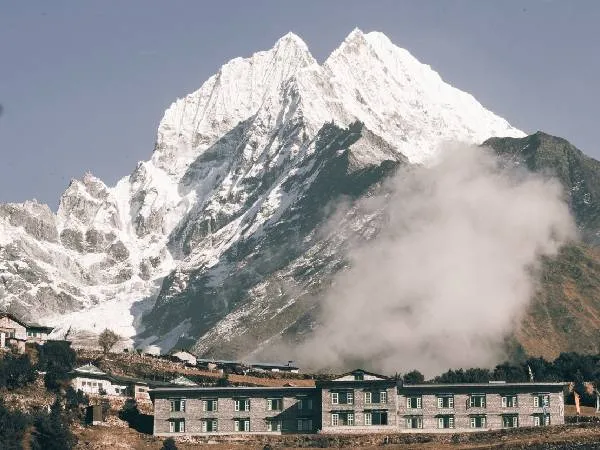
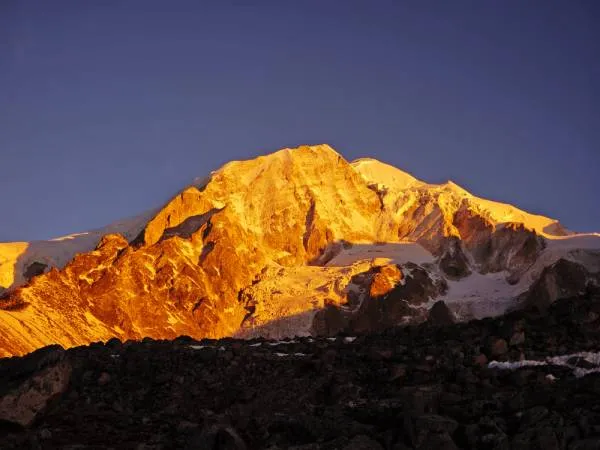
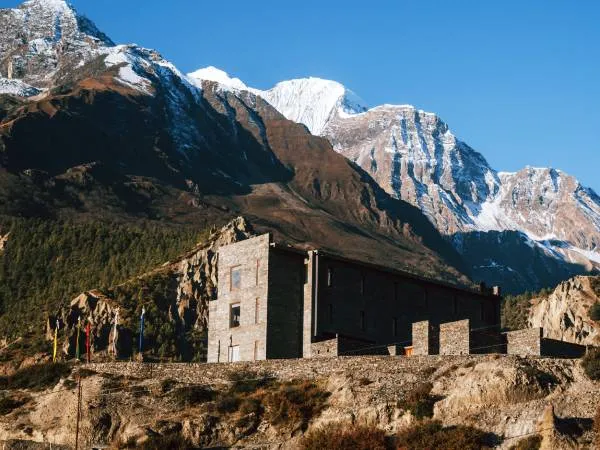
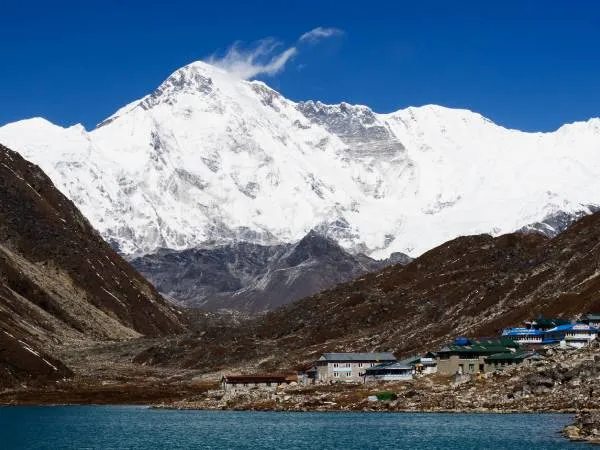
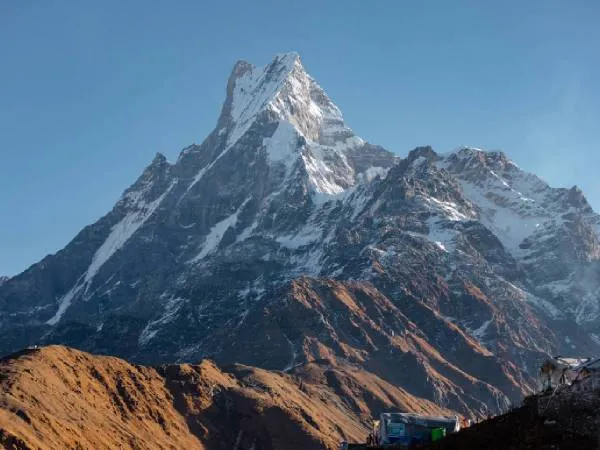
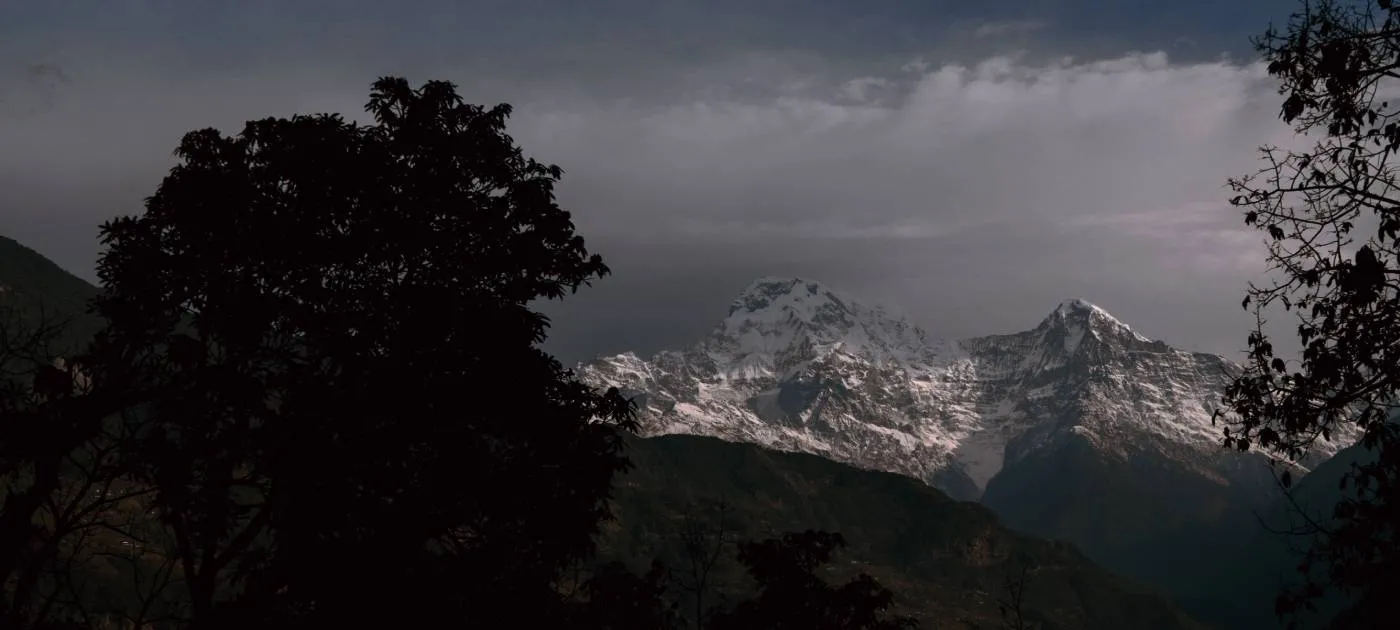
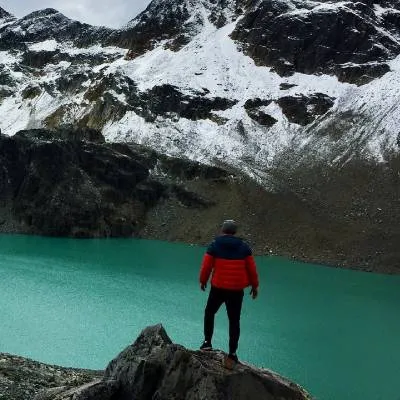
The route circles the breathtaking Annapurna Massif, passing through a remarkable range of landscapes, lush valleys, alpine meadows, traditional Gurung villages, Buddhist monasteries, and ridgelines strung with colourful prayer flags. As the altitude climbs, the trail reaches its dramatic high point at Thorong La Pass (5,416 m), one of the highest trekking passes in the world, ringed by towering Himalayan peaks.
In recent years, lower valleys such as Chame and Manang have seen road development, and parts of the classic trail now run parallel to motorable roads. Even so, trekkers should still be ready for basic teahouse accommodation, three meals a day, sudden weather changes, busy trails during peak season, and steady daily physical effort. Reaching Thorong La and completing the circuit comes down to four things: smart planning, proper preparation, solid physical fitness, and a strong mindset. This guide will walk you through each of them.
What is an ideal time for the Annapurna circuit?
The two best ideal time for the for the Annapurna Circuit are spring (March to May) and autumn (September to November). Both deliver clear skies, stable weather, and crisp mountain views of Annapurna, Dhaulagiri, and Manaslu.
Autumn is the most popular season, prized for its settled weather and the festive atmosphere of Nepal’s Dashain and Tihar celebrations. Spring is a close rival, famous for blooming rhododendron forests, mild temperatures, and colourful, green landscapes after winter.
Trekking is still possible in winter (December to February) and during the monsoon (June to August), but both bring real challenges. Winter means heavy snowfall on the pass and bitterly cold nights, and Thorong La can close entirely after a storm. The monsoon brings frequent rain, leeches in the forest sections, landslide risk, and slippery trails though the rain-shadow areas beyond the pass (Manang, Mustang) stay relatively dry and can be rewarding for experienced trekkers.
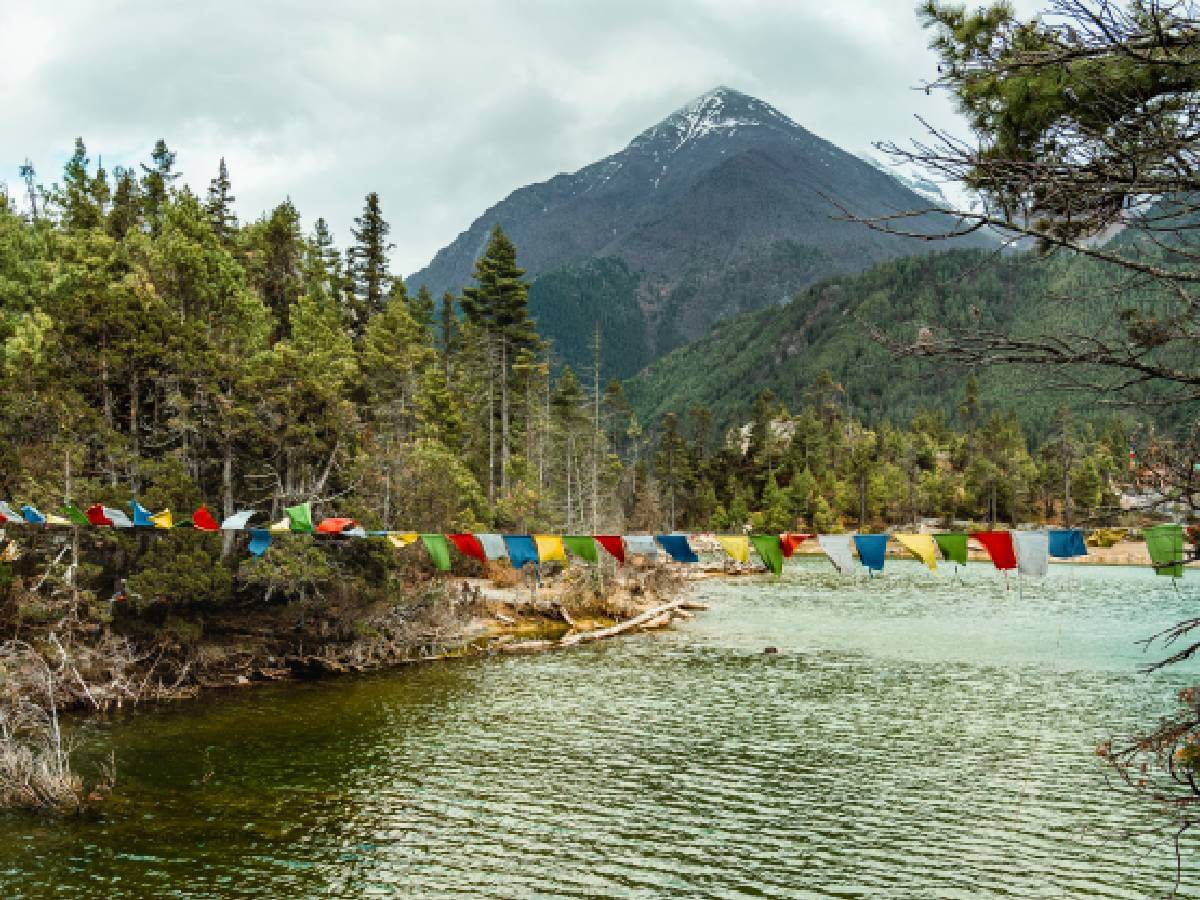
For most people, autumn and spring remain the clear choice for well-maintained trails, predictable weather, and the safest conditions overall.
Suggested Read: Best time for Annapurna Circuit Trek
How Fit Do You Need to Be to Cross the Thorong La Pass?
The Thorong La Pass requires a moderate level of fitness paired with a positive, patient mindset and realistic expectations. The difficulty shifts as the terrain does. The lower sections are gentle and comfortable, while the higher sections become more rugged, remote, and demanding.
Expect to walk 6–8 hours a day for several days in a row on unpaved trails, with plenty of steep ascents and descents. Some tiredness and physical strain are completely normal. The harder factor is altitude: as you climb, the air holds less oxygen, and you will fatigue faster than you would at sea level, long before you reach the pass itself.
This is exactly why pacing and acclimatisation matter more than raw athletic ability. You don’t need to be a marathon runner. You need legs that can keep going day after day, and the discipline to walk slowly enough that your body can adjust. Trekkers who go too fast in the first few days are far more likely to struggle near the top than those who simply take their time.
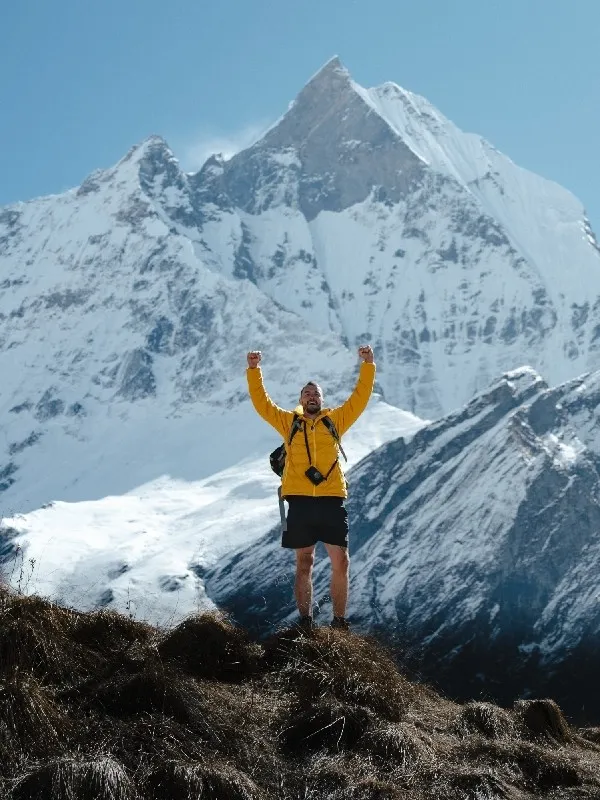
What are the Exercises and Training to Prepare for the Circuit Trek?
Formal training isn’t mandatory, but physical preparation is strongly recommended for a safe and comfortable trek. Building your base over the 8 to 12 weeks before departure makes a noticeable difference to your stamina, your enjoyment, and your resilience at altitude.
Useful training includes:
- Hiking on hills or stairs the single best preparation, ideally on uneven ground.
- Cardio, such as jogging, running, cycling, or swimming, to build endurance.
- Stair climbing or hill repeats to prepare your legs for relentless ascents and descents.
- Loaded walks, carrying a daypack of 5–8 kg to get your body used to walking with weight.
- Leg and core strength (squats, lunges, step-ups) to protect your knees on the long descents.
A simple, repeatable routine done consistently beats occasional intense sessions. Even a few longer hikes on consecutive weekends, building distance and elevation gain each time, will pay off on the trail.
How to Prepare for Altitude-Related Issues on the Trek?
Altitude is the most serious health consideration on the Annapurna Circuit. As you gain elevation, oxygen levels drop, and your body needs time to adapt. Symptoms typically appear 6 to 24 hours after arriving at a higher elevation. The good news is that with the right approach, gradual ascent, the climb high, sleep low principle, a proper acclimatisation day in Manang, and prompt action if you feel unwell, most problems are entirely preventable.
Acute Mountain Sickness (AMS) the mild and common form:
- Headache
- Nausea or vomiting
- Loss of appetite
- Dizziness or light-headedness
- Fatigue
- Difficulty sleeping
- Mild swelling of the hands, face, or feet
High-Altitude Pulmonary Edema (HAPE) is, a medical emergency:
- Shortness of breath, even at rest
- A persistent dry cough that may turn wet
- Chest tightness or discomfort
- Extreme fatigue and weakness
- Rapid heartbeat
- Blue or pale lips
High-Altitude Cerebral Edema (HACE) swelling of the brain, a medical emergency:
- Severe headache
- Confusion or altered mental state
- Loss of coordination
- Hallucinations or unusual behaviour
- Difficulty walking in a straight line
- Loss of consciousness
HAPE and HACE are life-threatening. The only reliable treatment is immediate descent. If you or anyone in your group shows these signs, descend without delay and seek medical help.
Suggested Read: How to Prepare for High-Altitude Trekking: A Complete Guide
How to reduce your risk?
Ascend slowly and build in rest. Acclimatisation days usually around 24 to 48 hours, such as the standard extra day in Manang — let your body catch up.
Hydrate well, aiming for roughly 3 to 4 litres of water a day, and eat a carbohydrate-rich diet.
Avoid alcohol and smoking, which reduce your body’s ability to use oxygen and worsen dehydration.
Never push through symptoms. If you feel unwell, stop, rest, and don’t go higher until you improve.
Communicate with your guide the moment anything feels wrong. Early honesty prevents emergencies.
Diamox (acetazolamide) is commonly used to aid acclimatisation, but it is a prescription medication. Consult a doctor before your trip about whether it’s right for you and how to use it. Supplemental oxygen should only be used on the advice of your guide or a medical professional.
This section is general information, not medical advice. Speak with a travel-medicine clinic or your own doctor before you go, especially if you have any pre-existing conditions.
Related Read: Altitude Sickness in the Himalayas: Symptoms, Prevention & Safety Tips
How to Find the Right Annapurna Circuit Trekking Company in Nepal?
Because a licensed guide is now required, choosing the right trekking company is no longer optional; it’s central to your trip. The best option for most travellers is to book through a local trekking agency in Nepal, often called a Destination Management Company (DMC).
Local agencies are closely tied to the communities along the route, with first-hand knowledge of the region: current trail conditions, permits, flexible itineraries, and experienced guides. Compared with booking through an operator outside Nepal, working directly with a local agency usually means clearer communication, genuine on-the-ground support, and more cost-effective pricing because you’re not paying a foreign middleman. A good agency will also let you choose between a private trek and a group departure to suit your budget and pace.
When comparing companies, look for:
- A government-registered agency with verifiable licensing.
- Licensed, experienced guides (ask about their first-aid and altitude training).
- Transparent, itemised pricing so you know exactly what’s included.
- Genuine reviews from recent trekkers on independent platforms.
- Fair treatment of guides and porters, including insurance and load limits a strong sign of a responsible operator.
- Choosing carefully here shapes the safety, smoothness, and enjoyment of your entire journey.
For your next journey in Nepal for Annapurna Circuit I would like you to suggest to choose Adventure Vision Treks as this company fits every criteria which you find for trekking.
Hiring a Guide and Porter for the Annapurna Circuit
Important update: As of April 2023 and still enforced in 2026, the Government of Nepal requires all foreign trekkers to be accompanied by a licensed guide on major routes within national parks and conservation areas, including the Annapurna Circuit. Independent, unguided trekking is no longer permitted, and your guide must be arranged through a registered agency. Trekking without one can mean fines or being turned back at a checkpoint, so this is now a legal requirement, not just a recommendation.
Guide
Beyond the legal requirement, a guide genuinely transforms the trek. The Thorong La crossing typically begins around 2:00–4:00 a.m. to reach the pass before the wind picks up, and at that altitude, in the dark, standard maps and phone navigation are unreliable.
A guide reads the weather, manages the timing, and keeps you safe on snow, and uneven stone steps. Just as importantly, a good guide opens up the culture of the route, the history of the villages, local traditions, and conversations with communities you’d otherwise pass straight through. In an emergency, especially altitude sickness, having an experienced guide who knows the evacuation options can be life-saving. Guides also handle the often-stressful task of securing rooms during peak season. So its mandatory for you to hire a guide during your journey.
Porter
Hiring a porter is optional but, for many trekkers, well worth it. A porter typically carries around 15 to 20 kg, leaving you free to walk lighter, more comfortably, and at a steadier pace. Long uphill days with a heavy pack take a real toll, particularly approaching a high pass like Thorong La.
Letting a porter carry the load helps you conserve energy and acclimatise, and it directly supports the local mountain economy. If you’d rather not hire a separate person, many agencies offer a porter-guide: one person who carries a lighter load and guides at the same time, a good middle-ground option.
A note on responsible trekking: insist that your porter’s load is capped at a fair weight and that they have proper gear and insurance. Reputable agencies do this as standard.
Accommodation on the Annapurna Circuit
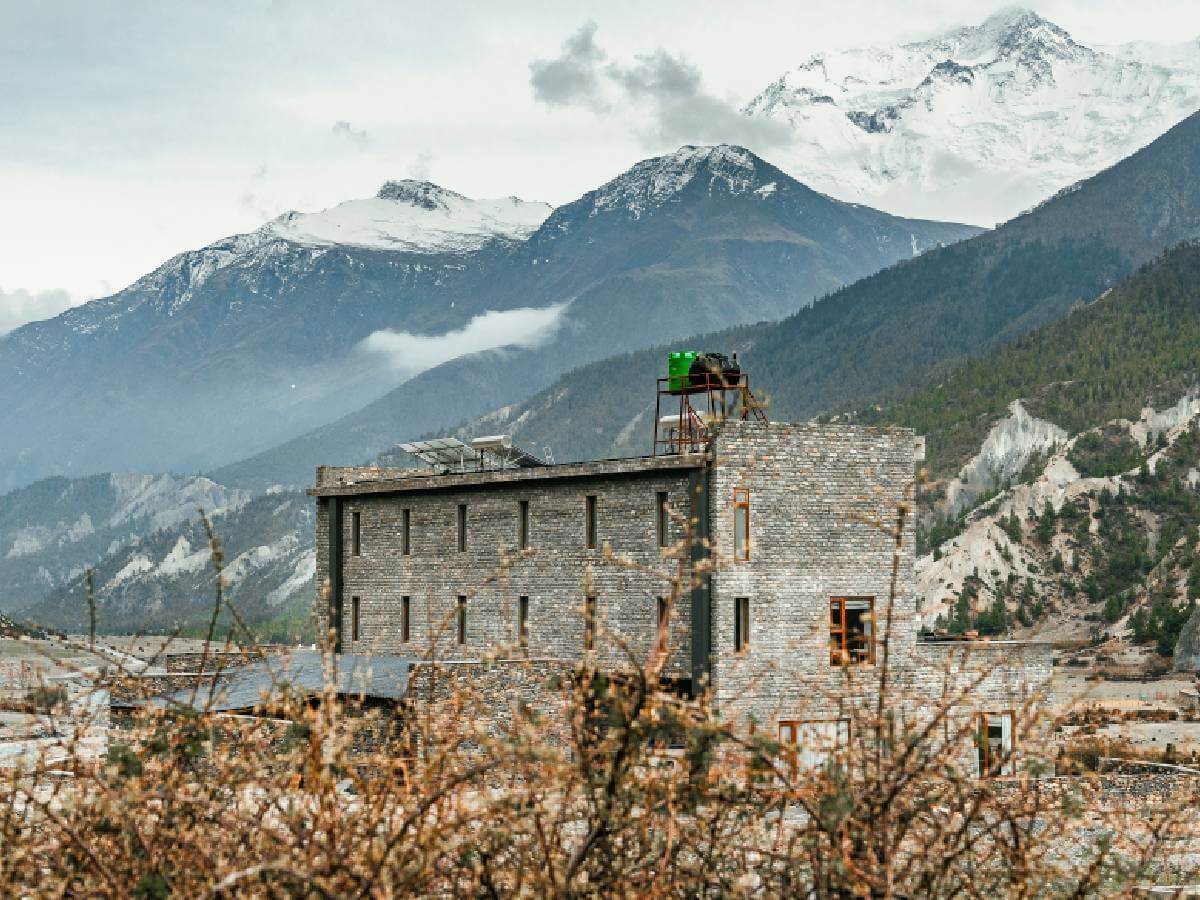
Accommodation on the Annapurna Circuit is built around the teahouse, family-run mountain lodges that offer warm hospitality alongside a genuine taste of local culture. Rooms are generally simple but comfortable: twin-share bedrooms, usually with shared bathrooms in the more remote, high-altitude villages.
In larger hubs like Manang and Jomsom, facilities are noticeably better, often including rooms with attached bathrooms, hot showers, and Wi-Fi. During the peak months (October–November and March–April), the busiest stops Upper Pisang, Manang, Thorong Phedi, and Muktinath fill up fast, so pre-booking through your agency is strongly advised to avoid arriving to a full lodge. In quieter villages such as Chame, Dharapani, Lower Pisang, Tatopani, Ghorepani, and Kagbeni, walk-ins on the day are usually fine. Be aware that some lodges close in the off-season due to weather and low demand.
A few practical realities worth knowing in advance: hot showers and Wi-Fi are often charged extras, charging your devices may cost a small fee at higher elevations, and rooms are heated by a shared stove in the dining hall rather than in the bedrooms, which is exactly why a good sleeping bag matters.
Food and Nutrition on the Trail
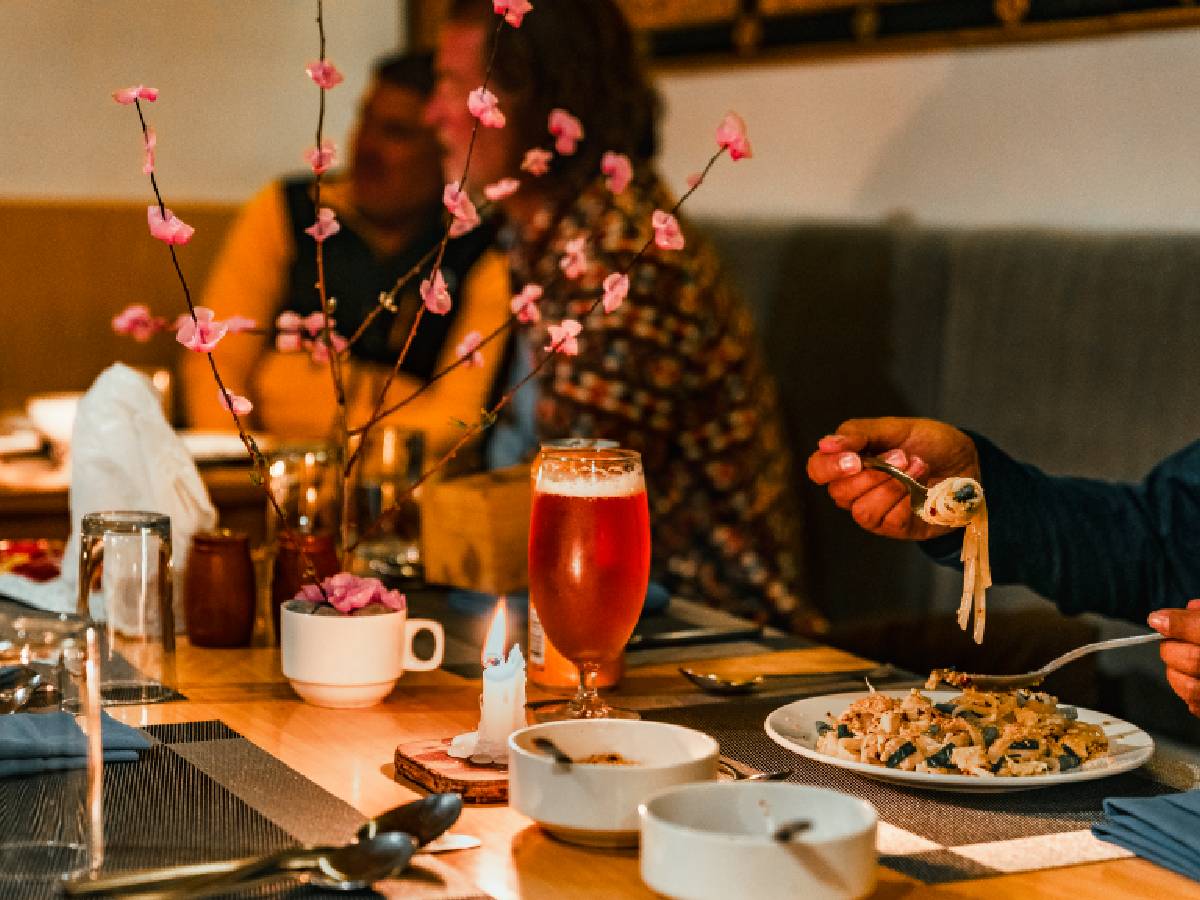
Eating well is one of the most underrated parts of a successful trek. Teahouses serve three meals a day: breakfast, lunch, and dinner, and the staple you’ll come to rely on is dal bhat: lentil soup, rice, vegetable curry (tarkari), and often a small side, usually with free refills. It’s a balanced mix of carbohydrates and protein, freshly cooked, and ideally suited to long days on the trail. There’s a local saying among guides dal bhat power, 24 hours, " and there’s truth to it
Most teahouses can accommodate vegetarian, vegan, or gluten-free preferences, though the menu gets simpler the higher you climb. At altitude, your body burns more calories, so eat enough even when your appetite fades, and carry light snacks, energy bars, chocolate, and nuts to keep your energy steady between meals.
Hydration is just as important. Drink purified or boiled water consistently, even when you don’t feel thirsty. It’s also wise to avoid oily and deep-fried foods (pakoras, chips) at high elevation, as they’re harder to digest. As a general rule, the higher you go, the safer it is to stick to vegetarian and freshly cooked dishes. Meat has often travelled a long way without refrigeration.
Essential Gear and Packing List
Pack smart and keep your luggage lightweight, as porter limits are usually around 15 kg. Essential clothing includes a down jacket, thermal layers, trekking pants, waterproof gear, gloves, hats, socks, and innerwear. Bring waterproof hiking boots, camp shoes, gaiters, and micro-spikes for icy sections. Important gear includes a sleeping bag (-10°C to -15°C), trekking poles, a daypack, duffle bag, and water purification tablets.
Carry a power bank, headlamp, charging cables, sunglasses, and a universal adapter. Toiletries, snacks, sunscreen, basic medicines, and first-aid supplies are also necessary. Finally, keep your passport, permits, visa, insurance documents, and passport-sized photos in a waterproof bag.
Read Related Blogs: Packing List for the Annapurna Circuit Trek
Budget Planning: Full Cost Breakdown for the Annapurna Circuit
Your total cost depends on your itinerary, starting point, accommodation standard, transport, group size, season, and the level of service you choose. Planning a realistic budget upfront helps avoid surprises. Packages generally fall into three tiers.
Budget Trek USD 700 to 1,000 per person
Cost-effective and dependable. Typically covers basic teahouse accommodation, three meals a day, the ACAP permit, a licensed English-speaking guide, ground transport, and local support. Ideal for trekkers who want a genuine, flexible adventure at a reasonable price without compromising on safety.
Standard Trek USD 1,000 to 1,500 per person
A mid-range balance of comfort, value, and support. Usually adds private transport, 3-star hotels in Kathmandu and Pokhara, a porter, more comfortable teahouses, and better-quality meals, alongside the guide and ACAP permit.
Luxury Trek USD 1,500 to 2,500 per person
The premium option, with priority service and full city-office support throughout. Expect 4- or 5-star hotels in Kathmandu and Pokhara, the best available teahouse rooms (attached bathrooms where possible), an experienced licensed guide, all permits, porter service, Wi-Fi where available, high-quality menu-based meals, private transport, and provided sleeping and duffle bags.
A few costs to budget separately, whatever tier you choose: your Nepal visa, travel insurance, tips for your guide and porter (a customary and appreciated part of the culture), and personal extras on the trail such as hot showers, Wi-Fi, device charging, and bottled or boiled water.
| Package Type | Price (Per Person) | Action |
|---|---|---|
| Budget Trek | USD 700–1,000 | Book Now |
| Standard Trek | USD 1,000–1,500 | Book Now |
| Luxury Trek | USD 1,500–2,500 | Book Now |