
October is widely considered the best time for the Annapurna Base Camp Trek, offering clear skies, stable weather, and stunning Himalayan views after the monsoon. From diverse landscapes and rich cultural villages to comfortable trekking conditions and detailed cost options, this guide covers everything you need to plan a safe and rewarding 7-day ABC adventure.

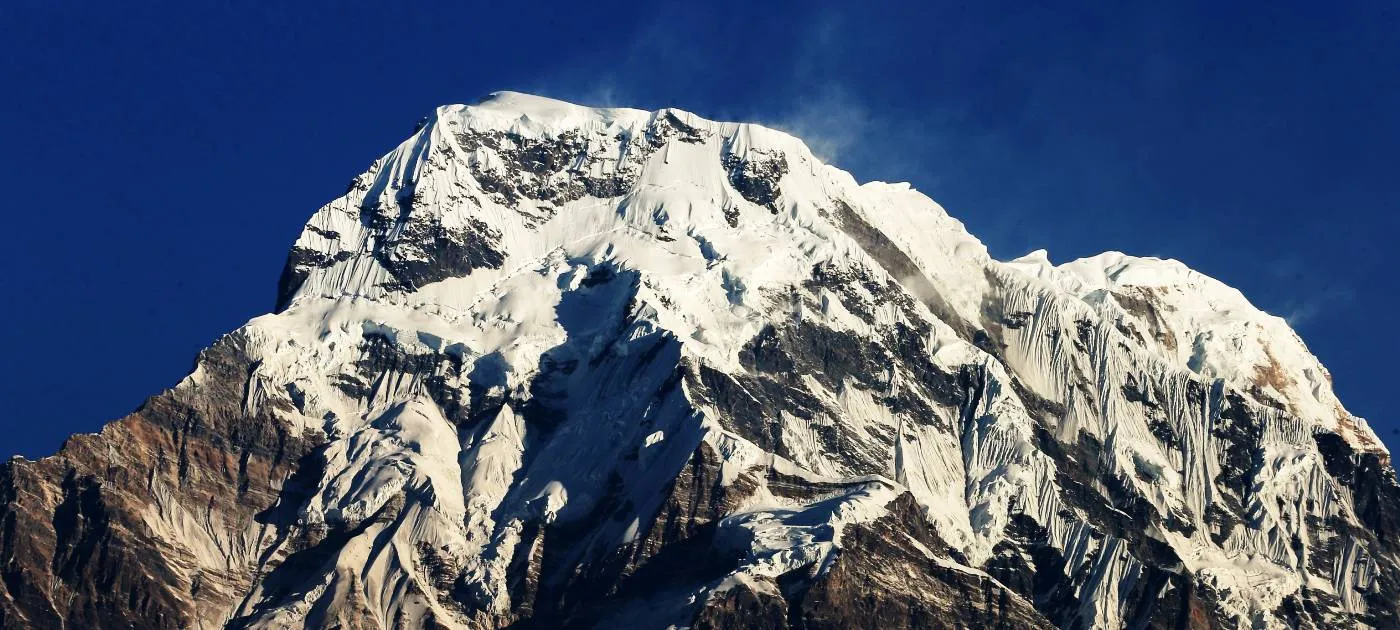
Annapurna Base Camp Trek in October
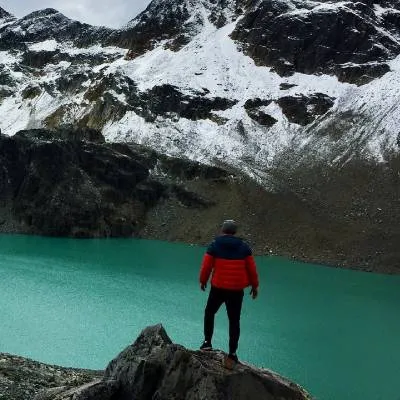
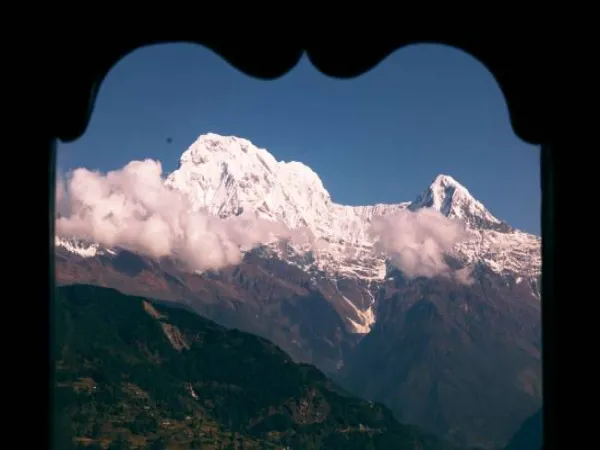
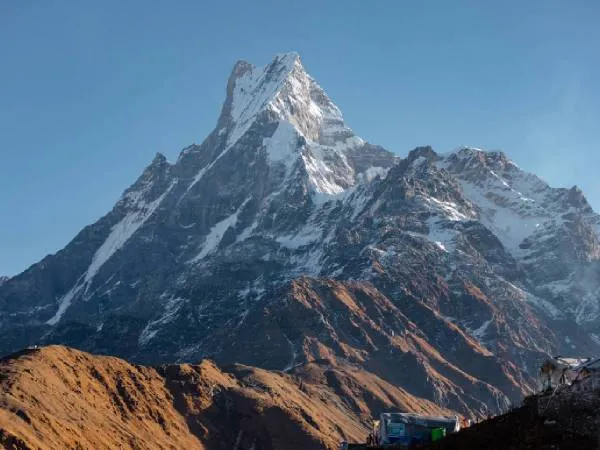
Imagine standing at 4,130 meters, surrounded by a 360° amphitheater of towering peaks, Annapurna I, Machhapuchhre, and Hiunchuli rising sharply against a deep blue autumn sky. This is Annapurna Base Camp in October, the most popular and rewarding time to experience the trek.
October is widely regarded as the best month for the Annapurna Base Camp journey, thanks to its stable weather, crystal-clear visibility, and ideal trail conditions. With the monsoon gone, the landscape feels fresh and vibrant forests glow in shades of gold and amber, the air is crisp, and mountain views are at their absolute best. Days are comfortably warm for trekking, while nights are cool but manageable.
Beyond the scenery, the journey offers rich cultural experiences as you pass through traditional Gurung and Magar villages and relax in the natural hot springs at Jhinu Danda. With minimal rainfall, low risk of landslides, and excellent visibility, October provides near-perfect conditions for both first-time trekkers and experienced hikers.
In this guide, you’ll find everything you need to plan your Annapurna Base Camp trek in October, including weather insights, costs, packing tips, safety advice, and a detailed itinerary.
Why October Is the Best Time for the Annapurna Base Camp Trek?
October is one of the best times for the Annapurna Base Camp trek due to its ideal combination of stable weather, clear visibility, and excellent trail conditions. During this peak autumn season, rainfall is minimal, and the skies are exceptionally clear, offering uninterrupted views of iconic peaks like Annapurna and Machhapuchhre.
The trails are fresh after the monsoon, with lush greenery and improved walking conditions, while the risk of landslides is significantly lower. Trekkers can also enjoy a vibrant atmosphere, meeting fellow travelers from around the world while experiencing the rich culture and warm hospitality of local Gurung and Magar communities. Although it is the busiest month, teahouses are well-prepared, providing comfortable accommodation and a lively trekking experience.
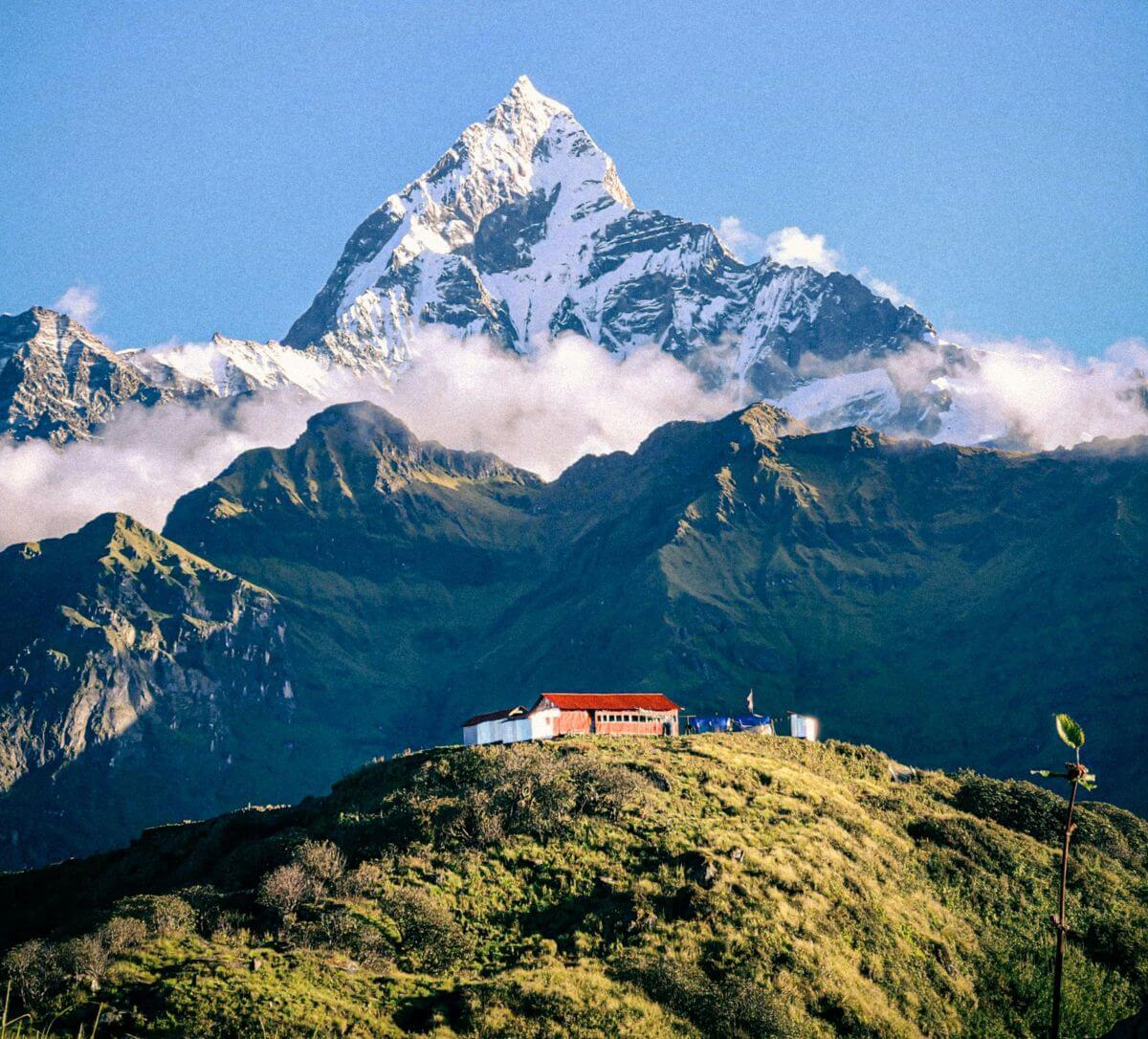
Top Highlights and Scenic Spots on the Annapurna Base Camp Trek in October
- Enjoy panoramic views of iconic peaks, including Annapurna and Machhapuchhre
- Experience breathtaking 360° Himalayan views surrounded by towering snow-capped mountains
- Witness a stunning sunrise over the Annapurna and Dhaulagiri ranges from Poon Hill
- Trek through diverse landscapes, from terraced farmlands and dense rhododendron forests to high-altitude alpine terrain
- Explore traditional Gurung and Magar villages such as Ghorepani and Chhomrong
- Experience the warm hospitality and unique lifestyle of local mountain communities
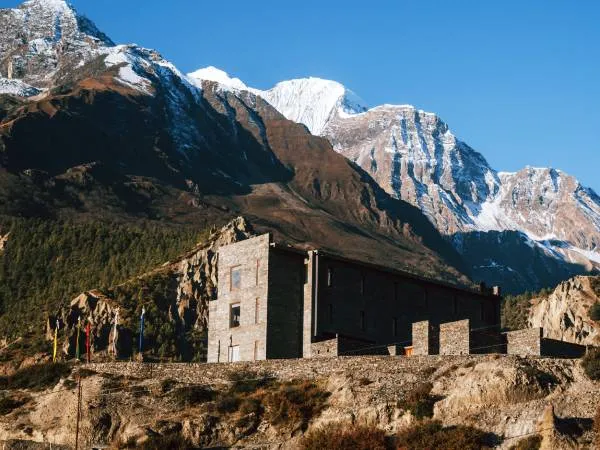
- Discover traditional stone houses, local architecture, and rich cultural heritage
- Relax in the natural hot springs at Jhinu Danda after days of trekking
Annapurna Base Camp Trek Cost in October
The cost of the Annapurna Base Camp Trek in October typically ranges from USD 400 to USD 3,000 per person, depending on the itinerary, level of comfort, group size, transportation, and services included. October is peak trekking season, so prices may be slightly higher due to high demand, but the overall experience is well worth the cost.
Below are the main types of trekking packages and their estimated prices:
Budget Trek (USD 400 – USD 700 per person)
This is the most affordable option, ideal for trekkers looking for a simple and authentic mountain experience. It covers essential services while keeping costs low.
Includes:
- Basic teahouse accommodation
- Three meals per day (breakfast, lunch, and dinner)
- Annapurna Conservation Area Permit (ACAP)
- Licensed English-speaking guide
- Local transportation (public or shared)
This option is perfect for budget travelers who prioritize experience over comfort while maintaining safety.
Standard Package Trek (USD 800 – USD 1,200 per person)
A balanced option that combines comfort, convenience, and value. This is the most popular choice among trekkers.
Includes:
- Comfortable teahouse accommodation during the trek
- 3-star hotels in Kathmandu and Pokhara
- Three meals per day during the trek
- Licensed guide and porter service
- Private transportation
- All necessary permits (ACAP)
This package offers a smoother and more comfortable trekking experience without a high price tag.
Luxury / Premium Trek (USD 1,500+ per person)
Designed for those seeking maximum comfort and personalized service throughout the journey.
Includes:
- 4–5 star hotels in Kathmandu and Pokhara
- Best available teahouse accommodations with attached bathrooms (where possible)
- High-quality meals with menu options
- Experienced licensed guide and dedicated porter(s)
- Private transportation throughout the trip
- Additional services such as Wi-Fi, sleeping bag, and duffle bag
This option ensures a relaxed and premium trekking experience with top-level service and support.
Annapurna Base Camp Trek Cost Table (October)
| Package Type | Price Range (Per Person) | Best For | Book Now |
|---|---|---|---|
| Budget Trek | USD 400 – 700 | Backpackers & low-cost travelers | Book Now |
| Standard Package | USD 800 – 1,200 | Comfort + value seekers | Book Now |
| Luxury / Premium | USD 1,500+ | High-end & hassle-free experience | Book Now |
Outline Itinerary for the 7-Day Annapurna Base Camp Trek
| Day | Route / Activity | Distance | Altitude |
|---|---|---|---|
| Day 1 | Arrival in Kathmandu (Flight), hotel check-in, briefing | — | 1,400 m |
| Day 2 | Fly Kathmandu → Pokhara, drive to Ghandruk | Flight + 3–4 hrs drive | 2,012 m |
| Day 3 | Ghandruk → Chhomrong | 8–10 km | 2,170 m |
| Day 4 | Chhomrong → Dovan | 10–12 km | 2,600 m |
| Day 5 | Dovan → Annapurna Base Camp via MBC | 10–12 km | 4,130 m (ABC) |
| Day 6 | ABC → Jhinu Danda / Bamboo (descent) | 14–16 km | 1,780 m |
| Day 7 | Drive to Pokhara → Fly to Kathmandu → Departure | Drive + Flight | 1,400 m (Kathmandu) |
Temperature and Weather Conditions in October
October marks the beginning of the autumn season in Nepal, following the end of the monsoon. This is one of the best times for trekking, as the weather becomes stable, the skies are clear, and the landscapes turn lush and vibrant with fresh greenery. With minimal rainfall, trail conditions are dry and safe, and the risk of landslides is very low, making trekking more comfortable and reliable.
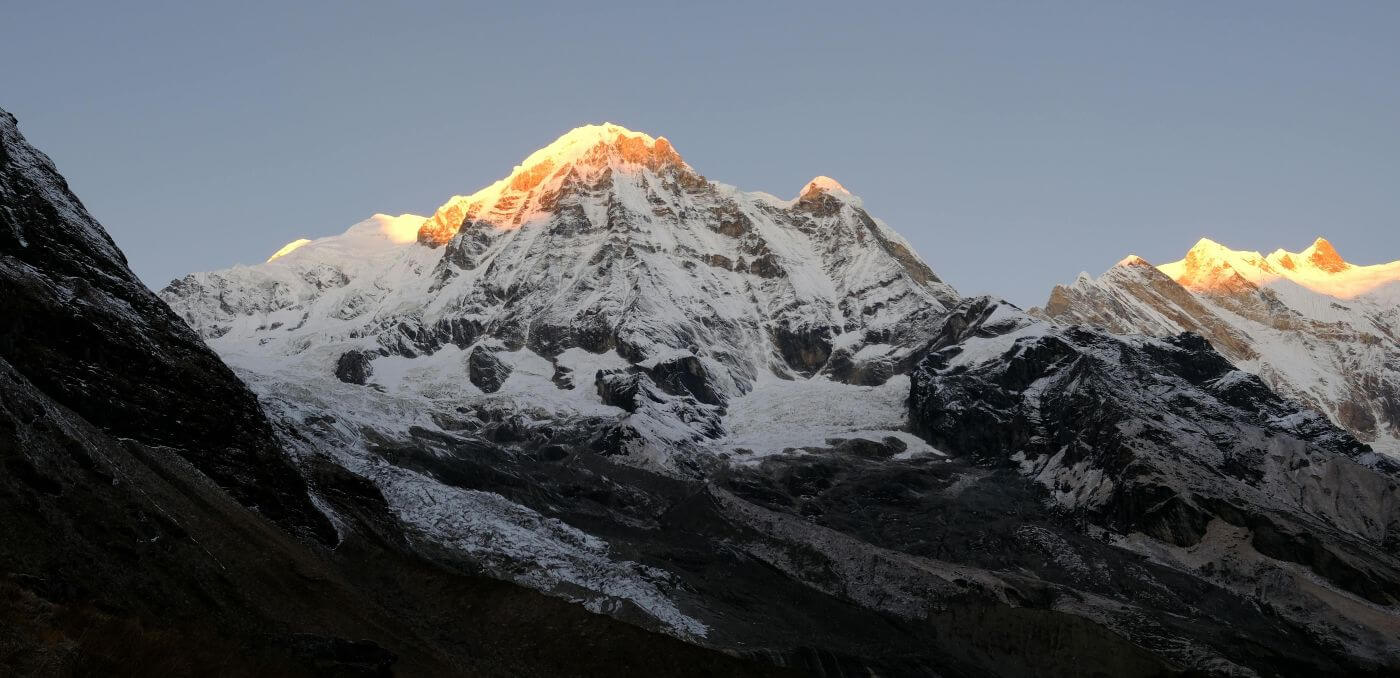
In lower-altitude regions such as Ghorepani, daytime temperatures range from 20°C to 28°C, while nights are cooler, typically between 12°C and 18°C. In mid-altitude areas like Chhomrong and Bamboo, daytime temperatures range from 12°C to 18°C, with nighttime temperatures dropping to around 5°C to 10°C. At higher elevations, including Annapurna Base Camp (4,130 m), daytime temperatures usually range from 5°C to 12°C, while nighttime temperatures can drop between -2°C and 2°C.
October offers some of the most favorable trekking conditions in the Himalayas, combining comfortable temperatures with excellent visibility and stable weather.
| Altitude Zone | Locations | Daytime Temperature | Night Temperature |
|---|---|---|---|
| Low Altitude (1,000 – 2,000 m) | Ghorepani, Nayapul area | 20°C – 28°C | 12°C – 18°C |
| Mid Altitude (2,000 – 3,000 m) | Chhomrong, Bamboo | 12°C – 18°C | 5°C – 10°C |
| High Altitude (3,000 – 4,130 m) | Deurali, Machhapuchhre Base Camp, ABC | 5°C – 12°C | -2°C – 2°C |
Frequently Asked Questions About Annapurna Base Camp Trek in October
Is October a good month for the Annapurna Base Camp Trek?
Yes, October is widely considered the best month for the Annapurna Base Camp Trek. The monsoon has cleared, leaving stable weather, dry trails, and exceptional visibility. You can expect clear mountain views, comfortable daytime temperatures, and minimal risk of rainfall, making it ideal for both first-time and experienced trekkers.
How difficult is the Annapurna Base Camp Trek in October?
The trek is considered moderately challenging. The trails are in their best condition in October, dry, well-marked, and free from monsoon-related hazards like landslides and slippery paths. That said, the altitude gain to 4,130 meters requires a reasonable level of fitness and proper acclimatization regardless of the season.
How long does the Annapurna Base Camp Trek take in October?
Most trekkers complete the Annapurna Base Camp Trek in 7 to 12 days, covering a round-trip distance of approximately 110–130 km. The duration depends on your starting point, pace, and whether you include acclimatization days or side trips such as Poon Hill.
What permits do I need for the Annapurna Base Camp Trek?
You will need two permits:
- Annapurna Conservation Area Permit (ACAP) approximately NPR 3,000 (around USD 22) for foreign national
- TIMS Card (Trekkers' Information Management System) approximately NPR 2,000 (around USD 15)
Both can be obtained in Kathmandu or Pokhara before starting the trek.
What is the temperature like at Annapurna Base Camp in October?
Temperatures vary significantly by altitude:
- Lower altitudes (Ghorepani): 20°C–28°C during the day, 12°C–18°C at night
- Mid altitudes (Chhomrong): 12°C–18°C during the day, 5°C–10°C at night
- Annapurna Base Camp (4,130m): 5°C–12°C during the day, dropping as low as -2°C at night
Layered clothing is essential to handle these temperature swings comfortably.
Do I need a guide for the Annapurna Base Camp Trek in October?
While the trail is well-marked and many trekkers go independently, hiring an experienced licensed guide is strongly recommended. A guide adds safety, local knowledge, and cultural insight, and can be invaluable in the event of sudden weather changes or altitude-related issues. A porter is also worth considering to reduce physical strain on longer days.
How much does the Annapurna Base Camp Trek cost in October? The cost varies depending on the level of service you choose:
- Budget trek: USD 400–700 per person
- Standard package: USD 800–1,200 per person
- Luxury/premium trek: USD 1,500 and above per person
These figures typically include accommodation, meals, permits, a guide, and transportation. International flights to Nepal are not included.
Is altitude sickness a risk on the Annapurna Base Camp Trek?
Yes, altitude sickness is a real risk at elevations above 3,000 meters. Common symptoms include headache, nausea, dizziness, and fatigue. To reduce the risk, ascend gradually, stay well hydrated, avoid alcohol, and never ignore symptoms. Some trekkers carry Diamox as a preventative measure. Consult your doctor before the trek.
How crowded are the trails in October?
October is peak trekking season, so trails and teahouses will be busier than in other months. However, the Annapurna Circuit is well-developed and large enough to absorb the crowds comfortably. Booking teahouses in advance, especially around popular stops like Ghorepani and Chhomrong, is recommended during this period.
What should I pack for the Annapurna Base Camp Trek in October?
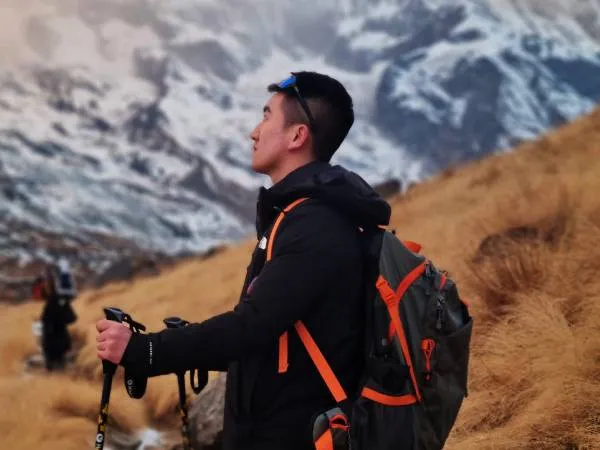
Key items include waterproof hiking boots, thermal base layers, a down jacket, a waterproof outer shell, trekking poles, a sleeping bag rated to at least -10°C, sunscreen, a first aid kit, water purification tablets, and a power bank. A detailed packing list is included further in this guide.
Related Article
Need Help? Call Us
Need Help? Call Us+977 9841120805