Wondering where you'll stay on the Everest Base Camp Trek? This guide walks you through accommodation at every stop, from luxury lodges in Lukla and Namche to basic teahouses in Lobuche and Gorak Shep. Learn what to expect from rooms, meals, and facilities, how costs change with altitude, and the best ways to book your stay along the trail.
The Everest Base Camp Trek offers a wide range of teahouses and mountain lodges that provide accommodation, meals, and a warm place to rest after each day of trekking. From comfortable lodges in Lukla and Namche Bazaar to basic teahouses in high-altitude villages like Lobuche and Gorak Shep, accommodation varies significantly along the route. Understanding what to expect from Everest region teahouses can help you prepare for the trek and enjoy a more comfortable Himalayan adventure.
While the trek is famous for its breathtaking mountain scenery and the journey to Everest Base Camp, the teahouses themselves are an important part of the experience. These family-run lodges become your home in the mountains, offering a bed, hot meals, and a chance to meet fellow trekkers from around the world. As you gain altitude, facilities become more basic due to the challenges of transporting supplies and the harsh mountain environment.
What Are Teahouses and Lodges on the Everest Base Camp Trek?
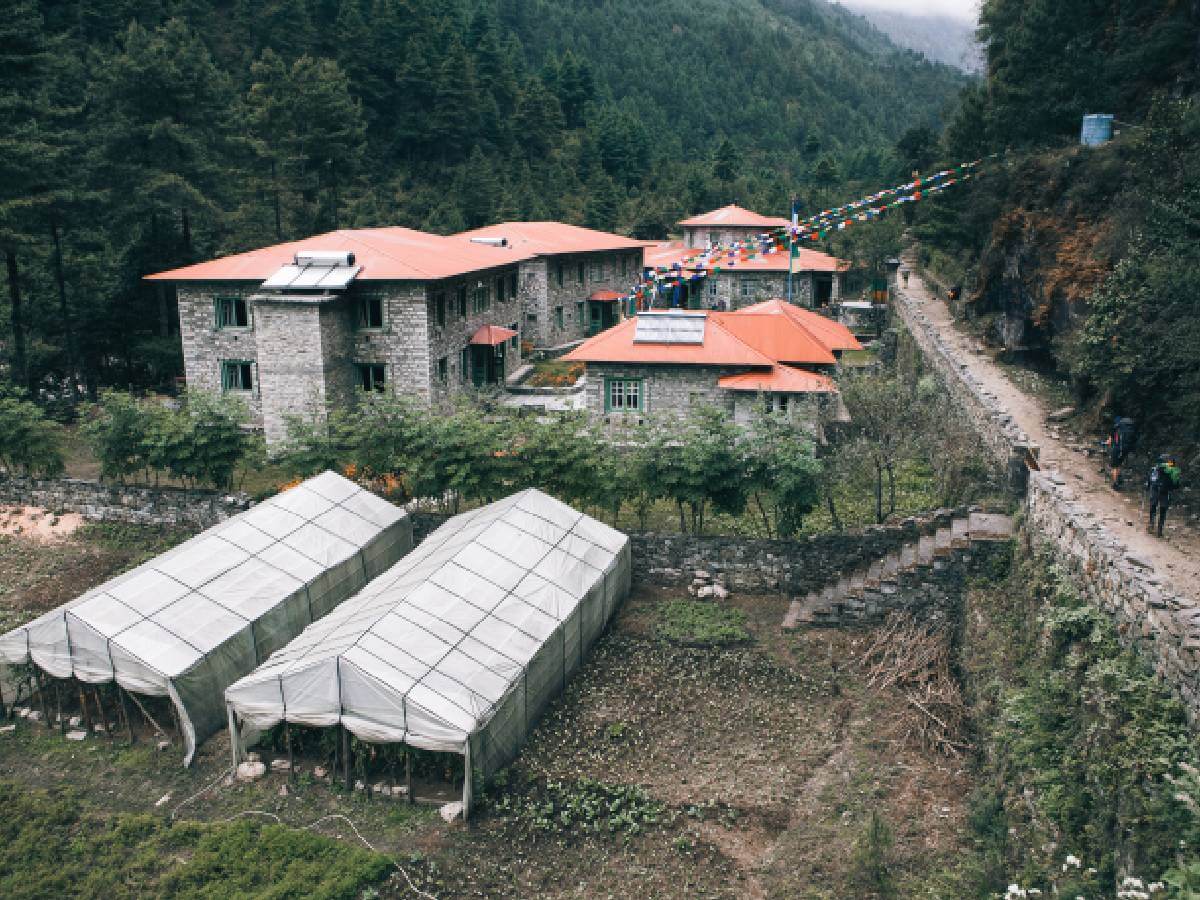
Teahouses and lodges on the Everest Base Camp Trek are much more than places to sleep; they are an important part of the Himalayan experience. Unlike many trekking routes in Nepal, such as the Manaslu trekking routes or the Annapurna trekking routes, the Everest region offers accommodation for every budget, ranging from simple family-run teahouses to comfortable 4-star mountain hotels like the Yeti Mountain Home, in Lukla, Namche Bazaar, Phakding, Monjo, Debuche, Thame, and Kongde. These hotels offer all the luxury you want for the journey to EBC, including comfortable beds, food, and services.
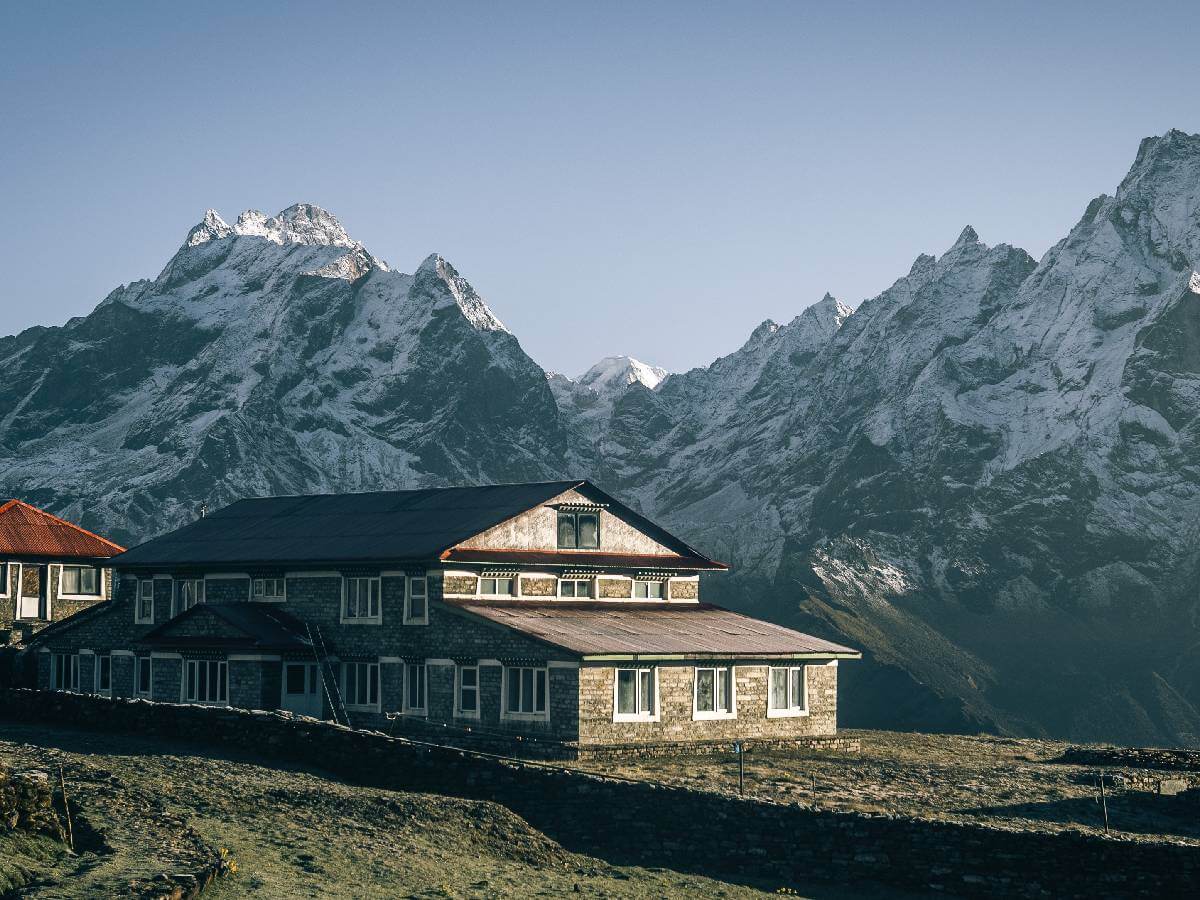
Tea House in Everest Region
As you gain altitude, facilities become more basic, but most tea houses offer comfortable beds, warm meals, and a cozy dining hall where trekkers gather to relax, share stories, and enjoy the mountain atmosphere. Whether you choose a basic teahouse or a luxury lodge, the Everest trail offers some of the best accommodation options in Nepal's trekking regions.
Why Accommodation Matters During the Everest Base Camp Trekking?
Accommodation matters because the Everest Base Camp Trekking is physically demanding. You walk for many hours, climb uphill, cross suspension bridges, and sleep at increasing altitude. A clean bed, warm food, and a peaceful lodge can help your body recover for the next day.
The best teahouses on the Everest are not necessarily the most expensive. The ideal lodge offers clean rooms, good food, friendly hospitality, and a comfortable place to rest after a long day walking on the trail. As you gain altitude and the trekking becomes more challenging, even simple comforts can make a big difference to your overall experience.
Lukla is the main gateway to the Everest region and the starting point for most Everest region treks. Because it is the first stop on the trail, accommodation standards are generally higher here than in the villages farther up the route. Trekkers can choose from basic teahouses, comfortable lodges, and premium mountain hotels, including properties operated by Yeti Homes.
Many lodges in Lukla offer private rooms, attached bathrooms, hot showers, Wi-Fi, and electric blanket facilities that become less common as you gain altitude. For trekkers arriving after a flight from Kathmandu or Ramechhap, Lukla provides a comfortable place to rest before beginning the journey toward the Khumbu region.
The atmosphere in Lukla is unlike anywhere else on the trek. With aircraft landing at the famous airport, porters preparing loads, and trekkers making final gear checks, the village is filled with anticipation and excitement as the adventure into the Himalayas begins.
Accommodations in Phakding Near the Dudh Koshi River
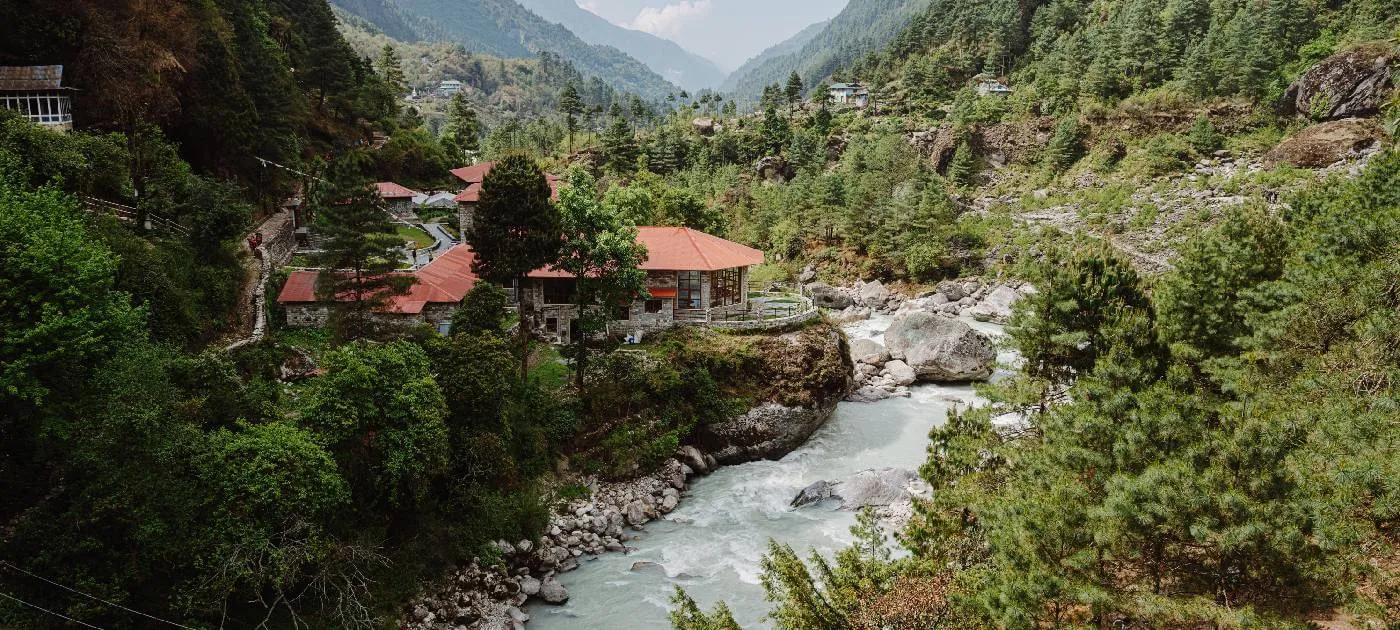
Phakding is usually the first overnight stop after leaving Lukla. Situated beside the Dudh Koshi River at a lower altitude, the village has a peaceful atmosphere that helps trekkers ease into the journey. After the first day of walking, many people choose to rest here and adjust to the rhythm of trekking in the Everest region.
Accommodation in Phakding ranges from simple family-run teahouses to comfortable lodges with modern amenities. Popular options include lodges such as Yeti Mountain Home Phakding, Sherpa Guide Lodge, and Hotel Beer Garden. Many lodges offer comfortable rooms, hot meals, Wi-Fi, and warm hospitality, making them ideal for a relaxing first night on the trail.
One of the highlights of staying in Phakding is its tranquil setting. The sound of the Dudh Koshi River, surrounding pine forests, and the slower pace of village life create a calm environment before the trek continues toward Namche Bazaar.
Accommodations in Namche Bazaar, Khumbu
Namche Bazaar in Khumbu is one of the most important stops on the Everest Base Camp journey. As the main trading center and acclimatization hub of the Khumbu region, most trekkers spend at least two nights here to help their bodies adjust to the increasing altitude. Compared to other villages along the trail, it offers a wider range of accommodation, from basic teahouses to comfortable lodges with modern amenities.
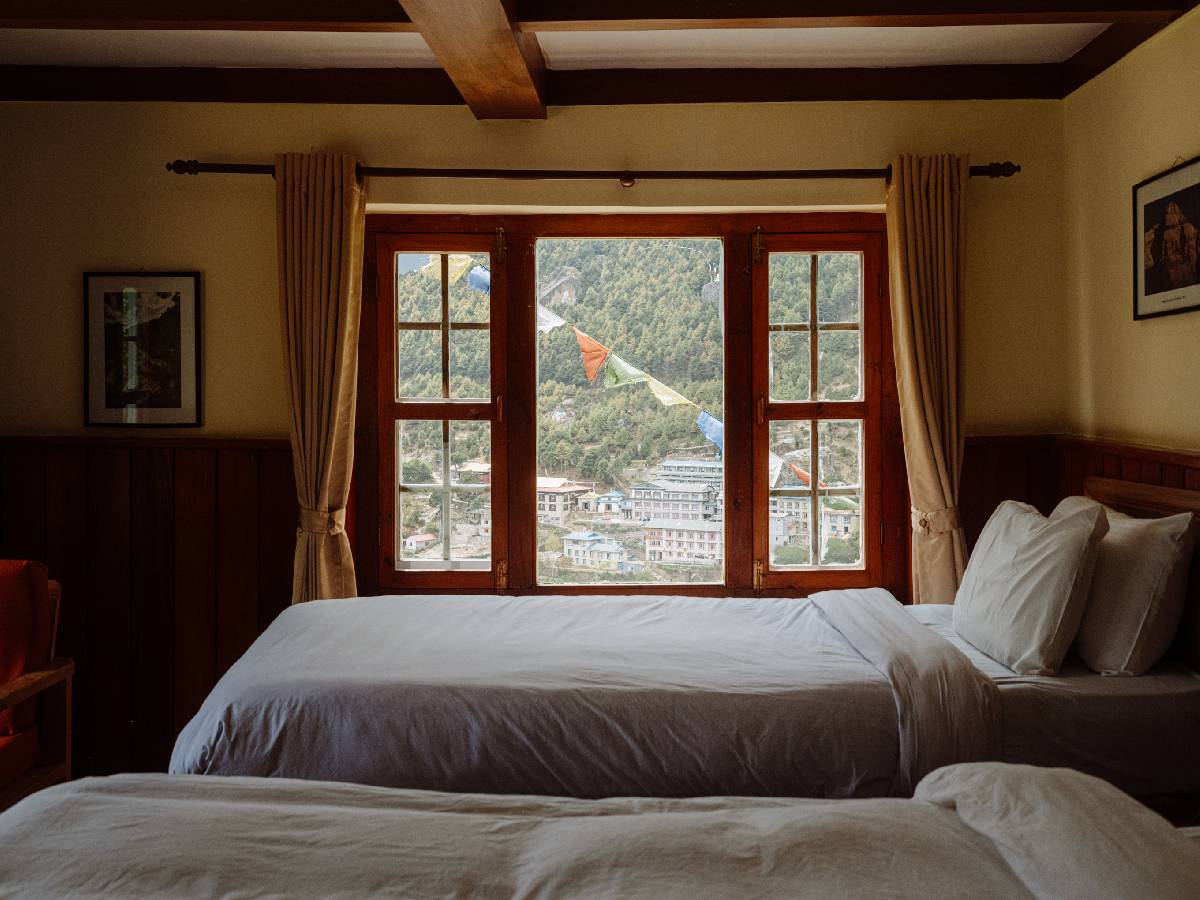
Comfortable Twin beds at Namche Bazaar
Popular lodging options in Namche Bazaar include Hotel Sherpa Land and Hotel Khangri, along with several other guesthouses and mountain lodges. Many accommodations offer comfortable rooms, hot showers, Wi-Fi, bakeries nearby, and dining areas where trekkers can relax during their acclimatization days.
Staying in Namche feels like a reward after the demanding climb from Phakding. The village is filled with colorful buildings, trekking shops, cafés, bakeries, prayer flags, and stunning mountain views. With its lively atmosphere and essential services, Namche Bazaar truly feels like the heart of the Khumbu region.
Comfortable Teahouses in Tengboche
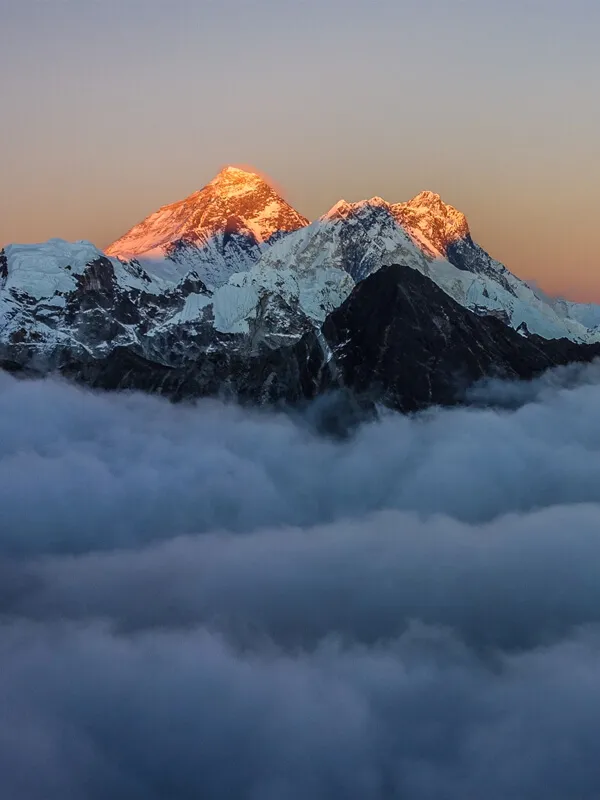
Tengboche is famous for its monastery and spectacular Himalayan views, including sights of Everest, Ama Dablam, and other surrounding peaks. Accommodation here is generally simpler than in Namche Bazaar, with a handful of teahouses and lodges providing basic but comfortable rooms for trekkers.
Most lodges offer twin-sharing rooms, communal dining halls, and shared bathroom facilities. While amenities are more limited than in lower villages, trekkers are rewarded with one of the most scenic locations on the Solukhumbu.
The atmosphere in Tengboche is unique. The presence of the monastery, fluttering prayer flags, fresh mountain air, and peaceful surroundings create a spiritual feeling that many trekkers remember long after the trek ends. Attending the monks' evening prayers can be a special experience for those staying overnight.
Nearby Deboche is also a popular accommodation stop. Located slightly lower in elevation and surrounded by forest, it is often quieter and more sheltered from the wind than Tengboche. Some trekkers choose to stay in Deboche for a calmer environment while still enjoying easy access to Tengboche Monastery.
Kyangjuma lies just above Namche Bazaar and is a peaceful stop on the way toward Tengboche. It is often used for short breaks, tea stops, or sometimes overnight stays, depending on the itinerary. The area is especially known for its wide, open views of Ama Dablam and surrounding Himalayan peaks.
One of the well-known lodges here is Ama Dablam Lodge & Restaurant, which is often mentioned by trekkers for its simple rooms, good food, and warm hospitality. While facilities are basic compared to Namche, the main highlight of staying here is the incredible mountain scenery right from the terrace.
Kyangjuma feels noticeably calmer after the busy trails of Namche. On clear days, sitting outside with a cup of tea and watching Ama Dablam dominate the skyline becomes one of those quiet, memorable moments of the trek.
Lodges in Dingboche
Dingboche is an important acclimatization stop on the Everest Base Camp Trek, located at around 4,410 meters. As trekkers gain altitude, accommodation here becomes simpler but essential, with basic twin-sharing rooms, warm dining halls, hearty meals, and shared bathroom facilities.
The village has several well-known teahouses and lodges, including Hotel Mother Earth, Hotel Countryside, Hotel Good Luck, and Himalayan Culture Home. Most of these are family-run lodges that provide warm hospitality, Wi-Fi, hot showers (where available), and communal dining areas where trekkers gather around the stove in the evening.
At this altitude, comfort is no longer about luxury; it is about warmth, food, and proper rest before continuing toward Lobuche and Gorak Shep. Dingboche offers exactly that balance, making it one of the most important rest points on the trail.
Accommodations Lobuche
Accommodation in Lobuche stands as one of the highest overnight stops on the Everest Base Camp, so accommodation here becomes quite basic compared to lower villages. Teahouses provide simple twin rooms, shared toilet facilities, warm meals, and heated dining areas where trekkers recover after a long and cold day on the trail.
Several lodges operate in Lobuche, including Oxygen Altitude Home, New EBC Guest House, Eco Lodge, National Park Hotel and Restaurant, Mother Earth House, and Himalayan Eco Resort. Because accommodation options are limited at this altitude, rooms often fill quickly during peak trekking seasons, so advance planning becomes important.
At this stage of the journey, comfort shifts away from luxury and focuses on warmth, nourishment, and rest. A hot cup of tea, a filling meal, a safe bed, and proper recovery become the real priorities before the final push toward Gorak Shep and EBC.
Tea House Gorak Shep
Gorak Shep is one of the most remote settlements on the entire Everest Base Camp Trek. At this extreme altitude, accommodation remains very basic, and facilities are limited due to the harsh mountain conditions.
One of the known lodging options here is Hotel Everest Inn, situated near the Khumbu Glacier at around 5,180 meters. Like other teahouses in Gorak Shep, it provides simple twin-sharing rooms and a basic but warm communal dining hall where trekkers gather to eat, rest, and recover after long trekking hours.
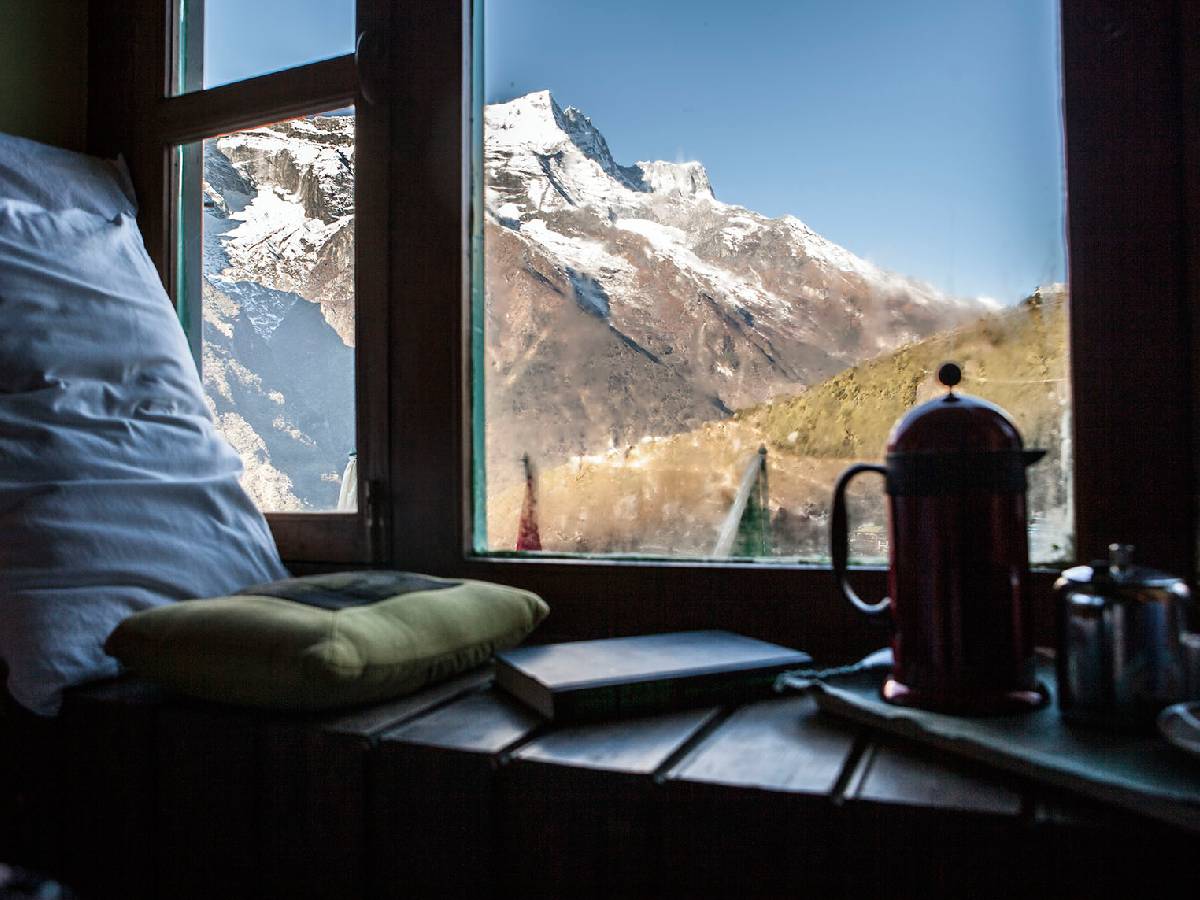
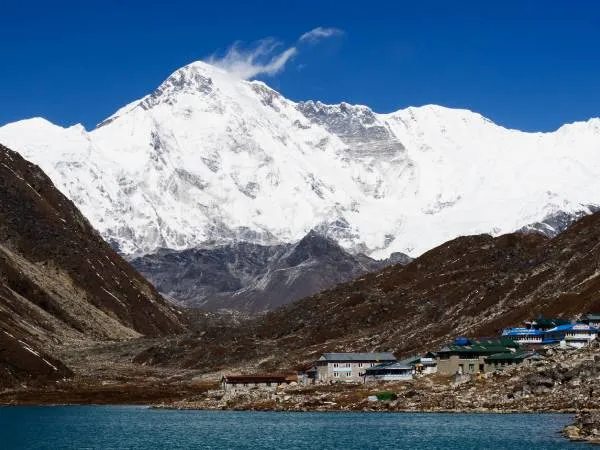
Mountains seen from tea house of Gorakshep
Expect compact rooms, freezing nighttime temperatures, and minimal comfort at this stage of the journey. Even so, Gorak Shep serves an important role as the final resting point before the ascent to Everest Base Camp and Kala Patthar.
The experience here feels intense and deeply emotional. Fatigue, altitude, and excitement come together, but the closeness to Everest keeps trekkers motivated. Even a simple lodge feels meaningful, offering essential shelter at the edge of one of the world’s greatest trekking achievements.
Luxury Lodges vs Local Teahouses on the Everest Base Camp Route
There are two main types of accommodation on the Everest Base Camp route, which are luxury lodges and local teahouses.
Luxury lodges, often referred to as 4-star hotels in the mountains, are among the most popular accommodation options in the Khumbu region. These lodges provide a premium experience in the Himalayas, offering better-quality rooms, attached bathrooms, heated beds, hot showers, and more reliable services compared to standard teahouses. Trekkers looking for comfort and a Luxury Everest Base Camp experience often prefer these upgraded stays.
Local teahouses are simpler but more traditional. They give you a real mountain experience. You eat local food, meet Sherpa families, sit in warm dining rooms, and feel the lifestyle of the Khumbu region. These local teahouses carry many stories and pure raw emotions from these travelers.
Food, Rooms, Wi-Fi, Hot Showers, and Charging Facilities in EBC Teahouses
Most EBC teahouses offer meals like dal Bhat, noodles, fried rice, soup, potatoes, eggs, pancakes, tea, and coffee. Dal Bhat is one of the best meals for trekking because it is filling and gives energy.
Rooms are usually twin-sharing. In lower villages, some lodges have attached bathrooms. Higher up, shared toilets are more common.
Wi-Fi, hot showers, and charging may be available, but they often cost extra. As you go higher, these services become more expensive and less reliable.
However, the luxury tea houses and hotels offer you a complete city service experience in the mountains.
How Teahouse Facilities Change as You Go Higher on the Everest Trail
The simple rule is: the higher you go, the more basic the lodges become.
In Lukla, Phakding, and Namche, you can find more comfort. In Dingboche, Lobuche, and Gorak Shep, the rooms become colder and simpler.
This is part of the EBC experience. The trail slowly teaches you that comfort is not always about luxury. Sometimes comfort is just hot soup, a warm dining room, and a blanket after a long day.
What to Expect from Rooms and Bathrooms in Everest Base Camp Accommodations
Accommodation on the Everest Base Camp varies greatly depending on altitude. In the lower sections of the trail, such as Lukla and Namche Bazaar, trekkers can find a wide range of options from luxury-style mountain lodges to comfortable standard hotels and budget teahouses with good facilities.
As you move higher, the standard gradually decreases. In places like Dingboche and Lobuche, lodges become simpler, with basic twin rooms, shared bathrooms, and limited heating. By the time you reach Gorak Shep, accommodation is very basic, with small rooms, minimal facilities, and cold conditions due to the extreme altitude.
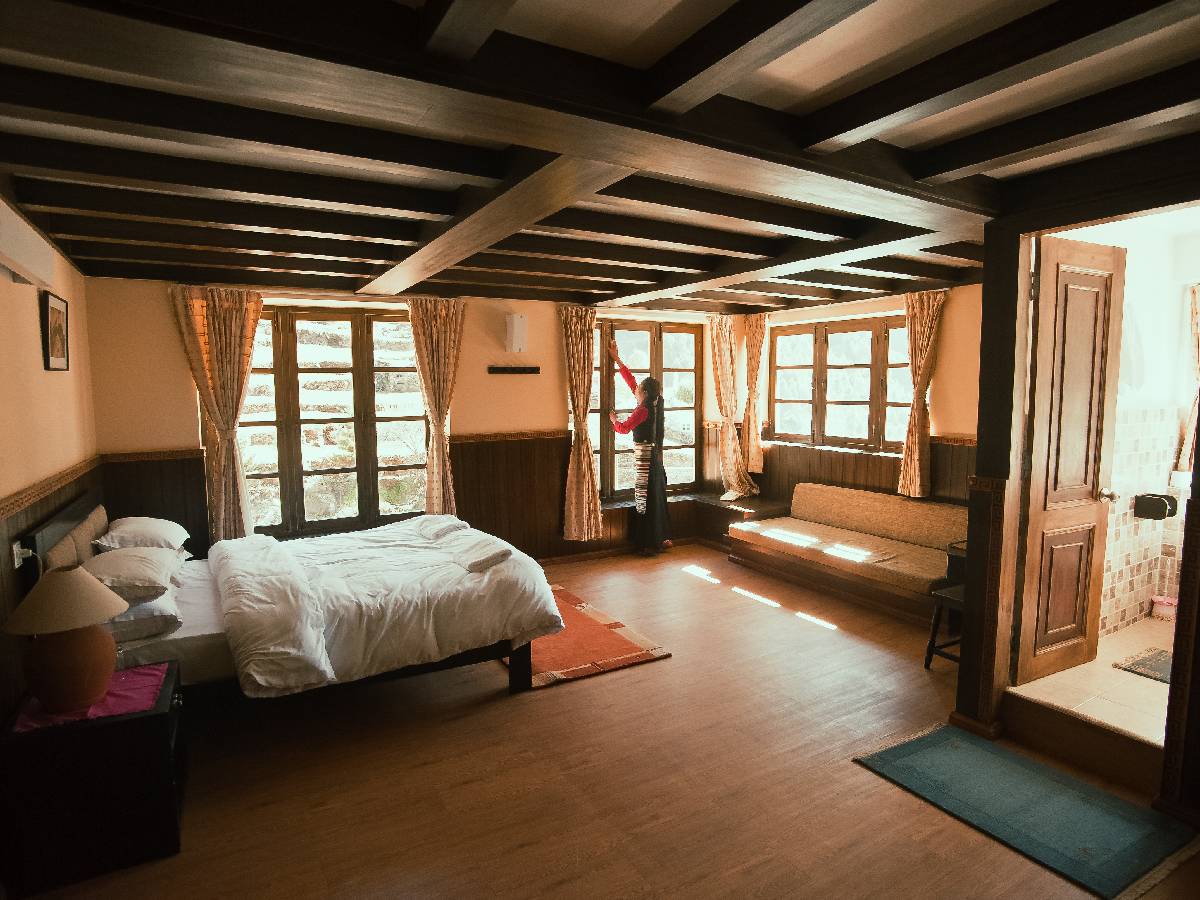
Luxury room of Mountain home in Kongde
Bathrooms along the trail also change with elevation. Lower villages may offer attached bathrooms, hot showers, and Western-style toilets, while higher villages mostly rely on shared bathrooms and bucket or limited hot water systems.
Difference in Services: Budget, Standard, and Luxury Teahouses on the Everest Base Camp Trek
Teahouses on the Everest Base Camp Trek are generally divided into three categories: budget, standard, and luxury, and the level of service changes significantly with price and location.
Budget teahouses
Budget tea houses offer the most basic experience. Rooms are simple and usually twin-sharing with minimal furniture like a bed, mattress, and blanket. Bathrooms are mostly shared and located outside the room. Hot showers, Wi-Fi, and charging facilities may be available but often come at an extra cost and can be unreliable. Food is simple but filling, focusing on dal bhat, noodles, and basic local meals.
Standard teahouses
Standard tea houses provide a more comfortable stay. Rooms are still simple but cleaner and better maintained, and some may offer limited attached bathrooms in lower villages. Dining halls are warmer and more organized, and food menus are more varied. Services like Wi-Fi, hot showers, and charging are more consistent, although still dependent on altitude and weather.
Luxury teahouses
Luxury Tea houses are mainly found in lower regions like Lukla and Namche Bazaar. These lodges offer high comfort with well-furnished rooms, private bathrooms, hot showers, better bedding, and even heated rooms in some cases. Meals are of higher quality with wider menus, and services are more reliable overall. However, luxury options become rare and eventually disappear as you move higher up the trail.
The cost of teahouses on the Everest Base Camp Trek varies depending on altitude, location, and service level. In general, prices increase as you move higher due to transportation difficulties and limited supply.
In lower regions like Lukla, Phakding, and Namche Bazaar, teahouse rooms are more affordable and range from budget to luxury options. A basic room usually costs around $5 to $15 per night, while standard and luxury lodges can charge $20 to $100+ per night, depending on comfort level and amenities such as private bathrooms, hot showers, and Wi-Fi.
In mid-altitude villages such as Tengboche and Dingboche, prices for a basic room typically range from $5 to $10 per night. Although the room cost remains low, services like hot showers, charging, and Wi-Fi are usually charged separately.
In higher regions like Lobuche and Gorak Shep, accommodation becomes more expensive despite being very basic. Rooms usually cost around $8 to $15 per night, and facilities are minimal due to extreme altitude and limited resources.
How to book my accommdations for the Everest base camp?
There are several easy ways to book teahouses on the Everest Base Camp, and trekkers usually choose based on their travel style and budget.
In many cases, trekking guides handle the accommodation booking for you. If you hire a guide, they will call ahead, secure rooms, and make sure you have a place to stay each night. This is one of the easiest and most reliable options, especially during peak trekking seasons.
If you book through a trekking agency, they usually manage everything for you, including accommodation, meals, permits, and logistics. Agencies often have established relationships with teahouses, which helps secure rooms even in busy villages like Namche, Dingboche, or Lobuche.
Some travelers also use local agents in Kathmandu or Lukla. These agents can arrange accommodation in advance or coordinate with lodges along the route, especially for organized groups or customized itineraries.
If you are trekking independently, you can also call or contact lodges directly in advance to reserve rooms, especially in lower villages where phone and internet access are available. However, this is less common for higher-altitude stops. But please keep in mind that if you are planning to book via the Booking.com, Expedia or any other platforms they are not available on the mountains.
Many trekkers simply book accommodation on arrival while trekking. Teahouses operate mostly on a first-come, first-served basis, so you walk into a village, check available rooms, and choose a lodge that suits you. This method is the most flexible, though it can be challenging during peak season in popular stops.
Are you planning the Everest Base Camp Trek?
Do you still have questions like where you will sleep during the trek, or whether the teahouses are comfortable at high altitude? Many trekkers also wonder if they can get hot showers, Wi-Fi, and charging facilities along the trail, and whether it is better to go with a guide or trek independently.
These are all important questions that every trekker asks before heading into the Himalayas, and getting the right answers can make a big difference in how smooth and enjoyable your journey becomes.
Do you still have questions like where you will sleep during the trek, or whether the teahouses are comfortable at high altitude? Many trekkers also wonder if they can get hot showers, Wi-Fi, and charging facilities along the trail, and whether it is better to go with a guide or trek independently.
These are all important questions that every trekker asks before heading into the Himalayas, and getting the right answers can make a big difference in how smooth and enjoyable your journey becomes.
Contact us today and start your Everest Base Camp adventure with confidence