Not long ago, the goal was simple: reach Base Camp, take the photo, go home. But something has shifted in how people approach the Everest Base Camp trek in 2026. Trekkers are asking harder questions, taking more rest days, and caring less about the perfect shot and more about the real experience. And honestly? That's a good thing.
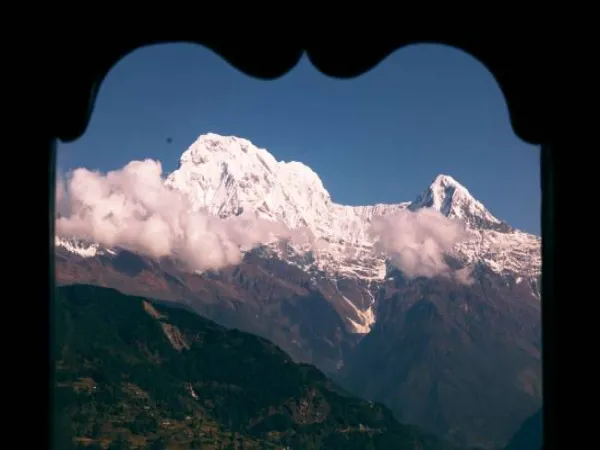
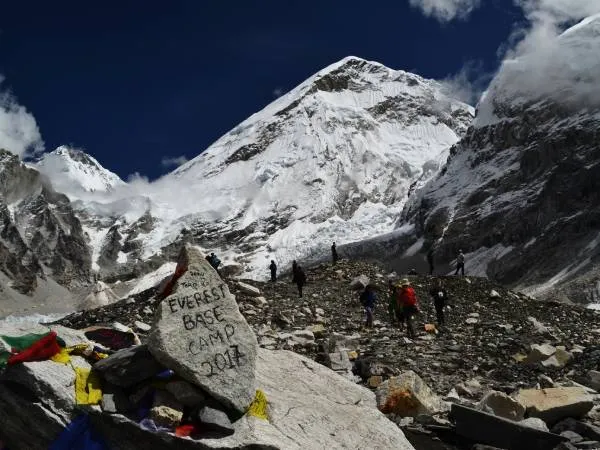
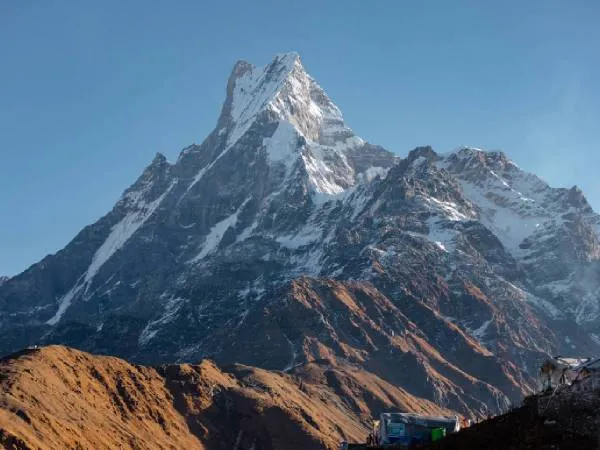
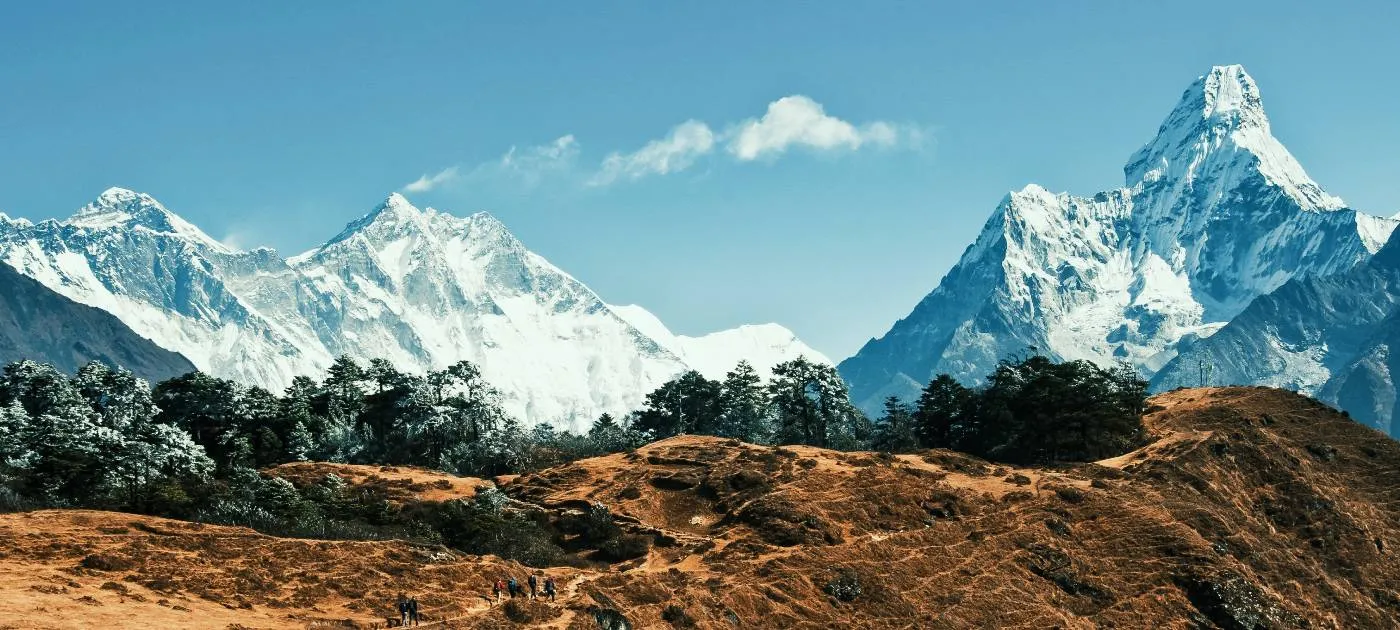
The Khumbu region still has everything that made it legendary the towering mountains, the prayer flags snapping in cold wind, the teahouses, the suspension bridges, and the yak caravans moving slowly up the trail.
That hasn't changed. What has changed is the mindset of the people walking through it. They no longer just want to reach a destination. They want to understand the trail, the food, the weather, the local people, and even the small challenges that come with trekking at high altitude. They want the full Himalayan experience, not just the highlight reel.
Why the Everest Base Camp Trek Is Changing in 2026?
The Everest base camp trek 2026 is not just about reaching base camp anymore. Before, many people thought the main goal was to reach the base camp and that they were done. But now, in 2026, the mindset and the way people experience things are changing. Now, what they want is to enjoy the full Himalayan trekking experience. They want to know about the trail, the food, the weather, the local people, and even the small problems they may face during the trek.
The Khumbu region still has beautiful mountains, teahouses, prayer flags, suspension bridges, and yak caravans. But the way people are trekking is changing. Trekkers are now researching and planning more carefully and asking more practical questions before they go.
Slow Trekking Is Becoming the Smarter Choice
One of the biggest trends in 2026 is slow trekking. Many trekkers are now choosing for slow walks rather than the fastest shortest one, now people understand that rushing in the mountains is not always a good idea. The EBC trek goes to a high altitude trekking destinations, so your body need time for acclimatization.
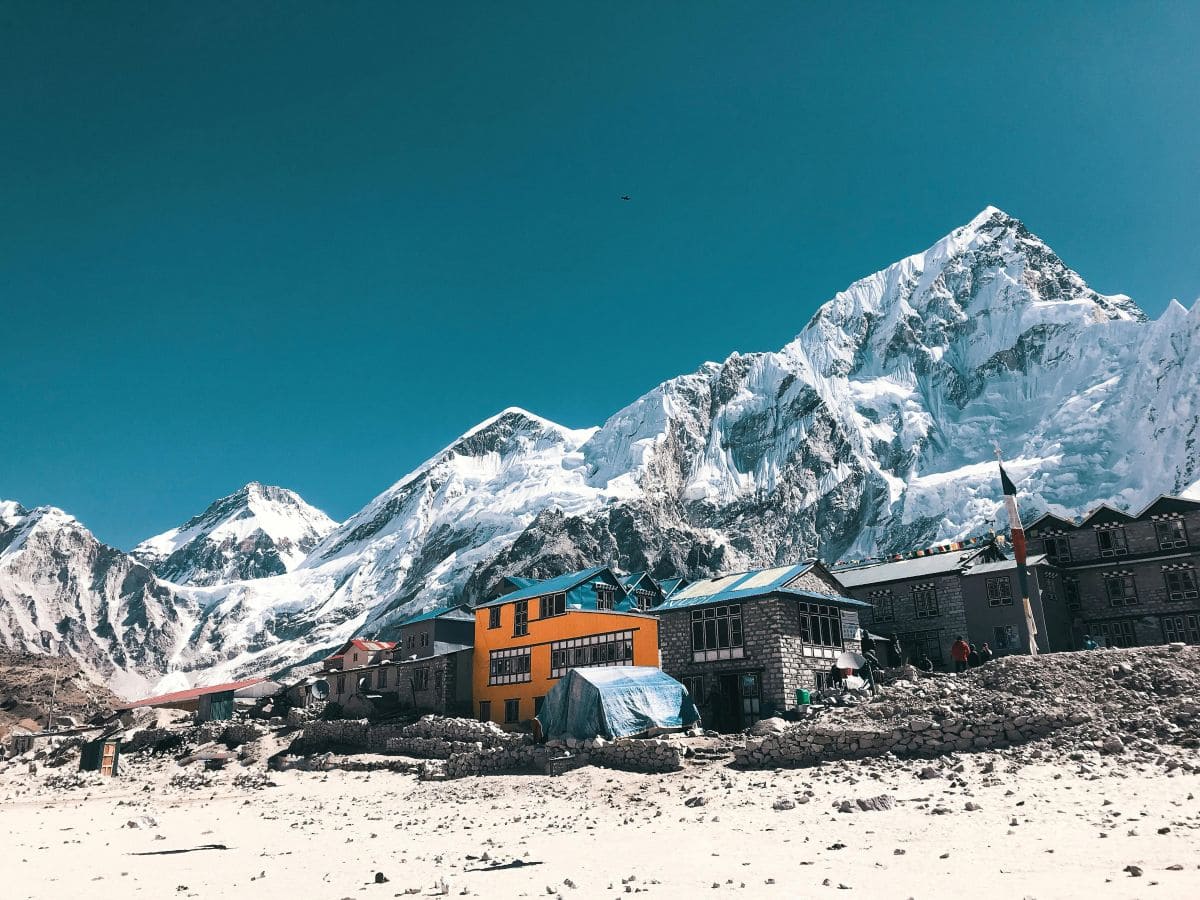
Places like Namche Bazaar and Dingbouche are not only for sleeping. These places help your body adjust to the thin air. Slow trekking also gives you more time to enjoy the views, villages, tea houses, and the changing Everest region weather.
Real Travel Content Is Replacing Perfect Instagram Trekking
Before, most of the base camp photos looked too perfect. Clean jackets, beautiful mountain background, smiling faces, and perfect poses. That kind of content still works, but people are now getting more interested in real stories.
They want to know what it feels like trailing that high and sipping a cup of tea near a fireplace, they want to know what it would take to get all the way up there. They want to experience the small rooms, cold mornings, simple food, expensive charging, and tired faces after hours of walking.
These things are really changing the content of the Everest trek in Nepal. In 2026, people want honest content than perfect content, which resonates with them which relates with them which is real and not over exaggerated.
Lukla Flight Delays and Buffer Days Are Now Part of the Journey
Anyone who has explored the Everest base camp trail package or researched to participate knows that Lukla flights are unpredictable, and the weather there can be very unpleasant, which can be an obstacle in between them and the trail. But nowadays, Lukla flight delays are common because the mountain weather can change very fast. Sometimes flights get delayed, sometimes they get cancelled. This can affect the whole trekking plan. This is why buffer days are important and added to the trail map.
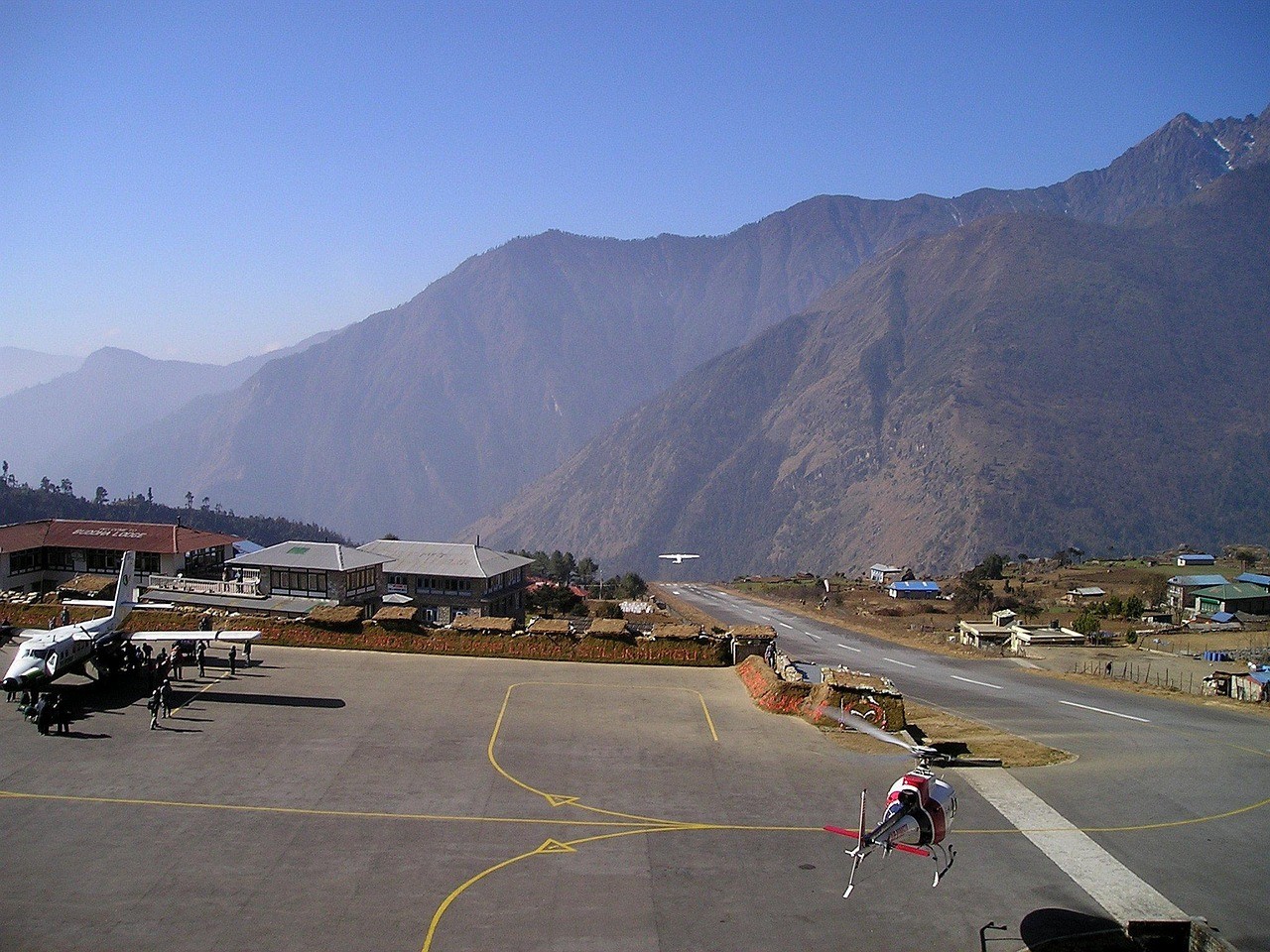
Nowadays, trekkers add them on purpose because of these reasons, and in addition, they are more interested in the exploration of the villages and nearby areas, which can be a good time to freshen your mind and roam around the landscapes of Nepal.
Comfort Trekking Is Growing in the Everest Region
All of the former EBC trekkers and the new ones know the trail is still difficult, but comfort trekking is becoming more popular.
Most of the trekkers now want better lodges, private rooms if available, warm sleeping arrangements, hot showers, charging, and good guide support. This does not mean the journey is easy. You still have the same footsteps to reach the base camp, you still have to walk for many hours, you still feel cold, and most importantly, you still deal with altitude.
But at the same time, many people are ready to pay more for a safer and smoother Himalayan trekking experience. In 2026, comfort trekking in Nepal is becoming more common in the Everest region, where older trekkers, first-time hikers, families, and people who want adventure but not too much discomfort.
Safety and Acclimatization Are Getting More Attention
Altitude is one of the biggest challenges on the Everest base camp. Even if someone is fit, altitude can still affect them. This is why altitude sickness prevention is becoming a big topic in 2026. Trekkers are now learning more about symptoms, rest days, drinking water, acclimatization, walking pace, and eating properly. They are also choosing guides who understand mountain safety. This is good in many aspects because trekking should be challenging and adventurous, not careless.
Sherpa Culture and Local Experiences Are Becoming Travel Highlights
The Khumbu region and the area near is famous because of the mountains and the Everest, but the sherpa culture is also a big part of the journey. In 2026, more trekkers are becoming interested in local villages, monasteries, prayer flags, mani stones, and mountain life.
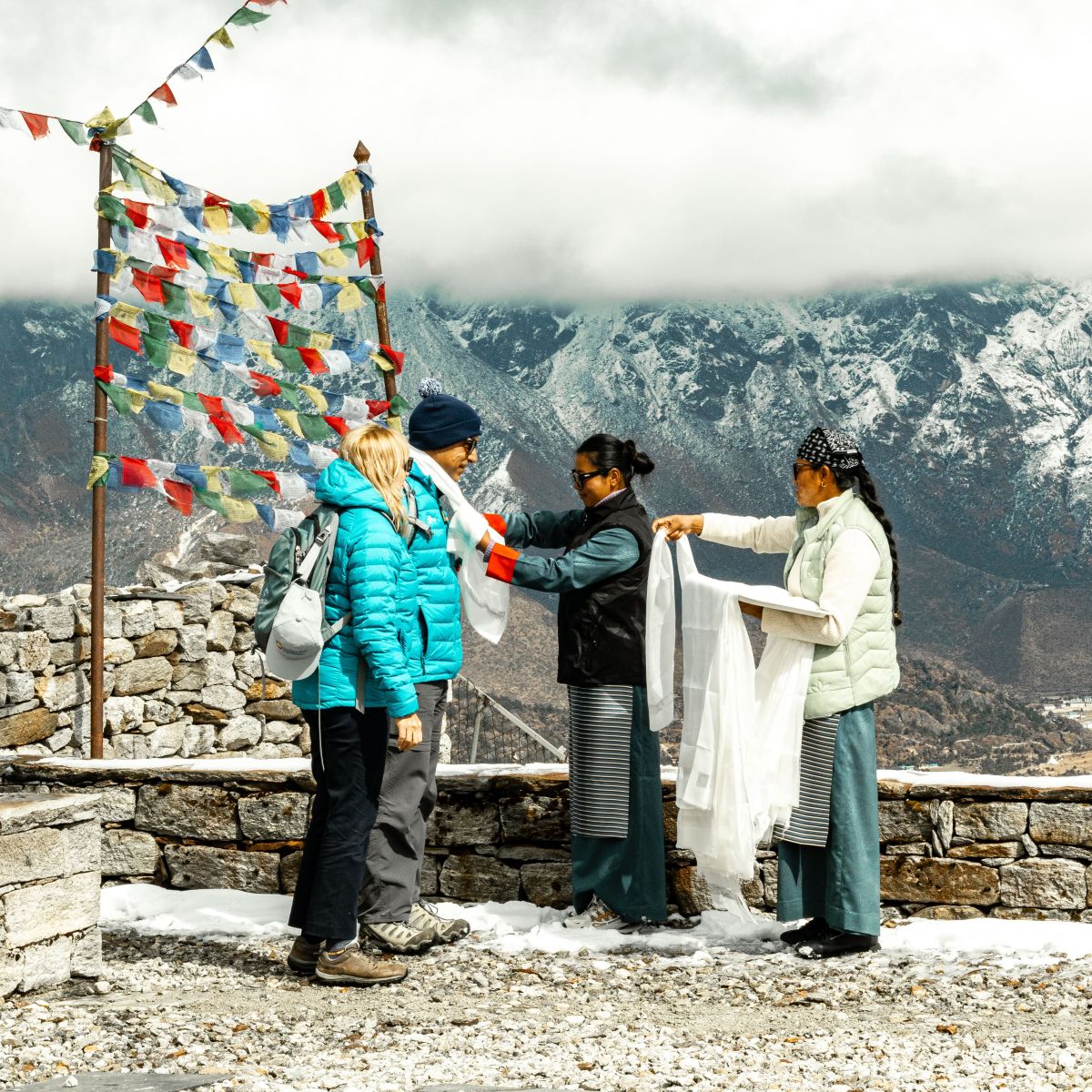
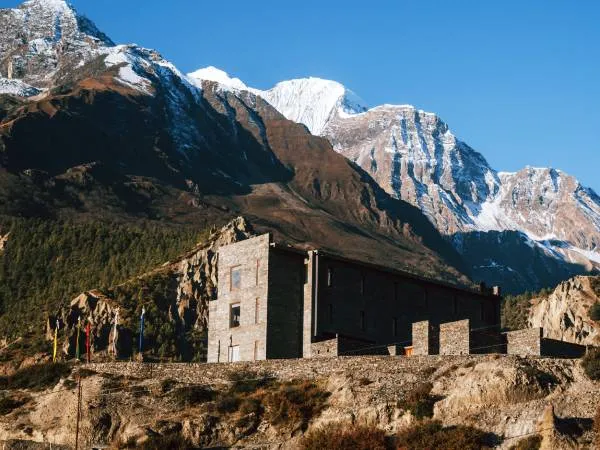
Places like Namche Bazaar, Dingbouche, Pangboche, are not just overnight stops. They are part of the real trekking experience. The people, food, traditions, and daily life in the Khumbu region make the trek more meaningful. A good Everest trekking guide not only shows the route. They also explain the culture and stories of the place.
Everest Base Camp Cost Awareness Is Rising
In 2026, trekkers are becoming more careful about their money. The Everest base camp is not only about the package. There are many small and hidden costs on the trail. Food, tea, hot showers, wifi, charging, snacks, gear, tips, flights, and the Everest trekking permits can all add up.
People want to know how much money they really need, what is included, what is extra, and how much cash they should carry.
Side Trips Are Getting More Popular
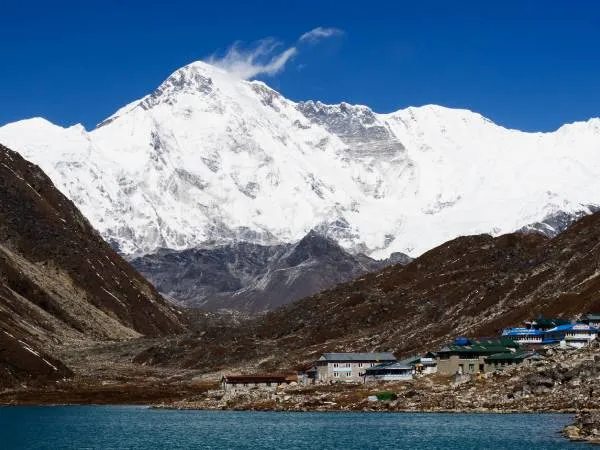
Another trend in 2026 is adding side trips to the normal EBC route. Some trekkers are choosing the Gokyo Lake side trip. More experienced trekkers are also interested in the three passes trek.
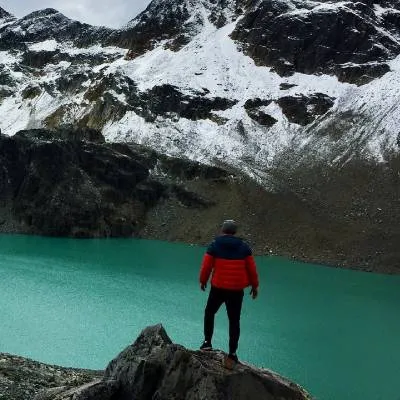
These routes give a different experience of the Everest region. Gokyo Lakes are known for their beautiful blue lakes and mountain views. The three passes trek is harder and more adventurous. Not everyone needs to do these side quests. But many trekkers want something more than the basic base camp route, and are choosing it.
Packing Smart Is Becoming More Important
A good Everest base camp packing list is very important and getting attention now. Many people make the mistake of carrying too much; this makes the trek harder. Some people also do not carry sufficient items and miss important things.
Warm clothes, good trekking boots, gloves, sunglasses, sunscreen, a reusable water bottle, basic medicine, a power bank, and a good sleeping bag are very useful. Trekkers are also becoming more aware of porter weight limits. Packing smart means carrying what you really need, not everything you have. In the mountains, simple and useful gear is better than fancy items.
Is Everest Base Camp Still Worth It in 2026?
Yes, the Everest base camp trek is still worth it in 2026. This trail is never outdated. But people should know that it is not an easy walk. There will be times when you will feel tired, cold, become emotional, feel the expense of things on the route, and sometimes feel uncomfortable. But this is also what makes it special and worth remembering for the rest of your life.
The best part is not only reaching Base Camp. The full journey through the Khumbu Valley is what makes the trek memorable. The mountain views, tea house talks, slow mornings, hard climbs, and small moments all become part of the story.