
The Annapurna Base Camp Trek in November is one of the best times to experience the Himalayas, offering stable weather, clear skies, and stunning mountain views of Annapurna I, Machhapuchhre, Hiunchuli, and Annapurna South. The trail is dry and well-maintained, passing through terraced fields, forests, and traditional Gurung and Magar villages, leading to the 4,130m base camp. With comfortable trekking conditions, beautiful landscapes, and the added cultural charm of Nepal’s Tihar festival, November provides a perfect blend of adventure, scenery, and local experience.

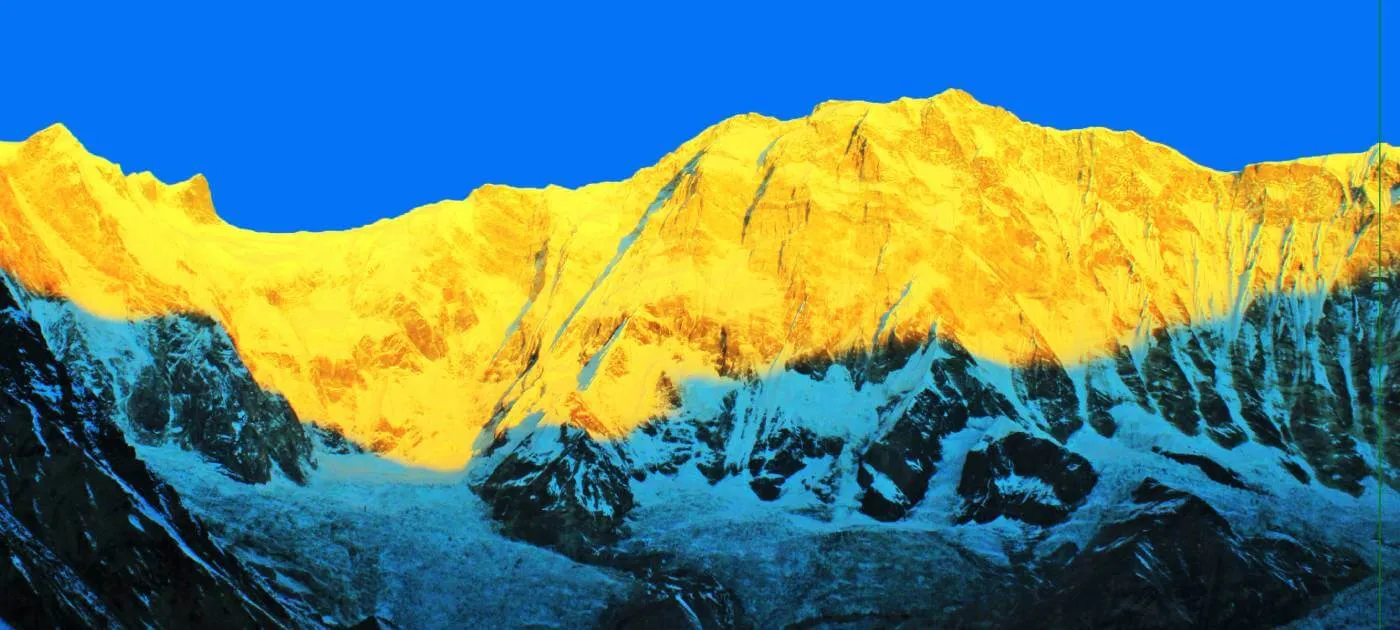
Annapurna Base Camp Trek in November
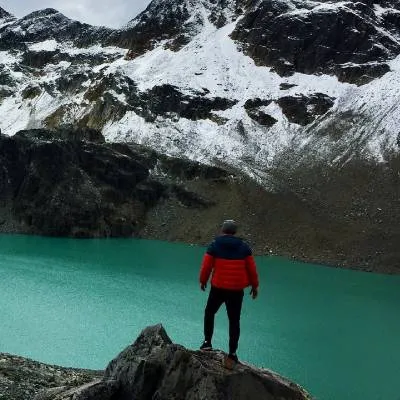
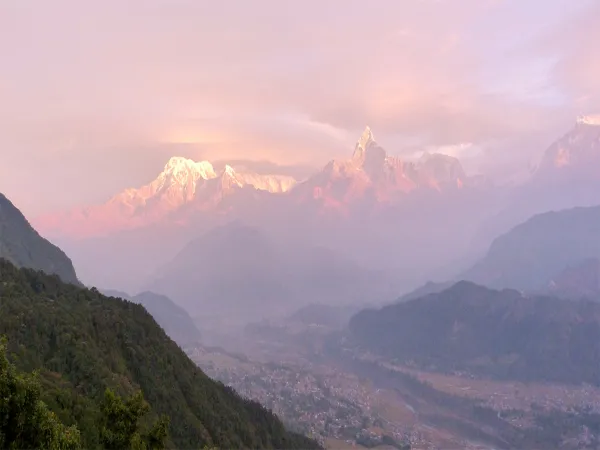
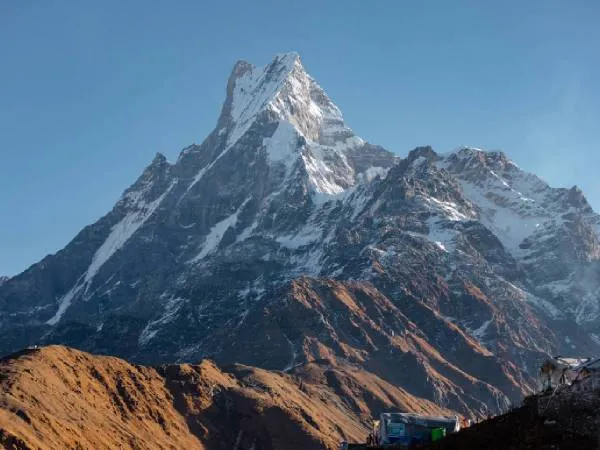
November is one of the best months to trek to Annapurna Base Camp, offering stable weather, crystal-clear skies, and excellent trail conditions. The journey rewards you at every turn from terraced farmlands and lush subtropical forests to traditional Gurung and Magar villages before opening up to breathtaking 360° views of Annapurna I, Machhapuchhre (Fishtail), Hiunchuli, and Annapurna South. Cool, comfortable temperatures and unforgettable sunrise and sunset views make the experience even more special.
Why November Is the Best Time for Annapurna Base Camp Trek
November is a great time for the Annapurna Base Camp trek because of clear weather, visibility, and overall trekking conditions. During this month, Nepal celebrates one of the biggest festivals, Tihar (Deepawali). Nepali people decorate their homes, villages, and cities across the country with lights, oil lamps, and colorful flowers to make a more beautiful cultural charm.
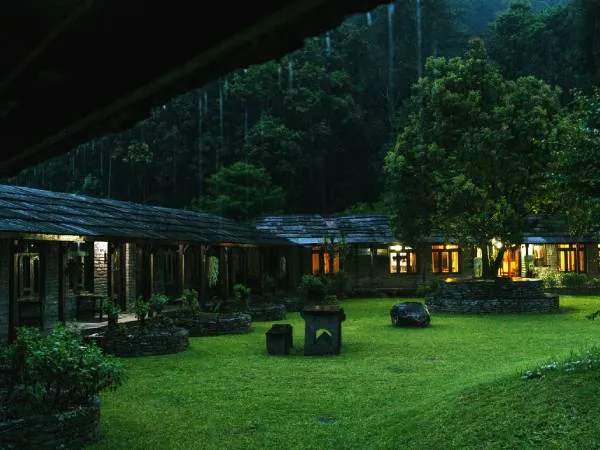
We also worship God with traditional rituals. You will get the chance to experience a new and positive vibe in cities like Kathmandu and Pokhara. The festive season, with well-maintained trail conditions, stunning views of mountains, and natural greenery, makes your journey more joyful and exciting. Fully open, well-prepared, clean, and cozy tea house accommodations are available for trekkers. Trekkers get the opportunity to enjoy a safe and comfortable journey due to the absence of rainfall and to reduce the risk of landslides.
Top Highlights of the Annapurna Base Camp Trek
- Enjoy breathtaking panoramic views of Annapurna I, Machhapuchhre (Fishtail), and Hiunchuli
- Experience stunning 360° Himalayan mountain scenery throughout the trek
- Witness unforgettable sunrise views from Poon Hill over the Annapurna and Dhaulagiri ranges
- Trek through diverse landscapes terraced fields, rhododendron forests, waterfalls, and alpine terrain
- Explore traditional Gurung and Magar villages like Ghorepani and Chhomrong
- Experience authentic local culture, warm hospitality, and mountain lifestyles
- Relax in the natural hot springs at Jhinu Danda
- Discover ancient monasteries, rich biodiversity, and unique Himalayan flora and fauna
Annapurna Base Camp Trek Duration and Distance
The Annapurna Base Camp trek typically takes 7 to 12 days, depending on the itinerary, starting point, mode of transportation, and acclimatization schedule. Short annapurna base camp trekking itineraries of 7–8 days are suitable for trekkers with limited time, while longer 10–12 day itineraries allow for a more relaxed pace, better acclimatization, and deeper exploration of traditional villages and mountain culture.
The total trekking distance is approximately 110 to 130 km (68 to 80 miles) round trip. The trail gradually ascends to the base camp at 4,130 meters, surrounded by iconic peaks such as Annapurna I and Machhapuchhre (Fishtail).
How Much Does Annapurna Base Camp Trek Cost in November?
The cost of the Annapurna base camp trek in November usually starts from USD 700 to USD 1500 per person, depending on the itinerary, duration, trekking starting point, types of services, group size, packages, transportation, hotel, and accommodation in tea houses.
November is a peak season, so cost can be slightly higher than in other seasons, especially due to increased demand for guides, porters, and tea houses. The mentioned list provides types of treks, packages, including services, and their estimated price:
Budget ABC Trekking in November
Budget trekking in November is cost-effective and affordable, which offers basic accommodation, meals, and also covers basic tea houses, 3 meals per day, Annapurna Conservation Area Permit (ACAP), licensed English-speaking guide, private transportation, and local support. This is an ideal option for trekkers who want a genuine, flexible, and adventurous mountain experience at a reasonable cost without compromising safety and comfort. You can get the lowest price of 700 USD per person.
Standard Package Option for ABC
This is a mid-range option that offers a balance of comfort, affordability, and support. In this package, private transportation, 3-star hotels in Kathmandu and Pokhara, porter service, comfortable tea houses, meals of better quality, 3 meals per day (breakfast, lunch, and dinner) are provided, which also covers the Annapurna Conservation Area Permit (ACAP). You can get this option for 900 USD per person.
Luxury Trekking Option for ABC
This is the premium trekking package that offers a high level of comfort, priority service, and full support from our city office throughout your trip. You will stay in a five-star hotel in Kathmandu and Pokhara before and after the trek, which gives a relaxing start and finish to your adventure. During the trek, trekkers get the best private accommodation in a tea house with attached bathroom in available places, experience a licensed trekking guide, porter services, WIFI, high- quality meals with menu options, private transportation, sleeping, and a duffle bag for a safe and enjoyable journey. You can opt for this option at 1500 USD per person.
| Package Type | Price (Per Person) | Booking |
|---|---|---|
| Budget ABC Trek | From USD 700 | Book Now |
| Standard ABC Trek | From USD 900 | Book Now |
| Luxury ABC Trek | From USD 1500 | Book Now |
Annapurna Base Camp Trek Outline 12-Day Itinerary in November
| Day | Route / Stage | Altitude | Distance / Duration |
|---|---|---|---|
| Day 1 | Arrival in Kathmandu | 1,400m | — |
| Day 2 | Kathmandu → Pokhara (Flight/Drive) | 827m | 200 km drive / 30 min flight |
| Day 3 | Pokhara → Nayapul → Tikhedhunga | 1,540m | 2 hrs drive + 8 km trek |
| Day 4 | Tikhedhunga → Ghorepani | 2,860m | 12 km / 5–6 hrs |
| Day 5 | Ghorepani → Poon Hill → Chhomrong | 2,170m | 16 km / 6–7 hrs |
| Day 6 | Chhomrong → Bamboo | 2,310m | 10 km / 5–6 hrs |
| Day 7 | Bamboo → Deurali | 3,230m | 12 km / 5–6 hrs |
| Day 8 | Deurali → Annapurna Base Camp (ABC) | 4,130m | 10 km / 5–6 hrs |
| Day 9 | ABC → Bamboo (Descent) | 2,310m | 18 km / 6–7 hrs |
| Day 10 | Bamboo → Jhinu Danda (Hot Spring) | 1,760m | 10 km / 4–5 hrs |
| Day 11 | Jhinu Danda → Nayapul → Pokhara | 827m | 8 km trek + 2 hrs drive |
| Day 12 | Pokhara → Kathmandu & Departure | 1,400m | 200 km drive / 30 min flight |
Annapurna Base Camp Weather and Temperature in November
November falls in the late autumn season in Nepal and is considered one of the best times for the Annapurna Base Camp trek due to its stable weather and excellent visibility. The trails are generally dry, the skies are clear and blue, and the landscapes remain lush and vibrant after the monsoon.
During the day, temperatures are mild and pleasant, typically ranging from 10°C to 18°C in lower elevations, while higher altitudes are cooler, around 5°C to 10°C. At night, temperatures can drop significantly, reaching -5°C to -10°C in higher elevations.
Because of the cold nights, especially above 3,000 meters, trekkers should carry warm clothing and a proper sleeping bag to ensure comfort and safety.
| Elevation Zone | Day Temperature | Night Temperature |
|---|---|---|
| Lower Elevation (1,000–2,000m) | 10°C – 18°C | 5°C – 8°C |
| Mid Elevation (2,000–3,000m) | 8°C – 14°C | 0°C – 5°C |
| High Elevation (3,000–4,130m) | 5°C – 10°C | -5°C to -10°C |
How to Prepare for the Annapurna Base Camp Trek in November?
Proper training is not strictly required for the Annapurna Base Camp trek, as it is considered a moderate-level journey. However, a good level of physical fitness is recommended, and most healthy individuals can complete the trek successfully.
To prepare, engaging in regular activities such as hiking, jogging, cycling, and walking for 5–6 hours a day for a few weeks can significantly improve stamina and endurance. This preparation helps ensure a safer trekking experience and reduces the risk of altitude-related difficulties.
Trekkers should also maintain a positive mindset and realistic expectations. Be prepared for basic tea house accommodation, three daily meals, changing weather conditions, busy trails during peak season, and daily physical fatigue. Despite these challenges, the trek offers an incredible opportunity to explore Himalayan landscapes, local culture, and traditional mountain lifestyles.
Frequently Asked Questions about Annapurna base camp trekking in November
Is November a good time for the Annapurna Base Camp trek?
Absolutely. November ranks among the best months for trekking to Annapurna Base Camp (ABC). Post-monsoon skies are exceptionally clear, trails are dry and stable, and visibility of Annapurna I (8,091 m), Machhapuchhre (Fishtail), and surrounding Himalayan peaks is at its finest. If you're planning an Annapurna Base Camp trek, November offers the ideal combination of weather, scenery, and trail conditions.
How difficult is the Annapurna Base Camp trek in November?
The Annapurna Base Camp trek is rated moderate in difficulty. No technical climbing skills are required, but trekkers should have solid cardiovascular fitness and the stamina to complete 5–8 hours of walking per day over 7–14 days. Cold nighttime temperatures in November add an extra layer of challenge at higher elevations.
How cold does it get on the ABC trek in November?
Temperatures vary significantly by altitude. At Annapurna Base Camp (4,130 m), nighttime lows can fall between −5°C and −10°C. Lower sections of the route, such as Chhomrong and Tadapani, remain more temperate, with daytime highs of 10°C–18°C. Packing the right cold-weather gear is essential for a safe and comfortable trek.
Do I need a guide for the Annapurna Base Camp trek?
Yes, hiring a licensed, government-registered trekking guide is strongly recommended. A professional guide enhances safety, supports navigation on complex trail junctions, and enriches the journey with local cultural knowledge. During November's peak season, demand for quality guides is high, so booking in advance is advisable.
Is the Annapurna Base Camp trek crowded in November?
November is Nepal's peak trekking season, so trails, teahouses, and popular overnight stops including Ghorepani, Chhomrong, and Deurali can be busy. To secure accommodation and avoid congestion, trekkers should book teahouses ahead of time and consider starting early each day.
What permits are required for the Annapurna Base Camp trek?
Two permits are mandatory: the Annapurna Conservation Area Permit (ACAP) and the Trekkers' Information Management System (TIMS) card. Both can be obtained in Pokhara or Kathmandu before the trek begins. Carrying these documents is required at multiple checkpoints along the trail.
What is the altitude of Annapurna Base Camp?
Annapurna Base Camp sits at 4,130 meters (13,550 feet) above sea level. Altitude sickness (AMS) is a real risk above 3,000 m. Proper acclimatization, a gradual ascent schedule, and recognizing symptoms of AMS are critical for a safe trek to ABC.
What should I pack for the ABC trek in November?
A thorough packing list for the November ABC trek should include: a down jacket or synthetic insulated jacket, thermal base layers, waterproof trekking pants, sturdy broken-in trekking boots, wool or fleece gloves, a warm hat, UV-protection sunglasses, a sleeping bag rated to −10°C or below, and trekking poles for steep descents.
Related Articles
Need Help? Call Us
Need Help? Call Us+977 9841120805