Prepare for the Gosaikunda Lake Trek with essential tips on the best time to visit, permits, altitude sickness, fitness, packing, accommodation, local culture, budget, and safety. Check post-flood trail conditions, confirm transportation, and trek with an experienced guide for a safer Himalayan adventure.
Are you planning to trek to Gosaikunda Lake in Nepal? Before setting off on this beautiful Himalayan adventure, there are several important things you should know to make your journey safe, comfortable, and memorable. From choosing the best time to visit and preparing for high-altitude conditions to understanding the local culture and packing the right essentials, a little preparation can make a big difference.
In this blog, we'll cover the top 10 things to know before trekking to Gosaikunda Lake, helping you prepare for an unforgettable journey to this sacred alpine destination.
Best Time to Trek to Gosaikunda Lake
The best time to trek to Gosaikunda Lake in Nepal is during spring (March to May) and autumn (September to November). These seasons generally offer favorable trekking conditions, with clearer skies, pleasant daytime temperatures, and excellent views of the surrounding Himalayan mountains. Spring brings blooming rhododendrons and colorful landscapes, while autumn offers crisp mountain views and generally stable weather.
The monsoon season, which typically runs from June to August, brings heavy rainfall, slippery trails, reduced visibility, and an increased risk of landslides. Trekking is still possible during this period, but weather conditions can make the journey more challenging. Winter, from December to February, brings colder temperatures, and snowfall can affect the trails around Gosaikunda Lake. Temperatures near the lake can drop below freezing, so trekkers visiting during winter should be prepared for harsh conditions.
Tip: For the best overall trekking experience, consider visiting Gosaikunda Lake in October or April, when conditions are often favorable for mountain views and trekking.
Altitude and Acclimatization
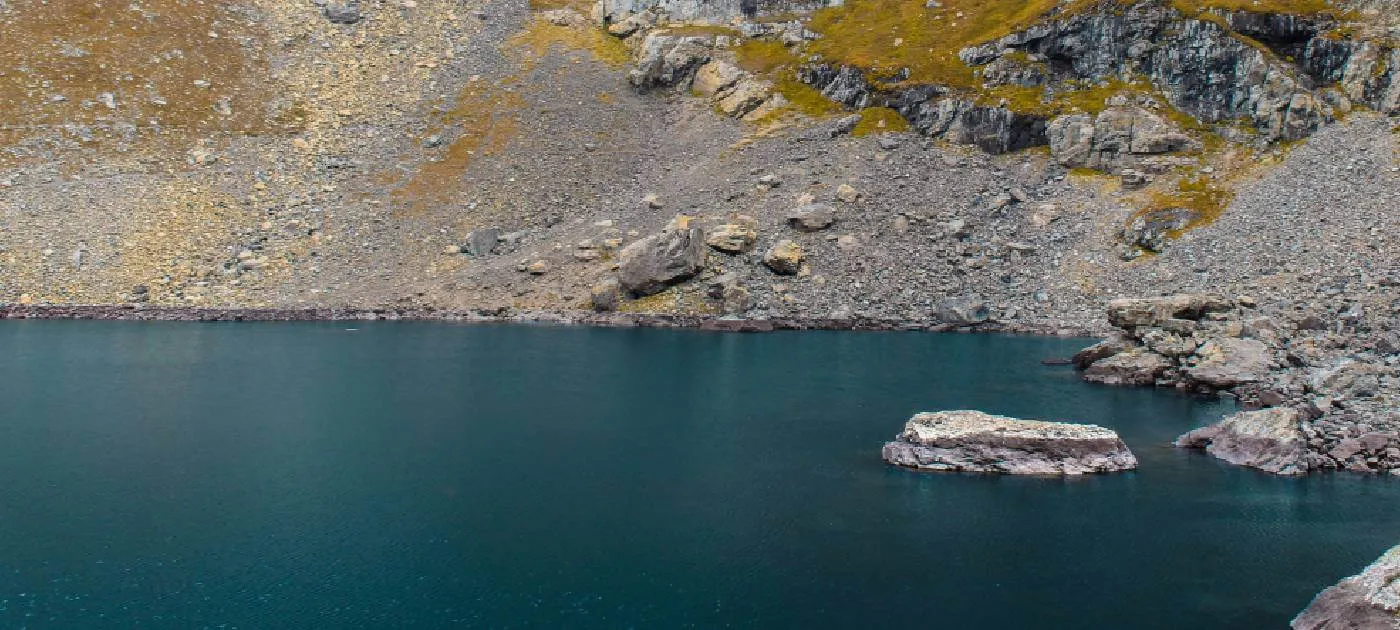
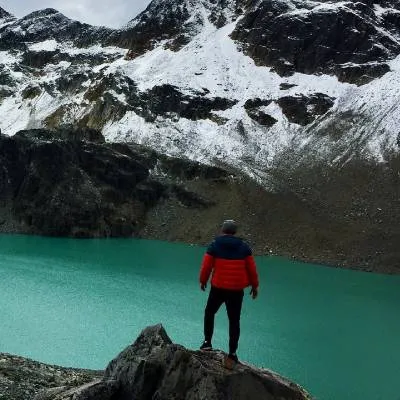
Gosaikunda Lake lies at approximately 4,380 meters (14,370 feet) above sea level, where trekkers may experience altitude sickness due to the reduced oxygen availability at higher elevations. Proper acclimatization is essential for reducing the risk of altitude-related illnesses and making your trek safer and more enjoyable.
To help your body adjust to the increasing altitude, ascend gradually, avoid overexertion, and stay adequately hydrated. Pay attention to symptoms such as headaches, dizziness, nausea, unusual fatigue, and loss of appetite. If you develop symptoms of altitude sickness, do not continue ascending. If symptoms persist or worsen, descend to a lower altitude and seek medical assistance. Severe symptoms, such as difficulty walking straight, confusion, or breathlessness at rest, require immediate descent and emergency medical attention.
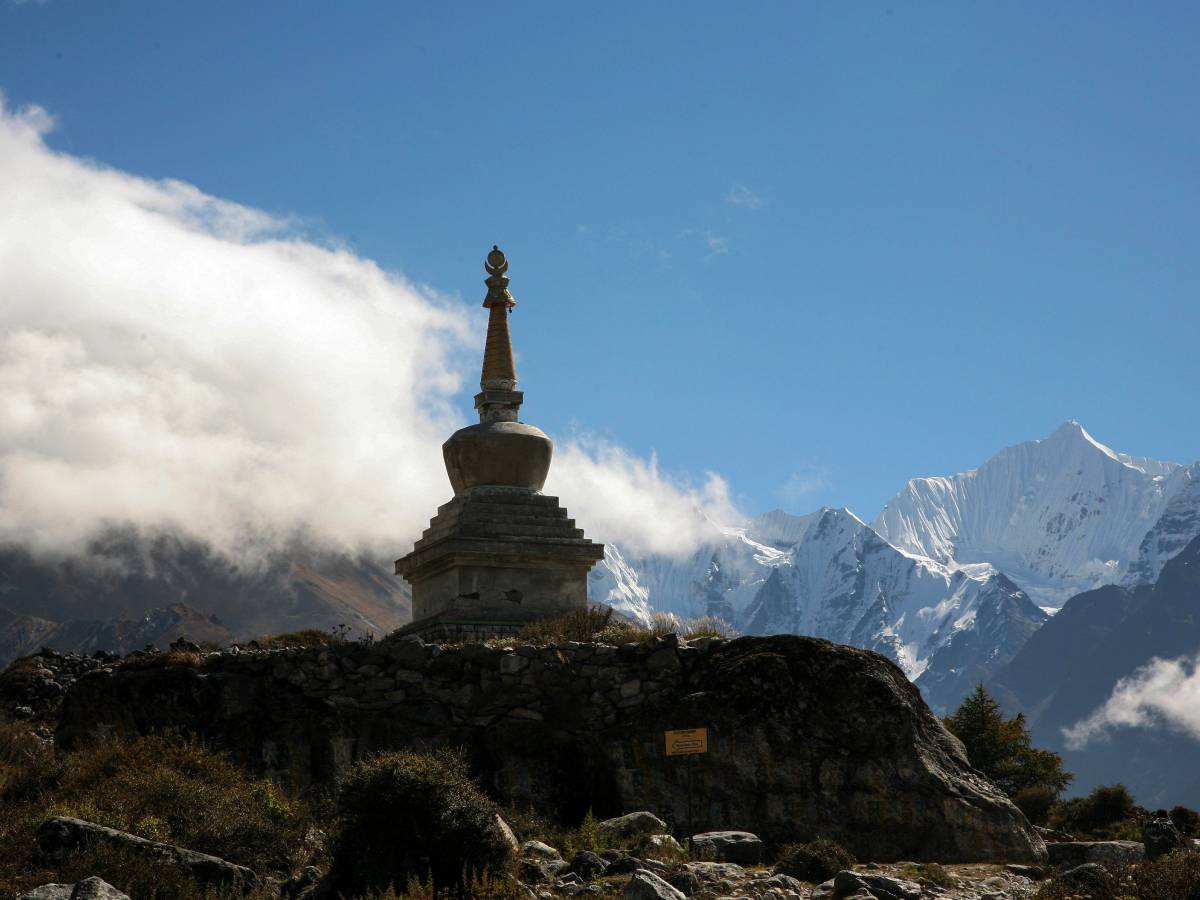
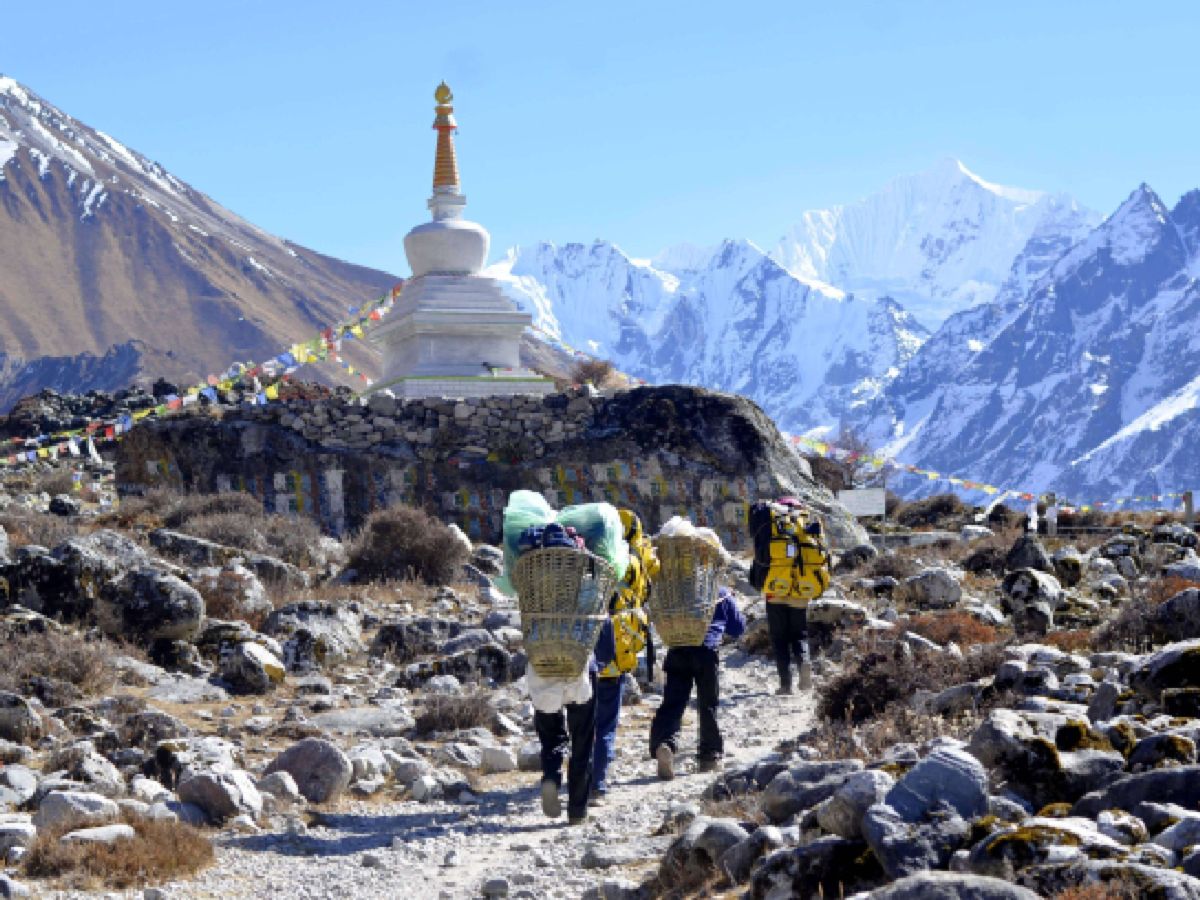
Beautiful chorten on Monastery
Before starting your trek, discuss altitude sickness prevention with a healthcare professional, particularly if you have never trekked above 3,000 meters. Medication such as acetazolamide may be appropriate for some trekkers, but it should be used under medical guidance. Remember that medication does not replace gradual ascent and proper acclimatization.
Tip: Plan your itinerary to allow sufficient time for your body to adjust to the altitude. Do not rush to reach Gosaikunda Lake, and never ignore symptoms of altitude sickness just to stay on schedule.
Entry fees and permits
Two permits are required to enter Gosaikunda Lake:
The Langtang National Park Permit (NP Permit), the cost of which is around NPR 3000 (about USD 25).
Trekker's Information Management System (TIMS) Card, which costs approximately NPR 1000 (about $8). All trekkers must have this card.
Additionally, certain local establishments may charge entry fees, which can range from $1 to $3.
Long walking days are part of the Gosaikunda trek, so prepare accordingly. Running, jogging, and cardiovascular exercises can improve your efficiency and make your journey easier.
Porters carrying weight for trekkers easiness
Although the climb is not as tough as other high-altitude adventures such as the Manaslu Circuit or Annapurna circuit, as most of you are aware, the trek may still be more challenging, so you should be in good physical shape. Regular leg exercises like lunges, step-ups, and squats are crucial for the trek.
Food and lodging
In terms of food and lodging, Gosaikunda offers simple tea houses or guesthouses with cozy rooms and shared amenities. You should not have high expectations because there may not be enough facilities. Accommodations at lower elevations may cost less per night than those at higher heights.
The majority of guesthouses provide basic, regional cuisine like dal, bhat, and tarkari, which comprises rice, lentils, and vegetables. It would be beneficial to include some extra energy foods, such as chocolates, energy bars, and almonds.
Bringing the necessities for the Journey
It is crucial to carry only what you will need because bringing too much can make your trekking experience much more tiring. Layers of clothing, shoes, gloves, socks, and other items are required. Basic medical items such as bandages, blister plasters, antiseptic wipes, pain relievers, and any additional personal medications are included in a first aid box.
Medication for altitude sickness is required. Personal hygiene items, including a toothbrush, toothpaste, biodegradable soap, wet wipes, and hand sanitizer, should be carried with you. High SPF sunscreen, lip balm, and bug repellent should not be neglected. You can add any more personal belongings you might need for convenience.
The Tibetan-Buddhist culture has a significant influence on the various Taung communities that call Gosaikunda home. There are numerous Buddhist monasteries in the area, where people conduct rituals for blessings, prosperity, and good health.
The place of worship is considered sacred by Hindus since it is associated with Lord Shiva. The Hindus say that all sins are forgiven if you dip in this sacred lake. Every year on the festival of "Janai Purnima," thousands of pilgrims come here to indulge in rituals, offer prayers, and take a dip in the sacred lake.
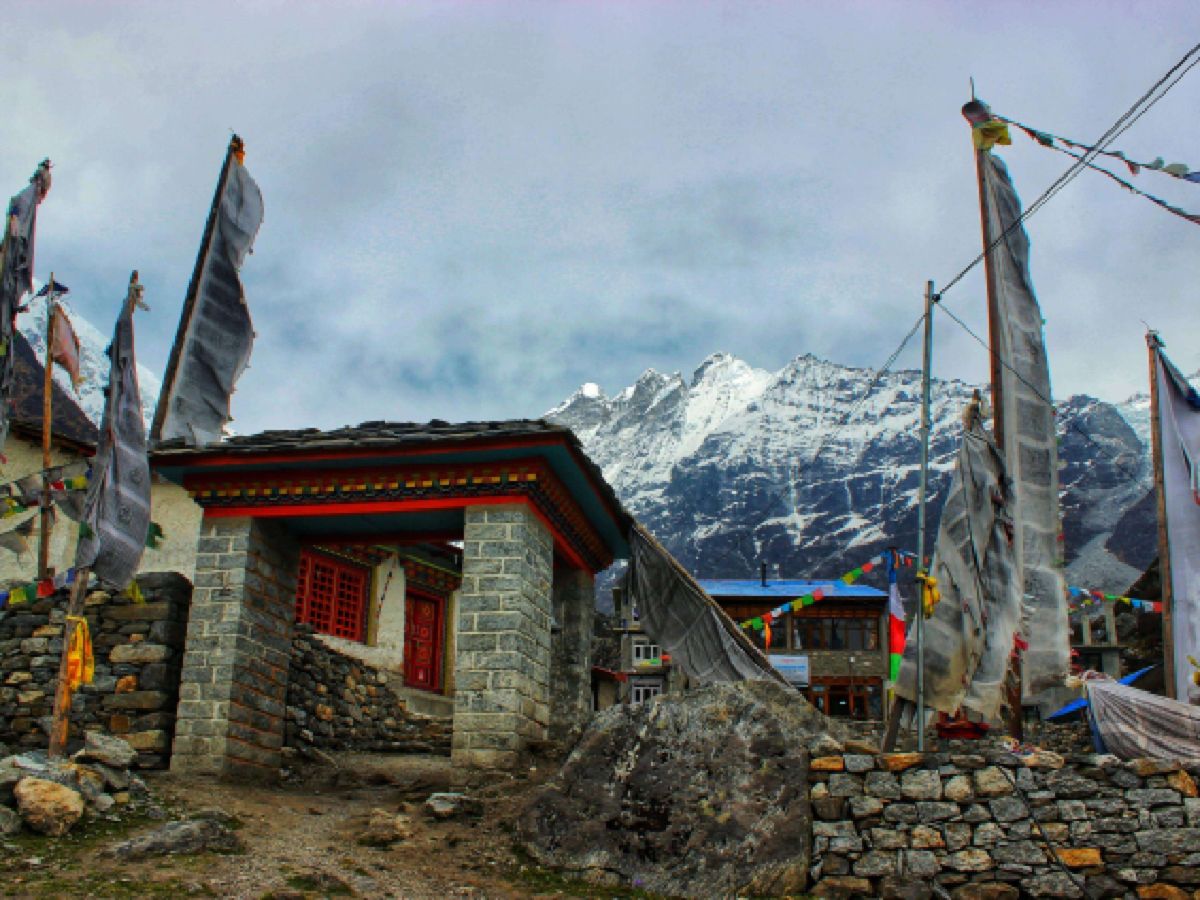
Beautiful Monastery
When visiting the monastery, you can show your respect for the people there by dressing modestly and being kind to them. It is good to greet them with "namaste" or "tashi delek" while holding both hands in the prayer position. Avoid chatting loudly or laughing excessively, as this is disrespectful to them.
Emergency services and safety
Hiring a guide is advised for safety reasons since they will know all kinds of information, including emergency phone numbers. Check in frequently and, whenever possible, share your itinerary with family or friends if you want to go on a solo trek.
Despite the place's remoteness, the signal quality is better in the lower region than in the higher regions. Do not trek while the weather is bad. Be ready for any emergency and ensure that you have the phone numbers of your insurance company, trekking agency, and local rescue service. You will benefit from maintaining your calm and bringing first aid supplies.
Trekking Route and Transportation to Gosaikunda Lake
Before starting the Gosaikunda Lake Trek, it is important to understand the route and transportation options. Many trekkers travel from Kathmandu to Dhunche or another suitable trailhead by road before beginning the uphill journey through mountain villages, forests, and alpine landscapes.
The trail passes through changing terrain, with gradual climbs, steep uphill sections, and rocky paths as you approach the lake. Depending on your chosen itinerary, you may pass places such as Chandanbari (Sing Gompa) and Lauribina before reaching Gosaikunda. Walking distances and overnight stops vary according to the route and your trekking schedule.
Plan your road journey and daily walking distances in advance. Road conditions can change because of rain, landslides, or other disruptions, so allow some flexibility in your schedule. If you are unfamiliar with the region, a licensed trekking guide can help you navigate the route and manage the journey more confidently.
Trekking Budget, Cash, and Connectivity
Planning your budget is another important part of preparing for the Gosaikunda Lake Trek. Your total expenses may include transportation from Kathmandu, permits, accommodation, meals, drinking water, guide or porter services, and personal trekking equipment. The final cost depends on your itinerary, group size, accommodation preferences, and whether you organize the trek independently or through a trekking agency.
Carry sufficient Nepalese rupees in cash because reliable ATM services are generally unavailable along remote sections of the trekking route. Keep some extra money for unexpected transportation changes, additional meals, or emergencies.
Mobile network coverage and internet access can vary throughout the trek. You may receive a signal in some villages but experience limited or no connectivity at higher elevations. Inform your family or friends about your itinerary before departure, and do not rely entirely on your mobile phone for navigation or emergency communication.
Tip: Prepare a realistic daily budget, carry emergency cash separately, and confirm which expenses are included in your trekking package before leaving Kathmandu.
Is the Gosaikunda Lake Trek Open After the 2026 Rasuwa Flood?
Yes, the Gosaikunda Lake Trek is open, and trekkers are continuing their journeys to this beautiful Himalayan destination following the 2026 Rasuwa flood. The situation has improved compared with the immediate aftermath of the disaster, making it possible to plan a trek with proper preparation and up-to-date local information.
Although conditions have become more favorable, the flood's impact should not be overlooked. Changes in river levels, damaged infrastructure, unstable hillsides, and difficult trail sections can still create challenges in certain areas. Even if the immediate glacier-related water flow has subsided, this does not mean that every potential natural hazard has disappeared.
For this reason, we recommend visiting Gosaikunda Lake with an experienced local trekking guide. A guide can help you choose an appropriate route, assess trail conditions, and respond to unexpected changes during the journey. Before leaving Kathmandu, confirm transportation arrangements and ask about the latest conditions along your planned trekking route.
Trekkers should also carry suitable clothing for cold mountain weather, basic first-aid supplies, sufficient cash, and travel insurance that covers high-altitude trekking and emergency evacuation. Allow extra time in your itinerary in case road conditions or weather cause delays.
Our advice: Gosaikunda Lake remains a trekking option for travellers planning a Himalayan adventure, but safety should come before a fixed schedule. Check local updates before departure, follow your guide's instructions, and avoid any route that authorities have declared unsafe.