When planning a trek in Nepal, you may have heard trekking agencies, guides, Facebook groups, or fellow trekkers mention the term “restricted area trekking.” But what does that actually mean?
You might wonder: If Nepal's mountains are open for trekking, why are some areas restricted? Why does the government limit access to these regions? Which areas are restricted, and can you still go and explore them?
The answer is more interesting than you might think.
In this guide, we’ll explore the Top 7 Restricted Trekking Routes in Nepal and explain why they are restricted, who can visit them, what permits are required, what the trails are like, and what you should know before planning your trek.
These aren't places that are completely closed to travellers. In fact, some of Nepal's most remote, culturally rich, and spectacular Himalayan landscapes are found within these restricted regions.
However, visiting them comes with additional rules and permits because of their sensitive border locations, environmental concerns, cultural significance, and limited infrastructure.
So, let's take a closer look at these seven restricted trekking routes and understand what makes them restricted and what it actually takes to trek there.
What Are Restricted Trekking Areas in Nepal?
The restricted trekking areas in Nepal are mainly connected to border security, environmental protection, cultural preservation, and the management of tourism in sensitive mountain regions.
Many restricted trekking areas lie close to Nepal's international borders, particularly the Nepal–China (Tibet) border. Others contain fragile ecosystems and communities where rapid growth in tourism could put pressure on local culture, natural resources, and traditional ways of life.
Special permits and regulated trekking arrangements allow authorities to monitor who enters these sensitive regions, where they travel, and how long they stay. At the same time, areas such as Upper Mustang, Manaslu, Upper Dolpo, Kanchenjunga, and Humla contain fragile ecosystems and communities with distinctive traditions, languages, architecture, and Tibetan Buddhist heritage that could be affected by uncontrolled tourism.
The restricted-area system also recognizes the practical limitations of these remote destinations, where trekkers may encounter few teahouses, basic accommodation, limited food supplies, weak telecommunications, limited medical services, difficult evacuation conditions, and long distances between settlements.
By controlling access, Nepal can manage visitor numbers and encourage tourism without placing excessive pressure on local resources, culture, infrastructure, or the environment.
It is also important to understand that “restricted” does not mean “dangerous.” The term refers primarily to regulated access rather than a warning that the destination is unsafe for tourists. Many restricted areas are suitable for organized trekking when travellers obtain the required permits, follow current regulations, travel with authorized trekking personnel where required, and prepare properly for altitude, weather, and the remoteness of the region.
In fact, for many of these destinations, the bigger challenge is remoteness rather than danger. While popular trekking routes may have relatively easy access to villages, health posts, roads, communication, and other trekkers, an emergency in places such as Upper Dolpo or Humla can be much more complicated because of the distance and limited infrastructure.
Manaslu Circuit Trek
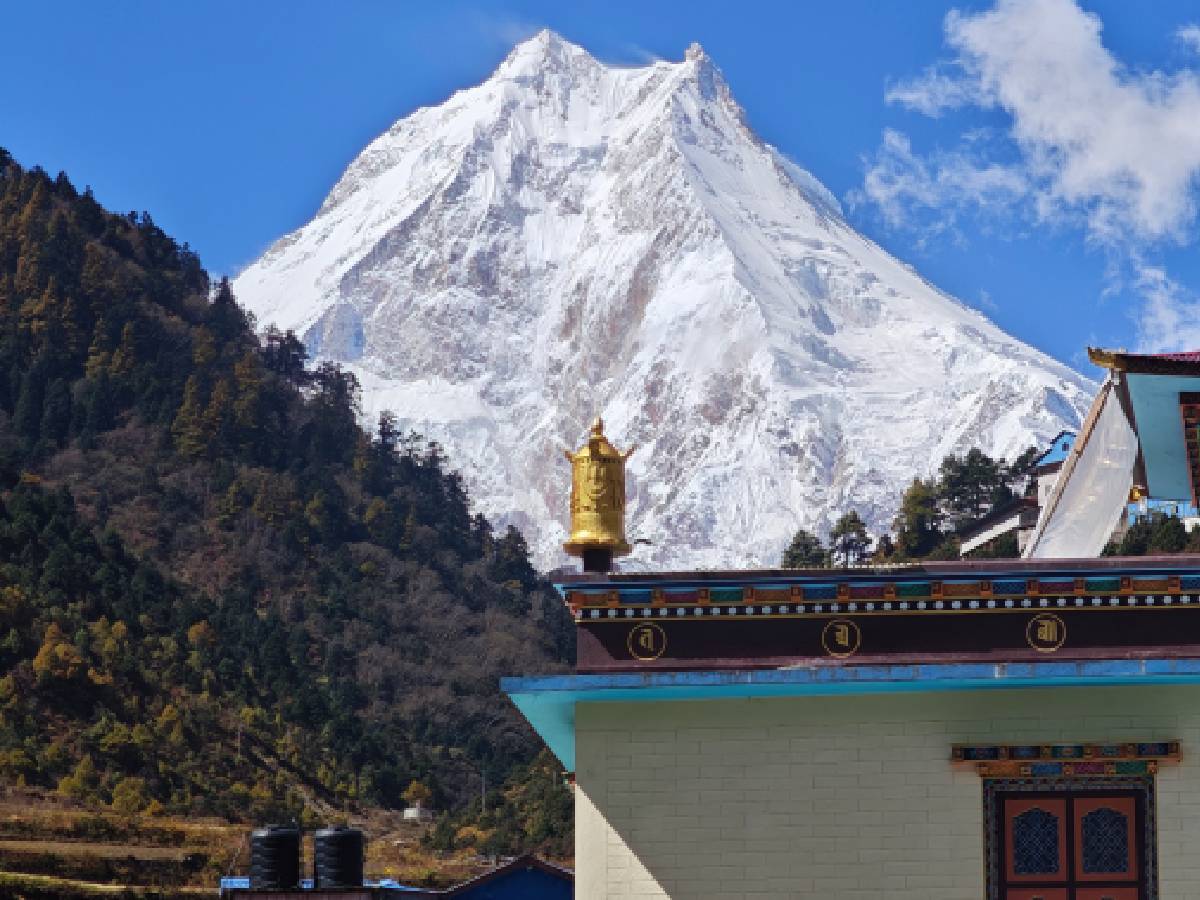
Manaslu Circuit Trek is one of the best hidden gems of Nepal which is not known by many but it should be explored by everyone. This trek lies close to the Tibetan border in the north and takes you to one of those parts of Nepal where you can still feel how life used to be before everything became modern.
The landscapes are dramatic, the mountains are huge, but what really catches your attention is the people and the way they live. You walk through villages where traditional houses are still standing, where the old Buddhist culture is still alive, where people are still connected with their land and mountains, and where life does not revolve around smartphones, social media, cars and busy city schedules.
It is just you, your thoughts, the trail and the mountains. The further you walk, the more you feel that you are leaving the modern world behind and entering a Nepal that has been preserved for generations. And this is exactly where the restricted status of Manaslu becomes meaningful.
The area is close to the Tibetan border and has been kept under controlled trekking access because of its sensitive location, traditional communities and remote environment. If anyone could simply enter, build whatever they wanted and bring unlimited tourism into the region, the very thing that makes Manaslu special could disappear.
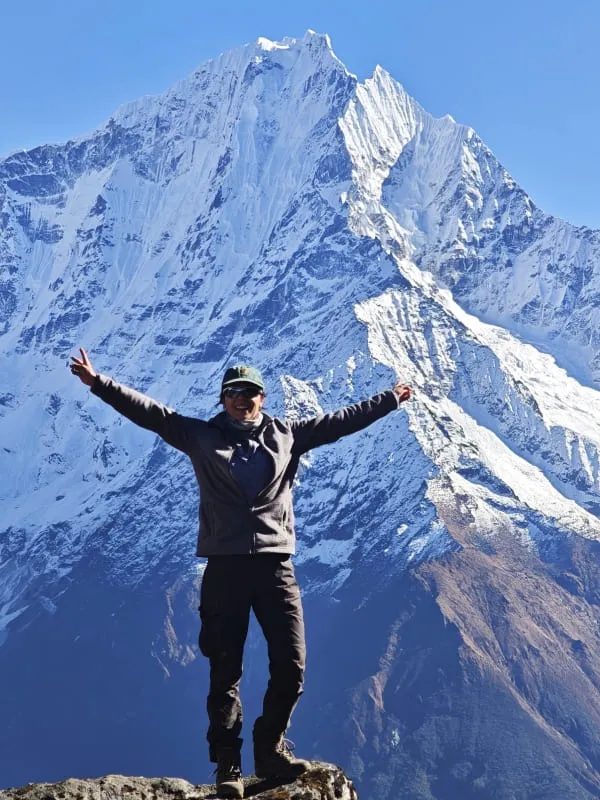
The restrictions help keep the region controlled and give its people, culture and landscape the space to remain what they are. You are not coming to Manaslu to see how much tourism has developed in the mountains you are coming to see how much of the old Nepal is still there.
Upper Mustang Trek
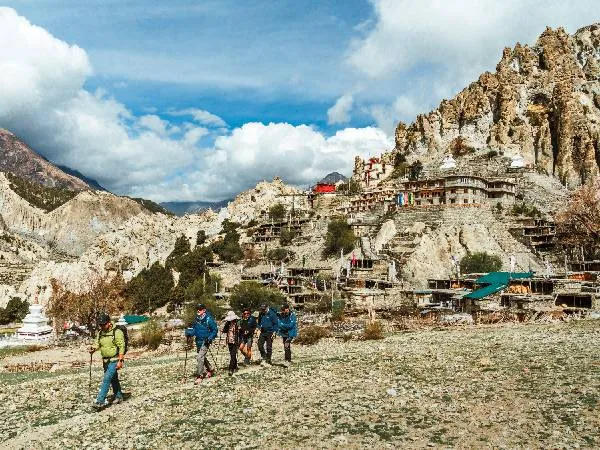
Upper Mustang trek feels completely different from the Nepal you usually see in photographs of green hills, dense forests, and snow-covered mountains. As you enter the region, the landscape becomes dry and dramatic, with barren cliffs, deep gorges, rock caves, and ancient villages that look almost Tibetan.
But this is far from an empty desert. Upper Mustang was the former Kingdom of Lo, with Lo Manthang as its historic capital. The legacy of the kingdom can still be seen in its ancient monasteries, traditional mud-brick houses, prayer walls, chortens, and Tibetan Buddhist culture. The former King of Mustang, known as the Lo Gyalpo, also remains an important cultural figure in the region.
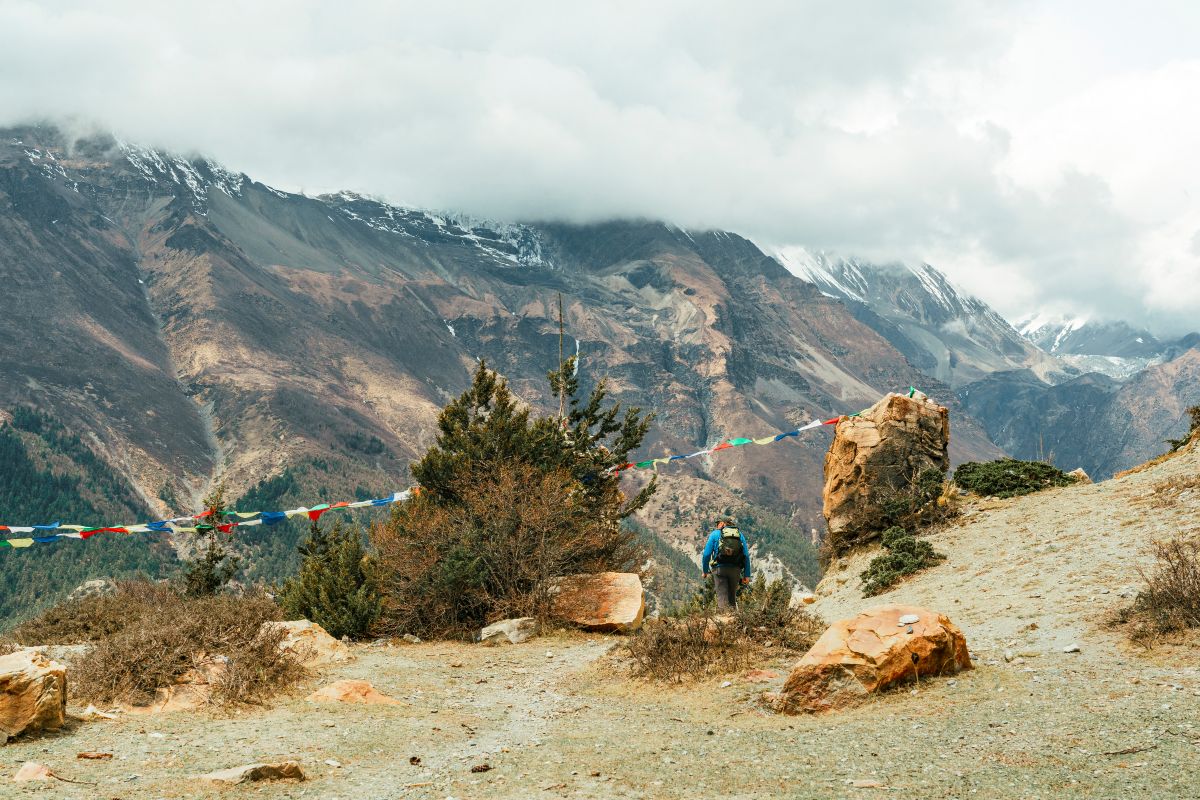
Religion and tradition are still deeply woven into daily life here. Monasteries such as Jampa, Thubchen, and Chodey remain important religious sites, while festivals such as the Tiji Festival bring the community together through masked dances, rituals, music, and Buddhist ceremonies.
Upper Mustang was closed to foreign visitors until 1992 and remains a restricted trekking area because of its sensitive location near the Tibetan border and the need to protect its unique cultural and natural heritage.
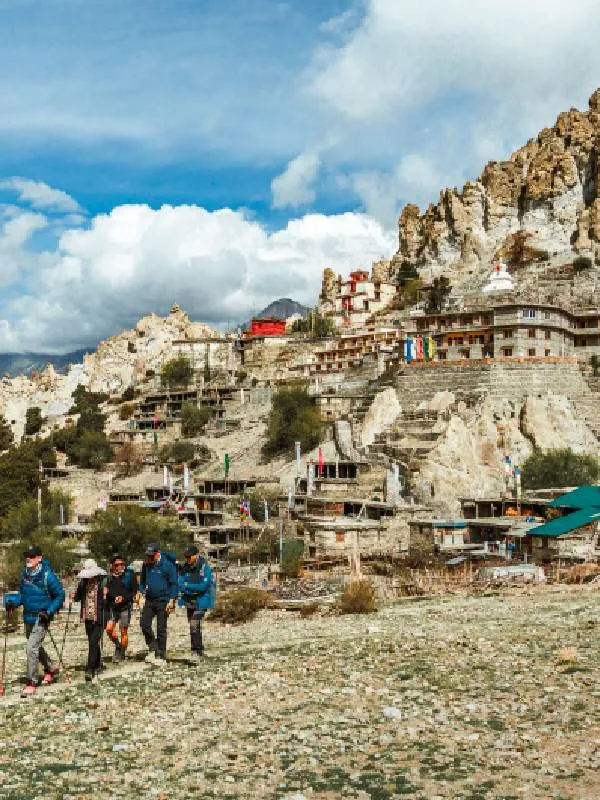
And perhaps that is what makes Mustang so special. It isn't simply a remote Himalayan destination it is a place where an ancient culture, centuries-old traditions, and a unique landscape have survived alongside modern Nepal.
Nar Phu Valley Trek
Nar Phu Valley trek is the kind of place where you understand what a hidden valley really means. The valley branches away from the main Annapurna Circuit and leads into a dramatically different landscape.
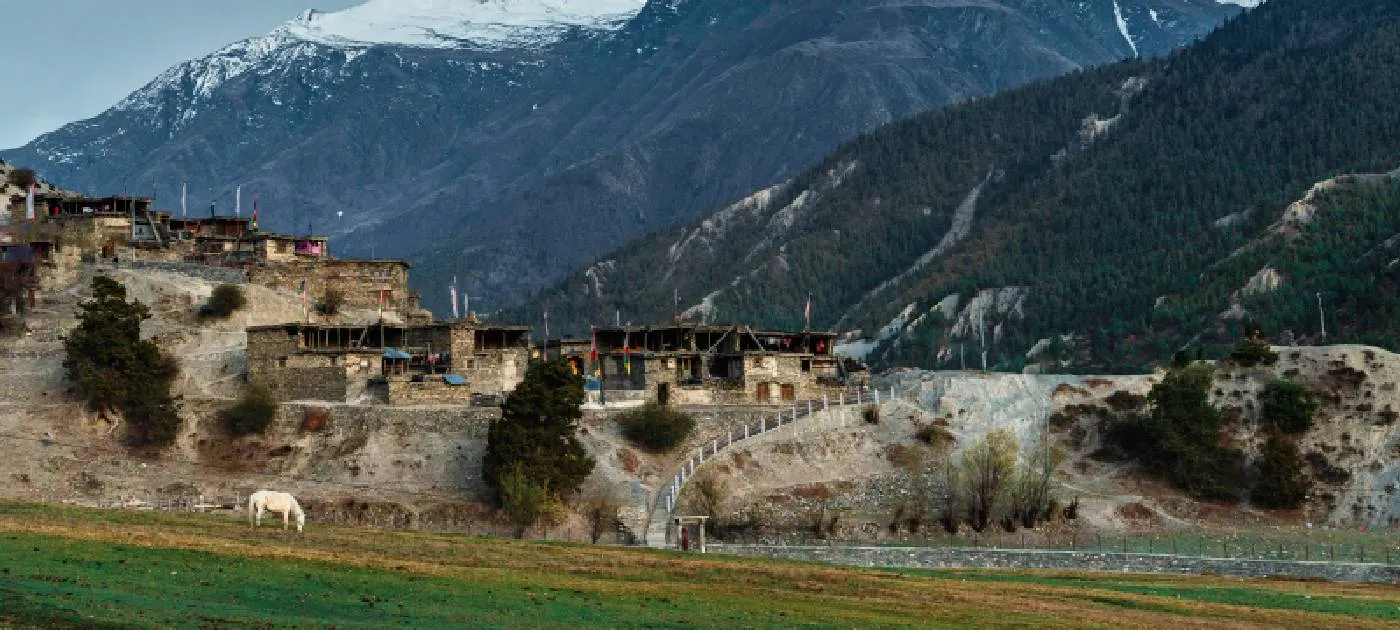
The trail passes through narrow gorges, ancient settlements, high mountain pastures, and eventually reaches the villages of Nar and Phu, where traditional stone houses appear almost tucked into the surrounding mountains.
What makes Nar Phu fascinating is how small and isolated the settlements feel. You don't find rows of trekking shops or a busy tourist market. Instead, you find old houses, monasteries, grazing fields, and a community whose lifestyle has developed around this harsh Himalayan environment.
The valley also carries a strong Tibetan cultural influence, visible in its architecture, Buddhist monasteries, prayer walls, and local traditions.
Nar Phu is restricted because of its remote location and proximity to the Nepal–Tibet border. Foreign trekkers need a special permit and must trek through an authorized agency with a licensed guide.
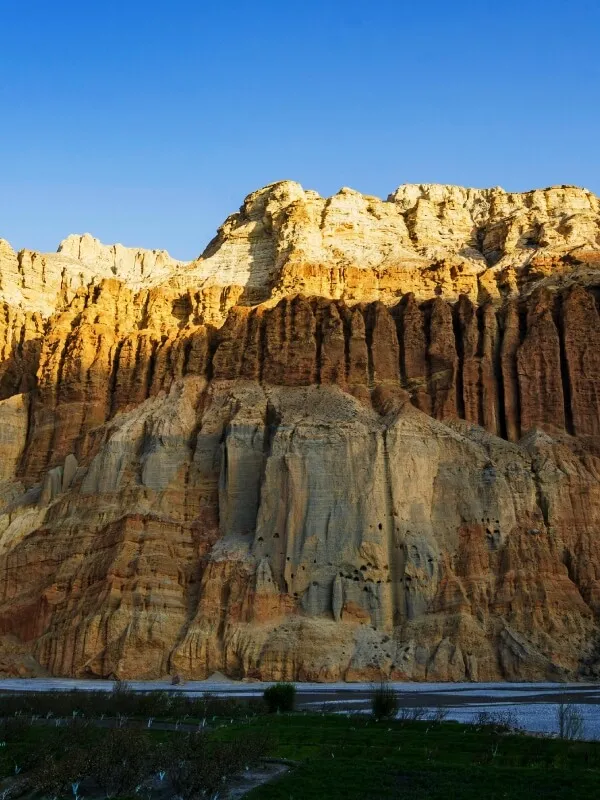
And that's really the appeal of Nar Phu. You don't go there because it is the next big tourist attraction in Annapurna. You go because, despite being relatively close to one of Nepal's busiest trekking routes, Nar Phu still feels like a world of its own.
Tsum Valley Trek
Tsum Valley trek is not just another quiet valley hidden somewhere in the Manaslu region; for centuries, it has been a sacred valley for Tibetan Buddhism, and you can feel that difference when you start walking through it. The name itself comes from the Tibetan word Tsum, meaning “vivid” or “alive,” and the valley has a long connection with Buddhist teachings and the great Tibetan saint Milarepa.
Even today, the journey takes you through villages such as Chhekampar and Nile, where stone houses are built against the mountains and long mani walls and prayer wheels sit along the trail. Then there is Mu Gompa, sitting high above the valley, where the feeling changes again you are no longer simply walking through a mountain settlement; you are walking through a place where religion has shaped the landscape and the lives of the people living here.
One of the most interesting things about Tsum is its traditional non-violence culture, with the valley historically maintaining a prohibition on killing animals, which tells you how deeply Buddhist beliefs are connected with everyday life here. This is also why Tsum cannot be treated like just another trekking destination. The valley sits close to the Tibetan border and has remained relatively isolated, so access is controlled through a special permit system.
The purpose is not simply to make trekking complicated; it helps manage tourism in a place whose identity has developed over centuries. When you walk through Tsum, you are not just looking at an old monastery or taking pictures of a mountain village you are walking through a valley where the religion, landscape and people's way of life have been connected for generations. And if tourism grows without control, you don't just risk changing the scenery you risk changing the culture that makes Tsum what it is.
Kanchenjunga Trek
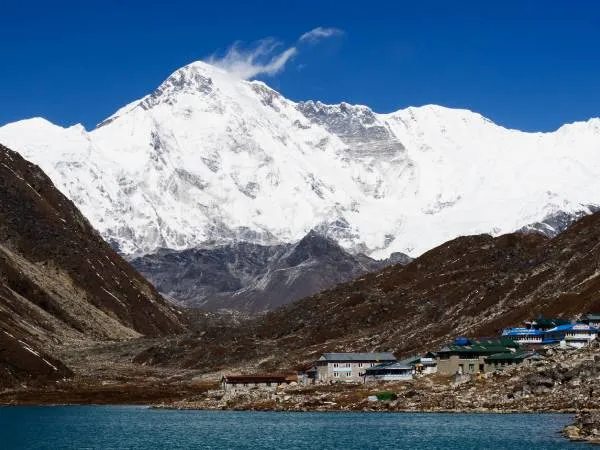
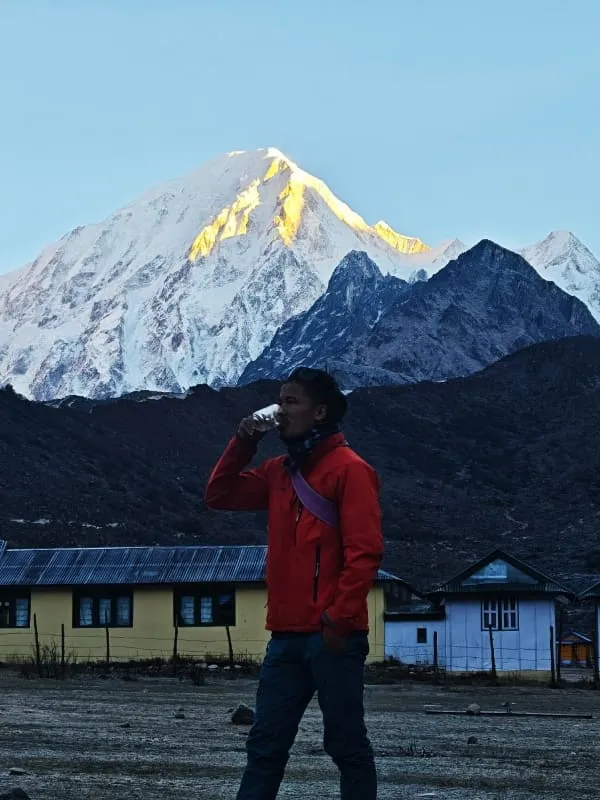
Kanchenjunga trek takes you into one of the most remote corners of Nepal, where the Himalayas feel less like a trekking destination and more like a vast mountain wilderness. The journey leads toward Mount Kanchenjunga, the world's third-highest mountain, but what makes this region different is how the trail slowly unfolds around the entire massif.
You walk through the lower valleys and forests before reaching places such as Ghunsa, where Tibetan Buddhist culture becomes much more visible, and then continue toward Lhonak and Pangpema on the North Base Camp route, with the Kanchenjunga glaciers and enormous mountain walls getting closer with every day.
On the other side, the South Base Camp route takes you toward Oktang and the Yalung Glacier, giving you a completely different view of the same mountain. Even the journey between these valleys is part of the experience, especially around the Sele Le Pass, where the landscape changes dramatically as you cross from one side of the Kanchenjunga region to another.
This isolation is one reason access to parts of the area is regulated through restricted-area permits. The region reaches toward Nepal's international borders and contains remote valleys where tourism infrastructure and emergency access remain limited, so controlling the number and movement of trekkers helps authorities manage this sensitive mountain region.
But the restriction also means something for the person walking there: Kanchenjunga has not developed the same dense trekking infrastructure or constant tourist flow found on Nepal's more famous routes. You can spend days moving between Ghunsa, Lhonak, Pangpema or the Yalung side with the feeling that the mountains, glaciers and valleys are still much bigger than the tourism built around them.
Upper Dolpo Trek
Upper Dolpo trek has a story that starts long before trekking became a reason for outsiders to enter the region. The people of Dolpo historically moved through these high valleys along old Himalayan trade routes, trading salt and other goods across the mountains toward Tibet, and that history is still visible in places such as Saldang and Shey.
The trek can take you from the turquoise waters of Phoksundo Lake to Ringmo village, where the Bon and Buddhist traditions of Dolpo are still part of the cultural landscape, before climbing toward Shey Gompa beneath the distinctive Crystal Mountain.
At Shey, the journey becomes even more interesting because the monastery sits on an ancient pilgrimage route and the mountain itself is considered sacred. This is also the landscape that became widely known outside Nepal through Peter Matthiessen's The Snow Leopard, which brought attention to Dolpo's remote valleys and Himalayan culture.
What makes Upper Dolpo particularly sensitive is not simply that it is far from Kathmandu; trekkers are moving through high-altitude settlements connected to the Tibetan border, traditional trading routes and communities whose way of life developed in relative isolation. Access to Upper Dolpo is therefore controlled through a special permit system rather than being treated like an unrestricted trekking destination.
That control matters because there are very few places where you can still follow an old Himalayan route from Phoksundo toward Shey and encounter a landscape shaped by ancient trade, Bon and Buddhist traditions, and centuries of life at the edge of the Tibetan Plateau.
Humla Trek
Humla becomes interesting when you stop thinking of it as simply a remote trekking destination and look at the route people here have been using for centuries. The journey usually begins around Simikot which is also the starting point for the Kailash Mansarovar yatra via Hilsa and heads northwest toward the Limi Valley, a high valley separated from the rest of Nepal by mountains and connected historically with Tibet through old trading and pilgrimage routes.
In Limi, villages such as Til, Halji and Jang sit along the valley, and Halji is home to the ancient Rinchen Ling Gompa, one of the most important monasteries in the region. The landscape also changes as you move deeper into the valley: cultivated fields and settlements give way to high Himalayan terrain, with the route eventually leading toward the Lapcha La area and the Tibetan border.
What makes Limi particularly fascinating is that the villages are not simply stops built for trekkers they are old settlements whose houses, farmland, monasteries and seasonal movement are tied to the valley itself. You are following a landscape that has historically connected Nepal with Tibet rather than a trail designed around tourism.
This border geography is also a major reason access to parts of Humla is regulated through a restricted-area permit. The northern valleys lie directly along a sensitive international frontier, while their remoteness makes movement, rescue and infrastructure very different from the better-developed trekking regions of Nepal.
So, the restriction here is not just about keeping tourists away it allows authorities to control access to a border region where tourism, local life and international security all meet. And when you finally look across the mountains toward Tibet from the Limi side, you understand what makes Humla different you haven't simply walked into an isolated valley; you have followed an old Himalayan corridor that still connects Nepal with the world beyond its northern mountains.
Restricted Trekking Permit Requirements and Cost in Nepal
Restricted area permit costs in Nepal depend on the trekking route, season, and number of days you spend in the restricted zone. Some areas charge a different rate during the peak autumn season, while others have a fixed weekly or daily rate. There is no single permit that covers all restricted trekking routes, and the permit is generally arranged through a registered trekking agency.
Here is a quick breakdown of the current restricted-area permit costs for the routes covered in this guide:
| Trek | Restricted-Area Permit Cost |
|---|---|
| Manaslu Circuit | USD 100/week (Sep–Nov); USD 75/week (Dec–Aug) |
| Upper Mustang | USD 50/day |
| Nar Phu Valley | USD 100/week (Sep–Nov); USD 75/week (Dec–Aug) |
| Tsum Valley | USD 40/week (Sep–Nov); USD 30/week (Dec–Aug) |
| Kanchenjunga | USD 20/week for the first 4 weeks; USD 25/week thereafter |
| Upper Dolpo | USD 500/first 10 days (Jun–Aug); USD 200/first 10 days (Sep–Nov); USD 50/day thereafter |
| Humla | USD 50/week |
Do You Need a Guide for Restricted Treks in Nepal?
Yes, for the restricted routes covered in this guide, trekkers generally need to travel with a licensed guide and arrange the required permits through a registered trekking agency. This is different from simply hiring a guide because you prefer having company on the trail. The guide and agency are part of the official access system for these controlled areas.
When you apply for a restricted-area permit, your trek is tied to a specific route, itinerary and trekking agency rather than being treated as completely independent travel. This is particularly important in border regions such as Manaslu, Nar Phu, Upper Mustang, Kanchenjunga, Dolpo and Humla, where authorities regulate who enters the area and where they can travel.
So, if you're planning a restricted trek, don't book your flights to the trailhead first and figure out the paperwork later. Your agency needs to arrange the permit, guide and required documentation before you enter the restricted zone. The exact rules can change by destination, so always confirm the current requirements for your specific route before departure.
FAQs About Restricted Trekking in Nepal
What is a restricted trekking area in Nepal?
A restricted trekking area in Nepal is a designated region where the government controls trekking access through special permits and additional regulations. These areas are generally located in sensitive border regions or places where tourism is more tightly managed.
How much does a restricted-area trekking permit cost in Nepal?
A restricted-area trekking permit in Nepal costs between USD 20 per week and USD 500 for the first 10 days, depending on the trekking region, season and duration of the trek. Each restricted area has its own fee structure.
Which restricted trekking permit is the most expensive in Nepal?
Upper Dolpo has one of the highest restricted-area permit fees in Nepal. The permit costs USD 500 for the first 10 days during June–August and USD 200 for the first 10 days during September–November, followed by a daily fee for additional days.
Is the restricted trekking permit charged per person?
Yes, restricted-area trekking permits are generally charged per trekker. The amount then depends on the particular restricted zone, season and number of days covered by the permit.
Can I get a restricted trekking permit myself in Nepal?
Restricted-area trekking permits are generally arranged through a registered trekking agency rather than obtained independently by the trekker. The agency handles the permit application and required documentation according to your itinerary.
What documents are required for a restricted trekking permit?
You normally need your passport details, valid Nepal visa information, passport photographs or other required documentation, and your trekking itinerary. Your registered trekking agency handles the application and submits the required documents to the relevant authority.
Do I need TIMS in addition to a restricted-area permit?
You may need TIMS in addition to the restricted-area permit, depending on the current rules for your route. A restricted permit does not automatically replace other trekking documentation or protected-area entry fees.
Do I need a separate permit for a conservation area or national park?
Yes, where your route enters a conservation area or national park, you may need a separate entry permit. For example, the Manaslu and Kanchenjunga treks involve conservation areas, while Upper Dolpo involves Shey-Phoksundo National Park.
Can I use one restricted-area permit for different trekking regions?
No. A restricted-area permit is issued for a specific restricted zone and itinerary. A permit for Manaslu, for example, does not give you permission to trek in Upper Mustang, Dolpo or another restricted region.
Can I extend my restricted-area permit if I stay longer?
Additional days may be permitted by paying the applicable extra fee, but you should arrange this through your trekking agency rather than simply staying beyond the dates on your permit. The rules and additional charges depend on the specific restricted area.
Does the restricted permit fee change with the trekking season?
Yes, some restricted-area permit fees change according to the season. Manaslu, Nar Phu and Tsum Valley, for example, have different rates for September–November compared with December–August.
Can I enter a restricted area without a guide?
No, you should not plan a restricted trek as an independent trek. The restricted routes covered by this guide generally require a licensed guide and trekking-agency arrangement as part of the access requirements.
Can I trek two restricted areas on the same trip?
Yes, some restricted areas can be combined into one itinerary, but each restricted zone has its own permit requirements. Manaslu and Tsum Valley are a common example because the routes are geographically connected, while combining distant regions such as Dolpo and Mustang requires considerably more transportation and planning.
Can I change my trekking route after getting a restricted permit?
You should not assume that you can change the route freely. Restricted permits are connected to specific areas and trekking arrangements, so entering a different restricted zone may require additional permission or a new permit.
What happens if I trek into a restricted area without the required permit?
Entering a restricted area without the required permit can result in penalties and problems with the authorities. It can also create serious complications if you need assistance or encounter a permit checkpoint during the trek.
Which restricted trek has the lowest permit cost?
Kanchenjunga has one of the lower restricted-area permit fees, starting at USD 20 per week for the first four weeks. However, the restricted permit is only one part of the total trekking cost.
Is Upper Mustang still a restricted trekking area?
Yes, Upper Mustang remains a restricted trekking area and requires a special permit. Its permit is charged at USD 50 per person per day, making the permit cost a significant part of the overall budget.
Is Manaslu still a restricted trekking area?
Yes, parts of the Manaslu trekking route remain within a restricted area and require a special permit. The permit fee changes by season, with the September–November period costing more than December–August.
What is the best season for restricted trekking in Nepal?
Spring and autumn are generally the best seasons for most restricted treks, particularly March–May and September–November. However, Upper Mustang and parts of Dolpo lie in the Himalayan rain shadow and can be suitable during the monsoon months as well.
Which restricted trek is best for someone doing their first restricted trek?
Manaslu is often a practical introduction to restricted-area trekking because it combines the restricted section with a well-established trekking route, teahouse infrastructure and road access. It is still a high-altitude trek and requires proper preparation.
Which restricted trek requires the most logistical planning?
Upper Dolpo and Humla generally require more logistical planning than Manaslu or Upper Mustang. Transportation, accommodation, food supplies, long distances between settlements and limited infrastructure can all affect the itinerary.
Do restricted treks cost more than regular Nepal treks?
Yes, restricted treks generally cost more than many regular trekking routes. The additional expense comes from special permits, mandatory guide and agency arrangements, longer transportation, limited accommodation and the logistics of operating in remote areas.
Can I trek restricted areas during winter?
Some restricted treks are possible in winter, but high passes and remote sections can become difficult or inaccessible because of snow and freezing temperatures. The exact feasibility depends on the route, altitude and current weather conditions.
Is travel insurance required for restricted trekking?
Travel insurance with trekking and high-altitude coverage is strongly recommended for restricted-area trekking. Check the maximum altitude covered by your policy and whether helicopter evacuation and emergency treatment are included before starting the trek.
How early should I arrange a restricted trekking permit?
Arrange your restricted trekking permit before leaving for the trailhead, rather than waiting until you reach the restricted area. This gives your agency time to prepare the required documentation, guide arrangements and other permits.