
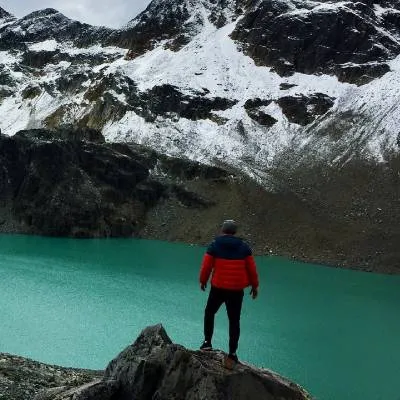
Are you planning to do the Gokyo Lakes Trek in Nepal and wondering when is the best time to go? Autumn and spring are generally considered the most favorable seasons, but each month brings different weather, trail conditions, mountain visibility, and trekking experiences. So, which months offer the best conditions, and what should you expect if you travel during the quieter off-season?
In this guide, we’ll break down the best time for the Gokyo Lakes Trek month by month, covering seasonal weather, temperatures, trail conditions, mountain views, crowds, tea house availability, and what you can expect throughout the year.
What Is the Best Time to Visit Gokyo Valley?
The best time to trek to Gokyo Valley is during spring (March to May) and autumn (September to November). These months bring clear mountain views, comfortable daytime temperatures, and relatively stable weather, creating favourable conditions for the hike.
Spring adds colour to the lower trails with blooming rhododendrons, while autumn usually brings crisp skies and excellent visibility of the surrounding Himalayan peaks. These seasons also provide better conditions for enjoying the Gokyo Lakes, Gokyo Ri viewpoint, and the scenic villages along the route.
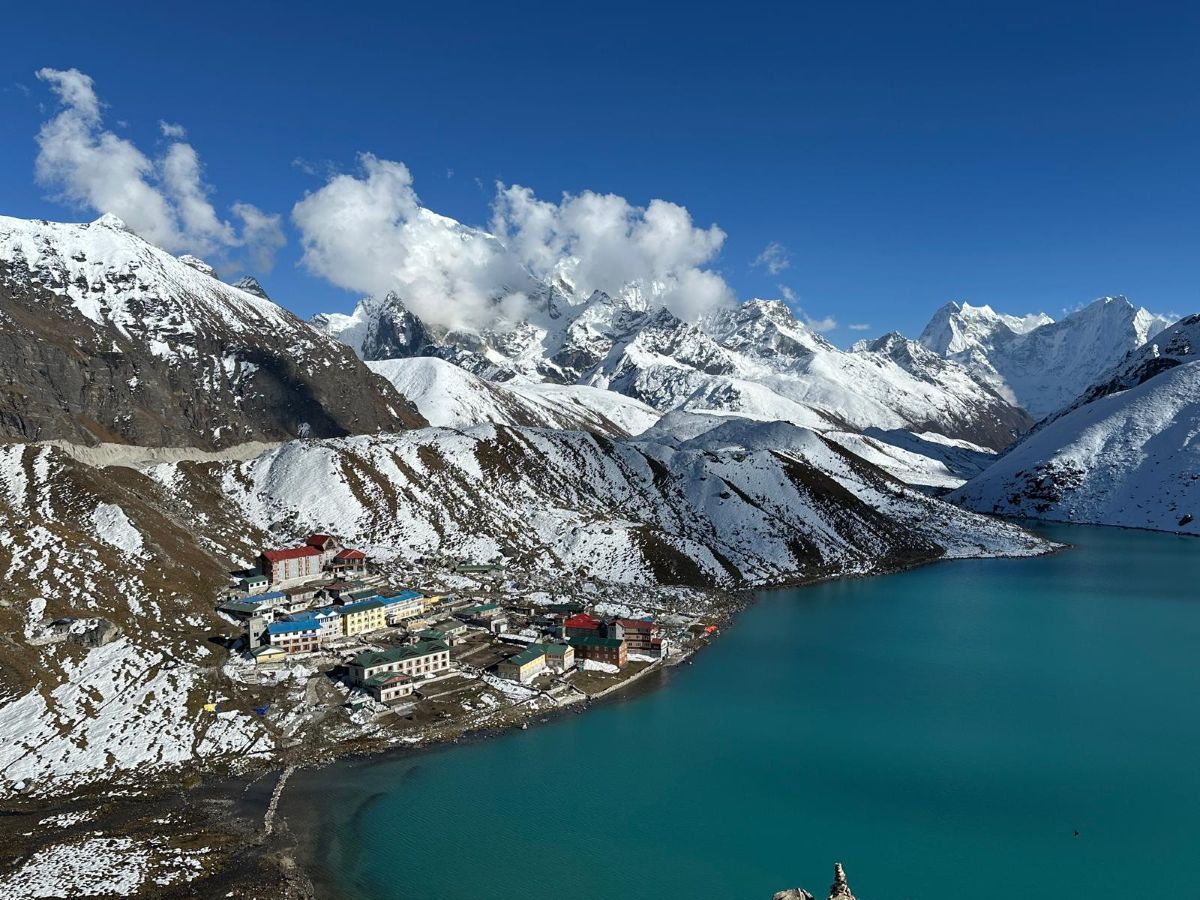
Winter (December to February) brings colder temperatures, snowfall, and icy sections along the higher parts of the trail, which can make the journey more demanding. Monsoon (June to August) brings rainfall, cloud cover, slippery paths, and reduced visibility, which can affect both the trekking experience and mountain views. Nevertheless, an off-season trip is still possible with proper preparation, suitable clothing and equipment, experienced local support, and a flexible itinerary.
Gokyo Valley Trek Seasons at a Glance
The Gokyo Lakes Trek can be undertaken in different seasons, but conditions change considerably as you move from the lower Khumbu toward Dole, Machhermo, and the high alpine basin around Gokyo. Spring and autumn generally offer the most predictable combination of weather, trail conditions, and mountain visibility, while winter and monsoon bring more challenging conditions but fewer trekkers.
| Season | Months | Weather | Mountain Visibility | Trail Conditions | Crowds | Main Attraction |
|---|---|---|---|---|---|---|
| Spring | March–May | Mild to warm in lower areas; cold at altitude | Generally good | Mostly dry | Moderate–High | Rhododendrons and clear mountain views |
| Monsoon | June–August | Wet, humid, cloudy | Often limited | Wet and slippery in lower sections | Low | Quiet trails and lush landscapes |
| Autumn | September–November | Cool and generally stable | Excellent | Mostly dry | High | Clear Himalayan panoramas |
| Winter | December–February | Very cold | Often clear on good days | Snow and ice possible | Low | Peaceful trails and winter scenery |
Gokyo Valley Trek in Spring (March to May)
Gokyo Valley trek in Spring brings a gradual transformation to the journey as you climb deeper into the Khumbu region. The journey begins through the lower hills, where rhododendron forests and wildflowers add colour to the trail and the surrounding slopes turn fresh green after winter.
As you continue higher toward Machhermo village and Gokyo settlements, the vegetation becomes sparser and the landscape opens into a much more dramatic alpine setting, with snow-covered peaks, rocky moraines, and the Ngozumpa Glacier becoming part of the scenery.
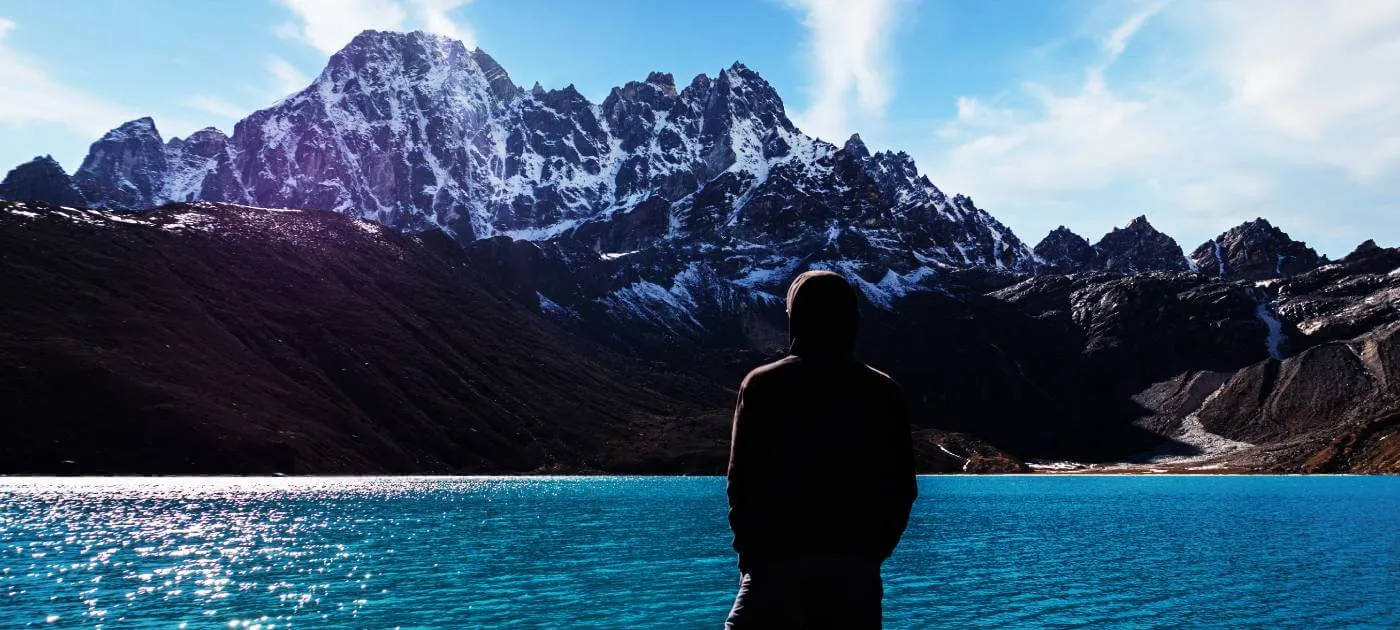
By the time you reach Gokyo Lakes, the turquoise water, surrounding snow-covered mountains, and spring sunlight create a completely different atmosphere from the forested sections below.
An early-morning climb to Gokyo Ri is particularly rewarding during this period, when clearer skies can reveal an expansive Himalayan panorama stretching across the Everest region. With relatively stable weather and longer daylight hours, spring also gives trekkers more time to explore the lakes, enjoy the surrounding landscapes, and take in the changing scenery without having to rush the journey.
What Is the Weather and Temperature Like in Spring in Gokyo Valley?
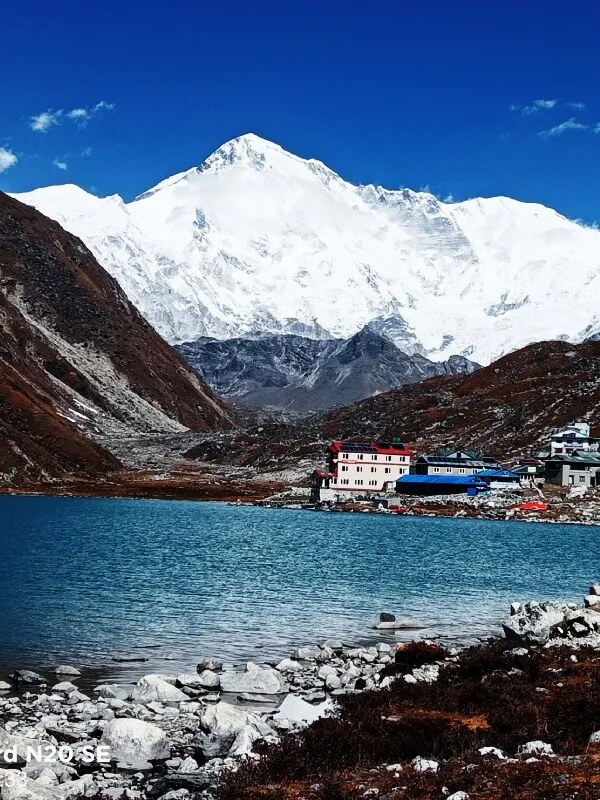
Spring brings some of the most favorable trekking conditions in the Gokyo Valley, with gradually warming temperatures, longer daylight hours, and generally clear weather. March is still quite cold at higher elevations, especially during early mornings and at night, so warm layers remain essential.
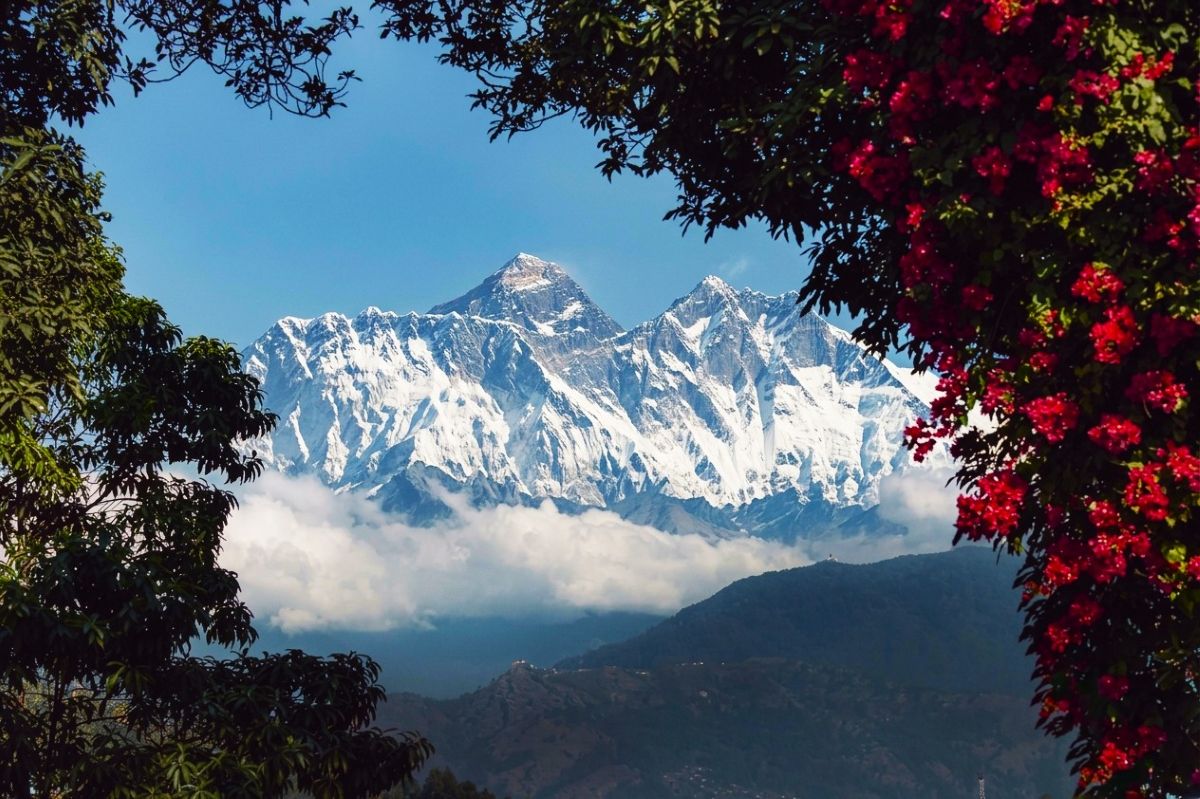
By April, temperatures become more comfortable, and the combination of clear skies and mild daytime weather makes it one of the most popular periods for the journey. May is generally warmer, although clouds can begin to build toward the latter part of the month as the pre-monsoon period approaches, occasionally affecting mountain visibility.
As the route climbs toward Machhermo and Gokyo, temperatures remain considerably cooler than in the lower valleys, particularly after sunset. Overall, spring offers a good balance of comfortable trekking temperatures, relatively stable weather, and clear Himalayan views, although conditions can still change quickly at higher elevations.
Average Temperature During Spring
The average temperatures along the Gokyo Valley trekking route vary considerably with altitude and month. Lower stops such as Lukla and Phakding are relatively mild, while temperatures become progressively colder as you ascend toward Namche, Dole, Machhermo, and Gokyo. The table below provides an approximate month-by-month temperature range for the main overnight stops during spring.
| Trekking Location | March | April | May |
|---|---|---|---|
| Lukla | 5–18°C | 7–20°C | 9–22°C |
| Phakding | 3–16°C | 5–18°C | 7–20°C |
| Namche Bazaar | 0–15°C | 3–17°C | 5–18°C |
| Dole | -3–10°C | 0–12°C | 2–14°C |
| Machhermo | -5–8°C | -2–10°C | 0–12°C |
| Gokyo | -6–7°C | -3–9°C | -1–11°C |
Gokyo Lakes Trek in Autumn (September to November)
Autumn brings a different character to the Gokyo Lakes Trek, shaped by the retreating monsoon and improving mountain visibility. September can still carry some residual moisture, but conditions generally become drier as the season progresses. By October and November, clearer skies and relatively dry trails create favorable conditions for walking and viewing the surrounding Himalayan peaks.
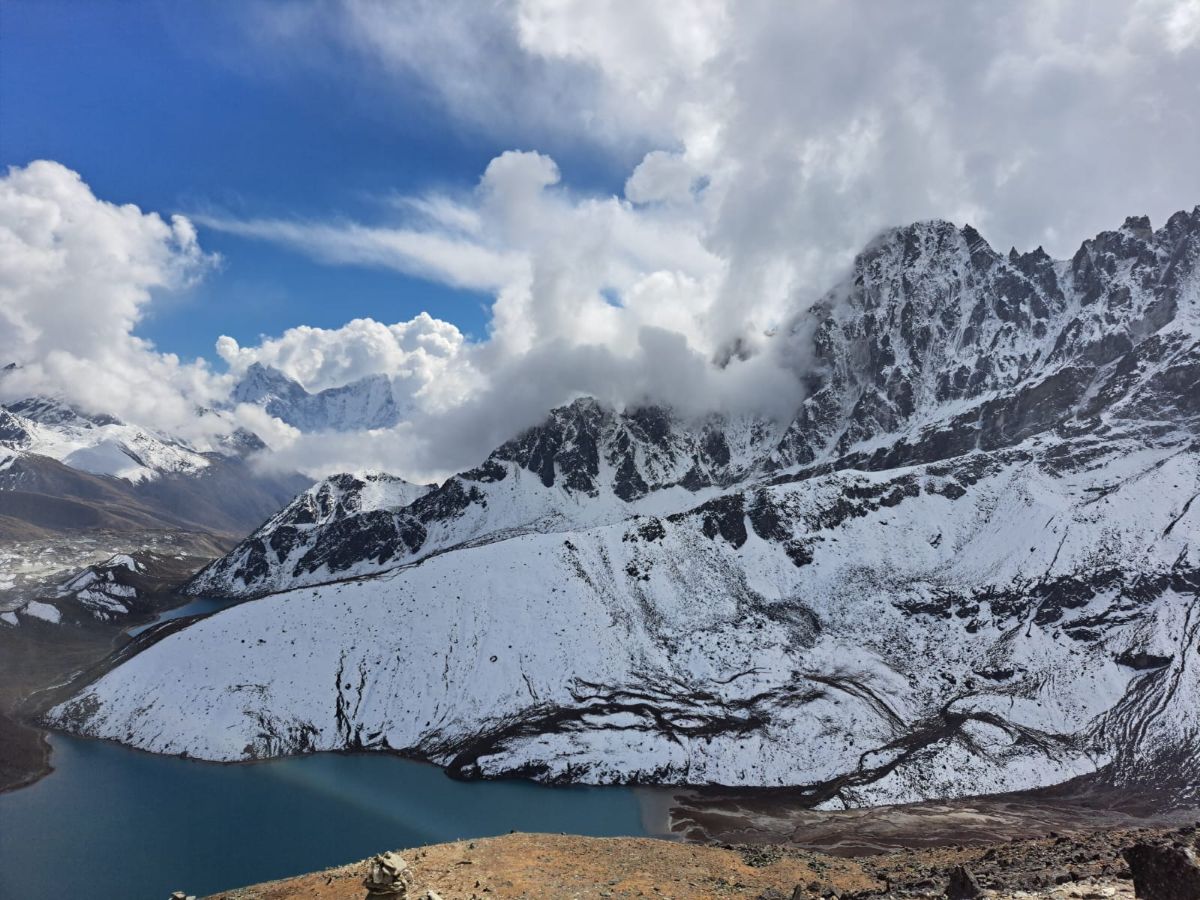
The landscape also retains the effects of the summer monsoon. Lower sections of the trail remain green, while waterfalls and streams can still be active early in the season. As you climb toward Dole, Machhermo, and Gokyo, the vegetation gradually becomes sparser and the landscape opens into alpine terrain, with the turquoise lakes and Ngozumpa Glacier becoming increasingly prominent.
What Is the Weather and Temperature Like During the Gokyo Lakes Trek in Autumn?
Autumn brings generally clearer skies, drier trails, and improved mountain visibility to the Gokyo Lakes Trek. However, conditions change throughout the season. September can still experience occasional rain and cloud cover as the monsoon gradually withdraws, while October usually offers more settled weather and clearer views. By November, temperatures become noticeably cooler, particularly at higher elevations.
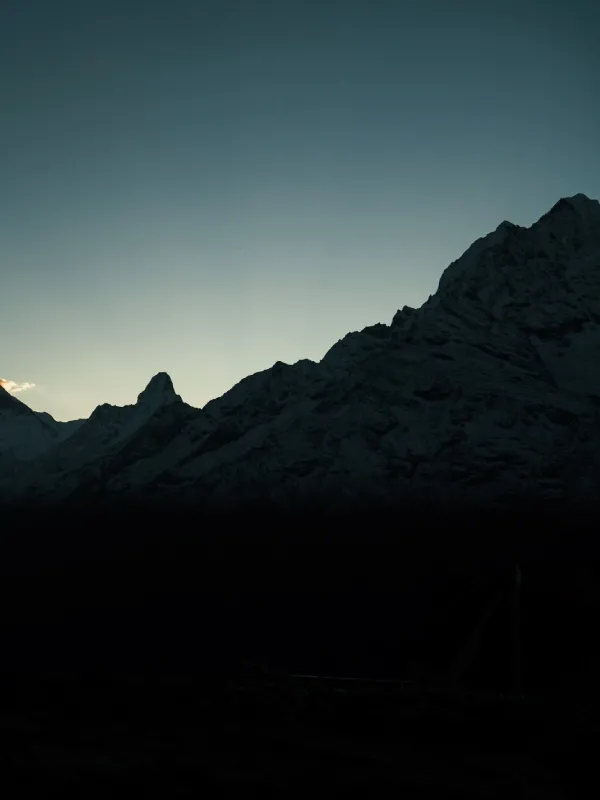
As you gain altitude from Namche Bazaar toward Dole, Machhermo, and Gokyo, temperatures gradually decrease. Daytime conditions can remain comfortable while trekking, but mornings and evenings become increasingly cold, especially around Machhermo and Gokyo. Higher elevations can also experience freezing temperatures after sunset, so warm layers are important even during the relatively mild autumn season.
Average Temperature During Autumn
Temperatures vary significantly along the Gokyo Lakes route because of the increasing elevation. September is generally the warmest month of autumn, while November brings colder conditions, particularly at higher elevations. The table below provides approximate daytime temperature ranges for the main overnight stops during September, October, and November.
| Trekking Location | September | October | November |
|---|---|---|---|
| Lukla | 12–20°C | 10–18°C | 8–15°C |
| Phakding | 12–20°C | 10–18°C | 8–15°C |
| Namche Bazaar | 10–15°C | 8–12°C | 5–10°C |
| Dole | 8–14°C | 6–11°C | 3–8°C |
| Machhermo | 6–12°C | 4–10°C | 0–5°C |
| Gokyo | 5–10°C | 3–8°C | -2–5°C |
Gokyo Valley Trek During Monsoon (June to August)
The monsoon season transforms the Gokyo Valley into a lush and vibrant landscape. Rain feeds the waterfalls and streams, while the hills around Namche Bazaar and Dole become greener. The trails are also much quieter than during spring and autumn.
Rain is more common in the lower and forested sections, where trails can become muddy and slippery. As you climb toward Machhermo and Gokyo, the landscape becomes more alpine, but clouds may frequently cover the surrounding peaks.
Monsoon weather can also affect Lukla flights and transportation. Heavy rainfall may cause flight delays, while landslides can occasionally disrupt roads in the lower regions.
For trekkers who enjoy green landscapes, waterfalls, and fewer crowds, monsoon offers a different Gokyo experience. However, you should allow some flexibility in your itinerary for changing weather.
Is the Gokyo Lakes Trek Possible During Monsoon?
Yes, the Gokyo Lakes Trek is possible during monsoon, but weather conditions can be unpredictable. Trekkers should be prepared for frequent rain, particularly at lower elevations, along with muddy and slippery trails.
Cloudy conditions may limit mountain views, while heavy rainfall can sometimes cause Lukla flight delays, landslides, and transportation disruptions. However, the trails and teahouses are generally much quieter during this season.
If you are comfortable with wet weather and flexible travel plans, monsoon can be a peaceful time to experience the lush and greener side of the Gokyo Valley.
Gokyo Valley Trek in Winter (December to February)
Winter brings cold temperatures, snow-covered landscapes, and quieter trails to the Gokyo Valley. Temperatures drop significantly after sunset, especially around Machhermo and Gokyo, while early mornings can be particularly cold.
December is generally more manageable, while January and February bring the coldest conditions. Snow and ice can affect higher sections of the trail, and some teahouses in higher settlements may operate with limited services or close temporarily.
Despite the cold, winter can offer clear skies and excellent mountain visibility. With fewer trekkers on the trail, the Gokyo Valley also feels more peaceful and less crowded.
Winter is best suited to trekkers who are comfortable with freezing temperatures, shorter daylight hours, and possible snow-covered trails. Proper warm clothing and suitable trekking gear are essential.
Gokyo Lakes Trek Month-by-Month
Looking at the Gokyo Lakes Trek month by month helps you understand how weather, trail conditions, scenery, and trekking experience change throughout the year.
January
January is one of the coldest times of year. Snow and ice can cover higher sections, and temperatures around the overnight stops can fall well below freezing at night. Clear winter days can provide excellent visibility.
February
February remains cold, with winter conditions continuing at higher elevations. Snow can still affect the trail, but the days gradually become longer toward the end of the month. The route is generally quiet, with fewer trekkers.
March
March brings the first noticeable signs of spring. Temperatures begin rising, snow gradually retreats from lower sections, and the forests start becoming greener. Rhododendrons may begin flowering later in the month.
April
April combines pleasant trekking temperatures with spring flowers and clear mountain scenery. Rhododendrons are usually at their best along the lower sections, creating colorful landscapes before the trail reaches the higher alpine terrain.
May
May is warmer and daylight hours are long, making it comfortable for longer trekking days. However, afternoon clouds become more common as the pre-monsoon period approaches, so early starts can be useful for better mountain views.
June
June marks the transition from spring to monsoon. Rain becomes increasingly common, particularly at lower elevations, while cloud cover becomes more frequent. The landscape becomes noticeably greener as the summer rains begin.
July
July is among the wettest periods of the year. Muddy and slippery trails, cloud cover, and occasional transportation disruptions can make the journey less predictable. Visitor numbers are also much lower.
August
August continues the monsoon pattern, with frequent rain and limited mountain visibility on many days. The surrounding hills remain lush and green, while waterfalls and streams are at their fullest.
September
September gradually moves from monsoon toward autumn. Early in the month can still be wet, but rainfall usually decreases as the month progresses. Late September can bring increasingly clear skies and drier trails.
October
October generally brings stable weather, dry trails, and excellent visibility. It is one of the busiest periods of the year, with comfortable daytime trekking conditions and clear Himalayan scenery.
November
November is cooler but generally dry and clear. Mornings are often crisp and highly visible, while temperatures drop quickly after sunset. Crowds begin decreasing toward the end of the month.
December
December brings winter back to the high valleys. Temperatures become significantly colder, and snow or ice can return to higher sections. The shorter days and cold nights are balanced by quiet trails and potentially very clear winter skies.
Which Month Is Best for the Gokyo Lakes Trek?
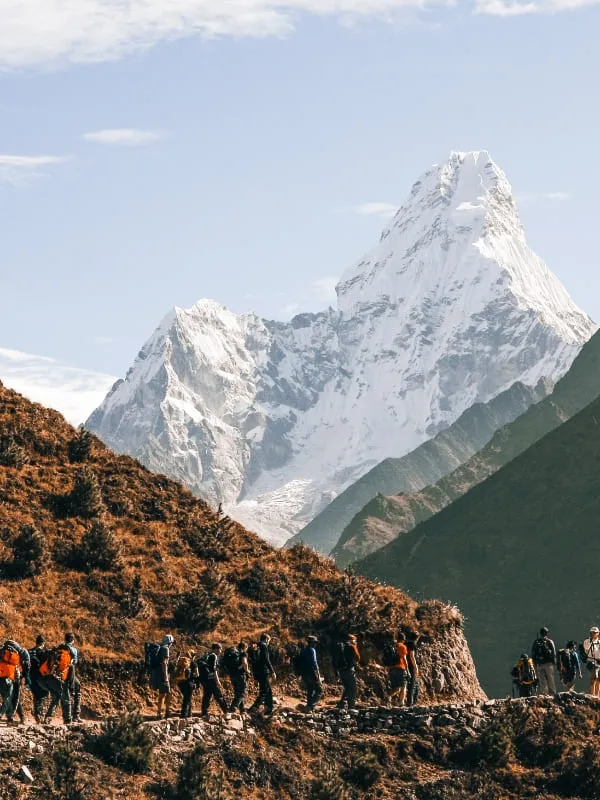
There is no single month that suits every trekker. The best time depends on whether you prioritize clear mountain views, spring scenery, quieter trails, or more predictable weather.
April and October generally offer favorable trekking conditions, with good trail conditions and excellent Himalayan visibility. However, these are also among the busiest periods on the Gokyo route.
For spring flowers and greener landscapes, April and May are particularly appealing. For clear skies, dry trails, and sharp mountain views, October and November are generally more favorable.
If you prefer quieter trails, winter and monsoon can provide a more peaceful experience. However, you should be prepared for colder temperatures, snow, rainfall, cloud cover, or possible travel disruptions.
When Is the Best Time for Gokyo Ri Views?
The climb to Gokyo Ri is one of the main highlights of the Gokyo Lakes Trek, and starting early can improve your chances of getting clear mountain views. Morning conditions are often more favorable before clouds build later in the day.
From the viewpoint, you can see Gokyo Lakes, Ngozumpa Glacier, and several major Himalayan peaks across the surrounding valleys.
Autumn generally offers the most reliable visibility, while spring can also provide excellent views, particularly earlier in the season. During the monsoon, cloud cover can make the panorama less predictable.
Because Gokyo Ri rises above 5,000 meters, the climb should not be rushed. Allow enough time for the ascent, take regular breaks, and prioritize safe trekking conditions over reaching the viewpoint at a specific time.
How Crowded Is the Gokyo Lakes Trek Throughout the Year?
The Gokyo Lakes Trek is generally quieter than the main Everest Base Camp route, but visitor numbers increase during the spring and autumn trekking seasons.
April and October are typically among the busiest months. Accommodation can be more in demand around Namche Bazaar and other popular stops, while the shared trail sections may have more trekking groups.
After the route separates toward Dole and Machhermo, the number of trekkers usually decreases. Winter and monsoon bring significantly fewer visitors, creating a quieter experience in the Gokyo Valley.
For fewer crowds with relatively favorable conditions, March, May, late September, and November can be worth considering. However, conditions vary by month, so your choice also depends on how much you prioritize weather, scenery, and trail activity.
How Does the Season Affect Lukla Flights?
Seasonal weather can affect Kathmandu–Lukla flights, which are an important part of many Gokyo Lakes Trek itineraries. Even when trekking conditions look favorable, cloud, wind, rain, or mountain visibility can affect flight operations.
Spring and autumn usually have high flight demand because they are peak trekking seasons. Monsoon can bring more weather-related disruptions due to rain, cloud, and reduced visibility, while winter may also cause delays during poor weather.
Because flight schedules can change, it is wise to keep flexibility in your itinerary. If you have a fixed international departure, allow at least a buffer day or two after returning from the mountains rather than scheduling your flight home immediately.
Ready to Explore the Gokyo Lakes?
Experience the turquoise Gokyo Lakes, dramatic Himalayan landscapes, and breathtaking views from Gokyo Ri with a carefully planned Gokyo Lakes Trek. Our local team can help with your itinerary, permits, accommodation, guides, and trekking logistics.
If you want to make your Himalayan adventure even more rewarding, you can also combine the Gokyo Lakes with Everest Base Camp, experiencing two of the Khumbu region’s most iconic destinations in one journey.
Ready to start planning? Contact Adventure Vision Treks today and let us help you choose the right itinerary for your adventure.