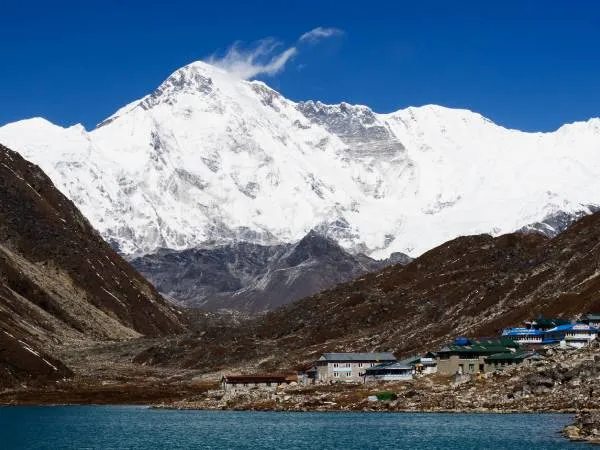

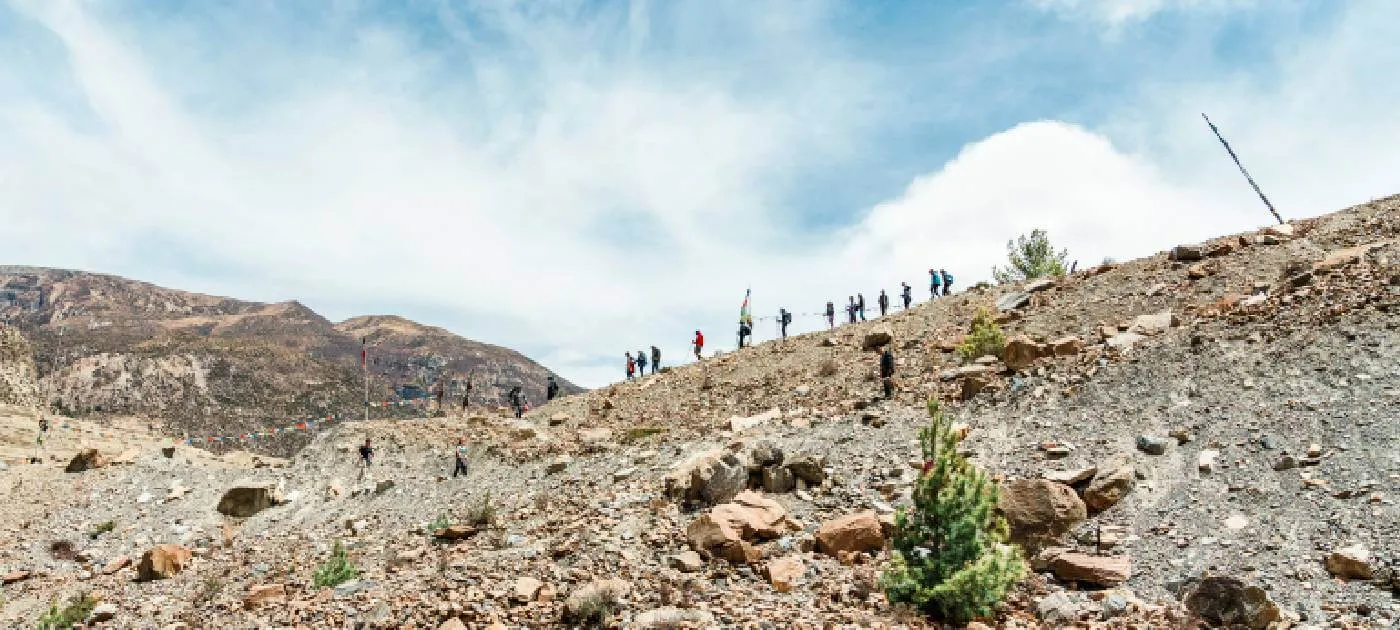
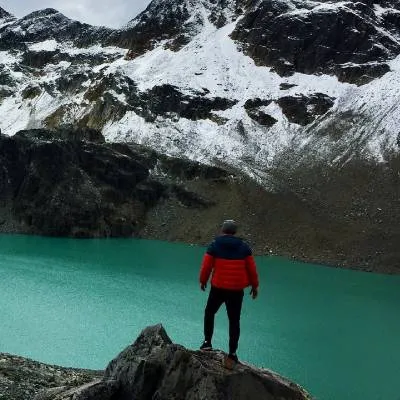
Are you planning to do the Annapurna Circuit Trek and wondering whether you can cross Thorong La Pass at an altitude of 5,416 meters (17,769 feet) above sea level? Since the Pass is even higher than Everest Base Camp, many first-time trekkers worry about whether they can handle the altitude.
The good news is that beginners can cross Thorong La Pass successfully with the right itinerary, proper preparation, gradual ascent, acclimatization, a steady walking pace, and adequate physical fitness. You don't need previous high-altitude trekking experience, but you do need to prepare properly and understand how to manage the altitude.
In this guide, we’ll explain whether beginners can do the Annapurna Circuit Trek, how difficult Thorong La Pass is, how to prepare for the trek, how acclimatization works, and what you can do to make the pass crossing safer and more manageable.
How hard is the Annapurna Circuit trek for first time trekkers?
The Annapurna Circuit Trek is moderately to highly challenging for first-time trekkers, mainly because of the long mountain days, continuous elevation gain, and the demanding crossing of Thorong La Pass at 5,416 meters (17,769 feet). However, it is still achievable for a reasonably fit beginner because the route builds up gradually from the lower valleys before reaching the high-altitude sections.
The difficulty changes as you move through the circuit. The early section from Dharapani through Chame, Pisang, and Manang involves long days of walking, but the gradual rise in elevation gives your body time to adjust. The section around Manang becomes particularly important because you are already above 3,500 meters and the air is noticeably thinner. From Manang, the trail continues toward Yak Kharka and Thorong Phedi, where the combination of altitude, cold, rocky terrain, and uphill walking makes the trek considerably more demanding.
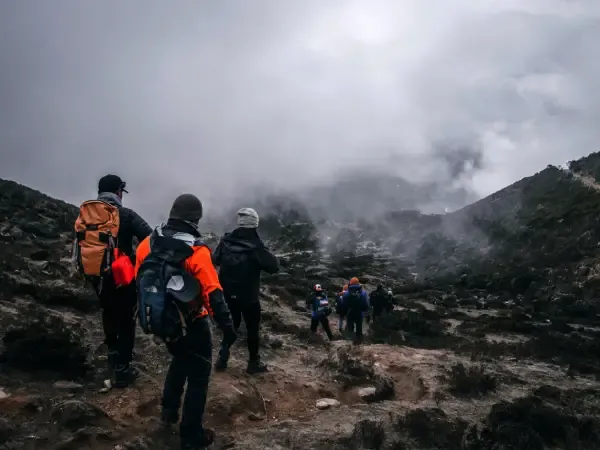
The toughest part is generally the Thorong La Pass crossing. Starting from Thorong Phedi or High Camp, trekkers begin before sunrise and climb steadily over a rocky, often snow-covered trail to reach the 5,416-meter pass. After reaching the top, there is also a long and steep descent toward Muktinath, which can put significant strain on your knees and legs.
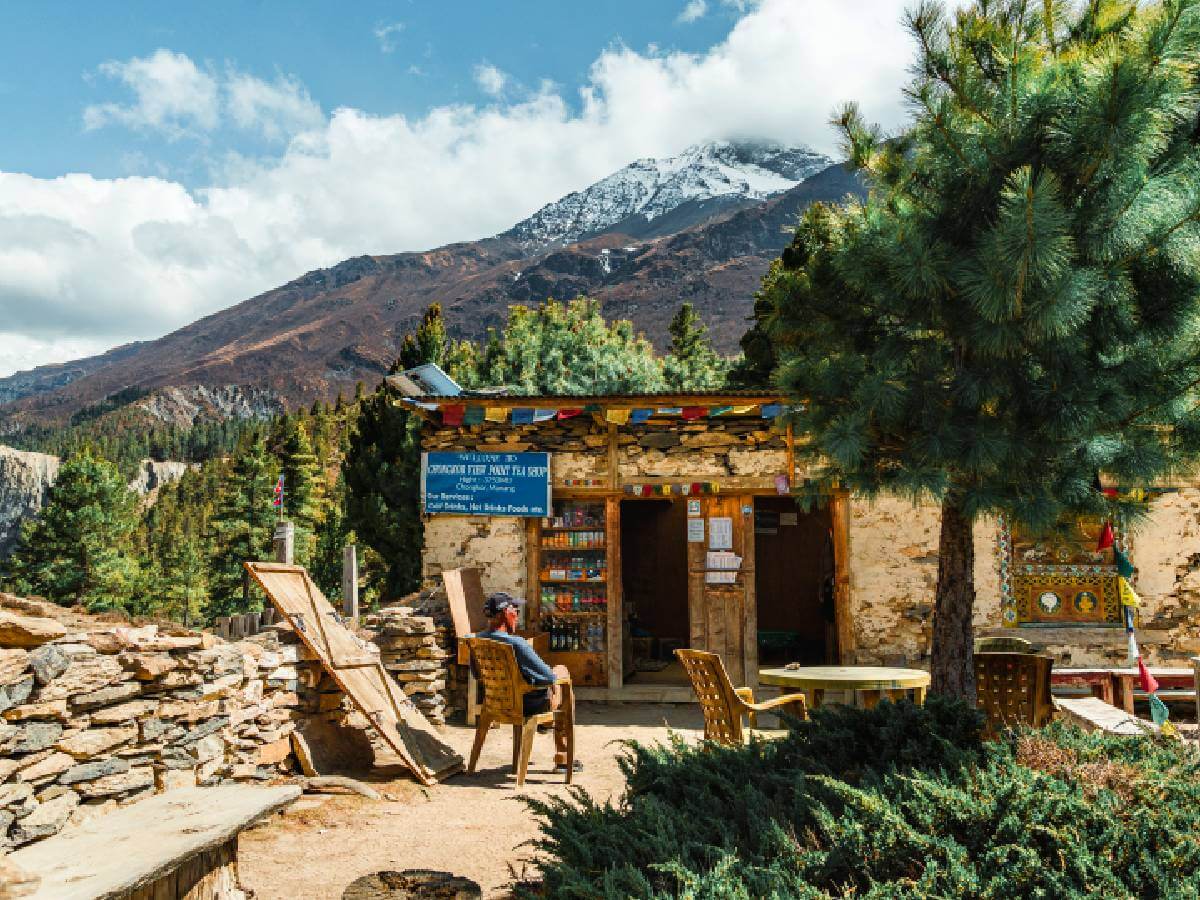
So, the Annapurna Circuit is not difficult because of technical climbing; it is the combination of distance, elevation, terrain, consecutive trekking days, and the Thorong La crossing that makes it challenging. For a first-time trekker, following a sensible itinerary from Dharapani → Chame → Pisang → Manang → Yak Kharka → Thorong Phedi → Thorong La → Muktinath, walking at a controlled pace, and allowing enough time for acclimatization makes the challenge much more manageable.
Can You Trek the Annapurna Circuit Without Experience?
Yes, beginners can trek the Annapurna Circuit without previous trekking experience. Unlike technical mountain expeditions, the route follows established trails through villages such as Chame, Pisang, and Manang, so you don't need mountaineering skills. The key is being comfortable with sustained walking and being prepared for the more demanding sections around Thorong Phedi and Thorong La Pass.
For a first-time trekker, experience is helpful but not essential you simply need to be physically prepared for long mountain walks and the demands of high-altitude trekking.
How Fit Do You Need to Be for the Annapurna Circuit?
You do not need to be an athlete or an experienced trekker to complete the Annapurna Circuit, but you should have a good level of endurance because some trekking days involve 8- 10 hours of walking, often on consecutive days. You should be comfortable walking for several hours without becoming completely exhausted and able to handle both uphill climbs and long descents.
Your preparation should focus on cardiovascular fitness, leg strength, and core stability. Regular walking, hiking, stair climbing, jogging, cycling, or similar activities can improve your endurance before the trek. Strengthening your thighs, calves, glutes, and core is particularly useful for the steep sections and uneven trails around Pisang, Manang, Yak Kharka, and Thorong Phedi.

You should also practice walking for longer periods rather than relying only on short workouts. For example, gradually increase your weekend hikes and include uphill and downhill terrain so your body becomes accustomed to sustained effort. This is especially helpful because the challenge on the Annapurna Circuit is not one extremely long walk, but repeating demanding walking days while gaining elevation.
You don't need exceptional fitness, but being reasonably active and building your endurance before arriving in Nepal will make the circuit considerably more comfortable. Your goal should be to finish a long walking day feeling tired but still capable of continuing the following morning.
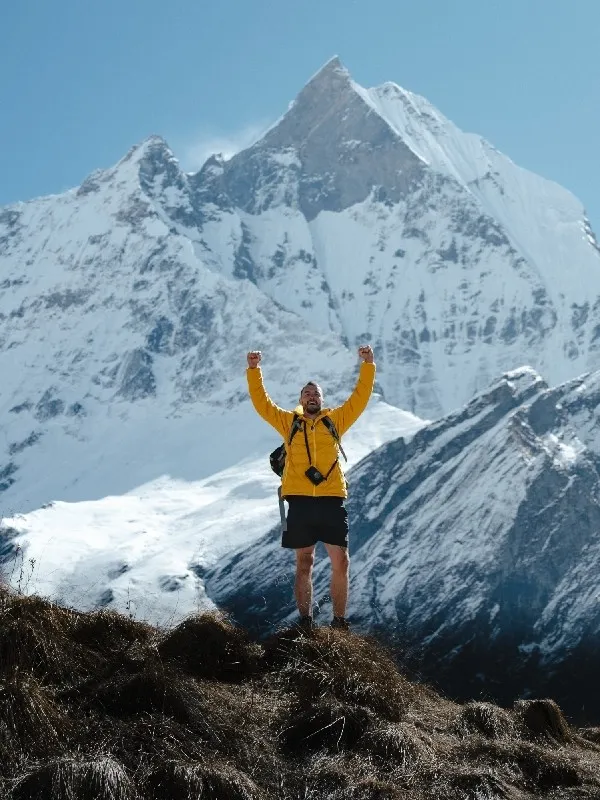
How Long Does a Beginner Need to Complete the Trek?
A beginner typically needs around 13 days to complete the standard Annapurna Circuit Trek while crossing Thorong La Pass. This allows enough time to follow the route at a manageable pace and includes the major stops from the lower Marsyangdi Valley through Chame, Pisang, Manang, Yak Kharka, Thorong Phedi, Thorong La, and Muktinath.
If you are short on time, a short Annapurna Circuit itinerary can be completed in around 9 days by using road transportation on selected sections and focusing on the main highlights of the circuit.
For trekkers who want to add Tilicho Lake, plan for approximately 15 days. This version adds the side trip to one of the world's highest-altitude lakes while still allowing time to cross Thorong La Pass.
Can Beginners Cross Thorong La Pass?
Yes, beginners can cross Thorong La Pass, and many first-time trekkers successfully reach its 5,416-meter summit. The crossing is demanding rather than technical, with the biggest difficulty coming from the steep ascent from Thorong Phedi or High Camp, thin air, cold conditions, and the long descent to Muktinath.
If a beginner has followed the itinerary properly and is feeling well at Thorong Phedi, there is no requirement to have previous high-altitude trekking experience. The important thing is to take the pass crossing slowly, start early, and pay attention to how your body responds to the altitude.
How Do Beginners Prepare for High-Altitude Trekking?
Beginners should prepare for high-altitude trekking by building endurance before the trip and allowing enough time for gradual acclimatization during the trek. For the Annapurna Circuit, start regular walking or hiking several weeks beforehand, gradually increase the distance and include uphill and downhill sections to prepare your legs for the mountain terrain.
Once on the trail, don't rush the elevation gain. Follow an itinerary that allows your body to adjust as you move from lower elevations toward Manang, Yak Kharka, and Thorong Phedi. Stay hydrated, eat enough nutritious food, get proper sleep, and maintain a steady pace rather than trying to keep up with faster trekkers.
Most importantly, learn to recognize altitude-sickness symptoms such as headache, dizziness, nausea, unusual tiredness, or shortness of breath. If symptoms become worse, don't continue climbing simply to stay on schedule. On the Annapurna Circuit, knowing when to rest, descend, or seek medical assistance is just as important as physical preparation.
How Can Beginners Prevent Altitude Sickness?
Beginners can reduce the risk of altitude sickness on the Annapurna Circuit by ascending gradually, allowing enough time for acclimatization, staying hydrated, eating properly, and maintaining a steady walking pace. Spending time acclimatizing around Manang before continuing toward Yak Kharka and Thorong Phedi is particularly important.
If you develop symptoms such as headache, dizziness, nausea, unusual tiredness, or shortness of breath, tell your trekking guide immediately rather than trying to hide the symptoms and continue walking. Your guide can assess your condition and decide whether you should rest, stop gaining altitude, or descend.
Some trekkers use Diamox (acetazolamide) to prevent or treat altitude-related problems, but it should be used only according to appropriate medical advice, especially if you have other medical conditions or take other medicines. It should not be treated as a substitute for proper acclimatization or as permission to continue ascending when you are becoming seriously ill.
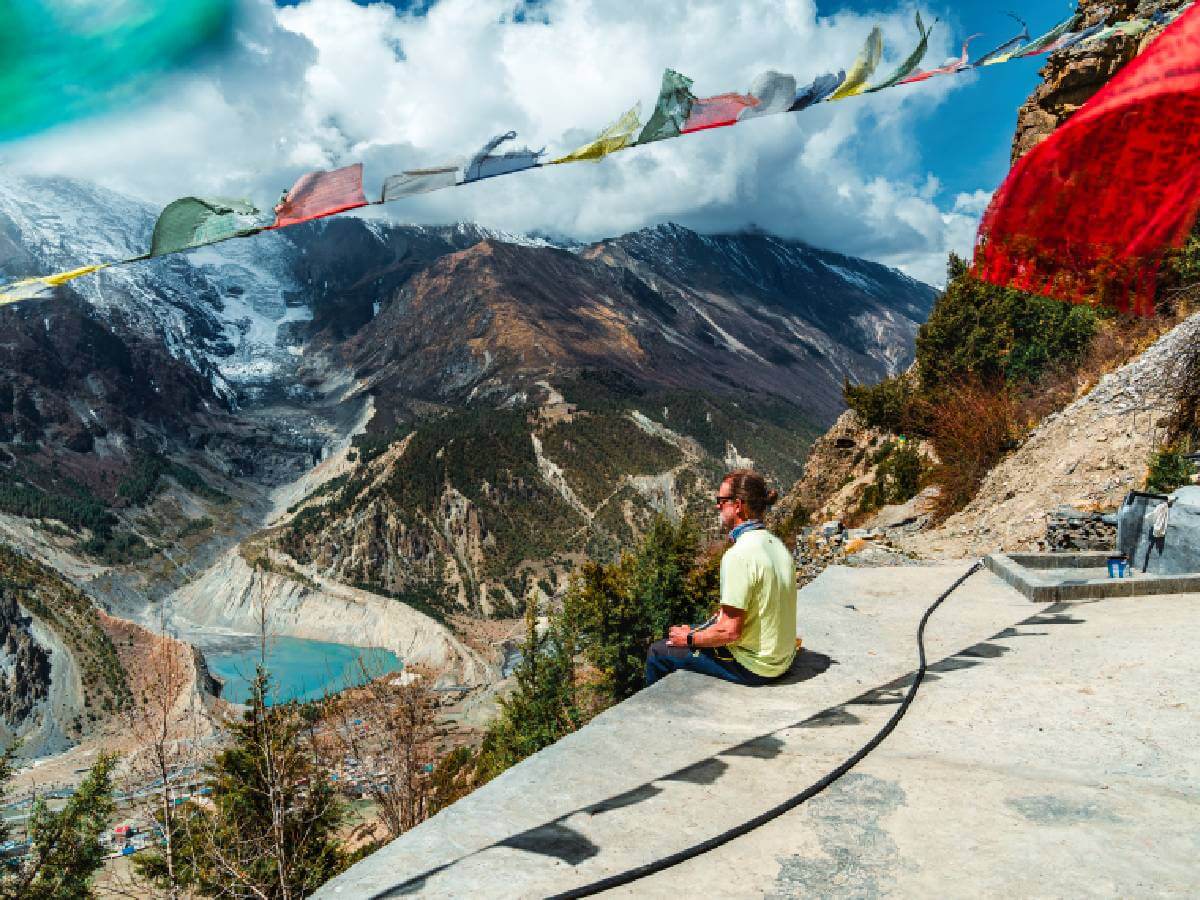
In a serious situation, emergency evacuation, including helicopter evacuation where available and appropriate, may be necessary. The important thing is to act early rather than waiting for symptoms to become severe. On the Annapurna Circuit, staying in communication with your guide and responding quickly to altitude symptoms can make the trek considerably safer.
Should Beginners Hire a Guide and Porter?
Yes, beginners should consider hiring both a guide and a porter for the Annapurna Circuit journey, especially if it is their first high-altitude trek. They make the journey easier, safer, and more enjoyable, while allowing you to focus on the trail and scenery instead of managing every logistical detail yourself.
A porter carries your main luggage, so you only need to walk with a lightweight daypack containing essentials such as water, snacks, a jacket, and personal items. Carrying less weight is particularly helpful on the longer climbs toward Manang, Yak Kharka, Thorong Phedi, and Thorong La, as it saves energy and reduces unnecessary strain on your legs and shoulders.
A guide provides much more than directions. A knowledgeable local guide understands the Annapurna region, knows the trails and villages, and can help you make sensible decisions when conditions change. They can recognize potential problems such as altitude sickness, sudden weather changes, difficult trail conditions, or excessive fatigue and respond quickly when a situation requires a change of plan.
Guides can also handle practical matters along the route, such as communicating with teahouses, helping with accommodation, explaining local culture and villages, managing permits and logistics, and coordinating assistance during an emergency.
For a first-time trekker, the biggest benefit is peace of mind. With a porter carrying the heavy load and a guide handling the mountain logistics, you can conserve your energy and concentrate on enjoying the Annapurna Circuit rather than worrying about every detail of the journey.
What Is the Best Season for Beginners to Trek Annapurna Circuit?
For beginners, autumn and spring are the best seasons for the Annapurna Circuit, offering clearer weather, comfortable walking temperatures, and better conditions at higher elevations. October–November and March–April are particularly good choices, with stunning mountain views and fewer weather challenges. If you’re planning your trek, check out our Annapurna Circuit Trek Best Time to Visit guide for a detailed breakdown of each season.
How Much Does the Annapurna Circuit Trek Cost?
The Annapurna Circuit Trek starts at US$740 for the Budget package, making it a suitable choice for trekkers who prefer a simple and affordable experience while enjoying the essential trekking services.
The Regular package costs US$1,185 and is the most popular choice. It offers a good balance of comfort, service, and price, making it a great option for most first-time trekkers.
For travelers looking for greater comfort and convenience, the Premium All-Inclusive package costs US$2,500. It provides a more comprehensive trekking experience with a higher level of service and support.
What Is a Good Annapurna Circuit Itinerary for Beginners?
A 13-day Annapurna Circuit itinerary is a good option for beginners because it gives enough time to progress gradually toward Thorong La Pass at 5,416 meters without making the trek unnecessarily rushed. The route includes an acclimatization day in Manang before continuing toward Yak Kharka, Thorong Phedi, and the pass.
13-Day Annapurna Circuit Trek Outline Itinerary
- Day 1: Welcome to Kathmandu — 1,400m
- Day 2: Drive from Kathmandu to Dharapani — 1,860m
- Day 3: Trek from Dharapani to Chame — 2,650m
- Day 4: Trek from Chame to Pisang — 3,190m
- Day 5: Trek from Pisang to Manang — 3,540m
- Day 6: Acclimatization Day in Manang — 3,540m
- Day 7: Trek from Manang to Yak Kharka — 4,210m
- Day 8: Trek from Yak Kharka to Thorong Phedi — 4,550m
- Day 9: Trek from Thorong Phedi to Muktinath via Thorong La Pass — 5,416m
- Day 10: Drive from Muktinath through Kagbeni, Jomsom, and Marpha to Tatopani — 1,940m
- Day 11: Drive from Tatopani to Pokhara — 822m
- Day 12: Early morning scenic drive from Pokhara to Kathmandu — 1,360m
- Day 13: Departure
Beginner Tips for Completing the Annapurna Circuit Trek
If you are trekking the Annapurna Circuit for the first time, a few practical habits can make the journey much easier:
- Start training before the trek: Build your endurance with regular walking, hiking, stairs, or cardio rather than relying on fitness gained after arriving in Nepal.
- Follow a gradual itinerary: Don't rush the route from Dharapani to Manang and onward to Thorong Phedi. Give your body time to adjust as the elevation increases.
- Take Manang seriously: Use the acclimatization day to rest and explore at a moderate altitude rather than treating it as another full trekking day.
- Walk at your own pace: You don't need to keep up with faster trekkers. A steady, sustainable pace will conserve energy for the longer sections ahead.
- Pack light: Keep only what you genuinely need and use a porter if possible. A lighter daypack makes the climbs toward Yak Kharka and Thorong Phedi much more comfortable.
- Stay hydrated and eat regularly: Drink throughout the day and don't skip meals, especially before the high-altitude sections.
- Prepare for changing weather: Conditions can shift quickly around Thorong La, so carry warm and waterproof layers even when the lower valleys feel comfortable.
- Listen to your body: Headache, nausea, dizziness, or unusual fatigue can indicate altitude problems. Tell your guide immediately rather than trying to push through.
- Start early for Thorong La: The pass crossing is a demanding day, so an early start gives you more time to cross the pass and descend toward Muktinath.
- Don't rush the descent: Reaching Thorong La is not the end of the hard work. The descent toward Muktinath is long and can be tough on tired knees and legs.
- Hire a local guide and porter: A guide can help with route decisions and altitude-related situations, while a porter carries your main luggage so you can conserve energy.
- Enjoy the route, not just the destination: Give yourself time to appreciate the villages, Buddhist culture, mountain landscapes, and changing scenery from the Marsyangdi Valley to Mustang.
Is it possible to add Tilicho Lake in the Annapurna Circuit Trek itinerary for beginners?
Yes, beginners can add Tilicho Lake to the Annapurna Circuit, and extending the journey to 15 days is one of the best ways to experience more of the region. The additional days take you away from the main circuit toward Khangsar, Tilicho Base Camp, and Tilicho Lake at 4,919 meters, giving you a chance to experience a quieter and more remote part of the Annapurna region.
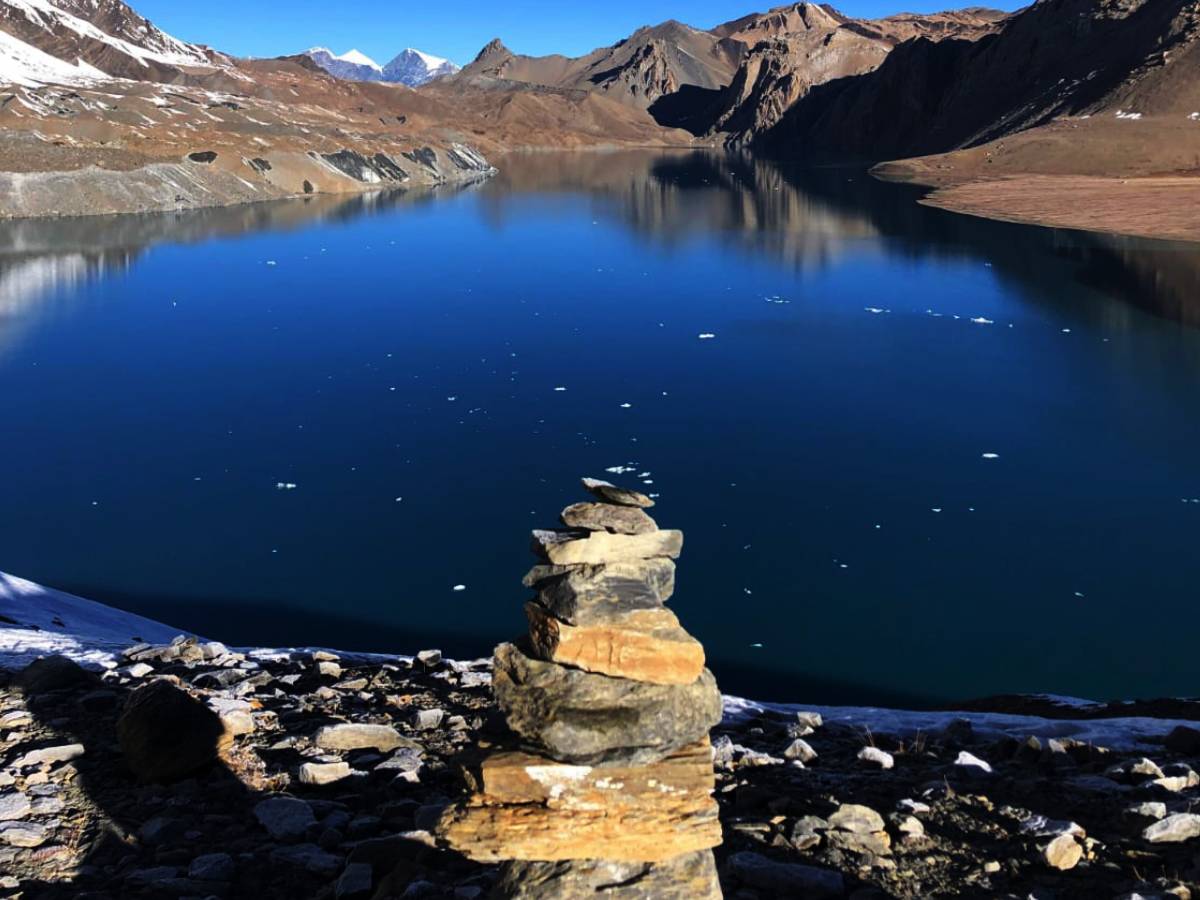
Adding Tilicho Lake does make the trek longer, with an additional high-altitude walking section before you continue toward Yak Kharka, Thorong Phedi, and Thorong La Pass. For beginners, the advantage of a 15-day itinerary is that you don't have to rush these sections. You can enjoy the lake, recover properly, and continue the main circuit with more energy.
If you have the extra time, the 15-day Annapurna Circuit with Tilicho Lake is the option I'd recommend for beginners who want a more complete experience. You get the classic circuit, the dramatic Tilicho Lake, and the Thorong La crossing in one journey.
Packing List for Annapurna Circuit Trek in Nepal for Beginners
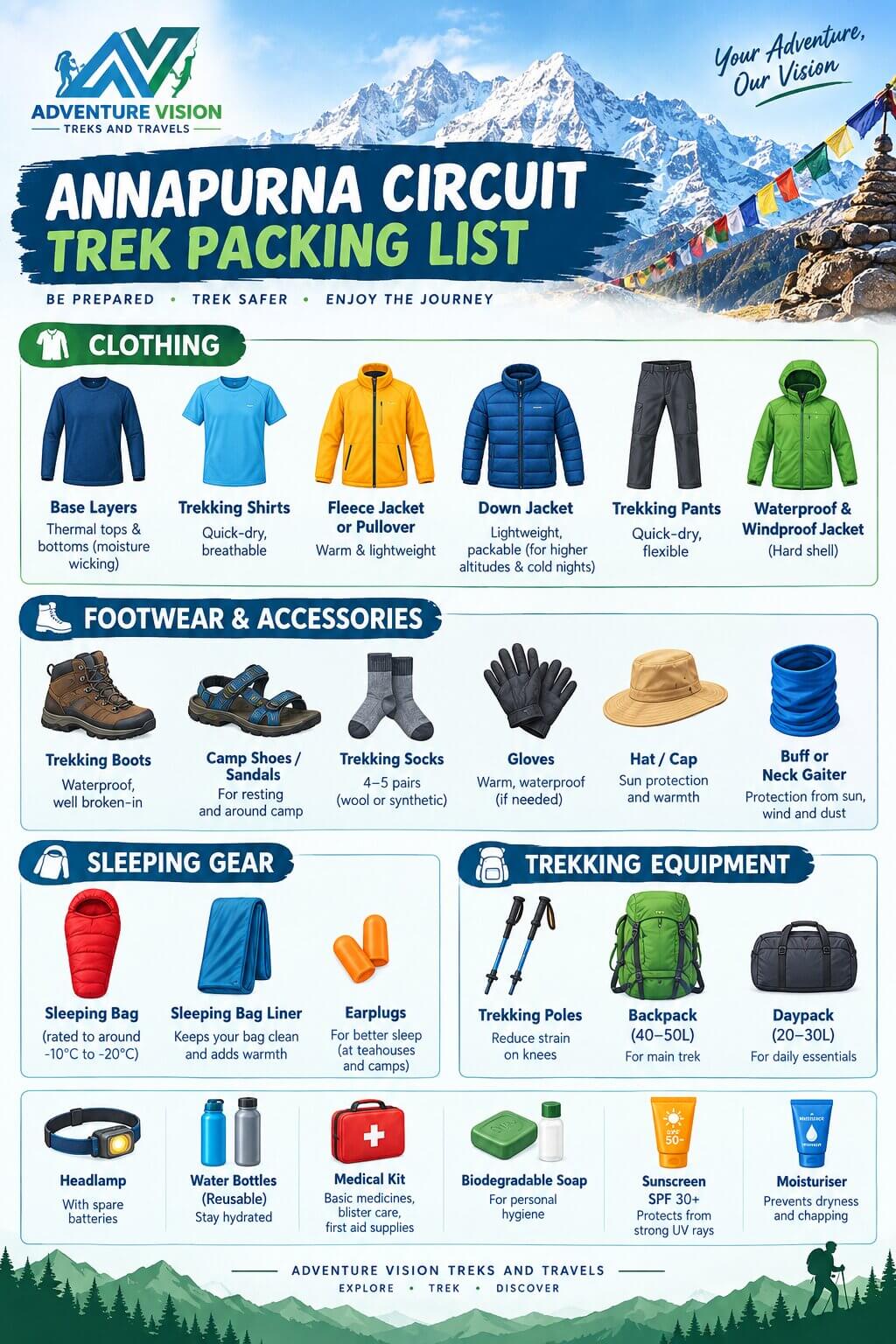
Beginners should pack light but prepare for cold weather, rain, strong sun, and changing conditions on the Annapurna Circuit. Focus on layered clothing, waterproof hiking boots, a sleeping bag, trekking poles, a daypack, water bottles, sunscreen, basic toiletries, snacks, a first-aid kit, personal medication, and essential documents. Break in your hiking boots before the trek and keep important items like medication, valuables, passport, and permits in your daypack. You can find the complete item-by-item checklist in our Annapurna Circuit Trek Packing List.