

Are you planning the Annapurna Base Camp Trek in Nepal and researching how to prepare for a safe and comfortable journey? If so, you're in the right place. In this guide, I will discuss everything you need to know before the trek, including understanding the route, physical fitness requirements, packing lists, permits, costs, itinerary, food options, altitude sickness, and much more. Let's get started and explore everything you need to prepare for an unforgettable trekking experience.
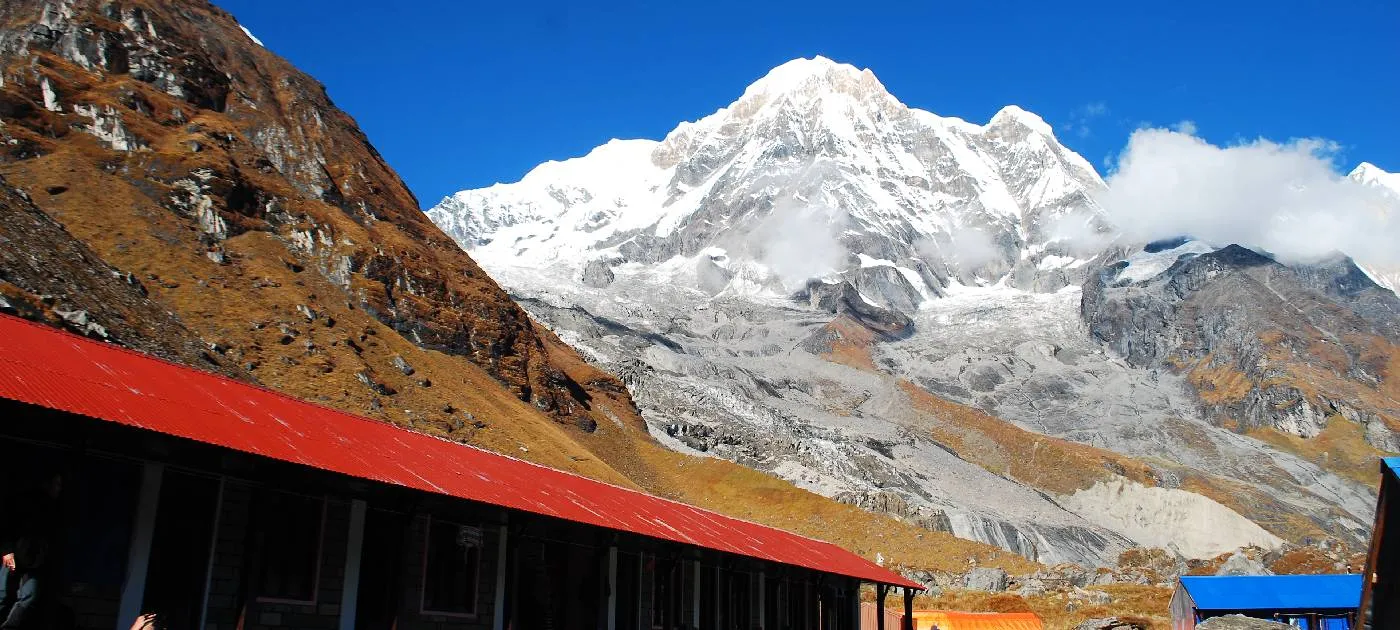
As you Annapurna Base Camp Trekking route is one of the most popular and famous for travelers, also one of the easiest in Nepal as it is one with the most beautiful views. Although it is situated along the foothills of the Great Himalayan Range. Annapurna is the 10th tallest mountain in the world with an altitude of 8091m above sea level. The journey to the base camp is 110 km to reach an altitude of 4130m in 7- 8 days. Many endangered flora and fauna such as the snow leopards, Himalayan thars and tigers can be found in the region.
Understanding the ABC
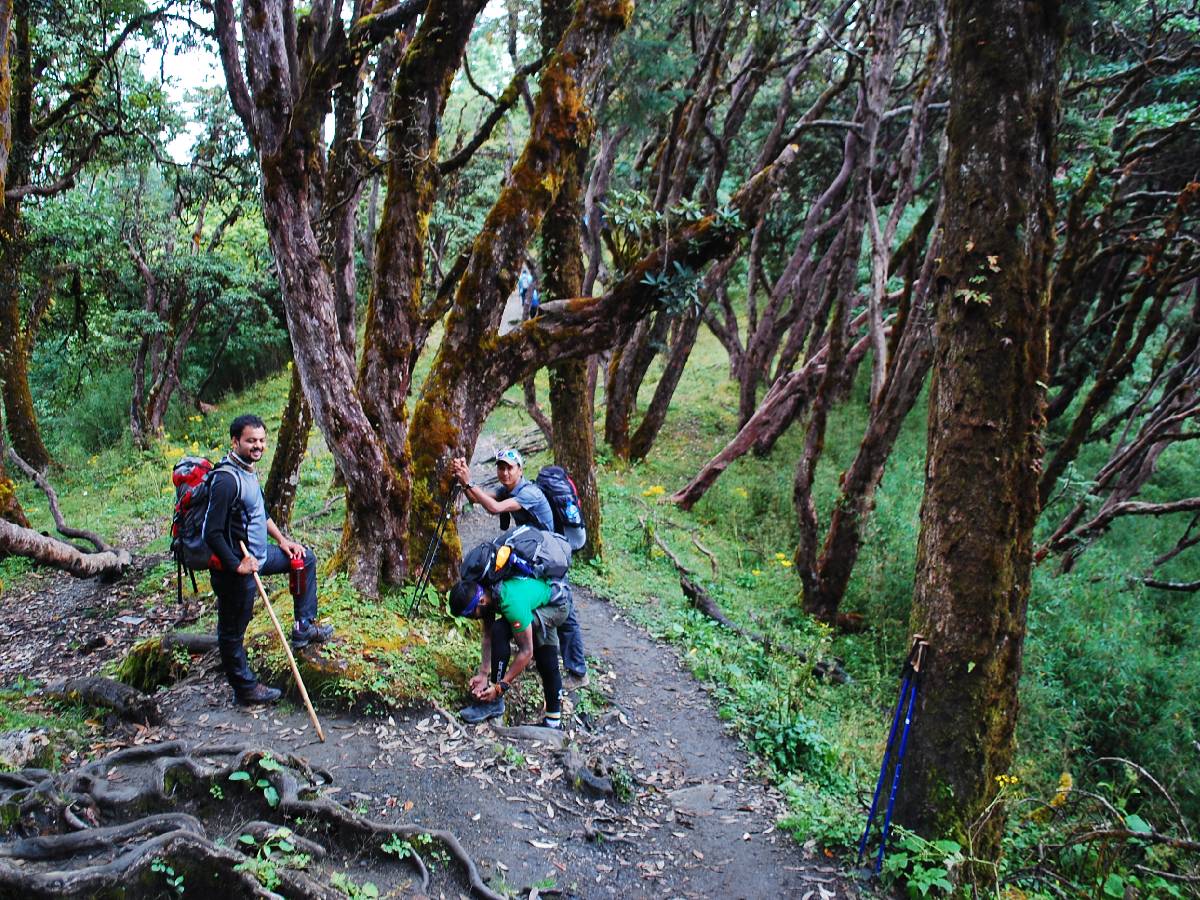
The trek usually begins from the lower hill regions of the Annapurna area, passing through terraced farmlands, small settlements, and subtropical forests. As you move higher, the trail gradually transitions into dense rhododendron and bamboo forests, especially vibrant during the spring season when the hills are filled with blooming flowers.
Further ahead, the landscape shifts dramatically into alpine terrain with rocky paths, colder temperatures, and more rugged trails. This natural progression from warm lowlands to high mountain environments is one of the most fascinating parts of the ABC trek, allowing trekkers to experience multiple ecosystems within a single journey.
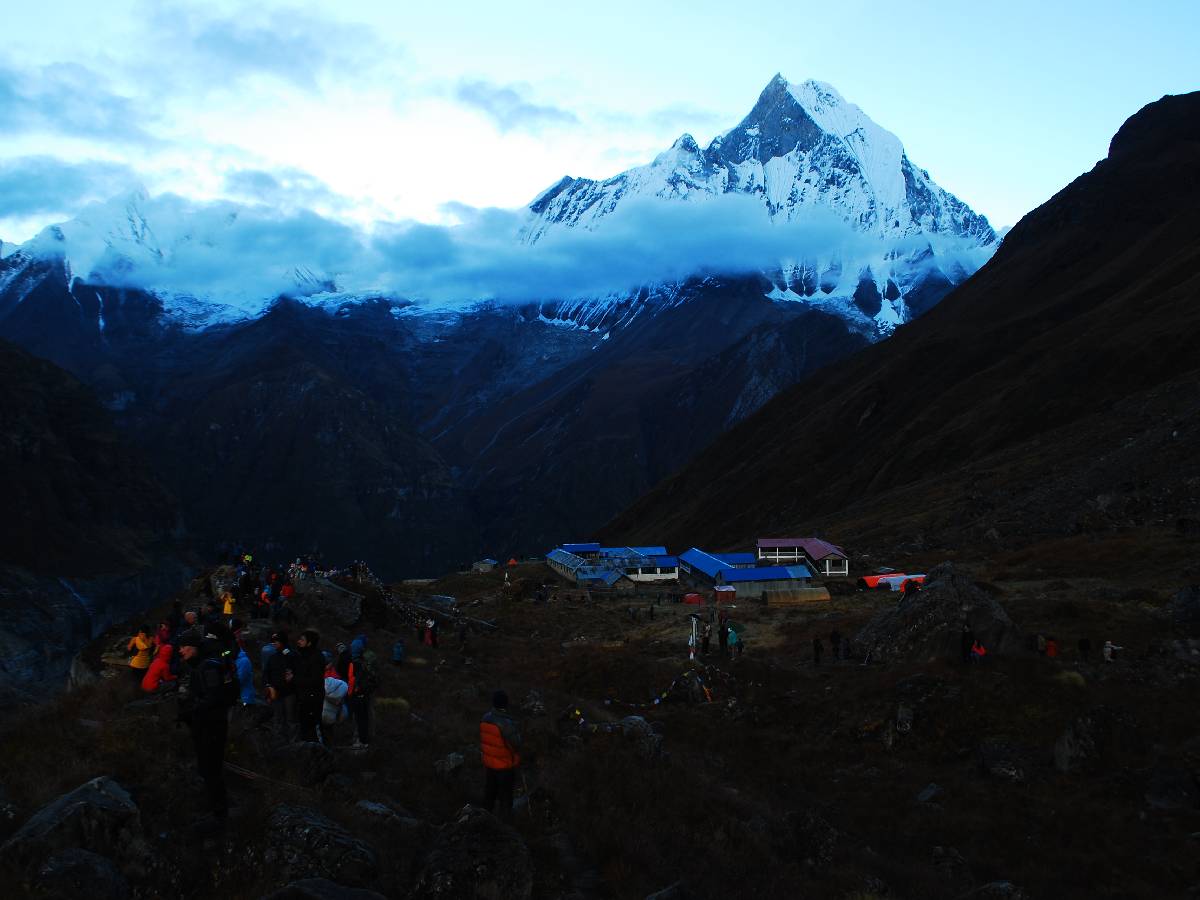
At its core, the Annapurna Base Camp (ABC) trek reaches an altitude of around 4,130 meters. This is high enough for trekkers to feel the effects of altitude, but still considered achievable for beginners with proper preparation, steady pacing, and good acclimatization. The trek is usually completed in 7 to 12 days depending on the route and itinerary, making it a moderate Himalayan adventure compared to more demanding expeditions.
Understanding the ABC trek also means appreciating its strong local and cultural connection. The trail passes through traditional Gurung and Magar villages such as Ghandruk, Chhomrong, and Jhinu Danda, where trekkers can experience authentic mountain hospitality, local homestays, traditional Nepali food like dal bhat, and warm community lifestyles deeply rooted in agriculture and tourism.
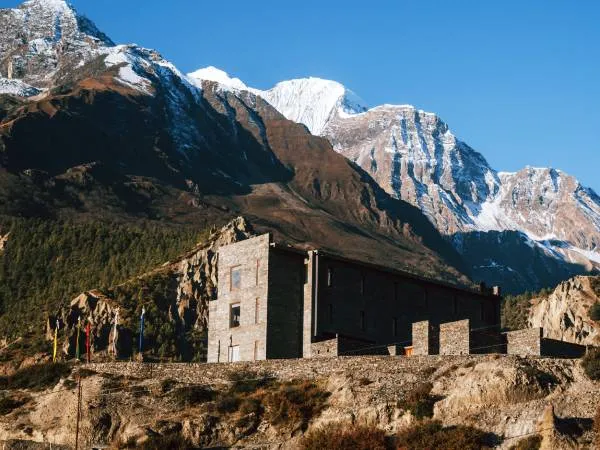
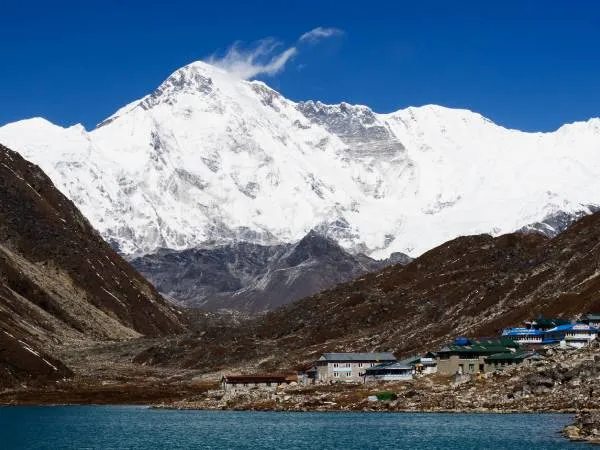
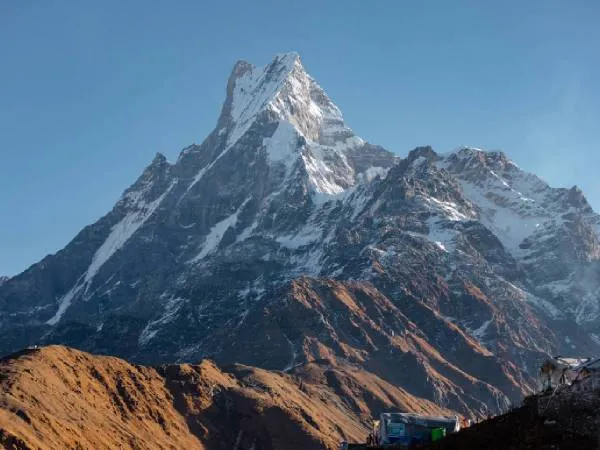
You’ll also notice prayer flags, small monasteries, and stone-built houses that reflect the Himalayan way of life. Combined with panoramic views of peaks like Annapurna I, Machhapuchhre (Fishtail), Hiunchuli, and Gangapurna, the trek offers a balanced experience of natural beauty, cultural depth, and spiritual mountain atmosphere.
How fit do you need to be for the Annapurna Base Camp Trekking?
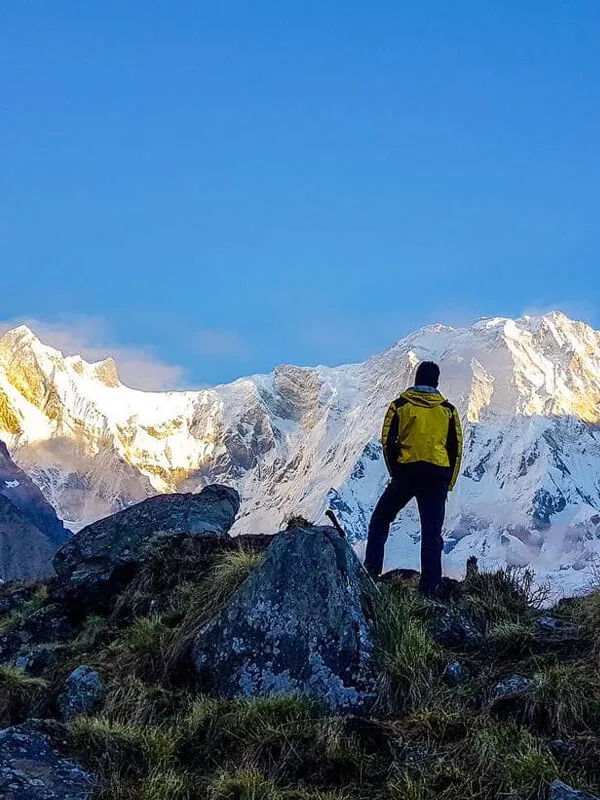
You will need to be physically fit for the Annapurna Base Camp Trekking because individuals with a good level of fitness are more likely to complete the journey comfortably. However, you definitely should not attempt the trek without proper preparation. Technical climbing skills are not required, but maintaining proper hydration and eating nutritious food are essential for sustaining energy throughout the trek.
The journey becomes significantly easier if you start with steady preparation, discipline, and realistic expectations. The following points will help you prepare effectively, both physically and mentally:
- Build regular walking habits.
- Improve cardiovascular fitness
- Strengthen your legs and core muscles.
- Practice stair climbing while carrying a backpack
- Focus on consistency rather than intensity.
- Improve flexibility and allow proper recovery.
- Learn basic altitude awareness.
- Rest well before the trek.
Which is the Best time for Annapurna Base Time trekking?
There are to best time for Annapurna Base Camp trekking are, Pre, and Post monsoon.
Pre – Monsoon
February to May, the most advisable, weather should be stable and mostly dry, that is great for trekking, March could also be good as the landscapes and the view are spectacular, but trekking can be hard and it is cold at this moment. April gets quite busy.
Post – Monsoon
Late September to November, this is the period that will provide the best views and the best landscape compared to the rest of the year. It is most advisable to do it in September as October gets packed and some people get frustrated with the freezing water pipes. Although I arrived beginning of September and the rains were still quite bad.
But beware as it is high season flights to Nepal can get more expensive. So we suggest booking your flight earlier.
How long does it take to trek Annapurna Base Camp? Is it hard to trek?
Annapurna Base camp it's of moderate difficulty it is achievable by even normal fit trekkers, the total distance of the trek is 110 km and should be done in 7- 8 days, the maximum elevation is 4,130 meters. It is considered effortless for even inexperienced hikers and does not demand any high-level physical fitness.
How much does it cost to trek Annapurna Base Camp?
The cost of trekking to Annapurna Base Camp (ABC) depends on several factors, such as the trekking season, the type of service you choose, and the trekking agency you book with. During the high trekking seasons (spring and autumn), prices are usually higher due to increased demand.
In contrast, trekking during the off-season can be slightly cheaper. Another important factor is whether you book through a local trekking company or an international operator, as local agencies are often more budget-friendly while still providing a complete trekking experience.
If you book through a trekking agency, the typical package cost ranges from around USD 1,000 to USD 1,200 per person. These packages usually include trekking permits, accommodation in teahouses, meals during the trek, a licensed guide, porter services, and ground transportation to the starting point. Some premium packages may also include a flight to Pokhara, depending on the company and itinerary.
However, most packages do not include international travel insurance, Nepal visa fees, personal trekking equipment, or additional personal expenses such as snacks, drinks, and tips. These should be budgeted separately.
What are the Daily Expenses for the Annapurna Base Camp (ABC) Trek?
Below is an estimated breakdown of daily expenses for the ABC trek. Costs can vary depending on the season, location, and level of comfort.
| Category | Estimated Daily Cost (USD) | Notes |
|---|---|---|
| Food (3 meals) | 20 – 25 | Breakfast, lunch, dinner at teahouses |
| Accommodation | 10 – 15 | Basic teahouse room |
| Drinking Water | 2 – 3 | Boiled or bottled water |
| Snacks | 5 – 8 | Chocolates, energy bars, drinks |
| Extras (WiFi, charging, hot shower) | 5 – 10 | Varies by altitude |
Which permits do I need to have in order to trek the ABC?
To enter the Annapurna region, foreign trekkers are required to obtain entry permits, which can be arranged in Kathmandu or through a registered trekking agency.
The required permits include:
- Annapurna Conservation Area Project (ACAP) Permit: NPR 3,000
- TIMS (Trekkers’ Information Management System) Card: USD 20
These permits are mandatory for trekking in the Annapurna region and help support conservation efforts and ensure trekker safety.
Will I need a guide and porter for Annapurna base camp?
Guides are not necessary and yes you can trek it on your own, But we don't suggest to travel alone. When traveling in the Himalaya so many lost their life and in the max case, they do no travel with guides.
Although here is a list why should you take one
- You'll be safer!! the guides know the trails were you'll be going, they are the experts on the field and will also take an eye on you concerning altitude sickness or in case something happens.
- You will not face communication problems with local people
- You should not have to worry about sleep place as he/ she will take care of it
You can get in contact with any local agency before arriving in Nepal to arrange it or upon your arrival, you can also plan everything.
Insurance for Annapurna Base Camp Journey
It is highly advisable to get travel insurance before traveling to Nepal, and whether you hire a guide or not to do the treks. Read close the small letters and make sure you are properly covered, as not every insurance cover extreme activity. It is very common to get altitude sickness or to get injured, in case of evacuation helicopters re very expensive.
Packing Tips for the Annapurna Base Camp Trek
- Water is very expensive to take the most convenient option to sterilize water
- Take a buff of headwear so your neck and face will be protected from sunburn, wind and any type of weather.
- Warm Sleeping Bag and a liner
- Hat, scarf, and mittens
- Sunglasses, sunscreen
- To charge any electronic device you will have to pay, so quite recommendable to charge them all with a portable charger
- Wet wipes are quite handy specially if it gets cold or if it’s quite expensive to shower many people would shower on them.
- Hand sanitizer cleaner will very handy to clean your hands in case you get hungry
- Microfiber towel so recommended as it dries so fast and doesn’t weight that much
- Headlamps! Even most of the trek is during the daytime, electricity most of the time is not always on tea houses during the night
- Waterproof / Windproof / Rain jacket one of the most important elements and wearing with a thermal layer underneath
**Many clothes and gear are for sale in Kathmandu and Pokhara so don’t worry to much in case you forget to pack something!
How can I avoid getting altitude Sickness and ensure good acclimatization?
Although Annapurna Base Camp is not an extremely high trek, you should ensure good acclimatization by drinking lots of water and just in case you’re not feeling good start descending. Rest enough before you take the journey and acclimatize every day, guides can tell you how to do that
Is it safe to drink tap Water in Annapurna?
No, it is not safe to drink tap water, mineral water will be available for you to buy on the trail, be aware it is going to be quite expensive (probably like 10 times higher than in Kathmandu). One liter of water will cost you around $2 and the higher you go the higher the prices will be, it could get up to $4 once you reach the top. It is advisable to use purification pills as a cheaper and more comfortable option.