Are you planning to do the Everest Base Camp Trek in Nepal and wondering how much it would cost? It’s always better to have a rough idea of your budget before you start planning the trip. Well, I’m going to break down the realistic costs you can expect during the trek, so you know where your money is going, avoid overpaying, and enjoy the incredible beauty of the Khumbu region without any hassle for the cost.
Everest Base Camp Trek Package Cost
The Everest Base Camp Trek package cost generally ranges from USD 1,400 to USD 2,000 per person, depending on the trekking operator, services included, group size, and package category you choose. A standard Everest Base Camp trek package usually covers most of the essential expenses required for the trek, including airport transfers, Kathmandu accommodation, Kathmandu–Lukla flights, an experienced guide and porters, tea-house accommodation during the trek, meals, ground transportation, trekking permits, and necessary logistics and support.
Some operators may also provide basic trekking equipment such as trekking poles and duffel bags, although the exact inclusions vary between companies. Therefore, it is important to check the package's inclusion and exclusion list before booking. With a well-organized standard package, most of the major trekking expenses are arranged in advance, allowing you to focus on enjoying your journey.
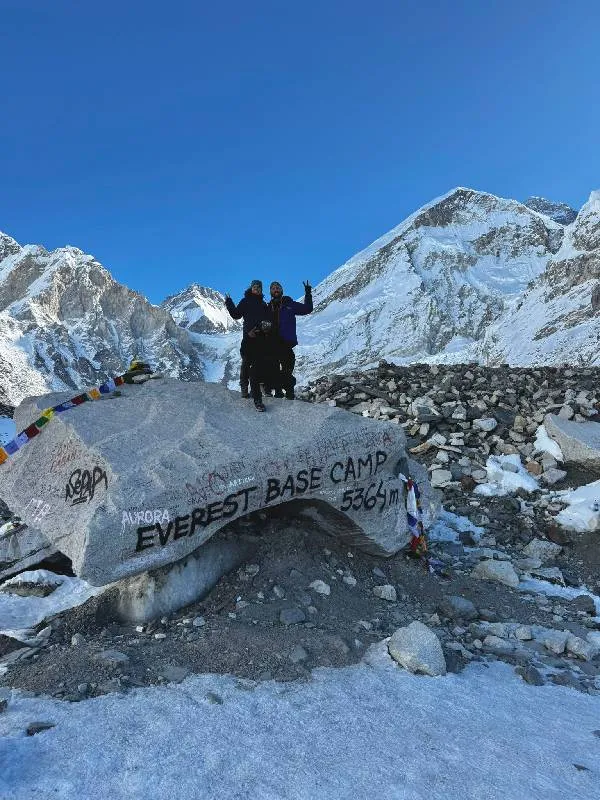
EBC Airport Transfer Cost
When you arrive in Nepal, you will need to arrange transportation from Tribhuvan International Airport to your hotel in Kathmandu. We recommend staying in Thamel, one of Kathmandu's most popular tourist areas, as it has a wide range of hotels, restaurants, shops, and services for trekkers.
A private airport transfer or taxi generally costs around NPR 2,000 to NPR 3,000 from Tribhuvan International Airport to hotels in central Kathmandu, although the price can vary depending on the vehicle, hotel location, and time of travel.
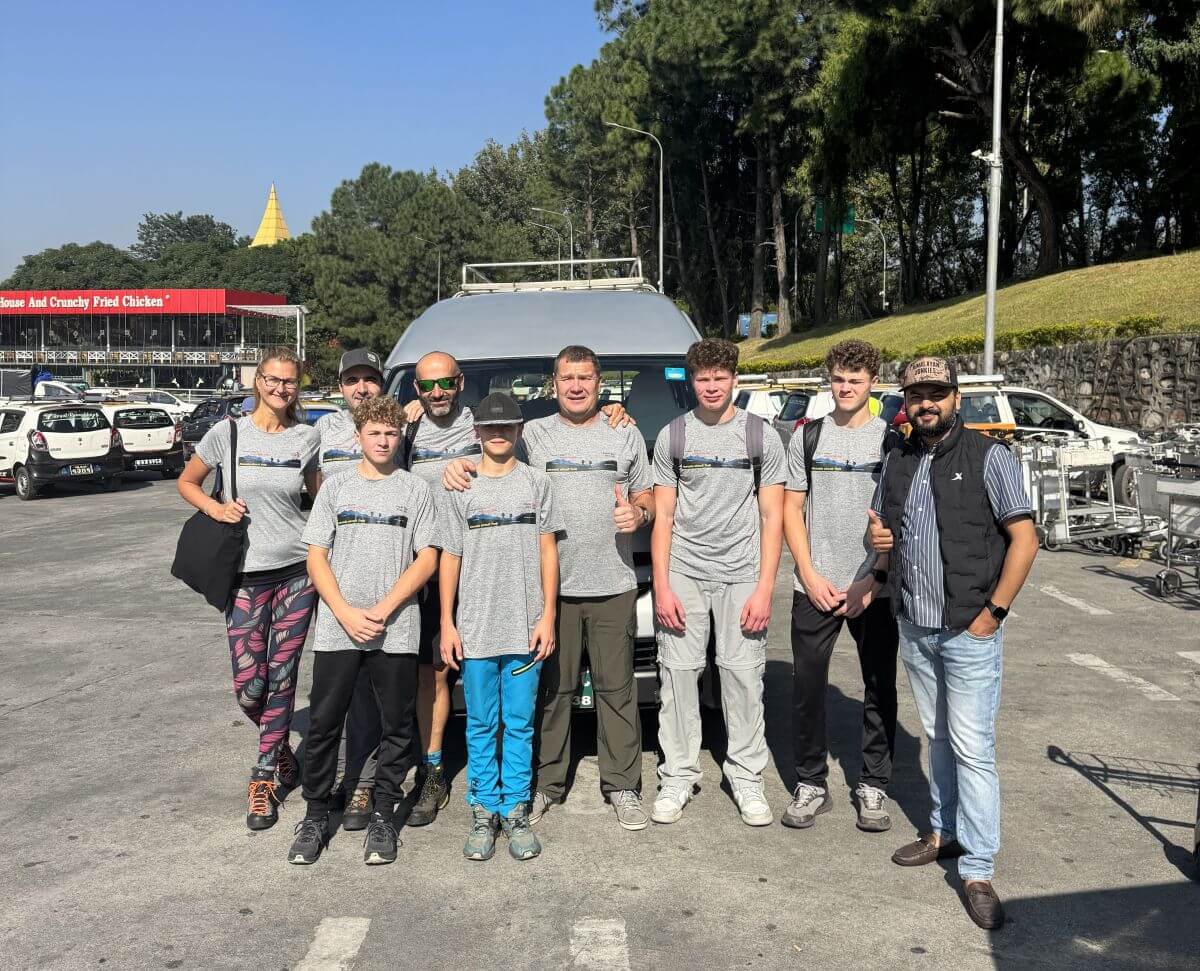
If you book an Everest Base Camp trek package, airport transfers are often included in the package price, so you may not need to pay separately. Some hotels in Kathmandu also provide complimentary or paid airport pickup and drop-off services, so it is worth checking with your hotel before arranging a separate transfer.
Hotel Costs in Kathmandu
Hotel costs in Kathmandu depends upon your preference and budget as If you prefer a five-star hotel, properties such as Kathmandu Marriott Hotel, Radisson Hotel Kathmandu, and Dwarika's Hotel which are among the higher-end premium options. Depending on the season and room type, five-star hotels can cost approximately NPR 20,000 to NPR 60,000 or more per night. These hotels generally offer premium rooms, restaurants, facilities, and higher levels of service, which is reflected in their prices.
For a mid-range three-star or similar hotel, you can expect to pay approximately NPR 9,000 to NPR 12,000 per night. Hotels such as Fairfield by Marriott Kathmandu, Hotel Ambassador, and Hotel Marshyangdi are examples of accommodation in this price range, although actual rates vary depending on the dates and availability.
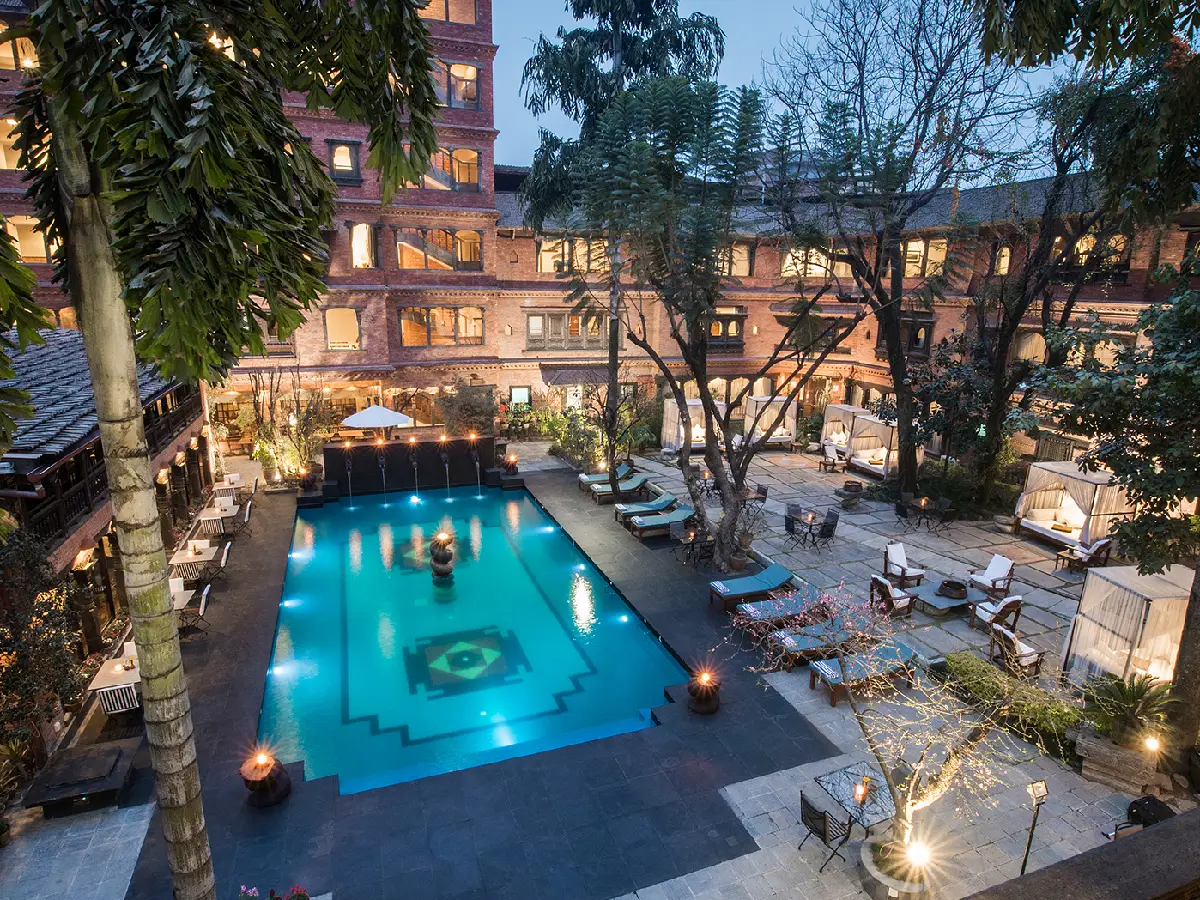
If you are traveling on a budget, there are also plenty of hotels and guesthouses in Thamel where rooms can cost around NPR 4,000 to NPR 6,000 per night. Budget-friendly properties can be a good option for trekkers who prefer to spend more of their budget on the trek itself rather than luxury accommodation.
Please note that these are approximate prices, not fixed rates. Hotel prices can increase or decrease depending on the trekking season, holidays, demand, room category, and availability. It is therefore best to check the latest rates on Booking.com, Expedia, or the hotel's official website before booking.
Kathmandu to Lukla and Return Flight Cost
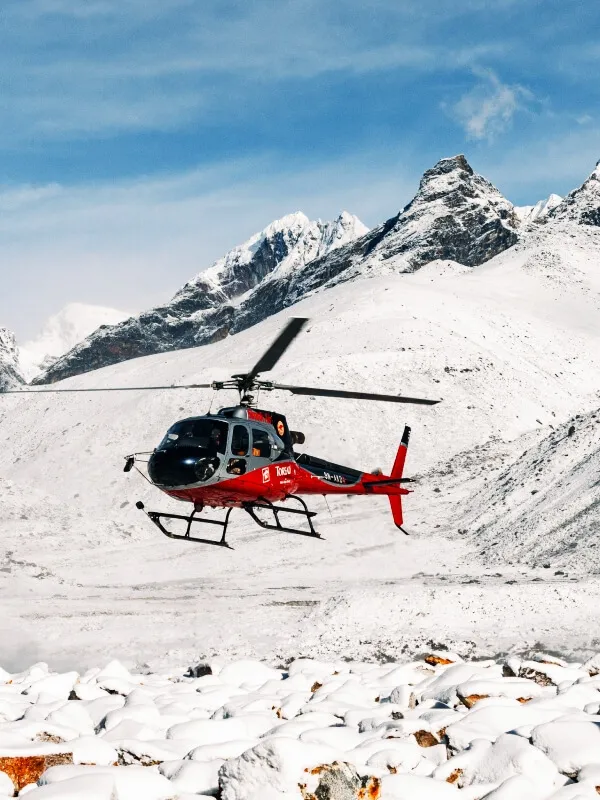
The Kathmandu to Lukla and return flight cost is generally USD 250 for foreign trekkers, including the round-trip journey. This covers both the outbound and return flights, so you will book the complete journey at this price.
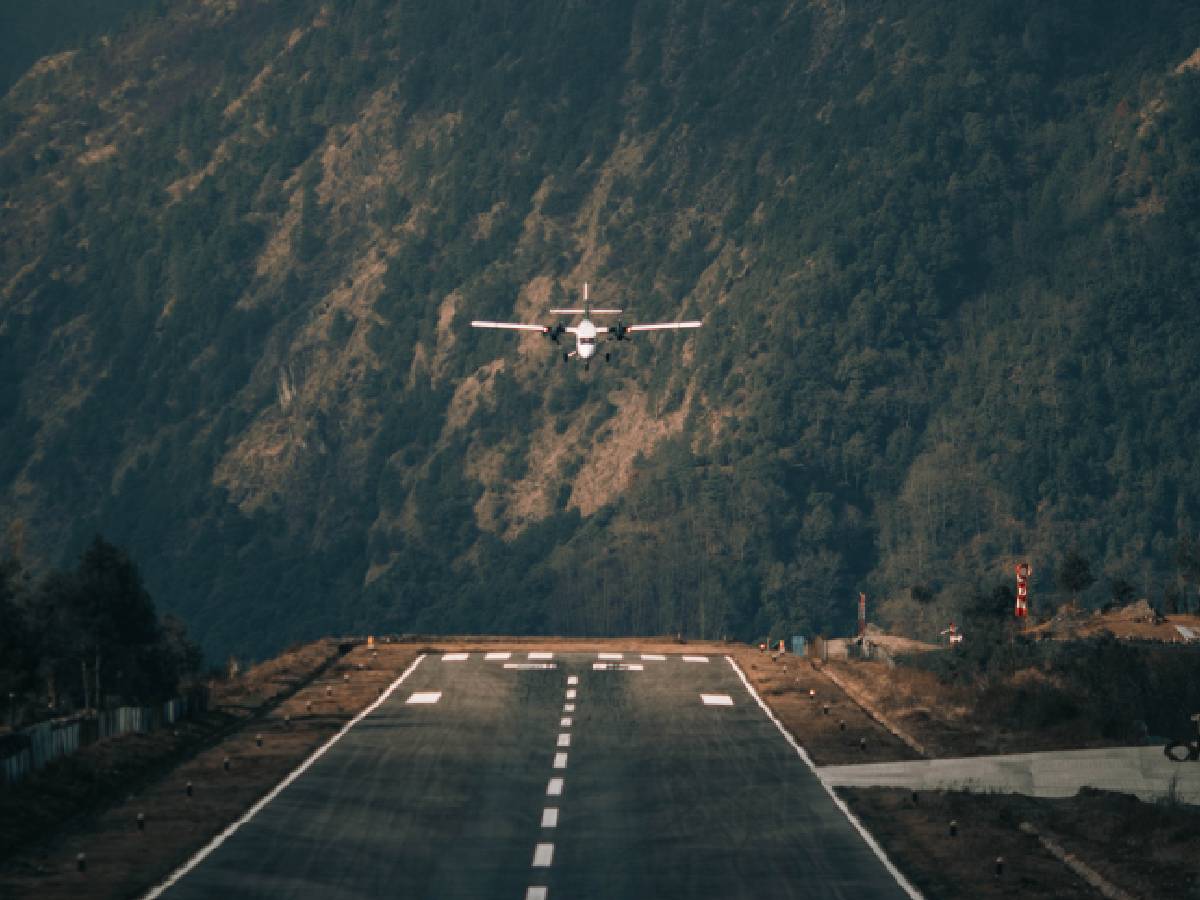
There are three main airlines operating these domestic flights: Tara Airlines, Summit Airlines, and Sita Air. These are small aircraft, and the pilots are well trained to land on the Tenzing Hillary mountain airstrip. The flight is an important part of the Everest Base Camp trek, providing trekkers with access to the Everest region and allowing them to begin their journey toward Base Camp.
Trekking Equipment Costs for the Khumbu Trail
The trekking equipment cost for the Khumbu Trail is generally around NPR 5,000–8,000 for renting the major equipment for a standard 14-day Everest Base Camp trek.
The down jacket generally costs around NPR 100–300 per day, while a sleeping bag costs around NPR 100–300 per day to rent. Trekking poles generally cost around NPR 50–200 per day, and a duffel bag costs around NPR 50–200 per day. These are some of the most commonly rented items for the Everest Base Camp trek.
Other equipment can also be rented depending on your requirements. Gaiters generally cost around NPR 50–150 per day, while crampons or micro spikes cost around NPR 100–300 per day. A trekking backpack can cost around NPR 200–500 per day, and trekking boots can cost around NPR 250–700 per day. A fleece jacket generally costs around NPR 100–200 per day, while a waterproof jacket and waterproof trousers can each cost around NPR 100–300 per day.
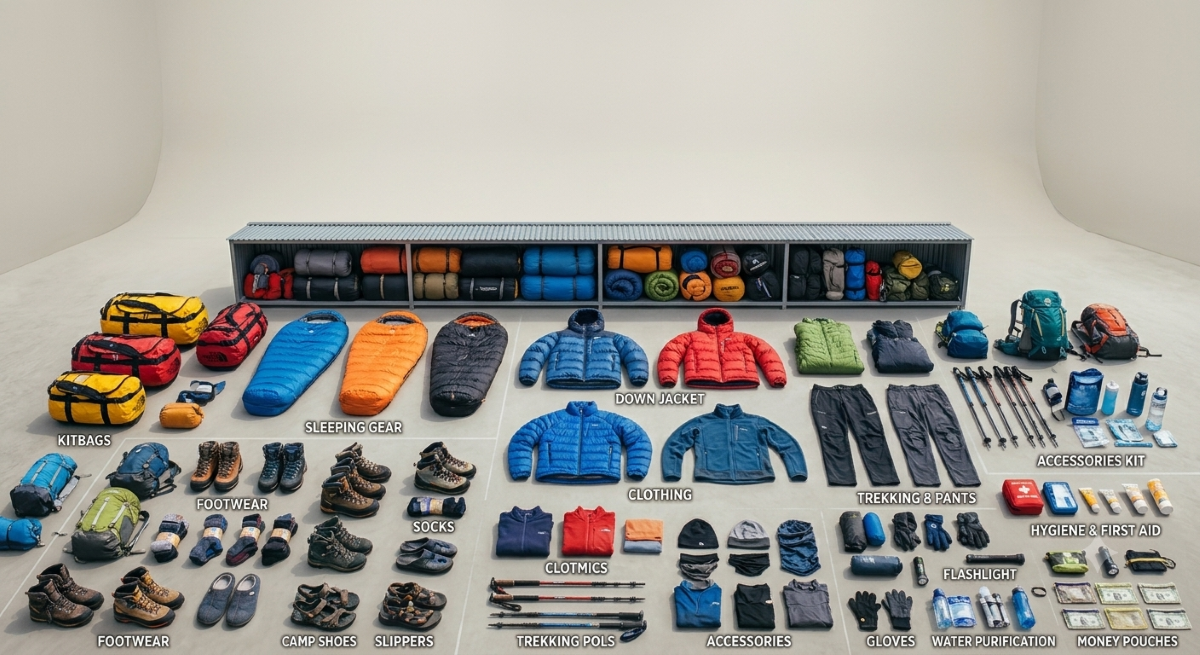
For smaller trekking accessories, a headlamp generally costs around NPR 50–150 per day, a sleeping bag liner around NPR 30–80 per day, and down booties around NPR 50–100 per day. The exact rental price depends on the trekking shop, equipment quality, rental duration, and season.
If you prefer to buy your trekking equipment, the cost will be higher, but you can use the equipment for future treks. A down jacket generally costs around NPR 2,000–4,000, a sleeping bag around NPR 5,000–8,000, trekking poles around NPR 800–1,500, and a duffel bag around NPR 700–2,000, depending on the brand and quality.
For a single Everest Base Camp trek, renting the major equipment in Kathmandu is generally the more economical option, particularly for items such as down jackets, sleeping bags, trekking poles, and duffel bags. Personal items such as trekking socks, underwear, base layers, and other clothing can be brought from home or purchased separately. You can rent these items from the trekking shops in Thamel or read our blog How to Find the Best Trekking Gear Shops in Kathmandu for Everest Base Camp to know exactly.
Guide Cost for the Everest Base Camp Journey
A good-quality and experienced guide generally costs around NPR 3,000 to NPR 5,000 per day for the Everest Base Camp journey. This is the cost of the guide's service, rather than a separate charge per person. If you are booking through a trekking agency in Nepal, the guide is generally included in the trek package, so you may not need to pay this cost separately.
A guide is an important part of the Everest Base Camp journey because he knows the mountain trails, local area, and trekking conditions. He helps you stay on the correct route, manage the trekking schedule, communicate with locals, and deal with unexpected situations during the journey.
An experienced guide can also help handle emergencies and difficult situations, making the trek more organized and secure. Therefore, it is important to choose a capable guide with good experience rather than simply choosing the cheapest option.
Porter Cost for the Everest Base Camp Trek
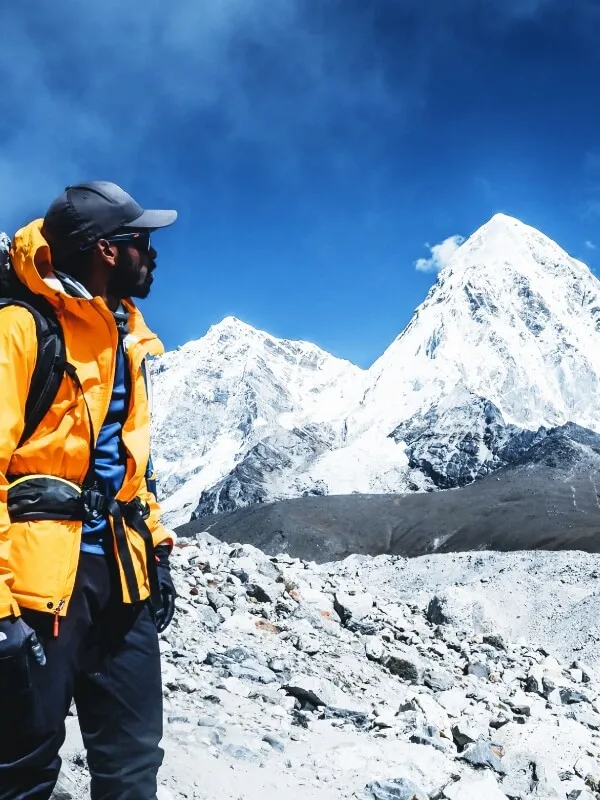
The porter cost for the Everest Base Camp trek is generally NPR 2,000 to NPR 3,000 per person per day. A porter will carry your duffel bag and trekking belongings, with the maximum weight generally being around 25 kg per bag.
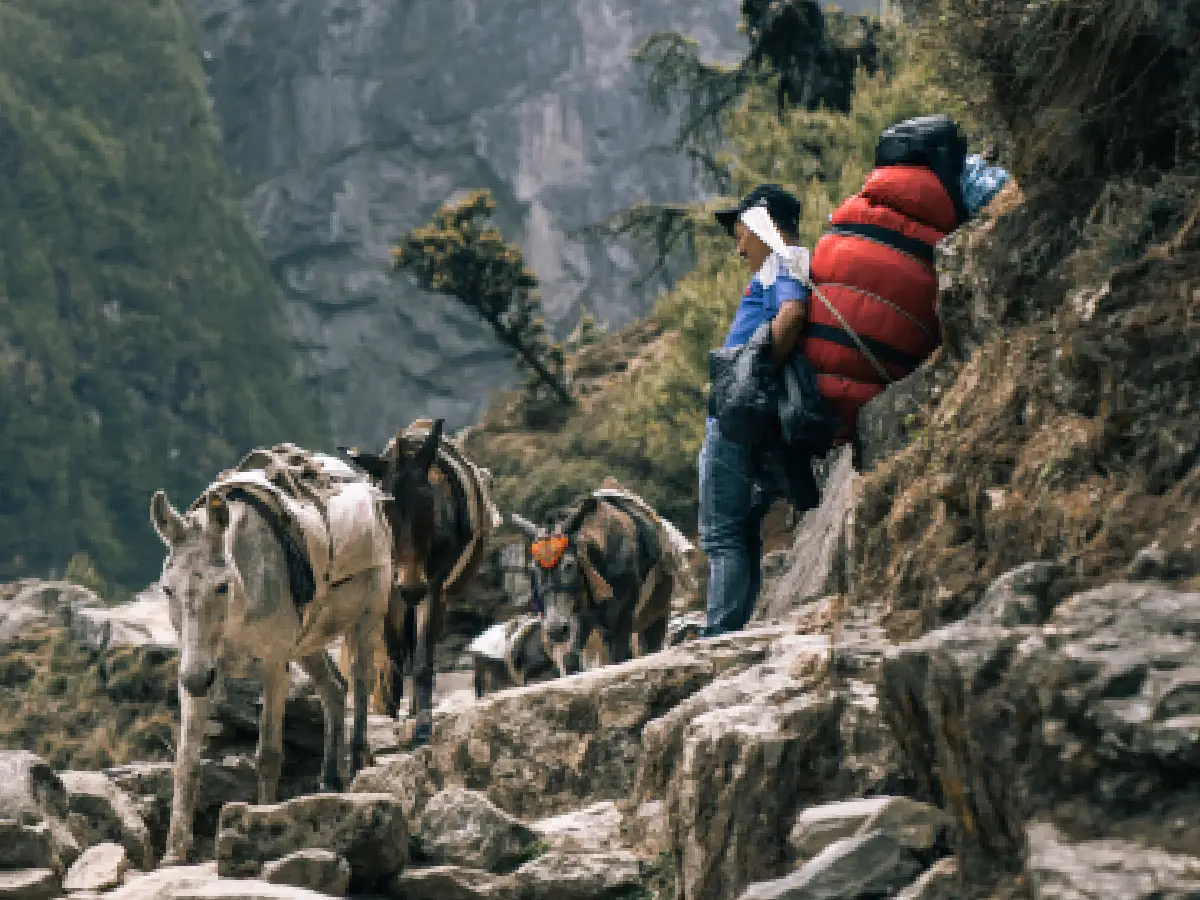
The porter does not necessarily walk alongside you throughout the trek. Once you pack your belongings and hand your duffel bag to the porter, he carries it ahead to the next accommodation where you will be staying. This allows you to trek with a lighter daypack and makes the journey more comfortable, especially during the longer and more challenging sections of the trail.
Tea House Accommodation During the EBC Trek
Tea house accommodation during the EBC trek generally costs around NPR 2,000 to NPR 7,000, per day depending on the level of accommodation you choose and the package you book. Everest is one of the mountain regions where you can find different levels of accommodation according to your budget and preferences.
If you are doing a budget Everest Base Camp trek, you will generally stay in budget tea houses, which cost around NPR 2,000 per day, excluding breakfast and other meals. This price generally covers the bed and basic accommodation.
For a standard Everest Base Camp trek, you will generally stay in mid-level tea houses costing around NPR 3,000 to NPR 3,500 per person. These accommodations generally include breakfast and are usually provided on a twin-sharing basis. You can also get facilities such as hot water and showers, although you may need to pay extra for some of these services.
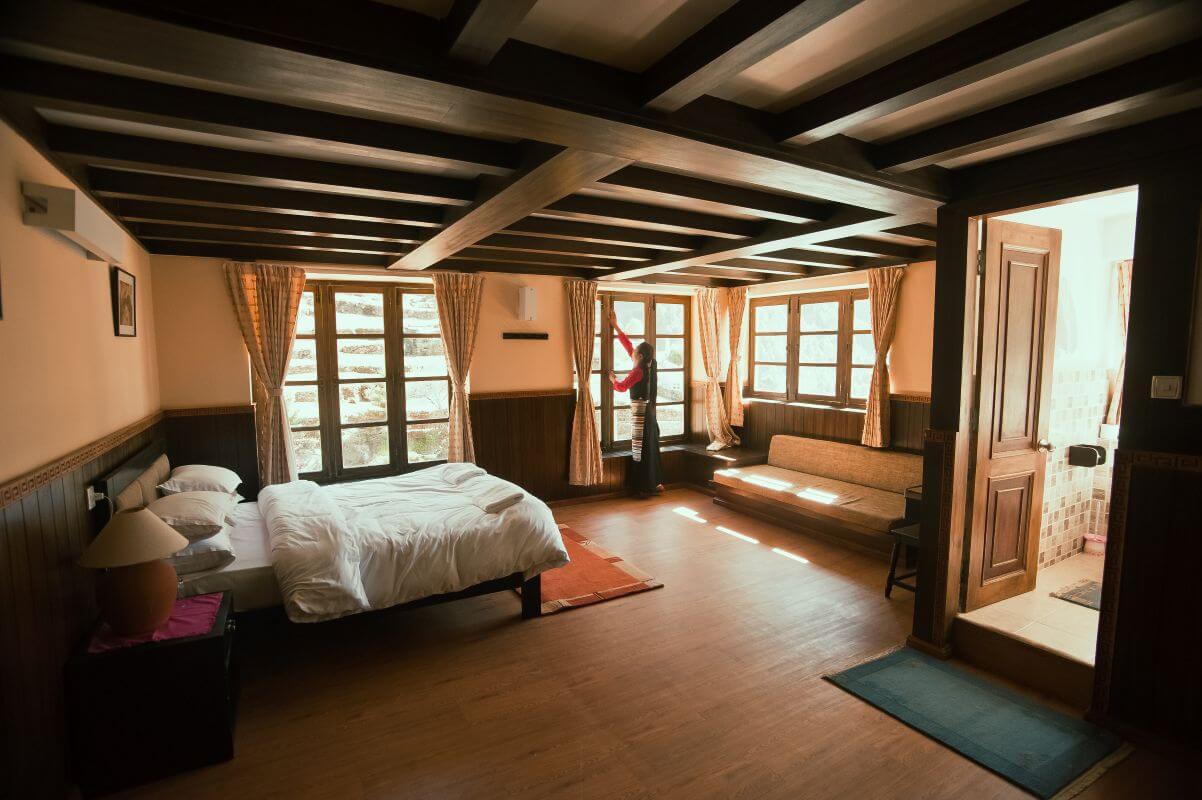
If you prefer a more comfortable stay, four-star mountain lodges can cost around NPR 5,000 to NPR 7,000 per room. These accommodations can provide private rooms, private bathrooms, Wi-Fi, hot showers, and a higher level of comfort, giving you a more hotel-like experience in the mountains.
We recommend that you do not always choose the cheapest accommodation option while trekking in the mountains, as your accommodation can have a significant impact on your overall trekking experience. You will be walking long distances each day, so staying in a comfortable tea house gives you a better place to rest and recover from the day's trek and prepare for the next day.
Food Costs on the EBC Trail
Food on the EBC Trail generally costs around NPR 2,500 to NPR 5,000 per person per day. The amount you spend depends mainly on your location, altitude, and food choices. Meals in Lukla, Phakding, and Namche are generally more affordable, while prices increase as you move toward Dingboche, Lobuche, and Gorak Shep.
A dal bhat usually costs around NPR 500–700 in the lower parts of the trail and can reach NPR 1,000–1,500 at higher elevations. Noodles and fried rice generally cost around NPR 400–600 at lower elevations and around NPR 900–1,400 higher on the trail. If you prefer pizza or pasta, expect to pay approximately NPR 700–1,000 in lower areas and around NPR 1,200–1,800 or more at higher elevations.
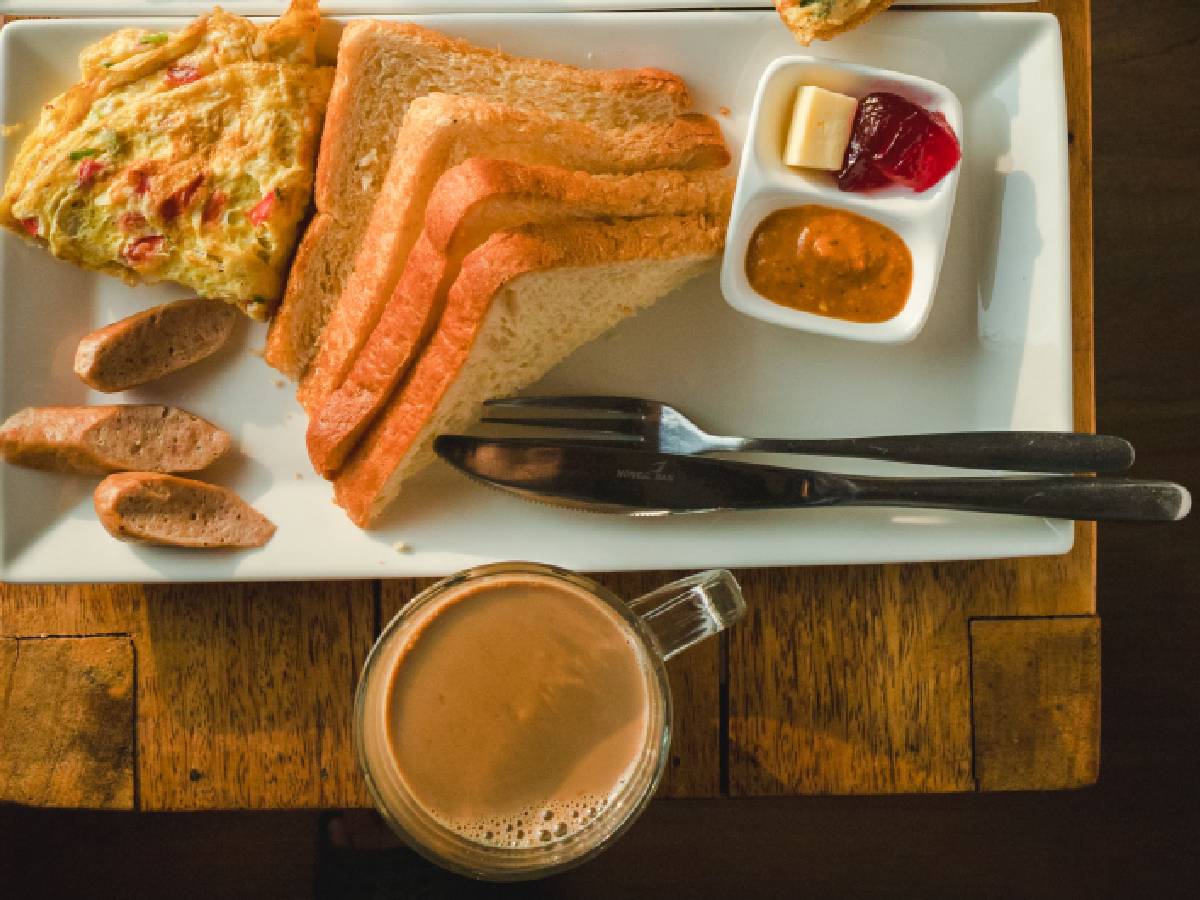
For breakfast, items such as eggs, toast, porridge, pancakes, and Tibetan bread generally cost around NPR 400–600 at lower elevations. At higher elevations, breakfast can cost approximately NPR 800–1,200, depending on what you order.
Drinks should also be included in your daily budget. A cup of tea generally costs around NPR 100–200 at lower elevations and can reach NPR 300–500 at higher elevations. Coffee is usually around NPR 150–250 in lower areas and approximately NPR 400–700 at higher elevations. Other hot drinks, including lemon, ginger, or honey tea, can also become more expensive as you climb.
Water is another regular expense during the trek. Hot or boiled water can cost approximately NPR 150–250 per liter in lower areas and around NPR 300–450 per liter at higher elevations. Bottled water can become even more expensive, reaching around NPR 400–500 per liter in places such as Gorak Shep.
You should also keep some money aside for snacks and small items during the trek. Chocolate, energy bars, biscuits, and similar snacks can cost around NPR 150–200 at lower elevations and approximately NPR 300–400 at higher elevations.
The increase in food prices is mainly because transporting food, cooking fuel, drinks, and other supplies becomes more difficult as you climb higher. Therefore, the same meal that costs a few hundred rupees in Lukla can cost significantly more near the higher settlements.
For a comfortable budget, NPR 2,500–5,000 per person per day is a good amount to keep aside for food and drinks during the Everest Base Camp trek, especially if you want the freedom to choose different meals, hot drinks, snacks, and Western food along the way.
Permits and Fees for the Everest Base Camp Hike
The main permits required for the Everest Base Camp hike include the Sagarmatha National Park Entry Permit and the Khumbu Pasang Lhamu Rural Municipality Permit. There are also additional permit requirements depending on the current trekking regulations.
When trekking in the Khumbu region, you will require the Sagarmatha National Park Entry Permit, which costs around NPR 3,000 for foreign trekkers, NPR 1,500 for SAARC nationals, and NPR 100 for Nepali trekkers for a single entry.
Another permit required is the Khumbu Pasang Lhamu Rural Municipality Permit, which costs around USD 20 per person for the first four weeks. Beyond four weeks, the cost is around USD 25 per week for foreign trekkers. For SAARC nationals and Chinese citizens, the permit costs around NPR 2,000.
You may also require a TIMS card, which costs around NPR 2,000. We have discussed the complete permits and requirements for the Everest Base Camp trek in detail in our dedicated guide, where you can learn more about the permits you need before starting your trek.
Travel Insurance for Everest Base Camp
Travel insurance is strongly recommended for the Everest Base Camp Trek, especially because the trek takes you to high altitudes and remote areas where medical treatment and emergency evacuation can be expensive. Your insurance should specifically cover high-altitude trekking and emergency helicopter evacuation, with a coverage limit that is valid for the maximum altitude you will reach on the trek which is above 5500 meters.
Make sure your policy also covers emergency medical treatment, baggage loss or theft, trip cancellation or interruption, flight delays, and other unexpected travel problems. Most importantly, check the policy carefully because some standard travel insurance plans exclude trekking above a certain altitude.
We recommend purchasing your travel insurance before leaving your home country and choosing a policy that covers your entire journey from your departure from home, throughout your stay in Nepal, and until you return to your home airport. The cost varies depending on the insurance provider, your age, trip duration and coverage, but international travel insurance with high-altitude trekking and evacuation coverage can commonly cost around USD 200–500 or more.
Before purchasing a policy, confirm in writing that Everest Base Camp Trekking and emergency evacuation at the altitude you will reach are covered.
Other Expenses You Should Expect on the Trek
Besides accommodation, food, permits, flights, guides, and other major trekking expenses, you should also keep some extra money for the small services you may use along the Everest Base Camp trail. These costs can add up, particularly as you get higher into the Khumbu region.
Hot showers: Hot showers are available at many tea houses and lodges, but they usually cost extra. Expect to pay around USD 3–8 per shower, with prices generally increasing at higher elevations. Some lodges may charge more in areas such as Gorak Shep.
Wi-Fi and internet: Many tea houses offer Wi-Fi for an additional charge. Depending on the location, you can expect to pay approximately USD 3–10 for Wi-Fi access. The connection can be slow or unreliable, especially at higher elevations.
Battery charging: Charging your phone, camera, power bank, or other electronic devices may also cost extra. A reasonable budget is USD 2–6 per device or charging session, although prices can be higher at remote lodges.
Laundry: Laundry services are limited along the trekking route and are more commonly available in lower villages. If you use a lodge's laundry service, expect to spend roughly USD 5–15, depending on the amount of clothing and the location. Many trekkers simply carry quick-drying clothes and wash small items themselves.
Snacks and drinks: You will probably spend extra on snacks, chocolate, biscuits, energy bars, soft drinks, bottled water, tea, coffee, and other drinks. Prices increase as you gain altitude because supplies have to be transported into the mountains. Keeping USD 5–15 per day for additional snacks and drinks is a reasonable starting budget.
Tips for guides and porters: Tipping is not a mandatory fee, but it is customary to tip guides and porters if you are satisfied with their service. The amount depends on the length of the trek, group size, service quality, and your overall budget. It is best to treat tipping as a separate part of your trekking budget rather than a fixed mandatory expense. Generally, we suggest the 10% of the total budget.
Other small expenses: You may also spend money on bottled water, toilet facilities in some locations, battery replacement, rain gear or other forgotten items, souvenirs, and unexpected personal expenses.
How Much Cash Should You Carry for Everest Base Camp?
For most trekkers, keeping around USD 250–500 in cash for miscellaneous expenses is a sensible approach for a standard Everest Base Camp trek. You may spend less if you avoid paid showers, Wi-Fi and snacks, while trekkers who frequently use these services can spend considerably more.
Important: Prices are generally higher at higher elevations, so don't assume that the prices you see in Kathmandu or Lukla will remain the same throughout the trek. It is also wise to carry enough Nepalese rupees in cash because card payments and ATMs are limited and unreliable in the higher Khumbu village.
Budget vs. Standard vs. Premium Everest Base Camp Trek
The Everest Base Camp Trek can be arranged in several different ways depending on your budget and the level of comfort you want during the journey. A budget trek focuses on keeping costs low while covering the essentials, a standard trek provides a good balance between comfort and price, while a premium EBC trek is designed for travellers who want better accommodation, more personalized service, and fewer compromises.
| Feature | Budget EBC Trek | Standard EBC Trek | Premium EBC Trek |
|---|---|---|---|
| Typical trek style | Basic and cost-conscious | Comfortable and balanced | Comfort-focused and personalized |
| Accommodation | Basic tea houses | Good-quality tea houses/lodges | Premium lodges or upgraded accommodation where available |
| Room | Basic room, usually twin sharing | Comfortable twin-sharing room | Private room where available |
| Bathroom | Shared bathroom | Shared bathroom, with some private options | Private bathroom where available |
| Food | Basic local meals | Wider choice of meals | More food choices and upgraded dining where available |
| Guide | Shared/group guide | Professional guide | Private or highly personalized guide service |
| Porter | Shared/group porter arrangement | Dedicated porter arrangement | Dedicated porter(s), depending on luggage and package |
| Group size | Usually larger group | Small/medium group | Private or very small group |
| Flights | Standard Kathmandu–Lukla flights | Standard Kathmandu–Lukla flights | Flexible arrangements where available |
| Hot shower | Pay separately | Usually pay separately | Included at selected lodges |
| Wi-Fi | Usually extra | Usually extra | Included at selected lodges |
| Charging | Usually extra | Usually extra | Included at selected lodges |
| Flexibility | Limited | Moderate | High |
| Best for | Backpackers and experienced budget travelers | Most trekkers | Travelers prioritizing comfort and privacy |
| Overall cost | Lowest | Mid-range | Highest |
How to Choose the Right Trekking Operator for Everest Base Camp?
Choose a trekking operator that has years of experience in the Everest region, a strong reputation in the market, and consistently good recent reviews. Before booking, check the company's history, read reviews from previous trekkers, and carefully compare what is included in the package with the price you are paying such as permits, flights, accommodation, meals, guide, porter, and emergency support.
Don't automatically choose the cheapest operator; focus on experience, reliability, safety, reviews, and value for money. Adventure Vision Treks and Travels is one established Nepal-based operator you can consider when comparing Everest Base Camp trekking packages.
Ready to Begin Your EBC Adventure?
Now that you know what to expect for your EBC trekking costs, let us help you plan the journey with confidence. From flights, permits, accommodation, meals, guides, and porters to complete trekking logistics, Adventure Vision Treks and Travels can take care of the details while you focus on the adventure.