
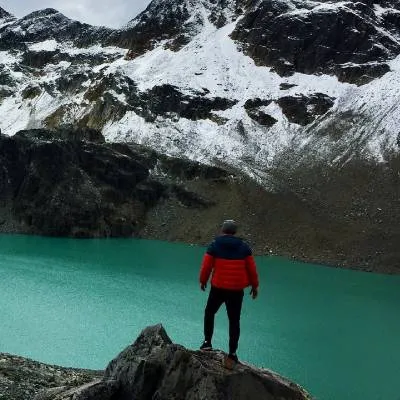
Machhapuchhre Base Camp (MBC) is a high-altitude trekking destination and an important stop on the Annapurna Base Camp Trek in the Annapurna region of Nepal. Located within the Annapurna Sanctuary at around 3,700 meters (12,139 feet), it sits beneath the dramatic face of Machhapuchhre (Fishtail) and is surrounded by towering Himalayan peaks, steep rocky cliffs, glaciers, and rugged alpine landscapes. The base camp offers spectacular views of Machhapuchhre and the surrounding mountains, particularly during sunrise and sunset.
MBC is located just before ABC on the classic trekking route, making it a popular overnight or rest stop for trekkers. The surrounding teahouses provide a place to rest and enjoy warm meals while taking in the peaceful mountain scenery. Its location within the Annapurna Sanctuary and its dramatic high-altitude setting make Machhapuchhre Base Camp one of the most memorable sections of the Annapurna Sanctuary trek.
Geography & Location of Fish tail mountain in Nepal
Fishtail Mountain, locally known as Machhapuchhre (Machhapuchchhre), is a prominent Himalayan peak in central Nepal, located in the Annapurna region of Gandaki Province. The mountain lies within the Annapurna Conservation Area and forms part of the Annapurna massif.
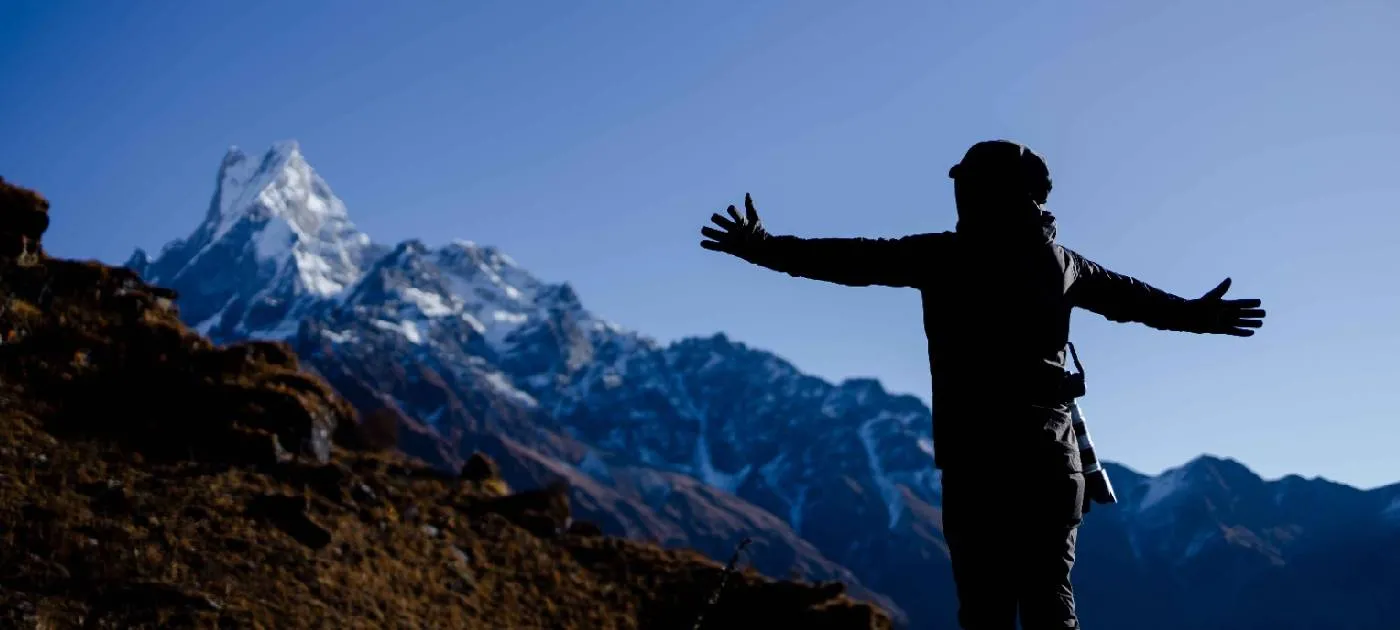
Machhapuchhre rises to an elevation of approximately 6,993 meters (22,943 feet) above sea level. Its distinctive double summit, which resembles the tail of a fish, gives the mountain its English name, Fishtail. The peak is characterized by steep, rugged slopes and a dramatic pyramid-shaped profile that makes it highly recognizable from Pokhara and surrounding areas.
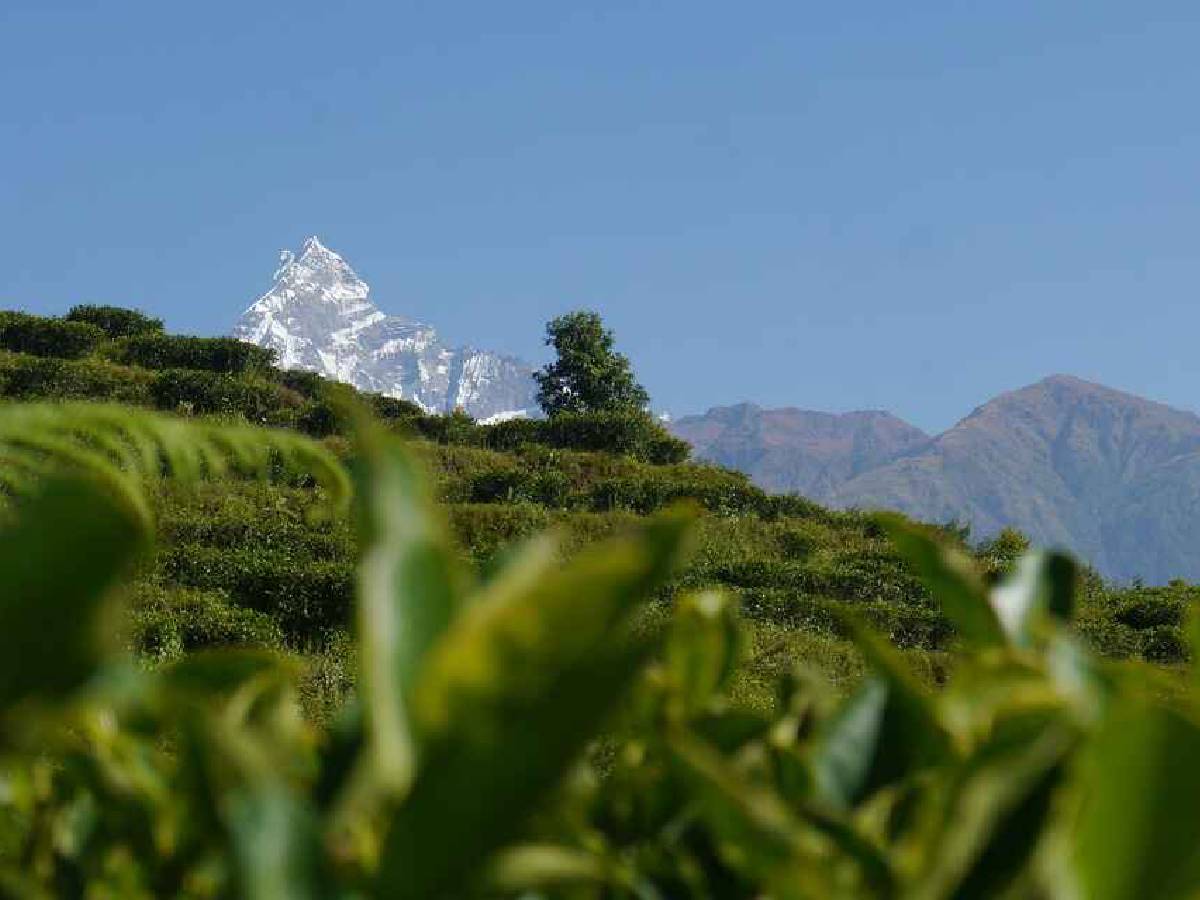
Geographically, Fishtail Mountain stands east of the Modi Khola Valley and north of Pokhara, with its southern face visible from many locations around the city. It also forms an important landmark along the Annapurna Base Camp trekking route, where trekkers get increasingly close views of the mountain as they enter the Annapurna Sanctuary.
The mountain's combination of steep rocky terrain, glaciers, alpine valleys, and surrounding Himalayan peaks creates the dramatic landscape associated with the Annapurna region. Machhapuchhre is also regarded as a sacred mountain in Nepal, and climbing the summit is prohibited.
Why do people call it as the Fish tail mountain?
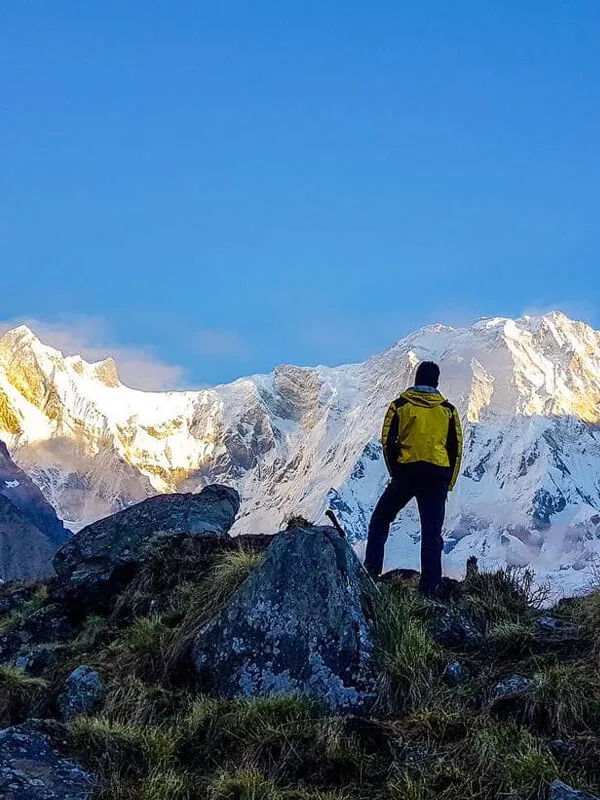
Machhapuchhre is commonly known as Fishtail Mountain because of its distinctive shape. From certain viewpoints, especially from the south, the mountain has two prominent summits separated by a deep notch, creating an appearance similar to the tail of a fish. This unusual double-summit profile is what inspired its English name, “Fishtail.”
The Nepali name Machhapuchhre also reflects the same appearance. Machha means fish, while puchhre means tail, so Machhapuchhre literally translates to “Fish Tail.” The mountain's sharp ridges, symmetrical slopes, and twin peaks make its silhouette particularly recognizable across the Annapurna region.
Why Machhapuchhre Base Camp (MBC) Is Famous Among Trekkers?
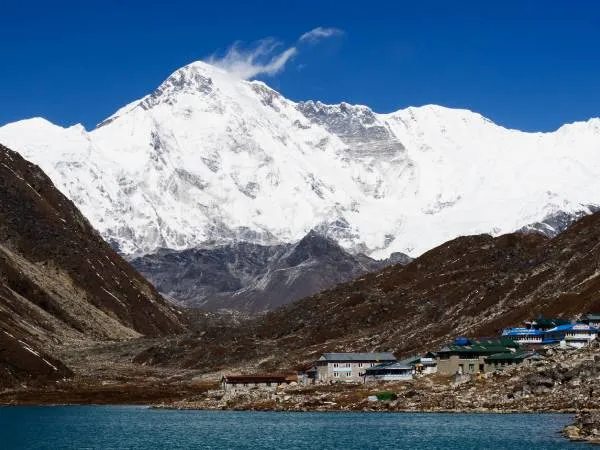
MBC is mainly famous among trekkers for its spectacular views of Mount Machhapuchhre (Fishtail) and the surrounding Himalayan peaks. Located in the heart of the Annapurna Sanctuary, it offers a dramatic natural amphitheater surrounded by towering mountains, steep cliffs, and rugged alpine landscapes. From MBC, trekkers can enjoy panoramic views of iconic peaks such as Machhapuchhre, Annapurna I, Gangapurna, and Hiunchuli, with particularly impressive scenery during sunrise and sunset.
Its location on the Annapurna Base Camp route, just before reaching ABC, also makes it an important and memorable stop on the trek. For nature lovers, photographers, and adventure seekers, the combination of dramatic mountain scenery, high-altitude landscapes, and the peaceful atmosphere of the sanctuary makes MBC a popular highlight of the Annapurna Base Camp Trek.
How to Reach Machhapuchhre Base Camp?
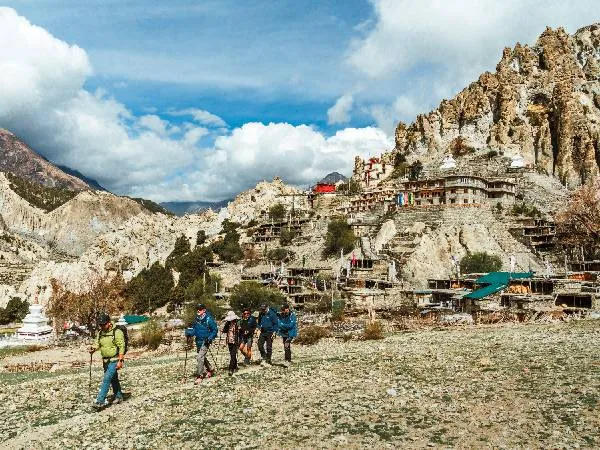
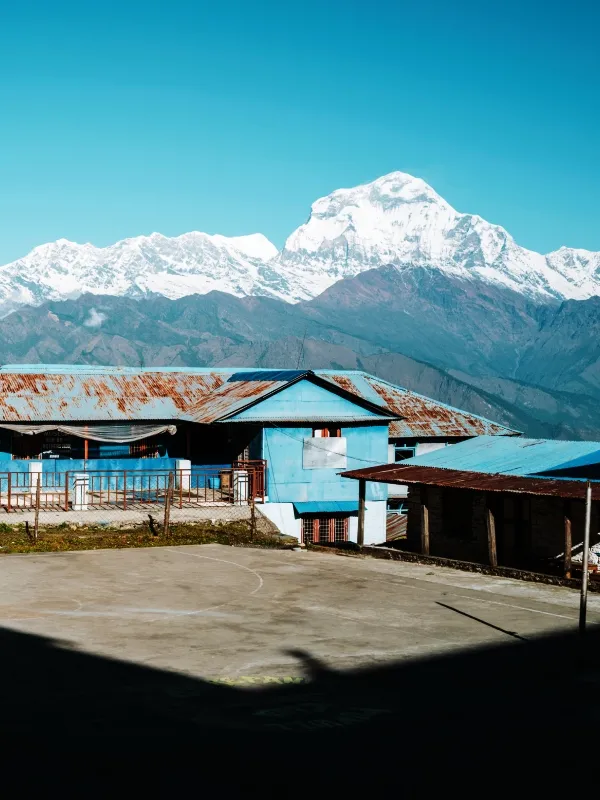
The most common way to reach Machhapuchhre Base Camp (MBC) is by trekking through the Annapurna Base Camp (ABC) route. Trekkers generally begin the journey from Pokhara, travel by road to a trailhead such as Ghandruk or Siwai, and then continue on foot through traditional villages, lush forests, and the Modi Khola Valley toward the Annapurna Sanctuary.
As the trail climbs higher, the landscape gradually changes from subtropical forests to alpine terrain. The route passes through popular stops such as Chhomrong, Bamboo, Dovan, and Deurali before reaching Machhapuchhre Base Camp at around 3,700 meters (12,139 feet). From MBC, trekkers usually continue for about 1–2 hours toward Annapurna Base Camp, depending on trail conditions and walking pace.
Because MBC is located in a remote, high-altitude mountain environment, there is no road access directly to the base camp. Trekkers must reach it on foot, making proper acclimatization, suitable trekking gear, and adequate preparation important for the journey.
What Is the Cultural Importance of Machhapuchhre Mountain?
Machhapuchhre holds deep cultural and spiritual significance for local communities in the Annapurna region. The mountain is regarded as sacred, particularly among Hindu and Buddhist communities, and is associated with Lord Shiva in local religious traditions. Its distinctive appearance and isolated position have contributed to its revered status for generations.
The mountain is also closely connected with the cultural landscape of the Annapurna region, where local communities have traditionally viewed prominent Himalayan peaks as sacred places rather than simply natural landmarks. This spiritual importance is one of the main reasons Machhapuchhre has never been officially opened for climbing, and attempts to reach its summit are not permitted.
Beyond its religious significance, Machhapuchhre has become an important symbol of the Annapurna region and Nepal's Himalayan heritage. Its iconic double summit, traditional beliefs, and presence above villages and trekking trails make it an important part of the region's cultural identity.
Accommodation & Facilities at Fishtail Mountain Base Camp
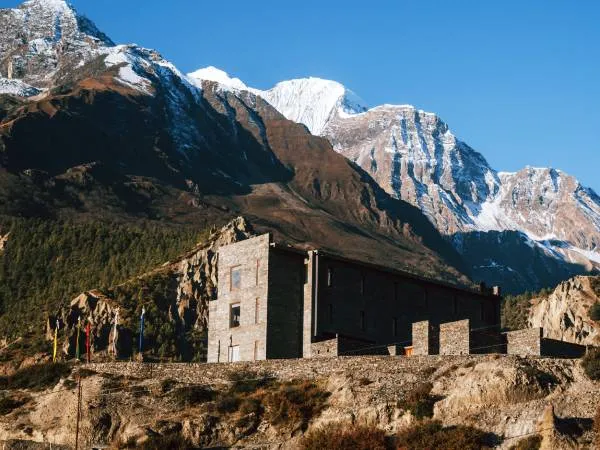
Fishtail Mountain Base Camp, also known as Machhapuchhre Base Camp (MBC), offers basic accommodation and facilities for trekkers staying in the high-altitude Annapurna Sanctuary. A small number of mountain teahouses and lodges operate at the base camp, providing simple rooms and essential services in this remote Himalayan setting.
The teahouses generally provide basic twin-sharing rooms with beds, mattresses, pillows, and blankets. Bathrooms and toilets are usually shared, and facilities become increasingly basic because of the remote location and high altitude. Trekkers can also enjoy warm meals, tea, coffee, and other common trekking foods in the dining areas.
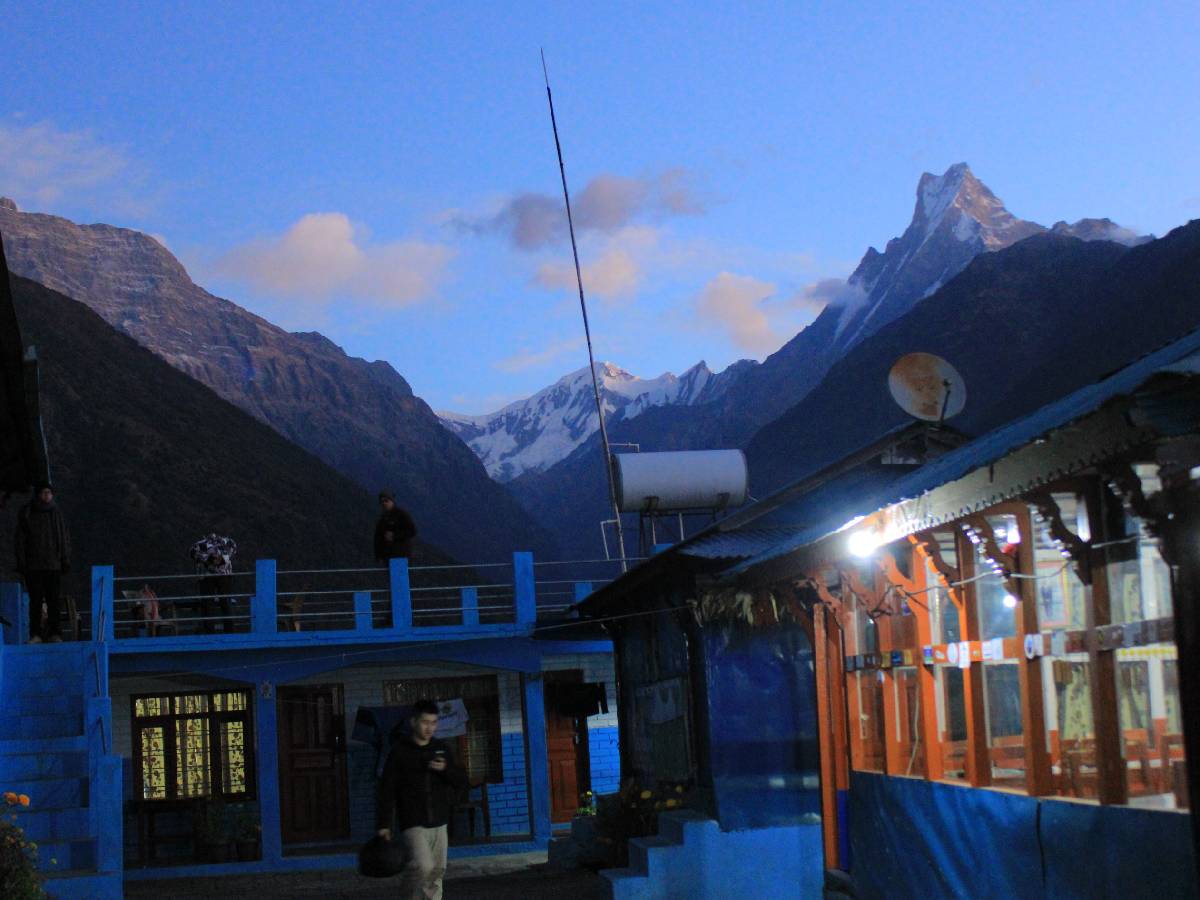
Other facilities may include electricity for charging electronic devices, Wi-Fi, and hot showers, although availability can be limited and these services may cost extra. Since Fishtail Mountain Base Camp is situated at around 3,700 meters (12,139 feet), trekkers should expect simple mountain accommodation rather than hotel-style facilities.
Carrying a sleeping bag, power bank, toiletries, and other personal essentials is recommended for a more comfortable overnight stay at Fishtail Mountain Base Camp.
Major Activities to Do at Machhapuchhre Base Camp
Mountain View Experience
Machhapuchhre Base Camp offers spectacular panoramic views of Machhapuchhre (Fishtail) and surrounding Himalayan peaks, including Annapurna South and Hiunchuli, particularly on clear days. The dramatic mountain scenery and rugged alpine landscape make MBC one of the most memorable stops on the Annapurna Base Camp Trek.
One of the highlights is watching sunrise over the Himalayas. As the first rays of sunlight reach the surrounding peaks, the mountains gradually change from cool white and gray tones to warm shades of gold and orange. Standing among the towering peaks and witnessing this transformation is an unforgettable experience for trekkers.
Photography
Machhapuchhre Base Camp is a rewarding destination for mountain photography, offering dramatic Himalayan scenery from different viewpoints. The snow-covered peaks, rugged cliffs, alpine landscapes, changing light, and sunrise and sunset create excellent opportunities to capture the character of the Annapurna Sanctuary.
Besides landscape photography, trekkers can also capture local culture and mountain life along the route, including stone-paved trails, traditional settlements, prayer flags, monasteries, and the daily activities of local communities.
Best Time to Visit Machhapuchhre Base Camp
The best time to trek to Machhapuchhre Base Camp (MBC) is generally during spring (March to May) and autumn (September to November). These seasons offer relatively stable weather, comfortable trekking conditions, and good visibility of Machhapuchhre (Fishtail) and the surrounding Himalayan peaks.
Spring Season: March to May
Spring is one of the most beautiful seasons for trekking to MBC. The Annapurna Conservation Area comes alive with blooming flowers, including rhododendrons, lush forests, and diverse wildlife. As the snow begins to melt at higher elevations, the lower sections of the trail become greener and more colorful.
Spring also coincides with Nepali New Year (Bikram Sambat New Year), which usually falls in mid-April. Trekkers traveling through local villages around this time may have an opportunity to experience the festive atmosphere, traditional music, cultural gatherings, and local celebrations. Experiencing these traditions along the trekking route can add a cultural dimension to the journey.
Autumn Season: September to November
Autumn is another popular season for the MBC trek because the post-monsoon weather generally brings clearer skies and excellent mountain visibility. The trails and forests regain their greenery after the monsoon, while the fresh atmosphere creates beautiful views of the surrounding landscapes.
As autumn progresses, the weather becomes cooler and generally more stable, providing favorable conditions for long days of trekking. This period also coincides with major Nepali festivals such as Dashain and Tihar. Trekkers traveling through villages during the festival period may witness homes and communities decorated with oil lamps, flowers, and traditional decorations, along with local rituals and celebrations.
Can You Visit MBC in Winter and Monsoon?
Trekking to MBC is also possible during the monsoon (June to August) and winter (December to February), but conditions can be more challenging. Monsoon brings frequent rainfall, muddy and slippery trails, cloud cover, and a higher risk of landslides in some sections. Winter brings colder temperatures, snowfall at higher elevations, and potentially difficult trail conditions.
With appropriate planning, preparation, weather awareness, and trekking gear, experienced trekkers can undertake the trek during these off-season months. However, spring and autumn generally provide the most favorable combination of weather, trail conditions, and mountain visibility for the MBC trek.
Weather and Temperature at Machhapuchhre Base Camp
Machhapuchhre Base Camp (MBC) sits at an elevation of around 3,700 meters (12,139 feet) above sea level, where temperatures remain cool throughout the year and can drop significantly after sunset. Daytime conditions are generally more comfortable when the sun is out, while nights and early mornings can become particularly cold, especially during winter.
Weather conditions at MBC vary depending on the month and season. Spring and autumn generally bring more stable weather and clearer mountain views, while the monsoon season brings rain, cloud cover, and wet trails. Winter can bring freezing temperatures and snowfall at higher elevations.
Trekkers should prepare for rapidly changing mountain weather by carrying warm layers, a good-quality sleeping bag, waterproof clothing, gloves, a warm hat, and other essential trekking gear. The table below provides an approximate overview of the monthly temperature ranges and typical weather conditions at MBC.
| Month | Daytime Temperature | Night Temperature | Typical Weather Conditions |
|---|---|---|---|
| January | -2 to 3°C | -12 to -8°C | Cold and dry, with occasional snowfall |
| February | -1 to 4°C | -10 to -6°C | Cold mornings with generally clear and dry weather |
| March | 2 to 7°C | -7 to -3°C | Gradually milder days with improving weather |
| April | 5 to 10°C | -3 to 1°C | Pleasant daytime temperatures with generally clear views |
| May | 8 to 13°C | 1 to 5°C | Warmer days with increasing pre-monsoon clouds |
| June | 9 to 13°C | 3 to 6°C | Increasing cloud cover with occasional rainfall |
| July | 8 to 14°C | 2 to 5°C | Heavy monsoon rainfall, cloud cover, and wet trails |
| August | 8 to 14°C | 2 to 5°C | Frequent monsoon rain with cloudy conditions |
| September | 7 to 13°C | 1 to 5°C | Rain gradually decreases and skies begin to clear |
| October | 5 to 11°C | -3 to 2°C | Clear skies and generally stable trekking conditions |
| November | 2 to 8°C | -6 to -2°C | Cool, dry weather with excellent mountain visibility |
| December | -1 to 4°C | -10 to -5°C | Cold and dry, with freezing nights and possible snowfall |