
Are you planning the Everest Base Camp trek in winter, which usually falls between December, January, and February? If yes, you’re in the right place.
Because in this blog, we’re not going to sell you a dream we’re going to show you the real trail conditions, the real cold, and the real experience you should expect when trekking to EBC during the winter season.
From freezing nights and quiet Himalayan villages to crystal-clear mountain views and challenging high-altitude walking, here’s everything you need to know before you step onto the winter trail.
Winter Weather on the Everest Base Camp Trail in Off Seasons
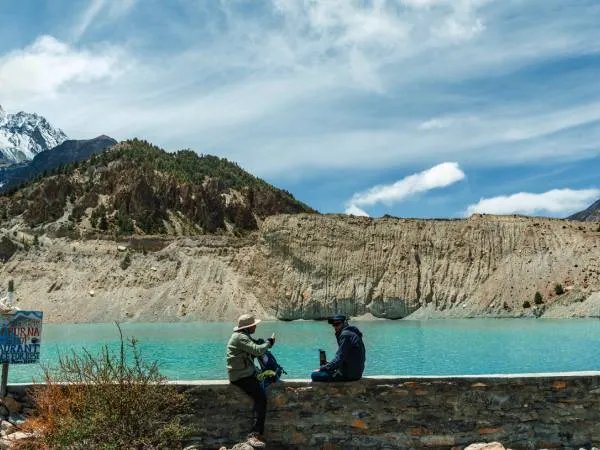
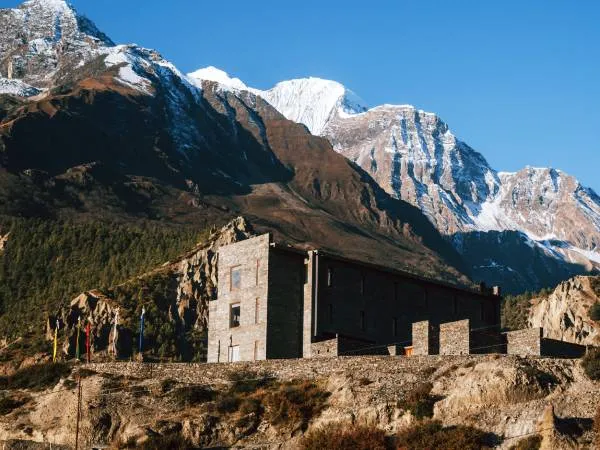
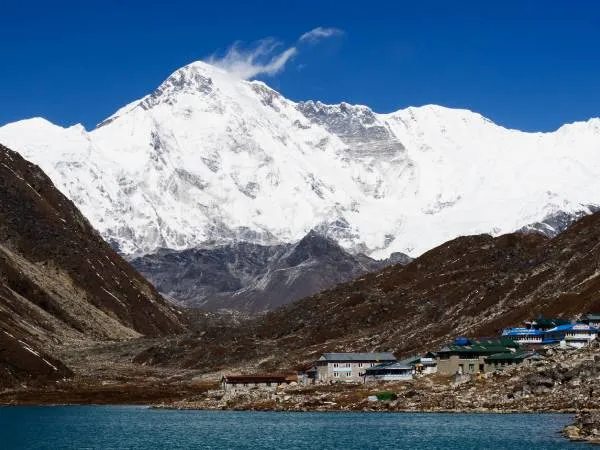
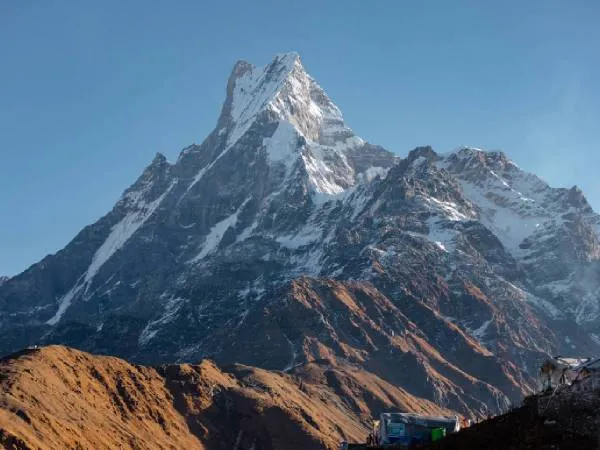
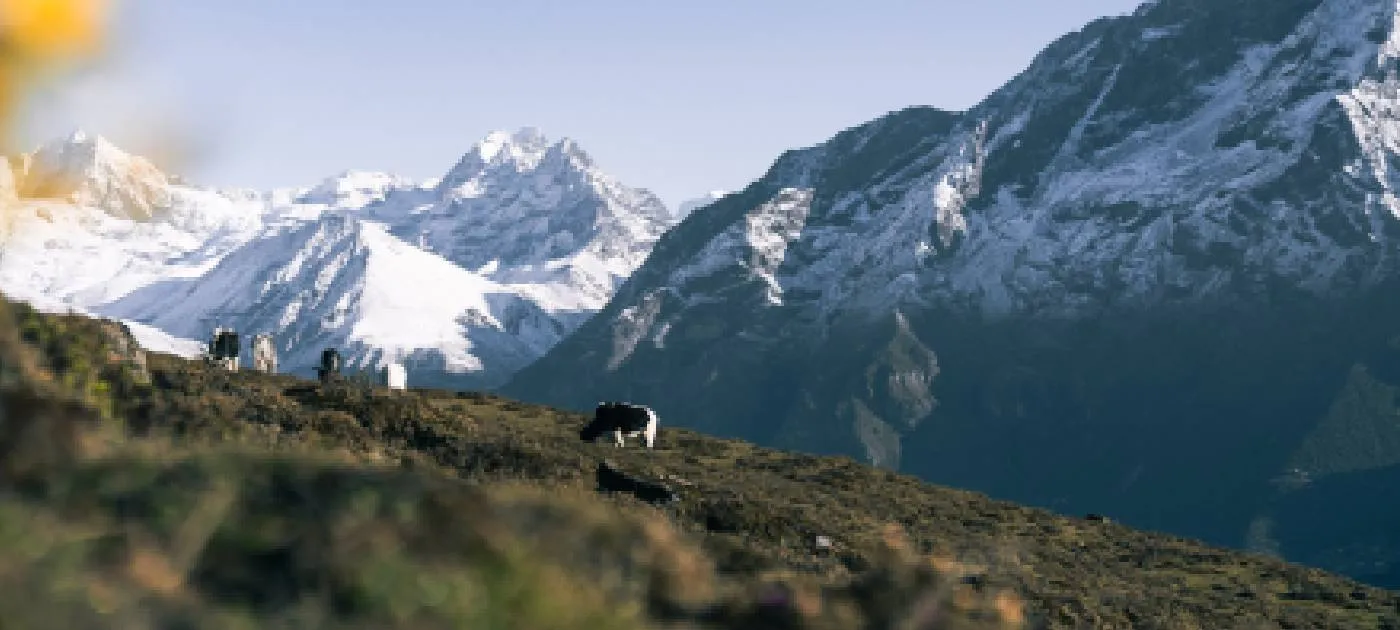
Choosing the Everest Base Camp trail in winter off seasons is not an easy decision, but based on our field experience, it is one of the most visually rewarding times in the Khumbu region. The trail is much quieter than peak seasons, with fewer trekkers and a peaceful atmosphere through places like Namche Bazaar, Dingboche, Lobuche, and Gorakshep, while the mountains appear sharper under clear winter skies.
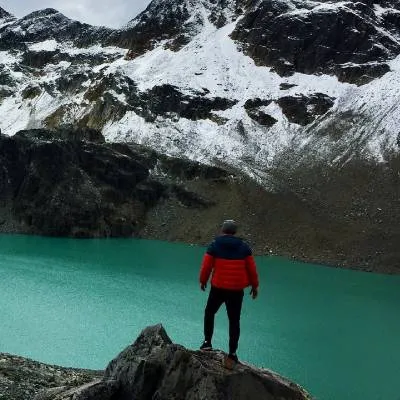
However, conditions are much harsher. On winter expeditions, temperatures at higher altitudes often drop to around -20°C to -25°C, especially at night near Lobuche, Gorakshep, and Everest Base Camp. Trails can be icy, mornings are freezing, and daylight hours are shorter, making the trek more demanding.
Even simple tasks become tougher in the cold water can freeze overnight, and early starts require proper preparation. While daytime walking is manageable in sunlight, temperatures drop quickly after sunset.
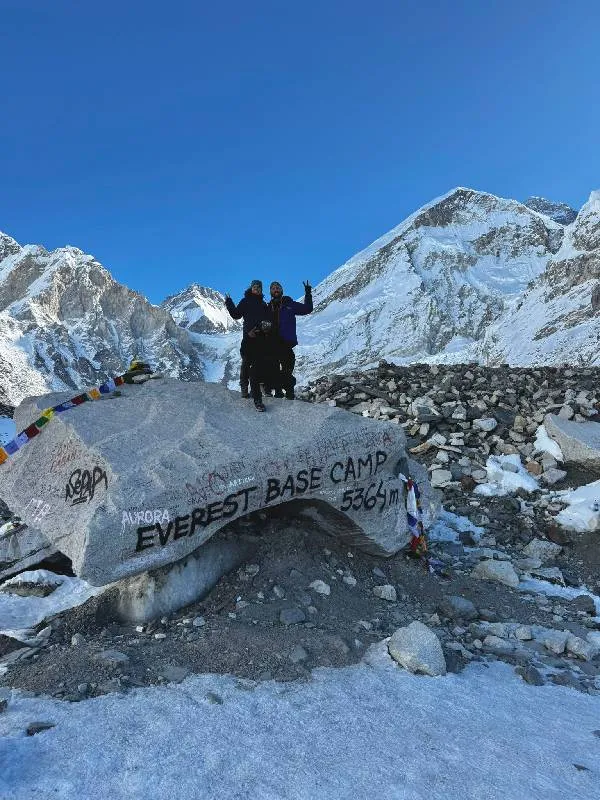
For this reason, we always advise full cold-weather preparation, as winter EBC trekking can quickly become physically and mentally challenging if underestimated.
How Difficult Is the Everest Base Camp Trek in Winter?
The Everest Base Camp trek is a non-technical trek, but in winter conditions it becomes significantly more demanding due to cold, ice, and altitude combined. From our winter expeditions, we’ve found that the biggest challenge is not the terrain itself, but the thin air above 4,000m where breathing becomes harder and the cold intensifies fatigue. When long walking days, freezing temperatures, and rapid weather changes come together, even experienced trekkers feel the full difficulty of the Himalayas.
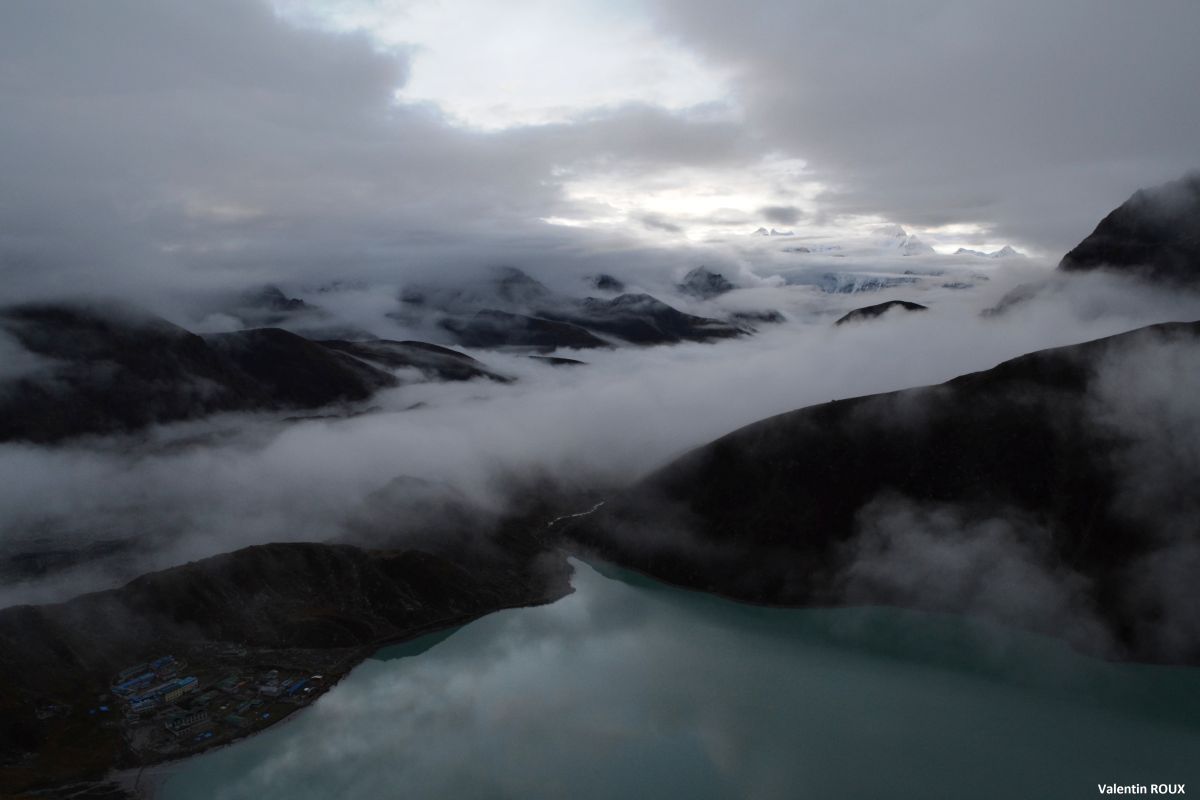
Everest Base Camp Trek in December, January, and February
Winter in the Everest region runs from December to February, and each month brings noticeably different trekking conditions across the Khumbu valley.
December marks the beginning of the cold season. In our experience on the trail, the atmosphere is calm with fewer trekkers, and early sections feel more comfortable under clear skies, although temperatures begin to drop sharply after sunset.
January is the most intense phase of winter. The route becomes extremely quiet, with only a few trekkers moving through the higher villages, and nights around places like Dingboche and Lobuche often reach severe sub-zero levels, making proper gear essential for safe trekking.
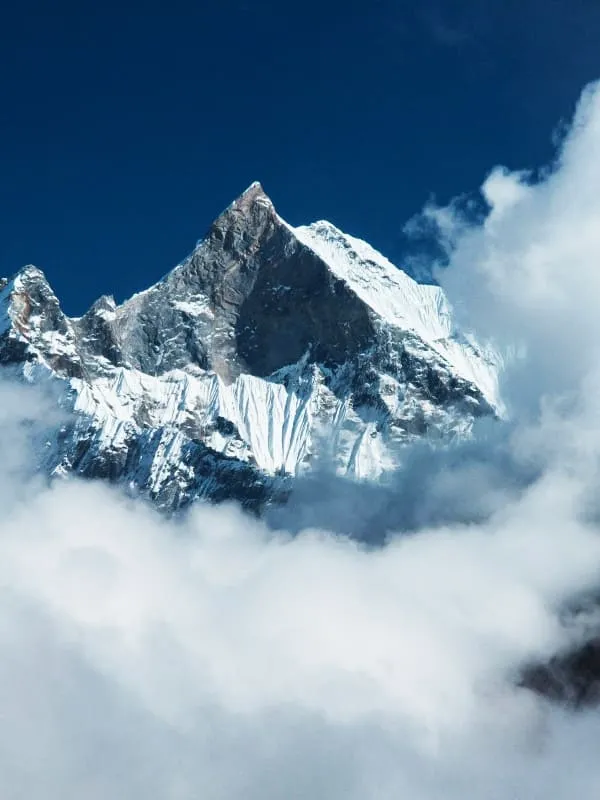
February remains cold but gradually improves in daytime conditions. Snow and icy patches are still common in higher elevations, but trekkers often experience a better balance of stable weather, clearer views, and slightly longer daylight hours compared to January.
Altitude and Acclimatization in Cold Weather on Solu Khumbu
In our winter expeditions to Everest Base Camp, altitude sickness becomes more noticeable because cold temperatures and thin air combine above 4,000m. Trekkers often report slower movement, reduced appetite, and heavier breathing as early as Namche Bazaar. Above Dingboche and Lobuche, the risk increases further, especially when sub-zero nights add extra stress to the body’s recovery.
That is why we always plan longer acclimatization in winter conditions, as pushing too fast in cold weather significantly increases AMS risk in the Khumbu region.
Tea Houses, Food, and Accommodation in Winter
In our winter expeditions to the Everest Base Camp region, we found that accommodation remains available in major Khumbu villages like Namche Bazaar, Dingboche, Lobuche, and Gorakshep, although some smaller teahouses close due to low winter traffic. Rooms are basic, usually twin-bed setups with wooden walls and thick blankets, but they are not heated, and nighttime temperatures drop sharply once the stove in the dining hall is turned off.
The dining area typically becomes the warmest gathering point, with a central stove used for heating and cooking, especially in the evenings. At higher elevations, water can freeze overnight, and sleeping conditions become significantly colder, making a high-quality sleeping bag essential rather than optional.
Food remains simple but reliable throughout winter, with dal bhat being the most consistent source of energy, alongside soups, noodles, and hot drinks that help with warmth and recovery. Prices also increase noticeably with altitude due to supply limitations, as goods are carried up by porters, yaks, or occasional helicopter drops, making it important to carry sufficient cash for the trek.
Lukla Flights and Weather Delays in Winter
Lukla flights are something every trekker should research before starting. The flight is short, but it is rarely simple. Because Lukla sits high in the mountains, the weather decides almost everything. Even when Kathmandu looks clear, conditions around Lukla can be completely different. 4 In winter, the morning sky is often beautifully clear, which is one of the reasons people choose this season.
The views of snow-covered peaks and quiet valleys below can be stunning. But winter also brings strong winds and snowfall that can push flights back or cancel them for an entire day. This is exactly why you should build in a few buffer days. Those extra days take the stress out of delays, and they double as proper rest before or after the trek.
Weather and Temperature during base camp journey
The weather on the Everest Base Camp journey changes dramatically with altitude. Lower sections like Lukla and Namche Bazaar are generally mild during the day but become cold at night, especially in winter. As you climb higher toward Dingboche, Lobuche, and Gorakshep, temperatures drop sharply, with freezing conditions common even during daytime.
At Base Camp, winter temperatures can fall well below -15°C to -25°C, with strong winds making it feel even colder. The weather is usually dry and clear, but sudden snow and icy trails are common, making proper preparation essential for a safe trek.
| Location (Altitude) | Day Temperature | Night Temperature |
|---|---|---|
| Lukla (2,860 m) | 5°C to 15°C | -5°C to 0°C |
| Namche Bazaar (3,440 m) | 5°C to 12°C | -5°C to -8°C |
| Tengboche (3,860 m) | 0°C to 10°C | -8°C to -12°C |
| Dingboche (4,410 m) | -2°C to 8°C | -10°C to -15°C |
| Lobuche (4,940 m) | -5°C to 5°C | -12°C to -18°C |
| Gorakshep (5,164 m) | -8°C to 2°C | -15°C to -20°C |
| Everest Base Camp (5,364 m) | -10°C to -5°C | -15°C to -25°C |
Safety Tips for Winter Trekking to Base Camp
Winter trekking to Everest Base Camp can be beautiful, but it can also be dangerous without a solid plan that protects your safety. Cold weather makes simple things harder and hard things much harder, so a few habits go a long way:
It requires careful timing and discipline because short daylight hours and freezing temperatures change how the trail behaves. You need to start early, especially on higher sections like Dingboche to Lobuche, where ice forms overnight and makes paths slower and more cautious to walk.
Cold conditions also affect basic movement: water can freeze, rest stops can feel significantly colder, and wind chill can quickly reduce body warmth, even when walking. Proper layering is more important than wearing heavy clothing, as it allows you to adjust to changing effort levels throughout the day.
The key safety factor in winter is pace. Moving steadily, staying hydrated, and watching for early altitude symptoms are more important than covering distance. In these conditions, most issues are prevented not by gear alone, but by controlled walking and timely decision-making.
Who Should Choose the Winter EBC Trek?
The winter EBC trek is not for everyone. It is for trekkers who have done their research, understand the risks, and are not put off by a challenge. 5 It feels very different from the peak season. The views are astonishing, the route is quiet, and the experience is deeply peaceful. It suits people who can handle cold weather and basic comfort, because tea houses stay open in the main villages but rooms get freezing at night, especially in higher places like Dingboche, Lobuche, and Gorakshep.
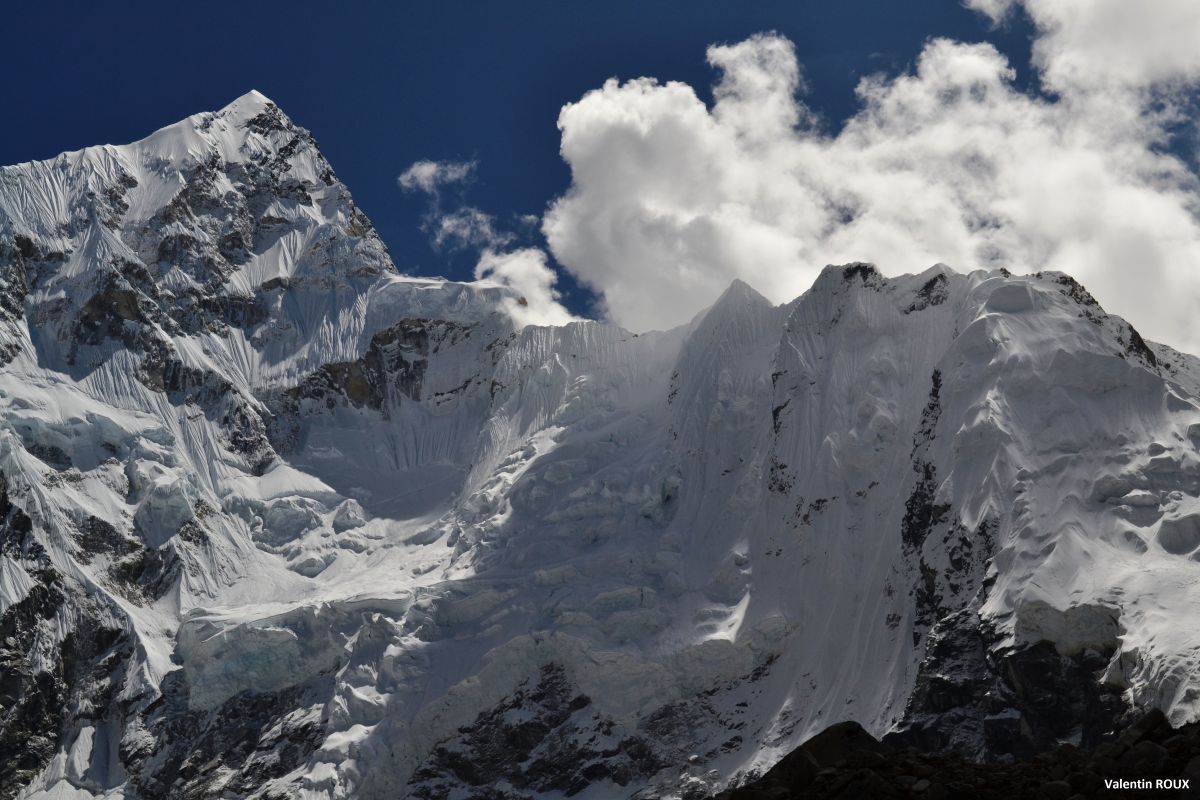
It is also a wonderful time for photographers and nature lovers. Winter skies are sharp and clear, and the snowy landscape makes the whole route look dramatic. It is not the right trek for people who want warm rooms, luxury, or peak-season comfort. Beginners can do it, but only if they are both physically and mentally prepared. And in a season where the weather can turn quickly, going with a guide is the safer choice.
Is it possible to experience snowfall or avalanches during the trek?
During the Everest Base Camp trek, it is possible to experience snowfall, especially in the higher elevations above 3,500 meters and during the winter and early spring seasons (December to March). In fact, light to moderate snowfall is relatively common in places like Namche Bazaar, Tengboche, and Dingboche during colder months, which can significantly change trail conditions and visibility.
However, avalanches are extremely rare for trekkers on the standard Everest Base Camp route. Most avalanche-prone zones are located on technical climbing sections such as the Khumbu Icefall, which is part of the Everest expedition route rather than the trekking trail itself. According to trekking guides and Himalayan expedition reports, the main risks for trekkers are not avalanches but sudden weather changes, heavy snowfall, and whiteout conditions at higher altitudes. This is why experienced trekking agencies closely monitor weather updates and adjust itineraries when necessary to ensure safety.
Where to Contact in Case of Emergency on the EBC Trail?
During the Everest Base Camp trek, your first contact in any emergency should always be your trekking guide, as they are trained to handle altitude sickness and injuries on the trail. If your guide is not available or unable to manage the situation, immediately inform the lodge or accommodation staff where you are staying, or reach the nearest health post for assistance.
In many cases, you can also get support or initial medical evaluation through the Himalayan Rescue Association, which operates seasonal aid posts in the Everest region, including at Pheriche, where trained medical volunteers provide altitude sickness awareness and basic treatment. Places like Namche Bazaar and other main villages also have basic medical support that can guide the next steps.
In serious cases where evacuation is required, helicopter rescue is arranged through your trekking agency and insurance provider, usually coordinated from Kathmandu. The key is to act quickly, stay calm, and follow the local rescue chain without delay.
What to Pack for the EBC Trek in Winter?
Packing the right gear, especially for a winter trek, can save both your experience and your wellbeing. You do not need to carry everything, but you do need the right things to keep the trek smooth.
Clothing (Layer System – Most Important)
- Thermal base layer (top & bottom) for cold mornings and nights
- Fleece or insulated mid-layer for warmth during trekking
- Down jacket (essential above Namche and for winter treks)
- Waterproof & windproof shell jacket (for snow and wind protection)
- Trekking pants (quick-dry, breathable)
- Warm insulated pants (recommended for winter season)
- Sun hat or cap (for UV protection at high altitude)
- Warm beanie (for freezing mornings and nights)
Hands, Feet & Accessories
- Insulated gloves (waterproof preferred for snow conditions)
- Lightweight inner gloves (for layering)
- Wool trekking socks (3–5 pairs)
- Thermal socks (for sleeping and extreme cold nights)
- Neck warmer / buff (protects from cold wind and dust)
- UV protection sunglasses (very important above 3,000m)
Footwear
- Broken-in trekking boots (high ankle support, waterproof)
- Camp sandals or light shoes (for tea houses)
- Gaiters (useful in snow or icy trails, especially in winter)
Sleeping Gear
- High-quality sleeping bag (-10°C to -20°C rated for winter safety)
- Sleeping bag liner (adds extra warmth and hygiene)
Important: Tea house blankets are not enough at higher altitude in winter.
Daypack Essentials
- 25–35L daypack (for daily trekking use)
- Rain cover for backpack
- Water bottles (2L capacity minimum) or hydration bladder
- Water purification tablets or filter
Personal & Health Items
- Sunscreen (SPF 50+) – UV is strong even in cold
- Lip balm (prevents cracking in dry cold air)
- Basic first aid kit (bandages, pain relief, blister care)
- Diamox (only after consulting doctor for altitude)
- Wet wipes & hand sanitizer (limited showers on trail)
Electronics & Essentials
- Headlamp with extra batteries (very important in tea houses)
- Power bank (charging is expensive at higher villages)
- Universal travel adapter (Nepal uses Type C/D sockets in many places)
- Phone + offline maps (useful in remote sections)
Energy & Extra Items
- Energy bars, chocolates, dry snacks (trail food is basic)
- Cash in Nepali rupees (no ATMs above Namche Bazaar)
- Lightweight towel
- Passport + permits (must carry at checkpoints)
Winter Add-Ons
- Heavy down jacket
- Insulated gloves (not just light trekking gloves)
- Thermal inner wear (extra set)
- Hand warmers (very useful at Lobuche & Gorakshep)
- Extra warm socks for sleeping
- Balaclava or face mask (for wind chill protection)
Frequently Asked Questions About Everest Base Camp Trek in Winter
Is the Everest Base Camp trek possible in winter?
Yes, the Everest Base Camp trek is possible in winter (December to February), but it is much colder and quieter. Many teahouses remain open, but some at higher elevations may close depending on weather conditions.
How cold does it get on the EBC trail in winter?
EBC trail in winter temperatures can drop significantly. In lower regions like Namche Bazaar, it can fall below 0°C at night, while higher areas like Gorak Shep and Everest Base Camp can reach around -15°C to -25°C, especially during early mornings and nights.
Is snowfall common during the winter EBC trek?
Yes, snowfall is common in the winter EBC trek, especially above Namche Bazaar. Snow can cover the trail, making walking more challenging, but it also creates a beautiful and peaceful Himalayan landscape.
Is the trail safe in winter?
The trail is generally safe but more challenging due to cold, ice, and occasional heavy snowfall. Proper gear, an experienced guide, and careful planning are essential for safety.
Are there avalanches on the EBC winter route?
Avalanches are extremely rare on the standard trekking route. Most avalanche-prone zones are outside the main trekking trail, but weather conditions can still change quickly in the mountains.
Do teahouses stay open in winter?
Yes, most teahouses remain open, especially in main villages like Namche Bazaar, Tengboche, Dingboche, and Lobuche. However, services may be limited, and fewer trekkers mean quieter lodges.
Is altitude sickness riskier in winter?
Altitude sickness risk is the same in all seasons. However, winter conditions can make recovery harder due to cold stress and dehydration, so acclimatization is very important.
Is helicopter rescue available in winter?
Yes, helicopter evacuation is available year-round, including winter. In emergencies, your guide, lodge staff, or local health posts (including support from organizations like the Himalayan Rescue Association) coordinate rescue.
What is the biggest challenge of winter EBC trekking?
The biggest challenges are extreme cold, frozen water, icy trails, and limited daylight hours. Proper layering and pacing are more important than speed.
Should beginners try the EBC trek in winter?
It is not recommended for complete beginners. Winter EBC is better suited for trekkers with some high-altitude trekking experience or those traveling with a professional guide and support team.
Ready to plan your Everest Base Camp winter trek? Start preparing early, pack smart, and step onto the trail with the right expectations the mountains will take care of the rest.
Contact us now to check availability, customize your itinerary, and secure your Everest Base Camp winter trek slot.