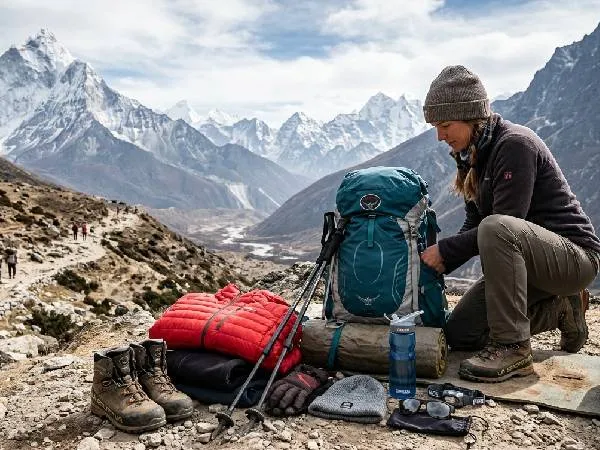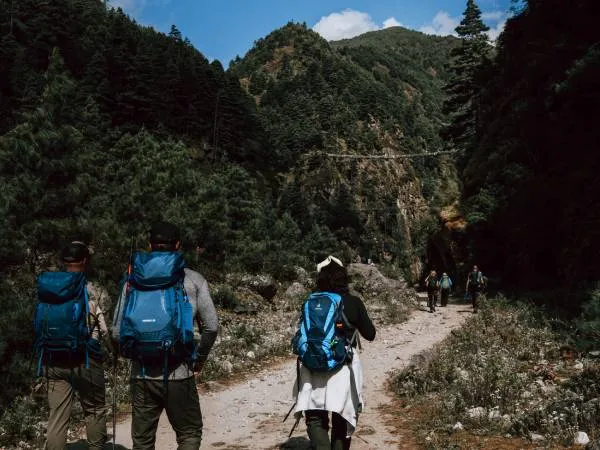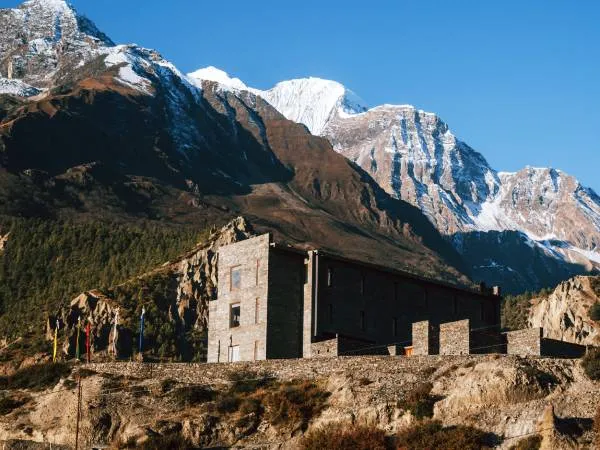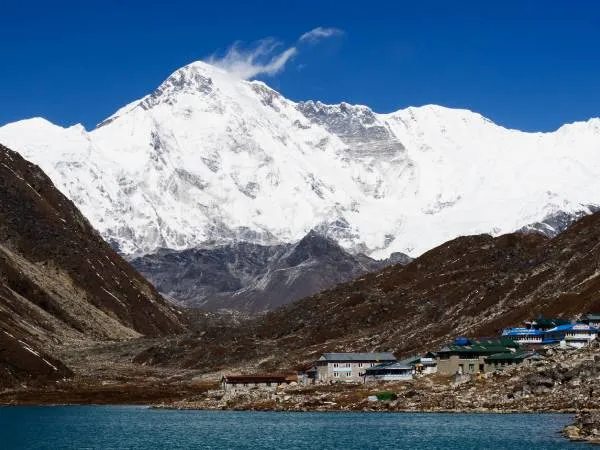

Dovan is a peaceful mountain settlement located at an altitude of around 2,600 meters in the Annapurna region of Nepal. It is an important overnight stop along the popular Annapurna Base Camp (ABC) Trek, where trekkers can rest before continuing toward the higher Himalayan sections of the trail. Surrounded by dense forests, waterfalls, streams and the Modi Khola, Dovan offers a beautiful combination of natural scenery and peaceful mountain surroundings.
The area is also known for its lush vegetation, including rhododendron, bamboo and oak forests. As part of the Annapurna Conservation Area, Dovan provides trekkers with an opportunity to experience the region's diverse landscapes, wildlife and traditional mountain lifestyle.
Why Is Dovan Famous Among Trekkers?
Dovan is popular among trekkers because it is an important resting and overnight point on the Annapurna Base Camp Trek. Located between the lower settlements around Chhomrong and the higher settlements toward Machhapuchhre Base Camp and Annapurna Base Camp, it marks an important stage of the journey into the Modi Khola valley.
The trail around Dovan passes through dense Himalayan forests, small streams and waterfalls, creating a peaceful and refreshing trekking environment. The sound of flowing water, surrounding greenery and dramatic mountain landscapes make Dovan a memorable stop for trekkers. Its teahouses also provide basic accommodation and meals, allowing trekkers to rest and prepare for the more challenging sections ahead.
What Is the Cultural Importance of Dovan?
Dovan reflects the simple mountain lifestyle found along the Annapurna trekking route. Tourism is an important source of livelihood for many local residents, with teahouses, lodges and small restaurants serving trekkers traveling through the region.
Visitors can experience the traditional hospitality and everyday lifestyle of Himalayan communities while staying in the village. The surrounding settlements also reflect the cultural diversity of the Annapurna region, where traditional customs, local architecture and Buddhist influences can be seen along the trekking route.
While Ghandruk and Chhomrong are particularly well known for their distinctive local cultures, Dovan is better known as a peaceful trekking settlement and stopover within the Annapurna region.
What Are the Mountain Views and Landscapes Around Dovan?
Dovan is surrounded by lush Himalayan vegetation, dense forests and dramatic mountain landscapes. During the trek, visitors can encounter forests containing rhododendron, bamboo, oak and other Himalayan vegetation.
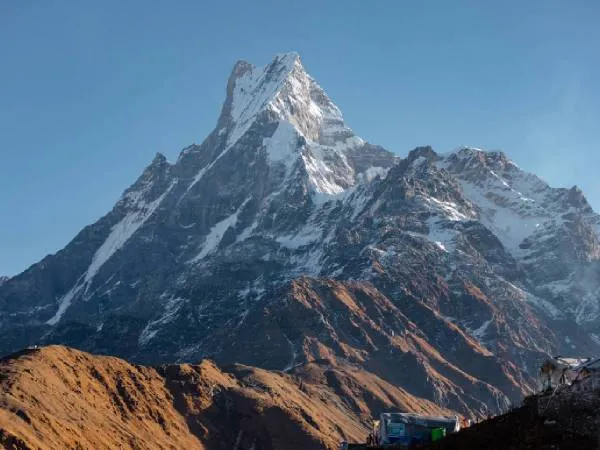
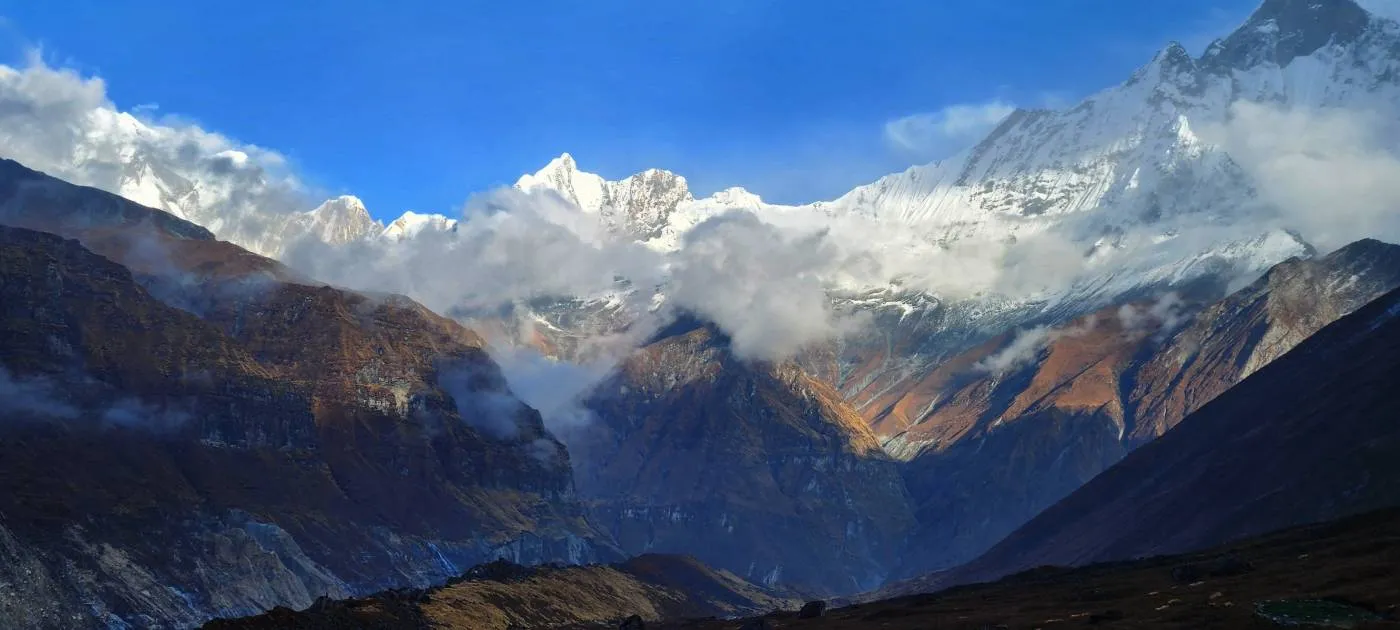
The surrounding region provides opportunities to see impressive peaks including Machhapuchhre (Fishtail), Hiunchuli and the Annapurna range, although the visibility of individual peaks can vary depending on the location along the trail and weather conditions.
Spring is particularly attractive because rhododendron flowers add vibrant shades of red, pink and white to the forests. During and after the monsoon, the landscape becomes exceptionally green, with waterfalls and streams carrying more water and adding to the beauty of the trail.
Where Is Dovan Village Located?
Dovan is located in Kaski District of Gandaki Province, Nepal, along the Annapurna Base Camp trekking route. The settlement lies within the Annapurna Conservation Area, one of Nepal's most important protected mountain regions.
Dovan does not have direct road access like Pokhara or some lower settlements in the Annapurna region. Trekkers normally reach it as part of a trekking route after traveling by road from Pokhara toward the trailhead and continuing on foot through settlements such as Chhomrong and Sinuwa.
Because the journey combines road transportation and trekking, the total distance to Dovan depends on the starting point and the route chosen.
How to Reach Dovan Village?
Dovan is generally reached as part of the Annapurna Base Camp Trek rather than as a standalone destination. The journey usually begins with transportation from Kathmandu to Pokhara, followed by a road journey toward the trekking trailhead.
Route 1: Kathmandu → Pokhara → Chhomrong/Sinuwa → Dovan
Most trekkers begin by traveling from Kathmandu to Pokhara, either by domestic flight or by road. The journey by road generally takes around 6–8 hours, depending on traffic and road conditions.
From Pokhara, trekkers continue by road toward the Annapurna trekking area and eventually reach the trailhead around the Chhomrong/Sinuwa region, depending on the itinerary and current road conditions.
From there, the journey continues on foot through forests and mountain settlements toward Dovan. The trekking time can vary according to the exact starting point, route and pace.
Route 2: Pokhara → Ghandruk → Chhomrong → Dovan
Another option is to approach the Annapurna trekking route through Ghandruk, one of the best-known traditional villages in the region. Ghandruk is particularly famous for its Gurung culture, traditional houses and views of the surrounding Himalayan peaks.
After exploring Ghandruk, trekkers can continue toward Chhomrong and then follow the trail toward Dovan. This route can be an excellent choice for travelers who want to combine the ABC Trek with the cultural and scenic experience of Ghandruk.
Note: Trekking distances and travel times can change depending on the exact starting point, road conditions, trail conditions and itinerary.
Best Time to Visit Dovan
Dovan can be visited throughout the year, but spring and autumn are generally the most favorable seasons for trekking in the Annapurna region.
Spring (March to May)
Spring is one of the most popular seasons for the Annapurna Base Camp Trek. The weather is generally pleasant, the forests become greener and rhododendrons begin blooming throughout the region.
March and April are particularly attractive for trekkers who want to experience the colorful rhododendron forests. Daytime temperatures are generally comfortable for trekking, while mornings and nights remain cool. Mountain visibility is also often good, although conditions can change quickly in the mountains.
Autumn (September to November)
Autumn is another excellent season for visiting Dovan. The monsoon season gradually comes to an end, leaving the surrounding hills green and fresh. The weather is generally more stable, with clearer skies and good mountain visibility.
October and November are particularly popular months for trekking because of the combination of comfortable temperatures, dry trails and excellent Himalayan views.
Winter (December to February)
Winter brings colder temperatures, particularly at night and during the early morning. Snowfall is possible at higher elevations, and conditions become increasingly cold as the trail approaches Annapurna Base Camp.
However, lower sections around Dovan can still be accessible during winter, and trekkers who are properly equipped can enjoy quieter trails and clear mountain views.
Monsoon (June to August)
The monsoon season brings frequent rainfall to the Annapurna region. Trails can become wet and slippery, while clouds and rain can reduce mountain visibility. Landslides and muddy trails can also affect transportation and trekking conditions.
On the other hand, the forests become exceptionally lush and green during this period, and waterfalls and streams are often at their fullest.
Accommodation Facilities in Dovan
Dovan has basic teahouses and lodges that provide accommodation for trekkers. Rooms are generally simple and may include twin beds, blankets and basic furnishings. Shared bathrooms are common, particularly in smaller teahouses.
Facilities become increasingly basic as trekkers move toward higher elevations. Hot showers, charging facilities and Wi-Fi may be available at some lodges for an additional fee, but services can vary between properties.
During the busy spring and autumn trekking seasons, accommodation can fill up quickly. Trekkers traveling during peak periods may therefore benefit from arranging accommodation through their trekking agency or guide in advance.
Food Available in Dovan
Teahouses in Dovan generally serve a combination of traditional Nepali, Tibetan and international dishes. One of the most popular meals is dal bhat, consisting of rice, lentil soup, vegetables and accompanying side dishes. It is a filling and nutritious choice for trekkers.
Other commonly available dishes may include:
- Momos
- Thukpa
- Tibetan bread
- Noodles
- Pasta
- Pancakes
- Porridge
- Sandwiches
- Pizza
- Eggs and other breakfast dishes
Vegetarian meals are generally available, although food choices can become more limited compared with larger settlements at lower elevations.
Meal times can vary between teahouses, but breakfast is commonly served in the morning and dinner in the early evening. Trekkers should allow some flexibility because food preparation in mountain settlements can take longer than in cities.
Weather and Temperature at Dovan
Dovan sits at approximately 2,600 meters, so its climate is considerably cooler than Pokhara and the lower parts of the Annapurna region. Days can be relatively comfortable during the trekking seasons, while mornings and nights can become cold.
Weather conditions can change quickly in the mountains. Temperature also varies depending on the season, cloud cover, wind and time of day. The figures below should therefore be treated as approximate planning ranges rather than precise weather records.
| Month | Approx. Day Temperature | Approx. Night Temperature | Typical Conditions |
|---|---|---|---|
| January | 5–10°C | -5–0°C | Cold and mostly dry |
| February | 7–12°C | -3–2°C | Cold mornings and generally dry conditions |
| March | 10–15°C | 0–4°C | Mild days and improving weather |
| April | 13–18°C | 3–7°C | Pleasant conditions and good visibility |
| May | 16–20°C | 6–10°C | Warmer weather with increasing clouds |
| June | 17–21°C | 8–12°C | Increasing humidity and rainfall |
| July | 16–20°C | 9–12°C | Wet, cloudy conditions and slippery trails |
| August | 16–20°C | 9–12°C | Frequent rain and lush green landscapes |
| September | 15–19°C | 7–10°C | Rain gradually decreases |
| October | 12–17°C | 4–8°C | Clear skies and stable trekking conditions |
| November | 9–14°C | 1–5°C | Cool, dry weather and good visibility |
| December | 6–11°C | -3–2°C | Cold nights and generally dry conditions |