Are you planning your Everest Base Camp Trek in 2027 and wondering what other trekkers really think about the experience? Is it actually worth it? Is it as difficult as people say? What do trekkers love about it, and what are the things they wish they had known before starting the journey?
If these are some of the questions confusing you, hopefully, this review will help you find the answers.
For this Everest Base Camp Trek review, we wanted to go beyond the usual travel-blog advice and hear from people who have actually experienced the trek. We collected experiences, opinions, and reviews from trekkers who completed the EBC trek in spring and autumn 2026, along with feedback from our own customers and experienced mountain guides.
We also looked at traveller discussions and reviews across Google Business Profile, Tripadvisor, Reddit, Quora, Facebook, and other platforms to understand what people genuinely experienced on the trail.
We haven't included only the positive side. The good, the bad, the difficult, the unforgettable, and even the disappointing parts are all important when you're deciding whether the Everest Base Camp Trek deserves your time, money, and effort.
So, if you're planning to stand at the foot of the world's highest mountain in 2027, let's look at what real trekkers have to say and ultimately answer the big question.
What Do Real Trekkers Say About the Everest Base Camp Trek?
Reading a trekking company's own marketing copy will only tell you so much. So before we get into our own verdict, here's what people who've actually done the Everest Base Camp trek have to say the good, the hard, and the "would I do it again."
Is It Actually Worth It?
Across dozens of firsthand accounts on Reddit and Quora, the verdict is overwhelmingly the same: yes, it's worth it but almost nobody pretends it's easy.
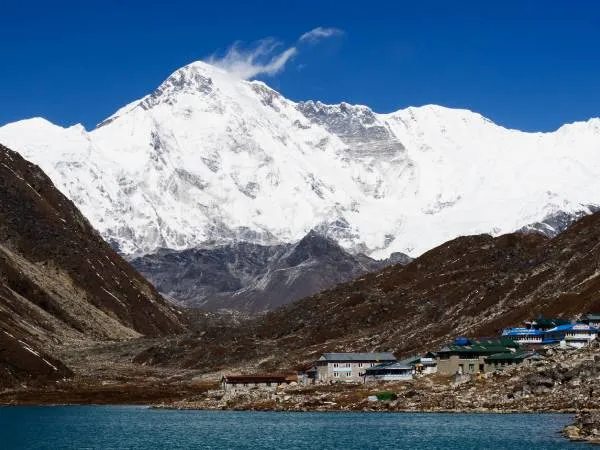
One trekker who completed the route five separate times called it genuinely fabulous and said it was worth the effort every time, specifically recommending the Gokyo Lakes variation as the most memorable version of the trek for its quieter, more remote scenery.
Another described it as an emotional experience, comparing the finish to completing a long pilgrimage a mix of pride, relief and gratitude. A woman who trekked solo said the moment that stuck with her wasn't reaching Base Camp itself, but everything around it the Sherpa villages, the suspension bridges strung with prayer flags, and the way the snow peaks kept changing as she climbed.
Another first-timer summed it up simply: the trek pushed him to keep going even on days he didn't feel like it, and disconnecting completely from normal life for two weeks was part of what made it special.
It's More Mental Than Physical
This is probably the single most repeated piece of advice across every thread: fitness matters, but altitude and mindset matter more.
Multiple experienced guides and repeat trekkers stressed that finishing EBC is less about raw athleticism and more about pacing, patience, and taking acclimatization days seriously.
One trekking guide with years of experience on the route put it plainly physical fitness doesn't directly protect you from altitude sickness, but it does help you handle the long days and recover faster. Fit people still get turned back by altitude; fewer fit people still make it to Base Camp all the time, including trekkers in their 70s and children as young as 7 on guided family treks.
That said, several people flagged Day 2 (the climb into Namche Bazaar) as the point where most beginners hit a wall and start questioning the whole trip and then feel dramatically stronger a couple of days later once their bodies adjust.
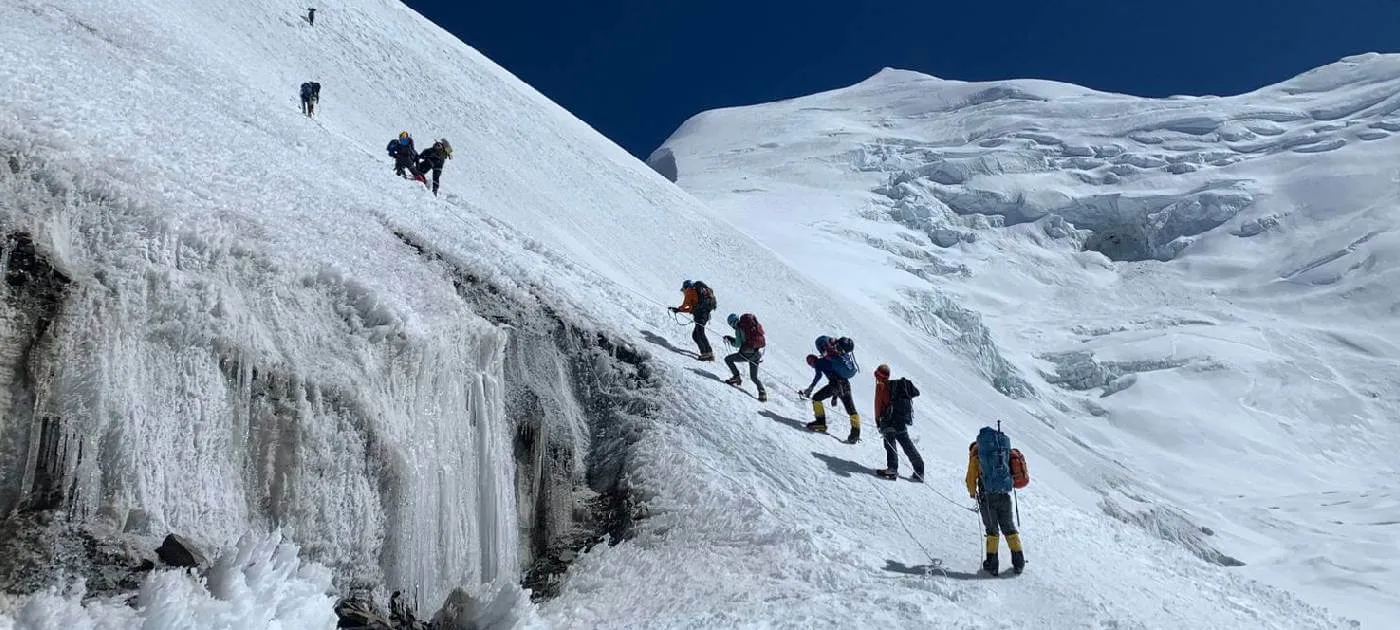
A steep stretch later in the trek, on the way up to the memorial pass near Lobuche, was mentioned as another common breaking point.
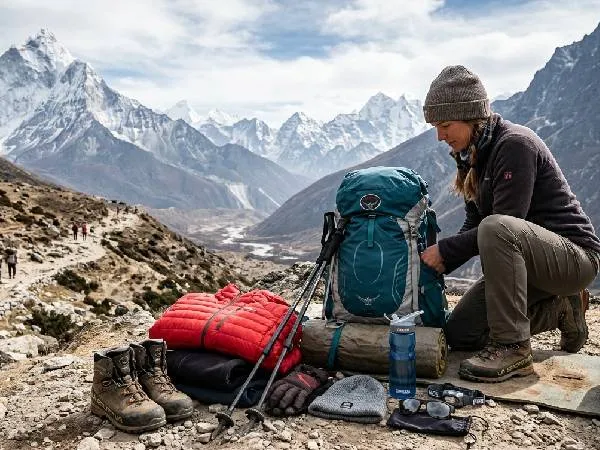
For training, the most common recommendations were: months of cardio beforehand, regular stair-climbing or hill walking (ideally with a loaded pack), leg and core strength work, and if possible one shorter high-altitude trek beforehand just to see how your body reacts above 3,500–4,000m.
A few people also brought up the altitude medication Diamox, though opinions were split: some trekkers and guides find it genuinely useful, while others (including guides themselves) were cautious about recommending it casually, given its side effects, and suggested talking to a doctor first rather than treating it as routine.
The Honest, Unfiltered Takes
The most useful reviews weren't the glowing ones they were the ones willing to describe what actually goes wrong.
One woman who did the 14-day trek in the depths of winter admitted she struggled to keep pace with her group despite being a normal, moderately fit person and pointed out that two people in her 15-person group didn't make it to Base Camp because of altitude sickness, regardless of how fit they were. She was blunt that success on this trek has as much to do with luck and how your individual body handles altitude as it does with training.
Another trekker described the final push up to the viewpoint above Base Camp the pre-dawn climb most people do to actually see Everest's summit as brutally cold, with temperatures well below freezing and biting wind chill on top of that.
He described his water bottle freezing solid, his camera shutting off from the cold, and a genuinely alarming moment of mild frostbite on his fingers after keeping his gloves on too tight for too long. Despite all of that, he still called it one of the best experiences of his life and said it was well worth the discomfort.
Others flagged more mundane frustrations: food that gets blander and more repetitive the higher you climb, meat and baked goods disappearing from menus above certain villages for safety reasons, teahouse bedding that doesn't always get washed between guests (several people suggested bringing a spare shirt to cover the pillow), no proper showers for days at a time, and squat toilets that get progressively less pleasant the further you go.
Weather-related flight cancellations out of Lukla were mentioned repeatedly as a near-certainty rather than a risk several people recommended building in a few extra buffer days at the end of the trip specifically so a delayed flight doesn't cause you to miss your flight home.
On the flip side, more than one person said they expected the trail to be trashed given how many people hike it every year, and were pleasantly surprised Base Camp and the main trail were described as noticeably cleaner than expected, with only minor litter here and there.
A Common Misconception: You Can't Actually See Everest from Base Camp
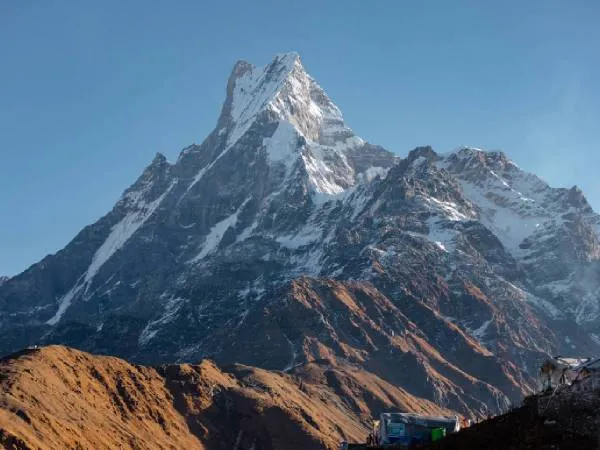
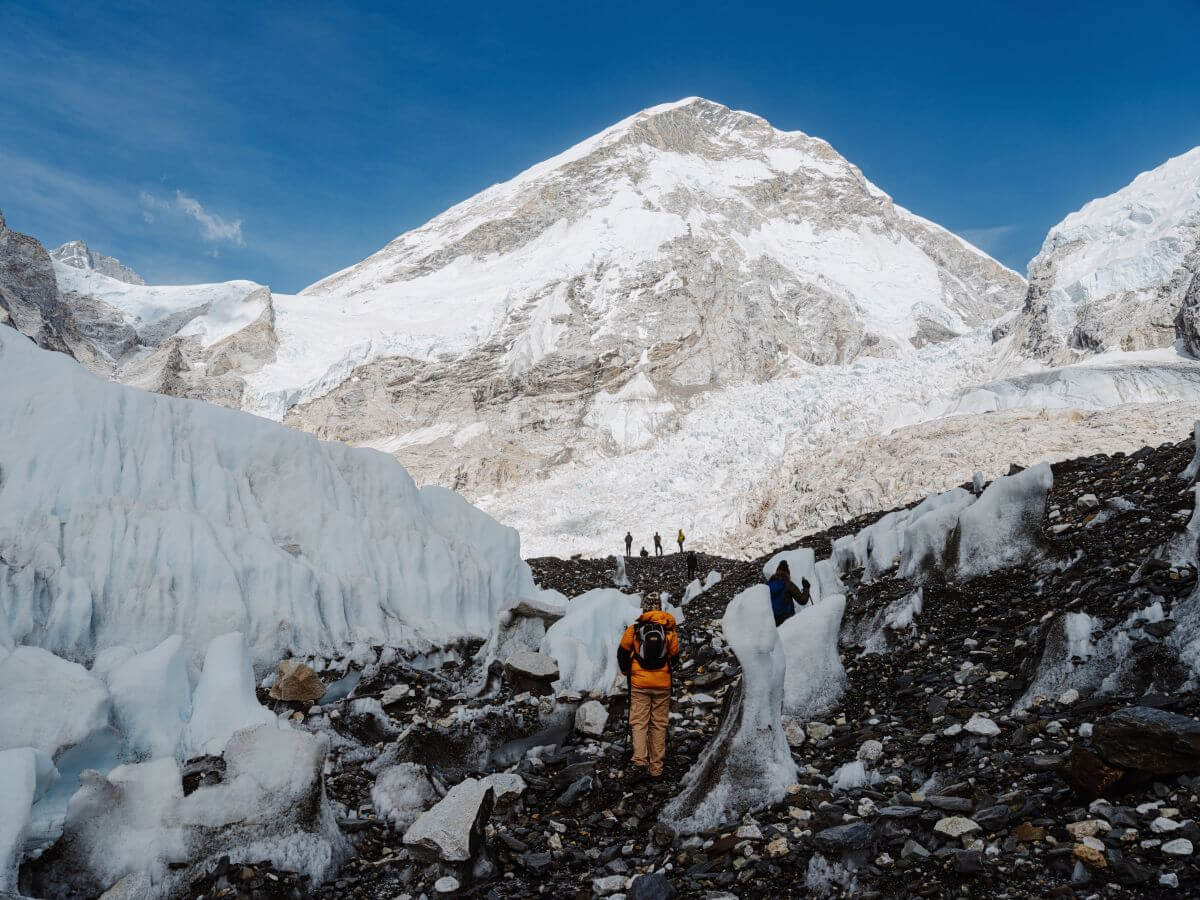
This one surprised a lot of first-timers enough that it came up again and again: Everest itself is largely hidden from Base Camp by a neighboring peak. To actually see the summit up close, most trekkers do a pre-dawn side hike up a nearby viewpoint the next morning widely described as one of the best moments of the entire trek, sunrise included, despite the extreme cold. A few lucky trekkers with unusually clear weather did report catching a glimpse of the very top of Everest from Base Camp itself, but people were clear this isn't the norm.
Best Time of Year, According to Repeat Trekkers
Opinions varied, but a few patterns showed up consistently:
Autumn (late September through November) was the most recommended window clearer skies after the monsoon, though the trail is at its busiest and flights out of Kathmandu get backed up with demand.
Spring (March–May) also gets clear mountain views, though a couple of trekkers noted March specifically can be dusty toward the end of the dry season, and a respiratory illness nicknamed the "Khumbu cough" is more commonly mentioned around this period.
Winter was described by more than one trekker as underrated: far fewer crowds and easier last-minute bookings, at the cost of colder nights and higher risk of flight delays.
Guided Groups vs. Private Guide vs. Solo
This was one of the more debated topics. People who hired a guide and porter privately (rather than joining a large group) consistently said it gave them a more personal, flexible experience the ability to add rest days, adjust the route, or switch up the itinerary on the fly, plus a much closer relationship with their guide. Large group trekkers, on the other hand, pointed to the built-in camaraderie of trekking alongside 10–15 other people as a major highlight, even if the itinerary was more rigid.
Several people also mentioned that solo, fully independent trekking (no guide at all) used to be common and is still done by some trekkers today, although the current rules technically require booking through a local agency to get the necessary permits, even if a guide doesn't walk with you the whole way.
One thread of concern that came up more than once: porters are often paid significantly less than guides for physically harder work, and a couple of experienced trekkers encouraged people to tip porters generously and ask their operator directly how staff wages are structured, rather than assuming a lower total price means the savings aren't coming out of someone else's pay.
Who Should Think Twice?
Pulled from several "who shouldn't do this trek" style posts, a few groups came up repeatedly:
Picky eaters the food is functional, not exciting, and gets blander the higher you go.
People with certain existing health conditions (uncontrolled chronic illness, disordered eating, severe migraines) multiple posters, including guides, were direct that this isn't the trip to push through an existing health issue on, both for the trekker's safety and because emergency evacuation in the mountains is genuinely difficult.
Complete hiking beginners not disqualifying, but several people suggested doing at least one shorter multi-day hike beforehand so you know what multi-day trekking actually feels like.
Anyone who can't tolerate being cold, dirty, and without a mirror for two weeks a few reviewers joked about this, but the underlying point was serious: comfort expectations should be low.
The Common Thread
Pulled together, the themes that repeat across nearly every independent account are:
The scenery and the sense of accomplishment are universally cited as the payoff, even by people who had a genuinely rough time getting there.
Altitude not fitness is the biggest wildcard. Even very fit, experienced hikers get turned back sometimes, and people with limited hiking background succeed constantly, as long as they respect acclimatization days and go slow.
Weather delays, basic food, and rough teahouse conditions are the norm, not the exception people who went in with realistic expectations reported enjoying the trip more than those who didn't.
The relationship with your guide matters enormously, whether you're in a big group or trekking privately several of the most positive reviews credited a specific guide's patience, flexibility, and local knowledge as the reason the trip went well.
How We Collected and Analyzed These Everest Base Camp Reviews?
We didn't want this review to be based only on what a trekking company says about its own trips. So, for this article, we gathered and compared real experiences from people who have trekked to Everest Base Camp, along with insights from experienced guides and our own trekkers.
We looked at traveler experiences and reviews shared across Google Business Profile, Tripadvisor, Reddit, Quora, Facebook, and other travel communities, with particular attention to experiences from 2026's spring and autumn trekking seasons where the timing was available.
Rather than selecting only comments that praised the trek, we looked for the full picture including positive experiences, difficult moments, complaints, unexpected challenges, and things trekkers would do differently.
We also avoided treating repeated or copied information as separate experiences. Where similar stories appeared across platforms, we considered them as a recurring theme rather than counting them multiple times.
The goal wasn't to produce a scientific survey or claim that every trekker will have the same experience. Altitude, weather, fitness, itinerary, season, guide, and individual circumstances can all change how someone experiences EBC.
Instead, we wanted to identify the themes that repeatedly appeared across independent trekker experiences and compare them with what our own guides and customers have experienced on the trail.
In short: this is not a collection of only the best testimonials. It's an attempt to show you the good, the bad, the difficult, and the unforgettable so you can make a more informed decision about whether the Everest Base Camp Trek is worth it for you in 2027.
What Does the Everest Base Camp Trek Actually Feel Like Day by Day?
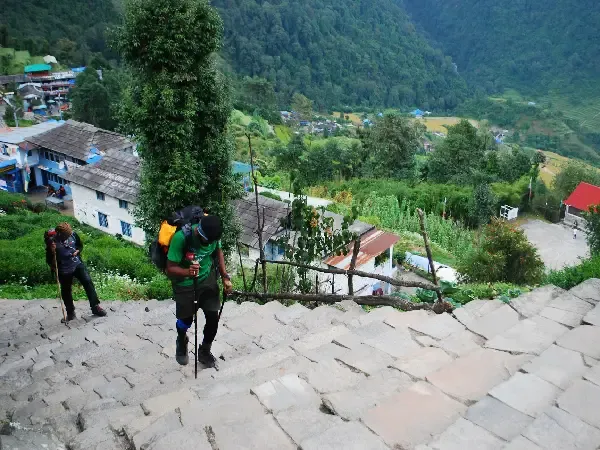
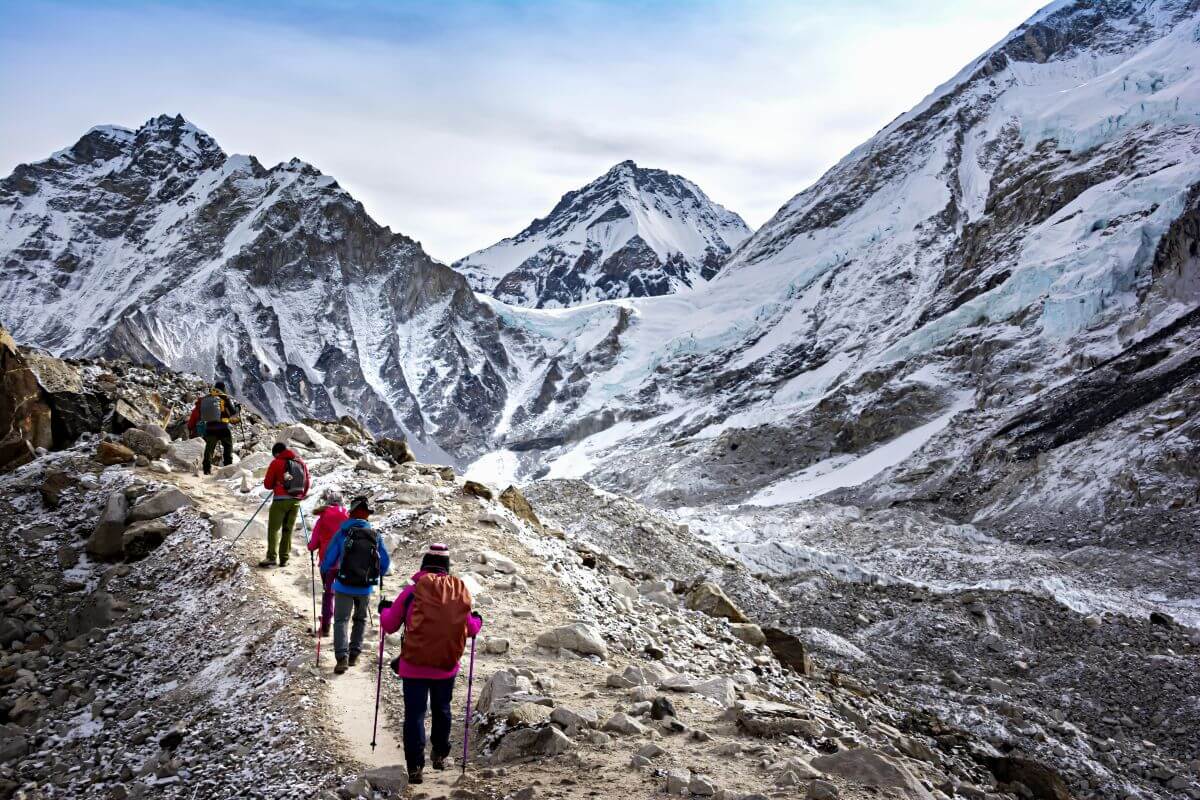
The experience changes a lot as you go higher. The first few days feel more like a normal Himalayan hike, with green hills, rivers, suspension bridges and villages. After Namche, the landscape becomes more rugged, the air gets thinner and the walking starts to feel harder.
By Dingboche, Lobuche and Gorak Shep, you can really feel the altitude. You walk slower, take more breaks and start paying more attention to your body. Reaching Everest Base Camp feels rewarding because you know how much effort it took to get there.
For many trekkers, the early-morning walk to Kala Patthar is another highlight. It is cold and tiring, but the mountain views at sunrise make it worthwhile.
How Difficult Is the Everest Base Camp Trek in 2027?
EBC is challenging, but you don't need to be an athlete to do it. The bigger challenge is walking for several days while your body adjusts to high altitude.
Fitness helps, especially with the long climbs, but it doesn't guarantee that you'll handle altitude well. That's why going slowly, taking acclimatization days and listening to your guide are so important.
Regular walking, hiking, stair climbing and some strength training before the trip can make the experience much easier.
What Is the Biggest Surprise for First-Time EBC Trekkers?
For many first-timers, the biggest surprise is how much the trek is about the journey rather than just Base Camp.
People often remember Namche, the Sherpa villages, suspension bridges, monasteries and the changing mountain scenery just as much as reaching Base Camp.
Another surprise is the altitude. A short climb can feel much harder at 4,000–5,000 meters than it would at home.
And don't expect a luxury holiday. The higher you go, the simpler the food, rooms, bathrooms and other facilities become.
What Happens If You Can't Reach Everest Base Camp?
Not everyone reaches Base Camp, and that's important to understand before starting.
If someone develops serious altitude symptoms, becomes injured or is simply not able to continue safely, the guide may recommend resting or descending to a lower altitude. In serious situations, evacuation may be necessary.
It can be disappointing after spending so much time and money on the trip, but getting back safely is more important than reaching a particular point on the map.
What Are the Most Important Things to Know Before Booking EBC?
Don't underestimate the altitude.
Look carefully at the itinerary and make sure it has proper acclimatization days. Ask what happens if you need an extra rest day or if bad weather affects your flights.
Also ask exactly what is included in the price and who will be guiding you.
And most importantly, don't choose a trekking company only because it is the cheapest.
Everest Base Camp Trek: Pros and Cons Based on Real Experiences
| Pros | Cons |
|---|---|
| Incredible mountain views | High altitude |
| Amazing sense of achievement | Long walking days |
| Sherpa culture | Cold temperatures |
| Beautiful villages | Basic accommodation |
| Unforgettable experience | Flight delays |
| Kala Patthar sunrise | Crowds in peak season |
The important thing is to have realistic expectations. What feels like a disadvantage to one person can be part of the adventure for another.
Would Trekkers Do the Everest Base Camp Trek Again?
This was one of the most interesting things we noticed in the reviews.
Even people who talked about altitude, cold, exhaustion and uncomfortable accommodation often said they would do the trek again.
Some wanted to return for another route, while others simply wanted to experience the Everest region again.
That probably tells you more about the trek than a five-star review does.
Who Is the Everest Base Camp Trek Really For?
EBC is a good choice if you enjoy mountains, hiking, adventure and challenging yourself.
You don't need to be an expert trekker, but you should be prepared for long walking days, high altitude and basic mountain accommodation.
If you expect luxury, hate cold weather or aren't willing to prepare physically, you may find the experience difficult.
Is Everest Base Camp Trek Worth It in 2027? Our Final Verdict
Yes, but it depends on what you're looking for.
If you want a comfortable holiday, EBC probably isn't for you.
But if you're looking for an adventure, incredible Himalayan scenery, Sherpa culture and the satisfaction of completing something genuinely challenging, the experiences we reviewed suggest that it is absolutely worth it.
The difficult days are real. So are the cold mornings, tired legs and basic teahouses.
But for many trekkers, those are exactly the things that make reaching the destination feel so rewarding.
Go prepared, respect the altitude, choose your trekking company carefully and enjoy the journey, not just the destination.