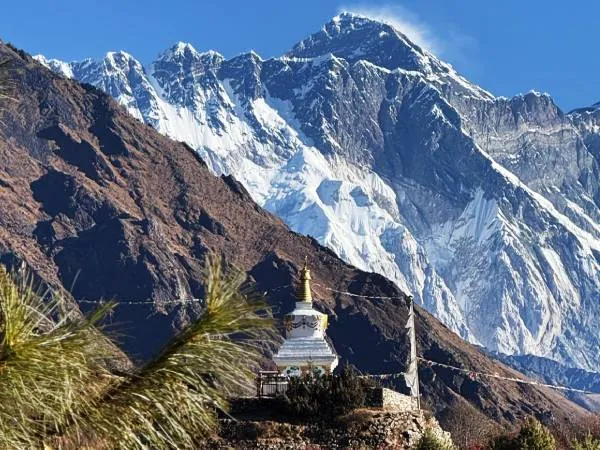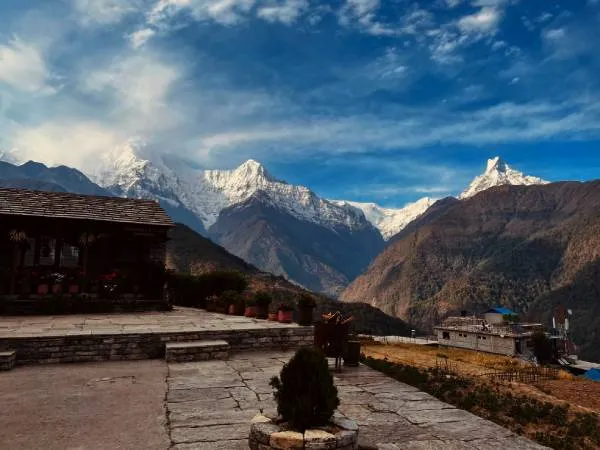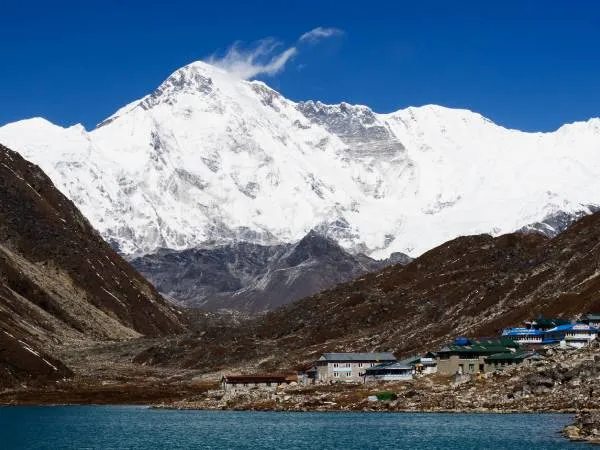

Planning your Everest Base Camp Trek in Nepal? If you’re looking for the right packing list, you’re in the right place. I’m Dhirendra Kumar Mukhiya, a travel blogger and trekking professional who has reached Everest Base Camp more than 100 times with Adventure Vision Treks. In this guide, I’ll share the essential gear, clothing, footwear, and other items you need for a safe and comfortable trek.
What Should You Pack for the Everest Base Camp Trek?
Your Everest Base Camp Trek packing list should include clothing for different temperatures, comfortable trekking footwear, a sleeping bag, personal toiletries, basic first-aid supplies, sun protection, electronics, water bottles, important documents, and a few useful trekking accessories. For the quick scan I have made a table below and kept the required essentials and check lists.
| Category | Essential Items |
|---|---|
| Clothing | Base layers, fleece, down jacket, waterproof jacket, trekking pants, thermal underwear |
| Head & Hands | Beanie, sun hat, gloves, buff |
| Footwear | Waterproof trekking boots, trekking socks, camp shoes |
| Sleeping | Warm sleeping bag, sleeping bag liner |
| Bags | Daypack, duffel bag, rain cover, dry bags |
| Toiletries | Toothbrush, toothpaste, toilet paper, wet wipes, sanitizer, towel |
| Health | Personal medicines, first-aid kit, blister treatment, electrolytes |
| Sun Protection | Sunglasses, SPF 50 sunscreen, SPF lip balm |
| Electronics | Phone, camera, charger, power bank, headlamp |
| Hydration | Water bottles, hydration bladder, purification tablets/filter |
| Documents | Passport, copies, insurance documents, permits |
| Accessories | Trekking poles, packing cubes, extra water bottle |
What Clothes Do You Need for trekking to Everest Base Camp?
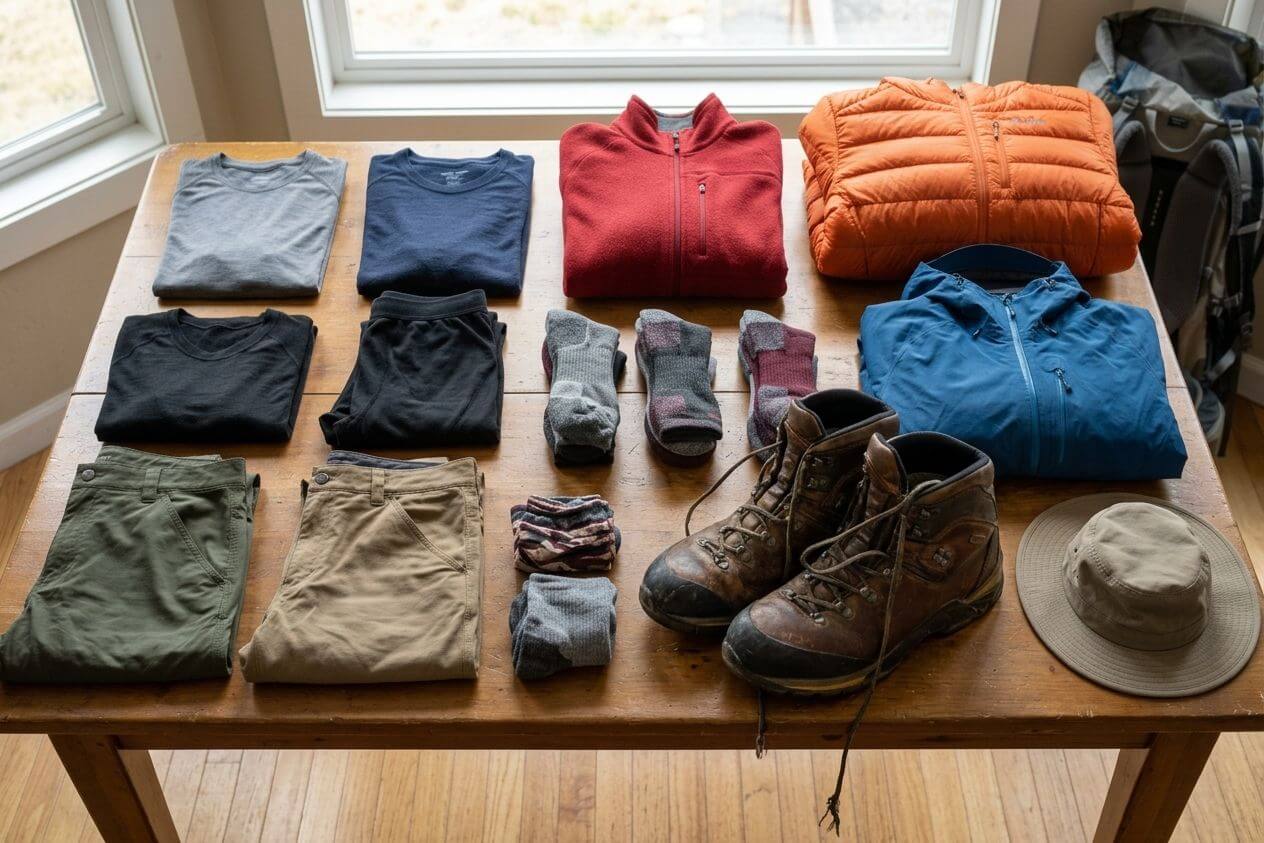
The clothes that are required for trekking to Everest base camp are not the heavy jackets and shoes but the clothes that are in layer which can be added or removed as the weather and temperatures.
Base Layers
When you are walking on the trail its important for you to have the base layers. You can bring one or two moisture-wicking base-layer top which will keep your sweat away from your skin when you are on the hike. You can get the synthetic or merino wool layers which will dry faster in the air.
Thermal underwear
Its important for you to have the thermal underwear for the both tops and bottoms as it’s important to tackle the cold morning and nights at the high altitude above 3000 meters where the air is cold and dry.
Fleece jacket
You will also require the fleece jacket during the journey because it acts as the middle wear and provides you warmth.
Down or insulated jacket
After the fleece jacket its important for you to have the down jacket or sometimes its also called as the insulated jackets. Please keep in mind that it is the most important clothing for your EBC journey because the temperatures can drop significantly after sunset and above 3000 meters which is normally above the Namche Bazaar.
Waterproof jacket
You shall also have the water proof jacket because it will protect you from the rain, snow, and wind. A waterproof and breathable jacket is preferable because you can wear it over your fleece and base layer without needing a separate raincoat.
Trekking pants
Bring the trekking pants as well at least the two pairs which would be enough for the trekking to the base camp. Choose lightweight, quick-drying trousers that allow you to move freely. If conditions become colder, wear thermal leggings underneath.
Socks
You shall bring the several pairs of trekking socks for your comfortable hiking. As the high altitude does not have the laundry service your socks might get foul smell its important for you to buy the Merino wool or synthetic hiking socks which is useful because they help manage moisture and keep your feet comfortable during long walking days.
Gloves
Pack a warm pair of gloves. A thin inner glove can also be useful because it allows you to adjust your hand protection without carrying several bulky pairs.
Beanie
A warm beanie is essential for higher elevations and cold evenings.
Sun hat
A lightweight cap or wide-brimmed trekking that protects your face and head from strong sunlight.
Buff
A buff or neck gaiter is a small but versatile item. You can use it around your neck, over your face in dusty conditions, or under your hat for additional warmth.
What Footwear Is Best for Everest Base Camp?
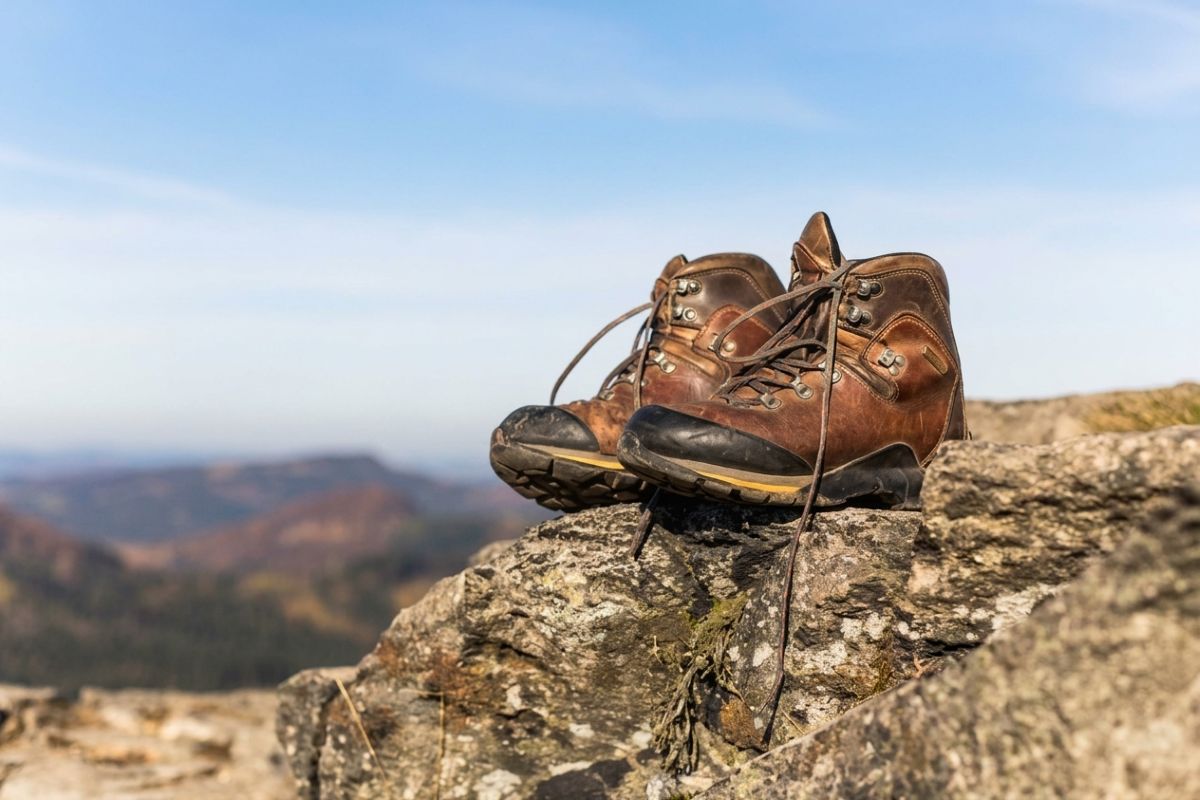
When you are walking to the Everest base camp its important for you to have the footwear which are comfortable and have the proper grip so that you can walk comfortably on the different trail conditions such as the rocky, uneven, and sometimes slippery terrains.
You can buy rent these shoes in the Kathmandu rather than buying if your journey will be only once in Nepal but if you are planning different trekking trails as well such as the Manaslu Circuit, Langtang valley or any other treks then its important for you to buy it as it would be a good choice.
You shall also buy a Camp shoes or sandals as you will require inside the tea house.
Do you need crampons for journey to Everest?
No, you will not require the mountaineering level crampons for the journey to Everest. However, winter and heavy snowfall can change trail conditions. Your guide or trekking company should advise you if additional traction equipment is necessary for your particular departure for EBC.
What Backpack and Bags Do You Need?
You will require two bags for your adventure which are the Back packs of the 25 to 35 litre which will be carried by you on your bag and walk that will contain your electronic items, important documents such as the permits, passports and visas.
And another pack you require is the Duffel bags which are generally provided by the trekking companies you choose and it is mostly of 50–70 liter and carried by the porter generally where your clothing and personal items are kept. The porter will not be walking with you carrying your bags instead he or she would take your bags and transfer it to the tea house where you will be staying every day.
Do You Need a Sleeping Bag for Everest Base Camp?
Yes, you will need a sleeping bag for Everest base camp and bringing a warm sleeping bag is strongly recommended. Teahouses provide beds and blankets, but nights become very cold as you gain altitude. A good sleeping bag provides an additional layer of warmth and makes sleeping more comfortable.
Tip: A sleeping bag is recommended for the standard Everest Base Camp Trek, as teahouse rooms can be cold at night and blankets may not always be sufficient. However, if you are joining our Luxury Everest Base Camp Trek, you do not need to bring a sleeping bag, as the rooms are heated and heated blankets are provided.
What Toiletries and Personal Items Should You Pack?
When you are on your adventure its important for you to bring the toiletries as well as you will be moving every day. Bring your toothbrush, toothpaste, toilet paper, wet wipes, hand sanitizer, quick dry towel, small soap, moisturizer, Lip balm, personal hygiene products.
Tip: If you are a female trekker then its important for you to bring Menstrual pads, Tampons, Menstrual cups, Period underwear and the Pantyliners as at the high altitude these items might not be available and it might affect your experience so bring it from the city.
What Medicines and First-Aid Items Should You Take?
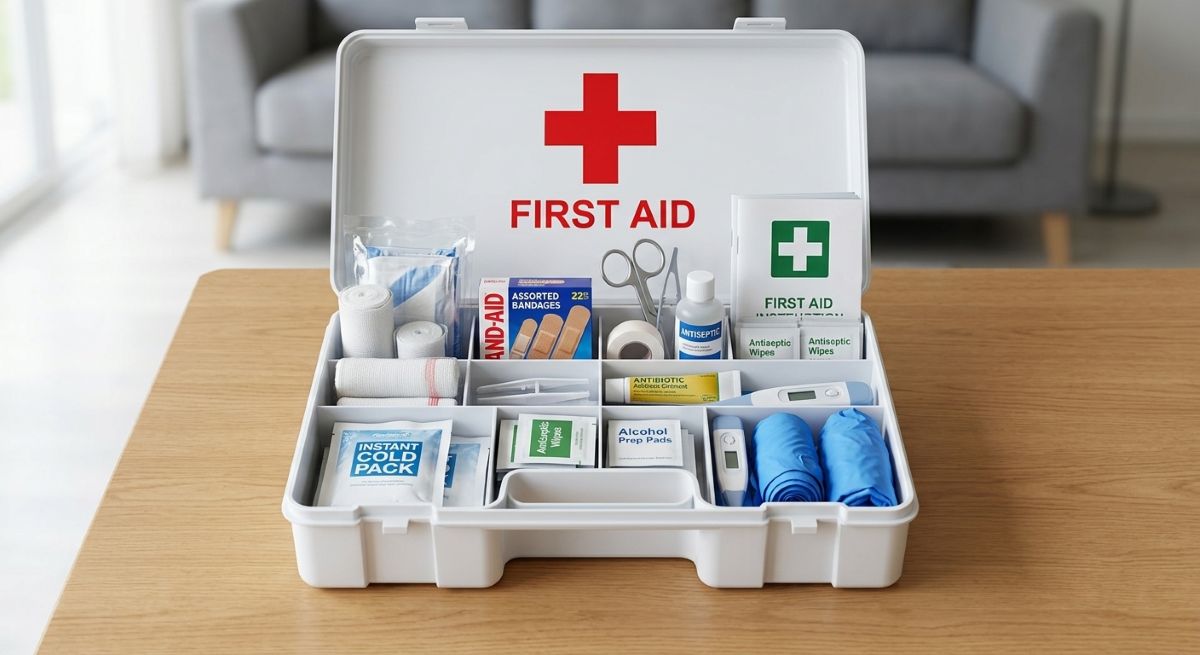
When you are on the Everest journey its important for you to bring the First aid items as mountains are unpredictable. You shall bring the personal prescription medication if any, Blister plasters, Bandages, Medical tape, Antiseptic wipes, Basic pain relief, ORS/electrolytes, Personal stomach medication.
Tip: Please keep in mind that expect your personal medical prescription other first items listed above will be provide by the trekking companies whose package you have choose and guide carries it in case of emergencies.
What about altitude sickness medication?
When you are trekking to the highest altitude of 5545 meters and 5364 meters its important for you to have concern about the altitude sickness and its medications.
You will mainly use the acetazolamide (Diamox) in case of altitude sickness however to avoid it you shall also consider a sensible itinerary, gradual ascent, adequate rest, hydration, and recognizing altitude-sickness symptoms. You can read our blog on the topic which explains how to trek on the high altitude without getting any kinds of altitude related sickness.
What Electronics Do You Need for Everest Base Camp?
You do not need to carry a complete electronics collection to the Himalayas as it’s the mountains and it shall make your experience worth it rather than relying on the electronic items and using it. However, if you still want to take it, please keep the items such as the Smartphone, Camera, Camera batteries, Phone charger, charging cables, Power bank, Headlamp, Universal travel adapter and keep these items inside the waterproof pouch or dry bag.
What Sun Protection Do You Need?
Sun protection is particularly important at high altitude. Your skin and eyes are exposed to strong sunlight during long days on the trail, and snow can increase glare. So, pack Good-quality UV-protection sunglasses, SPF 50+ sunscreen, SPF lip balm, Sun hat, Buff or face covering.
How Much Water Should You Carry on the Everest Base Camp Trek?
You should have enough water capacity for the walking conditions and refill opportunities along your route without unnecessarily overloading yourself. You can use the water bottle of 2/3 litres and refill it when ever required. Please keep in mind that the mineral water costs higher on the mountains.
So, you can refill it at your tea house or the place you are having your lunch. In case you are filling the water from the taps available on the trail please use the Water purification tablets or the Water filter for the safe drinking.
What Documents and How Money Do You Need?
You will require the Passport, Passport copies, Travel insurance documents, EBC Trekking permits, Emergency contact information, Lukla Flight details, Hotel information and some cash which can fulfil your daily requirements. You will not need to pay for the accommodations, foods and other things if you are taking the EBC package still you will require some cash to pay for the Wifi, charging, for buying any souvenir, or tipping to the guide and porters.
You can carry around 200 to 300 USD but convert it into Nepali cash for the comfortable journey as the cash as there no ATMs available on the high altitude mountains.
What Should You Pack for Everest Base Camp in Different Seasons?
Your core packing list does not need to change completely with the Everest base camp seasons. What changes most is the amount of emphasis you put on waterproofing, warmth, and cold-weather equipment.
Everest Base Camp Packing List in Spring
When you are packing for the Everest base camp in spring which lies in the month of March to May you shall focus on the Layering, Warm clothing for higher elevations, Sun protection, A waterproof outer layer, Comfortable trekking boots, Warm sleeping equipment and many more.
Everest base camp packing list in Autumn
When you are packing for the Autumn in the month of September to November you shall mainly focus on Fleece, Down jacket, Thermal layers, Warm socks, Gloves, Beanie, Sleeping bag and sun protections along with the Nepali traditional wears as it’s the time of Dashain and Tihar and when you are on the trail most probably local Nepali would invite you for celebrating and putting tika with them.
Everest Base Camp Packing list in Winter
As you know winter is cold and harsh in the mountains and temperatures drops to mins degree its important for you to pack the items especially for the winter along with the core packing lists. And you shall mainly focus on the Warm down/insulated jacket, Thermal base layers, Warm gloves, Good-quality sleeping bag, Warm socks, Beanie, waterproof outer layer, Suitable trekking boots and carry the crampons as well as there would be high chance of snowfall and you would need to walk on the snows and slippery trails.
Everest Base Camp Packing list for Monsoon
As you know the Everest base camp in Monsoon during the month of June, July and August there is high rainfall, landslides, and the trails are slippery you shall focus your packing list according to it.
Your main focus shall be keeping your items safe and dry and your self dry as well to avoid any kinds of sickness. So, carry the items such as the Waterproof jacket, Backpack rain cover, Dry bags, Quick-drying clothes, Extra socks and the Waterproof footwear. Also keep your itinerary flexible as it’s the off seasons in EBC.
What Should You Buy and What Can You Rent in Kathmandu?
You do not have to purchase every piece of equipment before traveling to Nepal. Kathmandu has trekking shops where common equipment can be purchased or rented. We have also written a blog to guide you for the best trekking shops in Kathmandu for EBC so please check it out as well. And, for the quick scan you check this table.
| Equipment | Buy | Rent |
|---|---|---|
| Trekking boots | ✓ | Not recommended |
| Down jacket | ✓ | ✓ |
| Sleeping bag | ✓ | ✓ |
| Trekking poles | ✓ | ✓ |
| Backpack | ✓ | ✓ |
| Gloves | ✓ | Usually not |
| Trekking socks | ✓ | No |
| Sunglasses | ✓ | N |
Everest Base Camp Trek Packing FAQs
Can I buy trekking gear after arriving in Kathmandu?
Yes. Kathmandu has many trekking shops selling and renting common trekking equipment. However, it is better to arrive with properly fitted trekking boots and personal clothing that you already know are comfortable.
How many pairs of socks should I take to Everest Base Camp?
Around 4–5 pairs of good trekking socks is a practical starting point for many trekkers. Having enough socks to rotate between clean and used pairs is more useful than carrying a large number of ordinary socks.
Should I bring a towel to Everest Base Camp?
Yes. A small quick-drying travel towel is useful and takes very little space in your luggage.
Can I charge my phone and camera on the trek?
Charging is available at many teahouses, although it may cost extra and availability can vary, especially at higher elevations. A power bank is useful as a backup.
Should I bring cash or a card to Everest Base Camp?
Carry Nepalese cash for personal expenses and keep a card as a backup. Cash becomes increasingly important as you travel farther from Kathmandu because banking facilities are limited along the route.
Can I leave extra luggage in Kathmandu?
Yes. Many trekkers leave items they do not need for the trek at their hotel or trekking company's storage facility in Kathmandu. Confirm the storage arrangement before leaving.
What should I keep in my daypack during the trek?
Keep the items you may need while walking: water, snacks, sunscreen, sunglasses, phone, camera, rain jacket, an extra layer, gloves, personal medication, and important valuables.
Is cotton clothing suitable for Everest Base Camp?
Cotton is not ideal as your main trekking layer because it absorbs moisture and dries slowly. Moisture-wicking synthetic or merino wool clothing is generally more practical for long trekking days.
What is the most commonly forgotten item on the EBC packing list?
Small but important items such as lip balm, sunscreen, spare batteries, a headlamp, water purification supplies, and blister treatment are easy to overlook. Keep these in your daypack rather than burying them inside your main duffel.