
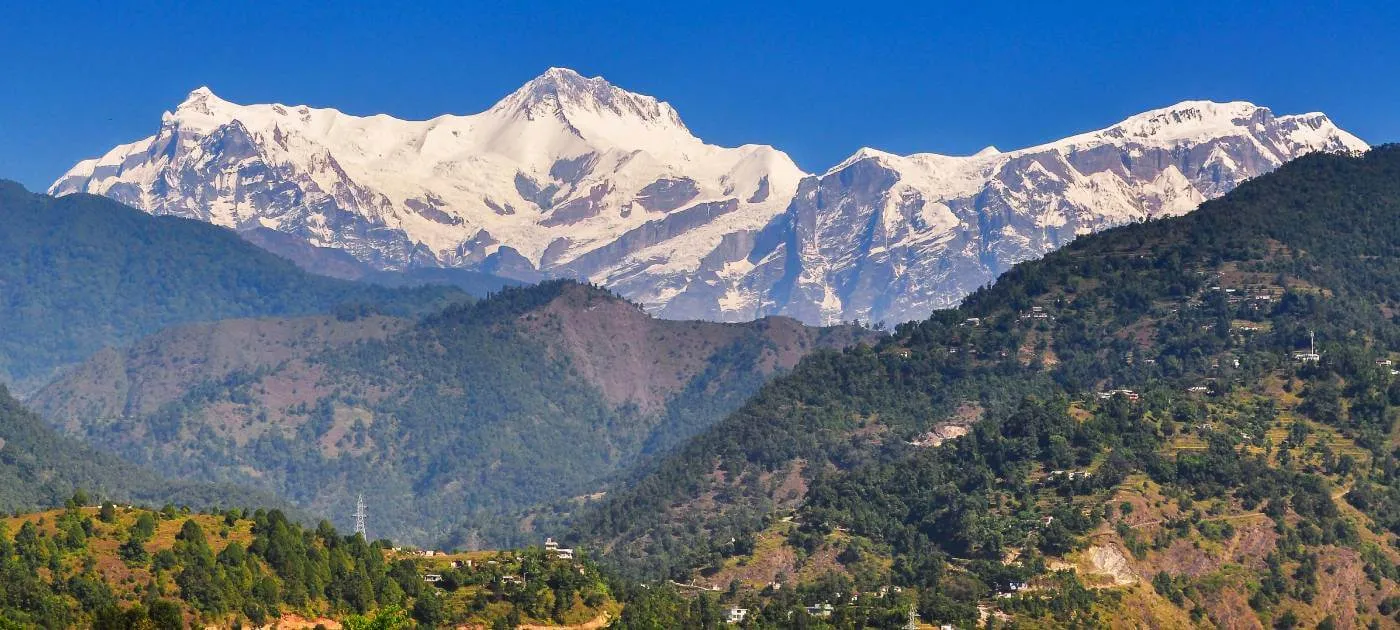
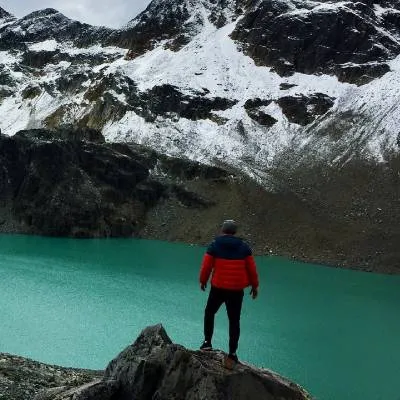
Nepal, a country nestled in the heart of the Himalayas, is not only a paradise for passionate climbers and adventure seekers but also a dream destination for trekkers looking for shorter yet equally breathtaking journeys. Although Nepal is globally famous for legendary trekking routes such as the Everest Base Camp Trek and Annapurna Circuit Trek, the country also offers a wide variety of short treks that are perfect for travelers with limited time, families, beginners, and those who want to experience the Himalayas without committing to long and challenging expeditions.
These shorter trekking routes, often overshadowed by Nepal’s more famous long-distance trails, provide a complete Himalayan experience within a shorter timeframe. They combine magnificent mountain views, beautiful landscapes, traditional villages, diverse cultures, ancient monasteries, and peaceful surroundings. Whether you are an experienced trekker searching for a quick Himalayan escape or a first-time visitor hoping to witness Nepal’s natural and cultural beauty, short treks in Nepal offer unforgettable adventures without requiring weeks of walking.
There are several short treks in Nepal that you can consider if you have limited time or prefer a less physically demanding Himalayan adventure. Here are some of the best short treks in Nepal:
Ghorepani Poon Hill Trek
The Ghorepani Poon Hill Trek is one of the most popular short treks in Nepal and an excellent introduction to Himalayan trekking. Located in the Annapurna region, this trek is ideal for travelers who want to experience breathtaking mountain scenery, traditional villages, and local culture within a short period.
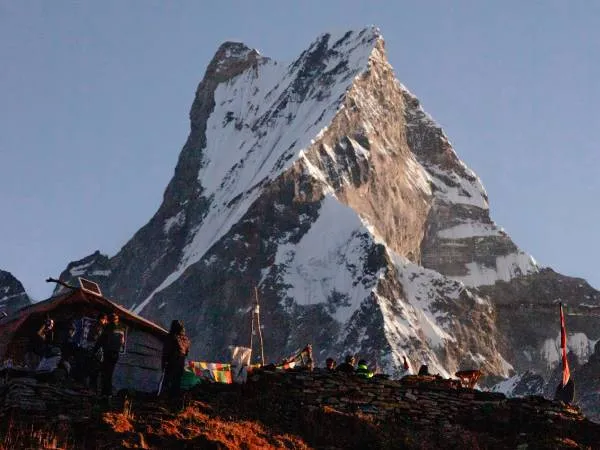
The highlight of this trek is the famous Poon Hill viewpoint, located at an altitude of 3,210 meters above sea level. From here, trekkers can enjoy spectacular sunrise views over some of the highest peaks in the world, including Annapurna, Dhaulagiri, Machhapuchhre (Fishtail), and several other Himalayan giants.
The trail takes you through beautiful rhododendron forests, terraced farmlands, rivers, and charming Gurung and Magar villages. Along the way, trekkers can experience the warm hospitality of local communities while staying in comfortable teahouses.
Usually beginning from Pokhara, the trek follows a scenic route through Tikhedhunga, Ghorepani, and Poon Hill before returning through beautiful mountain landscapes. Despite its shorter duration, the trek offers everything that makes Himalayan trekking special mountain views, cultural experiences, natural beauty, and peaceful surroundings.
The best seasons for the Ghorepani Poon Hill Trek are spring (March to May) and autumn (September to November), when the skies are clear and the weather is comfortable for trekking.
Chisapani Nagarkot Trek
The Chisapani Nagarkot Trek is one of the best short treks near Kathmandu Valley. It is a perfect option for travelers who want to experience Himalayan landscapes without traveling far from the capital city.
This trek combines natural beauty, village experiences, and panoramic mountain views within a short itinerary. The journey begins from Sundarijal, a short drive from Kathmandu, and passes through Shivapuri Nagarjun National Park, dense forests, traditional villages, and peaceful countryside trails.
Chisapani is a beautiful hill station offering magnificent views of the Himalayan range, while Nagarkot is famous for its breathtaking sunrise and sunset views over the mountains. On clear days, trekkers can see peaks such as Langtang Lirung, Ganesh Himal, Manaslu, and even parts of the Everest range.
The trek also provides an opportunity to experience the lifestyle of rural Nepalese communities, including Tamang and Brahmin villages. Since the walking distances are moderate and the altitude remains relatively low, it is suitable for beginners and families.
Dhampus Sarangkot Trek
The Dhampus Sarangkot Trek is a short and scenic trekking route near Pokhara that offers incredible mountain views, cultural experiences, and peaceful village trails.
Starting from Pokhara, the trek takes you through beautiful Gurung villages, green forests, and terraced farmlands. Dhampus village is famous for its traditional lifestyle and stunning views of the Annapurna mountain range, including Annapurna South, Annapurna III, Machhapuchhre (Fishtail), and Hiunchuli.
The trek continues toward Sarangkot, one of the most popular viewpoints near Pokhara. Sarangkot is famous for its sunrise views, where trekkers can witness the golden morning light illuminating the Himalayan peaks.
This short trek is a great choice for those who want a relaxing Himalayan experience without challenging high-altitude walking. It combines nature, culture, and adventure while allowing enough time to explore Pokhara’s attractions.
Tamang Heritage Trail
The Tamang Heritage Trail offers a unique combination of Himalayan scenery and cultural exploration in Nepal’s Langtang region. Unlike many popular trekking routes that mainly focus on mountain landscapes, this trek highlights the rich traditions, history, and lifestyle of the Tamang people.
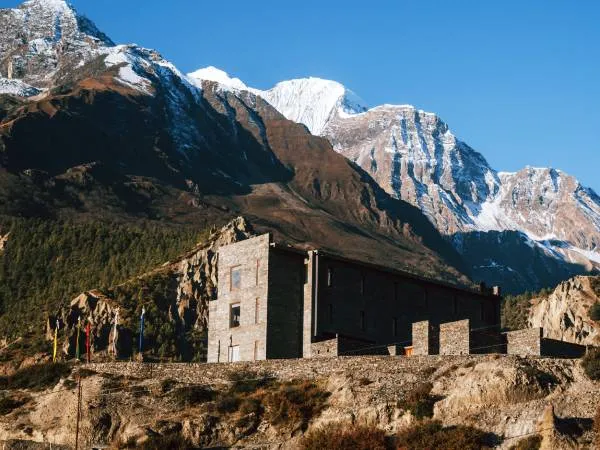
The Tamang community has strong Tibetan cultural influences, and trekkers can experience their ancient traditions, language, architecture, festivals, and daily lifestyle. The trail passes through traditional stone-built villages, ancient monasteries, prayer walls, and houses decorated with beautiful wood carvings.
The natural beauty of the region is equally impressive. During the trek, travelers can enjoy views of magnificent peaks such as Langtang Lirung, Ganesh Himal, and other Himalayan ranges. The trail passes through lush forests, terraced fields, alpine landscapes, and natural hot springs where trekkers can relax after a day of walking.
One of the highlights of the Tamang Heritage Trail is the opportunity to interact closely with local communities. Visitors may experience traditional dances, local celebrations, and authentic Nepalese mountain hospitality.
This trek is an excellent choice for travelers who want to explore Nepal beyond mountains and experience the deep cultural heritage of the Himalayas.
Mardi Himal Trek
The Mardi Himal Trek is one of Nepal’s most popular short trekking routes in the Annapurna region. It is an excellent alternative for travelers who want incredible Himalayan views while avoiding the crowds of some of Nepal’s more famous trekking routes.
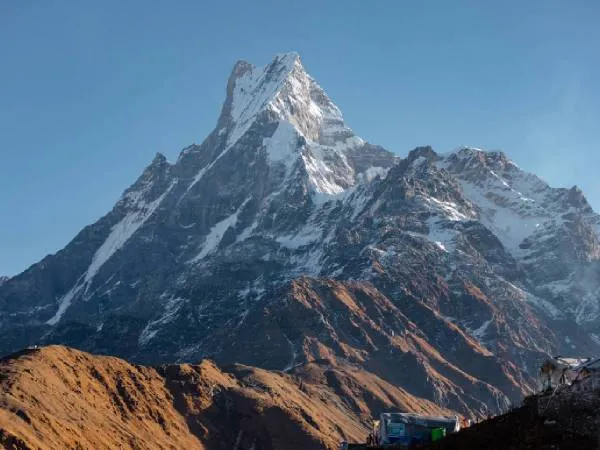
The trek takes you through beautiful forests, traditional villages, and alpine landscapes before reaching Mardi Himal Base Camp. The viewpoint offers breathtaking views of Machhapuchhre (Fishtail), Annapurna South, Hiunchuli, and the surrounding Himalayan peaks.
Although the trek is short, it provides a diverse experience, starting from lower green landscapes and gradually moving into high mountain terrain. The peaceful trails, beautiful scenery, and close-up mountain views make it a favorite among both beginner and experienced trekkers.
Why Choose Short Treks in Nepal?
Short treks in Nepal are becoming increasingly popular because they provide an opportunity to experience the Himalayas without requiring extensive preparation or long holidays. Some major benefits include:
- Suitable for beginners and first-time trekkers
- Require less time compared to longer Himalayan expeditions
- Lower overall trekking costs
- Less physically demanding
- Opportunity to experience local culture and traditions
- Amazing mountain views within a short period
- Flexible itineraries suitable for different age groups
Best Time for Short Treks in Nepal
Nepal is a year-round trekking destination, and short treks can be enjoyed in different seasons depending on the type of experience you are looking for. However, choosing the right time is important because weather conditions, mountain visibility, trail quality, temperature, and crowd levels can greatly influence your trekking experience.
The two most popular and recommended seasons for short treks in Nepal are spring (March to May) and autumn (September to November). These seasons offer the most stable weather, clear mountain views, and comfortable trekking conditions. However, winter and monsoon also have their own unique advantages for travelers who prefer quieter trails or different natural experiences.
Spring (March to May) – A Season of Flowers and Clear Mountain Views
Spring is one of the most beautiful times for short trekking in Nepal. During this season, the Himalayan landscapes become colorful as rhododendron forests begin to bloom, covering the hillsides with shades of red, pink, and white. The pleasant weather, comfortable temperatures, and fresh natural surroundings make spring an excellent time for both beginners and experienced trekkers.
During March, the mornings and evenings can still feel slightly cold, especially in higher areas, but temperatures gradually become warmer as April and May approach. The lower trekking regions experience comfortable daytime temperatures, while higher viewpoints remain cool and refreshing.
One of the biggest attractions of spring trekking is the excellent visibility of the Himalayan mountains. On clear days, trekkers can enjoy breathtaking views of peaks such as Annapurna, Dhaulagiri, Langtang Lirung, Machhapuchhre (Fishtail), and other Himalayan ranges. The combination of blooming flowers, green forests, traditional villages, and snow-covered peaks creates some of the most beautiful trekking scenery of the year.
Short treks like the Ghorepani Poon Hill Trek, Mardi Himal Trek, Dhampus Sarangkot Trek, and Chisapani Nagarkot Trek are especially enjoyable during spring because the trails are filled with natural beauty and comfortable walking conditions.
Although spring is an excellent trekking season, it is also becoming increasingly popular. Famous trekking routes can become busy during April and May, so travelers who prefer quieter experiences should consider less crowded trails or plan their accommodation in advance.
Spring is the ideal season for travelers who want to enjoy colorful landscapes, pleasant weather, photography opportunities, and spectacular Himalayan views.
Autumn (September to November) – The Best Season for Himalayan Trekking
Autumn is widely regarded as the best trekking season in Nepal. After the monsoon rain ends, the atmosphere becomes clean and fresh, removing dust and haze from the air. This results in some of the clearest mountain views of the entire year.
The weather during autumn is stable, with warm days, cool mornings, and minimal rainfall. The trails are usually dry and comfortable, making trekking easier and safer. The clear blue skies provide perfect conditions for viewing the Himalayan peaks, sunrise, and sunset.
Short treks during autumn offer some of the most rewarding experiences because every aspect of the journey becomes more enjoyable. The mountain views are spectacular, villages look vibrant, and the trekking environment is comfortable. Routes such as the Ghorepani Poon Hill Trek, Tamang Heritage Trail, Mardi Himal Trek, and Langtang Valley short treks attract many travelers during this period.
Autumn also coincides with some of Nepal’s biggest cultural festivals, including Dashain and Tihar. Trekkers traveling during this season may have the opportunity to witness traditional celebrations, local customs, and the unique lifestyle of Nepalese communities.
The only disadvantage of autumn trekking is that it is the busiest season. Popular trekking destinations can become crowded, especially in October and early November. However, the excellent weather and breathtaking views make it the preferred season for most international visitors.
Autumn is the perfect choice for travelers who want the highest chance of clear mountain views, comfortable weather, and the best overall trekking experience.
Winter (December to February) – Quiet Trails and Beautiful Mountain Scenery
Winter trekking in Nepal provides a completely different experience compared to spring and autumn. Although temperatures become colder, many short treks at lower and moderate elevations remain accessible and enjoyable.
One of the biggest advantages of winter trekking is the peaceful atmosphere. Since fewer travelers visit Nepal during this season, the trails are quieter, teahouses are less crowded, and trekkers can enjoy a more relaxed journey. The clear winter skies often provide excellent mountain visibility, making it a great season for photography.
Short treks around Kathmandu and Pokhara, such as the Chisapani Nagarkot Trek, Dhampus Sarangkot Trek, and Ghorepani Poon Hill Trek, can still be completed during winter. The daytime temperatures are usually comfortable for walking when the sun is out, although mornings and evenings can become very cold.
Higher-altitude short treks may experience snowfall, and some routes can become more challenging due to freezing temperatures. Proper winter clothing, warm sleeping arrangements, and good preparation are necessary for a comfortable experience.
Winter is especially suitable for travelers who enjoy peaceful trails, fewer crowds, clear mountain views, and a more private Himalayan experience.
Monsoon (June to August) – Green Landscapes and Fewer Travelers
The monsoon season is generally considered the least favorable time for trekking in Nepal, especially for high-altitude routes. Heavy rainfall can make trekking trails muddy and slippery, while clouds and rain can sometimes block mountain views.
However, monsoon does not completely stop trekking activities. Lower-altitude short treks can still be enjoyable because the countryside becomes incredibly green and beautiful. Forests become fresh, waterfalls become more powerful, and agricultural fields appear vibrant during this season.
Treks near Kathmandu and Pokhara, including some village-based hiking routes, can still be done with proper preparation. Travelers who do not mind occasional rain can enjoy peaceful trails with very few tourists around.
The monsoon season is also a good time for exploring rain-shadow areas such as Mustang, where rainfall is much lower compared to other parts of Nepal.
The main challenges during monsoon trekking are unpredictable rainfall, slippery paths, possible leeches in forest areas, and limited mountain visibility. However, for travelers who appreciate lush landscapes, local culture, and quiet trails, monsoon can still provide a memorable experience.
Which Season Should You Choose for Short Treks in Nepal?
The best time for short treks in Nepal depends on your personal preference and the type of experience you want.
If your priority is clear Himalayan views, comfortable weather, and the best trekking conditions, autumn (September to November) is the ideal choice. If you want to see colorful forests, blooming rhododendrons, and enjoy pleasant temperatures, spring (March to May) is highly recommended.
Travelers who prefer fewer crowds and peaceful trails can consider winter (December to February), while those who enjoy green landscapes and quieter experiences may choose monsoon (June to August) with proper preparation.