
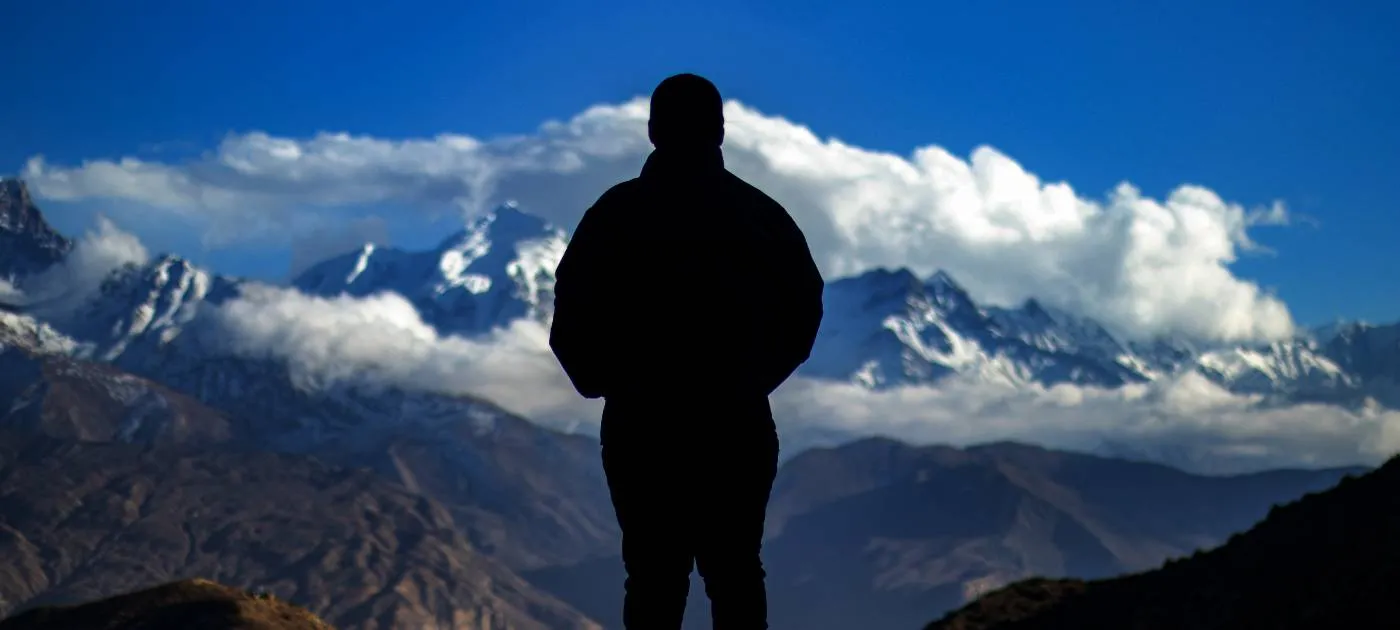

Planning to trek Mardi Himal in just four days? This complete guide covers the itinerary, distance, cost, accommodation, permits, packing list, and practical tips to help you prepare for an unforgettable Himalayan adventure.
Why Choose the Mardi Himal Trek in 4 Days?
If you want to experience the beauty of the Annapurna region without spending weeks on the trail, the 4-day Mardi Himal Trek is an excellent choice. This short trek combines breathtaking Himalayan scenery, peaceful forest trails, traditional Gurung villages, and spectacular ridges into a compact itinerary that suits travelers with limited time.
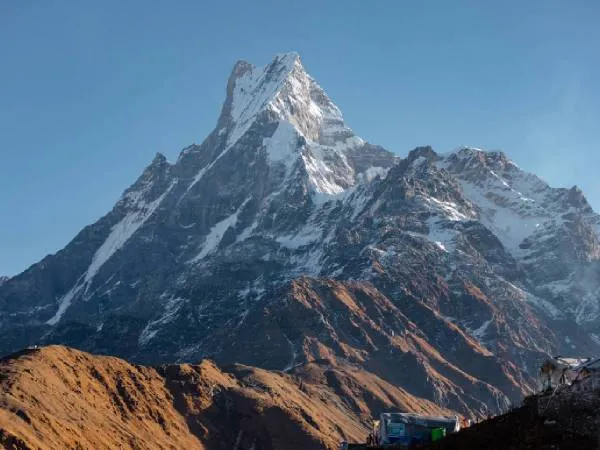
Unlike busier trekking routes such as Annapurna Base Camp or Everest Base Camp, Mardi Himal offers a quieter and more peaceful experience. As you climb higher, the dense rhododendron forests gradually give way to open ridgelines with uninterrupted views of Machhapuchhre (Fishtail), Annapurna South, Hiunchuli, Gangapurna, and several other snow-capped peaks.
The trail is moderately challenging but does not require technical climbing skills, making it suitable for reasonably fit beginners as well as experienced trekkers looking for a short Himalayan adventure. In just four days, you can witness incredible mountain sunrises, stay in cozy teahouses, and reach the Mardi Himal Viewpoint or Base Camp before returning to Pokhara.
Can You Complete the Mardi Himal Trek in 4 Days?
Yes, you can comfortably complete the Mardi Himal Trek in four days if you maintain a steady pace and begin your trek from Kande or Phedi near Pokhara. Many trekking agencies also offer this itinerary because it efficiently covers the highlights without feeling overly rushed.
A four-day itinerary usually includes trekking from Pokhara to Forest Camp on the first day, continuing to High Camp on the second day, hiking to Mardi Himal Viewpoint or Base Camp on the third day, and descending to Siding Village before driving back to Pokhara on the final day.
Although the schedule is more demanding than a five- or six-day trek, most healthy trekkers with a moderate level of fitness can complete it successfully.
Overview of the 4-Day Mardi Himal Trek
The Mardi Himal Trek is one of Nepal's most rewarding short trekking adventures. Located in the Annapurna Conservation Area, the trail follows lush forests, alpine meadows, and narrow mountain ridges before reaching one of the best viewpoints in the Annapurna region.
The trek begins with a short drive from Pokhara to Kande or Phedi and gradually climbs through Forest Camp, Low Camp, Badal Danda, and High Camp. From High Camp, trekkers hike early in the morning to Mardi Himal Viewpoint or Mardi Himal Base Camp before descending to Siding Village and driving back to Pokhara.
Although the trek lasts only four days, it offers an unforgettable combination of mountain scenery, peaceful trails, comfortable teahouses, and authentic Himalayan culture.
Trek Duration
The Mardi Himal Trek takes four days to complete on this itinerary. During this time, you will spend approximately five to eight hours walking each day, depending on the trail conditions, weather, and your pace.
Total Distance
The complete trekking distance ranges from approximately 40 to 45 kilometers, depending on your starting point and whether you hike to Mardi Himal Base Camp or stop at the Upper Viewpoint.
Maximum Elevation
The highest point of the trek is Mardi Himal Base Camp at approximately 4,500 meters (14,764 feet) above sea level. Many trekkers also visit the Upper Viewpoint, located at around 4,200 meters, which already offers spectacular panoramic mountain views.
Starting and Ending Point
The trek usually begins after a one-hour drive from Pokhara to Kande or Phedi. After completing the trek, you descend to Siding Village, where you take a jeep back to Pokhara.
Difficulty Level
The Mardi Himal Trek is considered moderately difficult. The trails are well-established, but several sections involve steep uphill climbs and long descents. Good physical fitness and regular walking before your trip will make the trek much more enjoyable.
Detailed 4-Day Mardi Himal Trek Itinerary
Day 1: Pokhara to Forest Camp
Your journey begins with a short drive from Pokhara to Kande, the starting point of the trek. From Kande, the trail climbs steadily through beautiful rhododendron forests, stone staircases, and traditional mountain villages before reaching Australian Camp.
After enjoying your first views of the Annapurna range, you continue through Deurali and enter dense forests filled with oak, maple, and rhododendron trees. The peaceful atmosphere and cool mountain air make this section especially enjoyable.
After trekking for approximately five to six hours, you arrive at Forest Camp, where you spend your first night in a traditional teahouse surrounded by forest.
Day 2: Forest Camp to High Camp
The second day takes you higher into the mountains as you leave the forest behind and begin climbing toward Low Camp. Along the way, the trees gradually become thinner, revealing magnificent views of Machhapuchhre, Annapurna South, and Hiunchuli.
From Low Camp, you continue through Badal Danda, where the landscape transforms into open alpine ridges covered with grasslands and dwarf shrubs. The panoramic mountain scenery becomes more dramatic with every step.
After trekking for six to seven hours, you reach High Camp, where you spend the night preparing for the early morning hike to Mardi Himal.
Day 3: High Camp to Mardi Himal Viewpoint and Base Camp
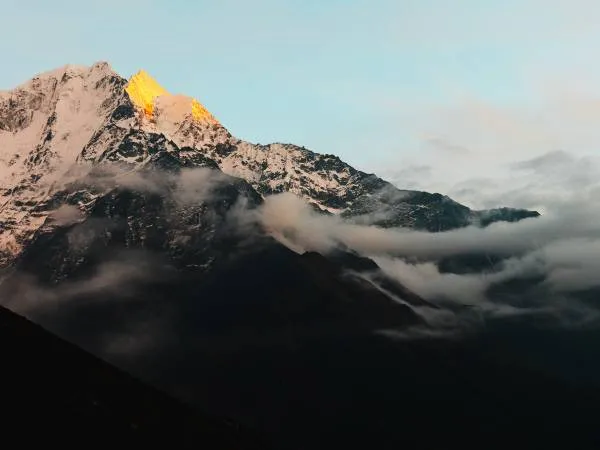
This is the most exciting day of the trek. Before sunrise, you begin climbing along the narrow ridgeline toward Mardi Himal Viewpoint. As daylight appears, the surrounding Himalayan peaks glow in shades of orange and gold, creating one of the most unforgettable mountain panoramas in Nepal.
From the viewpoint, many trekkers continue to Mardi Himal Base Camp at approximately 4,500 meters. The trail becomes steeper and rockier, but the close-up views of Machhapuchhre make every step worthwhile.
After spending time at Base Camp, you return to High Camp for lunch before beginning your descent.
Day 4: High Camp to Siding Village and Drive to Pokhara
On your final day, you descend through forests and traditional villages toward Siding. Unlike the ascent route, this trail passes through quieter settlements where you can experience local mountain life.
After reaching Siding Village, you board a jeep for the drive back to Pokhara, bringing your four-day Himalayan adventure to a memorable conclusion.
Route Map of the 4-Day Mardi Himal Trek
The standard four-day route follows this sequence:
Pokhara → Kande → Australian Camp → Deurali → Forest Camp → Low Camp → Badal Danda → High Camp → Mardi Himal Viewpoint → Mardi Himal Base Camp → High Camp → Siding Village → Pokhara
This route offers the perfect balance of trekking distance, elevation gain, and breathtaking scenery.
How Difficult Is the Mardi Himal Trek in 4 Days?
The four-day Mardi Himal Trek is moderately challenging because it combines continuous uphill climbing with long walking hours and significant elevation gain. Although the trail is well-marked and does not require technical climbing skills, some sections become steep, especially between Low Camp and High Camp.
Most trekkers with average fitness can complete the trek successfully by maintaining a comfortable pace, staying hydrated, and taking regular breaks. Since you reach elevations above 4,000 meters, proper acclimatization and avoiding overexertion are also important for a safe and enjoyable experience.
Best Time to Trek Mardi Himal in 4 Days
You can trek to Mardi Himal throughout most of the year, but spring (March to May) and autumn (September to November) offer the best overall experience. These seasons bring stable weather, comfortable temperatures, and crystal-clear views of the Annapurna range.
During spring, the trail comes alive with blooming rhododendron forests that cover the hillsides in vibrant shades of red, pink, and white. Daytime temperatures remain pleasant for hiking, and the skies are generally clear enough to enjoy spectacular views of Machhapuchhre, Annapurna South, Hiunchuli, and Mardi Himal.
Autumn is equally popular because the monsoon rains leave the landscape lush and green while the air becomes exceptionally clear. Visibility is often at its best, making this the ideal season for photography and mountain panoramas. The weather remains stable, reducing the chances of rain or snowfall that could disrupt your itinerary.
Winter (December to February) is suitable for experienced trekkers who don't mind cold temperatures and occasional snowfall, while the monsoon season (June to August) brings slippery trails, leeches, and limited mountain views due to frequent clouds and rain.
Permits Required for the Mardi Himal Trek
Before starting the Mardi Himal Trek, you must obtain the necessary trekking permits. Since the trail lies within the Annapurna Conservation Area, all trekkers need an Annapurna Conservation Area Permit (ACAP).
Foreign trekkers also generally require a Trekkers' Information Management System (TIMS) Card, depending on the latest trekking regulations and whether they are trekking independently or with a registered guide. Because trekking rules in Nepal can change, it's best to verify the current permit requirements before your trip or arrange them through a licensed trekking agency.
Carry both your permits throughout the trek, as officials may check them at various checkpoints along the route.
Cost of the 4-Day Mardi Himal Trek
The cost of the Mardi Himal Trek depends on whether you travel independently or book an organized trekking package. On average, budget travelers can complete the trek for USD 180 to USD 350, while guided packages typically range from USD 350 to USD 700 per person.
Your total expenses usually include permits, transportation between Pokhara and the trailhead, accommodation in teahouses, meals, drinking water, guide and porter fees (if hired), travel insurance, and personal expenses such as snacks, charging electronic devices, and hot showers.
Choosing a package often provides better value because it includes logistics, permits, accommodation, transportation, and the services of experienced local guides.
Accommodation and Food During the Trek
The Mardi Himal Trek follows a well-established teahouse route, so you do not need to carry camping equipment. Along the trail, you'll find comfortable family-run lodges that provide basic but clean rooms with twin beds, blankets, and shared bathrooms.
As you climb to higher elevations, accommodation becomes simpler, but the warm hospitality of local hosts makes the experience enjoyable.
The teahouses serve a variety of freshly prepared meals. Dal Bhat, Nepal's traditional rice and lentil dish, is the most popular choice because it provides plenty of energy for trekking. You can also order fried rice, noodles, soups, pasta, momos, pancakes, eggs, potatoes, porridge, tea, coffee, and hot chocolate. Food prices gradually increase with altitude because supplies must be transported by porters or mules.
What to Pack for the Mardi Himal Trek
Packing wisely will make your trek much more comfortable. Bring lightweight clothing that you can layer according to changing temperatures, as mornings and evenings become significantly colder at higher elevations.
Essential items include comfortable trekking boots, moisture-wicking clothing, a warm fleece jacket, a down jacket, waterproof outer layers, gloves, a warm hat, sunglasses, sunscreen, trekking poles, a refillable water bottle, personal medications, toiletries, a headlamp, power bank, and a small first-aid kit.
Avoid overpacking, as carrying unnecessary weight can make the trek more tiring.
Altitude and Acclimatization Tips
Although the Mardi Himal Trek is relatively short, it reaches an elevation of around 4,500 meters, where some trekkers may experience mild symptoms of altitude sickness.
To reduce the risk, walk at a comfortable pace instead of rushing uphill. Drink plenty of water throughout the day, eat regular meals, and avoid excessive alcohol before and during the trek. If you develop symptoms such as severe headaches, dizziness, nausea, or difficulty breathing, descend immediately and seek medical assistance if necessary.
Most trekkers complete the four-day itinerary without any serious altitude-related problems, but listening to your body is always the safest approach.
Transportation to the Trailhead
The Mardi Himal Trek begins with a short drive from Pokhara to either Kande or Phedi, both of which serve as common starting points for the trail.
You can reach these trailheads by private jeep, taxi, or local bus. A private vehicle offers greater comfort and flexibility, while local buses provide a more affordable option for budget travelers.
At the end of the trek, most trekkers descend to Siding Village, where shared or private jeeps transport them back to Pokhara in approximately two to three hours.
Can Beginners Trek Mardi Himal in 4 Days?
Yes, beginners with a reasonable level of fitness can successfully complete the Mardi Himal Trek in four days. The trail does not require technical climbing skills or previous mountaineering experience, making it one of Nepal's most beginner-friendly high-altitude treks.
However, because the itinerary involves several long days of walking and significant elevation gain, preparing with regular hiking, walking, or cardiovascular exercise before your trip will make the experience much more enjoyable.
Hiring an experienced guide can also help first-time trekkers navigate the trail, understand local culture, and stay safe throughout the journey.
Solo Trek vs Guided Trek: Which Is Better?
Both solo and guided trekking offer unique advantages, but your choice depends on your experience, budget, and travel preferences.
Solo trekking provides greater flexibility, allowing you to walk at your own pace and decide where to stop along the trail. However, you are responsible for navigation, permits, accommodation arrangements, and dealing with unexpected situations.
A guided trek offers a more relaxed experience because your guide manages the logistics while sharing local knowledge about the region, culture, wildlife, and mountains. Guides also provide valuable assistance in emergencies and help you communicate with local teahouse owners.
If this is your first trek in Nepal, choosing a guided trek is often the safer and more enjoyable option.
Essential Tips for a Successful 4-Day Mardi Himal Trek
Preparing well before your trek can significantly improve your overall experience. Start training a few weeks in advance by walking regularly or hiking on nearby trails. Wear your trekking boots before the trip to prevent blisters, and pack only the essentials to keep your backpack light.
Carry enough cash because there are no ATMs along the trekking route, and many teahouses do not accept card payments. Begin your hikes early each morning to avoid afternoon clouds and to enjoy the clearest mountain views.
Finally, respect local culture, avoid littering, stay on marked trails, and follow your guide's advice if you are trekking with one.
Common Mistakes to Avoid
Many trekkers underestimate the physical demands of the Mardi Himal Trek. Walking too quickly on the first day often leads to unnecessary fatigue later in the journey.
Another common mistake is packing too much clothing and equipment, which makes the climb more difficult. Some trekkers also forget to carry enough cash, assuming they can use credit cards on the trail.
Ignoring early symptoms of altitude sickness is another serious mistake. If you feel unwell, take your symptoms seriously and descend if necessary.
Lastly, avoid trekking without checking the latest weather forecast, especially during winter and the monsoon season, when trail conditions can change rapidly.
Frequently Asked Questions
Is 4 days enough for the Mardi Himal Trek?
Yes. Four days are enough to complete the standard Mardi Himal Trek if you maintain a steady pace. This itinerary allows you to reach Mardi Himal Viewpoint or Base Camp while enjoying the trek's major highlights before returning to Pokhara.
How many kilometers is the Mardi Himal Trek?
The total trekking distance is approximately 40 to 45 kilometers, depending on your starting point and whether you hike all the way to Mardi Himal Base Camp.
Do I need a guide for the Mardi Himal Trek?
A guide is highly recommended, especially for first-time trekkers. They help with navigation, accommodation, permits, local knowledge, and safety. Depending on Nepal's latest trekking regulations, hiring a licensed guide may also be required for certain trekking routes.
What is the highest point of the trek?
The highest point is Mardi Himal Base Camp, which sits at approximately 4,500 meters (14,764 feet) above sea level. Many trekkers also visit the Upper Viewpoint at around 4,200 meters, which offers outstanding panoramic views.
Is the Mardi Himal Trek suitable for beginners?
Yes. The Mardi Himal Trek is one of Nepal's best short treks for beginners. While it involves several steep climbs, it does not require technical climbing experience. A reasonable level of fitness and proper preparation are usually enough to complete the trek successfully.
What permits do I need?
You need an Annapurna Conservation Area Permit (ACAP). Depending on the latest government regulations, you may also need a TIMS Card or be required to trek with a licensed guide. Always check the current rules before your trip.
What is the best month to trek Mardi Himal?
The best months are April and October. These months usually offer stable weather, pleasant temperatures, clear skies, and excellent visibility of the Annapurna and Machhapuchhre mountain ranges.
How much does the trek cost?
Most trekkers spend between USD 180 and USD 700, depending on whether they trek independently or choose a guided package. The final cost depends on transportation, accommodation, meals, permits, guide and porter services, and personal spending.
Is there mobile network coverage?
Yes, mobile network coverage is available in many sections of the trail through Nepal Telecom (NTC) and Ncell. However, the signal becomes weaker at higher elevations, particularly near High Camp and Mardi Himal Base Camp, and internet access may be slow or unavailable.
Can I charge my phone during the trek?
Yes. Most teahouses offer charging facilities for mobile phones, cameras, and other electronic devices. However, many lodges charge a small fee for electricity, especially at higher elevations. Carrying a fully charged power bank is highly recommended in case charging facilities are unavailable or power outages occur.