
Planning the Everest Base Camp trek often comes with more questions than answers. From how difficult the trail really is, to what it costs, what to pack, and how to deal with altitude, every trekker has doubts before taking the first step toward the Himalayas.
The EBC is one of the most iconic journeys in the world, but it also requires proper preparation and a clear understanding. Small decisions like the right season, gear, or itinerary can make a big difference to your overall experience.
In this guide, we answer the Top 25 Frequently Asked Questions About the Everest Base Camp Trek in a simple and practical way. Whether you are a first-time trekker or planning your next Himalayan adventure, these answers will help you understand everything you need before stepping onto the trail toward the base of the world’s highest mountain.
What is the Everest Base Camp Trek?
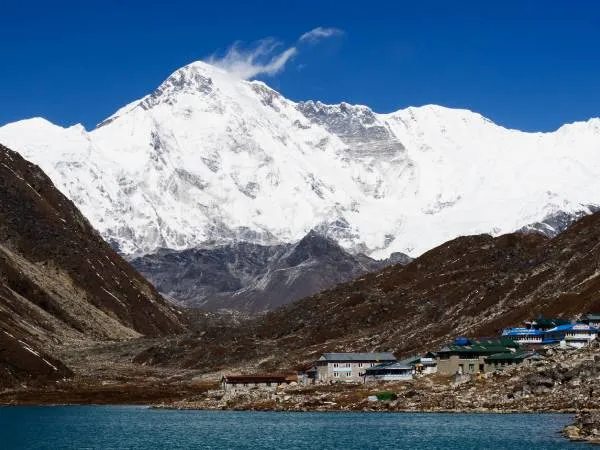
The Everest Base Camp trek is an unforgettable adventure through the Khumbu region of Nepal that takes you to the foot of the world's highest mountain. Along the way you pass through traditional Sherpa villages, cross swaying suspension bridges high above glacial rivers, and walk past ancient monasteries and vast glaciers. It is far more than an ordinary hike. It is a once-in-a-lifetime experience that stays with you long after you return home.
How difficult is the Everest Base Camp Trek?
The Everest Base Camp trek is moderately to highly challenging, but it is achievable for most people with reasonable fitness. If you have some hiking experience and prepare in advance, you can complete it by going at a steady pace, staying patient, and giving your body time to adjust to the altitude.
How many days does the Everest Base Camp Trek take?
The Everest Base Camp trek takes 12 to 14 days to complete on a standard itinerary. It is wise to add a few extra buffer days as well, in case you need additional rest or your Lukla flight is delayed by weather.
What is the best time for the Everest Base Camp Trek?
The best time for the Everest Base Camp trek is during spring (March to May) and autumn (September to November), when the weather is generally mild and the mountain views are at their clearest. Trekking is also possible in summer and winter, but both bring extra challenges, from monsoon rain to bitter cold.
What permits are needed for the Everest Base Camp Trek?
The permits needed for the Everest Base Camp trek are a Sagarmatha National Park entry permit and a local Khumbu region permit. Permit rules and fees can change from year to year, so always confirm the current requirements before you set off, or arrange them through a registered local agency.
How high is Everest Base Camp?
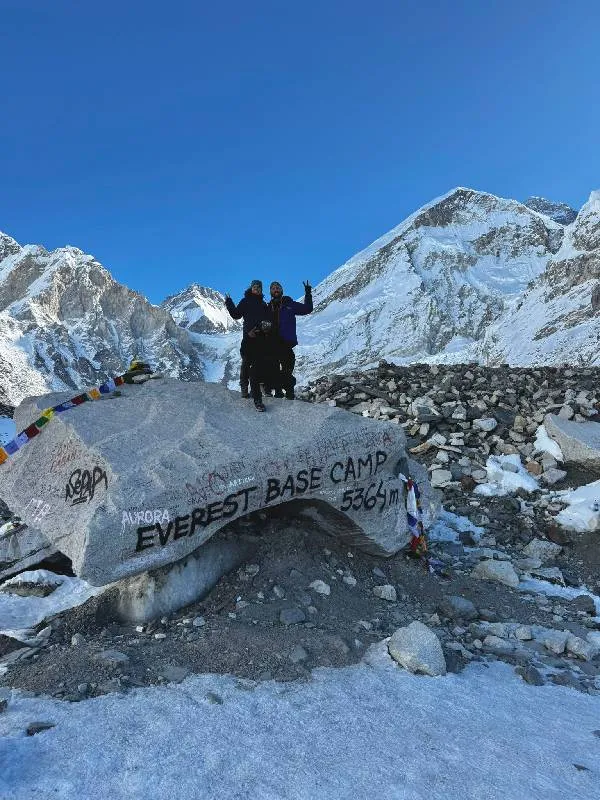
Everest Base Camp sits at 5,364 meters (17,598 feet) above sea level. At this elevation the air is thin and the risk of altitude sickness is real, so it is important to walk slowly, stay hydrated, and take every scheduled acclimatization day.
Can beginners do the Everest Base Camp Trek?
Yes, beginners can do the Everest Base Camp trek. It is not easy, but with good general fitness, a steady pace, and a willingness to listen to your body, first-time trekkers complete it every season. Training with regular walks and some uphill hiking beforehand makes a real difference.
What is the typical Everest Base Camp itinerary?
The typical Everest Base Camp itinerary begins with a flight to Lukla, then follows the trail to Phakding, Namche Bazaar, Tengboche, Dingboche, Lobuche, and Gorak Shep, before the final push to Everest Base Camp. Most routes include an acclimatization day in Namche Bazaar and another in Dingboche. After reaching base camp, you return along much of the same trail back to Lukla.
How much does the Everest Base Camp Trek cost?
The cost of the Everest Base Camp trek depends largely on how you choose to travel. Trekking with a licensed guide and staying in comfortable lodges costs more, while going independently and staying in simple tea houses costs less. Your spending on food, charging, hot showers, and Wi-Fi along the trail also adds up.
What should I pack for the Everest Base Camp Trek?
For the Everest Base Camp trek, you should pack warm layers, sturdy trekking boots, gloves, a down jacket, thermal clothing, sunglasses, sunscreen, a reusable water bottle, basic medicines, toiletries, and a power bank. Choose your items carefully and avoid overpacking, because every extra kilogram becomes a burden over many days on the trail.
Is altitude sickness common on the Everest Base Camp Trek?
Yes, altitude sickness is common on the Everest Base Camp trek. To reduce the risk, ascend slowly, take the scheduled acclimatization days, drink plenty of water, and eat well. If symptoms appear, do not ignore them, as resting or descending is always the safer choice.
Do I need a guide for the Everest Base Camp Trek?
Yes, a guide is strongly recommended for the Everest Base Camp trek, especially for beginners. A good guide helps you navigate the trail, manages logistics, watches for early signs of altitude sickness, and shares insight into the local culture. Experienced trekkers who prefer independence can do the route alone, but a guide adds both safety and depth to the journey.
How many kilometres is the Everest Base Camp Trek?
The Everest Base Camp trek is about 130 km (80 miles) round trip, with the one-way distance from Lukla to base camp covering roughly 65 km (40 miles). On average you walk 10 to 15 km (6 to 9 miles) per day, which usually means 5 to 7 hours of walking at a deliberately slow pace. Two to three acclimatization days are normally built into the schedule.
What are the biggest risks at Everest Base Camp?
The biggest risks at Everest Base Camp are altitude sickness and poor acclimatization. Difficult terrain, changeable weather, and the remoteness of the region are secondary concerns that careful trekkers can manage. Altitude, however, does not always give a second chance, so take every symptom seriously and prepare yourself both physically and mentally.
How cold does it get at Everest Base Camp?
Everest Base Camp can get as cold as around minus 20°C (minus 4°F). Daytime conditions are often comfortable and manageable, but once the sun sets the temperature falls quickly and the nights become bitterly cold. Carrying the right insulated gear and clothing is essential for staying safe at this elevation.
How do Everest climbers use the restroom?
Everest trekkers and climbers use the restroom in different ways depending on altitude. On the way up to base camp, there are proper toilets at tea houses and villages along the trail, and base camp itself has dedicated toilet tents. Higher up the mountain, climbers use pee bottles and sealable waste bags. Because Everest is so cold, human waste does not break down naturally, so climbers are now required to pack it out and dispose of it at designated sites.
How much does food cost on the Everest trek?
Food on the Everest trek costs roughly 25 to 35 US dollars per day. Prices rise the higher you climb, since everything must be carried up by porters or pack animals. Dal bhat, the classic Nepali plate of rice, lentils, and vegetables, usually offers the best value and the most filling meal, and many tea houses include free refills.
How many people fail to reach Everest Base Camp?
Around 5 to 20 percent of trekkers fail to reach Everest Base Camp, while roughly 80 to 95 percent make it, largely thanks to good preparation and discipline. Those who turn back are most often stopped by altitude sickness and poor acclimatization rather than fitness alone.
How can I save money on the EBC trek?
You can save money on the EBC trek by renting or buying quality second-hand gear instead of purchasing everything new. Many trekkers take good care of their equipment and then sell or rent it once their trek is over, so well-maintained used gear is widely available without sacrificing quality. Traveling in a small group and choosing simpler tea houses also helps keep costs down.
Can I see Mount Everest from Everest Base Camp?
No, you cannot see the summit of Mount Everest from Everest Base Camp itself, because it is hidden behind the neighbouring peaks of Nuptse and Lhotse. For the best panoramic view of Everest and the surrounding giants, hike up to Kala Patthar (5,545 meters), the famous viewpoint near Gorak Shep that most trekkers visit at sunrise.
Is there internet at Everest Base Camp?
Yes, there is internet at Everest Base Camp, though it usually comes through mobile data (3G or 4G) rather than public Wi-Fi. Nepali carriers such as NTC and Ncell can provide a reasonably reliable connection at this altitude, and paid Wi-Fi services like Everest Link are available in many tea houses lower down the trail.
Is the Everest Base Camp Trek crowded?
Yes, the Everest Base Camp trek can be crowded during peak season in spring and autumn, which sometimes means competition for accommodation, queues for tea house tables, and waits to photograph popular landmarks. If you prefer fewer crowds, the quieter monsoon and winter seasons let you avoid much of the congestion, though you trade away some of the best weather to do so.
How much does it cost to trek to Everest Base Camp?
The cost to trek to Everest Base Camp is generally between 1,200 and 2,000 US dollars per person for a full package arranged through a local agency. That price typically includes permits, meals, accommodation, guide and porter services, and the round-trip Lukla flight. Costs can climb to 4,000 dollars or more depending on the level of comfort, the size of your group, and any added services.
Which is better, EBC or ABC?
Whether EBC or ABC is better depends on what you are looking for. The Annapurna Base Camp (ABC) trek is often easier in terms of logistics, lower maximum altitude, and accommodation, thanks to its more accessible location. The Everest Base Camp trek offers higher elevation, the unmistakable scenery of the Khumbu, and the chance to stand at the foot of the world's highest mountain. Both are outstanding, so the better choice comes down to your fitness, your time, and your goals.
Is the Everest Base Camp Trek worth it?
Yes, the Everest Base Camp trek is absolutely worth it. In return for every dollar you spend and every step you take, you gain a lifelong story to tell and an experience of the Himalayas and the Khumbu region that you will never forget. For most trekkers, it is the journey of a lifetime.
Read Related Blogs
Annapurna Circuit Trek fixed departures for 2026 & 2027
Everest Base Camp Trek Accommodation & Teahouses