
Are you planning to trek the Annapurna Circuit and wondering how much the trek will cost? The total cost of this journey can vary depending on the season, trekking style, transportation, accommodation, food, permits, and whether you hire a guide or porter. In this guide, we break down the Annapurna Circuit Trek cost, from basic expenses to additional costs you may encounter along the way. We will cover everything you need to budget for, including transportation, accommodation, food, permits, gear rental, travel insurance, guide and porter costs, and miscellaneous expenses. Whether you are planning a budget trek or want a more comfortable experience, this guide will help you understand how much you should realistically budget for the Annapurna Circuit Trek in different seasons.
How Much Does the Annapurna Circuit Trekking Permit Cost?
The first major cost you will need to consider for the Annapurna Circuit Trek is the trekking permits. You will need two permits: the Annapurna Conservation Area Permit (ACAP) and the Trekkers' Information Management System (TIMS) Card.
The Annapurna Conservation Area Permit (ACAP) costs NPR 3,000 for foreign nationals and NPR 1,000 for nationals of SAARC countries.
For the TIMS Card, the current fee is NPR 2,000 for non-SAARC foreign nationals and NPR 1,000 for SAARC nationals. These fees are subject to change, so it is always a good idea to check the latest requirements before starting your trek.
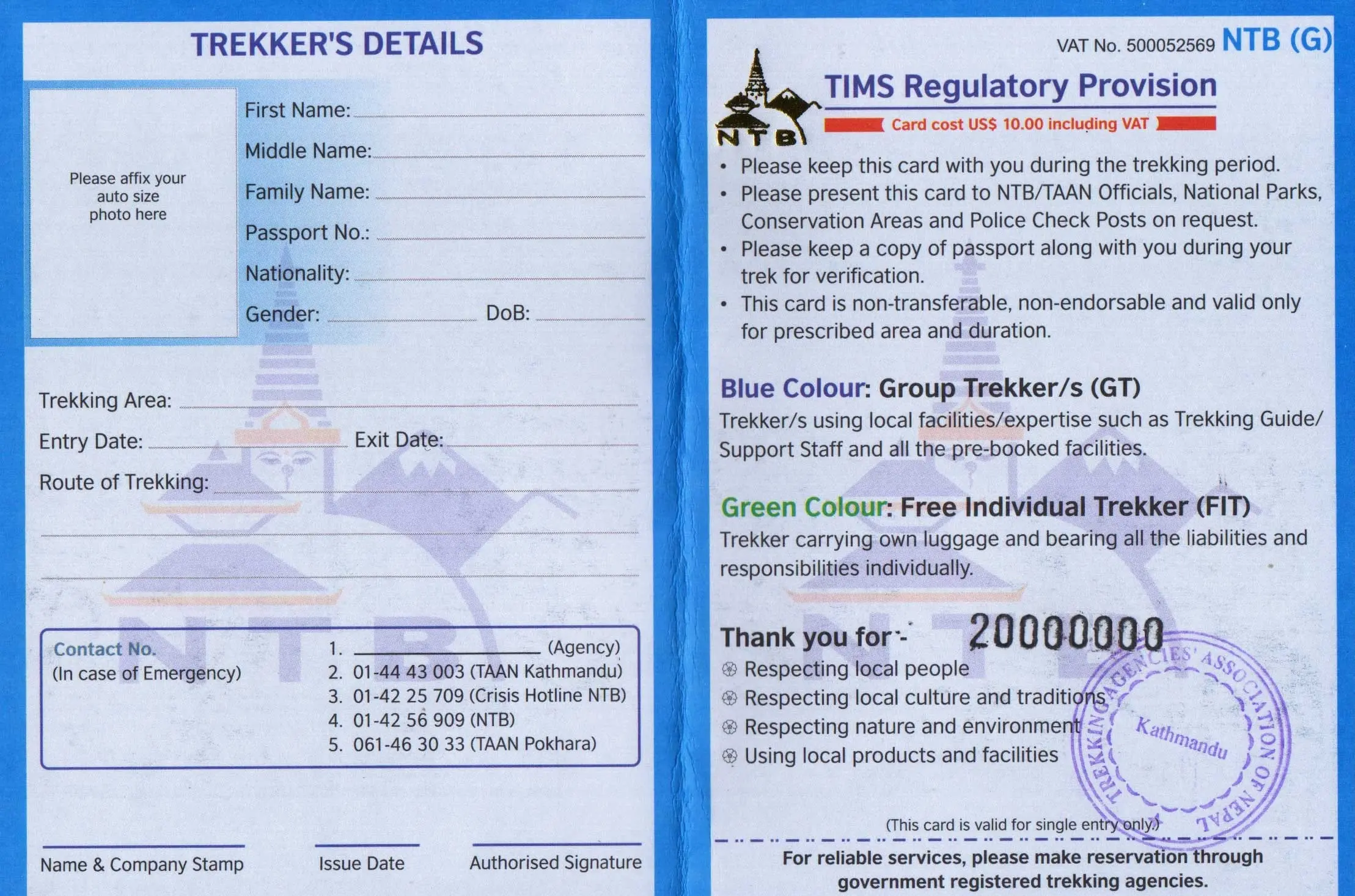
Both permits are essential for the Annapurna Circuit Trek, and you can arrange them through a registered trekking agency before starting your journey. Your trekking agency can assist with the permit application and make sure all the required documents are prepared properly.
What Are the Transportation Costs for the Annapurna Circuit?
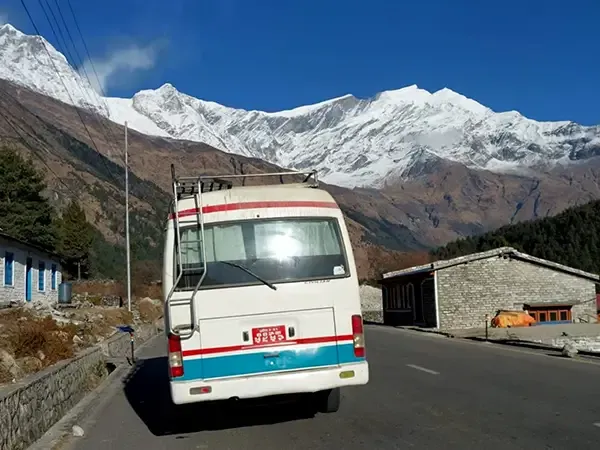
Transportation is another major expense to consider when planning the Annapurna Circuit Trek. Depending on your budget, group size, and preferred level of comfort, you can choose between public transportation and private vehicles. You can also use a domestic flight from Jomsom to Pokhara if your itinerary includes the Jomsom section and you want to save time.
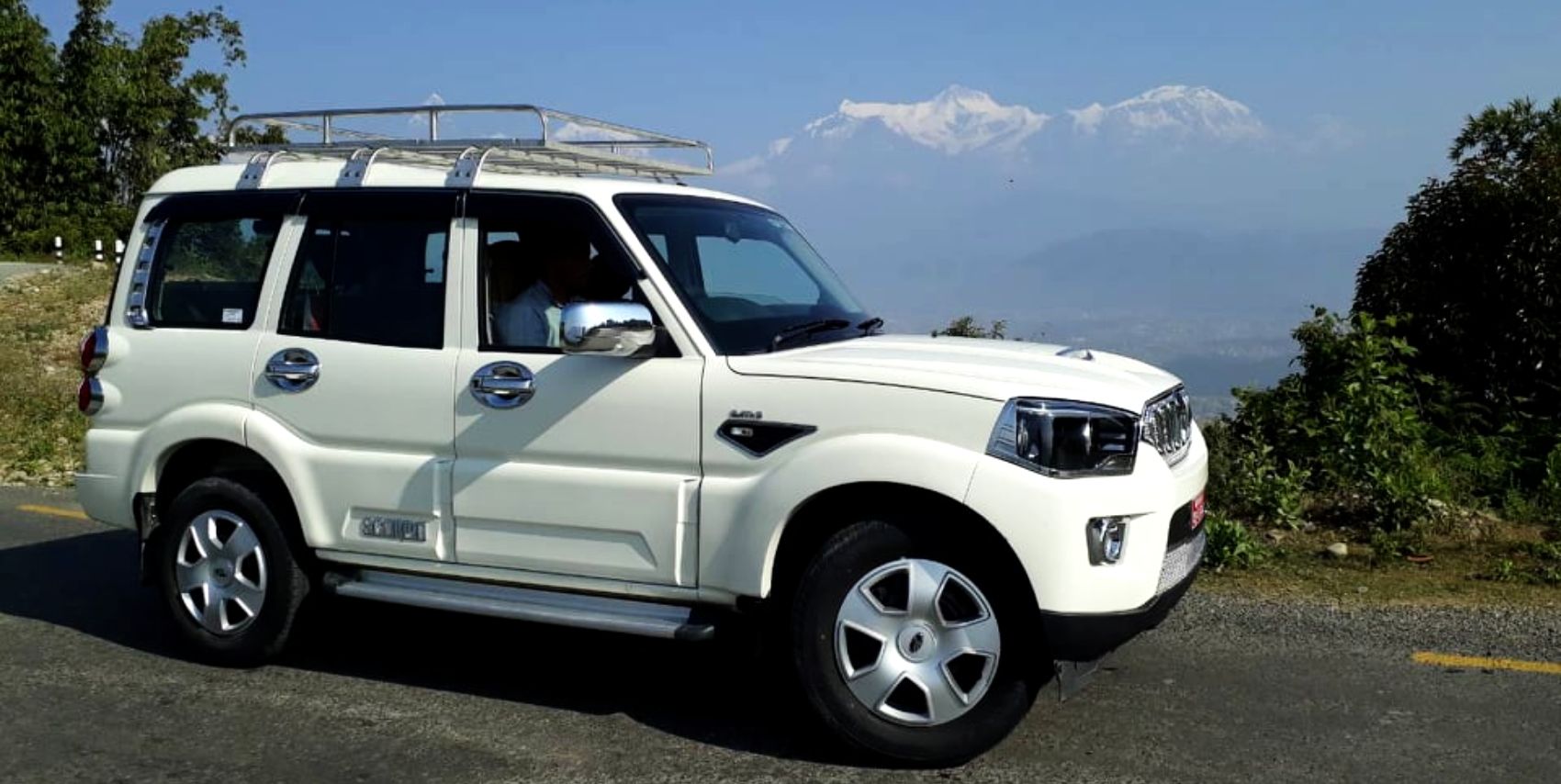
For the journey from Kathmandu to Besisahar, you can take a public bus, which costs around NPR 2,000 per person. If you prefer a more comfortable and private option, you can hire a Scorpio or similar private vehicle, which costs around USD 180 per vehicle for a one-way journey, depending on the vehicle and group size.
After completing the Annapurna Circuit and reaching Muktinath Temple, you have several options for continuing to Pokhara. A public bus from Muktinath to Pokhara costs around NPR 2,500 per person, while a private vehicle costs approximately USD 250–300 per vehicle.
From Pokhara to Kathmandu, you can take a tourist or public bus, which costs around NPR 1,500 per person. Alternatively, you can choose a private vehicle or take a domestic flight if you prefer a faster journey
How Much Do Accommodations Cost on the Annapurna Circuit Route?
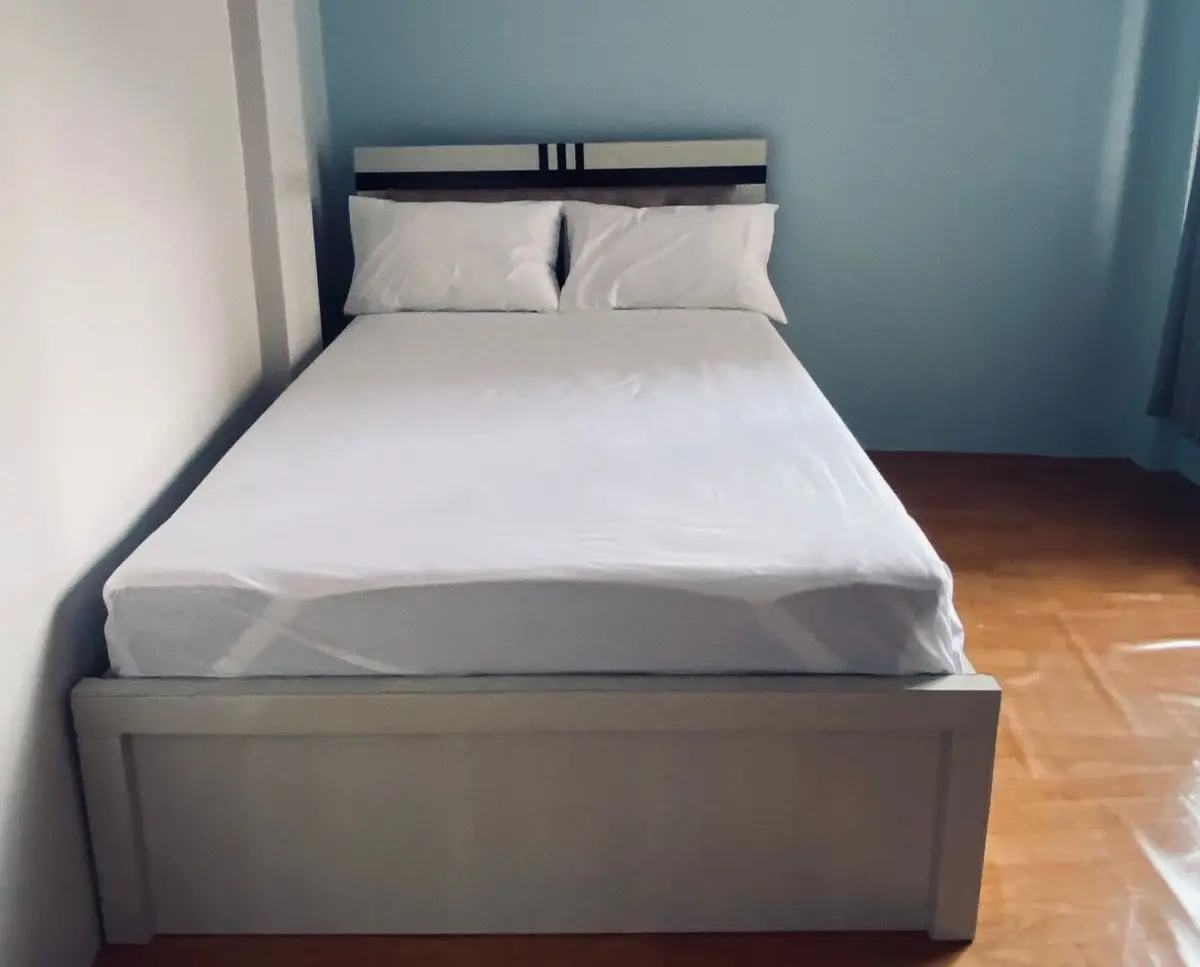
Accommodation is another major expense to consider when planning the Annapurna Circuit Trek. If you stay in Kathmandu before or after the trek, a standard hotel room generally costs around NPR 4,000 to NPR 5,000 per night, depending on the location and type of accommodation.
Once you reach Besisahar and continue along the trekking route, most trekkers stay in local guesthouses and teahouses. A basic room usually costs around NPR 1,000 to NPR 1,500 per person on a twin-sharing basis. If you prefer a private room, the cost will generally be higher.
As you continue toward higher elevations, accommodation prices gradually increase because of the remoteness and difficulty of transporting supplies. Therefore, accommodation in places such as Manang and Thorong Phedi can cost around NPR 2,000 to NPR 3,000 per night, depending on the type of room and availability.
In general, you can expect lower accommodation costs at lower elevations and higher prices as you approach the higher-altitude sections of the Annapurna Circuit.
What Are the Food and Drinking Water Costs in the Annapurna Himalayas?
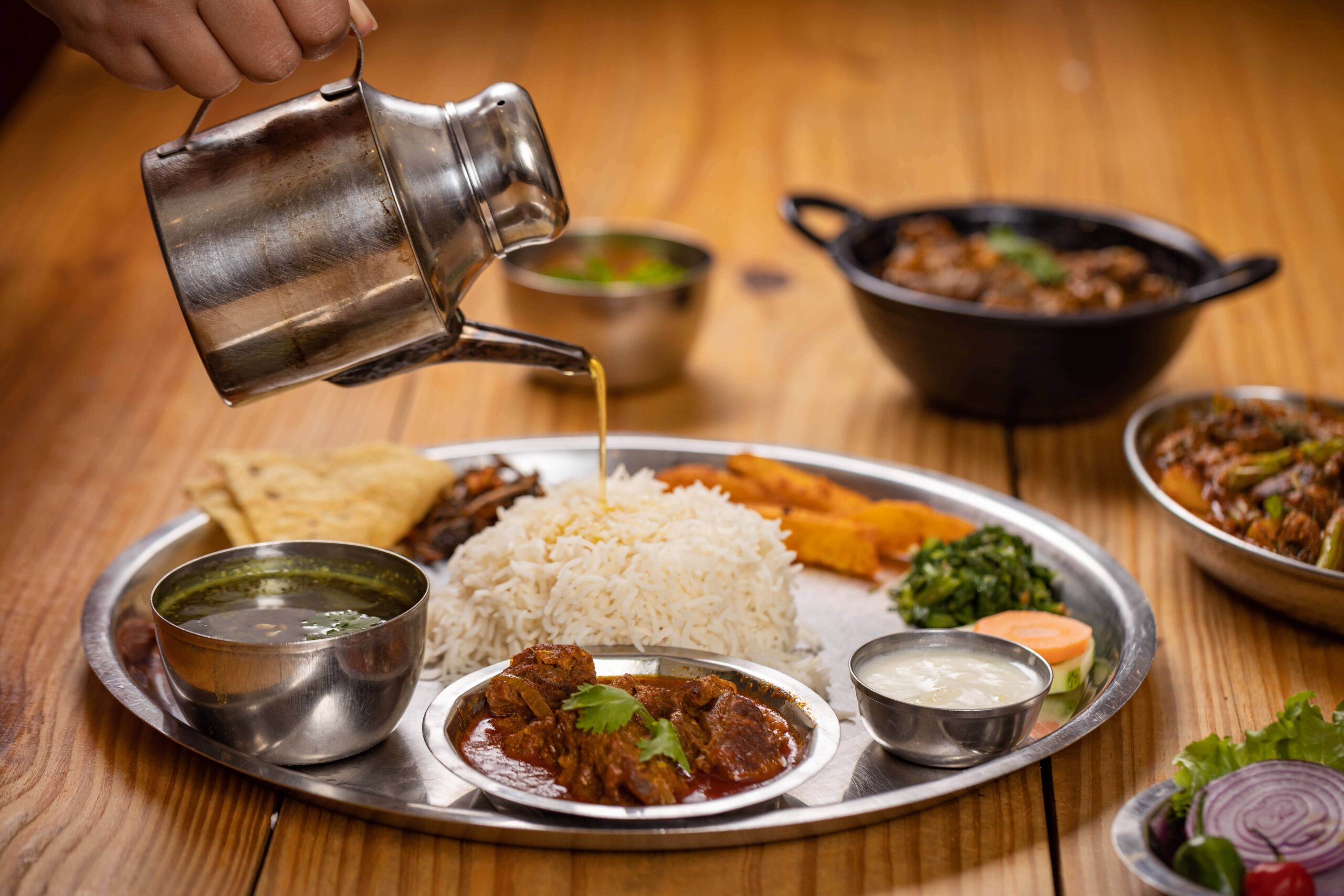
Food is one of the most important expenses during the Annapurna Circuit Trek, as you need enough nutritious meals to maintain your energy throughout the journey. The food available along the route is generally simple but filling, with options such as dal bhat, momo, noodles, thukpa, pasta, soups, and other local and international dishes.
Food prices vary depending on the location, altitude, and remoteness of the area. As you ascend to higher elevations, transportation becomes more difficult and the cost of food generally increases.
In general, you can expect the following food prices along the Annapurna Circuit:
Low and Mid-Hill Villages (Besisahar → Jagat → Chame → Pisang)
- Dal Bhat (Rice & Lentil Meal): 250–350 NPR
- Momo (6–8 pieces): 150–250 NPR
- Thukpa (Noodle Soup): 200–300 NPR
- Pasta/Western Dishes: 300–500 NPR
- Tea/Coffee: 50–150 NPR
- Snacks (Chips, Cookies, Chocolate): 100–200 NPR
Upper Mid-Hills & Manang Region (High-Altitude Villages)
- Dal Bhat: 350–500 NPR
- Momo: 200–300 NPR
- Thukpa: 250–350 NPR
- Pasta/Pizza/Burger: 400–600 NPR
- Tea/Coffee: 100–200 NPR
- Energy Snacks (Bars, Nuts, Dried Fruit): 150–300 NPR
High-Altitude Villages (Thorong Phedi → Muktinath → Thorong La Pass)
- Dal Bhat: 400–600 NPR
- Momo: 250–350 NPR
- Thukpa: 300–400 NPR
- Tea/Coffee: 150–250 NPR
- Snacks / Energy Bars: 200–400 NPR
How Much Do a Guide and Porter Cost for the Annapurna Circuit and Thorong La Crossing?
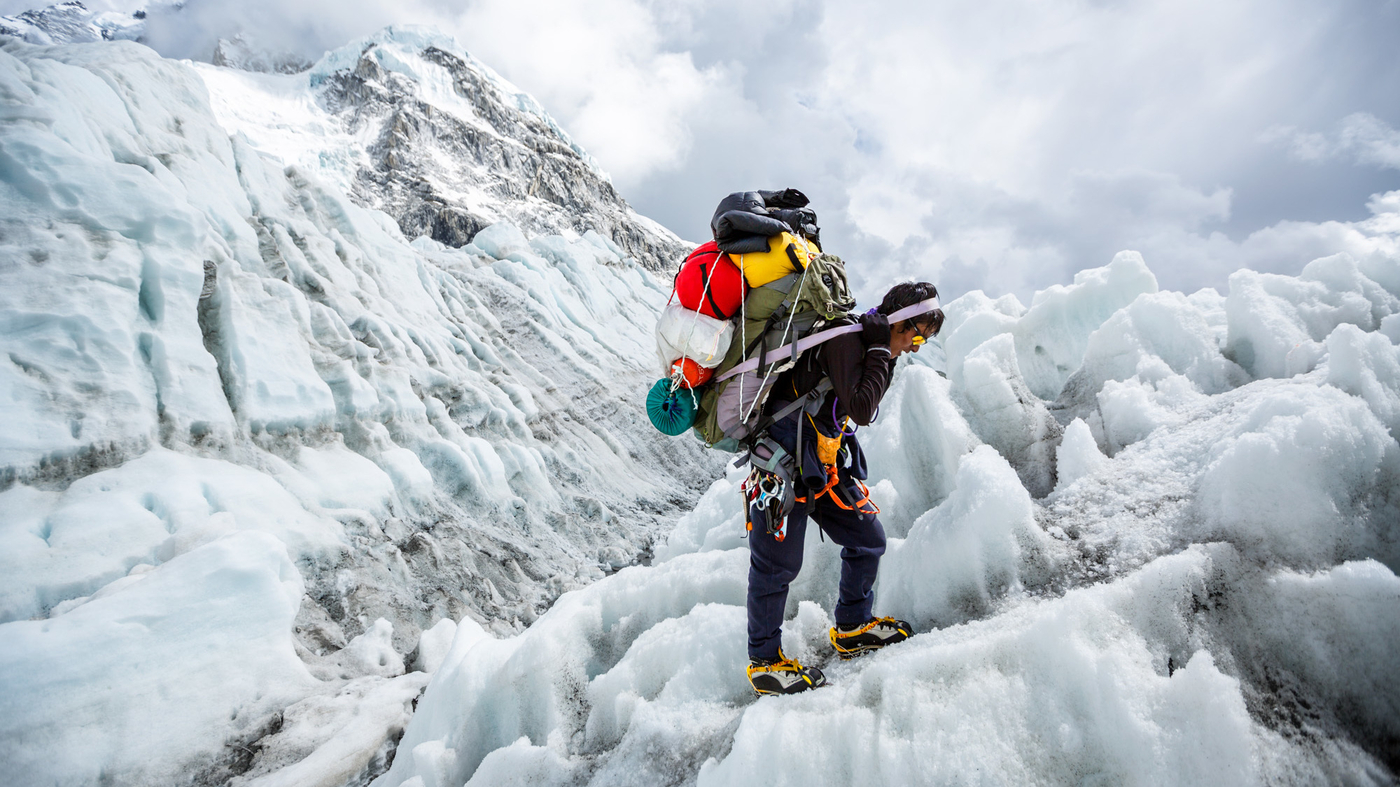
Hiring a guide and porter can make your Annapurna Circuit Trek more comfortable and manageable. A guide can help you navigate the trail, communicate with local people, arrange accommodation, and assist you throughout the trek, while a porter carries your main luggage so you can walk with a lighter daypack.
An experienced and licensed English-speaking guide costs around USD 30 per day. If you prefer a guide who speaks your own language, the cost can be around USD 40 per day, depending on the language and guide's experience.
A porter generally costs around USD 20 to USD 25 per day. Before hiring a porter, it is important to confirm what the quoted price includes, such as their accommodation, food, and other expenses.
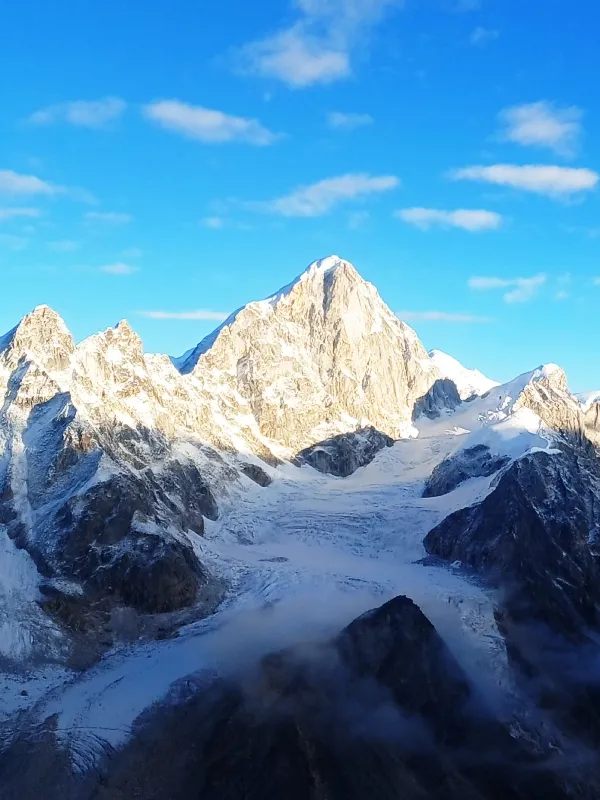
If you are looking for a reliable guide and porter for your Annapurna Circuit Trek, Adventure Vision Treks can arrange experienced guides and porters at reasonable prices as part of your trekking package.
What Are the Trekking Gear and Rental Costs for the Annapurna Circuit Trek?
The cost of renting trekking gear for the Annapurna Circuit depends on several factors, including where you rent the equipment, how many days you need it, and which items you choose to rent. You do not need to rent everything, so you can select the equipment based on your personal needs, the season, and the conditions during your trek.
Here is an approximate rental cost for commonly used trekking equipment:
| Trekking Gear | Approx. Rental Cost |
|---|---|
| Sleeping bag | USD 1 per day |
| Down jacket | USD 2 per day |
| Duffle bag | USD 1 per day |
| Trekking poles | USD 1 per day |
| Crampons | USD 1 per day |
| Headlamp | USD 1 per day |
| Trekking shoes | USD 1 per day |
| Backpack | USD 1–2 per day |
| Fleece jacket | USD 1 per day |
| Waterproof jacket | USD 1–2 per day |
| Waterproof pants | USD 1–2 per day |
| Gloves | USD 1 per day |
| Trekking gaiters | USD 1 per day |
| Microspikes | USD 1 per day |
| Sunglasses | USD 1 per day |
Note: Rental prices can vary depending on the rental shop, equipment quality, rental duration, and season. Some equipment may also be available for purchase rather than rental.
You do not need to rent all of these items. For example, crampons and microspikes are not required for every Annapurna Circuit Trek and depend on the season and trail conditions.
Other personal items, such as T-shirts, trekking pants, underwear, socks, toiletries, and other clothing, are generally better purchased rather than rented because they are personal-use items.
For a detailed list of everything you should carry, you can check our Annapurna Circuit Trek packing list.
How Much Does Travel Insurance Cost for the Annapurna Circuit?
Travel insurance is an important part of preparing for the Annapurna Circuit Trek and other high-altitude treks in Nepal. Since the trek reaches Thorong La at around 5,416 meters, you should choose a policy that specifically covers trekking at high altitudes.
When purchasing travel insurance, make sure your policy provides suitable coverage for emergency medical treatment, high-altitude rescue and evacuation, hospitalization, and baggage loss or theft, depending on your needs. It is especially important to check the policy's maximum altitude limit and whether helicopter evacuation is covered.
Travel insurance for the Annapurna Circuit Trek can cost around USD 100 to USD 200, although the actual price depends on your nationality, age, trip duration, insurance provider, and coverage.
It is generally recommended to purchase your insurance before leaving your home country and carefully check the terms and conditions to make sure the policy covers the activities and altitude included in your itinerary.

What Are the Miscellaneous Costs on the Annapurna Circuit Trek?
Apart from the main expenses such as permits, transportation, accommodation, food, and trekking gear, you should also keep some money aside for miscellaneous expenses during the Annapurna Circuit Trek. These small costs can add up over several days, so carrying enough Nepalese cash is recommended, especially in the more remote sections of the trail where ATM and card payment facilities may be limited.
Some common miscellaneous expenses include:
| Miscellaneous Expense | Approximate Cost |
|---|---|
| Wi-Fi | NPR 200–500 per day |
| Phone charging/electricity | NPR 100–200 per charge |
| Bottled water and drinks | NPR 500–1,000+ |
| Hot water shower | NPR 200–500 per shower |
| Snacks and other small purchases | NPR 200–500+ |
| Tips | At your discretion |
Annapurna Circuit Trek Nepal Cost Breakdown Table
|
S.No |
Category |
Estimated Min Cost |
Estimated Max Cost |
Notes |
|---|---|---|---|---|
|
1 |
Permits |
NPR 1,300 |
NPR 4,000 |
ACAP + TIMS for foreign/Saarc nationals |
|
2 |
Transportation |
NPR 3,500 / USD 180 |
NPR 7,500 / USD 480 |
Kathmandu → Besisahar + Muktinath → Pokhara/Kathmandu |
|
3 |
Accommodation |
NPR 12,000 |
NPR 25,000 |
Kathmandu + trekking guesthouses, higher altitude rooms cost more |
|
4 |
Food |
NPR 15,000 |
NPR 30,000 |
Low, mid, and high altitude meals for the trek duration |
|
5 |
Guide & Porter |
USD 500 |
USD 850 |
10–12 days trek, guide & porter daily fees |
|
6 |
Gear Rentals |
USD 10 |
USD 15 |
Sleeping bag, jackets, shoes, trekking poles, etc. |
|
7 |
Insurance |
USD 100 |
USD 200 |
Health & high-altitude rescue coverage |
|
8 |
Miscellaneous |
NPR 3,000 |
NPR 7,000 |
Wifi, charging, water, hot shower, tips |
|
9 |
Total Estimated Cost |
USD 870 |
USD 1,250 |
Sum of all categories for full trek |
Some Related Topics