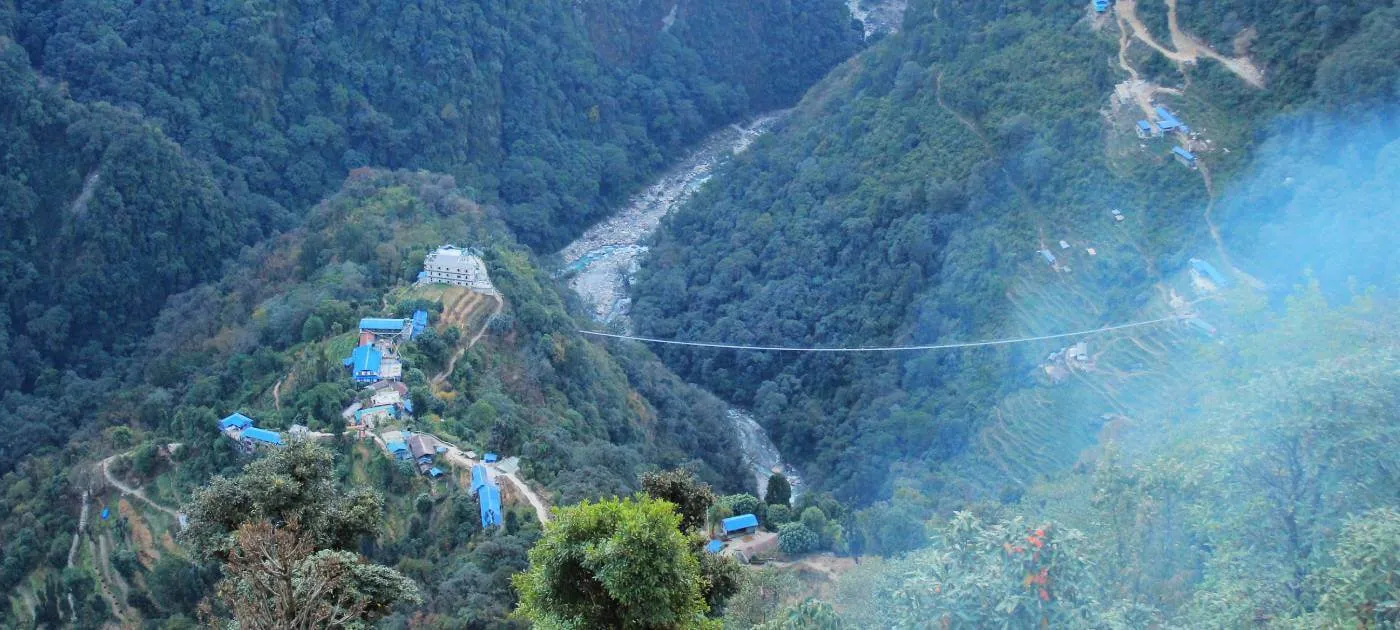
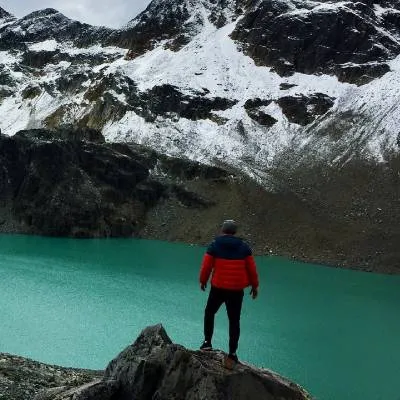
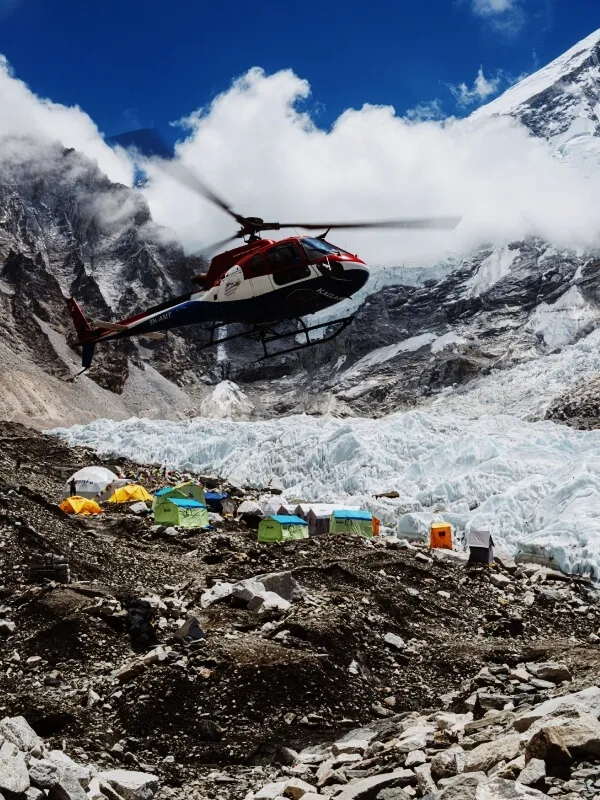
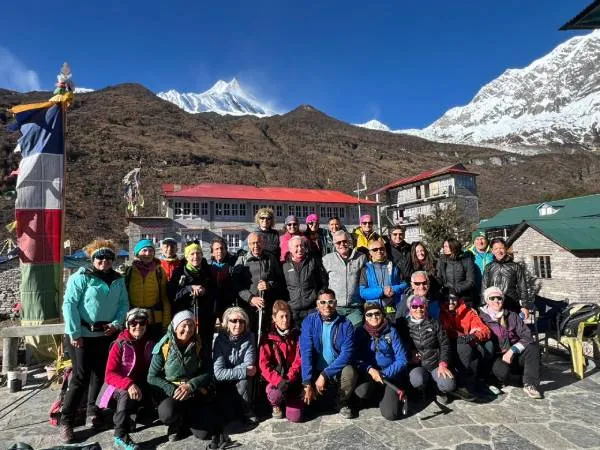
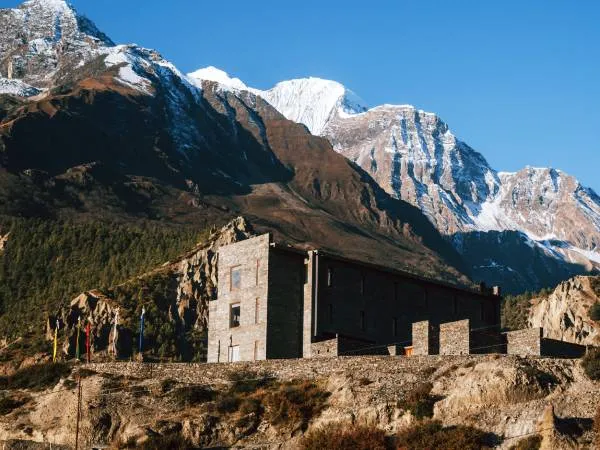
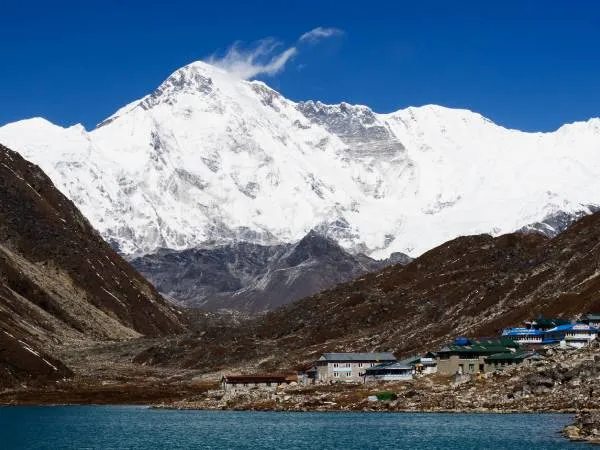
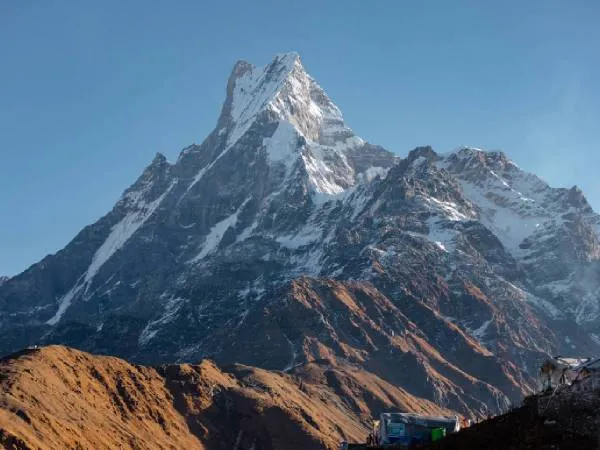
Deurali is a small mountain settlement situated at an elevation of around 3,200 meters (10,500 feet) above sea level in the Annapurna region of Nepal. The settlement sits in a rugged Himalayan landscape, surrounded by dense forests, steep slopes, rocky terrain, and dramatic mountain scenery. Its location gives the area a distinctly high-altitude character, with the natural environment becoming more rugged as the elevation increases.
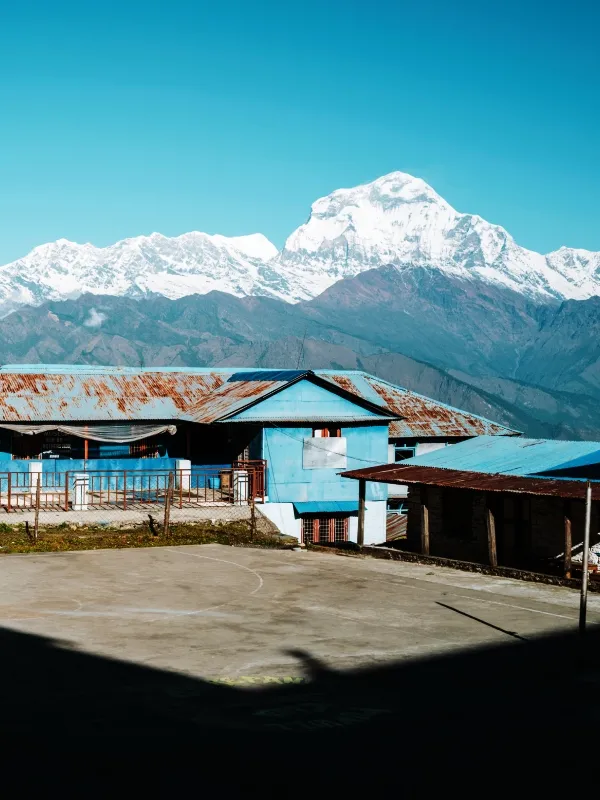
The village consists mainly of teahouses and small lodges that provide accommodation and meals for people passing through the area. The buildings are simple and designed to suit the remote mountain environment, while the surrounding forests, streams, cliffs, and hills give the place its distinctive landscape.
The wider area is also connected with the traditional culture of the Gurung and Magar communities, who are among the prominent ethnic groups of the Annapurna region. Their traditions, local customs, cuisine, architecture, and mountain lifestyle form an important part of the cultural identity of the region.
Where Is Deurali Village Located?
Deurali is located in Kaski District, Gandaki Province, Nepal, at an elevation of approximately 3,200 meters (10,500 feet) above sea level. The settlement lies in the upper part of the Modi Khola valley, surrounded by steep mountain slopes, forests, and rugged Himalayan terrain.
Its remote location gives the area a distinct high-altitude character, with the landscape becoming increasingly rocky and alpine compared with the lower settlements of the region. The settlement has several teahouses and lodges that provide basic accommodation and meals, making it an established stop within the mountain route.
Why Deurali Is Famous Among Trekkers?
Deurali is well known for its dramatic mountain scenery, peaceful surroundings, rich biodiversity, and warm mountain hospitality. The area sits amid dense forests, steep Himalayan terrain, and rugged landscapes, creating a striking natural setting.
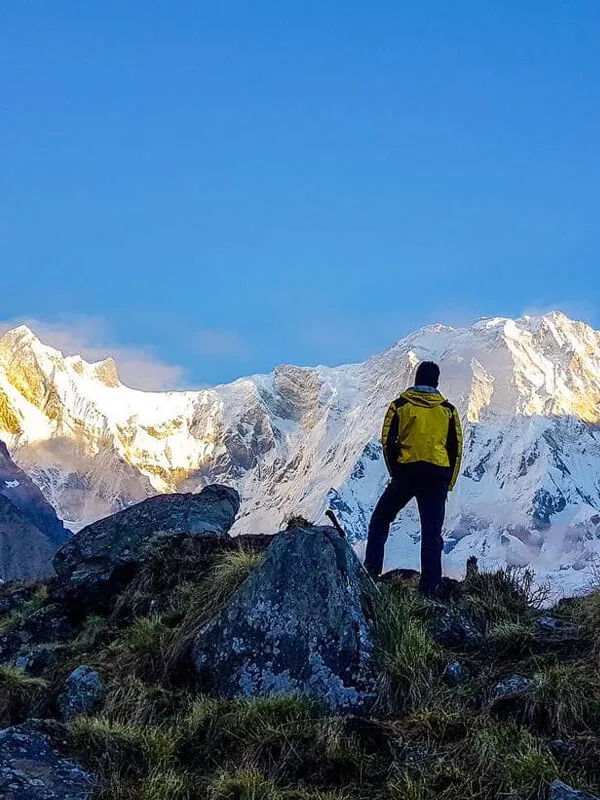
Clear mornings and evenings often bring beautiful views of the surrounding peaks, while the changing light adds to the scenery throughout the day. The nearby Hinku Cave, a natural rock shelter along the trail, is another notable landmark in this section of the route. With its combination of natural beauty, high-altitude landscape, and simple mountain settlement, it has become an important stop in the Annapurna region before reaching the Annapurna base camp.
What Is the Cultural Importance of Deurali Village?
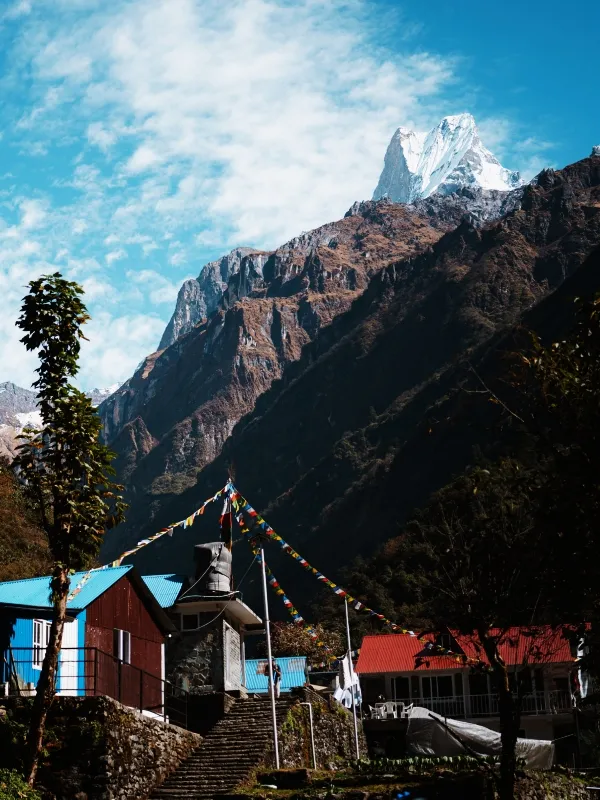
Deurali reflects the cultural and spiritual character of the Annapurna region, where traditional Himalayan customs remain an important part of local life. Prayer flags, religious symbols, and other elements of mountain culture can be seen around the settlement and along the surrounding trails, reflecting the spiritual traditions that have shaped communities in the region.
The local way of life is closely connected with the mountains, and hospitality is an important part of the culture. Teahouses and lodges provide more than food and accommodation; they also offer a glimpse into everyday life in these remote mountain communities. Traditional dishes, local customs, religious practices, and community traditions add cultural depth to the area.
The wider Annapurna region is home to communities including the Gurung and Magar, whose traditions, language, cuisine, festivals, and way of life contribute to the region's diverse cultural heritage. This combination of natural surroundings and living cultural traditions gives Deurali a character that goes beyond its role as a mountain settlement.
How are the Mountain Views and Landscape of the village?
Deurali Village offers beautiful mountain views and a peaceful Himalayan landscape. Surrounded by green hills, terraced fields, forests, and traditional houses, the village provides a scenic glimpse of rural Nepal.
On clear days, you can enjoy views of the surrounding mountains and valleys, while the fresh mountain air and quiet atmosphere make Deurali a pleasant stop for trekkers and travelers. The landscape is especially beautiful in the early morning and evening when the hills and mountains are illuminated by soft sunlight.
How to Reach Deurali Village?
Reaching Deurali involves a combination of road or air travel and trekking. Most travelers first make their way from Kathmandu to Pokhara, the main tourist hub for the Annapurna region. From Pokhara, you continue by road toward the trekking area before beginning the walking section of the journey.
There are several ways to approach the settlement depending on your itinerary. Two common options are through Chhomrong and Sinuwa or via Ghandruk.
Option 1: Kathmandu → Pokhara → Chhomrong/Sinuwa → Dovan → Himalaya → Deurali
The journey begins with a trip from Kathmandu to Pokhara, either by domestic flight, tourist bus, or private vehicle. A flight is the quickest option, while traveling by road allows you to experience more of the changing landscapes between the two cities.
From Pokhara, you travel by road toward the Annapurna trekking area and continue to the starting point of the trek. Depending on the itinerary and road conditions, the walking section commonly passes through Chhomrong or Sinuwa, followed by Bamboo, Dovan, and Himalaya before reaching Deurali.
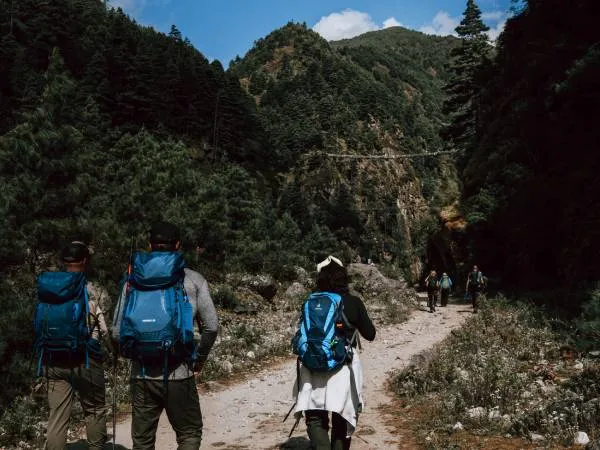
The trail gradually climbs through dense forests and along the Modi Khola valley. Beyond Dovan and Himalaya, the terrain becomes steeper and more rugged, with rocky paths, forested slopes, and increasingly dramatic mountain surroundings.
Option 2: Kathmandu → Pokhara → Ghandruk → Chhomrong → Sinuwa → Dovan → Himalaya → Deurali
The second option is ideal for travelers who want to include Ghandruk in their itinerary. Located in the Annapurna region, Ghandruk is well known for its traditional settlement, Gurung culture, stone-built houses, and mountain scenery.
After exploring the village, the route continues toward Chhomrong and then joins the main trail toward Sinuwa, Bamboo, Dovan, and Himalaya. From there, the trail continues through increasingly rugged terrain before reaching Deurali.
The total travel and trekking time depend on your starting point, transportation method, road conditions, trail conditions, and chosen itinerary. Most trekkers also divide the journey into several days rather than trying to reach Deurali directly from Pokhara.
Best Time to Visit Deurali
Deurali can be visited throughout the year, but spring (March to May) and autumn (September to November) generally offer the most favorable conditions for trekking. These seasons usually bring better visibility, more comfortable temperatures, and more reliable trail conditions.
That said, each season has its own character. Spring brings colorful forests and fresh greenery, autumn is known for clear mountain views, winter offers snowy landscapes and fewer trekkers, while the monsoon turns the surrounding hills exceptionally lush.
Spring (March to May)
Spring is one of the most popular times to explore the Annapurna region. From March onward, the forests begin to come alive, with rhododendrons blooming across the lower and middle sections of the trail. The landscape becomes greener, and temperatures gradually become more comfortable for walking.
April and May generally offer pleasant trekking conditions, although clouds and rainfall can occasionally develop as the pre-monsoon period approaches. Higher sections can still experience cold weather, so warm layers remain essential.
Why visit in spring?
- Blooming rhododendron forests
- Green and vibrant landscapes
- Generally pleasant trekking temperatures
- Good mountain visibility on clear days
- Popular season with a lively trail atmosphere
Autumn (September to November)
Autumn is widely considered one of the best seasons for trekking in the Annapurna region. The monsoon gradually retreats in September, while October and November typically bring clearer skies and drier conditions.
The combination of comfortable daytime temperatures, relatively stable weather, and excellent visibility makes this period particularly attractive for mountain photography and long trekking days. October and November are usually the busiest months, so accommodation along the route can fill up during peak periods.
Why visit in autumn?
- Clearer mountain views
- Generally dry and stable weather
- Comfortable daytime temperatures
- Better trail conditions
- Excellent conditions for photography
Winter (December to February)
Winter brings a completely different atmosphere to the high mountains. Temperatures drop significantly, particularly after sunset, and snowfall can occur around higher elevations. Some sections of the trail may become icy or snow-covered depending on recent weather.
The colder conditions and possibility of snow make winter more challenging, but they also bring quieter trails and beautiful snow-covered scenery. Trekkers choosing this season should carry adequate winter clothing, warm sleeping equipment, and suitable footwear.
Winter trekking also requires greater flexibility because heavy snowfall or poor weather can temporarily affect trail conditions.
Why visit in winter?
- Fewer trekkers
- Snow-covered landscapes
- Crisp mountain scenery
- Peaceful trails
- Potentially excellent visibility after snowfall
Monsoon (June to August)
The monsoon brings frequent rainfall to the Annapurna region, making this the least favorable season for most trekkers. The surrounding forests become lush and green, waterfalls become more prominent, and streams carry considerably more water.
However, frequent rain can make the trail muddy, slippery, and difficult to navigate. Cloud cover can also obscure mountain views, while leeches are common in damp forested areas. Landslides and trail disruptions are possible during periods of heavy rainfall, so conditions should be checked before setting out.
For those willing to deal with wet weather, the monsoon offers a quieter trekking experience and exceptionally green scenery.
Why visit during monsoon?
- Lush green landscapes
- Full-flowing waterfalls and streams
- Fewer trekkers
- Quiet trails
- Fresh, misty mountain scenery
Which Season Is Best for Deurali?
For the best overall combination of weather, trail conditions, and mountain visibility, autumn is usually the top choice, particularly October and November. Spring is another excellent option if you want to see rhododendrons and greener landscapes.
Winter suits experienced trekkers who are comfortable with cold and possible snow, while monsoon is better for travelers who don't mind rain and changing trail conditions.
Quick Guide
| Season |
Months |
Best For |
| Spring |
March–May |
Rhododendrons, greenery, pleasant weather |
| Autumn |
September–November |
Clear views, stable weather, comfortable trekking |
| Winter |
December–February |
Snow, solitude, crisp mountain scenery |
| Monsoon |
June–August |
Lush landscapes, waterfalls, fewer trekkers |
Accommodation Facilities in Deurali Village
The accommodation facilities in Deurali Village are basic but comfortable, offering the essential services you need for an overnight stay during your trek. Since Deurali is a small mountain settlement, there are fewer teahouses and lodges compared with larger villages such as Chhomrong. So, you should not expect luxury hotels or high-end facilities here.
Instead, the teahouses provide a simple, peaceful, and cozy place to rest and recharge after a long day on the trail. Most accommodations offer basic rooms, beds, blankets, shared bathrooms, and common dining areas. During the busy trekking seasons, it is a good idea to arrive early or book your accommodation in advance if possible.
Food Available in Deurali
Food in Deurali is mainly served by the local teahouses, with a mix of traditional Nepali meals and popular trekking foods. The most common and reliable option is dal bhat tarkari, a warm and nutritious meal that provides plenty of carbohydrates and protein to keep you energized on the trail.
You can also find other popular dishes such as momos, thukpa, Tibetan bread, noodles, pasta, pancakes, pizza, eggs, and basic breakfast items. Tea, coffee, hot lemon, and other warm drinks are also commonly available.
Vegetarian and vegan meals can generally be arranged, although the variety may be more limited than in larger trekking villages because Deurali has fewer teahouses and supplies have to be transported into the mountains. Overall, the food is simple, filling, and well-suited to the needs of trekkers.
Weather and Temperature in Deurali
Deurali sits at an elevation of around 3,200 meters (10,500 feet) above sea level, so the weather is noticeably cooler than in lower areas such as Pokhara and Ghandruk. During the daytime, temperatures are usually cool and comfortable for trekking, while the temperature can drop significantly after sunset.
The weather in Deurali changes considerably with the season, month, altitude, and time of day. Spring and autumn generally offer the most pleasant trekking conditions, with clearer skies and more stable weather. Winter brings colder temperatures and the possibility of snowfall, while the monsoon season can bring rain, clouds, and wet trails.
Because temperatures can change quickly in the mountains, it is best to carry warm and waterproof layers regardless of when you visit. The table below provides a quick overview of the typical monthly temperature ranges and weather conditions in Deurali.
| Month |
Daytime Temperature |
Night Temperature |
Typical Weather Condition |
| January |
2–7°C |
-8 to -3°C |
Cold, dry days with occasional light snowfall |
| February |
4–9°C |
-6 to -2°C |
Cold mornings with generally clear and dry weather |
| March |
7–12°C |
-3 to 1°C |
Mild days, rhododendrons begin blooming, and weather improves |
| April |
10–15°C |
1–5°C |
Pleasant and warmer days with clear mountain views |
| May |
13–18°C |
4–8°C |
Warm conditions with increasing pre-monsoon clouds |
| June |
14–19°C |
6–10°C |
Humid weather with occasional monsoon showers beginning |
| July |
13–18°C |
7–11°C |
Heavy monsoon rainfall, frequent cloud cover, and wet trails |
| August |
13–18°C |
7–11°C |
Continuous monsoon rain with cloudy skies and lush green landscapes |
| September |
12–17°C |
5–9°C |
Rain gradually decreases and skies begin clearing |
| October |
10–16°C |
2–6°C |
Clear skies, stable weather, and peak trekking conditions |
| November |
7–12°C |
-1 to 4°C |
Cool, dry weather with excellent mountain visibility |
| December |
3–8°C |
-6 to -2°C |
Cold, dry weather with freezing nights and occasional snowfall |