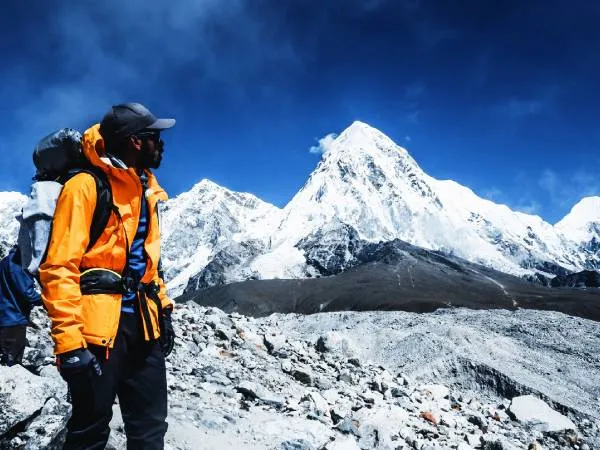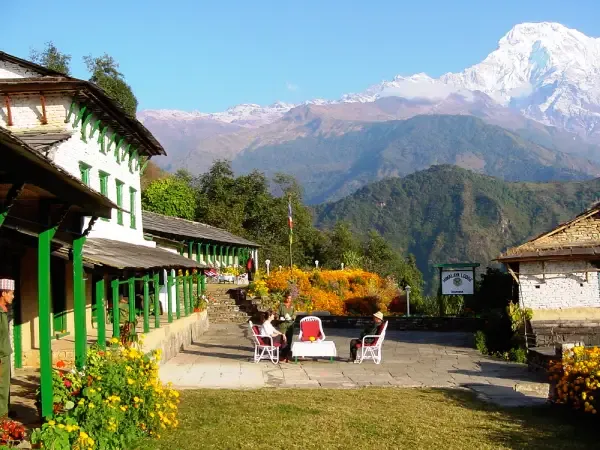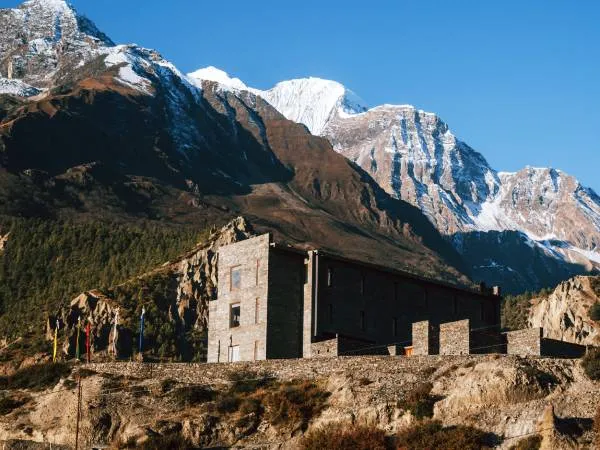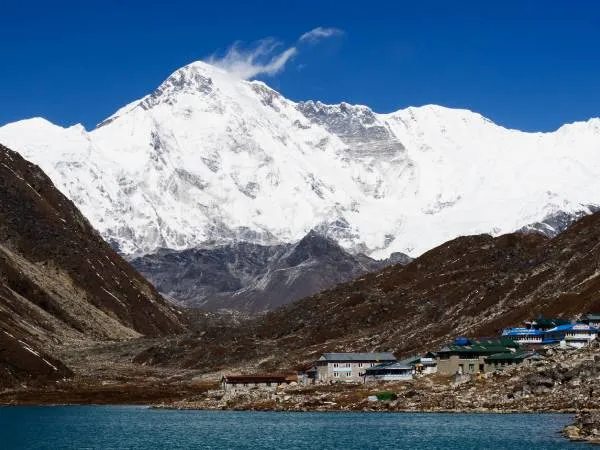

Are you planning to do the Everest Base Camp Trek and wondering how to train, prepare, and make yourself ready for this once-in-a-lifetime Himalayan adventure? Reaching the base camp of the world's highest mountain is a dream for many trekkers, but proper preparation is the key to turning that dream into reality.
This complete 2026 Everest Base Camp Trek preparation guide covers everything you need to know before starting your journey, including fitness requirements, training plans, altitude preparation, packing lists, health and safety tips, trekking costs, permits, choosing the right guide, and practical advice from the trail. Whether you are a first-time trekker or an experienced hiker, this guide will help you prepare confidently for one of Nepal’s most iconic adventures.
Is Everest Base Camp Trek Hard for Beginners?
No, Everest base camp trek is not hard for beginners however the journey is challenging for first time trekkers but achievable with proper preparation. You will not need the previous mountaineering or the trekking experience but you shall have the good fitness, mental preparation, and gradual training are more important than being an experienced trekker.
The main difficulty of the Everest Base Camp Trek comes from the high elevation, long walking days, and changing mountain conditions. The trail reaches an altitude of 5,364 meters (17,598 feet) at Base Camp, where the lower oxygen level can make even simple walking feel more difficult. You usually walk around 5–8 hours per day, crossing steep uphill sections, rocky paths, and uneven Himalayan terrain.
Despite these challenges, the EBC Trek is considered beginner-friendly compared to technical mountain adventures. The route is well-established, with teahouses, experienced guides, and local support available throughout the trail. Every year, thousands of first-time trekkers from around the world successfully complete the trek and achieve their dream of standing beneath Mount Everest.
Beginners should focus on building their endurance before the trek through regular walking, hiking, cardio exercises, and strength training. It is also important to understand that trekking at high altitude requires patience walking slowly, allowing proper acclimatization, staying hydrated, and listening to your body are essential for a safe experience.
With consistent preparation and realistic expectations, the journey is not beyond the reach of beginners. The journey will test your physical and mental limits, but with dedication and proper planning, reaching Everest Base Camp can become one of the most memorable achievements of your life.
How Fit Do You Need to Be for EBC Trek?
You do not need to be extremely fit or an athlete to complete the EBC trek but You will need a good level of endurance, strong legs, and the ability to walk for several hours a day at high altitude.
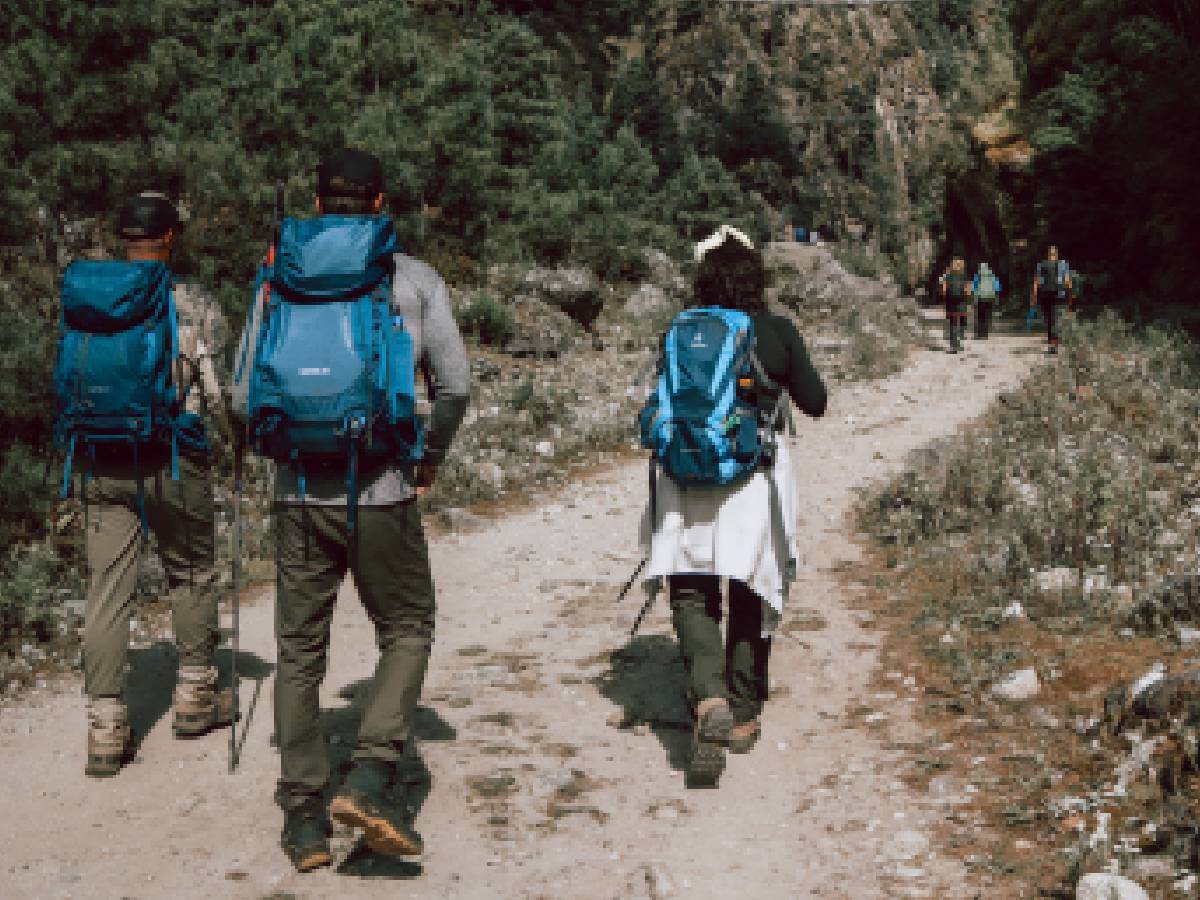
Also you shall have the basic fitness level which requires the Ability to walk continuously for 5–8 hours per day, Comfortable walking 10–15 km on hilly terrain, Ability to handle uphill climbs and downhill descents, Good cardiovascular endurance for long trekking days, Enough leg strength to climb thousands of stairs and steep trails and Ability to carry a 5–8 kg backpack comfortably.
How Many Months Before EBC Trek Should I Start Training?
You should start training for the Everest Base Camp Trek at least 3–6 months before your departure. This gives your body enough time to build endurance, strengthen your legs, improve stamina, and prepare for long trekking days at high altitude.
If you already have a good fitness level, 3 months may be enough, but beginners or people with a less active lifestyle should aim for 6 months of preparation.
Recommended EBC Training Timeline
| Time Before Trek | Training Focus |
|---|---|
| 6 Months Before | Build basic fitness with walking, cardio, and strength exercises. Improve stamina and create a regular workout routine. |
| 4–5 Months Before | Increase walking distance, add uphill hikes, stairs, and strengthen legs, core, and back. |
| 3 Months Before | Focus on trek-specific training with longer hikes, backpack practice, and trail simulations. |
| 1–2 Months Before | Improve endurance with long hikes, consecutive walking days, and test trekking gear. |
| Final 2 Weeks Before | Reduce training, recover properly, and focus on sleep, nutrition, hydration, and preparation. |
Best Exercises to Prepare for Everest Base Camp Trek
The best exercises for Everest Base Camp Trek preparation are those that improve cardiovascular endurance, leg strength, balance, and stamina. You shall Focus on exercises that match real trekking conditions because EBC requires long hours of walking, uphill climbs, and carrying a backpack as we discussed above.

You shall practice walking on Hills, Trails, Uneven surfaces, Staircases and Gradually increase Distance, walking duration, Elevation gain and after you complete all these. You shall practice Stair Climbing, Running or Jogging, Cycling, Squats, Lunges, Step-Ups, Core Exercises, Mobility and Stretching which would help to improve your over all physical fitness making your body ideal for the EBC trekking in Nepal.
Can You Train for Altitude at Home?
You cannot fully train your body to adapt to high altitude at home unless you have access to specialized altitude training equipment or live at a high elevation. However, you can prepare your body to handle the physical demands of altitude by improving your endurance, breathing efficiency, and overall fitness before the Everest Base Camp Trek by following the best exercises which We discussed above.
What Does a Typical EBC Training Week Look Like?
A typical Everest Base Camp training week should include a combination of cardio, strength training, hiking practice, and recovery days. The goal is not to build extreme muscle but to improve endurance, strengthen your legs, and prepare your body to walk for several hours every day at high altitude.
Sample Weekly Everest Base Camp Training Plan
| Day | Training Activity | Purpose |
|---|---|---|
| Monday | Cardio (30–45 min) walking, jogging, cycling, or swimming | Improves endurance and breathing efficiency |
| Tuesday | Strength training squats, lunges, step-ups, and core exercises | Builds leg strength and trekking stability |
| Wednesday | Long walk or stair climbing (45–90 min) | Prepares for uphill climbs and elevation gain |
| Thursday | Recovery stretching, yoga, or light walking | Helps recovery and prevents injuries |
| Friday | Cardio + strength workout | Builds overall stamina for long trekking days |
| Saturday | Long hike (2–5 hours) with a backpack | Simulates real Everest Base Camp trekking conditions |
| Sunday | Rest or light activity | Allows muscles to recover and adapt |
How Do You Mentally Prepare for Everest Base Camp?
Mental preparation is just as important as physical training for the Everest Base Camp Trek. The journey can test your patience, confidence, and determination through long walking days, tiredness, cold weather, changing conditions, and the challenges of high altitude. A strong mindset helps you stay positive and continue even when the trek becomes difficult.
To prepare for all these situations you shall have the clear expectations of the EBC and understand that it’s a high-altitude trek and you will face the long walking days, Physical tiredness, Basic accommodation to the 4-star mountain lodge depending upon your budget, Changing weather, Lukla flight delays, Limited facilities in some areas above the 4500 meters.
You shall focus on the progress, not speed, prepare yourself for discomfort which are the Cold mornings, Early wake-ups, Sore muscles, Simple meals, Limited hot showers and many more.
You should be able to build the confidence before the trek and learn to handle difficult moments with that you shall also be able to Develop patience and a positive attitude.
What Are the Symptoms of Altitude Sickness on EBC Journey?
Altitude sickness is one of the biggest concerns during the Everest Base Camp journey because the trail reaches high elevations where oxygen levels are much lower than at sea level.
The symptoms can affect anyone, regardless of fitness level or trekking experience, so recognizing the early warning signs and responding quickly is essential for a safe journey.
What causes altitude sickness on EBC?
There is not a single factor that causes altitude sickness on EBC but Altitude sickness occurs when your body struggles to adjust to reduced oxygen levels at higher elevations. The sickness risk increases as you climb above 2,500 meters (8,200 feet) and Everest Base Camp is located at 5,364 meters (17,598 feet), where the amount of available oxygen is significantly lower.
Also, the important factor which causes the altitude sickness is ascending too quickly.
Should I Take Diamox for Everest Base Camp?
Yes, you can take Diamox (acetazolamide) for the Everest Base Camp Trek if your doctor recommends it, especially if you have experienced altitude sickness before, are trekking above 3,000 meters for the first time, or are following a shorter itinerary with fewer acclimatization days.
Diamox helps your body adjust to high altitude more quickly and can reduce the risk of Acute Mountain Sickness (AMS), but it is not a substitute for proper acclimatization. Even if you take Diamox, you should still ascend gradually, stay hydrated, and include acclimatization days.
If you have allergies to sulfa medications, kidney problems, or other medical conditions, consult your healthcare provider before using it. Many trekkers complete the Everest Base Camp Trek without Diamox, but it can be a helpful preventive medication for those at higher risk of altitude sickness.
Without proper acclimatization increases the chances of developing symptoms.
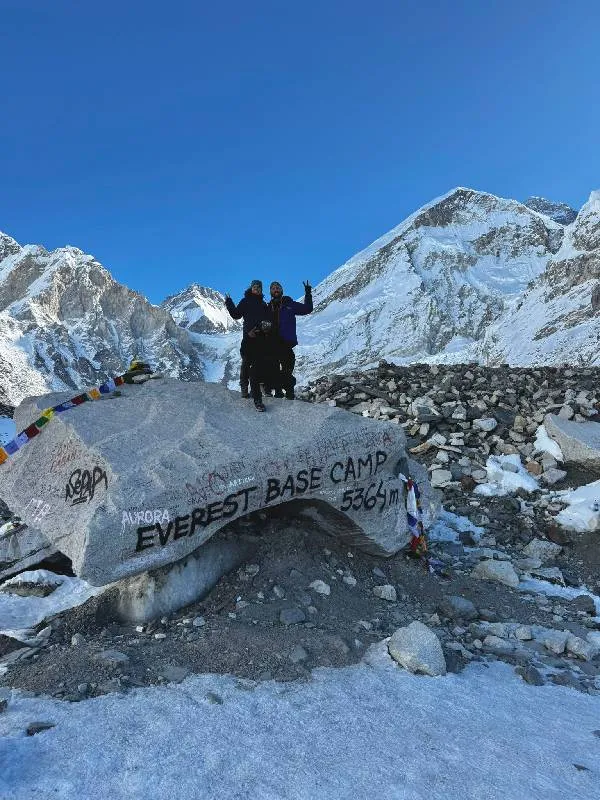
What Should I Pack for Everest Base Camp Trek? (Free Checklist)
Packing the right gear for the Everest Base Camp Trek is essential for staying warm, comfortable, and safe throughout your journey. Temperatures can range from 15–20°C (59–68°F) in lower villages to -15°C (5°F) or colder near Base Camp, so layering is key. Here's a complete checklist of the essentials you'll need.
Clothing
- Moisture-wicking base layers (2–3 sets)
- Fleece or insulated mid-layer
- Down jacket (essential)
- Waterproof and windproof outer jacket
- Waterproof trekking pants
- Thermal leggings
- Trekking shirts (3–4)
- Warm hat and sun hat
- Buff or neck gaiter
- Warm gloves and waterproof outer gloves
- Wool or synthetic trekking socks (4–5 pairs)
- Comfortable underwear
Footwear
- Waterproof trekking boots (well broken in)
- Lightweight camp shoes or sandals
- Gaiters (optional during snowy months)
Backpack & Bags
- 30–40L daypack
- Duffel bag (if using a porter)
- Rain cover for your backpack
- Dry bags or waterproof packing cubes
Sleeping Gear
- Four-season sleeping bag (rated to at least -10°C)
- Sleeping bag liner (optional)
- Trekking Equipment
- Trekking poles
- Headlamp with spare batteries
- Reusable water bottles or hydration bladder
- Water purification tablets or filter
- Sunglasses with UV protection
Personal Items
- Sunscreen (SPF 50+)
- Lip balm with SPF
- Toothbrush and toothpaste
- Wet wipes and hand sanitizer
- Quick-dry towel
- Toilet paper
- Moisturizer
First Aid & Medications
- Personal prescription medications
- Diamox (if recommended by your doctor)
- Pain relievers
- Blister treatment
- Bandages and antiseptic cream
- Electrolyte tablets
- Electronics
- Phone and charger
- Power bank
- Camera (optional)
- Universal travel adapter
- Spare batteries (cold weather drains them quickly)
Important Documents
- Passport
- Nepal visa (or documents for obtaining one)
- Travel insurance
- Trekking permits
- Cash (ATMs are unavailable on much of the trail)
Free Packing Checklist: Download or print this checklist before your trek and tick off each item as you pack. A well-prepared backpack makes your Everest Base Camp adventure safer, lighter, and much more enjoyable.
Do I Need New or Broken-In Boots for EBC?
You should always wear broken-in trekking boots for the Everest Base Camp Trek rather than brand-new ones. New boots can cause painful blisters, pressure points, and discomfort during the 130 km (80-mile) round-trip trek.
Ideally, wear your boots on several day hikes or walks for at least 30–50 km before your trip to ensure they fit well and your feet adjust to them. Your boots should be waterproof, provide good ankle support, and have enough room for thick trekking socks without feeling too loose.
If you need to buy new boots, purchase them several weeks before your trek so you have plenty of time to break them in. A comfortable pair of well-tested boots is one of the most important pieces of gear for a successful Everest Base Camp adventure.
What Food Is Available on the Everest Base Camp Trail?
The Everest Base Camp Trek offers a surprisingly wide variety of food, with teahouses serving freshly prepared meals throughout the route. The most common and recommended meal is Dal Bhat (rice, lentil soup, vegetables, and curry), as it is nutritious, filling, and often comes with free refills.
You'll also find popular options like fried rice, noodles, pasta, momos (dumplings), soups, potatoes, eggs, pancakes, porridge, chapati, pizza, burgers, sandwiches, and yak cheese in many villages. Breakfast usually includes oatmeal, muesli, toast, eggs, pancakes, tea, and coffee.
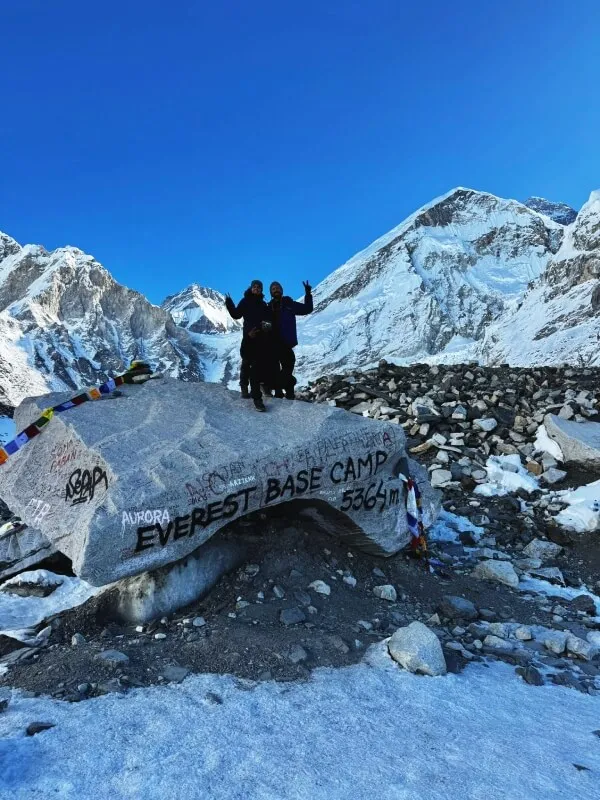
As you climb higher, food choices become more limited and prices increase because all supplies are carried by porters or yaks. To reduce the risk of stomach problems, it's generally best to choose freshly cooked vegetarian meals, drink purified or boiled water, and avoid raw salads, unpeeled fruits, and undercooked meat at higher altitudes. Most trekkers find the food along the Everest Base Camp trail sufficient to maintain their energy throughout the journey.
Spring vs Autumn: Which Season Is Best for EBC Trek?
Both spring (March to May) and autumn (September to November) are the best seasons for the Everest Base Camp Trek, offering stable weather, comfortable trekking conditions, and spectacular Himalayan views. Spring is perfect for trekkers who enjoy blooming rhododendron forests, warmer temperatures, and the lively atmosphere of Everest climbing expeditions.
Autumn is renowned for its crystal-clear skies, dry trails, and the best mountain visibility after the monsoon season. If your priority is colorful landscapes and slightly warmer weather, choose spring. If you want the clearest views and ideal photography conditions, autumn is the better choice.
| Feature | Spring (March–May) | Autumn (September–November) |
|---|---|---|
| Weather | Stable and warming | Cool, dry, and stable |
| Mountain Views | Excellent | Outstanding with clearer skies |
| Trail Conditions | Mostly dry; some snow at higher areas | Dry and well-maintained |
| Scenery | Rhododendron blooms and green hills | Crisp landscapes and clear mountain views |
| Crowds | Very busy | Very busy (peak season) |
| Everest Expeditions | Yes, teams gather at Base Camp | Few or no climbing teams |
| Daytime Temperature | Mild and comfortable | Cool and pleasant |
| Night Temperature | Cold | Slightly colder than spring |
| Best For | Nature, first-time trekkers, expedition atmosphere | Photography and clearest mountain views |
If you are still confused then read our blog on the topic: Best time to do the Everest base camp trek which explains everything in detailed.
What Permits Do You Need for Everest Base Camp in 2026?
To trek to Everest Base Camp in 2026, you need two mandatory permits. These permits help support conservation efforts and local communities in the Everest region.
Khumbu Pasang Lhamu Rural Municipality Permit
This local permit is required for all trekkers entering the Khumbu region. It is usually purchased in Lukla or Monjo before starting the trek.
Sagarmatha National Park Entry Permit
This permit allows you to enter the protected area that includes Mount Everest and the surrounding Himalayan landscape. It can be obtained in Kathmandu or at the Monjo National Park checkpoint.
Do I Need a TIMS Card?
No. A TIMS (Trekkers' Information Management System) card is not required for the standard Everest Base Camp Trek. It has been replaced by the Khumbu Pasang Lhamu Rural Municipality Permit for this route.
Is a Guide Mandatory for Everest Base Camp Trek?
No, a guide is not currently mandatory for the standard Everest Base Camp Trek. Unlike many other trekking regions in Nepal, the Everest (Khumbu) region allows independent trekkers to complete the trek without hiring a licensed guide.
However, hiring a guide is highly recommended, especially if it is your first time trekking in the Himalayas. A guide can help with route navigation, altitude awareness, local culture, logistics, and emergency assistance, making your trek safer and more enjoyable.
If you prefer to carry only a light daypack, you can also hire a porter to transport your main luggage. Many trekkers choose a guide or guide-porter for added convenience and peace of mind.
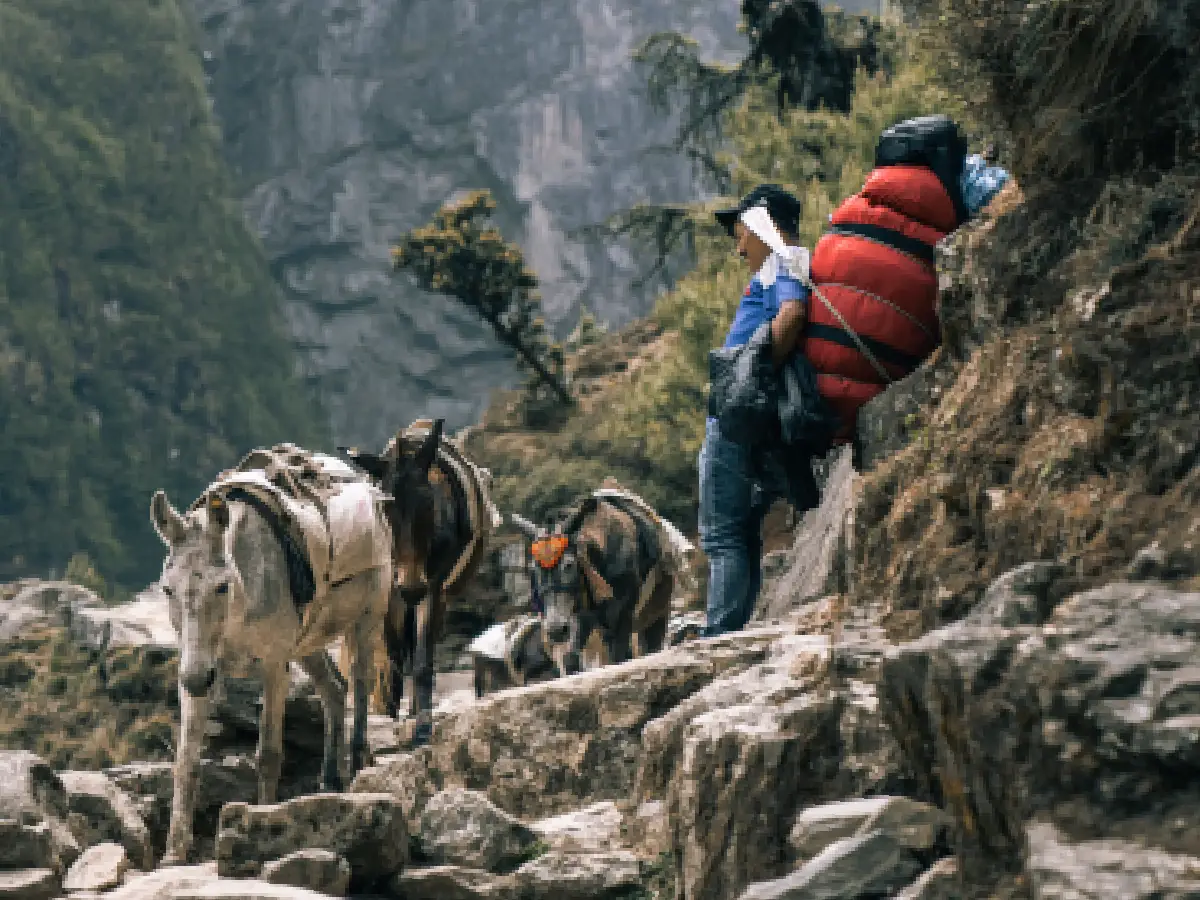
While independent trekking is permitted, always check for the latest government regulations before your trip, as trekking policies can change.
Guide vs Porter vs Both: What Do You Actually Need?
Whether you need a guide, a porter, or both depends on your trekking experience, budget, and comfort level. While none are mandatory for the standard Everest Base Camp Trek, many trekkers choose one or both to make the journey easier and safer.
| Option | Best For | What They Do | Recommended |
|---|---|---|---|
| Guide | First-time trekkers and solo travelers | Navigates the trail, manages logistics, monitors altitude sickness, provides local insights, and assists during emergencies | Highly recommended |
| Porter | Trekkers who want a lighter backpack | Carries your main duffel bag (usually up to 20–25 kg), allowing you to trek with only a daypack | Recommended |
| Guide + Porter | Trekkers seeking maximum comfort and support | The guide leads the trek while the porter carries your luggage, providing a safer and more enjoyable experience | Best choice |
Which option should you choose?
If you're an experienced trekker carrying your own gear, you may only need a porter or neither. If it's your first trek in Nepal or you want a stress-free experience, hiring both a guide and a porter is the best option. You'll enjoy the scenery more, reduce physical strain, and have expert support throughout the Everest Base Camp Trek.
How Much Does Everest Base Camp Trek Cost in 2026?
The cost of the Everest Base Camp Trek in 2026 depends on your trekking style, duration, and level of service. On average, a standard 12–14 day EBC Trek costs between $1,200 and $2,000 per person when booked through a trekking company. Budget trekkers traveling independently may spend less, while luxury packages with upgraded accommodation, helicopter returns, or private services can cost significantly more.
The main expenses include permits, flights between Kathmandu and Lukla, accommodation, meals, guide and porter services, insurance, equipment, and personal expenses. Booking with a reliable trekking company usually provides better support, safety, and organized logistics.
| Package | Price | Action |
|---|---|---|
| Budget EBC Trek | $995 | Book Now |
| Standard EBC Trek | $1,390 | Book Now |
| Premium EBC Trek | $3,500 | Book Now |
Is There Wi-Fi and Phone Signal on the Everest Base Camp Trail?
Yes, Wi-Fi and mobile networks are available at many points along the Everest Base Camp trail, but the connection becomes weaker as you gain altitude. Most teahouses offer paid Wi-Fi services, especially in villages like Namche Bazaar, Dingboche, Lobuche, and Gorak Shep.
For mobile coverage, NTC (Nepal Telecom) generally provides better coverage in the Everest region compared to other networks. However, expect occasional signal loss, slow internet speeds, and limited connectivity at higher elevations. Many trekkers use Wi-Fi cards or local SIM cards to stay connected during the trek.
How Do I Choose a Trekking Company for EBC?
Choosing the right trekking company is important for a safe and enjoyable Everest Base Camp experience. Look for a company with experienced guides, proper licenses, transparent pricing, good reviews, and clear information about what is included and excluded in the package.
A reliable trekking company should provide experienced local guides, emergency support, proper accommodation planning, and assistance with permits and flights. Avoid companies offering extremely cheap prices, as they may cut costs on safety, guide quality, or services. Choosing a trusted operator helps ensure a smoother journey from Kathmandu to Everest Base Camp.
Suggestion: You can consider choosing Adventure Vision Treks, a local trekking agency operating since 2014. With years of experience in Himalayan trekking, they focus on providing safe, reliable, and well-managed journeys. Their top priority is traveler safety, making them a great choice for a secure and enjoyable trekking experience.
How to prepare for Everest Base Camp Trek FAQs?
Can I do Everest Base Camp without a guide?
Yes, you can complete the Everest Base Camp Trek without a guide, as the standard EBC route allows independent trekking. However, hiring a guide is recommended for first-time Himalayan trekkers because they provide navigation support, altitude advice, local knowledge, and emergency assistance.
What is the hardest day of the EBC trek?
The hardest day is usually the trek from Lobuche to Everest Base Camp and back to Gorak Shep. The distance is challenging, the altitude is above 5,000 meters, and the thin air makes walking more physically demanding. The hike to Kala Patthar is also difficult due to the steep climb and early morning cold temperatures.
Do I need travel insurance for Everest Base Camp?
Yes, travel insurance is strongly recommended for the Everest Base Camp Trek. Your insurance should cover high-altitude trekking (above 5,000 meters), emergency evacuation, medical treatment, and trip cancellation. Helicopter evacuation can be extremely expensive without proper coverage.
How much does it cost to trek to Everest Base Camp?
The Everest Base Camp Trek generally costs around $1,200–$2,000 per person for a standard package. The final cost depends on the trekking company, itinerary length, guide and porter services, accommodation level, and personal expenses.
What is the best month for Everest Base Camp Trek?
The best months for Everest Base Camp Trek are April–May (spring) and October–November (autumn). Autumn offers the clearest mountain views and stable weather, while spring provides warmer temperatures, blooming landscapes, and the atmosphere of Everest climbing season.
Ready to Turn Your Everest Base Camp Dream Into Reality?
Proper preparation is the first step toward a safe and successful Everest Base Camp adventure. Let our experienced local trekking team help you plan your journey with expert guides, carefully designed itineraries, and complete support from Kathmandu to Everest Base Camp.
Start Planning Your Everest Base Camp Trek Today →
Read Related Posts